
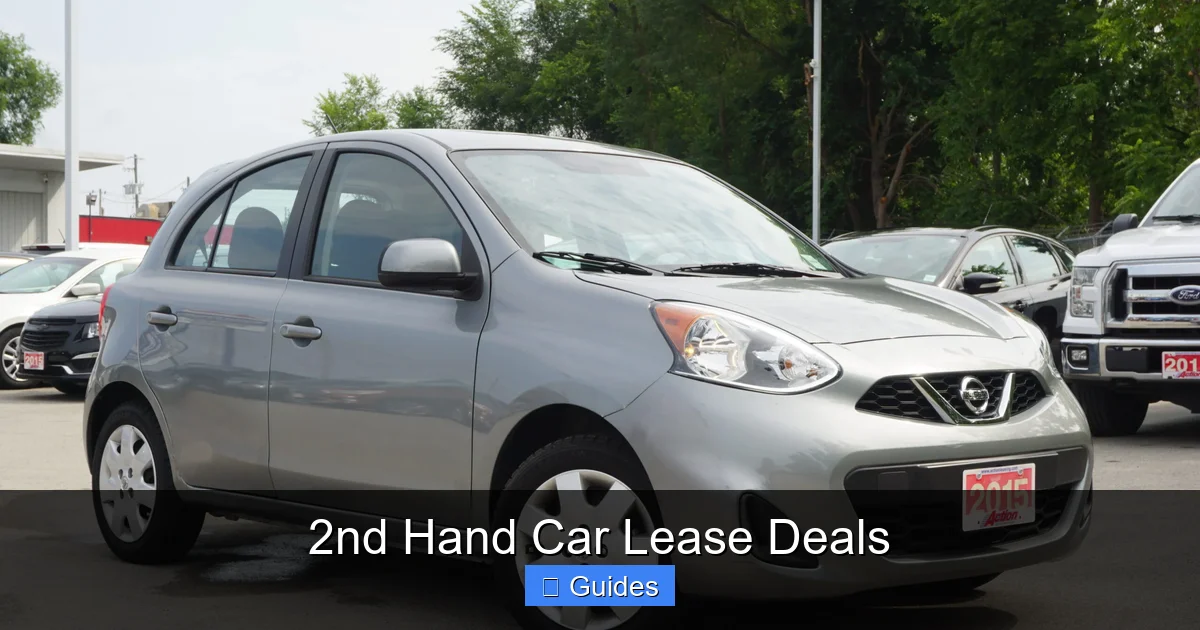
2nd hand car lease deals offer a smart, budget-friendly way to drive a quality used vehicle without the long-term commitment of ownership. By leasing a pre-owned car, you can enjoy lower monthly payments, reduced depreciation costs, and access to well-maintained models from trusted dealers.
This is a comprehensive guide about 2nd hand car lease deals.
In This Article
- 1 Key Takeaways
- 2 What Are 2nd Hand Car Lease Deals?
- 3 Why Choose a 2nd Hand Car Lease?
- 4 How Do 2nd Hand Car Lease Deals Work?
- 5 Where to Find the Best 2nd Hand Car Lease Deals
- 6 Tips for Getting the Best 2nd Hand Car Lease Deal
- 7 Common Misconceptions About 2nd Hand Car Leases
- 8 Is a 2nd Hand Car Lease Right for You?
- 9 Conclusion
- 10 Frequently Asked Questions
Key Takeaways
- Lower Monthly Payments: 2nd hand car lease deals typically cost less per month than new car leases, making them ideal for budget-conscious drivers.
- Reduced Depreciation Risk: Since most depreciation occurs in the first few years, leasing a used car means you avoid the steepest value drop.
- Certified Pre-Owned Options: Many 2nd hand leases come from certified programs, offering peace of mind with inspections and warranties.
- Shorter Commitment Periods: Used car leases often have flexible terms, allowing you to upgrade or change vehicles more frequently.
- Wider Vehicle Selection: You can access a broader range of makes and models, including discontinued or high-end vehicles at lower prices.
- Easier Approval Process: Lenders may be more lenient with credit requirements for used car leases compared to new ones.
- Potential for Early Buyout: Some 2nd hand leases allow you to purchase the car at the end of the term, often at a favorable price.
[FEATURED_IMAGE_PLACEHOLDER]
What Are 2nd Hand Car Lease Deals?
When most people think of car leasing, they picture brand-new vehicles fresh off the assembly line. But there’s a growing trend that’s changing the game: 2nd hand car lease deals. These are lease agreements for used or pre-owned vehicles—cars that have had one or more previous owners but are still in excellent condition. Think of it as renting a gently used car for a set period, usually two to four years, with the option to return it, buy it, or trade it in at the end.
Unlike buying a used car outright, leasing a second-hand vehicle means you’re not responsible for long-term maintenance, major repairs, or resale value. You simply pay for the car’s depreciation during your lease term, plus fees and interest. This model has become increasingly popular among drivers who want reliability without the high cost of a new car. Whether you’re a young professional, a growing family, or someone looking to downsize, 2nd hand car lease deals offer a practical and affordable alternative.
The appeal lies in the balance between cost and quality. You get access to well-maintained vehicles—often from reputable brands like Toyota, Honda, BMW, or Ford—without the steep price tag of a new model. Plus, many of these cars come with low mileage and full service histories, giving you confidence in their performance. With the right research and a trusted dealer, leasing a used car can be just as smooth and satisfying as leasing a new one.
Why Choose a 2nd Hand Car Lease?
Lower Monthly Payments
One of the biggest advantages of 2nd hand car lease deals is the cost savings. Because the car has already taken the biggest hit in depreciation—typically in the first two to three years—the monthly lease payments are significantly lower than those for new vehicles. For example, leasing a three-year-old Honda Civic might cost $250 per month, while a brand-new model could run $350 or more. That’s a savings of $100 or more each month, which adds up to thousands over the life of the lease.
Less Depreciation Worry
New cars lose value the moment they’re driven off the lot—sometimes up to 20% in the first year. With a used car lease, you’re essentially paying for the next phase of depreciation, which is much slower. This means you’re not losing money as quickly, and you avoid the financial sting of owning a car that’s rapidly losing value. It’s a smarter way to manage your automotive expenses without sacrificing quality.
Access to Higher-End Models
Leasing a used luxury car—like a pre-owned BMW 3 Series or Mercedes-Benz C-Class—can be far more affordable than leasing a new one. You get all the premium features, advanced technology, and smooth ride of a high-end vehicle, but at a fraction of the cost. This opens the door to driving cars you might not otherwise afford, making 2nd hand car lease deals a great option for those who want luxury on a budget.
Flexible Lease Terms
Many used car leases offer more flexible terms than new car leases. You might find options for 24, 36, or 48 months, with varying mileage limits and end-of-lease choices. Some programs even allow early termination or lease transfers, giving you more control over your commitment. This flexibility is ideal if your lifestyle or job situation changes frequently.
Certified Pre-Owned Peace of Mind
Worried about reliability? Many 2nd hand car lease deals come from certified pre-owned (CPO) programs. These vehicles undergo rigorous inspections, have clean titles, and often include extended warranties. For example, a CPO Toyota Camry might come with a 12-month/12,000-mile comprehensive warranty and a 7-year/100,000-mile powertrain warranty. That kind of coverage makes leasing a used car feel just as safe as leasing a new one.
How Do 2nd Hand Car Lease Deals Work?
The Lease Agreement
Leasing a used car works similarly to leasing a new one, but with a few key differences. You sign a contract with a leasing company or dealership that outlines the terms: monthly payment, lease duration, mileage allowance, and fees. The leasing company owns the car, and you pay to use it for the agreed period. At the end, you can return the vehicle, buy it at a predetermined price (the residual value), or lease another car.
Residual Value and Depreciation
The monthly payment in a lease is based on the car’s depreciation during the lease term. For example, if a used car is worth $20,000 today and is expected to be worth $12,000 after three years, you’ll pay for that $8,000 drop in value, plus interest and fees. Because used cars depreciate slower than new ones, your payments are lower. The residual value—the car’s estimated worth at lease end—is set in advance, so there are no surprises.
Mileage Limits and Wear-and-Tear
Like new car leases, 2nd hand car lease deals come with mileage limits—usually 10,000 to 15,000 miles per year. Exceeding this limit results in per-mile charges, typically $0.10 to $0.25. You’re also responsible for normal wear and tear, but excessive damage may incur fees. It’s important to review the lease agreement carefully to understand what’s considered acceptable wear.
Insurance and Maintenance
You’ll need full insurance coverage on a leased used car, just like a new one. Some leases include maintenance packages, but many require you to handle routine service yourself. However, if the car is still under warranty or part of a CPO program, major repairs may be covered. Always confirm what’s included before signing.
End-of-Lease Options
When your lease ends, you have three main choices: return the car, buy it, or lease another vehicle. If you return it, the dealer will inspect it for excess wear and mileage. If you love the car and want to keep it, you can purchase it at the residual value. Alternatively, you can roll into a new lease—often with incentives for loyalty.
Where to Find the Best 2nd Hand Car Lease Deals
Certified Pre-Owned Programs
The best place to start your search is with manufacturer-certified pre-owned (CPO) programs. Brands like Honda, Toyota, Ford, and BMW offer CPO vehicles that are inspected, reconditioned, and backed by warranties. These programs often include lease options, making it easy to find reliable 2nd hand car lease deals. For example, Honda’s CPO program includes a 182-point inspection and a 7-year/100,000-mile powertrain warranty.
Franchise Dealerships
Franchise dealerships—those affiliated with major brands—are excellent sources for used car leases. They have access to trade-ins and off-lease vehicles, which are often well-maintained and come with service records. Plus, they may offer special lease promotions or incentives to move inventory. Visit dealership websites or call their leasing departments to ask about current 2nd hand car lease deals.
Online Leasing Platforms
Websites like LeaseTrader, Swapalease, and LeaseQuery allow you to search for used car leases across the country. These platforms let you compare deals, read reviews, and even take over an existing lease (known as lease assumption). This can be a great way to get into a high-quality used car with lower payments and a shorter commitment.
Credit Unions and Banks
Some financial institutions offer direct leasing programs for used cars. Credit unions, in particular, may provide competitive rates and flexible terms. They often work with local dealerships to offer exclusive 2nd hand car lease deals to members. Check with your bank or credit union to see if they have a leasing program.
Auction and Fleet Vehicles
Government agencies, rental companies, and corporate fleets often sell used vehicles at auction. While these cars may not come with warranties, they’re typically well-maintained and low-mileage. Some dealerships purchase these vehicles and offer them as lease-ready options. Keep an eye on local auctions or dealerships that specialize in fleet sales.
Tips for Getting the Best 2nd Hand Car Lease Deal
Know Your Budget
Before you start shopping, determine how much you can afford to pay each month. Include not just the lease payment, but also insurance, fuel, maintenance, and potential fees. A good rule of thumb is to keep your total car expenses under 15% of your monthly take-home pay. Use online lease calculators to estimate payments based on price, term, and mileage.
Check the Vehicle History
Always request a vehicle history report using the car’s VIN. Services like Carfax or AutoCheck can reveal accidents, title issues, service records, and previous owners. A clean history is essential for peace of mind. Avoid cars with salvage titles or major accidents, even if the price is tempting.
Inspect the Car
Even if the car is certified, it’s wise to have it inspected by an independent mechanic. They can spot hidden issues like worn brakes, transmission problems, or frame damage. A $100 inspection could save you thousands in repairs down the road. If the dealer refuses to allow an inspection, consider it a red flag.
Negotiate the Capitalized Cost
The capitalized cost (or “cap cost”) is the price of the car used to calculate your lease payments. Just like with a new car, you can negotiate this number. Research the car’s market value using tools like Kelley Blue Book or Edmunds, and aim to lease it below that price. A lower cap cost means lower monthly payments.
Understand the Money Factor
The money factor is the lease equivalent of an interest rate. It’s usually a small decimal like 0.0025, which translates to a 6% annual interest rate. Ask the dealer to disclose the money factor and compare it to current auto loan rates. A lower money factor means a better deal.
Watch Out for Fees
Lease agreements often include acquisition fees, disposition fees, and documentation charges. These can add hundreds or even thousands to your total cost. Ask for a full breakdown of all fees upfront and see if any can be waived or rolled into the lease. Some dealers may reduce fees to close a deal.
Read the Fine Print
Don’t skip the details. Pay attention to mileage limits, wear-and-tear guidelines, early termination penalties, and end-of-lease options. Make sure you understand what happens if you return the car early or exceed the mileage. A clear understanding of the terms can prevent costly surprises later.
Common Misconceptions About 2nd Hand Car Leases
“Used Cars Are Less Reliable”
Many people assume that used cars are more likely to break down. But with today’s advanced engineering and rigorous CPO inspections, many pre-owned vehicles are just as reliable as new ones. In fact, some studies show that cars built in the last decade have longer lifespans than ever before. As long as you choose a well-maintained, low-mileage car from a trusted source, reliability shouldn’t be a concern.
“Leasing a Used Car Is Complicated”
While the process may seem intimidating at first, leasing a used car is just as straightforward as leasing a new one. The same principles apply: you sign a contract, make monthly payments, and return or buy the car at the end. With the right guidance and a reputable dealer, it’s a simple and transparent process.
“You Can’t Customize a Leased Car”
While you can’t make permanent modifications to a leased vehicle, you can still personalize it with removable accessories like seat covers, floor mats, phone mounts, or window tinting. Just make sure any changes can be reversed before returning the car. Some leases even allow minor cosmetic upgrades with approval.
“Used Car Leases Have Poor Resale Value”
Since you don’t own the car, resale value isn’t your concern. The leasing company handles the resale or trade-in at the end of the term. Your only responsibility is to return the car in good condition. In fact, because used cars depreciate slower, the leasing company may benefit from a higher residual value, which can translate to better deals for you.
“Only New Cars Come with Warranties”
This is far from true. Many 2nd hand car lease deals include manufacturer warranties, especially if the car is still under its original coverage or part of a CPO program. Some leases even offer extended warranties or maintenance packages. Always ask about warranty coverage before signing.
Is a 2nd Hand Car Lease Right for You?
Deciding whether to lease a used car depends on your lifestyle, budget, and driving habits. If you want lower monthly payments, don’t mind returning the car after a few years, and prefer driving newer models without the hassle of ownership, a 2nd hand car lease could be a perfect fit. It’s ideal for people who drive moderately, value flexibility, and want to avoid the steep depreciation of new cars.
On the other hand, if you drive a lot of miles, plan to keep a car for many years, or enjoy customizing your vehicle, buying might be a better option. Leasing a used car isn’t for everyone, but for the right person, it’s a smart, cost-effective way to enjoy reliable transportation.
Take the time to compare your options, crunch the numbers, and test drive a few vehicles. With the right research and a clear understanding of your needs, you can find a 2nd hand car lease deal that saves you money and keeps you happy on the road.
Conclusion
2nd hand car lease deals are reshaping the way people think about affordable, reliable transportation. By choosing a pre-owned vehicle, you can enjoy lower monthly payments, reduced depreciation, and access to high-quality cars from trusted brands. Whether you’re looking for a fuel-efficient sedan, a spacious SUV, or a stylish luxury car, there’s likely a used lease option that fits your needs and budget.
The key to success is doing your homework: research vehicle history, compare deals, negotiate terms, and read the fine print. With the right approach, leasing a used car can be a smart financial move that gives you peace of mind and keeps more money in your pocket. So the next time you’re in the market for a car, don’t overlook the value and versatility of 2nd hand car lease deals. Your dream ride might be just a lease away.
Frequently Asked Questions
Can I lease a used car with bad credit?
Yes, it’s often easier to get approved for a used car lease with less-than-perfect credit. Lenders may be more flexible since the vehicle’s value is lower, reducing their risk. Some dealers even offer subprime leasing programs with higher interest rates.
What happens if I go over the mileage limit?
If you exceed the mileage limit, you’ll be charged a per-mile fee—usually $0.10 to $0.25—when you return the car. To avoid this, choose a lease with a higher mileage allowance or consider buying the car at the end of the term.
Can I buy the car at the end of the lease?
Yes, most 2nd hand car lease deals allow you to purchase the vehicle at the end of the term for the predetermined residual value. This can be a great deal if the car is still in good condition and the price is fair.
Are maintenance and repairs covered?
Routine maintenance is typically your responsibility, but if the car is under warranty or part of a CPO program, major repairs may be covered. Always confirm what’s included in your lease agreement.
Can I transfer my lease to someone else?
Some leases allow lease assumption, where another person takes over your payments. This can help you get out of the lease early, but it depends on the leasing company’s policies and the new lessee’s credit approval.
Are there tax benefits to leasing a used car?
If you use the car for business, you may be able to deduct a portion of the lease payments. Consult a tax professional to understand the rules, as they vary by location and usage. Personal leases generally don’t offer tax benefits.

At CarLegit, we believe information should be clear, factual, and genuinely helpful. That’s why every guide, review, and update on our website is created with care, research, and a strong focus on user experience.