
Choosing the right seat cover color for a grey car can transform your interior from dull to dynamic. This guide highlights the top 7 colors that complement grey upholstery, balancing aesthetics, practicality, and durability. Whether you prefer bold contrasts or subtle elegance, there’s a perfect match for every driver.
In This Article
- 1 Key Takeaways
- 2 📑 Table of Contents
- 3 Introduction: Why Seat Cover Color Matters in a Grey Car
- 4 Understanding Grey Car Interiors: Tone, Shade, and Lighting
- 5 Top 7 Seat Cover Colors for Grey Cars
- 5.1 1. Black: The Classic Choice
- 5.2 2. Navy Blue: Sophisticated and Stylish
- 5.3 3. Burgundy or Wine Red: Bold and Luxurious
- 5.4 4. Charcoal Grey: Monochromatic Harmony
- 5.5 5. Beige or Tan: Bright and Airy
- 5.6 6. White or Light Grey: Clean and Contemporary
- 5.7 7. Patterned or Textured Covers: Adding Visual Interest
- 6 Factors to Consider When Choosing Seat Cover Color
- 7 Installation and Maintenance Tips
- 8 Conclusion: Finding Your Perfect Match
- 9 Frequently Asked Questions
Key Takeaways
- Black seat covers offer a sleek, modern look and hide dirt well, making them ideal for daily drivers.
- Navy blue adds depth and sophistication while maintaining a professional appearance.
- Burgundy or wine red brings warmth and luxury, creating a striking contrast against cool grey tones.
- Charcoal grey provides a monochromatic, cohesive aesthetic that’s easy to maintain.
- Beige or tan lightens the cabin and adds brightness, especially in darker grey interiors.
- White or light grey creates an airy, clean feel but requires more frequent cleaning.
- Patterned or textured covers (like tweed or geometric designs) add visual interest without overwhelming the space.
📑 Table of Contents
Introduction: Why Seat Cover Color Matters in a Grey Car
So, you’ve got a grey car—maybe it’s a sleek sedan, a rugged SUV, or a compact hatchback. Grey is a popular choice for a reason: it’s neutral, modern, and hides minor imperfections better than lighter shades. But while the exterior might look sharp, the interior can sometimes feel a bit… flat. That’s where seat covers come in.
Seat covers aren’t just about protection—they’re a design opportunity. The right color can elevate your car’s cabin, reflect your personality, and even improve resale value. But with so many options out there, how do you pick the best seat cover color for a grey car? It’s not just about what looks good—it’s about what works with your lifestyle, climate, and driving habits.
Think of your car’s interior like a blank canvas. Grey is your base tone—cool, calm, and versatile. Now, you’re adding an accent layer with your seat covers. The goal? To create harmony, contrast, or a little bit of both. Whether you’re going for understated elegance or bold flair, the color you choose will set the mood every time you slide behind the wheel.
Understanding Grey Car Interiors: Tone, Shade, and Lighting
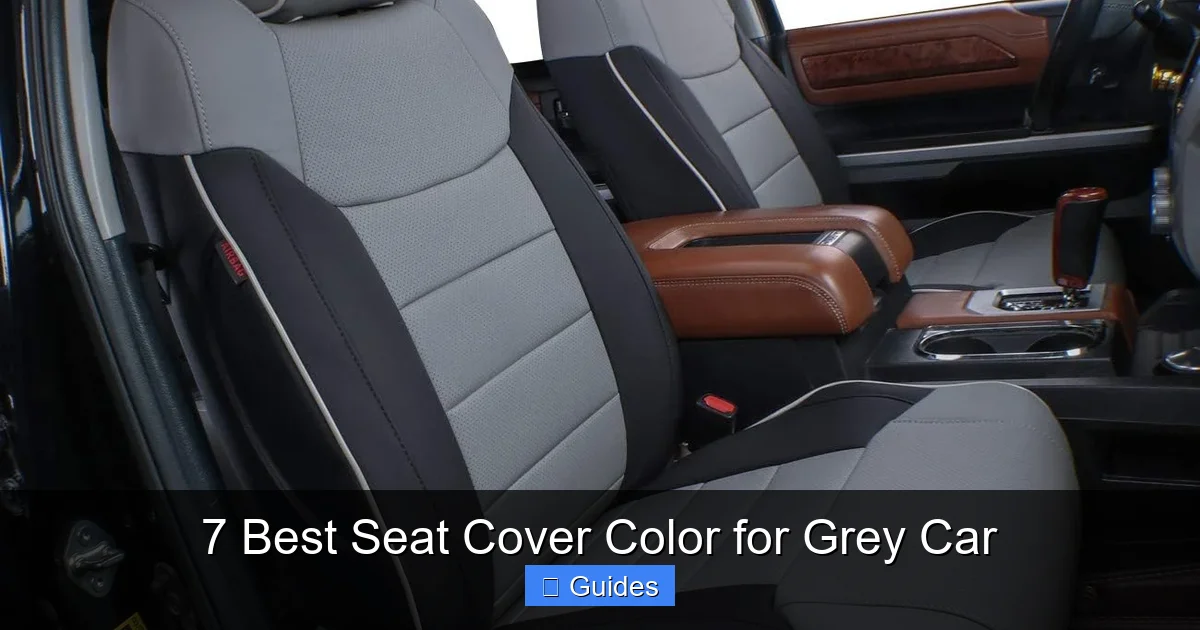
Visual guide about 7 Best Seat Cover Color for Grey Car
Image source: m.media-amazon.com
Before diving into colors, it’s important to understand the nuances of your grey interior. Not all greys are created equal. Some are warm greys with brown or beige undertones, while others are cool greys with blue or green hints. The shade—light, medium, or dark—also plays a big role in how colors interact.
Identify Your Grey’s Undertone
Start by examining your car’s existing upholstery under different lighting. Natural daylight reveals the truest color, while indoor or nighttime lighting can skew perceptions. If your grey has a warm undertone (think taupe or greige), earthy colors like burgundy, camel, or olive green will complement it beautifully. Cool greys (with blue or silver hints) pair well with jewel tones like navy, emerald, or even crisp white.
Consider Lighting Conditions
Your car’s interior lighting affects how colors appear. A dark grey cabin under dim dashboard lights can feel cave-like if you add more dark colors. On the flip side, a light grey interior with lots of natural light can handle bolder hues without feeling overwhelming. Think about when and where you drive most—early mornings, late nights, city streets, or open highways—and choose a color that looks good in those conditions.
Match or Contrast?
There’s no right or wrong answer here—it’s about preference. Matching your seat cover color closely to your existing grey creates a seamless, minimalist look. Contrasting colors, like black on light grey or red on dark grey, make a statement and can hide wear and tear more effectively. Many drivers opt for a middle ground: a slightly different shade or a complementary tone that adds interest without clashing.
Top 7 Seat Cover Colors for Grey Cars

Visual guide about 7 Best Seat Cover Color for Grey Car
Image source: m.media-amazon.com
Now, let’s get into the heart of the matter: the seven best seat cover colors for grey cars. Each option brings its own vibe, benefits, and considerations. Whether you’re prioritizing style, durability, or ease of cleaning, there’s a perfect fit for your ride.
1. Black: The Classic Choice
Black is the go-to for a reason. It’s timeless, sophisticated, and incredibly practical. For grey cars—especially darker shades—black seat covers create a sleek, high-contrast look that feels modern and polished.
Why it works: Black hides dirt, spills, and pet hair like a champ. It’s also less likely to show fading from sun exposure, making it ideal for cars parked outdoors. Plus, it pairs well with almost any interior trim, from chrome accents to wood grain.
Best for: Daily drivers, families, pet owners, and anyone who wants a low-maintenance option. Black also works well in sporty or luxury vehicles where a bold, dramatic interior is desired.
Pro tip: If your grey interior is already dark, consider black seat covers with subtle texture—like perforated leather or quilted fabric—to add visual interest without going full matte.
Navy blue is having a moment in automotive design, and for good reason. It’s rich, professional, and adds depth without being as harsh as black. On a grey car, navy creates a cool, coordinated palette that feels both modern and refined.
Why it works: Navy is versatile—it’s dark enough to hide stains but lighter than black, so it doesn’t make the cabin feel too heavy. It also complements both warm and cool greys, especially those with blue undertones.
Best for: Professionals, commuters, and anyone who wants a polished look without going full black. Navy also works well in SUVs and crossovers where a touch of elegance is appreciated.
Pro tip: Pair navy seat covers with silver or chrome interior accents to enhance the cool-toned aesthetic. Avoid pairing with warm wood trims unless you’re going for an intentional contrast.
3. Burgundy or Wine Red: Bold and Luxurious
If you’re ready to make a statement, burgundy or wine red seat covers are a stunning choice. These deep, rich reds add warmth and luxury to a grey interior, creating a high-end feel reminiscent of classic European cars.
Why it works: Burgundy strikes the perfect balance between bold and sophisticated. It’s darker than bright red, so it hides dirt well, but still adds a pop of color that energizes the cabin. On a grey base, it creates a dramatic yet elegant contrast.
Best for: Drivers who want to stand out, luxury car owners, or anyone looking to add a touch of old-school glamour. It’s also a great choice for evening drives when the interior lighting makes the color really shine.
Pro tip: Stick to solid burgundy or subtle textures like suede or velvet. Avoid bright reds or patterns unless you’re going for a very specific theme (like vintage racing).
4. Charcoal Grey: Monochromatic Harmony
For a seamless, cohesive look, charcoal grey seat covers are hard to beat. Slightly darker or lighter than your car’s existing grey, they create a monochromatic scheme that’s calming and modern.
Why it works: Monochromatic interiors are trending in high-end vehicles for their clean, minimalist appeal. Charcoal grey adds depth without introducing a new color, making the cabin feel unified and intentional.
Best for: Minimalists, design-conscious drivers, and those who prefer understated elegance. It’s also a great choice if you’re planning to sell your car—neutral tones appeal to a wider audience.
Pro tip: Choose a charcoal shade that’s at least one tone different from your car’s upholstery to avoid a flat, one-note look. Add contrast with seat cover stitching in black, white, or silver.
5. Beige or Tan: Bright and Airy
If your grey interior feels too dark or cool, beige or tan seat covers can lighten things up. These warm neutrals add brightness and openness, making the cabin feel more inviting.
Why it works: Beige and tan reflect light, which can make a small or dark interior feel larger and more spacious. They also pair beautifully with warm grey tones, creating a soft, earthy palette.
Best for: Drivers in sunny climates, those with light grey interiors, or anyone who wants a fresh, clean look. It’s also a great choice for convertibles or cars with panoramic roofs where natural light floods the cabin.
Pro tip: Beige shows dirt more easily than darker colors, so opt for stain-resistant fabrics like microfiber or treated leather. Regular vacuuming and spot cleaning will keep them looking fresh.
6. White or Light Grey: Clean and Contemporary
White or light grey seat covers are the ultimate in modern minimalism. They create a crisp, hospital-clean aesthetic that feels ultra-contemporary and calming.
Why it works: Light colors make the interior feel open and airy, especially in cars with dark exteriors. They also highlight the quality of materials—think premium leather or high-thread-count fabric.
Best for: Design enthusiasts, luxury car owners, or anyone who loves a clean, futuristic vibe. It’s also a great choice for show cars or vehicles used in photography.
Pro tip: White requires diligent maintenance. Use protective sprays, avoid eating in the car, and clean spills immediately. Consider light grey instead—it offers a similar look with better stain resistance.
7. Patterned or Textured Covers: Adding Visual Interest
Sometimes, a solid color isn’t enough. Patterned or textured seat covers—like tweed, herringbone, geometric prints, or quilted designs—add dimension and personality to a grey interior.
Why it works: Patterns break up large surfaces and draw the eye, making the cabin feel more dynamic. Textures like suede, velvet, or perforated leather add tactile appeal and luxury.
Best for: Creative drivers, vintage car enthusiasts, or anyone who wants to personalize their space. Patterns also help hide minor imperfections and wear.
Pro tip: Keep patterns subtle—bold florals or loud graphics can clash with grey’s neutrality. Opt for tonal patterns (like grey-on-grey herringbone) or small-scale designs in complementary colors.
Factors to Consider When Choosing Seat Cover Color
Picking the right color isn’t just about aesthetics—it’s about practicality, too. Here are key factors to keep in mind before making your final decision.
Lifestyle and Usage
Are you a parent with messy kids? A pet owner with shedding dogs? A commuter who eats breakfast on the go? Your daily habits should influence your color choice. Darker colors like black, navy, and charcoal are more forgiving when it comes to spills and dirt. Lighter shades like beige and white require more upkeep but offer a cleaner look.
Climate and Sun Exposure
If you live in a hot, sunny area, dark seat covers can absorb heat and make your car uncomfortably warm. Light colors reflect sunlight and stay cooler. Conversely, in colder climates, dark covers can feel cozier and absorb warmth from the sun.
Material Matters
The fabric of your seat covers affects both appearance and performance. Leather looks sleek but can crack in extreme temperatures. Fabric is breathable but may stain more easily. Neoprene is waterproof and great for outdoor enthusiasts. Choose a material that complements your color choice—for example, white leather looks luxurious but shows wear quickly, while black fabric is durable and low-maintenance.
Resale Value
If you plan to sell your car someday, neutral colors like black, grey, and beige are safer bets. Bold colors like red or patterned covers may appeal to you but could limit your buyer pool. That said, a well-maintained, stylish interior can still boost resale value—especially in luxury or performance vehicles.
Personal Style and Mood
Your car is an extension of your personality. Do you want to feel calm and focused while driving? Go for cool tones like navy or charcoal. Want to feel energized and confident? Try burgundy or a bold pattern. Your seat cover color should make you smile every time you get in.
Installation and Maintenance Tips
Once you’ve chosen the perfect color, proper installation and care will keep your seat covers looking great for years.
Proper Fit is Key
Ill-fitting seat covers can bunch, slide, or wear out quickly. Look for custom-fit options designed for your specific make and model. Universal covers may be cheaper, but they rarely look or perform as well.
Cleaning and Care
Follow the manufacturer’s care instructions. Most fabric covers can be vacuumed and spot-cleaned with mild detergent. Leather and faux leather should be wiped down with a damp cloth and conditioned regularly. For light colors, consider using a fabric protector spray to repel stains.
Seasonal Rotation
If you live in an area with distinct seasons, consider having two sets of seat covers—one for summer (lighter colors) and one for winter (darker, cozier fabrics). This not only protects your seats but also keeps your interior feeling fresh year-round.
Conclusion: Finding Your Perfect Match
Choosing the best seat cover color for a grey car is about more than just picking a shade—it’s about creating a space that reflects who you are and how you live. Whether you go bold with burgundy, keep it classic with black, or embrace minimalism with charcoal grey, the right color can transform your driving experience.
Remember, there’s no one-size-fits-all answer. Consider your car’s undertones, your lifestyle, and your personal style. Don’t be afraid to experiment—many seat covers are affordable and easy to swap out. And when in doubt, lean toward timeless neutrals that will look great now and years down the road.
Your car’s interior should feel like a sanctuary—a place where you’re comfortable, confident, and in control. With the right seat cover color, that vision is well within reach.
Frequently Asked Questions
What is the best seat cover color for a grey car?
The best seat cover color depends on your preferences and needs. Black, navy, and charcoal grey are popular for their durability and sleek look, while burgundy and beige add warmth and contrast. Choose based on your lifestyle and desired aesthetic.
Do light-colored seat covers show dirt easily?
Yes, light colors like white, beige, and light grey show dirt, spills, and pet hair more than darker shades. However, using stain-resistant fabrics and regular cleaning can help maintain their appearance.
Can I use patterned seat covers in a grey car?
Absolutely! Patterned or textured seat covers add visual interest and can complement a grey interior. Opt for subtle designs in tonal or complementary colors to avoid overwhelming the space.
Will dark seat covers make my car hotter in summer?
Yes, dark colors absorb more heat from sunlight, which can make your car’s interior warmer. If you live in a hot climate, consider lighter colors or use sunshades to reduce heat buildup.
Are leather seat covers better than fabric?
Leather looks sleek and is easy to clean but can get hot in summer and cold in winter. Fabric is more breathable and comfortable but may stain more easily. Choose based on your climate and usage.
How often should I clean my seat covers?
It depends on usage. For daily drivers, vacuuming weekly and spot-cleaning spills immediately is recommended. Deep clean every 3–6 months, or more often if you have kids, pets, or eat in the car.

At CarLegit, we believe information should be clear, factual, and genuinely helpful. That’s why every guide, review, and update on our website is created with care, research, and a strong focus on user experience.