
Choosing the right seat cover color for a white car isn’t just about looks—it’s about practicality, comfort, and long-term value. From classic neutrals to bold contrasts, this guide breaks down the top 7 colors that enhance your white vehicle’s interior while resisting stains, fading, and wear.
In This Article
- 1 Key Takeaways
- 2 📑 Table of Contents
- 3 Why Seat Cover Color Matters for Your White Car
- 4 Top 7 Seat Cover Colors That Complement a White Car
- 4.1 1. Black – The Classic, No-Fuss Choice
- 4.2 2. Gray – The Balanced, Modern Neutral
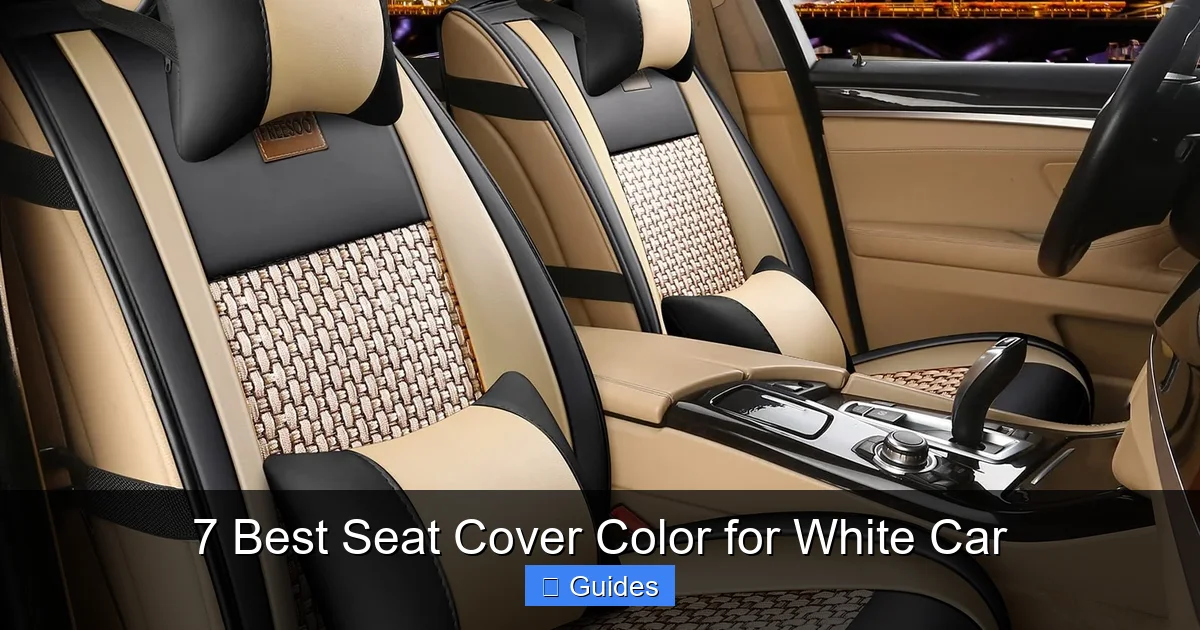
- 4.3 3. Beige and Cream – Light, Airy, and Elegant
- 4.4 4. Navy Blue – Bold Yet Sophisticated
- 4.5 5. Red or Burgundy – For a Pop of Personality
- 4.6 6. Two-Tone Designs – Best of Both Worlds
- 4.7 7. Tan or Cognac – Warm and Inviting
- 5 How to Choose the Right Seat Cover Color for Your Lifestyle
- 6 Material Matters: Pairing Color with the Right Fabric
- 7 Final Thoughts: Make Your White Car Shine Inside and Out
- 8 Frequently Asked Questions
Key Takeaways
- Black seat covers offer a sleek, timeless look and hide dirt well, making them ideal for daily drivers.
- Gray tones provide a balanced, modern aesthetic that complements white exteriors without showing every speck of dust.
- Beige and cream create a light, airy cabin feel but require more maintenance to stay clean.
- Navy blue adds a rich, sophisticated contrast that stands out while remaining professional.
- Red or burgundy deliver bold personality and warmth, perfect for sporty or luxury white vehicles.
- Two-tone designs combine function and flair, using darker bases with lighter accents for visual interest.
- Material matters as much as color—opt for durable, easy-to-clean fabrics like neoprene or leather alternatives.
📑 Table of Contents
Why Seat Cover Color Matters for Your White Car
When you drive a white car, you already know it turns heads. But what about the inside? The color of your seat covers plays a huge role in how your car feels, looks, and holds up over time. It’s not just about matching your personal style—though that’s important too. The right color can protect your original seats, reduce glare, resist stains, and even influence your mood during long drives.
White cars are popular for their clean, modern appearance and ability to stay cooler in the sun. But they also show dirt more easily, especially on the exterior. That same principle applies inside: light-colored interiors can highlight crumbs, spills, and wear. That’s where seat covers come in. They act as a shield, preserving your factory seats while giving you full control over the interior design.
Choosing the best seat cover color for a white car means balancing aesthetics with practicality. You want something that looks sharp with your white paint job but won’t turn into a cleaning nightmare after a few weeks. Whether you’re commuting daily, road-tripping with the family, or just want to keep your car looking showroom-fresh, the right seat cover color makes all the difference.
Top 7 Seat Cover Colors That Complement a White Car
Visual guide about 7 Best Seat Cover Color for White Car
Image source: m.media-amazon.com
Now that we’ve covered why color choice matters, let’s dive into the top seven seat cover colors that work beautifully with white vehicles. Each option brings its own vibe, benefits, and maintenance needs—so you can pick the one that fits your lifestyle.
1. Black – The Classic, No-Fuss Choice
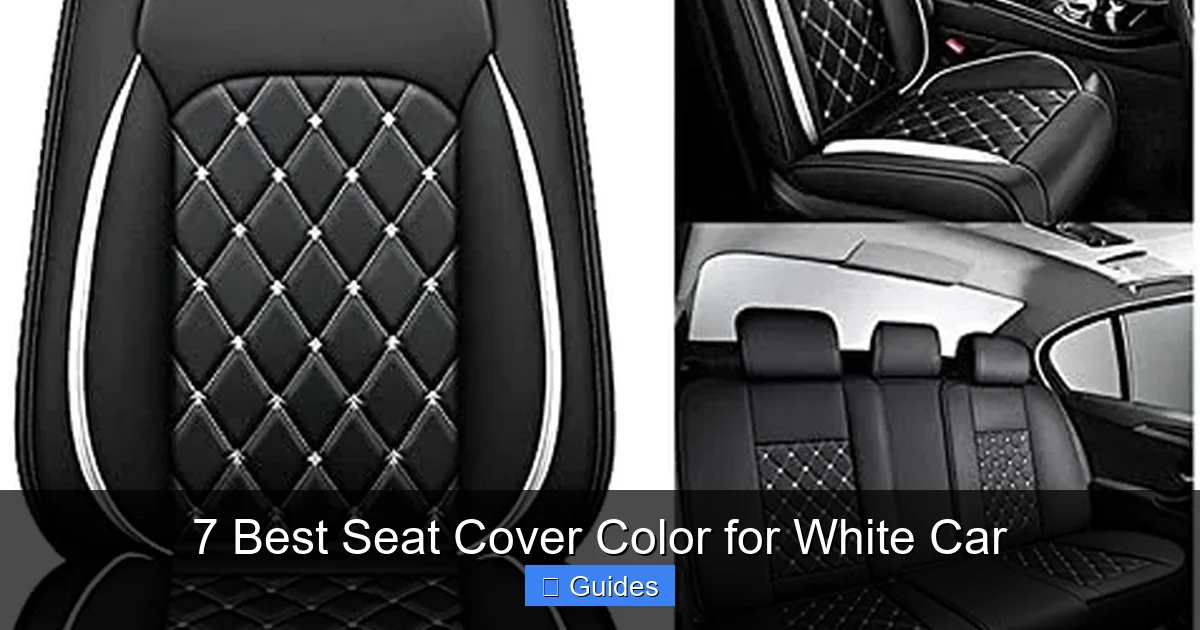
Black is the go-to for a reason. It’s bold, elegant, and incredibly practical. If you want a seat cover that hides dirt, resists fading, and gives your white car a sharp, high-contrast look, black is hard to beat.
One of the biggest advantages of black seat covers is their ability to camouflage everyday messes. Whether it’s coffee spills, pet hair, or muddy shoes, black hides it all. That makes it ideal for families, pet owners, or anyone who uses their car heavily. Plus, black doesn’t show wear as quickly as lighter shades, so your seats will look newer for longer.
From a style standpoint, black creates a dramatic contrast with a white exterior. It gives your car a sporty, luxurious feel—think luxury sedans or high-performance coupes. It also pairs well with almost any interior trim, whether your dashboard is gray, beige, or even red.
When shopping for black seat covers, look for high-quality materials like neoprene, polyester blends, or faux leather. These offer durability and are often water-resistant, which is a huge plus. Avoid cheap vinyl options—they can crack over time and feel uncomfortable in extreme temperatures.
Pro tip: If you live in a hot climate, consider perforated black seat covers. The tiny holes allow airflow, reducing heat buildup and making long drives more comfortable.
2. Gray – The Balanced, Modern Neutral
Gray has become one of the most popular interior colors in recent years—and for good reason. It’s versatile, modern, and strikes the perfect balance between light and dark. For white cars, gray seat covers offer a cohesive, upscale look without the starkness of black.
Light gray gives a clean, minimalist vibe, while charcoal or slate gray adds depth and sophistication. Both shades work well with white exteriors, creating a monochromatic theme that feels intentional and stylish. Gray also reflects less light than white, reducing glare on sunny days—something that can be a real issue with lighter interiors.
From a maintenance perspective, gray is a smart middle ground. It doesn’t show every crumb like beige, but it’s not as harsh as black in direct sunlight. Medium to dark gray tones are especially good at hiding dust and minor stains, making them great for daily use.
If you’re going for a tech-savvy or modern aesthetic, gray pairs beautifully with silver or black trim. It also complements metallic accents and LED lighting inside the cabin. Many luxury and electric vehicles now feature gray interiors for this very reason.
When choosing gray seat covers, consider the shade carefully. Cool grays (with blue undertones) look sleek and contemporary, while warm grays (with brown or beige hints) feel cozier and more inviting. Match the tone to your car’s existing interior for a seamless look.
3. Beige and Cream – Light, Airy, and Elegant
If you love the idea of a bright, open cabin, beige or cream seat covers might be your perfect match. These soft, neutral tones reflect light beautifully, making your car’s interior feel larger and more welcoming. They’re especially popular in convertibles, SUVs, and luxury vehicles where a light, airy feel is desired.
Beige and cream seat covers work wonderfully with white cars because they create a harmonious, cohesive palette. The combination feels clean, fresh, and timeless—like a seaside villa or a modern Scandinavian home. It’s a look that says “calm” and “comfort” without trying too hard.
However, there’s a catch: light colors show dirt. If you have kids, pets, or a messy commute, beige seat covers will require more frequent cleaning. Spills, mud, and even sunscreen can leave visible marks. That doesn’t mean you should avoid them—just be prepared to maintain them.
To keep beige or cream seat covers looking their best, choose materials with stain-resistant treatments. Microfiber and certain polyester blends are easier to clean than natural fabrics. You can also use fabric protectors to add a layer of defense against spills.
Another tip: go for a slightly textured fabric. A smooth, shiny beige cover can look cheap, but one with a subtle weave or matte finish feels more premium and hides minor imperfections better.
If you’re set on a light interior but worried about upkeep, consider two-tone designs with darker lower sections. This way, the areas that get the most wear (like the seat bottoms and backs) stay protected, while the upper sections keep that airy feel.
Navy blue is having a moment—and it’s easy to see why. It’s rich, deep, and surprisingly versatile. For white cars, navy seat covers add a pop of color that feels intentional and refined, not flashy.
Unlike brighter blues, navy is a mature, professional shade that works in almost any setting. It’s popular in luxury sedans, SUVs, and even sports cars. It pairs beautifully with white exteriors, creating a nautical-inspired look that’s both classic and contemporary.
One of the best things about navy is that it hides dirt well. It’s darker than gray but not as harsh as black, so it strikes a great balance between style and practicality. It also resists fading better than some lighter colors, especially if you choose high-quality, UV-resistant fabric.
Navy also has psychological benefits. Studies show that blue tones can promote calmness and focus—perfect for long drives or stressful commutes. It’s a color that says “I’m in control” without being aggressive.
When shopping for navy seat covers, look for deep, true navy rather than faded or purple-tinted versions. The richer the tone, the more luxurious it will look. Pair it with silver or chrome accents for a high-end feel, or add cream or gray trim for a softer contrast.
Pro tip: If you’re worried about navy looking too dark, choose seat covers with light gray or white stitching. The contrast adds visual interest and keeps the interior from feeling too heavy.
5. Red or Burgundy – For a Pop of Personality
Want your white car to stand out even more? Go bold with red or burgundy seat covers. These warm, vibrant colors inject energy and passion into your ride. They’re perfect for sporty models, convertibles, or anyone who wants to make a statement.
Red seat covers scream confidence. They’re often associated with performance, speed, and excitement—think race cars or high-end sports sedans. Burgundy, on the other hand, is a deeper, more sophisticated cousin. It’s rich and elegant, ideal for luxury vehicles or those who want a touch of drama without going full red.
Both colors create a stunning contrast with a white exterior. The combination is eye-catching and memorable, turning heads wherever you go. It’s a look that says, “This car is fun to drive.”
But be warned: red and burgundy can show wear over time, especially if the fabric isn’t high quality. Fading, scuffing, and stains are more noticeable on darker reds. That’s why it’s crucial to choose durable, fade-resistant materials.
Neoprene and high-grade polyester are excellent choices for red seat covers. They’re tough, easy to clean, and hold color well. Avoid cheap dyes that bleed or fade after a few washes.
Also, consider your car’s interior trim. Red seat covers look best when balanced with neutral or metallic accents. Too much red inside can feel overwhelming. A few red touches on the seats, paired with black or gray dash and door panels, create a balanced, sporty look.
If you’re not ready to commit to full red seats, try red stitching or piping on black or gray covers. It’s a subtle way to add flair without going all-in.
6. Two-Tone Designs – Best of Both Worlds
Why choose just one color when you can have two? Two-tone seat covers combine different shades to create visual interest, improve functionality, and enhance comfort. They’re especially popular in modern vehicles and custom builds.
The most common two-tone setup uses a darker color on the seat bottom and back (where wear and tear happen most) and a lighter color on the sides or bolsters. For example, black bases with gray or beige sides offer protection where it’s needed most while keeping the interior feeling light.
Two-tone designs are smart because they hide dirt in high-contact areas while maintaining a stylish overall look. They also add depth and dimension to your seats, making them look more premium than solid colors.
For white cars, two-tone seat covers can tie together different interior elements. If your dashboard is gray and your door panels are black, a gray-and-black seat cover creates a cohesive theme. Or, if you want to add a pop of color, try navy bases with cream accents.
When shopping for two-tone covers, make sure the colors complement each other and your car’s existing interior. Avoid clashing tones or overly busy patterns. Stick to clean, modern combinations for the best effect.
Pro tip: Look for two-tone covers with matching stitching. Contrasting thread can enhance the design, but make sure it’s high quality and won’t unravel.
7. Tan or Cognac – Warm and Inviting
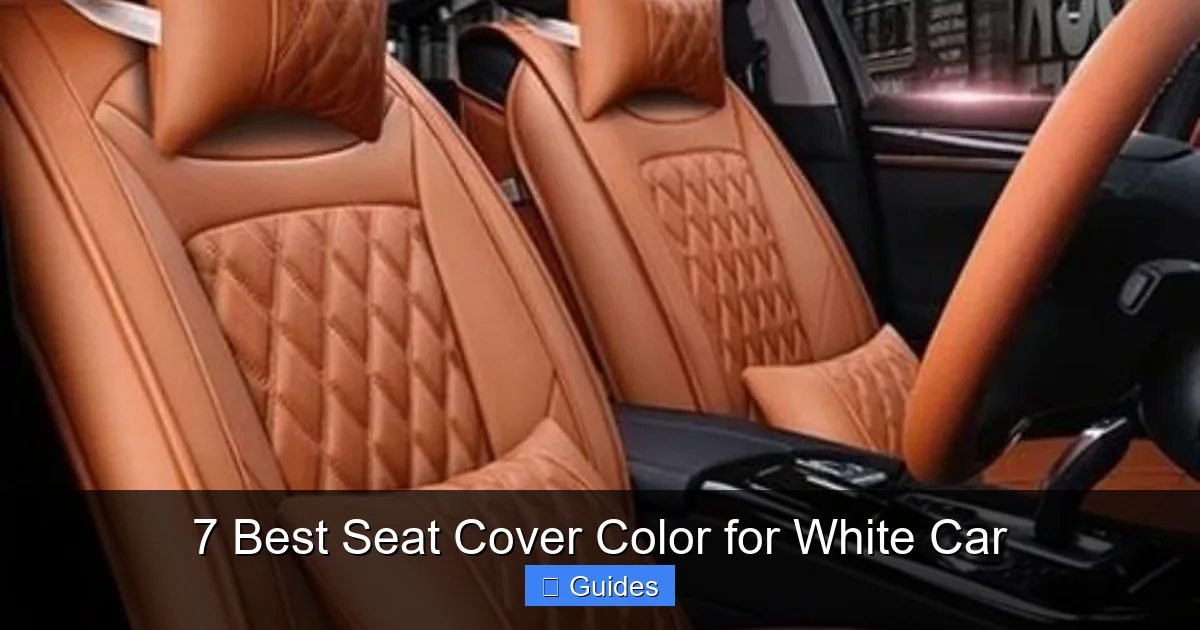
Rounding out our list is tan or cognac—a warm, earthy tone that feels cozy and inviting. These shades are reminiscent of leather armchairs and classic cars, giving your white vehicle a timeless, upscale feel.
Tan seat covers work beautifully with white exteriors because they create a soft, natural contrast. They’re less stark than black or gray and add warmth to the cabin without being too dark. Cognac, a richer, reddish-brown shade, adds even more depth and luxury.
These colors are especially popular in SUVs, trucks, and classic cars. They pair well with wood trim, bronze accents, or warm lighting. If your car has a rustic or vintage vibe, tan or cognac seat covers can enhance that aesthetic.
From a practical standpoint, tan hides dirt moderately well—better than beige, but not as well as gray or black. It’s a good middle ground if you want a warm look without constant cleaning.
When choosing tan or cognac seat covers, opt for materials that mimic real leather, like high-quality faux leather or bonded leather. These offer a luxurious feel and are easier to clean than fabric. Avoid overly glossy finishes—matte or semi-gloss looks more authentic.
Pro tip: Add a matching tan or cognac steering wheel cover and floor mats to complete the look. It creates a unified, polished interior.
How to Choose the Right Seat Cover Color for Your Lifestyle
Visual guide about 7 Best Seat Cover Color for White Car
Image source: m.media-amazon.com
Now that you’ve seen the top seven colors, how do you pick the right one? It all comes down to your lifestyle, climate, and personal preferences.
If you have kids or pets, prioritize durability and stain resistance. Black, gray, or navy are your best bets. They hide messes and stand up to heavy use.
If you live in a hot climate, avoid dark colors that absorb heat. Light gray, beige, or perforated black covers will keep your seats cooler.
If you want a luxury feel, consider navy, burgundy, or cognac. These colors elevate the interior and feel premium.
And if you’re all about style, don’t be afraid to go bold with red or two-tone designs. Just make sure the color complements your car’s exterior and interior trim.
Material Matters: Pairing Color with the Right Fabric
Visual guide about 7 Best Seat Cover Color for White Car
Image source: 5.imimg.com
Color is important, but so is material. The best seat cover color won’t last long if the fabric wears out quickly. Here are the top materials to consider:
– Neoprene: Waterproof, durable, and great for active lifestyles. Ideal for black or gray covers.
– Polyester blends: Affordable, easy to clean, and available in many colors. Good for beige, gray, or red.
– Faux leather: Looks like real leather, resists stains, and feels luxurious. Perfect for navy, burgundy, or cognac.
– Microfiber: Soft, stain-resistant, and great for light colors like beige or cream.
Always check for UV protection, especially if your car sits in the sun often. Fading can ruin even the most beautiful color.
Final Thoughts: Make Your White Car Shine Inside and Out
Your white car deserves an interior that’s just as impressive as its exterior. The right seat cover color can transform your cabin, protect your investment, and make every drive more enjoyable. Whether you go classic with black, modern with gray, or bold with red, there’s a perfect match for your style and needs.
Take your time, consider your lifestyle, and don’t forget about material quality. With the right seat covers, your white car will look sharp, feel comfortable, and stay protected for years to come.
Frequently Asked Questions
What is the best seat cover color for a white car?
The best seat cover color for a white car depends on your needs. Black and gray are top choices for durability and style, while beige and navy offer elegance. Choose based on your lifestyle and climate.
Do light-colored seat covers show dirt easily?
Yes, light colors like beige and cream show dirt, spills, and wear more than darker shades. They require more frequent cleaning but create a bright, airy interior.
Can I use red seat covers in a white car?
Absolutely! Red seat covers add bold personality and look stunning with white exteriors. Just choose high-quality, fade-resistant fabric to maintain the color.
Are two-tone seat covers worth it?
Yes, two-tone seat covers combine style and function. They hide wear in high-contact areas while adding visual interest and depth to your interior.
What material is best for seat covers in hot climates?
Neoprene and perforated faux leather are ideal for hot climates. They resist heat buildup and are easy to clean, keeping your seats comfortable.
How do I clean and maintain my seat covers?
Follow the manufacturer’s care instructions. Most fabric covers can be vacuumed and spot-cleaned, while faux leather wipes clean with a damp cloth. Use protectants to prevent stains.

At CarLegit, we believe information should be clear, factual, and genuinely helpful. That’s why every guide, review, and update on our website is created with care, research, and a strong focus on user experience.