
Featured image for What Happens If You Wreck A Financed Car Without Insurance
Image source: proinsuranceinfo.com
If you wreck a financed car without insurance, you remain legally obligated to pay off the entire loan balance, even if the vehicle is totaled. This exposes you to immediate financial devastation from repair costs, legal penalties for driving uninsured, and potential lawsuits that can cripple your credit and finances.
In This Article
- 1 What Happens If You Crash a Financed Car Uninsured
- 1.1 Key Takeaways
- 1.2 📑 Table of Contents
- 1.3 The Immediate Aftermath: What to Do Right After the Crash
- 1.4 Financial Fallout: Who Pays for the Damages?
- 1.5 Legal Consequences: Facing the Law Without Insurance
- 1.6 Impact on Your Loan and Credit Score
- 1.7 Steps to Take If You’re in This Situation
- 1.8 How to Avoid This Nightmare Scenario
- 1.9 Conclusion: Turning Knowledge into Action
- 1.10 Frequently Asked Questions
- 1.10.1 What happens at the scene if I crash a financed car without insurance?
- 1.10.2 Am I still responsible for the car loan if the car is totaled?
- 1.10.3 Can the lender sue me for wrecking my financed car uninsured?
- 1.10.4 What are the legal penalties for driving uninsured?
- 1.10.5 Will my credit be affected if I default on the loan after a crash?
- 1.10.6 Is there any way to get help if I crash without insurance?
What Happens If You Crash a Financed Car Uninsured
Picture this: you’re driving home from work, tired but relieved the day is over. Out of nowhere, a car runs a red light. You swerve, but it’s too late. Crunch. Your heart sinks as you realize your financed car is wrecked. Then, a second wave of dread hits—you remember you let your insurance lapse last month. What now? If this scenario sends chills down your spine, you’re not alone. Many drivers face this nightmare, often without knowing the full consequences.
Crashing a financed car without insurance isn’t just a bad day; it’s a financial and legal quagmire that can affect your life for years. In this post, I’ll walk you through exactly what happens, step by step, like a friend sharing hard-earned wisdom. We’ll explore the immediate steps, the money troubles, the legal headaches, and how to dig yourself out if you’re already in this spot. Let’s get started, because knowledge is your first line of defense.
Key Takeaways
- You are personally liable for the full loan amount after a crash.
- The lender may repossess the car if insurance lapses.
- Driving uninsured is illegal and can lead to severe penalties.
- Your credit score will be damaged by defaulting on the loan.
- You could be sued for damages to other parties involved.
- Consider gap insurance to protect against loan-value differences.
- Contact your lender immediately to explore options after an accident.
📑 Table of Contents
- The Immediate Aftermath: What to Do Right After the Crash
- Financial Fallout: Who Pays for the Damages?
- Legal Consequences: Facing the Law Without Insurance
- Impact on Your Loan and Credit Score
- Steps to Take If You’re in This Situation
- How to Avoid This Nightmare Scenario
- Conclusion: Turning Knowledge into Action
The Immediate Aftermath: What to Do Right After the Crash
When you crash a financed car uninsured, panic is natural. But your actions in the first few moments can shape the outcome. Take a deep breath; here’s what to focus on.
Check for Injuries and Call Emergency Services
First things first: are you or anyone else hurt? Your health is priority number one. Even if the crash seems minor, call 911. A police report is crucial, especially when you’re uninsured. It documents the event objectively, which you’ll need later. I remember a friend who shrugged off a fender-bender, only to face disputes about fault because there was no official record. Don’t make that mistake.
Document the Scene Thoroughly
If it’s safe, use your phone to take pictures—lots of them. Capture the damage to all vehicles, street signs, skid marks, and weather conditions. Note the time and location. This evidence is gold when dealing with lenders or legal claims. Without insurance, you’re on your own for proof, so be meticulous.
Exchange Information with Other Parties
Swap details with the other driver: name, contact info, license plate, and insurance (even if you don’t have any). Be honest but cautious; avoid admitting fault on the spot. Say something like, “I’m glad we’re okay; let’s let the authorities sort it out.” This keeps things civil and protects you from self-incrimination.
Financial Fallout: Who Pays for the Damages?
This is where things get real. When you crash a financed car uninsured, the financial burden falls squarely on you. Let’s break down who comes knocking for money.
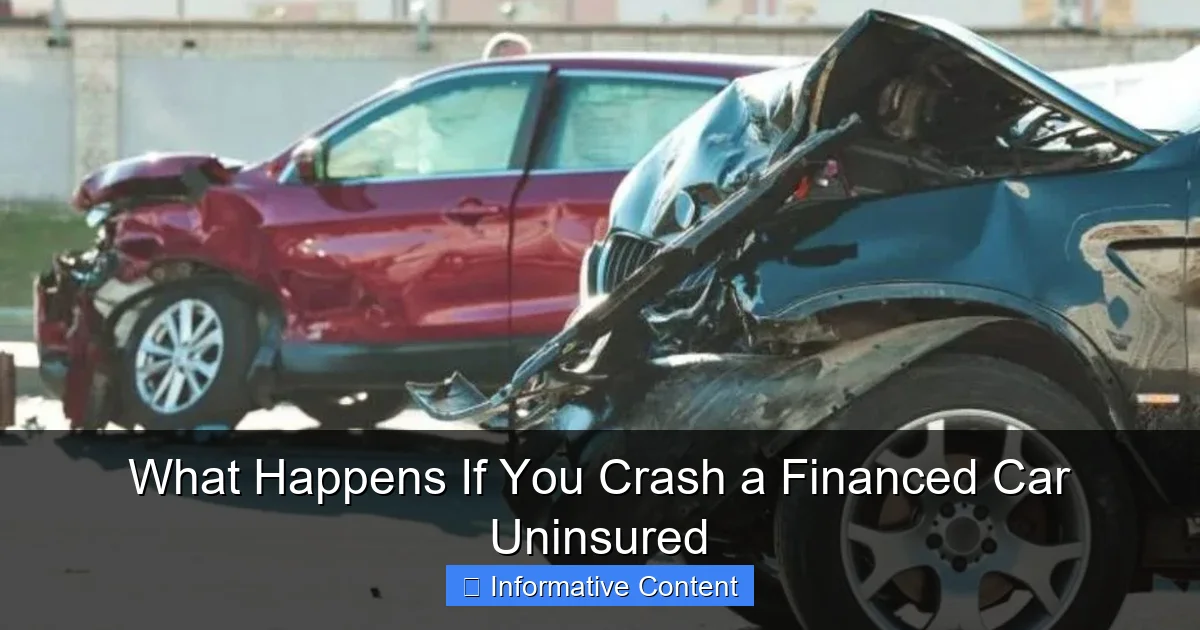
Visual guide about What Happens If You Wreck A Financed Car Without Insurance
Image source: watcher.guru
The Lender’s Role: They Own the Car Too
Here’s a key fact: when you finance a car, the lender owns it until you pay off the loan. They require insurance to protect their asset. If you crash without coverage, you’ve breached your loan agreement. The lender may demand immediate repayment of the full loan balance or force-place insurance—a costly policy they add to your loan, often at double the standard rate. For example, if you owe $15,000 on the car, you might suddenly need to cough up that entire amount.
Personal Liability for Damages
You’re personally on the hook for all repair costs. If the car is totaled, you still owe the loan balance, even without a working vehicle. Plus, if you damaged other property or vehicles, you must pay for those repairs too. Imagine hitting a brand-new SUV; you could be liable for thousands in damages. Without insurance, your savings account becomes the target.
Medical Bills and Other Costs
If anyone is injured, medical expenses can skyrocket. Without insurance, you might face lawsuits to cover hospital bills, lost wages, and pain and suffering. Even if you’re injured, you’ll pay your own medical costs. It’s a brutal financial domino effect that can lead to bankruptcy.
To give you a clearer picture, here’s a table outlining potential costs if you crash a financed car uninsured. These are averages based on common scenarios, but your situation could vary.
| Expense Category | Low-End Estimate | High-End Estimate | Notes |
|---|---|---|---|
| Vehicle Repairs (Your Car) | $3,000 | $20,000+ | Depends on extent of damage; if totaled, you owe full loan balance. |
| Third-Party Property Damage | $1,000 | $10,000+ | Could include other cars, fences, or structures. |
| Medical Bills (Per Person) | $5,000 | $100,000+ | Emergency care, surgery, and long-term therapy add up fast. |
| Legal Fines and Penalties | $500 | $5,000 | Varies by state for driving uninsured. |
| Lender Fees (Force-Placed Insurance) | $1,200/year | $3,000/year | Added to your loan, often with high premiums and low coverage. |
Legal Consequences: Facing the Law Without Insurance
Crashing a financed car uninsured isn’t just a financial mess; it’s a legal one. Depending on where you live, the penalties can be severe.
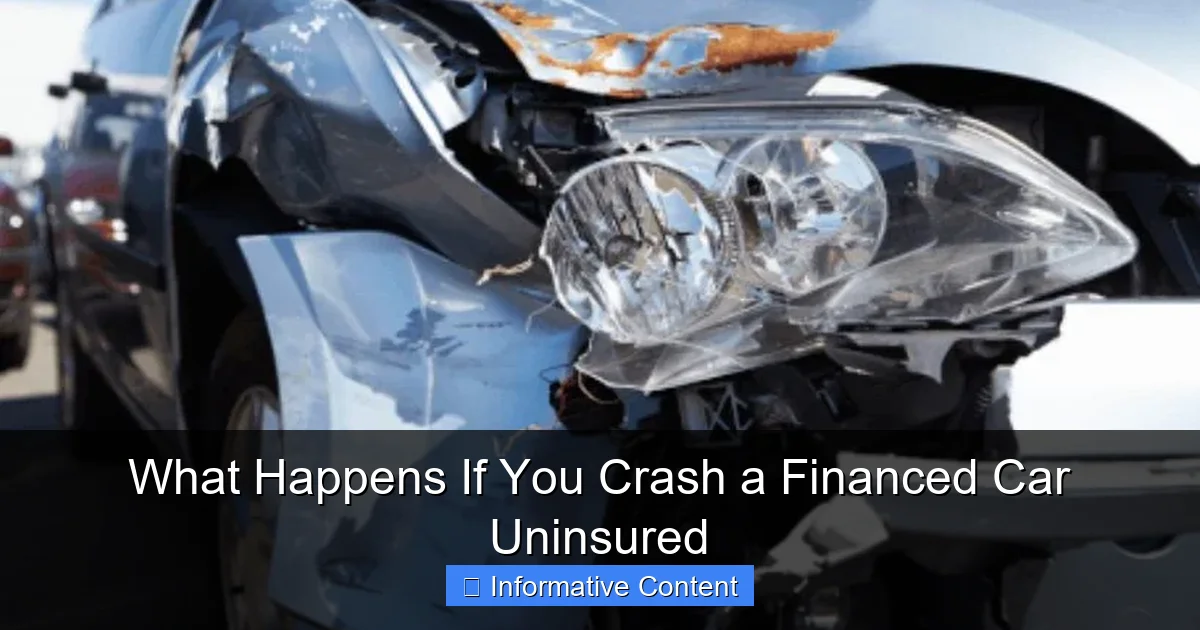
Visual guide about What Happens If You Wreck A Financed Car Without Insurance
Image source: watcher.guru
Traffic Violations and Fines
In most states, driving without insurance is illegal. If you crash, you’ll likely face citations for no insurance, plus possible charges for reckless driving or at-fault accidents. Fines can range from a few hundred to thousands of dollars. Your license might be suspended, and your vehicle registration revoked. I’ve seen cases where drivers had to pay reinstatement fees just to drive again, on top of everything else.
Potential Lawsuits
If you’re at fault, the other party can sue you for damages. Without insurance, you have no legal defense team funded by a provider. You’ll need to hire a lawyer yourself, which costs more money. If you lose, your wages could be garnished, or assets seized. It’s a stressful, drawn-out process that can last years.
State-Specific Penalties
Laws vary widely. For instance, in California, driving uninsured can lead to a $500 fine and impoundment of your vehicle. In New York, it might be a $1,500 fine and license suspension for up to a year. Check your local laws, but remember: ignorance isn’t a defense. When you crash a financed car uninsured, you’re amplifying these penalties because the crash itself adds to the liability.
Impact on Your Loan and Credit Score
Your financial health takes a massive hit when you crash a financed car uninsured. Let’s talk about your loan and credit score—the long-term echoes of this event.
Visual guide about What Happens If You Wreck A Financed Car Without Insurance
Image source: trybeem.com
Defaulting on Your Auto Loan
If you can’t pay for repairs or the loan balance, you might default on the auto loan. The lender could repossess the wrecked car, sell it at auction for scraps, and still come after you for the difference (called a deficiency balance). For example, if you owe $10,000 and the auction brings $2,000, you owe $8,000 more. Defaults stay on your credit report for seven years.
How a Repossession Affects Your Credit
A repossession is a red flag to future lenders. It can drop your credit score by 100 points or more. This makes it harder to get loans, credit cards, or even rent an apartment. I knew someone who had a repossession after crashing uninsured; it took them five years of careful budgeting to rebuild their credit.
Long-Term Financial Repercussions
Beyond credit, you might face higher interest rates on any new credit, difficulty securing insurance in the future, and even challenges in job applications if they check credit history. It’s a ripple effect that touches every part of your financial life.
Steps to Take If You’re in This Situation
If you’ve already crashed a financed car uninsured, don’t despair. There are steps you can take to mitigate the damage. Act quickly and strategically.
Contact Your Lender Immediately
Be upfront with your lender. Explain the situation—they might offer a payment plan or temporary forbearance. Hiding it will only make things worse. Ask about options like refinancing or loan modification, though these may be tough without insurance.
Explore Payment Options
Look into personal loans, payment plans with repair shops, or even borrowing from family. If you’re facing lawsuits, consider consulting with a financial advisor to prioritize debts. Every little bit helps when you’re digging out of this hole.
Seek Legal Advice
Consult a lawyer, especially if there are injuries or major damages. Many offer free initial consultations. They can help you navigate lawsuits, negotiate settlements, and understand your rights. It’s an expense, but it could save you more in the long run.
How to Avoid This Nightmare Scenario
Prevention is always better than cure. Let’s talk about how to ensure you never have to face crashing a financed car uninsured.
Always Maintain Adequate Insurance
This is non-negotiable. When you finance a car, lenders require full coverage insurance—liability, collision, and comprehensive. Set up automatic payments so you never miss a premium. If money is tight, shop around for discounts or consider higher deductibles to lower costs. Skipping insurance is never worth the risk.
Understanding Your Loan Agreement
Read your loan contract carefully. Know the insurance requirements and penalties for lapse. Some lenders offer insurance tracking programs; enroll in them if available. Being informed helps you stay compliant and avoid surprises.
Budgeting for Insurance Premiums
Treat car insurance as a fixed expense, like your loan payment. Include it in your monthly budget. If you’re struggling, talk to your insurer about payment plans. Remember, crashing a financed car uninsured costs far more than any premium ever will.
Conclusion: Turning Knowledge into Action
Crashing a financed car without insurance is a harsh lesson in financial responsibility. From immediate chaos to long-term credit damage, the consequences are severe and far-reaching. But by understanding what happens—the financial fallout, legal traps, and credit impacts—you can take proactive steps to protect yourself. If you’re in this situation now, act quickly: communicate with your lender, seek legal help, and start rebuilding. For everyone else, let this be a reminder to keep that insurance active. Your future self will thank you. Drive safe, stay insured, and here’s to hoping you never need this advice for real.
Frequently Asked Questions
What happens at the scene if I crash a financed car without insurance?
You will likely receive a citation for driving uninsured, and your vehicle may be impounded. The police will file a report, which will be critical for all subsequent financial and legal proceedings.
Am I still responsible for the car loan if the car is totaled?
Yes, you remain fully responsible for the entire loan balance. The finance company expects its money regardless of the car’s condition, leaving you to pay for a vehicle you can no longer use.
Can the lender sue me for wrecking my financed car uninsured?
Absolutely. The lender can sue you to recover the outstanding loan balance since the collateral (the car) is destroyed. This could lead to wage garnishment or a lien on your other assets.
What are the legal penalties for driving uninsured?
Penalties vary by state but commonly include hefty fines, license suspension, and possible vehicle registration revocation. You may also face increased insurance costs for years to come.
Will my credit be affected if I default on the loan after a crash?
Yes, defaulting on your auto loan will severely damage your credit score. The lender will report the delinquency, making it difficult and expensive to get loans, credit cards, or even rent an apartment in the future.
Is there any way to get help if I crash without insurance?
Options are very limited. You might negotiate a payment plan with the lender, but you are personally liable for all costs. This situation underscores why maintaining full coverage on a financed car is mandatory.

At CarLegit, we believe information should be clear, factual, and genuinely helpful. That’s why every guide, review, and update on our website is created with care, research, and a strong focus on user experience.