
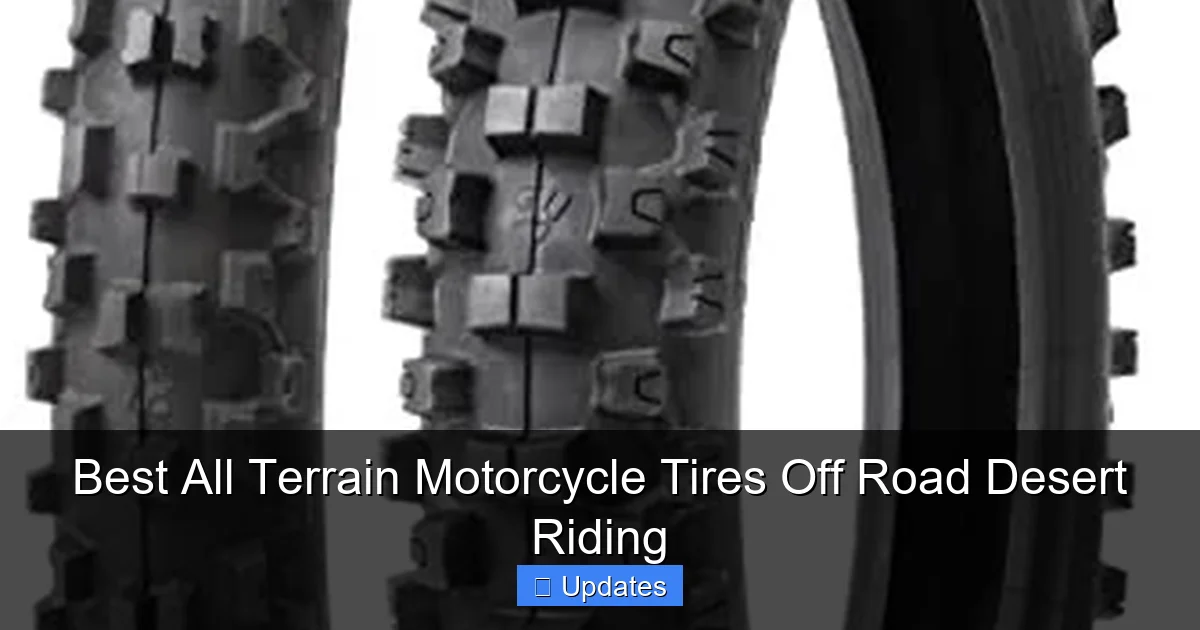
Featured image for All Terrain Motorcycle Tires Desert
Image source: motorcycleguidelines.com
Finding the best all-terrain motorcycle tires for off-road desert riding is paramount for optimal performance and safety. This guide identifies top contenders meticulously engineered to conquer harsh, sandy, and rocky desert conditions, emphasizing superior traction, durability, and puncture resistance to elevate your off-road experience.
In This Article
- 1 Best All Terrain Motorcycle Tires Off Road Desert Riding
- 1.1 Key Takeaways
- 1.2 📑 Table of Contents
- 1.3 Understanding the Unique Demands of Desert Riding
- 1.4 Key Features to Look for in All Terrain Desert Tires
- 1.5 Top Contenders: A Deep Dive into Popular Choices
- 1.6 Tire Pressure: The Unsung Hero of Desert Performance
- 1.7 Maintenance and Longevity: Maximizing Your Tire’s Lifespan
- 1.8 Data Table Section: Quick Comparison of Top Desert Tires
- 1.9 Conclusion
- 1.10 Frequently Asked Questions
- 1.10.1 What characteristics define the best all terrain motorcycle tires for off-road desert riding?
- 1.10.2 Are all terrain motorcycle tires effective in deep sand and loose gravel found in desert environments?
- 1.10.3 How important is puncture resistance when choosing tires for off-road desert riding?
- 1.10.4 What kind of tread pattern should I look for in all terrain motorcycle tires for varying desert conditions?
- 1.10.5 Are there specific tire brands or types renowned for their performance in off-road desert riding?
- 1.10.6 What tire pressure (PSI) is recommended for all terrain motorcycle tires in desert riding?
Best All Terrain Motorcycle Tires Off Road Desert Riding
The vast, untamed expanse of the desert calls to the adventurous spirit, offering an unparalleled experience of freedom and challenge. For motorcyclists, navigating these arid landscapes—with their endless dunes, rocky washes, and sun-baked trails—is a test of skill, endurance, and, critically, equipment. Among the most vital components dictating your success and safety in this demanding environment are your motorcycle tires. The wrong set can turn an epic journey into a nightmare of slips, punctures, and frustration, while the right set of all terrain motorcycle tires can elevate your ride, providing the grip, stability, and confidence needed to conquer any obstacle.
Off-road desert riding presents a unique cocktail of challenges that demands specialized rubber. From scorching temperatures that test tire compounds to abrasive surfaces that chew through tread, and the constant battle for traction in varying sand and hardpack conditions, your tires are constantly under duress. This isn’t just about finding a tire that “works”; it’s about selecting the best all terrain motorcycle tires specifically engineered to excel in the brutal, beautiful world of the desert. This comprehensive guide will delve deep into what makes a tire suitable for this extreme environment, explore top contenders, and provide essential tips to ensure your desert adventures are memorable for all the right reasons.
Choosing the ideal tires for your machine is a nuanced decision, influenced by your riding style, motorcycle type, and the specific desert terrains you plan to tackle. Whether you’re an endurance racer, an adventure touring enthusiast, or a weekend warrior exploring local trails, understanding the intricacies of tire construction, tread patterns, and compounds is paramount. We’ll help you navigate the options, highlighting the features that matter most when you’re far from civilization and relying solely on your machine and its critical connection to the ground.
Key Takeaways
- Choose Wisely: Selecting the right tire type critically impacts desert performance and safety.
- Prioritize Durability: Seek tires with strong sidewalls and puncture resistance for desert terrain.
- Aggressive Knobs Reign: Opt for tires with deep, aggressive knobby treads for superior desert grip.
- Check Tire Pressure: Adjust pressure for optimal traction and impact absorption across varied desert.
- Brand Reputation Counts: Invest in reputable brands known for proven off-road desert tire quality.
- Front and Rear Differ: Select specific front and rear tires for balanced handling and traction.
- Understand Terrain Needs: Match tire features like tread and compound to specific desert conditions.
📑 Table of Contents
- Understanding the Unique Demands of Desert Riding
- Key Features to Look for in All Terrain Desert Tires
- Top Contenders: A Deep Dive into Popular Choices
- Tire Pressure: The Unsung Hero of Desert Performance
- Maintenance and Longevity: Maximizing Your Tire’s Lifespan
- Data Table Section: Quick Comparison of Top Desert Tires
- Conclusion
Understanding the Unique Demands of Desert Riding
Desert riding is not a monolithic experience; it encompasses a wide array of conditions, each posing its own set of challenges to your motorcycle tires. To truly appreciate what makes the best all terrain motorcycle tires for off road desert riding, we must first dissect these environmental factors.
Sand, Rocks, and Hardpack – A Treacherous Trio
- Soft Sand and Dunes: This is arguably the most iconic desert terrain. Deep, soft sand requires flotation and aggressive paddle-like traction to prevent bogging down. Tires need to “dig in” effectively without excessive slip. Wide tire profiles and open, spaced-out tread blocks are key here.
- Rocky Washes and Technical Sections: Many deserts are crisscrossed with dry riverbeds and mountainous areas strewn with sharp rocks, loose gravel, and varying sizes of boulders. Here, puncture resistance, sidewall protection, and robust tread blocks are paramount. A tire that offers good deflection and impact absorption prevents pinch flats and structural damage.
- Hard-Packed Dirt and Gravel Trails: Often found between sandy sections or rocky climbs, hard-packed trails allow for higher speeds but still demand consistent grip, especially when cornering or braking. A balanced tread pattern that isn’t too aggressive for these sections, but still clears mud/loose debris, is ideal for the best all terrain motorcycle tires.
Heat and Abrasion Resistance
The desert is synonymous with extreme heat. High ambient temperatures combined with the friction generated by tire contact with abrasive surfaces (sand, rocks, coarse dirt) can significantly raise a tire’s operating temperature. This heat can break down tire compounds, accelerate wear, and compromise structural integrity. Tires designed for desert use employ tougher, more heat-resistant rubber compounds that can withstand these stresses without premature degradation. Furthermore, the constant scraping against sharp rocks and coarse sand demands exceptional abrasion resistance to prevent chunking and tearing of tread blocks.
The Importance of Traction and Stability
In such a varied environment, consistent traction is non-negotiable. Whether you’re climbing a sandy incline, navigating a technical rocky descent, or speeding across a hard-packed plateau, your tires must provide reliable grip. Equally important is stability. A tire that wanders or feels unstable at speed, especially in soft sand or over loose rocks, can quickly lead to loss of control. The carcass construction, sidewall rigidity, and tread design all contribute to a tire’s ability to maintain a predictable line, offering the rider confidence and reducing fatigue over long stretches of demanding off road desert riding.
Key Features to Look for in All Terrain Desert Tires
Now that we understand the environmental challenges, let’s explore the specific tire features that enable them to conquer the desert. When searching for the best all terrain motorcycle tires, these characteristics should be at the forefront of your evaluation.
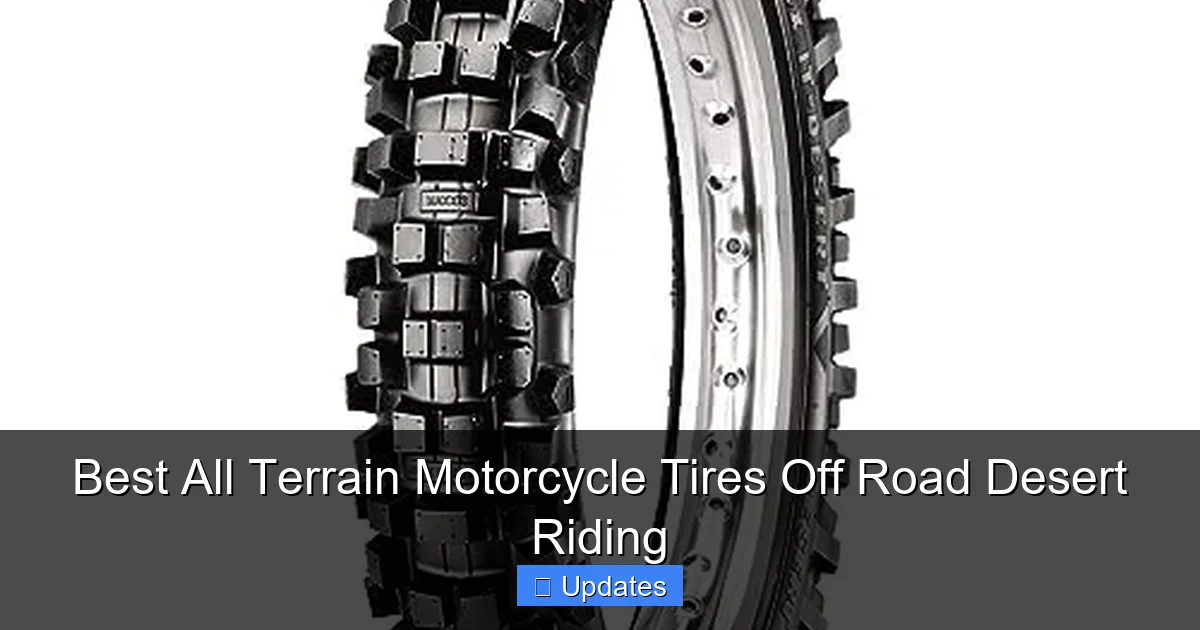
Visual guide about All Terrain Motorcycle Tires Desert
Image source: motorcycleguidelines.com
Tread Pattern and Lug Design
The tread pattern is perhaps the most visually distinct feature of any off-road tire, and for good reason. For desert conditions, a nuanced approach is required:
- Open, Aggressive Knobs: Essential for digging into soft sand and providing propulsion. These knobs need to be sufficiently spaced to clear sand and debris quickly, preventing the tread from packing up.
- Tall, Reinforced Lugs: Taller lugs offer better grip in loose terrain, while reinforcement (often in the form of wider bases or internal bracing) prevents them from tearing or folding over under stress, especially during aggressive acceleration or braking.
- Side Knobs: Robust side knobs are crucial for cornering stability in loose terrain and for maintaining grip when leaning the bike. They help prevent the front tire from washing out and the rear from sliding uncontrollably.
Tire Compound and Durability
The rubber compound is the secret sauce. For desert riding, a harder compound is generally preferred over a softer one. Softer compounds offer excellent grip but wear out rapidly on abrasive desert surfaces and generate more heat. Harder compounds, while potentially offering slightly less ultimate grip on certain surfaces, provide superior longevity, heat resistance, and chunking resistance, which are vital for extended trips and demanding conditions. Many premium off road motorcycle tires use multi-compound technology, with a harder central compound for wear and softer shoulder compounds for cornering grip.
Carcass Construction and Puncture Resistance
The tire’s internal structure—its carcass—is critical for durability and handling. Multi-ply construction (e.g., 4-ply, 6-ply) offers enhanced puncture resistance and sidewall strength, protecting against sharp rocks and impacts that can lead to flats. Tubeless tires are gaining popularity in some segments for their ease of repair, but tube-type tires with heavy-duty tubes are still common and preferred by many for extreme desert conditions due to their simplicity and robustness. A stiff sidewall also contributes to stability and helps prevent pinch flats when running lower tire pressures in sand.
Sizing and Fitment Considerations
Choosing the correct tire size is fundamental. Refer to your motorcycle’s manufacturer specifications for recommended sizes. While some riders opt for slightly wider rear tires for increased flotation in sand, it’s crucial not to deviate too far from the recommended sizes, as this can negatively impact handling, clearance, and safety. A taller front tire (e.g., 21-inch) is standard for off-road riding, as it handles obstacles better. Ensure the tire is compatible with your rim type (tubeless or tube-type).
Top Contenders: A Deep Dive into Popular Choices
With a clearer understanding of what to look for, let’s examine some of the leading all terrain motorcycle tires that have proven their mettle in the challenging world of off road desert riding.
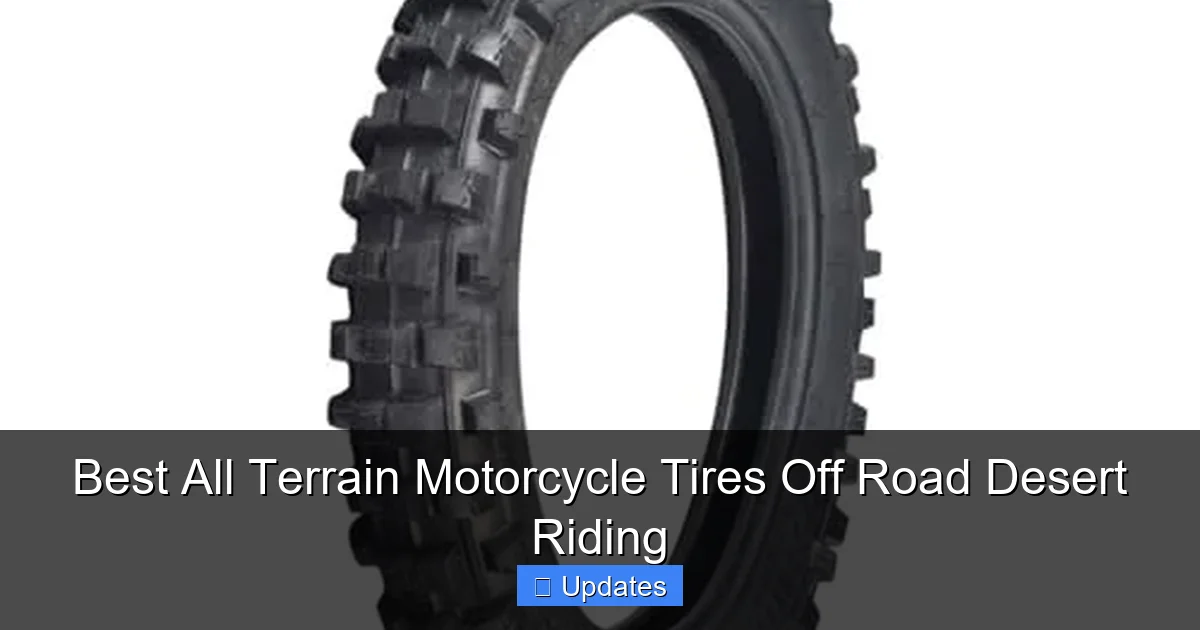
Visual guide about All Terrain Motorcycle Tires Desert
Image source: m.media-amazon.com
Dunlop D606 / D908RR (Dual Sport / Desert Racing)
- Dunlop D606: A hugely popular choice for dual-sport riders seeking aggressive off-road performance with acceptable street manners. Its tall, aggressive tread pattern provides excellent traction in soft-to-intermediate terrain, including sand and loose dirt. While not a dedicated desert race tire, its durability and versatility make it a go-to for many adventure riders tackling mixed desert terrain. It wears relatively well for its aggressive nature.
- Dunlop D908RR Rally Raid: This is a true desert beast. Designed for rally racing and extreme conditions, the D908RR features an exceptionally stiff carcass, a hard compound for superior longevity, and massive tread blocks for incredible traction and stability in rocky, sandy, and hard-packed conditions. Its durability and puncture resistance are legendary, making it one of the best all terrain motorcycle tires for hardcore desert adventurers, albeit with a trade-off in street comfort and noise.
Michelin Desert Race / Baja (Desert Specific)
- Michelin Desert Race: This tire truly lives up to its name. Developed and proven in the world’s toughest rallies like the Dakar, the Michelin Desert Race is engineered for maximum performance and durability in extreme desert conditions. It boasts a tough carcass, specialized rubber compounds for heat resistance and longevity, and a tread pattern optimized for traction on sand, rocks, and hardpack. Its reputation for puncture resistance and consistent grip is unmatched, making it a top-tier choice for serious off road desert riding.
- Michelin Anakee Wild (Adventure/Off-Road): While the Desert Race is for pure performance, the Anakee Wild caters to adventure bikes that spend significant time off-road. It features a blocky tread pattern similar to a full off-road tire but with a compound designed for excellent mileage and stability on asphalt, making it a versatile option for riders who need to cover long distances on road to reach their desert playgrounds.
Pirelli Scorpion Rally STR / Rally PRO (Adventure/Off-Road)
- Pirelli Scorpion Rally STR: An excellent all terrain motorcycle tire for adventure bikes, offering a fantastic balance of off-road capability and on-road performance. Its unique tread pattern provides good grip in loose dirt and sand while maintaining stability and comfort on paved roads. It’s a great choice for riders who spend 50-70% of their time off-road, including light to moderate desert conditions, without sacrificing too much on the highway.
- Pirelli Scorpion Rally PRO: This is Pirelli’s more aggressive, rally-raid oriented tire. It’s designed for serious off-road riding, with a robust structure and an aggressive knob pattern for superior traction in sand, mud, and rocks. It’s a more dedicated off-road option than the STR, offering higher levels of grip and puncture resistance for demanding desert environments.
Kenda K784 Big Block / K777F Enduro (Value/Performance)
- Kenda K784 Big Block: A popular adventure tire known for its aggressive tread and relatively affordable price point. The large, widely spaced tread blocks provide good traction in loose terrain and decent stability on hardpack. While perhaps not as durable as some premium options in extreme desert racing, it offers excellent performance for its price and is a solid choice for adventure riders exploring desert trails.
- Kenda K777F Enduro (Front): Kenda offers a range of enduro and off-road tires, and their more aggressive K-series can be effective in desert conditions. The K777F, for example, is designed for intermediate to hard terrain, offering good cornering grip and stability, which can translate well to many desert sections.
Mitas E-09 Dakar / E-10 (Heavy Duty Adventure)
- Mitas E-09 Dakar: Known for its exceptional longevity and robust construction, the E-09 Dakar is a favorite among adventure riders tackling challenging terrain. It features a stiffer carcass and harder compound than the standard E-09, making it highly resistant to punctures and wear in abrasive environments like the desert. Its aggressive tread offers strong off-road traction, particularly in hardpack and rocky conditions, making it one of the most durable all terrain motorcycle tires for long desert expeditions.
- Mitas E-10: A slightly more aggressive option than the E-09, the E-10 provides even better off-road performance with a more open tread pattern. While still durable for road use, its true strength lies in loose and soft conditions, offering excellent grip in sand and mud. Riders seeking maximum off-road grip from their Mitas tires for desert challenges often gravitate towards the E-10.
Tire Pressure: The Unsung Hero of Desert Performance
No matter how good your all terrain motorcycle tires are, incorrect tire pressure can sabotage your ride. In the desert, tire pressure is not a set-it-and-forget-it parameter; it’s a dynamic tool that can drastically alter your bike’s handling and tire performance across different terrains. Mastering tire pressure adjustments is as crucial as selecting the right tire itself for successful off road desert riding.
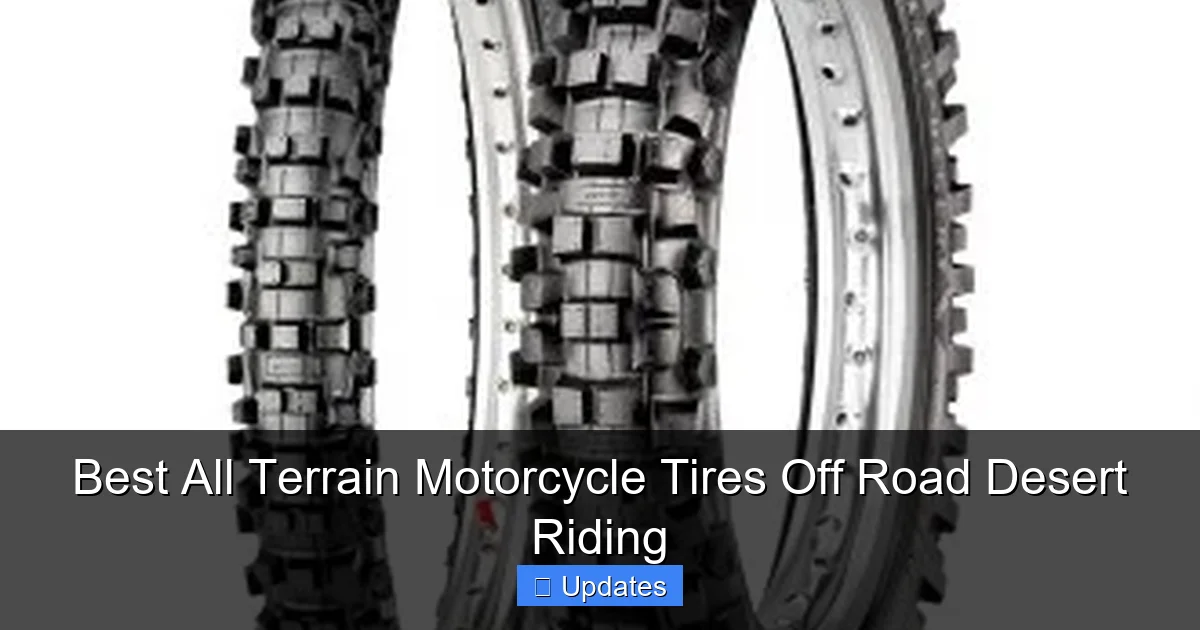
Visual guide about All Terrain Motorcycle Tires Desert
Image source: ic.motorcycleid.com
Finding the Sweet Spot for Different Terrains
- Soft Sand and Dunes: For deep, soft sand, lowering your tire pressure significantly (e.g., to 12-15 PSI in the rear, 15-18 PSI in the front for a typical adventure bike) increases the tire’s contact patch. This “flotation” effect prevents the tire from digging in excessively, allowing it to glide over the sand more effectively. It also provides a larger footprint for traction. Be cautious not to go too low, as this increases the risk of pinch flats and rim damage, especially with tubes.
- Rocky Washes and Hardpack: When transitioning to rocky terrain or hard-packed trails, it’s generally advisable to increase tire pressure back up (e.g., to 20-25 PSI or higher, depending on the bike and tire). Higher pressure stiffens the sidewalls, providing better protection against impacts from sharp rocks, reducing the risk of pinch flats, and improving steering precision and stability at higher speeds.
Tools and Techniques for On-the-Fly Adjustments
Because desert terrain can change rapidly, being able to adjust tire pressure quickly is invaluable. Essential tools include:
- Accurate Tire Pressure Gauge: A reliable gauge is paramount. Digital gauges offer precision, but robust analog gauges are also excellent.
- Portable Air Compressor: A small, 12V portable air compressor (many are available that plug into your bike’s battery or accessory port) is a must-have for reinflating tires after sandy sections.
- Valve Stem Remover: A simple tool for quickly letting air out.
- Heavy-Duty Tubes (if applicable): If running tube-type tires, consider heavy-duty tubes (4mm thick) for increased puncture resistance and resistance to pinch flats when running lower pressures.
- Rim Locks: For tube-type tires, rim locks are crucial, especially when running low pressures, to prevent the tire from spinning on the rim and tearing the valve stem.
The Dangers of Incorrect Tire Pressure
Running incorrect tire pressure carries several risks:
- Too Low: Increased risk of pinch flats (especially on rocky terrain), rim damage, tire overheating (due to increased sidewall flex), decreased stability at speed, and premature tire wear on hard surfaces.
- Too High: Reduced traction (especially in soft sand or loose gravel), a harsh ride, increased impact harshness on obstacles, and an increased risk of punctures from sharp objects (as the tire is less able to deflect).
Experiment with pressures to find what works best for your bike, tires, and riding style, always erring on the side of caution and adjusting as terrain dictates.
Maintenance and Longevity: Maximizing Your Tire’s Lifespan
Even the best all terrain motorcycle tires require proper care to deliver their full potential and last as long as possible. The harsh desert environment accelerates wear, making diligent maintenance practices even more critical for your off road desert riding adventures.
Regular Inspections and Damage Assessment
Before and after every ride, thoroughly inspect your tires:
- Tread Depth: Check for even wear across the tread. Uneven wear can indicate suspension issues, improper tire pressure, or alignment problems. Pay attention to the center and side knobs.
- Cuts and Punctures: Look for any embedded objects (nails, thorns, sharp rocks). Inspect sidewalls for cuts, gouges, or bulges, which can compromise structural integrity. Small cuts can propagate into larger failures, especially under stress.
- Tread Block Condition: Check for chunking (pieces of tread breaking off), tearing at the base of the knobs, or excessive rounding. These are signs of hard use and indicate reduced traction.
- Cracks: Look for dry rot or cracking, especially in the grooves or sidewalls. This is more common in older tires or tires exposed to harsh UV light, indicating the rubber compound is degrading.
- Spokes and Rims: While inspecting tires, also check spoke tension (if applicable) and look for any rim damage (dents, cracks) that could affect tire seating or structural integrity.
Proper Storage Techniques
When not in use, how you store your tires (or your bike) can significantly impact their lifespan:
- Cleanliness: Before storage, clean your tires to remove dirt, mud, and chemicals.
- Cool, Dark Place: Store tires in a cool, dry, dark environment away from direct sunlight, ozone-producing equipment (e.g., electric motors, furnaces), and harsh chemicals. UV light and ozone are major contributors to rubber degradation (dry rot).
- Off the Ground/Suspended: If storing loose tires, ideally hang them or place them on a rack to prevent flat spots. If storing the bike, ensure tires are slightly overinflated to prevent flat spots, or consider using bike stands to lift the wheels off the ground entirely.
When to Replace Your Tires
Knowing when to replace your tires is crucial for safety and performance:
- Minimum Tread Depth: While there isn’t a universally mandated minimum for off-road tires, once the central tread blocks are significantly worn down, traction will be severely compromised, especially in loose terrain. For road-legal dual-sport tires, always adhere to legal minimum tread depths.
- Excessive Damage: Any significant cut to the sidewall, multiple large chunks missing from the tread, or irreparable punctures warrant immediate replacement.
- Age: Even if a tire looks good, rubber compounds degrade over time. Most manufacturers recommend replacing tires after 5-7 years, regardless of tread wear, as the rubber loses its elasticity and grip. Check the DOT date code on the sidewall.
- Performance Degradation: If you notice a significant decrease in grip, stability, or handling, even with good tread, it might be time for new rubber. The tire might be hardened or deformed.
Data Table Section: Quick Comparison of Top Desert Tires
To help you quickly compare some of the leading all terrain motorcycle tires for off road desert riding, here’s a summary of their key characteristics:
| Tire Model | Primary Use | Off-Road Bias (0-100%) | Compound Type | Key Strengths | Wear Characteristics |
|---|---|---|---|---|---|
| Dunlop D606 | Dual Sport, Adventure | 80% Off-Road / 20% On-Road | Medium-Hard | Versatile off-road grip, good durability for mixed use, street legal. | Good for aggressive dual-sport use, decent longevity. |
| Dunlop D908RR Rally Raid | Extreme Desert Racing, Rally | 95% Off-Road / 5% On-Road | Hard, Heavy-Duty | Exceptional puncture resistance, extreme durability, maximum desert traction. | Outstanding wear life for an aggressive off-road tire. |
| Michelin Desert Race | Pure Desert Racing, Rally | 100% Off-Road | Hard, Rally-Spec | Unrivaled desert performance, superior puncture protection, Dakar proven. | Excellent longevity in harsh desert conditions. |
| Pirelli Scorpion Rally STR | Adventure Touring | 60% Off-Road / 40% On-Road | Multi-Compound | Great balance off-road/on-road, good sand/dirt grip, comfortable on pavement. | Very good mileage for an adventure tire with off-road capability. |
| Pirelli Scorpion Rally PRO | Hard Enduro, Rally | 90% Off-Road / 10% On-Road | Medium-Hard | Aggressive off-road grip, good self-cleaning, robust construction. | Good durability for aggressive off-road use. |
| Kenda K784 Big Block | Adventure, Dual Sport (Budget) | 70% Off-Road / 30% On-Road | Medium | Aggressive tread, good value, capable in loose terrain. | Reasonable wear, can chunk in extreme conditions. |
| Mitas E-09 Dakar | Heavy-Duty Adventure, Expedition | 80% Off-Road / 20% On-Road | Hard, Stiff Carcass | Exceptional durability, puncture resistance, long-lasting in harsh conditions. | Legendary longevity, very resistant to wear and damage. |
Note: “Off-Road Bias” is an approximation. “Wear Characteristics” can vary greatly depending on riding style, motorcycle weight, and specific terrain. Prices are not included as they fluctuate.
Conclusion
Embarking on an off road desert riding adventure is an exhilarating experience that pushes both rider and machine to their limits. The vast, unforgiving beauty of these landscapes demands respect and, most importantly, the right equipment. Your choice of all terrain motorcycle tires stands as one of the most critical decisions you’ll make, directly influencing your safety, performance, and overall enjoyment.
As we’ve explored, the ideal desert tire is a nuanced blend of aggressive tread design, durable compounds, robust carcass construction, and thoughtful sizing. Whether you prioritize uncompromising grip for the gnarliest sandy climbs, bulletproof puncture resistance for rocky washes, or a balanced approach for long adventure tours that span diverse terrains, there’s a specialized tire designed to meet your specific needs. From the Dakar-proven Michelin Desert Race to the incredibly durable Mitas E-09 Dakar, and the versatile Dunlop D606, the options are plentiful for those seeking the best all terrain motorcycle tires.
Beyond the initial tire selection, remember that proper tire pressure management and diligent maintenance are equally vital. Adapting your tire pressure to the ever-changing desert surfaces can be the difference between floating gracefully over sand and digging a trench. Regular inspections and timely replacements ensure your tires remain a reliable partner in your quest for adventure. Armed with this knowledge, you are now better equipped to choose, manage, and maximize the performance of your motorcycle tires, ensuring your next desert expedition is not just an adventure, but a triumph over the terrain.
Frequently Asked Questions
What characteristics define the best all terrain motorcycle tires for off-road desert riding?
The best all terrain motorcycle tires for off-road desert riding prioritize durability, puncture resistance, and a versatile tread pattern. Look for tires with strong sidewalls and compounds designed to withstand high temperatures, sharp rocks, and abrasive desert terrain while offering a balance of traction on both sand and hardpack.
Are all terrain motorcycle tires effective in deep sand and loose gravel found in desert environments?
Yes, all terrain motorcycle tires can be effective, but their performance varies with design. For deep sand, tires with aggressive, paddle-like knobs and a wider footprint offer superior flotation and drive. In loose gravel, a tread with well-spaced, blocky patterns provides better bite and stability to maintain control.
How important is puncture resistance when choosing tires for off-road desert riding?
Puncture resistance is critically important for off-road desert riding due to the prevalence of sharp rocks, cacti, and thorns. Choosing tires with robust carcass construction, reinforced sidewalls, and often a thicker rubber compound is crucial to prevent flats and ensure reliability in remote desert environments.
What kind of tread pattern should I look for in all terrain motorcycle tires for varying desert conditions?
For varying desert conditions, a versatile tread pattern with widely spaced, medium-height knobs typically performs well. This design helps shed sand and mud efficiently while providing good grip on hardpack, loose dirt, and rocky sections. Some riders opt for a more aggressive rear tire for propulsion and a slightly less aggressive front for steering precision.
Are there specific tire brands or types renowned for their performance in off-road desert riding?
Yes, several reputable brands are known for producing excellent all terrain motorcycle tires for off-road desert riding, including Dunlop, Michelin, Kenda, Pirelli, and Mitas. Look for their “desert” or “extreme off-road” specific models, which are engineered with features like heavier-duty construction and specialized compounds for harsh desert conditions.
What tire pressure (PSI) is recommended for all terrain motorcycle tires in desert riding?
Recommended tire pressure (PSI) for all terrain motorcycle tires in desert riding is highly conditions-dependent. For softer terrain like deep sand, lower pressures (e.g., 8-12 PSI) increase the tire’s footprint for better flotation and traction. However, for hardpack and rocky sections, a slightly higher PSI (e.g., 15-20 PSI) is advisable to prevent pinch flats and protect rims, so adjustment is key.

At CarLegit, we believe information should be clear, factual, and genuinely helpful. That’s why every guide, review, and update on our website is created with care, research, and a strong focus on user experience.