
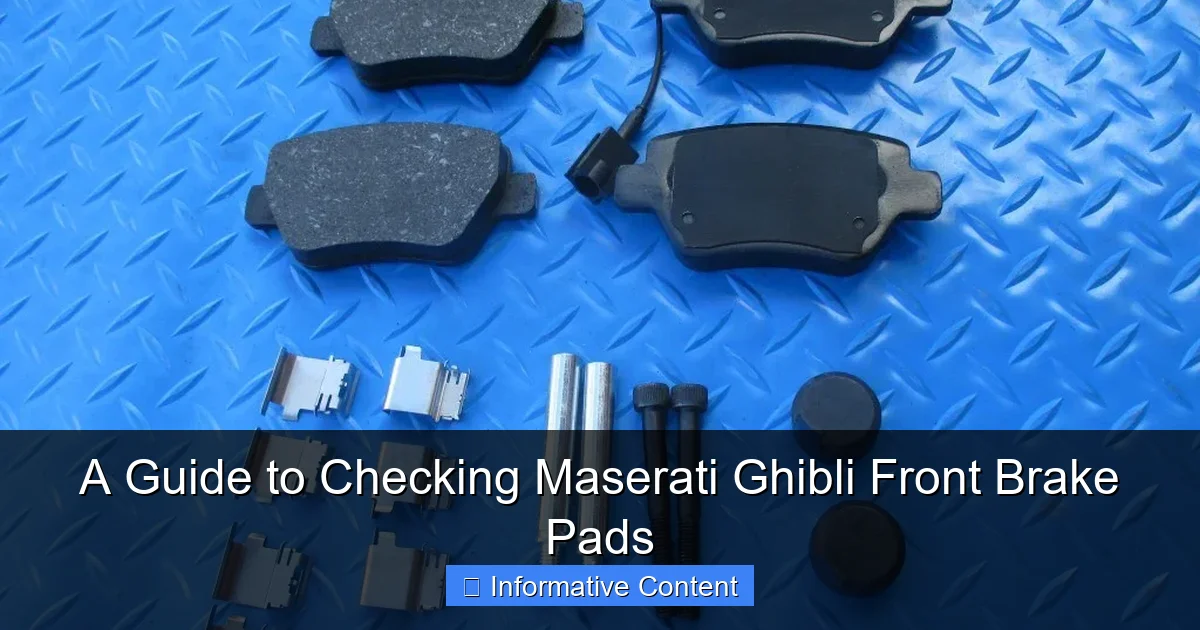
Regularly checking your Maserati Ghibli’s front brake pads is essential for safety and performance. This quick guide shows you how to visually inspect pad thickness through the wheel spokes and listen for wear indicators without removing the tire. Addressing worn pads promptly prevents costly rotor damage and ensures your luxury sedan stops with confidence.
In This Article
- 1 Key Takeaways
- 2 📑 Table of Contents
- 3 A Guide to Checking Maserati Ghibli Front Brake Pads
- 4 Why You Should Check Your Ghibli’s Brake Pads Regularly
- 5 Step-by-Step: The Visual Inspection Through the Wheel
- 6 Getting a Closer Look: Removing the Wheel
- 7 Understanding the Signs of Wear (Beyond Just Looking)
- 8 Data Table: Maserati Ghibli Front Brake Pad Specifications & Lifespan
- 9 Your Next Steps After the Check
- 10 Conclusion: Empowerment Through Simple Knowledge
- 11 Frequently Asked Questions
- 11.1 How often should I check the front brake pads on my Maserati Ghibli?
- 11.2 What are the signs of worn front brake pads on a Maserati?
- 11.3 Can I check the Maserati Ghibli front brake pads myself without removing the wheel?
- 11.4 What is the minimum thickness for Ghibli front brake pads?
- 11.5 Do I need any special tools to check my brake pads?
- 11.6 Is checking the front brake pads on a Maserati Ghibli different from other cars?
Key Takeaways
- Inspect visually through the wheel: Look for pad thickness without removing the tire.
- Listen for high-pitched squealing: This indicates the wear indicators are contacting the rotor.
- Check pad thickness regularly: Replace pads when material is under 3mm thick.
- Monitor brake dust and performance: Uneven dust or reduced braking signal potential issues.
- Consult your owner’s manual: It provides specific maintenance intervals for your model.
- Seek professional help for complex issues: Don’t hesitate with pulsation or grinding noises.
📑 Table of Contents
- A Guide to Checking Maserati Ghibli Front Brake Pads
- Why You Should Check Your Ghibli’s Brake Pads Regularly
- Step-by-Step: The Visual Inspection Through the Wheel
- Getting a Closer Look: Removing the Wheel
- Understanding the Signs of Wear (Beyond Just Looking)
- Data Table: Maserati Ghibli Front Brake Pad Specifications & Lifespan
- Your Next Steps After the Check
- Conclusion: Empowerment Through Simple Knowledge
A Guide to Checking Maserati Ghibli Front Brake Pads
Let’s be honest. Owning a Maserati Ghibli is a thrill. That roar of the Ferrari-built engine, the way it hugs a curve, the feeling of pure Italian luxury. It’s an experience. But with great power comes great responsibility—specifically, the responsibility to keep it in top shape. And few things are more critical to your safety and driving enjoyment than your brakes.
I remember the first time I heard a faint, high-pitched squeal from my own Ghibli when coming to a gentle stop. My heart sank a little. Was it time for new pads already? Instead of panicking and rushing to a shop, I decided to take a look myself. What I found was that checking your brake pads is far less intimidating than it sounds, even on a machine as sophisticated as the Ghibli. It’s a simple bit of knowledge that saves you money, keeps you safe, and connects you more deeply with your car.
This guide is for you, the passionate owner who wants to be informed. We’re going to walk through, step-by-step, exactly how to check the front brake pads on your Maserati Ghibli. You don’t need to be a master mechanic. With a little time and a couple of basic tools, you can gain the confidence to know exactly what’s happening with one of your car’s most vital systems. Let’s get started.
Why You Should Check Your Ghibli’s Brake Pads Regularly
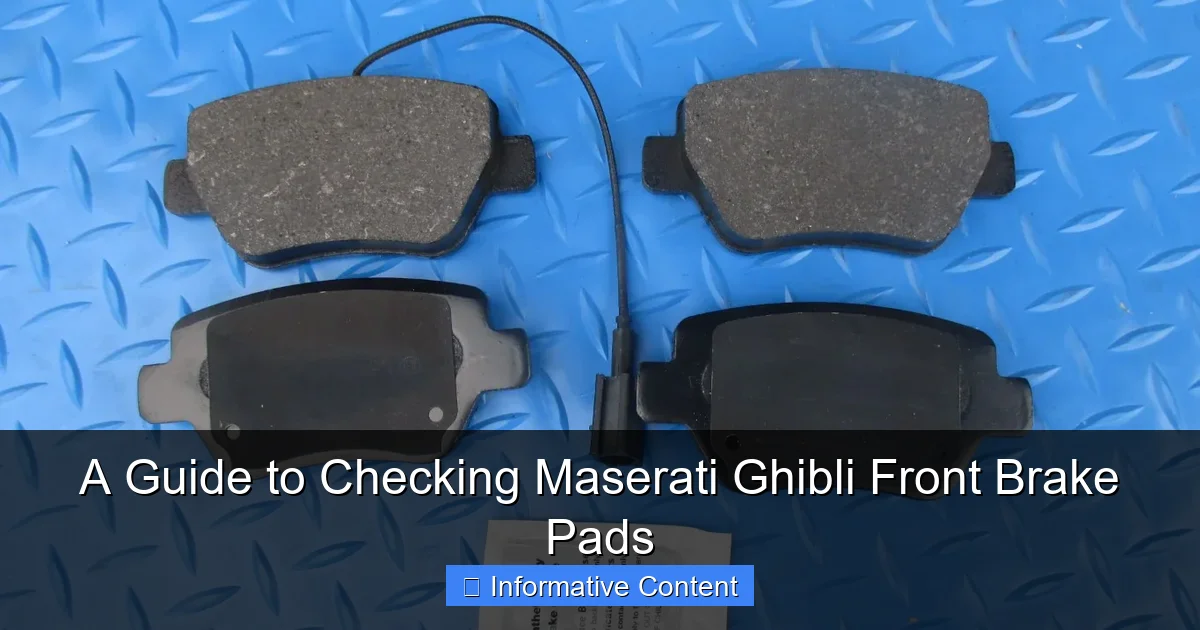
Think of your brake pads as the ultimate sacrifice play. Every time you press that pedal, they press against the massive brake rotors, creating the friction that slows your two-ton luxury sedan. They literally wear themselves down to protect everything else. On a performance-oriented car like the Ghibli, this happens even faster during spirited driving.
Visual guide about Maserati Ghibli brake pads check
Image source: alpineperformance.com
Ignoring them isn’t an option. Worn-out pads don’t just make noise; they drastically increase your stopping distance. In an emergency, those extra feet can mean everything. They can also damage the far more expensive brake rotors. Once the friction material is gone, it’s metal-on-metal, scoring and warping the rotors, leading to a repair bill that’s easily three or four times the cost of a simple pad change.
Doing a visual check every few months or before a long trip is the easiest form of preventative maintenance. It puts you in control. You’ll know if a shop is giving you a straight story when they recommend brakes, and you can plan the service on your schedule, not in a panic.
The Tools You’ll Need (It’s a Short List!)
Here’s the good news. For a basic visual inspection, you need almost nothing. For a more thorough check, you’ll want:
- A Flashlight: Your phone’s light will work in a pinch.
- A Tire Iron/Wheel Wrench: The one that came with your car in the trunk tool kit is perfect.
- A Jack and Jack Stands (for a closer look): Never, ever rely on a jack alone to hold the car. Jack stands are non-negotiable for safety. If you don’t have them, you can still do the initial check through the wheel spokes.
- A Lug Nut Socket (19mm usually): Often part of the car’s tool kit.
- A Ruler or Brake Pad Gauge (optional): For measuring remaining thickness precisely.
Step-by-Step: The Visual Inspection Through the Wheel
This is the easiest and fastest way to get a good idea of your pad health. You don’t even need to remove the wheel. Let’s walk through it.
Visual guide about Maserati Ghibli brake pads check
Image source: mainstreetmobile.org
First, park your Ghibli on a flat, level surface and set the parking brake firmly. Give the brakes at least an hour to cool down completely if you’ve been driving. Hot brakes and rotors can cause serious burns.
Locating the Brake Pad and Caliper
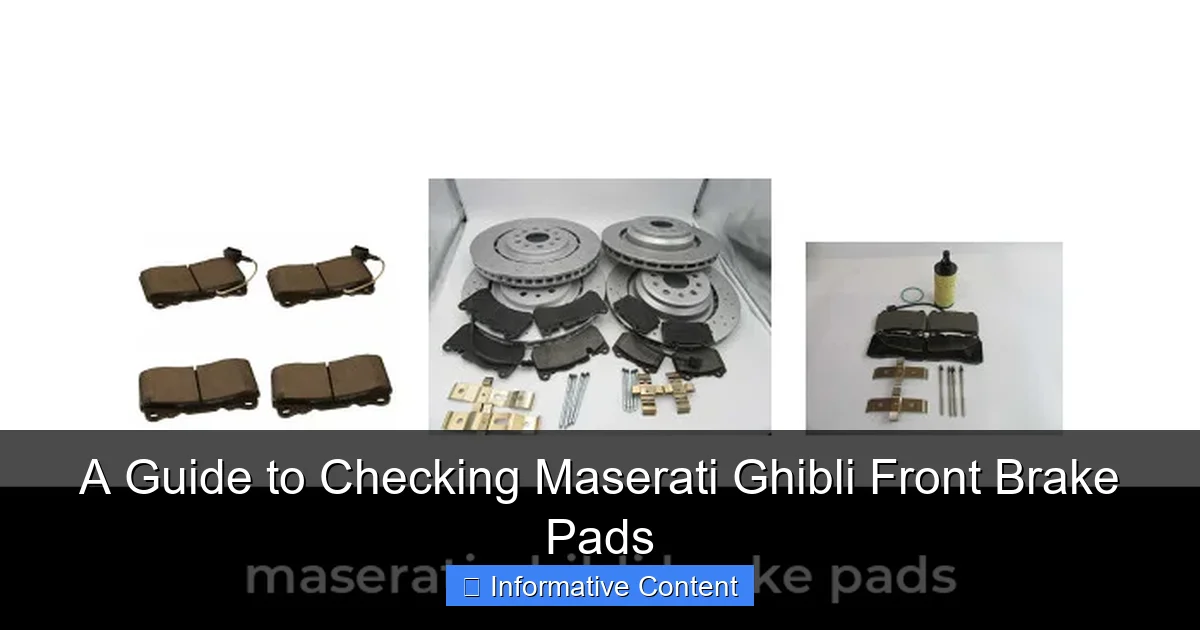
Look at your front wheel. Between the elegant spokes of the alloy wheel, you’ll see a large, shiny metal part clamped around the edge of the brake rotor (the big, disc-shaped piece). This clamp is the brake caliper. Inside it, on both sides of the rotor, are your brake pads.
Shine your flashlight through the wheel spokes. You should be able to see the outer brake pad. It’s a flat, rectangular block of material (usually dark grey or brown) held in place by the caliper. Directly behind it, you’ll often see the shiny metal backing plate of the pad. The goal is to see how much of that friction material is left.
What to Look For: Thickness is Key
A brand new brake pad on a Maserati Ghibli will have about 10-12 millimeters (roughly 1/2 inch) of friction material. Most mechanics, and Maserati itself, recommend replacement when the material wears down to about 3mm. How do you eyeball this?
- Healthy Pad: You see a thick, chunky layer of material. It looks substantial.
- Pad Needing Attention Soon: The material looks thin, maybe 4-5mm. It’s time to start shopping for parts and scheduling service.
- Urgent Replacement Needed: The material is 3mm or less. It looks wafer-thin. If you see the metal backing plate almost touching the rotor, stop driving and get it serviced immediately.
Remember to check a few different spots around the wheel, as pads can sometimes wear unevenly.
Getting a Closer Look: Removing the Wheel
If your wheel design is very enclosed or you just want to be absolutely thorough, you’ll need to remove the front wheel. This also lets you inspect the inner brake pad, which can sometimes wear differently.
Visual guide about Maserati Ghibli brake pads check
Image source: m.media-amazon.com
Safety First: Use your tire iron to slightly loosen the lug nuts on the front wheel before you jack up the car. Just break them free a quarter-turn. Now, consult your owner’s manual for the correct jacking points on the Ghibli’s chassis. They are specific reinforced points, not just anywhere under the rocker panel. Lift the car until the tire clears the ground, place your jack stands securely under the proper chassis point, and then lower the jack so the car rests on the stands. Now you can fully remove the lug nuts and take the wheel off.
Inspecting Both Pads and the Rotor
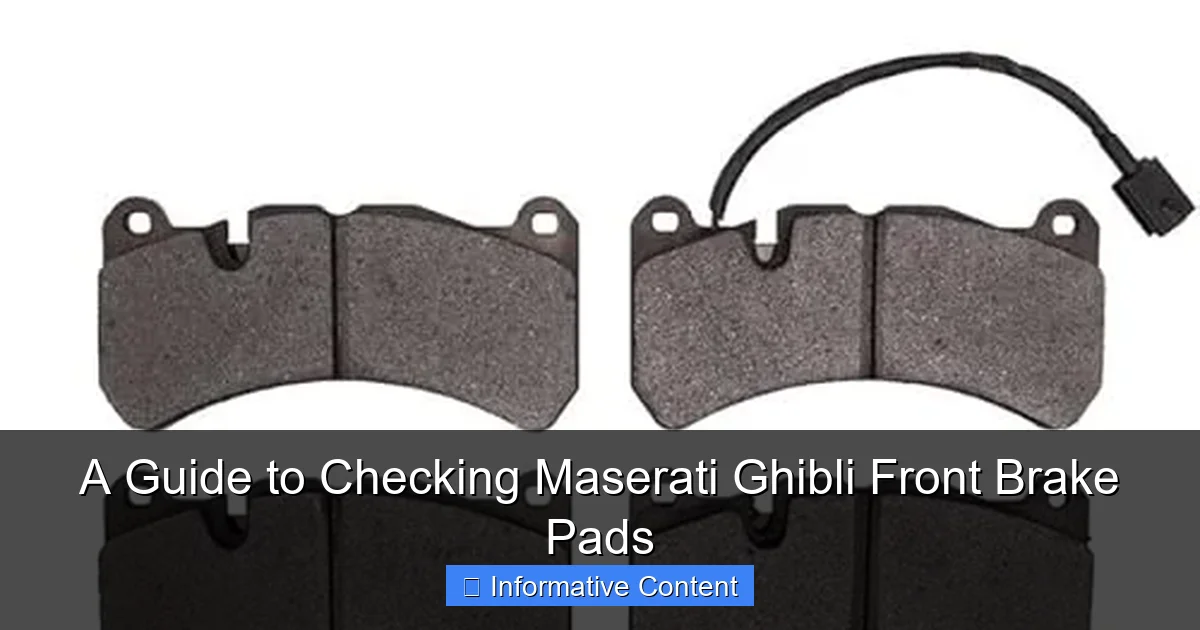
With the wheel off, you have a perfect view. You’ll now clearly see the massive brake caliper. Look at the pad on the outside of the rotor. Then, look through the window in the top of the caliper or peer around the edges to see the inner pad. Compare their thickness. They should be very similar.
While you’re here, give the brake rotor a quick look. It should be smooth and have an even, silvery finish. Deep grooves, scoring marks, or a noticeable lip on the outer edge are signs the rotor may need to be machined or replaced when you change the pads.
Understanding the Signs of Wear (Beyond Just Looking)
Your eyes are the best tool, but your Ghibli will also talk to you. Here’s how to interpret what it’s saying.
Noise: The Squeal, the Grind, the Chirp
Brakes make noises, and not all are bad. A light, occasional squeal when you first start driving on a damp morning is often normal. What you need to listen for are consistent, new noises.
- Warning Squeal: Many Maserati brake pads have a built-in wear indicator—a small metal tab. When the pad material gets low, this tab contacts the rotor, producing a high-pitched, consistent squeal or chirp when you apply the brakes. This is your car’s built-in alarm system. Heed it!
- The Dreaded Grind: A harsh, metal-on-metal grinding or growling sound is an emergency. This means the pad material is completely gone and the backing plate is shredding your rotor. Pull over and call for a tow.
Feel: The Brake Pedal Tells a Story
Pay attention to the pedal under your foot.
- Vibration or Pulsation: If you feel a shuddering or pulsing through the pedal when braking (especially at higher speeds), it often points to warped rotors, frequently caused by overheated or overly worn pads.
- Longer Pedal Travel: If the pedal sinks closer to the floor before the car slows, it could be related to pad wear (or brake fluid issues).
- Performance Changes: Simply feeling like the car isn’t stopping as crisply as it used to can be a subtle sign.
Data Table: Maserati Ghibli Front Brake Pad Specifications & Lifespan
This table gives you a ballpark reference for what to expect. Remember, your driving style is the biggest factor.
| Aspect | Typical Specification / Range | Notes |
|---|---|---|
| New Pad Thickness | 10-12 mm (with backing plate) | Varies slightly by brand (OEM, Brembo, etc.) |
| Minimum Recommended Thickness | 3 mm | Maserati’s general guideline; some performance pads have a different wear limit. |
| Average Lifespan (Front Pads) | 30,000 – 50,000 miles | This is a huge range. City driving, track use, or aggressive style can cut this in half. Gentle highway commuting may extend it. |
| Common Caliper Type | Brembo Fixed Multi-Piston | The Ghibli typically uses high-performance Brembo calipers from the factory. |
| Wear Indicator Type | Audible Metal Tab (on most pads) | Not all aftermarket pads have this feature, making visual checks even more important. |
Your Next Steps After the Check
So you’ve done the inspection. What now? Your findings dictate your action plan.
If the Pads Are Still Thick (>5mm)
Great news! Just note the current thickness somewhere (in your phone’s notes or a maintenance log). Plan to check again in 3-4 months or 5,000 miles. Keep listening for any changes in sound or feel.
If the Pads Are Getting Thin (3-5mm)
It’s time to plan. Start researching your options. You can choose:
- Original Equipment (OEM) Pads: Direct from Maserati/Brembo. They offer guaranteed performance and compatibility.
- Aftermarket Performance Pads: Brands like Brembo (aftermarket line), Hawk, or EBC offer compounds for less dust, more bite, or longer life.
- Aftermarket Rotors: If your rotors are worn, consider replacing them with high-quality slotted or drilled rotors at the same time for a complete system refresh.
Get quotes from a trusted independent specialist familiar with Italian exotics and from the Maserati dealership. The indie shop will often be more affordable for the same parts.
If the Pads Are at or Below 3mm
Schedule service immediately. Avoid hard braking and high speeds. If you heard the wear indicator or, worse, grinding, consider the car unsafe for normal driving until repaired.
Conclusion: Empowerment Through Simple Knowledge
Checking the front brake pads on your Maserati Ghibli isn’t about becoming a full-time mechanic. It’s about being an informed and proactive owner. That five-minute visual check through the wheel spokes is a powerful habit. It saves you from surprise breakdowns, gives you leverage when discussing service, and most importantly, it ensures that the thrilling performance of your Ghibli is always matched by confident, safe stopping power.
Your car is a masterpiece of engineering. Understanding even a small part of it, like the simple brake pad, deepens your connection to the machine. It turns ownership from a passive experience into an engaged partnership. So grab your flashlight, take a few minutes this weekend, and get acquainted with your brakes. You’ll drive with more peace of mind, knowing exactly what’s happening between those beautiful wheels and the road.
Frequently Asked Questions
How often should I check the front brake pads on my Maserati Ghibli?
It’s recommended to visually inspect your Ghibli’s front brake pads at least every 10,000 miles or with every tire rotation. More frequent checks are advisable if you notice any symptoms like squealing, reduced braking performance, or a longer pedal travel, as driving habits significantly impact wear.
What are the signs of worn front brake pads on a Maserati?
Common signs include a high-pitched squealing or grinding noise when braking, a brake pad warning light on the dashboard, and reduced braking responsiveness. You may also feel vibration through the brake pedal or see excessive brake dust on your front wheels, indicating it’s time for a closer inspection.
Can I check the Maserati Ghibli front brake pads myself without removing the wheel?
You can perform a basic visual check by looking through the spokes of your alloy wheel. If you can clearly see the outer brake pad and its friction material appears very thin (less than 3-4mm), they likely need replacement. For a thorough inspection of the inner pad, safely jacking up the car and removing the wheel is necessary.
What is the minimum thickness for Ghibli front brake pads?
Most manufacturers, including Maserati, recommend replacing front brake pads when the friction material wears down to approximately 3mm. It’s crucial to measure both the inner and outer pads, as they can wear unevenly. Continuing to drive with pads thinner than this risks damaging the expensive brake rotors.
Do I need any special tools to check my brake pads?
For a simple visual inspection, no special tools are needed. For a proper check, you will need a jack and jack stands to safely lift the car, a lug wrench to remove the front wheels, and possibly a flashlight for better visibility. A brake pad thickness gauge can provide the most accurate measurement.
Is checking the front brake pads on a Maserati Ghibli different from other cars?
The fundamental process of visually inspecting pad thickness is similar, but accessing the components on a performance sedan like the Ghibli may require care due to its large brake calipers and alloy wheels. Always consult your owner’s manual for vehicle-specific warnings and consider that repairs can be more costly, making early detection of wear important.

At CarLegit, we believe information should be clear, factual, and genuinely helpful. That’s why every guide, review, and update on our website is created with care, research, and a strong focus on user experience.