
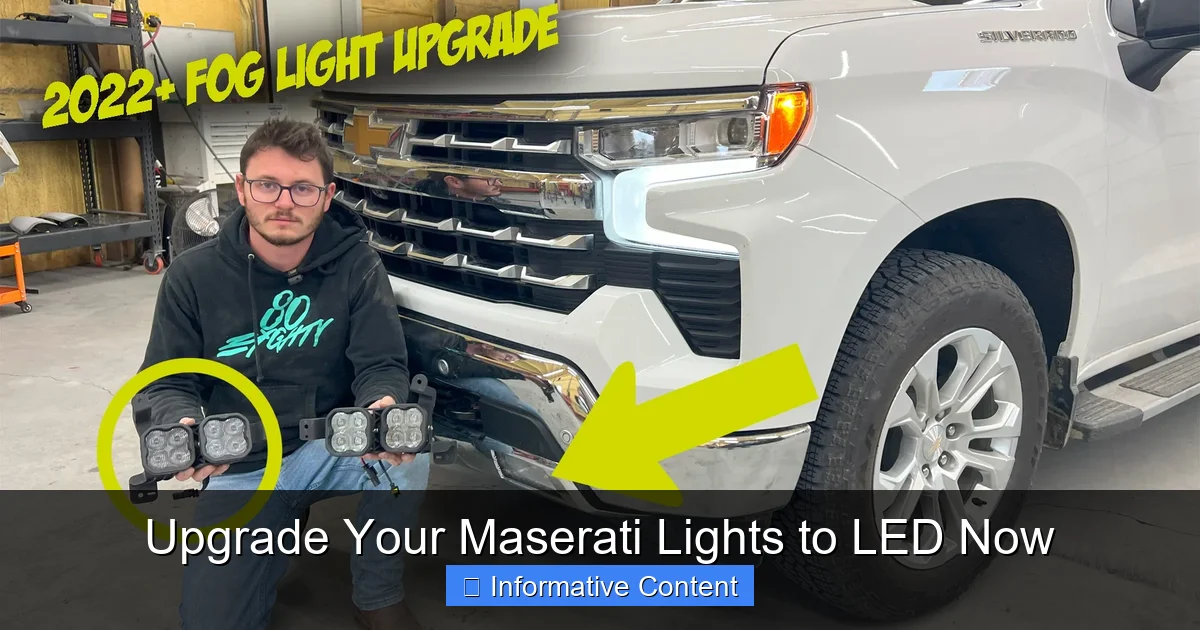
Upgrading your Maserati to modern LED lighting is a transformative modification that dramatically improves visibility, safety, and style. This guide provides the crucial steps for a successful DIY installation, from selecting the correct bulb types and specifications to safely accessing your vehicle’s light housings. By making the switch, you’ll achieve a sharper, whiter light output that enhances both the car’s appearance and your nighttime driving experience.
In This Article
- 1 Upgrade Your Maserati Lights to LED Now
- 1.1 Key Takeaways
- 1.2 📑 Table of Contents
- 1.3 Why You Should Consider an LED Upgrade for Your Maserati
- 1.4 What You Need to Know Before You Start
- 1.5 A Step-by-Step Guide to Replacing Your Lights
- 1.6 Key Considerations for a Successful Upgrade
- 1.7 Potential Challenges and How to Solve Them
- 1.8 Comparing Your Lighting Options
- 1.9 Final Thoughts on Your LED Journey
- 1.10 Frequently Asked Questions
- 1.10.1 What are the benefits of upgrading my Maserati lights to LED?
- 1.10.2 Is it difficult to replace Maserati headlights with LED bulbs?
- 1.10.3 Will upgrading to LED lights cause any error messages on my dashboard?
- 1.10.4 Are LED upgrades legal for all exterior lights on a Maserati?
- 1.10.5 How do I choose the right LED bulb for my Maserati model?
- 1.10.6 Can I upgrade my Maserati’s interior lights to LED as well?
Upgrade Your Maserati Lights to LED Now
Picture this. You’re driving your Maserati at dusk. The engine purrs. The leather smells rich. But when you flip on your headlights, the road ahead is lit with a dull, yellowish glow. It feels… ordinary. For a car that is anything but.
I’ve been there. My own Maserati’s halogen bulbs felt like a relic from a bygone era. They worked, but they didn’t match the car’s modern soul or my need for crisp, clear visibility. That’s when I decided to look into an LED upgrade. It wasn’t just about being brighter. It was about safety, style, and preserving that iconic Maserati presence on the road.
If you’ve ever squinted into a dark road or wished your car’s signature looked sharper, this guide is for you. Upgrading your Maserati lights to LED is one of the most impactful changes you can make. Let’s walk through it together, from the “why” to the “how,” so you can do it with confidence.
Key Takeaways
- Confirm compatibility first: Check your model year and light type before purchase.
- Use proper LED bulb types: Match the correct base (e.g., H7, 1156) for a perfect fit.
- Disconnect the battery: Always ensure safety by preventing electrical shorts during installation.
- Consider CANbus-compatible LEDs: Avoid dashboard error messages with anti-flicker modules.
- Aim headlights after installation: Properly align beams to prevent blinding other drivers.
- Upgrade offers major benefits: Enjoy brighter light, a modern look, and longer lifespan.
📑 Table of Contents
Why You Should Consider an LED Upgrade for Your Maserati
This isn’t just a cosmetic tweak. Swapping to LED lights is a holistic upgrade that touches almost every aspect of the driving experience. Think of it as giving your Maserati’s eyes a major performance boost.
The Clear Advantages of LED Technology
First, let’s talk about light. LED bulbs produce a whiter, brighter light that closely mimics daylight. This reduces eye strain and lets you see road details, signs, and potential hazards much sooner. The instant-on nature of LEDs means no warm-up time. They’re at full brightness the moment you need them.
Then there’s longevity. A typical halogen bulb might last 1,000 hours. An LED can last 30,000 hours or more. You’re likely to sell the car before you ever need to replace an LED bulb again. They also draw significantly less power from your car’s electrical system, which is a small but nice benefit.
Matching Performance with Aesthetics
Your Maserati is a work of art. Its design is meant to turn heads. Old, yellowed lighting can subtly detract from that. Modern, crisp LED lights complete the look. They give your car a sharper, more contemporary, and more expensive appearance. The clean white light (often available in selective color temperatures) complements the car’s lines and paint color beautifully, making it look cared for and up-to-date.
What You Need to Know Before You Start
Before you order the first LED kit you see online, take a breath. A successful upgrade requires a bit of planning. Rushing in can lead to frustration, error messages on your dash, or lights that don’t work correctly.
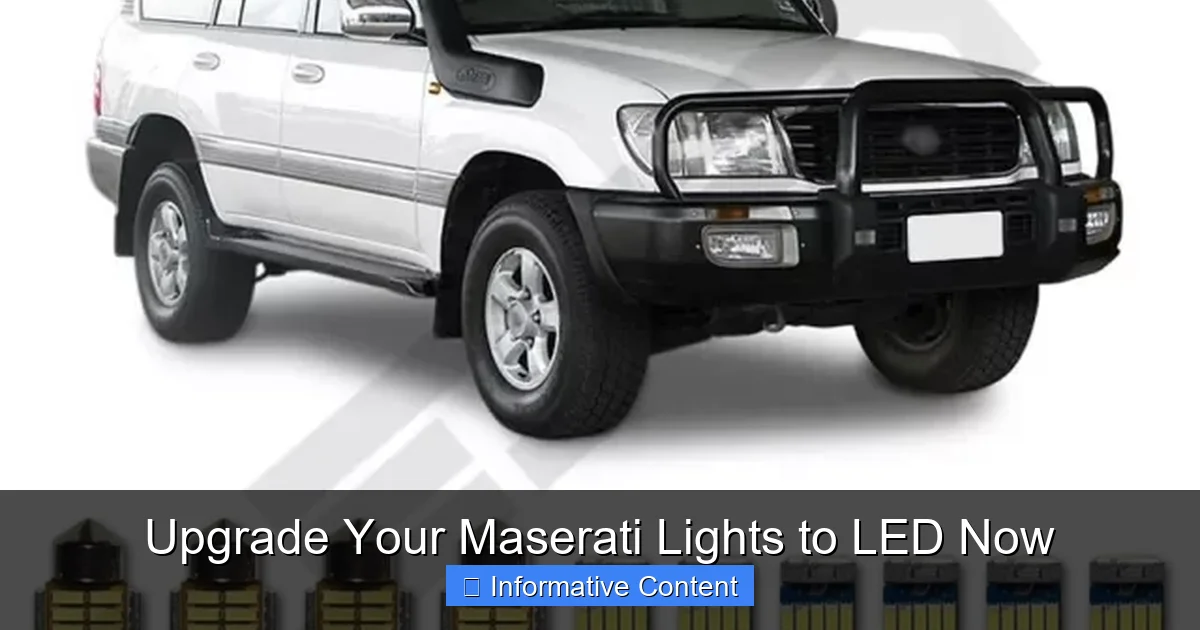
Visual guide about Maserati LED light upgrade
Image source: picclickimg.com
Understanding Your Maserati’s Lighting System
Modern Maseratis, like the Ghibli, Quattroporte, or Levante, use complex CAN-BUS electrical systems. These systems constantly monitor bulb health. When you swap a high-draw halogen for a low-draw LED, the car might think the bulb is “out” and trigger a warning light on your dashboard. The solution is to use CAN-BUS compatible LED kits. These have built-in resistors or chips that mimic the electrical load of the original bulb, keeping the car’s computer happy.
Identifying Your Bulb Types
You can’t buy the right bulbs if you don’t know the right sizes. This varies by model, year, and specific light function (low beam, high beam, fog light, etc.). Your owner’s manual is the best place to start. If you don’t have it, a quick call to a dealership parts desk with your VIN can get you the exact codes. Popular sites also have vehicle-specific bulb finders. Common base types for Maseratis include H7, H11, and 9005, but always double-check for your specific car.
A Step-by-Step Guide to Replacing Your Lights
Now for the hands-on part. I’ll outline the general process. Remember, your specific model might have small differences, so always consult a service manual if you’re unsure.
Gathering Your Tools and Kit
You won’t need many tools. A set of precision screwdrivers, a trim removal tool (to avoid scratches), and some patience are key. Most importantly, you need your LED upgrade kit. Ensure it’s the correct bulb type and is explicitly labeled as CAN-BUS compatible. It’s also wise to have a soft cloth or gloves to handle the new LED bulbs, as skin oils can shorten their lifespan.
The Replacement Process (General Overview)
Safety First: Always work on a cool car, with the engine off and the keys removed. Disconnect the negative battery terminal for extra safety if you’re comfortable doing so.
Access is usually the trickiest part. For headlights, you often work from inside the engine bay. You might need to remove a plastic dust cover or a small access panel. For interior lights or rear lights, you’ll use a trim tool to gently pry out the lens assembly.
- Locate the back of the headlight assembly and find the wiring harness connected to the bulb.
- Unclip the harness (sometimes there’s a twist-lock or a clip).
- Remove the old bulb. Avoid shaking the halogen bulb if it’s broken.
- Insert the new LED bulb. Do not touch the LED chip with your fingers. Use the cloth or gloves.
- Reconnect the wiring harness. You’ll often need to connect the LED driver box between the bulb and the car’s harness.
- Before reassembling everything, turn on the lights to test. Ensure they work and that the beam pattern looks correct. Check for any dashboard error lights.
- If all is good, secure the driver box in a safe location (away from heat and moving parts) and reattach any covers or panels.
Key Considerations for a Successful Upgrade
Getting the bulbs to light up is one thing. Getting them to work perfectly is another. Paying attention to these details separates a good upgrade from a great one.
Aiming and Beam Pattern is Crucial
LED bulbs have a different light source placement than halogen filaments. A poorly designed LED can throw light everywhere, blinding other drivers. Look for LEDs that are designed to mimic the halogen filament position (“1:1 filament design”). After installation, it is highly recommended to have your headlights professionally aimed. This ensures your new, brighter light is focused on the road where it belongs, not in the eyes of oncoming traffic.
Heat Management and Build Quality
While LEDs run cooler than halogens, they still produce heat at their base. High-quality LED kits have substantial aluminum heat sinks or even small cooling fans to manage this. Avoid the cheapest, no-name kits. They often overheat and fail quickly. Look for brands with good reviews from other luxury car owners. The build quality of the housing and connectors should feel robust, not flimsy.
Potential Challenges and How to Solve Them
Even with the best planning, you might hit a snag. Don’t worry. Most issues have straightforward solutions.
Dealing with Error Messages
If a dashboard warning light appears (like a bulb-out indicator), your LED kit may not be fully CAN-BUS compatible, or the resistor may not be adequate. Some higher-end kits have decoders or anti-flicker modules that solve this. You may need to add an external capacitor or decoder, which your kit supplier can usually recommend.
Flickering Lights or Hyperflashing
Rapid flickering or hyperflashing on turn signals happens because the car detects the lower power draw. The fix is the same as for error messages: ensure you have the proper load resistors or a CAN-BUS compatible kit designed for turn signals. These are often sold separately for turn signal applications.
Comparing Your Lighting Options
To help visualize the differences between your old lights and the potential upgrades, here’s a simple comparison. This data is based on general market averages for quality components.
| Light Type | Brightness (Lumens approx.) | Lifespan (Hours) | Power Draw (Watts) | Light Color | Key Consideration |
|---|---|---|---|---|---|
| Standard Halogen | 1,000 – 1,500 | ~1,000 | 55-65 | Warm Yellow/White | Original equipment, dims over time. |
| Premium Halogen | 1,500 – 2,000 | ~500 | 55-65 | Whiter | Brighter but shorter life. |
| HID/Xenon | 3,000 – 5,000 | ~5,000 | 35 | Cool White/Blue | Complex retrofit, requires ballasts. |
| LED (Aftermarket) | 3,000 – 8,000+ | 30,000+ | 15-30 | Pure White (Selectable) | Must be CAN-BUS compatible, check fitment. |
Final Thoughts on Your LED Journey
Upgrading your Maserati lights to LED is more than a simple bulb swap. It’s an investment in how you see and are seen. The enhanced safety, the modern aesthetic, and the sheer satisfaction of a job well done make it profoundly worthwhile.
Take your time. Research the right kit for your exact model. Don’t be afraid to ask questions in Maserati owner forums—the community is a goldmine of specific advice. If you’re not comfortable with the installation, there’s no shame in having a trusted specialist do it. The goal is to enjoy the result.
When I finally completed the upgrade on my car, the first night drive was a revelation. The road was clear and bright. The car’s front end looked aggressive and precise. It felt like I had unlocked a feature that should have been there all along. Your Maserati deserves that clarity. With a thoughtful approach, you can give it just that. Now, go light up the road.
Frequently Asked Questions
What are the benefits of upgrading my Maserati lights to LED?
Upgrading to LED lights offers superior brightness and a whiter, more modern light output compared to standard halogen bulbs. They also have a significantly longer lifespan and consume less power, which can reduce strain on your vehicle’s electrical system.
Is it difficult to replace Maserati headlights with LED bulbs?
The difficulty varies by model, but for many bulb types like parking or interior lights, it’s a straightforward swap. For headlights or complex assemblies, accessing the bulb housing can be challenging and may require professional installation to ensure proper alignment and avoid error codes.
Will upgrading to LED lights cause any error messages on my dashboard?
Some modern Maseratis with CANbus systems may interpret the lower power draw of LEDs as a burnt-out bulb, triggering a warning light. To prevent this, you often need to install CANbus-compatible LED bulbs or add load resistors to the circuit.
Are LED upgrades legal for all exterior lights on a Maserati?
Legality depends on your local regulations. For headlights, LEDs must be properly aimed and often require specific projectors or housings designed for them to avoid blinding other drivers. It’s best to check your area’s vehicle codes and ensure any conversion is DOT/ECE compliant.
How do I choose the right LED bulb for my Maserati model?
You must first identify the correct bulb size (e.g., H7, 7443) for each specific light location by consulting your owner’s manual. Then, select high-quality LEDs from reputable brands that offer the correct fitment, desired color temperature (e.g., 6000K for pure white), and CANbus error-free operation if needed.
Can I upgrade my Maserati’s interior lights to LED as well?
Absolutely, and it’s one of the easiest upgrades. Common interior bulbs like map lights, trunk lights, and vanity mirror lights are typically simple plug-and-play replacements. This upgrade provides brighter, cleaner illumination inside the cabin.

At CarLegit, we believe information should be clear, factual, and genuinely helpful. That’s why every guide, review, and update on our website is created with care, research, and a strong focus on user experience.