
Keeping your RV’s fresh water tank clean is essential for safe drinking water, but you don’t need bleach to do it. This guide walks you through natural, non-toxic methods to sanitize your tank effectively, including vinegar, hydrogen peroxide, and citric acid. You’ll learn step-by-step instructions, safety tips, and maintenance advice to keep your water system fresh and healthy—no harsh chemicals required.
In This Article
- 1 Key Takeaways
- 2 📑 Table of Contents
- 3 Why Sanitizing Your RV Fresh Water Tank Matters
- 4 Understanding Your RV Water System
- 5 Top Bleach-Free Sanitizing Methods
- 6 Step-by-Step Sanitization Process (Using Vinegar as Example)
- 7 Maintenance Tips to Keep Your Tank Clean
- 8 Common Mistakes to Avoid
- 9 Conclusion
- 10 Frequently Asked Questions
- 10.1 Can I use apple cider vinegar instead of white vinegar?
- 10.2 How often should I sanitize my RV water tank?
- 10.3 Is food-grade hydrogen peroxide safe for drinking water?
- 10.4 Will vinegar damage my RV’s plumbing?
- 10.5 Can I mix vinegar and hydrogen peroxide for a stronger clean?
- 10.6 How do I know if my sanitization worked?
Key Takeaways
- Vinegar is a powerful, natural sanitizer: White distilled vinegar effectively kills bacteria and removes mineral buildup without leaving harmful residues.
- Hydrogen peroxide offers a chemical-free clean: Food-grade hydrogen peroxide sanitizes tanks and breaks down into water and oxygen, making it safe for drinking water systems.
- Citric acid removes scale and odors: Ideal for tackling hard water deposits and musty smells, citric acid is gentle yet effective.
- Proper rinsing is crucial: Always flush the system thoroughly after sanitizing to eliminate any lingering taste or residue.
- Regular maintenance prevents contamination: Sanitize your tank at least twice a year, or more often if you use your RV frequently.
- Use only RV-safe products: Avoid household cleaners or industrial chemicals that can damage plumbing or leave toxic traces.
- Test your water periodically: Use test strips or a lab analysis to ensure your water is safe and free of contaminants.
📑 Table of Contents
Why Sanitizing Your RV Fresh Water Tank Matters
Imagine this: You’re on a scenic road trip, miles from the nearest town, and you reach for a glass of water from your RV’s tap. It tastes… off. Maybe it’s a little metallic, or worse—slightly sour. You take a sip and instantly regret it. That’s the reality of a neglected fresh water tank. Over time, bacteria, mold, algae, and mineral deposits can build up inside your RV’s water system, turning what should be a clean, refreshing supply into a health hazard.
Sanitizing your RV’s fresh water tank isn’t just about taste—it’s about safety. Contaminated water can lead to gastrointestinal issues, skin irritations, and long-term health problems, especially for children, elderly travelers, or those with weakened immune systems. While many RVers turn to bleach as a go-to sanitizer, it’s not the only option—and for some, it’s not the best one. Bleach can leave behind strong odors, require extensive rinsing, and may not be suitable for people with sensitivities or those using water filters. The good news? You can sanitize your RV fresh water tank without bleach using natural, effective alternatives that are safe, affordable, and easy to use.
Understanding Your RV Water System
Before diving into sanitization methods, it’s important to understand how your RV’s fresh water system works. Most RVs have a freshwater tank that stores clean water for drinking, cooking, and showering. This tank is connected to a pump that sends water through a network of pipes to faucets, the toilet, and sometimes an outdoor shower. Over time, stagnant water, heat, and organic matter can create the perfect environment for bacteria like E. coli, Legionella, and Salmonella to grow—especially if the tank isn’t used or cleaned regularly.
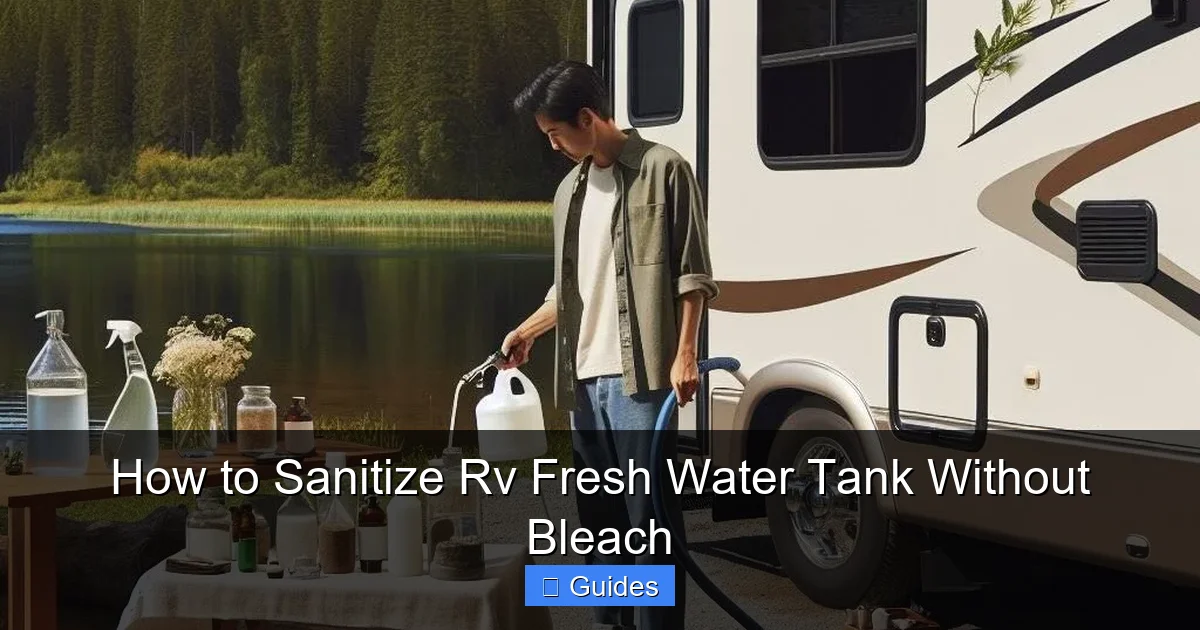
Visual guide about How to Sanitize Rv Fresh Water Tank Without Bleach
Image source: custom-way.com
Common Contaminants in RV Water Tanks
- Bacteria and mold: These thrive in warm, moist environments and can cause illness if ingested.
- Algae: Green or slimy buildup often appears in tanks exposed to sunlight or stored for long periods.
- Mineral deposits: Hard water leaves behind scale and calcium buildup that can clog pipes and affect taste.
- Odors: Musty or sour smells usually indicate bacterial growth or stagnant water.
- Residual chemicals: If you’ve used harsh cleaners in the past, traces may linger and affect water quality.
Signs Your Tank Needs Sanitizing
- Water tastes or smells unusual (metallic, earthy, or sour)
- Cloudy or discolored water
- Slime or residue inside the tank or around faucets
- Reduced water pressure
- You haven’t used or cleaned the tank in over 3–6 months
Knowing when and how to clean your tank is the first step toward maintaining a safe, reliable water supply. And the best part? You don’t need bleach to get the job done.
Top Bleach-Free Sanitizing Methods
If you’re looking to sanitize your RV fresh water tank without bleach, you’re in luck. There are several natural, non-toxic alternatives that are just as effective—if not more so—than traditional chlorine-based cleaners. These methods are safer for your health, gentler on your plumbing, and better for the environment. Below are the top three bleach-free sanitizing options, each with step-by-step instructions and practical tips.
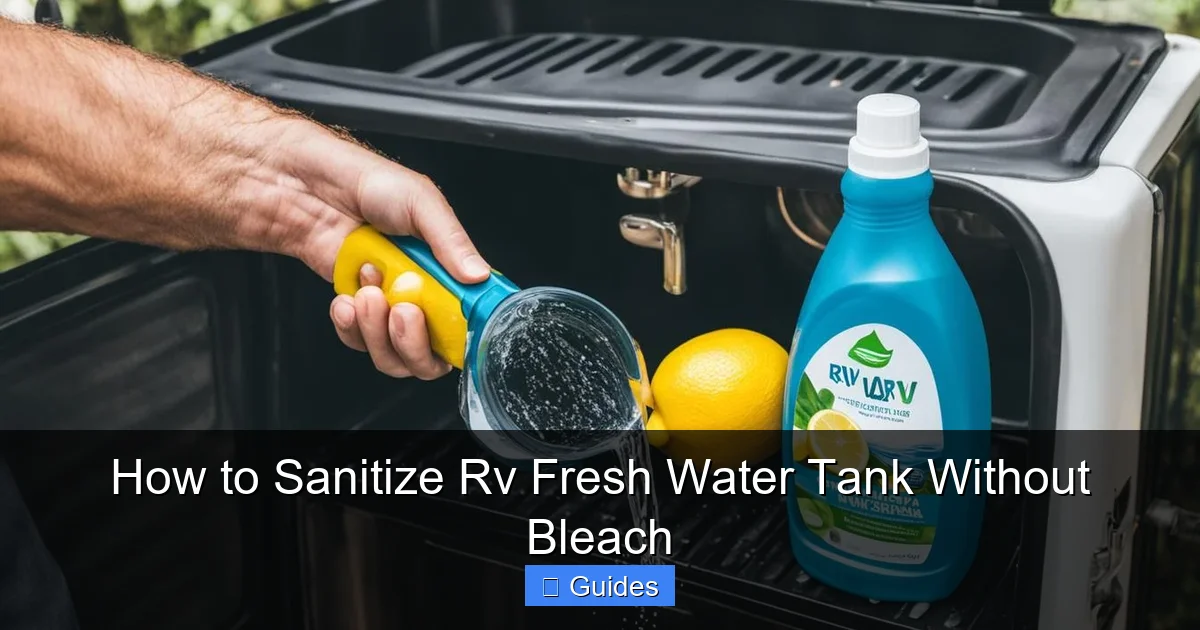
Visual guide about How to Sanitize Rv Fresh Water Tank Without Bleach
Image source: gorvlifestyle.com
1. White Distilled Vinegar: The All-Natural Powerhouse
Vinegar is one of the most popular and accessible alternatives to bleach. Its high acidity (around 5% acetic acid) makes it excellent at killing bacteria, dissolving mineral deposits, and eliminating odors. Plus, it’s food-safe, biodegradable, and leaves no harmful residues when properly rinsed.
How to Use Vinegar to Sanitize Your RV Tank
- Empty the tank completely: Drain all water from the freshwater tank, including any water in the lines. Open all faucets (hot and cold) and let them run until dry.
- Mix the vinegar solution: Use 1 gallon of white distilled vinegar for every 15 gallons of tank capacity. For example, a 45-gallon tank requires 3 gallons of vinegar.
- Fill the tank with the vinegar solution: Pour the vinegar directly into the freshwater fill port. If your tank has a built-in sanitizing port, use that for easier access.
- Run the solution through the system: Turn on the water pump and open each faucet (indoor and outdoor) one at a time. Let the vinegar run through until you smell it at the tap, then close it. Don’t forget the shower and toilet!
- Let it sit: Allow the vinegar to sit in the tank and lines for at least 6–12 hours. Overnight is ideal.
- Drain and rinse thoroughly: Empty the tank completely. Refill with fresh water, run it through all faucets, and drain again. Repeat this rinse process 2–3 times to remove all vinegar taste and odor.
- Refill with clean water: Once rinsed, fill the tank with fresh, clean water and your system is ready to use.
Tips for Best Results
- Use only white distilled vinegar—avoid apple cider or flavored varieties.
- If your tank has a lot of buildup, you may need to repeat the process.
- For extra cleaning power, add 1 cup of baking soda after draining the vinegar. It will fizz and help scrub the tank walls.
- Always wear gloves and work in a well-ventilated area, even though vinegar is non-toxic.
2. Food-Grade Hydrogen Peroxide: The Oxidizing Cleaner
Hydrogen peroxide (H₂O₂) is another excellent bleach alternative. When used in food-grade form (typically 35%), it breaks down into water and oxygen, making it completely safe for drinking water systems. It’s a powerful oxidizer that kills bacteria, viruses, and fungi without leaving toxic residues.
How to Use Hydrogen Peroxide to Sanitize Your RV Tank
- Empty the tank: Drain all water from the tank and lines as described above.
- Dilute the hydrogen peroxide: Mix 1 pint (16 oz) of 35% food-grade hydrogen peroxide with 1 gallon of water. This creates a safe, effective solution.
- Calculate the total amount needed: Use 1 pint of diluted solution per 15 gallons of tank capacity. For a 45-gallon tank, you’ll need 3 pints of diluted peroxide.
- Add to the tank: Pour the diluted hydrogen peroxide into the freshwater fill port.
- Circulate the solution: Turn on the water pump and run the solution through all faucets until you smell or see it coming out. Let it sit for 2–4 hours.
- Drain and rinse: Empty the tank and flush the system with fresh water 2–3 times. No need to rinse excessively—hydrogen peroxide breaks down naturally.
- Refill and use: Fill the tank with clean water and enjoy your sanitized system.
Important Safety Notes
- Always use food-grade hydrogen peroxide. Industrial or cosmetic grades may contain harmful stabilizers.
- Store hydrogen peroxide in a cool, dark place and away from children.
- Wear gloves and eye protection when handling concentrated solutions.
- Never mix hydrogen peroxide with vinegar or other acids—it can create dangerous peracetic acid.
3. Citric Acid: The Scale and Odor Remover
Citric acid is a natural compound found in citrus fruits and is widely used in food and cleaning products. It’s especially effective at removing hard water scale, rust stains, and musty odors. While it’s not a strong disinfectant on its own, it works well in combination with other methods or as a follow-up treatment.
How to Use Citric Acid to Clean Your RV Tank
- Empty the tank: Drain all water and ensure the system is dry.
- Prepare the solution: Mix 1 cup of food-grade citric acid powder with 1 gallon of warm water. Stir until fully dissolved.
- Calculate the amount: Use 1 cup of solution per 15 gallons of tank capacity.
- Add to the tank: Pour the citric acid solution into the freshwater fill port.
- Run through the system: Turn on the pump and open all faucets until the solution flows out. Let it sit for 1–2 hours.
- Drain and rinse: Empty the tank and flush with fresh water 2–3 times to remove any sour taste.
- Optional: Follow with vinegar or hydrogen peroxide: For full sanitization, use citric acid first to remove scale, then follow with vinegar or hydrogen peroxide to kill bacteria.
Benefits of Citric Acid
- Removes limescale and rust from tanks and pipes
- Neutralizes odors caused by stagnant water
- Safe for septic systems and the environment
- Inexpensive and easy to find online or at hardware stores
Step-by-Step Sanitization Process (Using Vinegar as Example)
To make the process even clearer, here’s a detailed, step-by-step guide using vinegar—the most popular bleach-free method. This routine can be adapted for hydrogen peroxide or citric acid with minor adjustments.
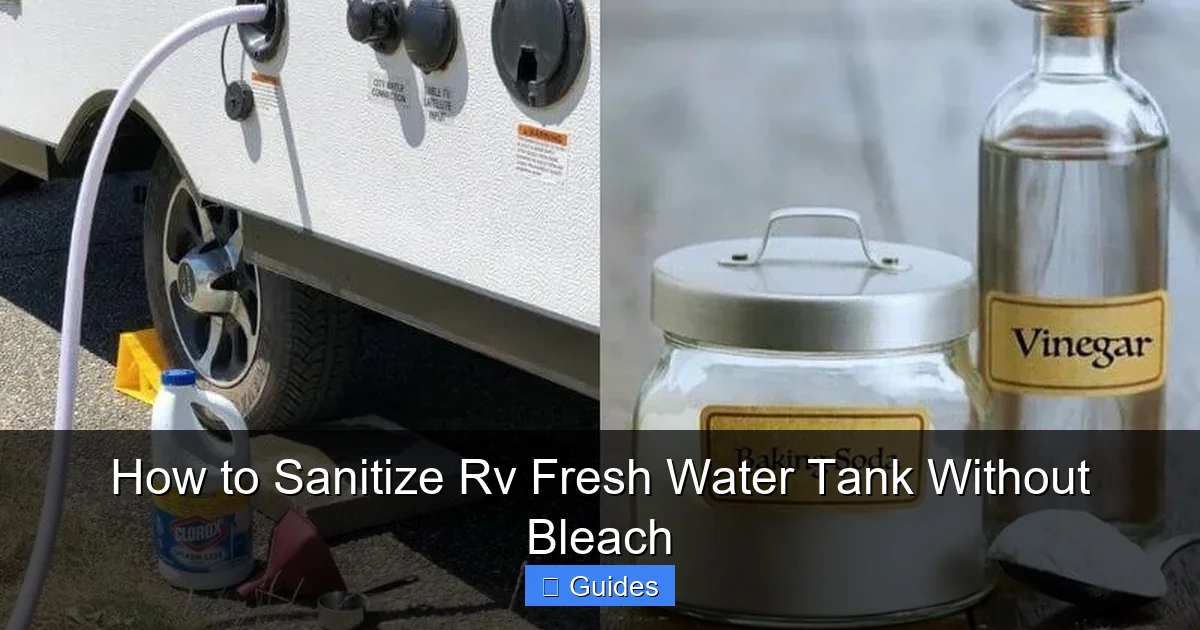
Visual guide about How to Sanitize Rv Fresh Water Tank Without Bleach
Image source: rvingknowhow.com
Step 1: Prepare Your RV
Start by parking your RV on level ground and turning off the water pump. If you’re connected to city water, disconnect the hose and close the city water inlet valve. Open all faucets (hot and cold) and let them drain completely. Don’t forget the outdoor shower, toilet, and any auxiliary drains.
Step 2: Drain the Freshwater Tank
Locate the freshwater tank drain valve—usually found underneath the RV near the tank. Open it and let all water flow out. If your tank has a low-point drain, open those as well. Wait until the tank is completely empty before proceeding.
Step 3: Mix and Add the Vinegar Solution
Calculate how much vinegar you need based on your tank size (1 gallon per 15 gallons). Pour the vinegar directly into the freshwater fill port. If you have a sanitizing port, use that for easier access and to avoid spilling.
Step 4: Circulate the Vinegar
Turn the water pump back on. Starting with the cold water faucet closest to the tank, open it and let the vinegar run through until you can smell it. Close that faucet and move to the next one. Repeat for all indoor and outdoor faucets, the shower, and the toilet. This ensures the vinegar reaches every part of the system.
Step 5: Let It Sit
Once all faucets have been flushed, close them and let the vinegar sit in the tank and lines for at least 6 hours—overnight is best. This gives the acid time to break down bacteria and mineral deposits.
Step 6: Drain and Rinse
Open the tank drain and let the vinegar flow out. Then, refill the tank with fresh water. Turn on the pump and run water through all faucets until the vinegar smell is gone. Drain again. Repeat this rinse process 2–3 times to ensure no vinegar taste remains.
Step 7: Refill and Test
Once rinsed, fill the tank with clean, fresh water. Turn on the pump and test the water at each faucet. If you notice any lingering taste, run a few more gallons through the system. Your tank is now sanitized and ready to use!
Maintenance Tips to Keep Your Tank Clean
Sanitizing your tank is important, but regular maintenance can prevent the need for frequent deep cleans. Here are some simple habits to keep your RV’s water system in top shape.
Sanitize Regularly
Aim to sanitize your freshwater tank at least twice a year—once before the camping season and once after. If you use your RV frequently or store it for long periods, consider sanitizing every 3–4 months.
Use a Water Filter
Install a high-quality inline water filter on your freshwater intake hose. This removes sediment, chlorine, and some bacteria before water even enters your tank. Replace filters according to the manufacturer’s instructions.
Keep the Tank Full or Empty
Avoid leaving small amounts of water in the tank for extended periods. Stagnant water promotes bacterial growth. Either keep the tank full (if using regularly) or completely empty (if storing).
Use Only Clean Water Sources
Fill your tank only from trusted, potable water sources. Avoid filling from unknown wells, lakes, or questionable spigots. If in doubt, use a portable water filter or purification tablets.
Inspect and Clean the Fill Cap
The fill cap can collect dirt, bugs, and debris. Remove it periodically and clean it with soapy water. Check the seal for cracks or wear—replace if necessary to prevent contamination.
Monitor for Odors and Taste
If you notice any changes in water taste or smell, don’t ignore them. They’re early warning signs of contamination. Address the issue immediately with a sanitization cycle.
Common Mistakes to Avoid
Even with the best intentions, it’s easy to make mistakes when sanitizing your RV water tank. Here are some common pitfalls and how to avoid them.
Using the Wrong Type of Vinegar
Only use white distilled vinegar. Apple cider, balsamic, or flavored vinegars contain sugars and additives that can feed bacteria and leave residues.
Not Rinsing Thoroughly
Skipping or rushing the rinse step can leave behind strong vinegar or chemical tastes. Always rinse 2–3 times and run water through all faucets.
Overusing Chemicals
More isn’t always better. Using too much vinegar, hydrogen peroxide, or citric acid can damage seals, gaskets, or plastic components. Stick to recommended ratios.
Sanitizing While Connected to City Water
Never sanitize your tank while connected to a city water supply. This can push contaminants back into the municipal system and damage your RV’s plumbing.
Ignoring the Water Heater
Don’t forget to include the water heater in your sanitization routine. Drain it completely before and after the process to prevent buildup.
Using Household Cleaners
Avoid bleach substitutes like antibacterial sprays, dish soap, or all-purpose cleaners. These are not designed for drinking water systems and can leave toxic residues.
Conclusion
Keeping your RV’s fresh water tank clean doesn’t have to involve harsh chemicals or complicated procedures. By using natural alternatives like vinegar, hydrogen peroxide, or citric acid, you can effectively sanitize your tank without bleach—protecting your health, your plumbing, and the environment. These methods are safe, affordable, and easy to implement, making them ideal for full-time RVers, weekend warriors, and everyone in between.
Remember, regular maintenance is just as important as deep cleaning. Sanitize your tank at least twice a year, use a water filter, and stay alert to changes in taste or smell. With a little care and attention, you can enjoy clean, fresh, and safe drinking water wherever your adventures take you. So the next time you hit the road, you can fill your glass with confidence—knowing your water is as pure as the open sky.
Frequently Asked Questions
Can I use apple cider vinegar instead of white vinegar?
No, apple cider vinegar contains sugars and additives that can promote bacterial growth and leave residues. Always use white distilled vinegar for sanitizing your RV tank.
How often should I sanitize my RV water tank?
Sanitize your tank at least twice a year—before and after the camping season. If you use your RV frequently or store it for long periods, consider sanitizing every 3–4 months.
Is food-grade hydrogen peroxide safe for drinking water?
Yes, when properly diluted and rinsed, food-grade hydrogen peroxide is safe. It breaks down into water and oxygen, leaving no harmful residues.
Will vinegar damage my RV’s plumbing?
No, vinegar is safe for most RV plumbing systems, including PVC, PEX, and rubber seals. However, avoid using it on natural rubber components if used excessively over time.
Can I mix vinegar and hydrogen peroxide for a stronger clean?
No, never mix vinegar and hydrogen peroxide. They react to form peracetic acid, which is corrosive and potentially dangerous.
How do I know if my sanitization worked?
After rinsing, your water should taste and smell clean. For extra assurance, use water test strips to check for bacteria or contaminants.

At CarLegit, we believe information should be clear, factual, and genuinely helpful. That’s why every guide, review, and update on our website is created with care, research, and a strong focus on user experience.