
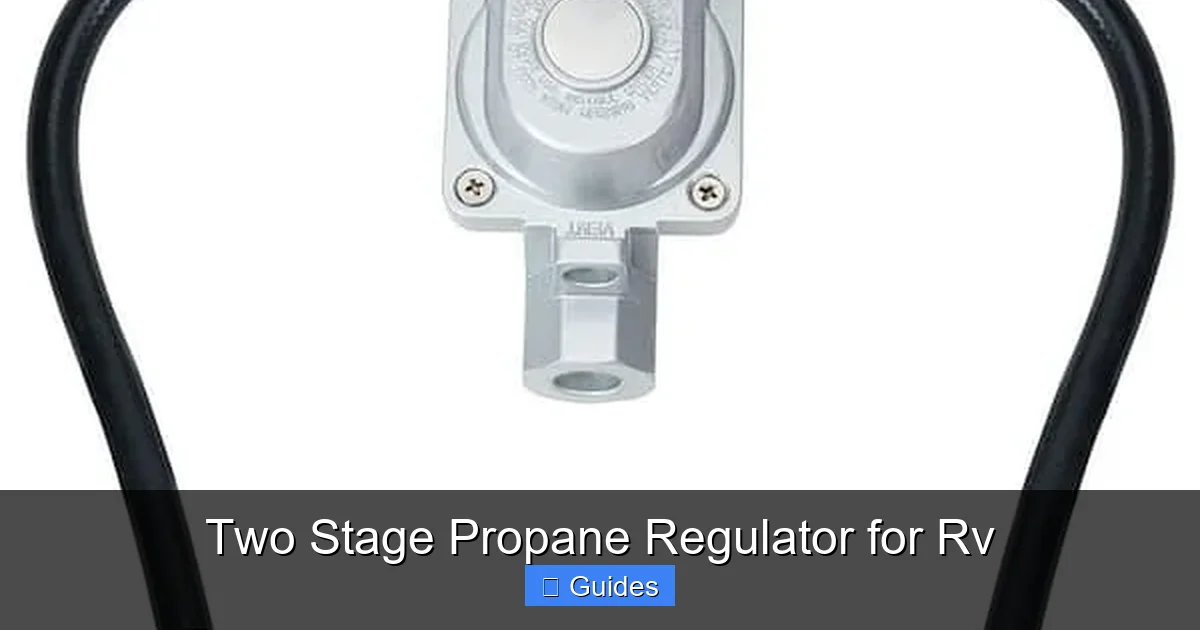
A two stage propane regulator for RV use delivers consistent gas pressure from your tank to appliances, even during temperature swings or low fuel levels. Unlike single-stage models, it uses two pressure reduction steps for safer, more reliable performance—making it the top choice for full-time RVers and weekend warriors alike.
In This Article
- 1 Key Takeaways
- 2 📑 Table of Contents
- 3 What Is a Two Stage Propane Regulator for RV?
- 4 How Does a Two Stage Propane Regulator Work?
- 5 Benefits of Using a Two Stage Propane Regulator in Your RV
- 6 Single Stage vs. Two Stage Propane Regulators: What’s the Difference?
- 7 How to Choose the Right Two Stage Propane Regulator for Your RV
- 8 Installation and Maintenance Tips for Two Stage Propane Regulators
- 9 Conclusion
- 10 Frequently Asked Questions
- 10.1 What is the difference between a single-stage and two-stage propane regulator?
- 10.2 Can I install a two stage propane regulator myself?
- 10.3 How often should I replace my RV propane regulator?
- 10.4 Will a two stage regulator work with any RV propane system?
- 10.5 Do I need a two stage regulator if I only camp in warm weather?
- 10.6 Are two stage regulators more expensive than single-stage ones?
Key Takeaways
- Dual-stage pressure control: Two stage regulators reduce high tank pressure in two steps, ensuring steady output regardless of changing conditions.
- Enhanced safety and reliability: Prevents pressure spikes and flameouts, protecting your appliances and reducing fire risks.
- Ideal for varying climates: Performs well in cold weather or high altitudes where single-stage regulators often fail.
- Longer appliance lifespan: Stable gas flow reduces wear on stoves, heaters, and refrigerators, saving money on repairs.
- Easy installation and maintenance: Most models are drop-in replacements and require minimal upkeep with proper care.
- Compliance with RVIA standards: Certified two stage regulators meet industry safety requirements for recreational vehicles.
- Cost-effective long-term investment: Higher upfront cost pays off through improved efficiency and fewer replacements.
📑 Table of Contents
- What Is a Two Stage Propane Regulator for RV?
- How Does a Two Stage Propane Regulator Work?
- Benefits of Using a Two Stage Propane Regulator in Your RV
- Single Stage vs. Two Stage Propane Regulators: What’s the Difference?
- How to Choose the Right Two Stage Propane Regulator for Your RV
- Installation and Maintenance Tips for Two Stage Propane Regulators
- Conclusion
What Is a Two Stage Propane Regulator for RV?
When you’re out on the open road in your RV, enjoying a hot meal or staying warm on a chilly night, you probably don’t think much about the tiny device quietly doing its job behind the scenes. But that unassuming piece of hardware—the propane regulator—is one of the most critical components in your RV’s gas system. And if you’re serious about safety, performance, and peace of mind, a two stage propane regulator for RV use is the gold standard.
So, what exactly is it? Simply put, a two stage propane regulator is a specialized valve that controls the flow of propane from your storage tank to your appliances—like your stove, furnace, water heater, or refrigerator. Unlike a single-stage regulator, which only reduces pressure once, a two stage model performs this task in two distinct steps. This dual-stage design ensures that the pressure delivered to your appliances remains consistent, no matter how full your tank is or how cold it gets outside.
Think of it like a water faucet with two knobs: one controls the main flow, and the other fine-tunes it. That’s essentially how a two stage regulator works—first, it drops the high pressure from the tank (which can be over 100 psi) down to an intermediate level, and then it further reduces it to a safe, usable pressure (usually around 11 inches of water column, or about 0.4 psi) that your appliances are designed to handle.
This might sound technical, but the real-world benefit is simple: your RV appliances work better, last longer, and are far less likely to malfunction. Whether you’re parked in a snowy mountain campground or cruising through desert heat, a two stage regulator keeps your propane system running smoothly. It’s not just a nice-to-have—it’s a must-have for anyone who relies on their RV for comfort and convenience.
How Does a Two Stage Propane Regulator Work?
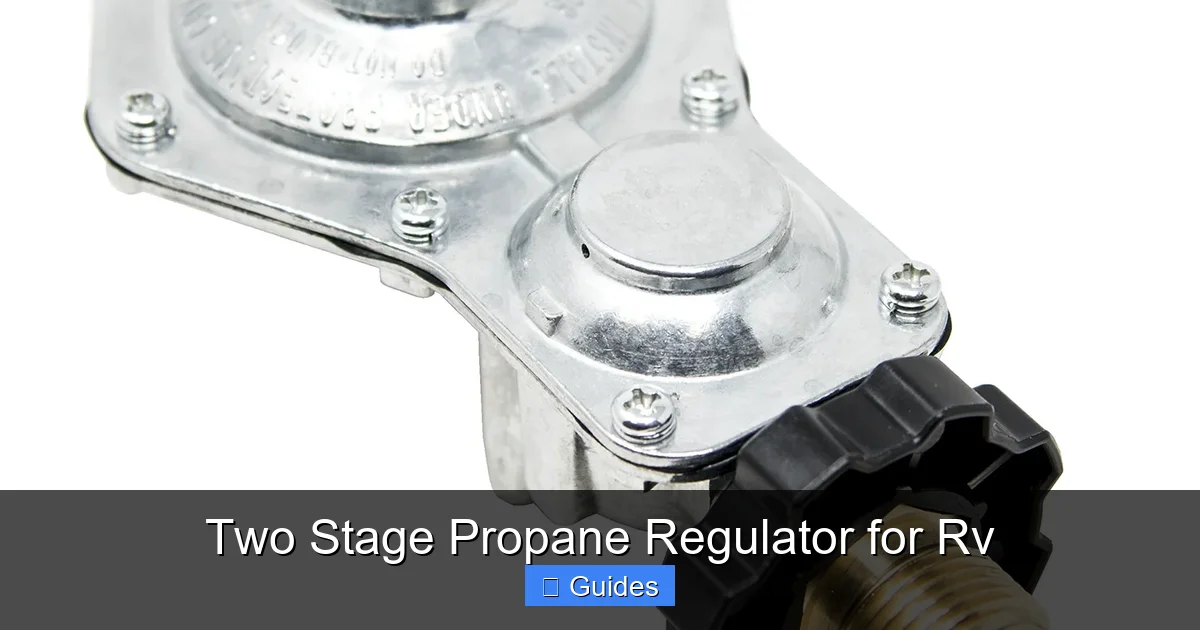
Visual guide about Two Stage Propane Regulator for Rv
Image source: i5.walmartimages.com
To truly appreciate why a two stage propane regulator for RV use is superior, it helps to understand how it works under the hood. Let’s break it down in simple terms.
Propane is stored in your RV’s tank as a liquid under high pressure. When you turn on an appliance, the liquid propane vaporizes and travels through the gas line toward your stove or heater. But here’s the catch: the pressure coming directly from the tank can be extremely high—sometimes over 200 psi when the tank is full and warm. Your appliances, however, are built to operate safely at a much lower pressure, typically around 11 inches of water column (roughly 0.4 psi). If that high pressure reaches your appliances unchecked, it could damage them or even cause a dangerous leak or fire.
That’s where the regulator comes in. A two stage regulator has two internal chambers, each with its own diaphragm and spring mechanism. Here’s how the process unfolds:
First, the high-pressure gas from the tank enters the first stage of the regulator. This stage reduces the pressure significantly—say, from 200 psi down to around 10 psi. This is a rough cut, but it’s a crucial first step. Then, the gas moves into the second stage, where it’s fine-tuned down to the precise, safe pressure your appliances need. This two-step process ensures that even if the input pressure fluctuates—due to a nearly empty tank, temperature changes, or altitude shifts—the output remains stable.
For example, imagine you’re camping in the mountains at 8,000 feet. The air is thinner, and your propane tank is half-full and cold from the night. A single-stage regulator might struggle to maintain consistent pressure, leading to weak flames or appliance shutdowns. But a two stage regulator compensates for these variables, delivering reliable performance no matter the conditions.
Another advantage is that two stage regulators are less sensitive to tank orientation and vaporization rates. In cold weather, propane doesn’t vaporize as quickly, which can reduce pressure. The dual-stage design accounts for this, ensuring your furnace keeps you warm even on a freezing morning.
In short, a two stage propane regulator acts like a smart traffic controller for your gas system—smoothing out bumps, preventing surges, and keeping everything running at the right speed. It’s this intelligent design that makes it the preferred choice for RVers who demand reliability and safety.
Benefits of Using a Two Stage Propane Regulator in Your RV
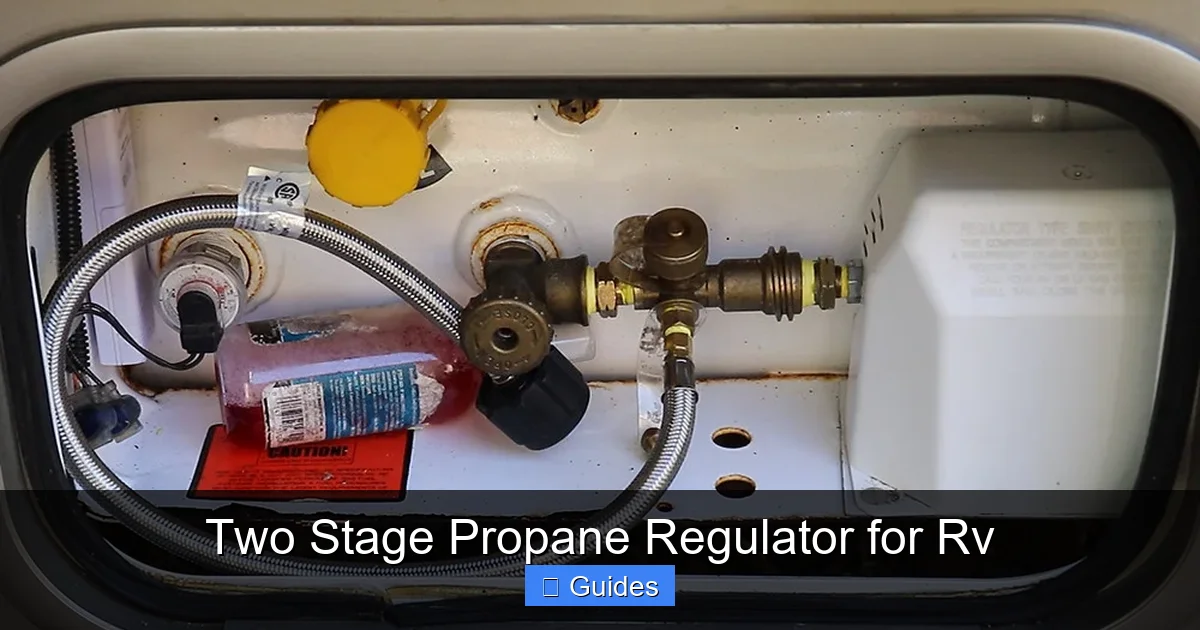
Visual guide about Two Stage Propane Regulator for Rv
Image source: static.wixstatic.com
Now that you know how it works, let’s talk about why you should consider upgrading to a two stage propane regulator for RV use. The benefits go far beyond just technical specs—they translate into real-world advantages that enhance your camping experience, protect your investment, and keep you safe.
1. Consistent Performance in All Conditions
One of the biggest frustrations with single-stage regulators is their sensitivity to external factors. When your propane tank is nearly empty, or when temperatures drop, single-stage models often can’t maintain steady pressure. This leads to weak flames on your stove, flickering pilot lights, or even complete shutdowns of your furnace or water heater. A two stage regulator, on the other hand, is designed to deliver consistent output regardless of tank level or weather. Whether you’re in Death Valley at 120°F or Yellowstone at 20°F, your appliances will perform reliably.
2. Improved Safety
Safety is paramount when dealing with flammable gas. A two stage regulator reduces the risk of over-pressurization, which can cause leaks, hose ruptures, or appliance damage. Because it controls pressure in two stages, it’s much less likely to experience sudden spikes. Many models also include built-in safety features like excess flow valves and overpressure shut-offs, which automatically stop gas flow if a leak is detected. This gives you peace of mind, especially when you’re sleeping or away from your RV.
3. Longer Appliance Lifespan
Your RV’s appliances are expensive to repair or replace. Running them on unstable or excessive pressure can cause premature wear and tear. For instance, a furnace operating under high pressure may overheat or cycle too frequently, shortening its lifespan. A two stage regulator ensures your appliances receive the correct pressure, reducing stress and extending their usable life. Over time, this can save you hundreds of dollars in maintenance and replacements.
4. Better Fuel Efficiency
When your appliances receive the right amount of gas at the right pressure, they burn fuel more efficiently. This means you get more heat, more cooking power, and better refrigeration performance from the same amount of propane. In practical terms, that could mean fewer trips to refill your tank or the ability to camp off-grid for longer periods without worrying about running out of gas.
5. Compliance with Industry Standards
The Recreational Vehicle Industry Association (RVIA) recommends two stage regulators for most modern RVs. Many newer models come equipped with them from the factory, and for good reason. They meet stringent safety and performance standards, ensuring your RV is up to code and safe to use. If you’re buying a used RV or upgrading an older model, installing a certified two stage regulator is a smart move.
6. Fewer Maintenance Headaches
While no regulator lasts forever, two stage models are generally more durable and require less frequent replacement than single-stage units. They’re built to handle the rigors of travel, temperature swings, and varying fuel levels. With proper care—like keeping the regulator clean and protected from moisture—you can expect years of trouble-free service.
In short, investing in a two stage propane regulator for RV use isn’t just about better performance—it’s about smarter, safer, and more efficient RV living. It’s one of those upgrades that pays for itself many times over.
Single Stage vs. Two Stage Propane Regulators: What’s the Difference?
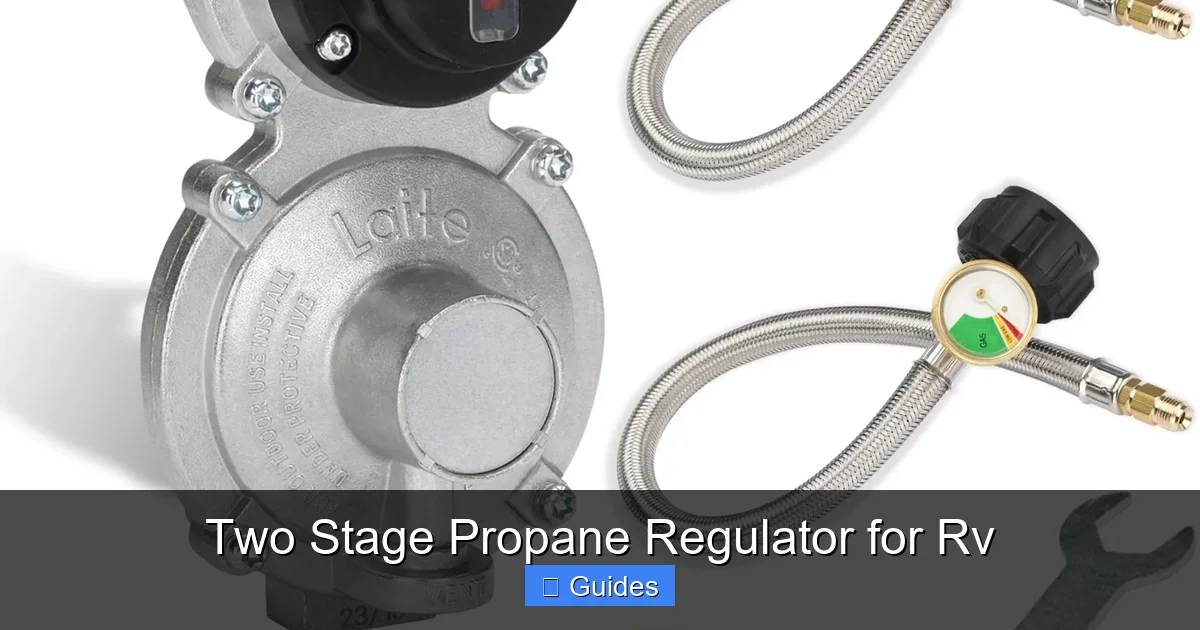
Visual guide about Two Stage Propane Regulator for Rv
Image source: m.media-amazon.com
If you’ve been shopping for propane regulators, you’ve probably come across both single-stage and two stage models. But what’s the real difference, and why does it matter for your RV?
Let’s start with the basics. Both types of regulators serve the same fundamental purpose: to reduce the high pressure of propane from the tank to a safe, usable level for your appliances. However, the way they do it—and how well they perform under real-world conditions—is where they diverge.
Single Stage Regulators: Simple but Limited
A single-stage regulator reduces pressure in one step. It takes the high-pressure gas from the tank and drops it directly to the output pressure your appliances need. This design is simpler and less expensive, which is why it’s often found in older RVs or budget setups.
The problem? It’s highly sensitive to input pressure changes. When your tank is full and warm, it works fine. But as the tank empties or temperatures drop, the input pressure drops, and so does the output. This leads to inconsistent performance—your stove might flame out, your furnace might struggle to heat, or your fridge might stop cooling properly. In extreme cases, it can even cause dangerous pressure fluctuations.
Two Stage Regulators: Smart and Stable
In contrast, a two stage propane regulator for RV use uses two pressure reduction stages. This allows it to maintain a steady output even when input pressure varies. The first stage handles the initial pressure drop, and the second stage fine-tunes it to the exact level needed. This dual-stage approach makes it far more reliable in real-world conditions.
For example, imagine you’re on a week-long camping trip. On day one, your tank is full and the weather is mild—everything works perfectly. By day five, the tank is half-empty and a cold front moves in. With a single-stage regulator, you might notice weaker flames and longer heating times. But with a two stage regulator, the performance remains consistent from start to finish.
Real-World Example: Cold Weather Camping
Let’s say you’re parked in Colorado during winter. Overnight, the temperature drops to 15°F. Your propane tank cools down, reducing vaporization and lowering pressure. A single-stage regulator might not be able to compensate, leading to appliance shutdowns. But a two stage regulator adjusts automatically, ensuring your furnace keeps running and your water heater stays hot.
Cost vs. Value
Yes, two stage regulators are more expensive upfront—typically $50 to $100 more than single-stage models. But consider the long-term value: fewer repairs, better fuel efficiency, improved safety, and greater reliability. For full-time RVers or those who camp in extreme conditions, the investment is well worth it.
In summary, while single-stage regulators might seem like a cost-saving option, they often lead to frustration and added expenses down the road. A two stage propane regulator for RV use offers superior performance, safety, and peace of mind—making it the clear choice for serious RVers.
How to Choose the Right Two Stage Propane Regulator for Your RV
So, you’re convinced that a two stage propane regulator is the way to go. Great! But with so many models on the market, how do you pick the right one? Don’t worry—we’ve got you covered with a simple guide to help you make the best choice for your RV.
1. Check Compatibility with Your RV
Not all regulators are created equal, and not all are compatible with every RV. Start by checking your owner’s manual or the existing regulator for specifications like inlet and outlet thread sizes (usually 1/4 inch NPT), mounting style, and gas flow capacity (measured in BTUs per hour). Most RVs use a standard two stage regulator with a 30,000 to 40,000 BTU rating, but larger rigs with multiple appliances may need higher capacity.
2. Look for RVIA Certification
Always choose a regulator that’s certified by the Recreational Vehicle Industry Association (RVIA). This ensures it meets safety and performance standards for use in RVs. Look for the RVIA label or check the manufacturer’s website for compliance information.
3. Consider the Mounting Location
Two stage regulators can be mounted horizontally or vertically, depending on your RV’s setup. Some models are designed for under-the-step installation, while others fit inside a compartment. Make sure the regulator you choose fits your space and allows for proper ventilation. Avoid enclosing it in a tight, sealed box—this can trap moisture and lead to corrosion.
4. Evaluate Build Quality and Materials
Look for regulators made from durable, corrosion-resistant materials like brass or zinc alloy. Avoid cheap plastic components, which can crack or degrade over time. A high-quality diaphragm and spring mechanism are also essential for long-term reliability.
5. Check for Built-In Safety Features
The best two stage regulators come with safety enhancements like:
- Excess flow valve: Automatically shuts off gas flow if a major leak occurs.
- Overpressure protection: Prevents dangerous pressure buildup.
- Vent holes: Allow gas to escape safely if the diaphragm fails.
These features add an extra layer of protection, especially important when you’re miles from the nearest service station.
6. Read Reviews and Recommendations
Before buying, check online reviews from other RVers. Look for feedback on performance in cold weather, ease of installation, and durability. Popular brands like Camco, Marshall, and GasStop are known for reliable two stage regulators.
7. Don’t Forget the Warranty
A good warranty is a sign of a manufacturer’s confidence in their product. Look for at least a one-year warranty, and consider extended coverage if available.
Pro Tip: When in Doubt, Consult a Professional
If you’re unsure about compatibility or installation, consult an RV technician. They can help you choose the right model and ensure it’s installed correctly—saving you time, money, and potential safety risks.
By following these guidelines, you’ll find a two stage propane regulator for RV use that fits your needs, enhances your safety, and delivers years of reliable service.
Installation and Maintenance Tips for Two Stage Propane Regulators
Once you’ve chosen the right two stage propane regulator for your RV, the next step is proper installation and ongoing maintenance. Doing it right ensures maximum performance, safety, and longevity.
Installation: Step-by-Step
1. Turn Off the Gas: Always shut off the propane supply at the tank and disconnect the gas line before starting.
2. Remove the Old Regulator: Use a wrench to carefully unscrew the old unit. Be gentle to avoid damaging the gas line.
3. Install the New Regulator: Apply thread sealant (Teflon tape or pipe dope) to the inlet and outlet threads. Screw in the new regulator by hand, then tighten with a wrench—don’t over-tighten.
4. Reconnect the Gas Line: Attach the gas line to the outlet and secure it with a wrench.
5. Test for Leaks: Turn the gas back on and use a soapy water solution to check all connections. Bubbles indicate a leak—tighten or reseal as needed.
6. Test Appliances: Turn on your stove, furnace, or water heater to ensure proper operation.
Maintenance: Keep It Running Smoothly
– Inspect Regularly: Check the regulator every few months for signs of corrosion, damage, or wear.
– Protect from Moisture: Keep the regulator dry and covered if mounted outside. Use a protective cover if needed.
– Clean Gently: Wipe the exterior with a dry cloth. Avoid using water or harsh chemicals.
– Replace When Needed: Most regulators last 5–10 years. If you notice inconsistent performance or visible damage, replace it promptly.
With proper care, your two stage propane regulator will serve you well for many adventures to come.
Conclusion
A two stage propane regulator for RV use is more than just a piece of hardware—it’s a vital component that ensures your safety, comfort, and peace of mind on the road. By delivering consistent gas pressure in all conditions, it protects your appliances, improves efficiency, and reduces the risk of dangerous malfunctions. Whether you’re a weekend camper or a full-time RVer, investing in a quality two stage regulator is one of the smartest upgrades you can make. Take the time to choose the right model, install it correctly, and maintain it properly. Your RV—and your adventures—will thank you.
Frequently Asked Questions
What is the difference between a single-stage and two-stage propane regulator?
A single-stage regulator reduces pressure in one step and is sensitive to tank level and temperature changes. A two stage propane regulator for RV use reduces pressure in two steps, providing consistent output regardless of conditions, making it more reliable and safer.
Can I install a two stage propane regulator myself?
Yes, most RVers can install a two stage regulator with basic tools and careful attention to safety. Always turn off the gas, use proper sealant, and test for leaks. If you’re unsure, consult a professional.
How often should I replace my RV propane regulator?
Most two stage regulators last 5 to 10 years. Replace it if you notice inconsistent appliance performance, visible damage, or corrosion. Regular inspections help catch issues early.
Will a two stage regulator work with any RV propane system?
Most modern RVs are compatible with standard two stage regulators. Check your owner’s manual for specifications like thread size and BTU rating to ensure a proper fit.
Do I need a two stage regulator if I only camp in warm weather?
Even in warm climates, a two stage regulator offers better consistency and safety. It protects against pressure fluctuations from tank level changes and ensures reliable performance year-round.
Are two stage regulators more expensive than single-stage ones?
Yes, they typically cost $50–$100 more. However, the improved performance, safety, and longevity make them a cost-effective investment for most RVers.

At CarLegit, we believe information should be clear, factual, and genuinely helpful. That’s why every guide, review, and update on our website is created with care, research, and a strong focus on user experience.