
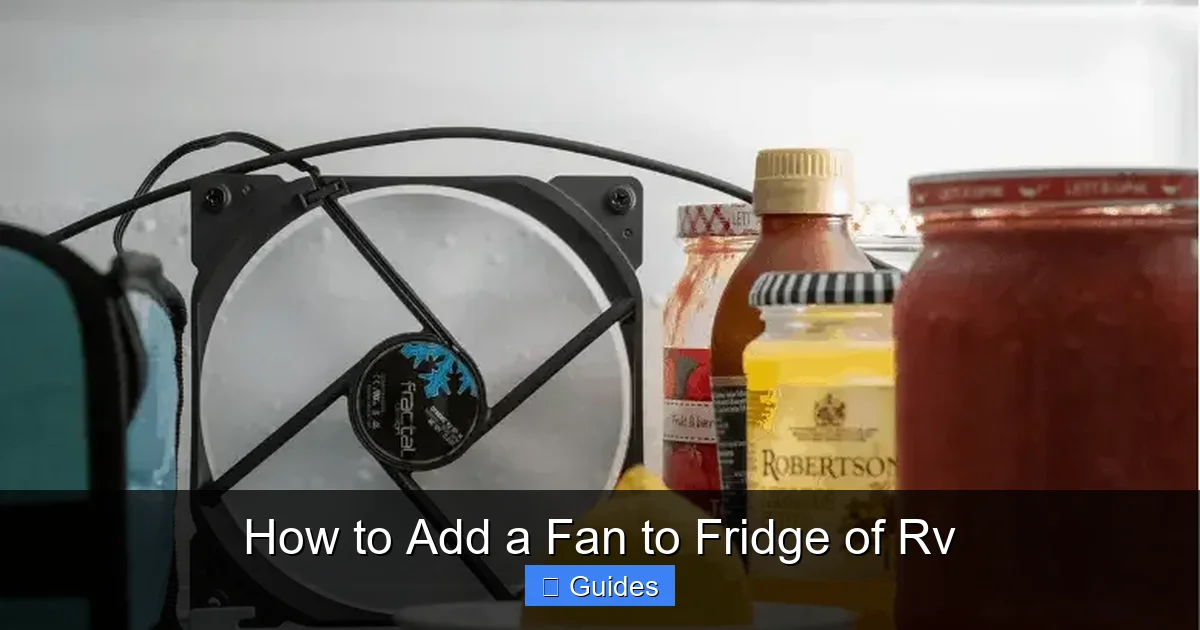
Adding a fan to your RV fridge can dramatically improve cooling performance, especially in hot weather or when parked in direct sunlight. This easy DIY upgrade helps circulate air, reduces strain on the cooling unit, and can even extend the life of your refrigerator.
In This Article
- 1 Key Takeaways
- 2 📑 Table of Contents
- 3 Why Adding a Fan to Your RV Fridge Matters
- 4 Understanding How RV Refrigerators Work
- 5 Choosing the Right Fan for Your RV Fridge
- 6 Step-by-Step Guide to Installing a Fridge Fan
- 7 Maximizing the Benefits of Your Fridge Fan
- 8 Troubleshooting Common Fan Issues
- 9 Conclusion
- 10 Frequently Asked Questions
Key Takeaways
- Improved Cooling Efficiency: A fan helps distribute cold air evenly, preventing hot spots and ensuring food stays fresher longer.
- Reduced Energy Consumption: Better airflow means the fridge doesn’t have to work as hard, saving battery power and propane.
- Prevents Overheating: Fans help dissipate heat from the back and top of the fridge, reducing the risk of cooling unit failure.
- Easy DIY Installation: Most RV fridge fans can be installed in under an hour with basic tools and minimal wiring.
- Cost-Effective Upgrade: A quality fridge fan costs between $20 and $50 and pays for itself in energy savings and peace of mind.
- Compatible with Most RV Fridges: Whether you have a Dometic, Norcold, or other brand, fan kits are widely available and adaptable.
- Enhances Safety: Proper ventilation reduces the risk of gas buildup and improves overall fridge reliability.
📑 Table of Contents
Why Adding a Fan to Your RV Fridge Matters
If you’ve ever opened your RV fridge on a hot summer day to find warm milk or lukewarm soda, you’re not alone. Many RV owners struggle with inefficient cooling, especially when traveling through deserts, mountains, or humid climates. The truth is, RV refrigerators aren’t as powerful as household units. They rely on a combination of propane, 12V DC power, or 120V AC to run, and their cooling efficiency drops significantly when ambient temperatures rise.
One of the most effective—and often overlooked—solutions is adding a fan to your RV fridge. This simple upgrade can make a world of difference. A fan helps circulate air inside the fridge compartment, pushing cold air down and pulling warm air up. It also aids in dissipating heat from the back and top of the refrigerator, where the cooling unit and condenser coils are located. Without proper airflow, these components can overheat, leading to reduced performance or even failure.
Think of it like this: your RV fridge is like a campfire. If you don’t blow on it, the flames die down. A fan acts like a gentle breeze, keeping the cooling process active and efficient. Whether you’re boondocking in Arizona or parked at a lakeside campground in July, a fridge fan ensures your food stays cold and your drinks stay refreshing.
Understanding How RV Refrigerators Work
Visual guide about How to Add a Fan to Fridge of Rv
Image source: alliancerv.co.nz
Before diving into the installation, it’s helpful to understand how your RV fridge actually cools. Unlike standard refrigerators that use a compressor, most RV fridges use an absorption cooling system. This system relies on a heat source—either propane flame or electric heating element—to drive a chemical process that absorbs heat from the interior and releases it outside.
Here’s a simplified breakdown:
– A mixture of ammonia, hydrogen gas, and water circulates through a series of tubes.
– Heat from the burner or electric element boils the ammonia solution, turning it into vapor.
– The vapor rises and condenses, releasing heat through the fins at the back of the fridge.
– The cooled liquid then flows back down, absorbing heat from the fridge interior as it evaporates.
This cycle repeats continuously, keeping the inside cold. However, this process is highly dependent on proper ventilation. If the back of the fridge gets too hot—because it’s parked in direct sunlight or the vent is blocked—the cooling efficiency drops. That’s where a fan comes in.
The Role of Airflow in Cooling
Airflow is critical for two reasons: internal circulation and external heat dissipation. Inside the fridge, cold air tends to sink, leaving the top shelves warmer. A small internal fan helps mix the air, ensuring even temperatures from top to bottom. This prevents spoilage and reduces the need to overcool the unit.
Externally, the cooling unit generates significant heat. If this heat isn’t allowed to escape, the system struggles to condense the ammonia vapor, slowing down the entire cooling process. A fan mounted near the back or top vent helps pull hot air away from the coils, allowing the fridge to operate at peak efficiency.
Common Cooling Problems in RVs
Many RV owners experience similar issues that a fan can help resolve:
– **Inconsistent temperatures:** Some shelves are cold, others are warm.
– **Fridge not cooling enough in hot weather:** Especially when parked in direct sunlight.
– **Long cooling times:** It takes hours for the fridge to reach safe temperatures after being opened.
– **Frequent cycling or shutdowns:** The fridge turns off because it overheats.
– **Ice buildup:** Poor airflow can cause moisture to accumulate and freeze on coils.
Adding a fan addresses these problems by improving both internal and external airflow. It’s a low-cost, high-impact fix that can save you from spoiled food and costly repairs.
Choosing the Right Fan for Your RV Fridge
Visual guide about How to Add a Fan to Fridge of Rv
Image source: cdn.shopify.com
Not all fans are created equal. When selecting a fan for your RV fridge, you’ll want to consider size, power source, noise level, and mounting options. The goal is to find a fan that’s quiet, efficient, and compatible with your setup.
Types of RV Fridge Fans
There are two main types of fans used in RV fridges:
1. **Internal circulation fans:** These are small, low-voltage fans placed inside the fridge compartment. They help mix the air and prevent temperature stratification.
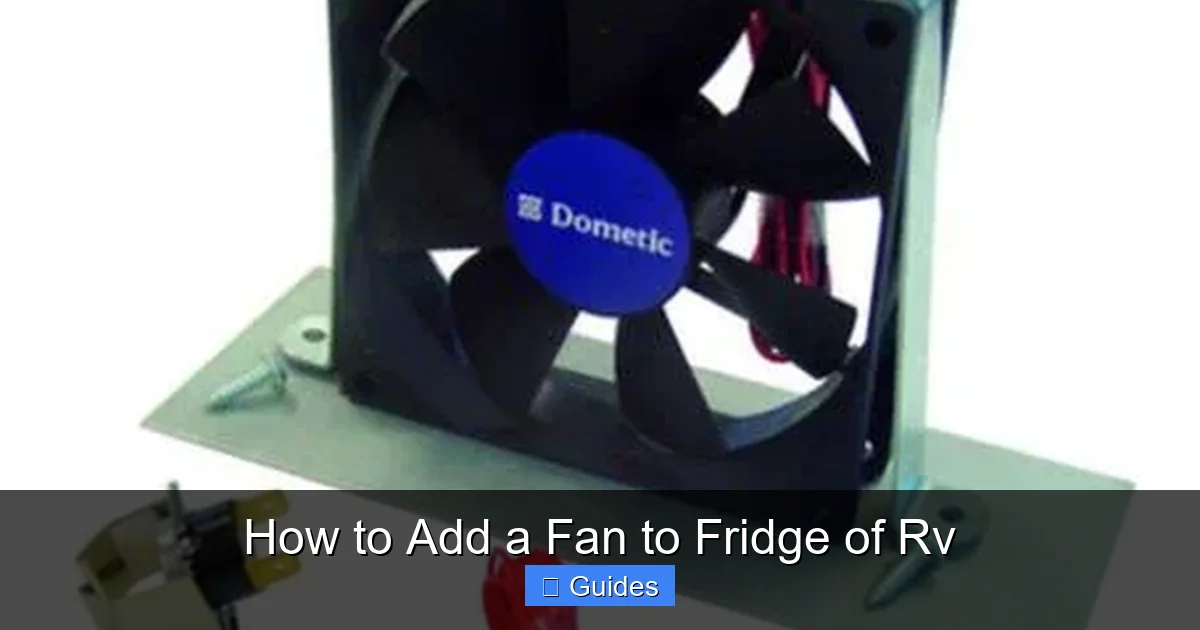
2. **External ventilation fans:** These are mounted on the back or top of the fridge, near the cooling unit or vent. They help pull heat away from the condenser coils and improve overall system efficiency.
Some kits include both types, offering a complete airflow solution. For most RVers, a combination approach works best—especially if you frequently travel in hot climates.
Key Features to Look For
When shopping for a fridge fan, keep an eye out for these features:
– **12V DC power:** Most RV fans run on 12 volts, drawing power from your house battery. This makes them compatible with your existing electrical system.
– **Low amp draw:** Look for fans that use less than 0.5 amps to avoid draining your battery. A 0.2-amp fan can run for days on a single charge.
– **Quiet operation:** You don’t want a noisy fan buzzing inside your fridge. Choose models with brushless motors for whisper-quiet performance.
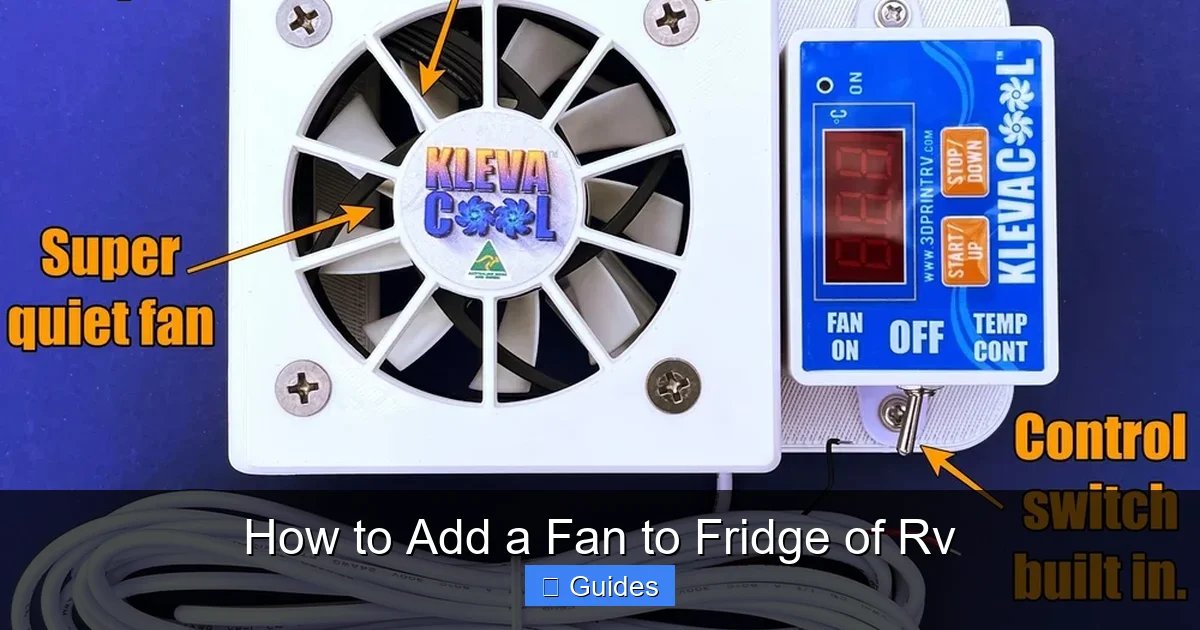
– **Adjustable speed:** Some fans come with a thermostat or speed controller, allowing them to run only when needed.
– **Weather-resistant housing:** If mounting externally, ensure the fan is protected from rain and dust.
Popular brands include **Fan-Tastic Vent**, **Camco**, and **Norcold**. Many come with pre-wired connectors and mounting brackets for easy installation.
Recommended Fan Models
Here are a few top-rated options:
– **Fan-Tastic Vent RV Fridge Fan:** A dual-fan system with one internal and one external fan. Runs on 12V, draws only 0.3 amps, and includes a thermostat.
– **Camco Fridge Fan:** Compact internal fan with magnetic mounting. Great for small fridges or as a supplement to existing airflow.
– **Norcold 638095 Fridge Fan Kit:** Designed specifically for Norcold refrigerators, this kit includes everything needed for a clean install.
Prices typically range from $25 to $60, depending on features and brand. While it’s tempting to go for the cheapest option, investing in a quality fan pays off in performance and durability.
Step-by-Step Guide to Installing a Fridge Fan
Visual guide about How to Add a Fan to Fridge of Rv
Image source: images.squarespace-cdn.com
Installing a fan in your RV fridge is a straightforward DIY project that most people can complete in under an hour. You don’t need to be an electrician—just have basic tools and a little patience. Below is a detailed guide to help you through the process.
Tools and Materials Needed
Before you begin, gather these items:
– RV fridge fan kit (internal, external, or both)
– Screwdriver (Phillips and flathead)
– Drill and drill bits (if mounting externally)
– Wire strippers and crimping tool
– Electrical tape or heat shrink tubing
– Zip ties (for cable management)
– Multimeter (optional, for testing voltage)
– Safety gloves and glasses
Most fan kits come with mounting hardware and instructions, but it’s always good to have extras on hand.
Step 1: Choose the Fan Location
For **internal fans**, the best spot is near the top of the fridge, where warm air collects. Avoid placing it directly in front of the cooling plate (the finned section on the back wall), as this can interfere with the absorption process.
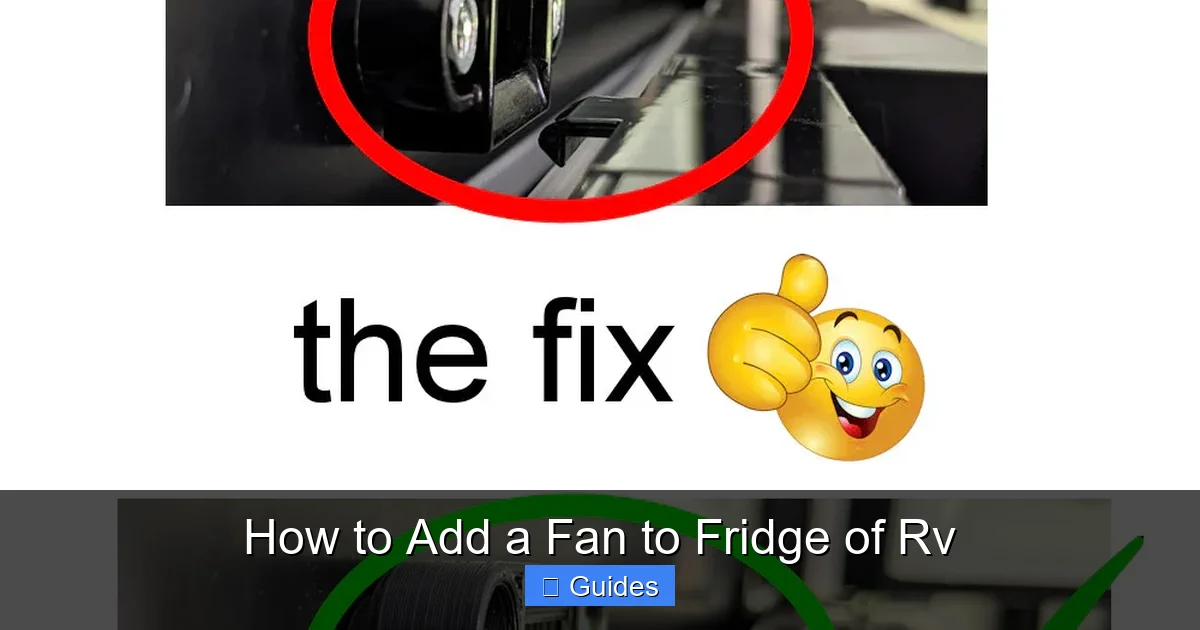
For **external fans**, mount them near the top vent or on the back of the fridge, where heat escapes. Make sure the fan blows *away* from the fridge to pull hot air out. Never block the existing vents—your fan should enhance, not replace, natural airflow.
Step 2: Mount the Fan
– **Internal mounting:** Use the included adhesive pad or screws to secure the fan to the ceiling or side wall. Ensure it’s level and won’t vibrate loose.
– **External mounting:** Drill pilot holes if needed, then attach the fan bracket with screws. Seal any holes with silicone to prevent moisture intrusion.
Always double-check that the fan doesn’t interfere with the door seal or moving parts.
Step 3: Wire the Fan
Most RV fridge fans are wired directly to the 12V DC system. Here’s how:
1. Locate a nearby 12V power source. This could be the fridge’s control board, a nearby light, or a dedicated circuit.
2. Use a multimeter to confirm the voltage and polarity (red = positive, black = negative).
3. Strip the ends of the fan wires and connect them to the power source. Use crimp connectors or solder for a secure connection.
4. Wrap connections with electrical tape or heat shrink tubing to prevent shorts.
5. Secure wires with zip ties to avoid strain on the connections.
If your fan includes a thermostat, follow the manufacturer’s instructions for wiring. Some models automatically turn on when the fridge reaches a certain temperature.
Step 4: Test the Fan
Once everything is connected, turn on your RV’s power and check that the fan spins. Listen for unusual noises or vibrations. If the fan doesn’t run, double-check the wiring and polarity.
Let the fridge run for a few hours and monitor the temperature. You should notice faster cooling and more consistent temperatures throughout the compartment.
Safety Tips
– Always disconnect power before working on electrical components.
– Avoid drilling into areas where gas lines or coolant tubes might be located.
– Use low-voltage fans only—never connect a 120V fan to your RV’s DC system.
– If you’re unsure about wiring, consult a professional or your RV dealer.
With proper installation, your fan will run quietly and efficiently for years.
Maximizing the Benefits of Your Fridge Fan
Installing the fan is just the first step. To get the most out of your upgrade, follow these best practices for optimal performance.
Optimize Fridge Placement
Even with a fan, your fridge’s location matters. Park your RV in the shade whenever possible. Use reflective window covers to reduce heat buildup inside the cabin. If you must park in the sun, consider using a reflective sunshade over the fridge vent to block direct sunlight.
Keep the Vents Clear
Check the external vents regularly for debris, dirt, or insect nests. A blocked vent can negate the benefits of your fan. Clean the area with a soft brush or compressed air every few months.
Use a Thermostat-Controlled Fan
If your fan doesn’t come with a built-in thermostat, consider adding one. A thermostat ensures the fan only runs when needed, saving battery power and reducing wear. Some models can be set to turn on at 80°F and off at 70°F, for example.
Monitor Battery Usage
While fridge fans use very little power, it’s still important to monitor your battery levels, especially when boondocking. Use a battery monitor or shunt to track consumption. If you’re running low, consider upgrading to a higher-capacity battery or adding solar panels.
Combine with Other Upgrades
For even better performance, pair your fan with other efficiency boosters:
– **Insulate the fridge compartment:** Use foam board or reflective insulation around the fridge (but not blocking vents).
– **Upgrade the door seal:** A tight seal prevents cold air from escaping.
– **Use a fridge thermometer:** Monitor internal temperatures to ensure food safety.
– **Pre-cool food:** Chill items in a cooler before placing them in the fridge to reduce the workload.
These small changes add up to big improvements in cooling performance.
Troubleshooting Common Fan Issues
Even the best installations can run into problems. Here’s how to diagnose and fix common issues.
Fan Doesn’t Turn On
– Check the power source: Use a multimeter to confirm 12V is reaching the fan.
– Verify polarity: Reversed wires can prevent the fan from spinning.
– Inspect the fuse: Some fans have inline fuses that may have blown.
– Test the fan separately: Connect it directly to a 12V battery to see if it works.
Fan Is Too Loud
– Ensure the fan is securely mounted—loose brackets can cause vibration.
– Clean the blades: Dust buildup can create noise.
– Replace with a brushless model: These are quieter and more efficient.
Fridge Still Not Cooling Well
– Check the cooling unit: Look for signs of leakage or damage.
– Verify propane flow: Ensure the flame is steady and blue.
– Inspect the thermostat: A faulty thermostat can prevent proper cycling.
– Consider professional service: If problems persist, have a certified technician inspect the system.
Most issues are easy to fix, but don’t ignore persistent problems—they could indicate a deeper issue.
Conclusion
Adding a fan to your RV fridge is one of the smartest upgrades you can make. It’s affordable, easy to install, and delivers immediate results. Whether you’re a weekend camper or a full-time RVer, a fridge fan helps keep your food cold, your drinks cold, and your travels stress-free.
From improving airflow to reducing energy use, the benefits are clear. With the right fan and a few simple installation steps, you can transform your RV fridge into a reliable, efficient cooling machine. So next time you’re parked under the desert sun or cruising down a mountain pass, you’ll know your fridge is working smarter—not harder.
Don’t wait for your next spoiled meal to take action. Grab a fan, follow this guide, and enjoy cooler, fresher adventures on the road.
Frequently Asked Questions
Can I install a fridge fan myself?
Yes, most RV fridge fans are designed for DIY installation. With basic tools and simple wiring, you can complete the job in under an hour. Just follow the manufacturer’s instructions and take safety precautions.
Will a fridge fan drain my RV battery?
No, most fridge fans draw less than 0.5 amps, so they use very little power. A 0.2-amp fan can run for days on a single battery charge without significant drain.
Do I need both an internal and external fan?
Not necessarily, but using both provides the best results. An internal fan improves air circulation, while an external fan helps dissipate heat. For hot climates, a dual-fan system is highly recommended.
Can I use a regular household fan in my RV fridge?
No, household fans run on 120V AC and are not safe or compatible with your RV’s 12V DC system. Always use a fan specifically designed for RV use.
How do I know if my fridge fan is working?
You can feel the air movement inside the fridge or listen for a gentle hum. You can also use a multimeter to check if power is reaching the fan.
Will a fan fix a fridge that’s not cooling at all?
A fan improves efficiency but won’t fix mechanical failures like a broken cooling unit or gas leak. If your fridge isn’t cooling, have it inspected by a professional before installing a fan.

At CarLegit, we believe information should be clear, factual, and genuinely helpful. That’s why every guide, review, and update on our website is created with care, research, and a strong focus on user experience.