
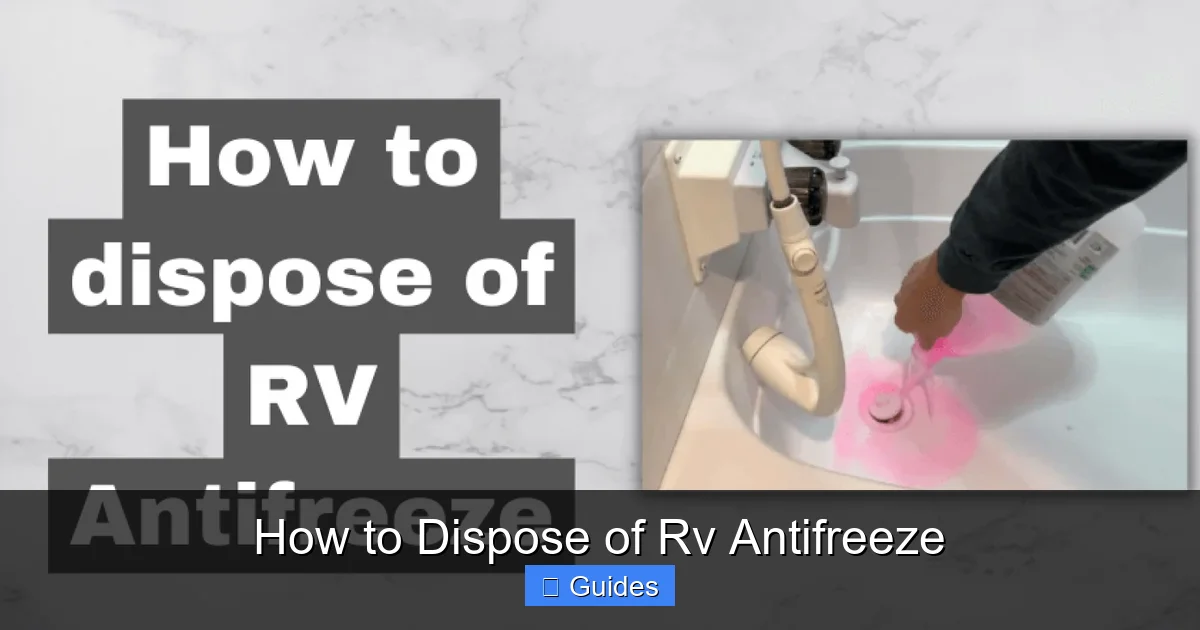
Properly disposing of RV antifreeze is essential for protecting the environment and staying compliant with local regulations. This guide walks you through safe handling, storage, and disposal methods, whether you’re using traditional ethylene glycol or eco-friendly propylene glycol formulas.
In This Article
- 1 Key Takeaways
- 2 📑 Table of Contents
- 3 Why Proper RV Antifreeze Disposal Matters
- 4 Understanding RV Antifreeze: Types and Toxicity
- 5 Safe Handling and Storage Before Disposal
- 6 Where to Dispose of RV Antifreeze
- 7 Eco-Friendly Alternatives and Best Practices
- 8 Legal and Environmental Consequences of Improper Disposal
- 9 Conclusion
- 10 Frequently Asked Questions
Key Takeaways
- RV antifreeze is toxic and must never be poured down drains, on the ground, or into water sources. Even small amounts can harm wildlife, pets, and humans.
- There are two main types of RV antifreeze: ethylene glycol (toxic) and propylene glycol (less toxic). Knowing the difference affects how you handle and dispose of it.
- Never mix RV antifreeze with automotive antifreeze unless specified safe to do so. Mixing can create hazardous chemical reactions or complicate recycling.
- Many auto parts stores, recycling centers, and hazardous waste facilities accept used RV antifreeze. Call ahead to confirm acceptance and drop-off procedures.
- Label and store used antifreeze in a sealed, leak-proof container until disposal. Use original containers or clearly marked jugs to avoid confusion.
- Consider switching to non-toxic, biodegradable RV antifreeze to reduce environmental risk. These options are safer for accidental spills and easier to manage.
- Always wear gloves and eye protection when handling antifreeze. Skin contact or inhalation of fumes can cause irritation or health issues.
📑 Table of Contents
Why Proper RV Antifreeze Disposal Matters
When it comes to maintaining your RV, antifreeze is one of those essential fluids you can’t ignore—especially if you live in a cold climate or plan to store your rig over winter. It prevents your plumbing system from freezing and cracking, saving you thousands in repairs. But once the job is done, what do you do with the leftover or used antifreeze? The answer isn’t as simple as pouring it down the drain or tossing it in the trash. In fact, improper disposal can lead to serious environmental damage, legal trouble, and health risks.
RV antifreeze, particularly the traditional ethylene glycol type, is highly toxic. Just a few ounces can poison a small animal or contaminate a large volume of water. It has a sweet taste that attracts pets and wildlife, making accidental ingestion a real danger. Even propylene glycol—the “safer” alternative—shouldn’t be treated lightly. While it’s less harmful, it still requires responsible handling and disposal. The good news? With a little knowledge and planning, you can dispose of RV antifreeze safely, legally, and without harming the planet.
This guide will walk you through everything you need to know about how to dispose of RV antifreeze the right way. From identifying the type you’re using to finding local disposal options, we’ve got you covered. Whether you’re a full-time RVer or a weekend warrior, taking the time to do this correctly is a small step that makes a big difference.
Understanding RV Antifreeze: Types and Toxicity
Visual guide about How to Dispose of Rv Antifreeze
Image source: rvprofy.com
Before you can properly dispose of RV antifreeze, it’s important to understand what you’re working with. Not all antifreeze is created equal, and the type you use determines how you should handle and dispose of it.
Ethylene Glycol vs. Propylene Glycol
The two most common types of RV antifreeze are ethylene glycol and propylene glycol. Ethylene glycol is the traditional formula—it’s effective, inexpensive, and widely available. However, it’s also highly toxic. If ingested, even in small amounts, it can cause kidney failure and death in humans and animals. It’s also harmful to the environment, persisting in soil and water and disrupting aquatic ecosystems.
Propylene glycol, on the other hand, is considered a safer alternative. It’s less toxic, biodegradable, and often labeled as “non-toxic” or “pet-safe.” While it’s not completely harmless—especially in large quantities—it poses a much lower risk to people, pets, and wildlife. Many environmentally conscious RVers prefer propylene glycol for this reason.
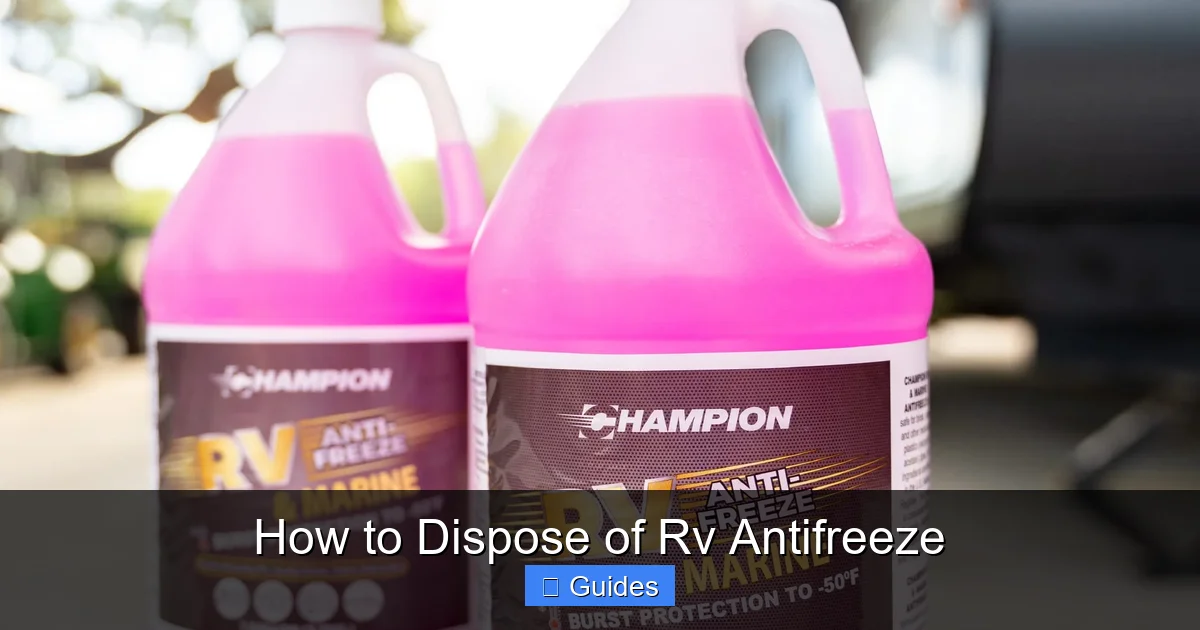
So how do you tell which type you have? Check the label. Most bottles clearly state whether the product contains ethylene or propylene glycol. Look for keywords like “non-toxic,” “biodegradable,” or “safe for pets”—these usually indicate propylene glycol. If it says “toxic” or “harmful if swallowed,” it’s likely ethylene glycol.
Why Toxicity Affects Disposal
The toxicity of your antifreeze directly impacts how you should dispose of it. Ethylene glycol is classified as a hazardous waste in many areas, meaning it must be handled and disposed of according to strict regulations. Pouring it down a storm drain, into a septic system, or onto the ground can result in fines and environmental cleanup costs.
Propylene glycol is generally not classified as hazardous, but that doesn’t mean you can pour it anywhere. Local regulations still apply, and large volumes can overwhelm wastewater treatment systems or harm aquatic life. Always check with your local waste management authority to confirm the rules in your area.
Can You Reuse RV Antifreeze?
Some RVers wonder if they can filter and reuse old antifreeze to save money and reduce waste. While it’s technically possible, it’s not recommended. Over time, antifreeze can absorb contaminants from your plumbing system, such as rust, sediment, or bacteria. Reusing it increases the risk of clogging your lines or damaging your water pump.
Additionally, antifreeze loses its effectiveness over time. It can break down, lose its corrosion inhibitors, and become less capable of protecting your system from freezing. For these reasons, most experts recommend replacing antifreeze annually or whenever you flush your system.
If you do choose to reuse it, make sure it’s the same type (don’t mix ethylene and propylene glycol), and strain it through a fine filter to remove debris. Still, the safest and most reliable option is to dispose of it properly and start fresh each season.
Safe Handling and Storage Before Disposal
Visual guide about How to Dispose of Rv Antifreeze
Image source: rvprofy.com
Proper handling and storage are critical steps in the disposal process. Even before you think about where to take your used antifreeze, you need to make sure it’s stored safely to prevent spills, leaks, and exposure.
Use the Right Containers
Always store used antifreeze in a sealed, leak-proof container. The original bottle is ideal, but if that’s not available, use a sturdy plastic jug with a tight-fitting lid. Avoid glass containers—they can break and create a hazardous mess.
Make sure the container is clearly labeled. Write “Used RV Antifreeze” and include the type (ethylene or propylene glycol) and the date. This helps prevent confusion, especially if you have multiple fluids stored nearby. Never use food or drink containers—this could lead to accidental ingestion.
Store in a Cool, Dry Place
Keep your stored antifreeze in a cool, dry, and well-ventilated area, away from direct sunlight and heat sources. High temperatures can cause containers to expand or degrade, increasing the risk of leaks. Also, store it out of reach of children and pets. Even non-toxic antifreeze should be treated with caution.
If you’re storing it for an extended period, check the container periodically for signs of damage or leakage. Replace the container if you notice cracks, warping, or corrosion.
Wear Protective Gear
When handling antifreeze—especially ethylene glycol—always wear protective gloves and safety goggles. Skin contact can cause irritation, and splashes in the eyes can be serious. If you’re working in a confined space, consider wearing a mask to avoid inhaling fumes.
If a spill occurs, clean it up immediately. For small spills, absorb the liquid with cat litter, sand, or paper towels, then place the waste in a sealed bag for proper disposal. For larger spills, evacuate the area and contact your local hazardous materials team.
Avoid Mixing with Other Fluids
Never mix RV antifreeze with automotive antifreeze, motor oil, brake fluid, or other chemicals unless the manufacturer explicitly states it’s safe. Mixing can create dangerous reactions, reduce effectiveness, or make recycling impossible. Keep each fluid in its own labeled container.
If you’re unsure whether two products can be mixed, err on the side of caution and dispose of them separately. It’s better to be safe than sorry when it comes to chemical safety.
Where to Dispose of RV Antifreeze
Visual guide about How to Dispose of Rv Antifreeze
Image source: doityourselfrv.com
Now that you’ve safely stored your used antifreeze, the next step is finding a proper disposal location. The good news is that there are several options available, depending on your location and the type of antifreeze you’re using.
Hazardous Waste Collection Facilities
Many cities and counties operate household hazardous waste (HHW) collection sites or host periodic collection events. These facilities accept toxic materials like ethylene glycol antifreeze, paint, batteries, and pesticides. They’re designed to handle dangerous substances safely and ensure they’re disposed of or recycled properly.
To find a facility near you, search online for “household hazardous waste near me” or check your local government’s website. Most sites provide a list of accepted materials, drop-off hours, and any required documentation. Some may require you to schedule an appointment or limit the amount you can bring.
When you arrive, follow all instructions from staff. They may ask you to keep the antifreeze in its original container or transfer it to a designated bin. Never pour it directly into a drain or dumpster at the facility.
Auto Parts Stores and Recycling Centers
Some auto parts stores, such as AutoZone, O’Reilly Auto Parts, and Advance Auto Parts, accept used antifreeze for recycling. These programs are often part of broader efforts to reduce automotive waste and promote environmental responsibility.
Call ahead to confirm that your local store participates and to ask about their requirements. Some may only accept antifreeze from customers who purchased new antifreeze there, while others may have specific drop-off days or limits on volume.
Recycling centers that specialize in automotive fluids are another option. These facilities use filtration and distillation processes to clean and reuse antifreeze, reducing the need for new production and minimizing waste.
RV Dealerships and Service Centers
Many RV dealerships and repair shops accept used antifreeze from customers. Since they regularly service RVs, they’re equipped to handle these fluids safely. Some may even offer free disposal as a customer service.
Contact your local RV service center to ask if they accept used antifreeze. If they do, find out their drop-off policy—some may require an appointment or charge a small fee.
Community Collection Events
In addition to permanent HHW facilities, many communities host temporary collection events throughout the year. These are often held in parking lots, fire stations, or community centers and allow residents to drop off hazardous materials for free.
Check with your city or county’s waste management department to see if any events are scheduled. These are great opportunities to dispose of not just antifreeze, but also old paint, electronics, and cleaning products.
Mail-Back Programs
For RVers who live in remote areas or can’t access local disposal options, mail-back programs are a convenient alternative. Companies like Earth911 and TerraCycle offer prepaid shipping kits for hazardous materials, including antifreeze.
You purchase a kit online, fill it with your used antifreeze (following their packaging guidelines), and ship it back using the included label. The company then recycles or disposes of the material responsibly.
While this option is more expensive than local drop-offs, it’s a reliable solution for those with limited access to disposal facilities.
Eco-Friendly Alternatives and Best Practices
If you’re concerned about the environmental impact of traditional antifreeze, there are several eco-friendly alternatives and best practices you can adopt.
Switch to Non-Toxic Antifreeze
One of the easiest ways to reduce risk is to switch to a non-toxic, biodegradable RV antifreeze made from propylene glycol. These products are widely available at RV supply stores and online retailers. Look for brands that are NSF-certified or labeled as “safe for potable water systems”—this ensures they won’t harm your plumbing or the environment.
While non-toxic antifreeze is safer, it still shouldn’t be poured down drains or onto the ground. Always dispose of it responsibly, even if it’s labeled as eco-friendly.
Use Antifreeze Sparingly
You don’t need to fill your entire plumbing system with antifreeze. Most RVs only require a few gallons to protect the water lines, water heater, and pump. Overfilling wastes product and increases the amount you need to dispose of later.
Follow your RV manufacturer’s guidelines for the correct amount. Some systems can be winterized using air pressure instead of antifreeze, which eliminates the need for disposal altogether.
Recycle When Possible
Whenever possible, choose recycling over disposal. Recycled antifreeze can be reprocessed and reused, reducing the demand for new chemicals and conserving resources. Ask your local recycling center or auto shop if they offer antifreeze recycling.
Educate Others
Share what you’ve learned with fellow RVers. Many people don’t realize how dangerous improper antifreeze disposal can be. By spreading awareness, you can help protect the environment and prevent accidents.
Legal and Environmental Consequences of Improper Disposal
Improperly disposing of RV antifreeze isn’t just bad for the environment—it can also get you in legal trouble. In many jurisdictions, dumping toxic fluids is a criminal offense punishable by fines, community service, or even jail time.
Fines and Penalties
Environmental protection agencies take antifreeze dumping seriously. Fines can range from a few hundred to several thousand dollars, depending on the severity of the violation and the amount of fluid involved. In some cases, you may also be responsible for cleanup costs, which can be extremely expensive.
Environmental Damage
Antifreeze doesn’t just disappear when it’s poured on the ground. It can seep into soil, contaminate groundwater, and enter rivers and lakes. Ethylene glycol is particularly harmful to aquatic life, disrupting ecosystems and killing fish, birds, and other wildlife.
Even small spills can have long-lasting effects. It can take years for contaminated soil to recover, and the damage may be irreversible.
Liability for Accidents
If someone—or their pet—gets sick or dies after ingesting antifreeze you improperly disposed of, you could be held legally liable. This is especially true if the antifreeze was left in an unsecured container or dumped in a public area.
Taking the time to dispose of antifreeze properly isn’t just the right thing to do—it’s a way to protect yourself, your community, and the planet.
Conclusion
Disposing of RV antifreeze might not be the most exciting part of RV ownership, but it’s one of the most important. Whether you’re using traditional ethylene glycol or a safer propylene glycol formula, how you handle and dispose of it matters. Pouring it down the drain, onto the ground, or into a storm sewer might seem convenient, but the risks far outweigh the benefits.
By following the steps in this guide—identifying your antifreeze type, storing it safely, and finding a proper disposal location—you can protect the environment, stay compliant with local laws, and keep your community safe. And if you’re looking to go the extra mile, consider switching to non-toxic antifreeze or using air pressure to winterize your system.
Remember, every small action adds up. Proper antifreeze disposal is a simple way to be a responsible RVer and a good steward of the planet. So next time you’re prepping your rig for winter, take a few extra minutes to do it right. Your future self—and the environment—will thank you.
Frequently Asked Questions
Can I pour RV antifreeze down the drain?
No, you should never pour RV antifreeze down the drain, into a septic system, or onto the ground. It is toxic and can contaminate water supplies, harm wildlife, and violate local environmental laws.
Is propylene glycol antifreeze safe to dump?
While propylene glycol is less toxic than ethylene glycol, it still shouldn’t be dumped. Always dispose of it at a designated facility or recycling center to protect the environment and comply with regulations.
Can I mix different types of antifreeze?
No, never mix ethylene glycol and propylene glycol antifreeze unless the manufacturer explicitly states it’s safe. Mixing can reduce effectiveness and complicate disposal or recycling.
How much antifreeze does an RV need?
Most RVs require 1 to 3 gallons of antifreeze to winterize the plumbing system. Check your owner’s manual for specific recommendations based on your model and layout.
Where can I find a hazardous waste disposal site?
Search online for “household hazardous waste near me” or visit your city or county’s official website. Many local governments list approved disposal locations and collection events.
Can I recycle used RV antifreeze?
Yes, many auto parts stores, recycling centers, and hazardous waste facilities accept used antifreeze for recycling. Call ahead to confirm their policies and requirements.

At CarLegit, we believe information should be clear, factual, and genuinely helpful. That’s why every guide, review, and update on our website is created with care, research, and a strong focus on user experience.