
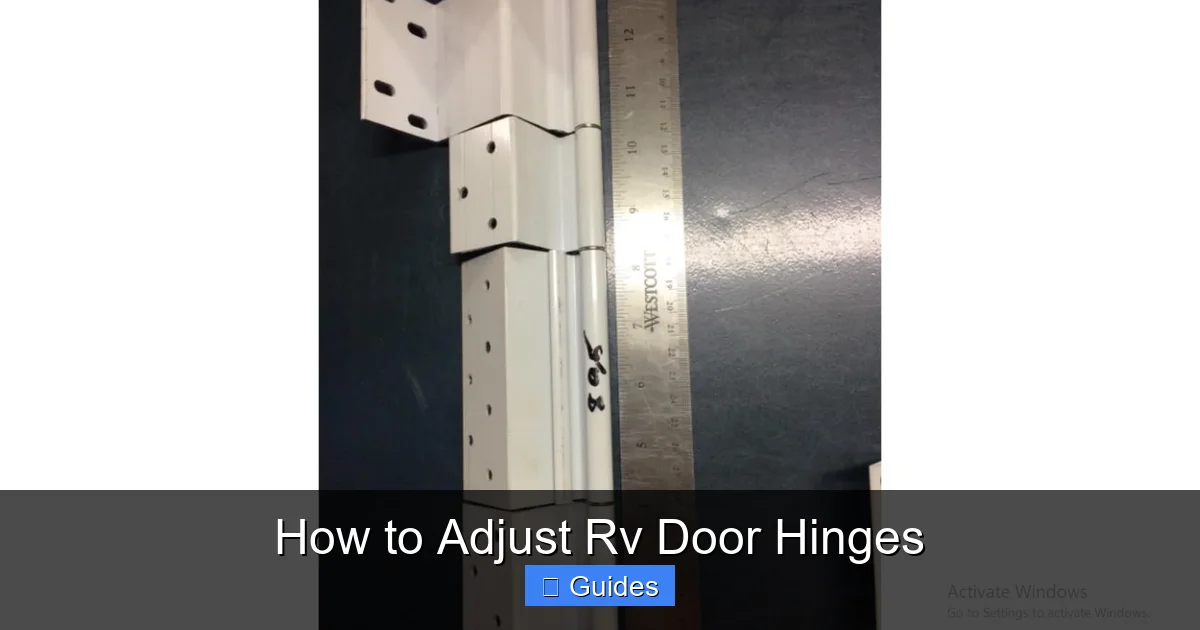
Adjusting RV door hinges is a simple yet essential maintenance task that ensures your door opens and closes smoothly, prevents drafts, and extends the life of your entry system. With a few basic tools and some patience, you can fix common issues like sagging, sticking, or misaligned doors—no professional help needed.
This is a comprehensive guide about How To Adjust Rv Door Hinges.
In This Article
- 1 Key Takeaways
- 2 Why RV Door Hinges Need Adjustment
- 3 Common Signs Your RV Door Hinges Need Adjustment
- 4 Tools and Materials You’ll Need
- 5 Step-by-Step Guide to Adjusting RV Door Hinges
- 6 Advanced Adjustments and Troubleshooting
- 7 Preventative Maintenance Tips
- 8 Conclusion
- 9 Frequently Asked Questions
- 9.1 How often should I adjust my RV door hinges?
- 9.2 Can I adjust RV door hinges without removing the door?
- 9.3 What if my RV door still doesn’t close after adjusting the hinges?
- 9.4 Are all RV door hinges the same?
- 9.5 Can I use oil to lubricate RV door hinges?
- 9.6 Is it safe to adjust hinges on a fiberglass RV door?
Key Takeaways
- Identify the problem first: Determine if your RV door is sagging, sticking, or creating gaps before making adjustments.
- Use the right tools: A screwdriver, wrench, and level are essential for most hinge adjustments on RVs.
- Loosen, adjust, then tighten: Always slightly loosen hinge screws before repositioning the door to avoid stripping or damage.
- Check alignment with a level: A properly aligned door should sit flush and level when closed, with even gaps all around.
- Lubricate moving parts: Apply silicone-based lubricant to hinges and latches to reduce friction and prevent squeaking.
- Test after each adjustment: Open and close the door multiple times to ensure smooth operation before final tightening.
- Prevent future issues: Regular inspections and minor tweaks can save you from costly repairs down the road.
[FEATURED_IMAGE_PLACEHOLDER]
Why RV Door Hinges Need Adjustment
RV doors are subject to constant movement, vibration, and exposure to the elements—all of which can cause hinges to loosen or shift over time. Unlike a stationary home door, an RV door endures bumpy roads, temperature changes, and frequent use, making it more prone to misalignment. When hinges aren’t properly adjusted, you might notice your door sagging, sticking, or failing to close completely. This not only affects convenience but can also lead to drafts, water leaks, or even security issues.
Adjusting RV door hinges is one of the most overlooked yet impactful maintenance tasks for RV owners. It’s not about replacing parts—it’s about fine-tuning what’s already there. A well-adjusted door operates smoothly, seals properly, and looks neat and professional. Whether you’re a full-time RVer or a weekend warrior, knowing how to adjust your door hinges can save you time, money, and frustration. Plus, it’s a skill you can use on cabinets, storage compartments, and even interior doors throughout your rig.
Many people assume that a misaligned door means the hinges are broken or need replacement. In reality, most issues can be resolved with simple adjustments. The key is understanding how hinges work and how small changes can make a big difference. With a little know-how, you can restore your door to peak performance without calling in a technician or buying expensive parts.
Common Signs Your RV Door Hinges Need Adjustment
Before diving into the adjustment process, it’s important to recognize the signs that your RV door hinges need attention. Ignoring these symptoms can lead to bigger problems down the line, such as warped frames, damaged seals, or even broken latches. Here are the most common indicators that it’s time to adjust your hinges:
Door Sags or Drops
One of the most obvious signs is a door that sags or appears lower on one side. This usually happens when the top hinge loosens or the door shifts due to repeated stress. You might notice a gap at the top or bottom of the door when it’s closed, or the door might scrape against the threshold. A sagging door not only looks unprofessional but can also strain the latch mechanism, making it harder to close securely.
Difficulty Opening or Closing
If your door sticks, drags, or requires extra force to open or shut, the hinges are likely out of alignment. This can be especially noticeable in humid weather when wood or composite materials expand. A misaligned door may also “catch” on the frame, requiring you to lift or push it into place. This constant friction wears down both the door and the frame over time.
Gaps Around the Door
Uneven gaps between the door and the frame are a clear sign of hinge misalignment. Ideally, the gap should be consistent—about 1/8 inch—all the way around. If you see a larger gap at the top, bottom, or sides, the hinges need adjustment. These gaps can let in drafts, insects, and moisture, reducing your RV’s energy efficiency and comfort.
Squeaking or Grinding Noises
Hinges that squeak or make grinding sounds when the door moves are often dry or misaligned. While lubrication can help, persistent noise usually indicates that the hinges are under stress due to poor positioning. Ignoring these sounds can lead to metal fatigue or stripped screw holes.
Door Doesn’t Latch Properly
If your door won’t latch or the latch doesn’t align with the strike plate, the hinges may have shifted. This is especially common after long trips or rough roads. A misaligned latch not only compromises security but can also cause the door to rattle or pop open unexpectedly.
Visible Wear or Loose Screws
Inspect your hinges regularly for loose screws, bent plates, or signs of corrosion. Even if the door seems to function, loose hardware can worsen over time. Tightening or repositioning these components early can prevent more serious damage.
Tools and Materials You’ll Need
Adjusting RV door hinges doesn’t require a full toolbox, but having the right equipment makes the job faster and safer. Most of these items are likely already in your RV toolkit. Here’s what you’ll need:
Basic Hand Tools
Start with a set of screwdrivers—both flathead and Phillips—since most RV hinges use standard screws. A wrench or socket set may be needed if your hinges have bolts instead of screws. A rubber mallet can help gently tap the door into place without damaging the finish. If your hinges are recessed or hard to reach, a stubby screwdriver or offset driver can be a lifesaver.
Level and Measuring Tape
A small bubble level is essential for checking door alignment. Place it on the top edge of the door when closed to see if it’s level. A measuring tape helps ensure even gaps and confirms that adjustments are symmetrical. Even a small deviation can affect how the door functions.
Lubricant
Use a silicone-based lubricant (not oil-based, which can attract dirt) to keep hinges operating smoothly. Apply it to the pivot points and moving parts after adjustments. Avoid WD-40 for long-term lubrication—it’s more of a cleaner and degreaser than a true lubricant.
Safety Gear
Wear safety glasses to protect your eyes from dust or metal shavings. Gloves can prevent blisters and improve grip, especially if you’re working in tight spaces. If you’re adjusting a heavy door, consider having a helper to support it while you work.
Optional but Helpful
A cordless drill with a screwdriver bit can speed up the process, but be careful not to overtighten screws. Wood filler or epoxy may be needed if screw holes are stripped. A flashlight helps illuminate dark corners, and a notepad lets you track which adjustments you’ve made.
Step-by-Step Guide to Adjusting RV Door Hinges
Now that you’ve identified the problem and gathered your tools, it’s time to adjust the hinges. Follow these steps carefully to ensure a smooth, secure fit. Remember: small adjustments make a big difference, so go slow and test often.
Step 1: Inspect the Door and Hinges
Start by opening the door fully and examining the hinges. Look for loose screws, bent plates, or signs of wear. Check the door frame for damage or warping. If the frame is compromised, hinge adjustments may not solve the problem. Also, note which way the door is misaligned—does it sag, stick, or create gaps on a specific side?
Step 2: Loosen the Hinge Screws
Using your screwdriver or drill, slightly loosen the screws on the hinge attached to the door frame. Don’t remove them completely—just enough to allow the hinge to move. If the screws are tight, apply a drop of penetrating oil and wait a few minutes before trying again. For hinges with bolts, use a wrench to loosen the nuts.
Step 3: Adjust the Door Position
Gently lift, lower, or shift the door to the desired position. If the door sags, lift it slightly to level it. If it sticks at the top, lower that corner. Use your level to check alignment as you go. You may need to tap the door lightly with a rubber mallet to nudge it into place. Have a helper hold the door steady if needed.
Step 4: Tighten the Screws Gradually
Once the door is in the correct position, begin tightening the screws—but not all the way yet. Tighten them in a crisscross pattern to ensure even pressure. Over-tightening can strip the holes or warp the hinge. Leave them slightly loose so you can make final tweaks.
Step 5: Test the Door Operation
Close the door and check the fit. Look for even gaps, smooth movement, and proper latching. Open and close it several times to ensure consistency. If the door still sticks or sags, repeat the adjustment process. Small movements—1/16 inch or less—can make a noticeable difference.
Step 6: Final Tightening and Lubrication
When you’re satisfied with the alignment, fully tighten all screws. Apply silicone lubricant to the hinge pins and moving parts. Wipe away any excess to prevent buildup. Reattach any trim or covers you removed during the process.
Step 7: Recheck After a Few Days
RV doors can shift slightly after adjustments due to temperature changes or movement. Recheck the alignment after a day or two and make minor tweaks if needed. This ensures long-term stability.
Advanced Adjustments and Troubleshooting
Sometimes, basic hinge adjustments aren’t enough. If your door still doesn’t function properly, you may need to try more advanced techniques or address underlying issues.
Shimming the Hinges
If the door frame is warped or the hinges don’t sit flush, use thin metal shims behind the hinge plate. Slide them between the hinge and the frame to fill gaps and improve alignment. Shims are available at hardware stores or can be made from aluminum strips. Be careful not to over-shim, as this can weaken the hinge’s hold.
Reinforcing Stripped Screw Holes
Over time, screw holes can become stripped, especially in soft wood or composite materials. To fix this, remove the screw and fill the hole with wood filler or epoxy. Let it dry completely, then drill a new pilot hole and reinsert the screw. For a stronger hold, use slightly larger screws or insert toothpicks or wooden matches into the hole before filling.
Adjusting the Strike Plate
If the latch doesn’t align with the strike plate, you may need to adjust the plate instead of the hinges. Loosen the screws on the strike plate and move it up, down, or sideways as needed. You can also file the strike plate opening slightly to allow more clearance. Ensure the plate is flush with the frame to maintain a tight seal.
Replacing Worn Hinges
If hinges are bent, corroded, or severely damaged, replacement may be the best option. Measure your existing hinges and purchase matching replacements from an RV supply store or online. Install them using the same steps as above, ensuring proper alignment from the start.
Dealing with Thermal Expansion
In extreme temperatures, RV doors can expand or contract, causing temporary misalignment. If this happens frequently, consider using self-adjusting hinges or installing a door sweep to maintain a seal. Avoid over-tightening screws in cold weather, as materials may contract further.
Preventative Maintenance Tips
Once your hinges are properly adjusted, keep them in good condition with regular maintenance. A little effort goes a long way in preventing future problems.
Inspect Hinges Monthly
Make hinge inspections part of your routine RV maintenance. Check for loose screws, rust, or wear. Tighten any loose hardware and clean away dirt or debris.
Lubricate Every 3-6 Months
Apply silicone lubricant to hinges and latches every few months, or more often if you travel in dusty or wet conditions. This keeps everything moving smoothly and prevents corrosion.
Check Door Alignment After Long Trips
After driving long distances or over rough terrain, recheck your door alignment. Vibration and jolts can loosen hinges or shift the door slightly.
Use a Door Stop
Install a door stop to prevent the door from swinging too far and straining the hinges. This is especially helpful in windy conditions or when parked on uneven ground.
Keep the Door Clean
Dirt and grime can build up in hinge joints, causing stiffness or noise. Wipe down hinges with a damp cloth and dry thoroughly to prevent rust.
Conclusion
Adjusting RV door hinges is a simple yet powerful way to improve your RV’s functionality, comfort, and safety. By learning to identify common issues and making precise adjustments, you can keep your door operating smoothly for years to come. Whether you’re fixing a sagging door, eliminating squeaks, or ensuring a tight seal, these skills are invaluable for any RV owner.
Remember, the key to success is patience and attention to detail. Small changes can have a big impact, so take your time and test frequently. With the right tools and a bit of practice, you’ll be able to handle hinge adjustments with confidence. And by incorporating regular maintenance into your routine, you’ll prevent problems before they start. So grab your screwdriver, check those hinges, and enjoy a quieter, more reliable RV door on your next adventure.
Frequently Asked Questions
How often should I adjust my RV door hinges?
Most RV owners only need to adjust hinges once or twice a year, depending on usage and travel conditions. However, inspect them monthly and adjust as needed after long trips or exposure to extreme weather.
Can I adjust RV door hinges without removing the door?
Yes, in most cases you can adjust hinges without removing the door. Loosen the screws, make small adjustments, and retighten. Only remove the door if it’s too heavy or difficult to maneuver safely.
What if my RV door still doesn’t close after adjusting the hinges?
If the door still won’t close, check the strike plate alignment, door frame for warping, or latch mechanism. You may need to adjust the strike plate or replace worn components.
Are all RV door hinges the same?
No, RV hinges vary by manufacturer and model. Some use standard screws, while others have bolts or specialized hardware. Always match replacement hinges to your original design.
Can I use oil to lubricate RV door hinges?
Avoid oil-based lubricants like motor oil, as they attract dirt and gum up over time. Use a silicone-based spray instead, which repels dust and provides long-lasting lubrication.
Is it safe to adjust hinges on a fiberglass RV door?
Yes, but be extra careful not to overtighten screws, as fiberglass can crack under pressure. Use a low-torque drill setting and check for stress cracks after adjustments.

At CarLegit, we believe information should be clear, factual, and genuinely helpful. That’s why every guide, review, and update on our website is created with care, research, and a strong focus on user experience.