
Sewer gas in an RV can be dangerous due to toxic gases like hydrogen sulfide and methane, which pose serious health and fire risks. Proper maintenance of your RV’s plumbing and ventilation systems is essential to prevent exposure and ensure safe, odor-free adventures.
In This Article
- 1 Key Takeaways
- 2 📑 Table of Contents
- 3 Is Sewer Gas in RV Dangerous? Understanding the Risks and How to Stay Safe
- 4 What Is Sewer Gas and Why Does It Form in RVs?
- 5 Health Risks of Sewer Gas Exposure in an RV
- 6 Common Causes of Sewer Gas in RVs
- 7 How to Prevent Sewer Gas in Your RV
- 7.1 Maintain Your P-Traps
- 7.2 Inspect and Clean Roof Vents
- 7.3 Check Seals and Connections
- 7.4 Use a Sewer Gas Detector
- 7.5 Install a Vent Filter or Charcoal Canister
- 7.6 Keep Tanks Properly Maintained
- 7.7 Improve Ventilation
- 7.8 Be Mindful of Usage Habits Avoid pouring grease, oil, or harsh chemicals down drains, as they can disrupt bacterial balance and increase gas production. Use biodegradable, RV-safe cleaning products whenever possible. What to Do If You Smell Sewer Gas in Your RV If you detect a foul odor, don’t ignore it. Take immediate action to protect your health and safety. Step 1: Ventilate the Area
- 7.9 Step 2: Identify the Source
- 7.10 Step 3: Inspect Tanks and Hoses
- 7.11 Step 4: Use Odor Neutralizers
- 7.12 Step 5: Seek Professional Help
- 7.13 Step 6: Monitor for Symptoms
- 8 Conclusion: Stay Safe, Stay Smell-Free
- 9 Frequently Asked Questions
Key Takeaways
- Sewer gas contains toxic and flammable gases: Hydrogen sulfide, methane, ammonia, and carbon dioxide can cause headaches, nausea, dizziness, and in extreme cases, respiratory failure or explosions.
- Common causes include dry P-traps, cracked seals, or blocked vents: These issues allow sewer gases to escape into your RV’s living space instead of being safely vented outside.
- Regular maintenance is crucial: Flushing black and gray water tanks, checking seals, and inspecting vent pipes can prevent gas buildup.
- Install a vent filter or charcoal canister: These devices help trap odors and reduce the risk of gas entering your RV.
- Use water in all drains regularly: Even seldom-used sinks and showers need water in their P-traps to block gas from rising up through the drain.
- Be alert to warning signs: A rotten egg smell, gurgling drains, or persistent odors are red flags that sewer gas may be present.
- Ventilation and air circulation matter: Keeping windows open and using fans can dilute any lingering gases and improve indoor air quality.
📑 Table of Contents
- Is Sewer Gas in RV Dangerous? Understanding the Risks and How to Stay Safe
- What Is Sewer Gas and Why Does It Form in RVs?
- Health Risks of Sewer Gas Exposure in an RV
- Common Causes of Sewer Gas in RVs
- How to Prevent Sewer Gas in Your RV
- What to Do If You Smell Sewer Gas in Your RV
- Conclusion: Stay Safe, Stay Smell-Free
Is Sewer Gas in RV Dangerous? Understanding the Risks and How to Stay Safe
If you’ve ever caught a whiff of something that smells like rotten eggs inside your RV, you’re not alone. That unmistakable stench is often sewer gas—and while it might seem like just a nuisance, it can actually be a serious health and safety hazard. Many RV owners assume that as long as the toilet flushes and the drains work, everything is fine. But hidden plumbing issues can allow dangerous gases to seep into your living space, putting you and your travel companions at risk.
Sewer gas isn’t just unpleasant—it’s a mixture of toxic and flammable gases produced by decomposing waste in your black and gray water tanks. These gases include hydrogen sulfide (which gives off the rotten egg smell), methane (a highly flammable gas), ammonia, carbon dioxide, and even small amounts of carbon monoxide. In enclosed spaces like an RV, even low levels of these gases can cause symptoms ranging from mild discomfort to severe health problems. Understanding the dangers, recognizing the signs, and knowing how to prevent sewer gas buildup is essential for every RV owner who values safety and comfort on the road.
What Is Sewer Gas and Why Does It Form in RVs?
Visual guide about Is Sewer Gas in Rv Dangerous
Image source: i0.wp.com
Sewer gas is a byproduct of organic waste breaking down in the absence of oxygen—a process known as anaerobic digestion. In your RV’s black water tank (which holds toilet waste) and gray water tank (which collects water from sinks and showers), bacteria naturally decompose waste, releasing gases as a result. These gases are normally vented outside through the roof vent pipe, but when something goes wrong with the system, they can back up into your living area.
The most common components of sewer gas include:
– Hydrogen sulfide (H₂S): Known for its strong “rotten egg” odor, this gas is toxic even at low concentrations. It can irritate the eyes, nose, and throat, and at higher levels, cause dizziness, nausea, and respiratory issues.
– Methane (CH₄): While odorless on its own, methane is highly flammable and can create an explosion hazard if it accumulates in an enclosed space.
– Ammonia (NH₃): Often present in cleaning products and urine, ammonia has a sharp, pungent smell and can irritate the respiratory system.
– Carbon dioxide (CO₂): In high concentrations, this gas can displace oxygen in the air, leading to dizziness, headaches, and in extreme cases, suffocation.
– Carbon monoxide (CO): Though less common in sewer gas, it can be present if combustion appliances are improperly vented or if there’s cross-contamination.
In an RV, these gases are supposed to exit through the roof vent, which is connected to the plumbing system. However, if the vent is blocked, the P-traps under sinks and showers are dry, or seals are damaged, the gases can find their way back into your living space. This is especially common in RVs that sit unused for long periods, during cold weather when water in traps freezes, or after long drives that slosh water out of the traps.
Health Risks of Sewer Gas Exposure in an RV
Visual guide about Is Sewer Gas in Rv Dangerous
Image source: i.ebayimg.com
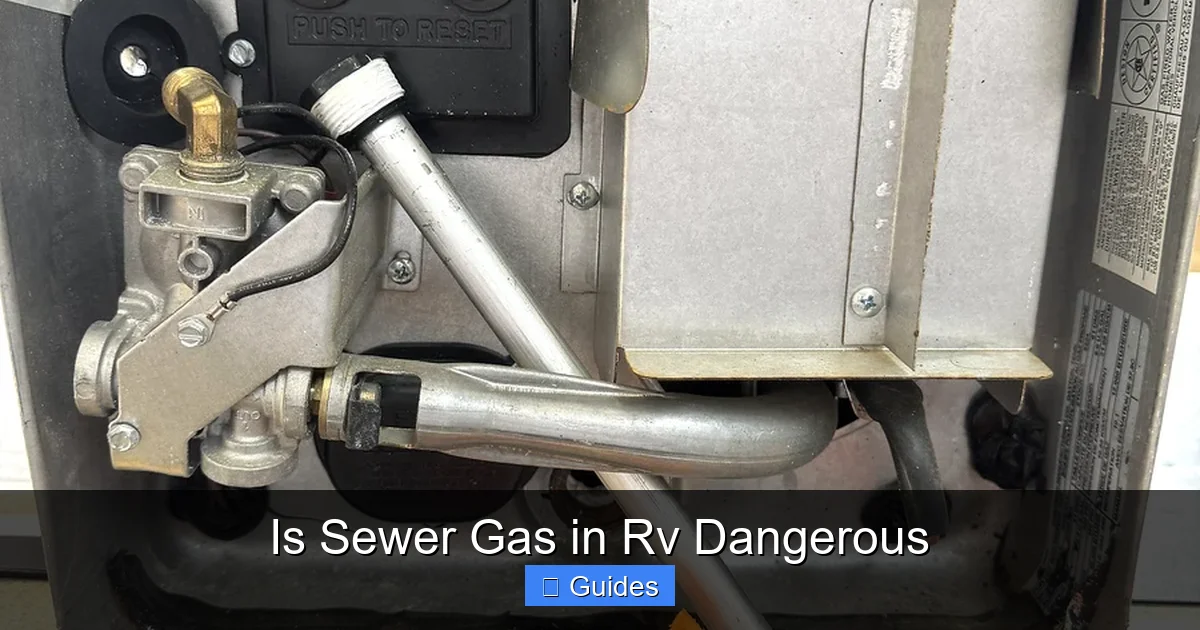
You might think, “It’s just a bad smell—how bad can it really be?” But the truth is, prolonged or repeated exposure to sewer gas can have real health consequences, especially in the confined space of an RV where ventilation is limited.
Short-Term Symptoms
Even brief exposure to low levels of sewer gas can cause noticeable discomfort. Common short-term symptoms include:
– Headaches and dizziness
– Nausea or vomiting
– Eye, nose, and throat irritation
– Coughing or shortness of breath
– Fatigue or confusion
These symptoms are often mistaken for motion sickness, food poisoning, or even the flu—especially when you’re traveling. But if they appear suddenly and improve when you leave the RV, sewer gas could be the culprit.
Long-Term and Severe Risks
While most people recover quickly after leaving the contaminated area, repeated or high-level exposure can lead to more serious health issues. For example:
– Hydrogen sulfide poisoning: At high concentrations, H₂S can suppress the central nervous system, leading to loss of consciousness, respiratory failure, and even death. This is rare in RVs, but not impossible—especially if the gas builds up in a poorly ventilated space overnight.
– Methane explosion risk: Methane is lighter than air and can accumulate near the ceiling. If it reaches a concentration of 5–15% in the air and encounters a spark (from a light switch, cigarette, or electrical appliance), it can ignite or explode.
– Oxygen displacement: In extreme cases, high levels of carbon dioxide or methane can reduce the amount of breathable oxygen in the air, leading to hypoxia (oxygen deprivation), which can cause confusion, loss of coordination, and unconsciousness.
Children, elderly individuals, and people with respiratory conditions like asthma or COPD are especially vulnerable. Even pets can be affected—dogs and cats may show signs of lethargy, vomiting, or difficulty breathing if exposed.
Real-Life Example: A Family’s Close Call
Consider the case of the Martinez family, who were on a weekend camping trip in their travel trailer. After a long drive, they noticed a foul smell in the bathroom but assumed it was from the toilet. That night, their youngest child woke up coughing and complaining of a headache. The next morning, the parents felt dizzy and nauseous. After opening all the windows and airing out the RV, the symptoms improved. Upon inspection, they discovered that the P-trap under the bathroom sink had dried out during the trip, allowing sewer gas to seep in. A simple fix—pouring water down the drain—resolved the issue, but it was a wake-up call about the importance of regular maintenance.
Common Causes of Sewer Gas in RVs
Visual guide about Is Sewer Gas in Rv Dangerous
Image source: gocarlife.com
Understanding why sewer gas enters your RV is the first step toward preventing it. Most causes are related to plumbing design, usage habits, or environmental factors. Here are the most common culprits:
Dry P-Traps
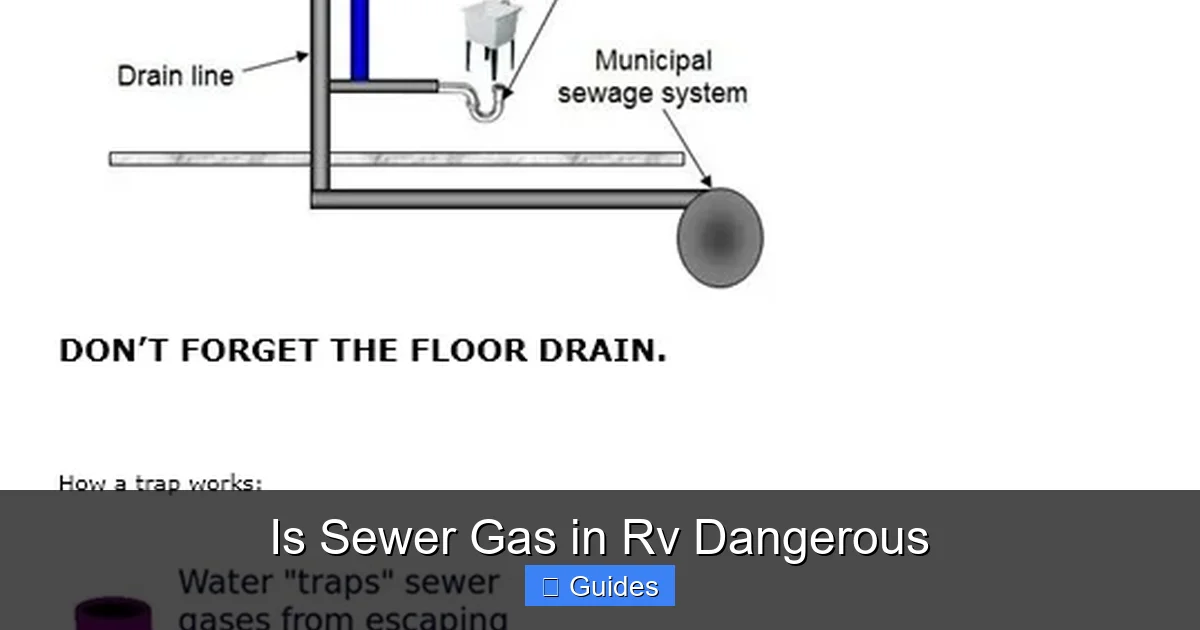
P-traps are U-shaped pipes under sinks, showers, and sometimes the toilet. They hold a small amount of water that acts as a seal, preventing gases from rising up through the drain. If a drain isn’t used for a while—like a guest bathroom sink or shower in a small RV—the water in the P-trap can evaporate, especially in hot or dry climates. Once the seal is broken, sewer gas can flow freely into your living space.
Tip: Pour a cup of water down every drain at least once a week, especially if your RV has been sitting unused.
Blocked or Damaged Roof Vents
The roof vent is your RV’s main escape route for sewer gases. It’s connected to the plumbing stack and allows air to enter the system so water can flow smoothly and gases can exit. If the vent becomes blocked—by leaves, bird nests, ice, or debris—pressure builds up in the system, forcing gases back through drains or loose connections.
Tip: Inspect your roof vent regularly. Use a vent cover or screen to keep debris out, and clear any blockages before and after trips.
Cracked or Worn Seals
Over time, the wax ring under the toilet or the gaskets around drain connections can crack, dry out, or become misaligned. This creates gaps where sewer gas can escape. Cold weather can accelerate this process, as materials contract and become brittle.
Tip: Check toilet seals annually and replace them if you notice leaks, wobbling, or odors near the base.
Improper Tank Venting
Some older or poorly designed RVs have inadequate venting systems. If the black water tank isn’t properly vented, pressure builds up during flushing or draining, pushing gases back into the RV. This is especially common when using a sewer hose that’s too long or kinked.
Tip: Ensure your sewer hose is properly sloped and not obstructed. Consider installing a dedicated tank vent or a vent filter to improve airflow.
Using Too Much Toilet Paper or Non-RV-Safe Products
Excessive toilet paper or non-biodegradable wipes can clog the system, leading to backups and gas buildup. Even “flushable” wipes can cause problems in RV plumbing.
Tip: Use only RV-safe toilet paper and avoid flushing anything other than human waste and approved paper.
Freezing Temperatures
In cold weather, water in P-traps or vent pipes can freeze, blocking airflow and creating pressure imbalances. This can force gases back into the RV or prevent proper drainage.
Tip: Use RV antifreeze in drains during winter storage, and consider insulating exposed pipes or using a vent heater.
How to Prevent Sewer Gas in Your RV
The good news is that most sewer gas problems are preventable with routine care and smart habits. Here’s a practical guide to keeping your RV smelling fresh and safe.
Maintain Your P-Traps
Make it a habit to run water through all drains—sinks, showers, and even the toilet—at least once a week. If you’re storing your RV, pour a cup of water down each drain before you leave. For extra protection, add a small amount of RV-safe antifreeze or a drain seal product designed to retain water longer.
Inspect and Clean Roof Vents
At least twice a year—before and after peak travel season—climb up and check your roof vent. Look for debris, cracks, or signs of animal activity. Clean the vent opening and ensure it’s not obstructed. Consider installing a vent filter or charcoal canister, which traps odors and prevents pests from entering.
Check Seals and Connections
Inspect the toilet wax ring, sink gaskets, and shower drain seals for cracks, wear, or misalignment. Replace any damaged components promptly. If your toilet wobbles or leaks around the base, it’s a sign the seal may be compromised.
Use a Sewer Gas Detector
While not common, portable gas detectors can alert you to the presence of hydrogen sulfide or methane. These devices are especially useful for full-time RVers or those with health concerns. Look for models that detect multiple gases and have audible alarms.
Install a Vent Filter or Charcoal Canister
These affordable accessories attach to your roof vent and use activated charcoal to absorb odors and trap gases. They’re easy to install and can make a big difference in air quality, especially in humid or hot climates where odors are stronger.
Keep Tanks Properly Maintained
Regularly empty and flush your black and gray water tanks. Use RV-safe tank treatments to break down waste and reduce gas production. Never overfill tanks, and always use the correct ratio of water to waste when flushing.
Improve Ventilation
Open windows and use exhaust fans when cooking, showering, or using cleaning products. Good airflow helps dilute any lingering gases and improves overall indoor air quality. Consider using an air purifier with a carbon filter to capture odors.
Be Mindful of Usage Habits
Avoid pouring grease, oil, or harsh chemicals down drains, as they can disrupt bacterial balance and increase gas production. Use biodegradable, RV-safe cleaning products whenever possible.
What to Do If You Smell Sewer Gas in Your RV
If you detect a foul odor, don’t ignore it. Take immediate action to protect your health and safety.
Step 1: Ventilate the Area
Open all windows and doors to let fresh air circulate. Turn on exhaust fans and use portable fans to speed up the process. If possible, leave the RV until the smell dissipates.
Step 2: Identify the Source
Check all drains for dry P-traps. Pour water down sinks, showers, and the toilet. Inspect the roof vent for blockages. Look for cracks in seals or leaks around plumbing connections.
Step 3: Inspect Tanks and Hoses
Make sure your black and gray water tanks aren’t overfilled or leaking. Check the sewer hose for kinks, cracks, or improper connections. Ensure the drain valve is fully closed when not in use.
Step 4: Use Odor Neutralizers
Pour a mixture of baking soda and vinegar down affected drains, followed by hot water. This can help break down organic matter and neutralize odors. Avoid mixing bleach with other cleaners, as it can create toxic fumes.
Step 5: Seek Professional Help
If the smell persists or you suspect a major leak or blockage, contact an RV technician. They can perform a pressure test, inspect hidden plumbing, and recommend repairs.
Step 6: Monitor for Symptoms
If you or anyone in your group experiences headaches, dizziness, or nausea, leave the RV immediately and seek fresh air. Consult a healthcare provider if symptoms worsen or persist.
Conclusion: Stay Safe, Stay Smell-Free
So, is sewer gas in an RV dangerous? The short answer is yes—especially if ignored. While occasional odors might seem like a minor inconvenience, they can signal underlying issues that pose real health and safety risks. From toxic hydrogen sulfide to explosive methane, the gases lurking in your plumbing system demand respect and attention.
The good news is that with regular maintenance, smart habits, and a little vigilance, you can keep sewer gas at bay and enjoy fresh, clean air in your RV. Simple steps like keeping P-traps filled, inspecting vents, and using odor filters can make a world of difference. And if you ever catch that telltale rotten egg smell, don’t brush it off—act quickly to find and fix the source.
Your RV is your home on wheels, and your safety should always come first. By understanding the risks and taking proactive measures, you can protect yourself, your family, and your travels from the hidden dangers of sewer gas. So the next time you hit the road, do so with confidence—knowing your RV is not just comfortable, but truly safe.
Frequently Asked Questions
Can sewer gas in an RV make you sick?
Yes, sewer gas can cause headaches, dizziness, nausea, and respiratory irritation due to toxic gases like hydrogen sulfide and ammonia. In high concentrations, it can lead to more serious health effects.
How do I get rid of sewer gas smell in my RV?
Pour water down all drains to refill dry P-traps, inspect and clean the roof vent, and use baking soda and vinegar to clean drains. Installing a vent filter can also help eliminate odors.
Is it safe to sleep in an RV with sewer gas?
No, it’s not safe. Prolonged exposure, especially overnight, can lead to oxygen displacement or toxic gas buildup. Ventilate the RV immediately and fix the source of the leak.
Why does my RV smell like rotten eggs?
The rotten egg smell is typically caused by hydrogen sulfide gas, which forms when waste breaks down in your black or gray water tanks. It usually enters the living space through dry P-traps or blocked vents.
Can sewer gas explode in an RV?
Yes, methane in sewer gas is highly flammable. If it accumulates in an enclosed space and encounters a spark, it can ignite or explode. Proper ventilation and leak prevention are critical.
How often should I check my RV’s plumbing for sewer gas risks?
Inspect your plumbing system at least twice a year—before and after travel season. Check P-traps, seals, and roof vents, and refill drains if the RV has been unused for more than a week.

At CarLegit, we believe information should be clear, factual, and genuinely helpful. That’s why every guide, review, and update on our website is created with care, research, and a strong focus on user experience.