
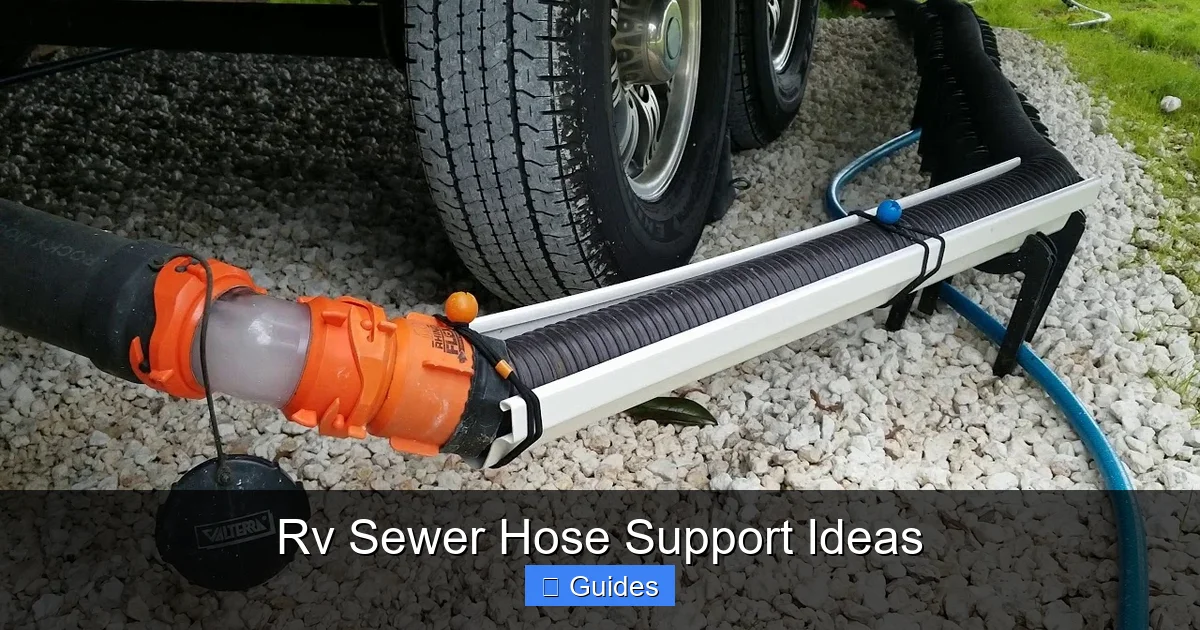
Proper RV sewer hose support is essential for preventing clogs, leaks, and damage during waste disposal. This guide covers practical, affordable, and effective ways to elevate and secure your sewer hose, from DIY ramps to commercial supports, ensuring a smoother, cleaner RV experience.
In This Article
- 1 Key Takeaways
- 2 📑 Table of Contents
- 3 Why RV Sewer Hose Support Matters
- 4 Understanding the Basics of Sewer Hose Drainage
- 5 DIY RV Sewer Hose Support Ideas
- 6 Commercial RV Sewer Hose Supports
- 7 Tips for Proper Installation and Use
- 8 Common Mistakes to Avoid
- 9 Environmental and Campground Considerations
- 10 Conclusion
- 11 Frequently Asked Questions
- 11.1 Do I really need a sewer hose support?
- 11.2 Can I use a regular garden hose support for my RV sewer hose?
- 11.3 How often should I clean my sewer hose support?
- 11.4 What’s the best slope for a sewer hose?
- 11.5 Can I use a sewer hose support on uneven ground?
- 11.6 Are DIY supports as good as commercial ones?
Key Takeaways
- Prevent Hose Damage: Elevating your sewer hose reduces wear and tear from ground contact, extending its lifespan.
- Avoid Backups and Leaks: A properly sloped support ensures waste flows smoothly into the dump station, minimizing clogs and spills.
- DIY Options Are Budget-Friendly: You can build effective supports using PVC pipes, wood, or recycled materials for under $20.
- Commercial Supports Offer Convenience: Pre-made ramps and adjustable stands provide quick setup and durability for frequent travelers.
- Proper Slope Is Critical: Maintain a consistent downward angle (1/4 inch per foot) to ensure efficient drainage.
- Protect the Environment: Using supports helps prevent accidental spills that can harm nature and violate campground rules.
- Storage Matters: Choose foldable or collapsible designs for easy storage when not in use.
📑 Table of Contents
Why RV Sewer Hose Support Matters
If you’ve ever dealt with a backed-up sewer hose or a messy spill at the dump station, you know how quickly a simple task can turn into a nightmare. One of the most overlooked yet crucial aspects of RV sanitation is proper sewer hose support. Without it, your hose can kink, sag, or rest directly on the ground—leading to clogs, leaks, and even permanent damage.
Think of your sewer hose like a garden hose, but for waste. Just as water needs a clear path to flow, so does your RV’s black water. When the hose lies flat or dips in the middle, waste can pool, creating blockages and unpleasant odors. Worse, ground contact increases the risk of punctures from rocks, roots, or sharp debris. Over time, this wear and tear can lead to cracks, leaks, and expensive replacements.
Using a support system not only protects your hose but also ensures a smoother, faster, and cleaner dumping process. It helps maintain the correct slope—essential for gravity to do its job—and keeps everything elevated and contained. Whether you’re a weekend camper or a full-time RVer, investing a little time and effort into a good support setup pays off in convenience, hygiene, and peace of mind.
Understanding the Basics of Sewer Hose Drainage
Visual guide about Rv Sewer Hose Support Ideas
Image source: homemadetools.net
Before diving into support ideas, it’s important to understand how waste flows through your RV’s sewer system. The black water tank holds toilet waste, and when you open the valve, gravity pulls the contents through the sewer hose into the dump station’s inlet. For this to work efficiently, the hose must have a consistent downward slope—typically recommended at 1/4 inch per foot of length.
If the hose sags or lies flat, waste can accumulate in low spots, leading to slow drainage or complete blockages. This not only makes dumping take longer but also increases the risk of residue buildup inside the hose. Over time, that residue can harden, causing permanent clogs and foul smells.
Another key factor is hose material. Most RV sewer hoses are made from flexible, corrugated plastic that’s durable but prone to kinking when unsupported. A kink acts like a dam, stopping flow and creating pressure that can stress connections or even cause leaks at the fittings.
Proper support eliminates these issues by keeping the hose elevated and straight, allowing waste to flow freely. It also reduces strain on the hose connectors, which are often the weakest points. Whether you’re using a 10-foot hose or a 20-foot extension, support ensures every inch works as intended.
DIY RV Sewer Hose Support Ideas
Visual guide about Rv Sewer Hose Support Ideas
Image source: thervgeeks.com
If you’re handy or looking to save money, building your own sewer hose support is a great option. DIY solutions are often just as effective as commercial products—and sometimes more customizable. Plus, they can be made from materials you already have lying around.
PVC Pipe Ramp
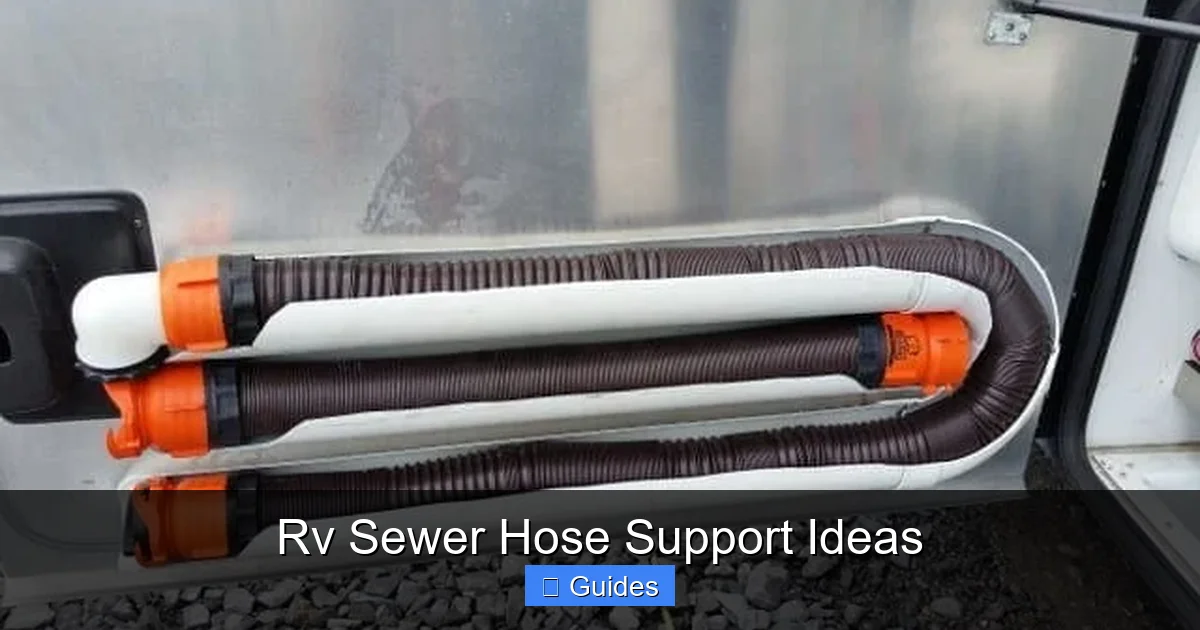
One of the most popular DIY supports is a PVC pipe ramp. Start by cutting several 12-inch sections of 4-inch PVC pipe. Slice each piece lengthwise to create a U-shaped channel. Place these along the length of your hose, spacing them about 18 to 24 inches apart. The curved shape cradles the hose, keeping it elevated and preventing kinks.
For added stability, you can glue the pieces to a wooden base or attach them to a flat board. Paint the PVC with outdoor-grade paint to protect it from UV damage and make it easier to spot in low light. This design is lightweight, easy to store, and can be disassembled for transport.
Wooden Channel Support
If you prefer a more rustic look, a wooden channel support works well. Cut a long piece of 1×6 or 2×4 lumber to match your hose length. Then, use a router or jigsaw to carve a shallow groove down the center—just deep enough to hold the hose without pinching it.
You can add legs to elevate the entire structure or simply place it on the ground. For extra durability, seal the wood with waterproof varnish or outdoor paint. This type of support is sturdy and can double as a walkway or storage shelf when not in use.
Recycled Tire Supports
Got old tires lying around? Turn them into eco-friendly hose supports. Cut the tires in half vertically, creating two curved channels. Place them along the hose path, spacing them evenly. The rubber grips the ground and holds the hose securely, even on uneven terrain.
This idea is especially useful for soft or muddy ground, where wooden or plastic supports might sink. Plus, it’s a great way to repurpose materials that would otherwise end up in a landfill.
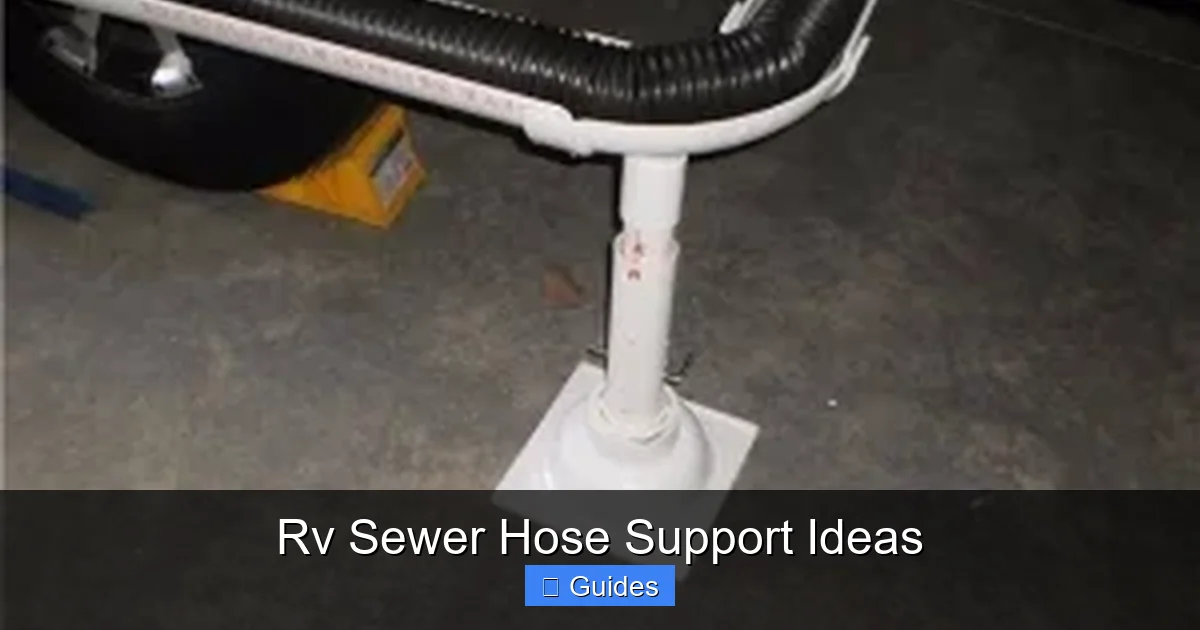
Adjustable PVC Stand
For more flexibility, build an adjustable stand using PVC pipes and fittings. Create a tripod-style base with three legs and a central vertical pipe. Attach a horizontal arm at the top with a U-bend to hold the hose. Use slip joints or threaded fittings to adjust the height.
This design lets you fine-tune the slope based on your setup. It’s ideal for uneven ground or when connecting to dump stations at different heights. Store it flat or disassemble it for compact storage.
Commercial RV Sewer Hose Supports
Visual guide about Rv Sewer Hose Support Ideas
Image source: offgridspot.com
If you’d rather skip the DIY route, there are plenty of high-quality commercial supports designed specifically for RV sewer hoses. These products are built for durability, ease of use, and portability—perfect for travelers who want a hassle-free solution.
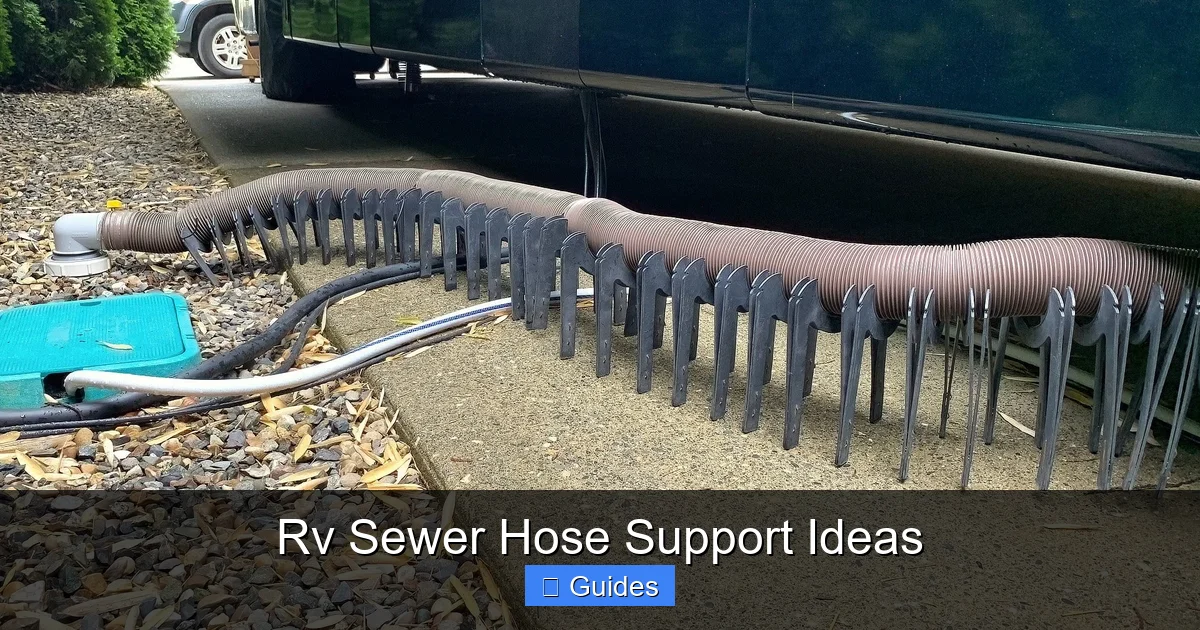
Plastic Ramp Systems
One of the most common commercial options is a plastic ramp system. These are typically made from lightweight, UV-resistant plastic and come in interlocking segments. You can connect as many pieces as needed to match your hose length.
Popular brands like Camco and Valterra offer ramp sets that snap together easily. They often include end caps to prevent the hose from slipping off and built-in channels to guide the hose. Some models even have drainage holes to let rainwater pass through.
These ramps are easy to clean, store flat, and set up in minutes. They’re ideal for campers who frequently move between sites and need a quick, reliable solution.
Adjustable Hose Stands
For more control over slope and height, consider an adjustable hose stand. These stands usually feature telescoping legs and a central cradle to hold the hose. You can raise or lower each end to achieve the perfect angle.
Some models come with built-in level indicators, making it easy to ensure proper drainage. Others include locking mechanisms to keep the legs secure on uneven ground. While slightly more expensive than basic ramps, they offer superior performance and adaptability.
Collapsible Support Trays
Collapsible support trays are another great option. These are essentially shallow, foldable trays that cradle the hose and keep it off the ground. Made from durable plastic or reinforced fabric, they’re lightweight and easy to store.
When unfolded, they provide a flat, stable surface for the hose. Some designs include side walls to contain spills and prevent the hose from rolling off. They’re especially useful in rainy or muddy conditions, where ground contact can lead to contamination.
Magnetic or Suction Supports
For a high-tech approach, some newer supports use magnets or suction cups to attach directly to the RV or dump station. These are ideal for short hose runs or when you need a temporary fix.
While not suitable for long-term use, they can be handy in a pinch. Just make sure the surface is clean and smooth for maximum adhesion.
Tips for Proper Installation and Use
No matter which support you choose, proper installation is key to success. Here are some practical tips to get the most out of your setup.
Maintain the Right Slope
Always aim for a consistent downward slope of 1/4 inch per foot. Use a level or smartphone app to check the angle. If the slope is too steep, waste may flow too quickly, leaving solids behind. If it’s too shallow, drainage will be slow and incomplete.
Secure the Hose Ends
Make sure both ends of the hose are securely connected and sealed. Use a bayonet-style connector or rubber gasket to prevent leaks. Never leave the hose unattended during dumping—always stay nearby to monitor the flow.
Use a Hose Support at Every Joint
If you’re using multiple hose sections, place a support at each connection point. This prevents stress on the fittings and reduces the risk of disconnection.
Clean After Every Use
Rinse the hose and support thoroughly after each dump. Use a hose sprayer or dedicated flush valve to remove residue. Store everything dry to prevent mold and odors.
Inspect Regularly
Check your supports for cracks, warping, or wear. Replace damaged parts immediately. Also inspect the hose for kinks, bulges, or soft spots—these are signs of internal damage.
Store Properly
Keep your supports clean and dry when not in use. Store them in a dedicated compartment or storage bag to prevent loss or damage. Foldable or collapsible designs are easiest to manage.
Common Mistakes to Avoid
Even experienced RVers can make mistakes when it comes to sewer hose support. Avoid these common pitfalls to keep your system running smoothly.
Letting the Hose Touch the Ground
This is the number one mistake. Ground contact increases the risk of punctures, contamination, and odors. Always use a support, even for short runs.
Ignoring the Slope
A flat or uphill slope will cause backups. Always check the angle before dumping.
Using Weak or Flimsy Supports
Cheap or poorly made supports can collapse under the weight of a full hose. Invest in sturdy materials or trusted brands.
Overlooking Hose Length
Using a hose that’s too long can create unnecessary sagging. Choose the shortest hose that reaches comfortably.
Forgetting to Clean the Support
Residue can build up on supports, especially in warm weather. Clean them regularly to prevent bacteria and smells.
Storing Wet
Never store supports or hoses while wet. This can lead to mold, mildew, and unpleasant odors.
Environmental and Campground Considerations
Using a sewer hose support isn’t just about convenience—it’s also about responsibility. Improper waste disposal can harm the environment and violate campground rules.
When waste leaks or spills, it can contaminate soil and water sources. Bacteria and chemicals from black water can pose health risks to wildlife and humans. Many campgrounds have strict regulations about waste handling, and violations can result in fines or expulsion.
A good support system helps contain waste and ensures it flows directly into the dump station. It also reduces the chance of accidental spills during setup or removal. By taking these precautions, you’re protecting nature and respecting fellow campers.
Additionally, some parks offer designated dumping areas with built-in supports or ramps. Always use these when available. If not, bring your own to minimize impact.
Conclusion
RV sewer hose support might not be the most glamorous topic, but it’s one of the most important. A well-supported hose prevents leaks, extends equipment life, and makes dumping faster and cleaner. Whether you build your own ramp from PVC or buy a commercial stand, the effort is worth it.
Remember, the goal is simple: keep the hose elevated, maintain the right slope, and ensure waste flows smoothly. With the right setup, you can avoid messy surprises and focus on enjoying your adventure.
So next time you head to the dump station, take a moment to check your support system. A little preparation goes a long way in keeping your RV experience stress-free and sanitary.
Frequently Asked Questions
Do I really need a sewer hose support?
Yes. Without support, your hose can sag, kink, or rest on the ground, leading to clogs, leaks, and damage. A support ensures proper drainage and protects your equipment.
Can I use a regular garden hose support for my RV sewer hose?
Not recommended. Garden hose supports aren’t designed for the weight and flexibility of sewer hoses. They may not provide enough elevation or stability, increasing the risk of spills.
How often should I clean my sewer hose support?
Clean it after every use, especially if residue is visible. Rinse with water and mild soap, then dry completely before storing to prevent mold and odors.
What’s the best slope for a sewer hose?
Aim for a slope of 1/4 inch per foot of hose length. This ensures waste flows smoothly without leaving solids behind or draining too quickly.
Can I use a sewer hose support on uneven ground?
Yes, especially adjustable stands or tripod-style supports. These allow you to level the hose and maintain the correct slope, even on slopes or soft terrain.
Are DIY supports as good as commercial ones?
Many DIY supports work just as well, especially if built with sturdy materials. Commercial options offer convenience and portability, but DIY can be more cost-effective and customizable.

At CarLegit, we believe information should be clear, factual, and genuinely helpful. That’s why every guide, review, and update on our website is created with care, research, and a strong focus on user experience.