
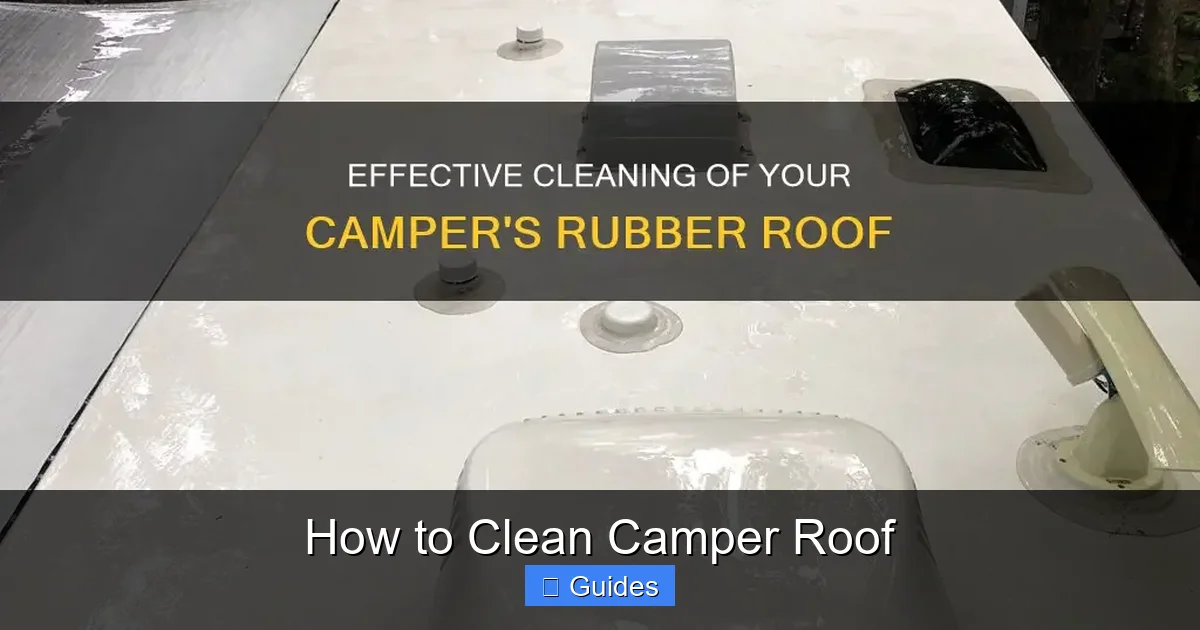
Cleaning your camper roof doesn’t have to be a daunting task. With the right tools, techniques, and safety precautions, you can keep your RV roof in top condition year-round. Regular maintenance prevents leaks, mold, and costly repairs while preserving your investment.
This is a comprehensive guide about How To Clean Camper Roof.
In This Article
- 1 Key Takeaways
- 2 How to Clean Camper Roof
- 3 Why Cleaning Your Camper Roof Matters
- 4 Identifying Your Camper Roof Type
- 5 Tools and Supplies You’ll Need
- 6 Step-by-Step Guide to Cleaning Your Camper Roof
- 6.1 Step 1: Choose the Right Day
- 6.2 Step 2: Remove Loose Debris
- 6.3 Step 3: Inspect the Roof
- 6.4 Step 4: Mix Your Cleaning Solution
- 6.5 Step 5: Apply the Cleaner
- 6.6 Step 6: Let It Sit
- 6.7 Step 7: Scrub Stubborn Stains
- 6.8 Step 8: Rinse Thoroughly
- 6.9 Step 9: Dry the Roof
- 6.10 Step 10: Apply Roof Protectant
- 7 Maintaining Your Camper Roof Between Cleanings
- 8 Common Mistakes to Avoid
- 9 Conclusion
- 10 Frequently Asked Questions
Key Takeaways
- Safety first: Always use a sturdy ladder, wear non-slip shoes, and never work on a wet or windy day to avoid falls.
- Choose the right cleaner: Use a mild, non-abrasive cleaner designed for your roof type—EPDM, TPO, fiberglass, or metal—to avoid damage.
- Inspect before you clean: Check for cracks, loose seams, or damaged seals that could lead to leaks if left untreated.
- Use soft tools: A soft-bristle brush or sponge prevents scratches and protects the roof’s protective coating.
- Rinse thoroughly: Leftover soap residue can attract dirt and degrade materials over time, so always rinse completely.
- Apply a protective sealant: After cleaning, use a UV-resistant roof protectant to extend the life of your camper roof.
- Clean regularly: Aim to clean your roof at least twice a year—spring and fall—to maintain optimal condition.
[FEATURED_IMAGE_PLACEHOLDER]
How to Clean Camper Roof
If you’re an RV owner, you know that your camper is more than just a vehicle—it’s your home on wheels. And like any home, it needs regular care to stay in great shape. One of the most overlooked yet critical areas is the roof. Over time, dirt, grime, tree sap, bird droppings, and mold can build up on your camper roof, leading to stains, deterioration, and even leaks. That’s why knowing how to clean camper roof properly is essential for every RV enthusiast.
Cleaning your camper roof might sound intimidating, especially if you’ve never done it before. You might worry about slipping, damaging the material, or using the wrong products. But with the right approach, it’s a manageable and even satisfying task. Not only does a clean roof look better, but it also helps protect your investment. A well-maintained roof prevents water damage, extends the lifespan of your RV, and can even improve energy efficiency by reflecting sunlight better.
In this guide, we’ll walk you through everything you need to know about how to clean camper roof safely and effectively. From identifying your roof type to choosing the best cleaning products and tools, we’ve got you covered. Whether you’re a weekend warrior or a full-time RVer, these tips will help you keep your camper roof in peak condition year after year.
Why Cleaning Your Camper Roof Matters
You might be thinking, “It’s just a roof—how bad can it really get?” The truth is, neglecting your camper roof can lead to serious problems down the road. Dirt and debris act like sandpaper, slowly wearing down the protective coating on your roof. Organic matter like moss and algae can trap moisture, creating the perfect environment for mold and mildew. Over time, this can weaken the roof material and lead to leaks.
Leaks are one of the biggest threats to your RV. Even a small drip can cause water damage to insulation, walls, and electrical systems. Repairing water damage is not only expensive but can also be a major hassle, especially if it affects the interior of your camper. Regular cleaning helps you spot potential issues early, before they turn into costly repairs.
Another reason to clean your camper roof is aesthetics. A dirty roof can make your entire RV look old and neglected. Whether you’re parked at a campground or storing your camper at home, a clean roof gives your rig a polished, well-cared-for appearance. Plus, if you ever decide to sell your RV, a clean, well-maintained roof can boost its resale value.
Finally, cleaning your roof improves its performance. Many modern RV roofs are designed with reflective coatings that help keep the interior cool by deflecting sunlight. When these coatings are covered in dirt, they lose their effectiveness, making your air conditioner work harder and increasing energy costs. A clean roof helps maintain that reflective quality, keeping your camper cooler and more comfortable.
Identifying Your Camper Roof Type
Before you start cleaning, it’s crucial to know what type of roof your camper has. Different materials require different cleaning methods and products. Using the wrong cleaner or tool can damage the roof and void your warranty. Most RVs have one of four common roof types: EPDM, TPO, fiberglass, or metal. Let’s break them down.
EPDM Roofing
EPDM (ethylene propylene diene monomer) is a type of rubber roofing that’s been used on RVs for decades. It’s durable, flexible, and resistant to UV rays and weathering. EPDM roofs are typically white or light gray and have a slightly textured surface. They’re easy to clean but can be prone to punctures if walked on carelessly.
One of the biggest advantages of EPDM is its affordability and longevity—properly maintained, it can last 20 years or more. However, it’s important to avoid petroleum-based cleaners, as they can break down the rubber over time. Instead, use mild soap and water or a cleaner specifically formulated for EPDM roofs.
TPO Roofing
TPO (thermoplastic polyolefin) is a newer roofing material that’s gaining popularity due to its energy efficiency and durability. Like EPDM, it’s typically white and reflective, helping to keep the interior cool. TPO is more resistant to punctures and chemical damage than EPDM, making it a great choice for full-time RVers.
TPO roofs are also easier to repair and maintain. They’re compatible with most mild cleaners, but avoid abrasive scrubbers or harsh chemicals like bleach, which can discolor the surface. Always check your manufacturer’s recommendations before cleaning.
Fiberglass Roofing
Fiberglass roofs are common on higher-end travel trailers and motorhomes. They’re smooth, glossy, and highly durable. Fiberglass is resistant to mold, mildew, and UV damage, and it doesn’t require as much maintenance as rubber roofs. However, it can be slippery when wet, so extra caution is needed when walking on it.
Cleaning a fiberglass roof is similar to cleaning a car—use a gentle car wash soap and a soft sponge or microfiber cloth. Avoid pressure washers, as they can chip or crack the surface. After cleaning, you can apply a wax or polish to maintain the shine and protect against oxidation.
Metal Roofing
Some older or specialty RVs have metal roofs, usually made of aluminum or galvanized steel. These roofs are strong and long-lasting but can be prone to rust and corrosion if not properly maintained. Metal roofs often have a painted or coated finish that needs to be preserved.
When cleaning a metal roof, use a mild detergent and a soft brush. Avoid acidic or alkaline cleaners, which can strip the protective coating. If you notice rust spots, treat them immediately with a rust converter and touch-up paint to prevent further damage.
Knowing your roof type is the first step in learning how to clean camper roof correctly. Once you’ve identified it, you can choose the right products and techniques to keep it looking and performing its best.
Tools and Supplies You’ll Need
Now that you know your roof type, it’s time to gather your cleaning supplies. Having the right tools makes the job easier, safer, and more effective. Here’s a list of essentials for cleaning your camper roof:
- Sturdy ladder: A non-slip, extendable ladder is a must. Make sure it’s tall enough to reach the roof safely and place it on level ground.
- Non-slip shoes: Wear shoes with good traction to prevent slipping, especially if the roof is wet or angled.
- Soft-bristle brush or sponge: Avoid wire brushes or abrasive pads, which can scratch or damage the roof surface.
- Bucket: For mixing your cleaning solution.
- Mild cleaner: Use a cleaner designed for your roof type. For EPDM and TPO, look for RV-specific cleaners. For fiberglass and metal, a gentle car wash soap works well.
- Garden hose with spray nozzle: For rinsing off soap and debris.
- Microfiber cloths or towels: For drying and buffing, especially on fiberglass roofs.
- Roof protectant or sealant: After cleaning, apply a UV-resistant coating to extend the life of your roof.
- Safety gear: Consider a safety harness or roof anchor if your RV is tall or the roof is steep.
Optional tools include a telescopic handle for your brush (great for reaching the center of the roof without climbing), a leaf blower (to remove loose debris before washing), and a moisture meter (to check for hidden leaks after cleaning).
When shopping for cleaners, avoid household products like bleach, ammonia, or oven cleaner. These can be too harsh and may damage your roof. Instead, look for products labeled as safe for RV roofs. Some popular brands include Camco, Dicor, and 303 Products. Always read the label and follow the manufacturer’s instructions.
Step-by-Step Guide to Cleaning Your Camper Roof
Now that you’re prepared, let’s walk through the actual cleaning process. Follow these steps to clean your camper roof safely and thoroughly.
Step 1: Choose the Right Day
Pick a cool, overcast day for cleaning. Direct sunlight can cause cleaning solutions to dry too quickly, leaving streaks or residue. Avoid windy or rainy days, as they can make the roof slippery and unsafe.
Step 2: Remove Loose Debris
Before you start washing, clear the roof of leaves, twigs, and dirt. Use a leaf blower or a soft broom to gently sweep the surface. This prevents scratching during the washing process.
Step 3: Inspect the Roof
Take a close look at the roof for cracks, loose seams, or damaged seals around vents, antennas, and air conditioners. Use a flashlight if needed. If you spot any issues, mark them with tape and plan to repair them after cleaning.
Step 4: Mix Your Cleaning Solution
Fill your bucket with warm water and add the recommended amount of cleaner. For most RV cleaners, this is about 1–2 ounces per gallon of water. Stir gently to mix.
Step 5: Apply the Cleaner
Starting at one end of the roof, use your soft brush or sponge to apply the cleaning solution. Work in small sections, scrubbing gently in circular motions. Focus on stained or dirty areas, but avoid excessive pressure.
Step 6: Let It Sit
Allow the cleaner to sit for 5–10 minutes to break down grime and mold. Don’t let it dry—reapply if needed to keep the area moist.
Step 7: Scrub Stubborn Stains
For tough spots like bird droppings or tree sap, use a bit more cleaner and gently scrub with the brush. Never use steel wool or abrasive pads.
Step 8: Rinse Thoroughly
Use your garden hose to rinse off the cleaner, starting from the top and working your way down. Make sure all soap is removed—residue can attract dirt and degrade the roof over time.
Step 9: Dry the Roof
Use microfiber towels to dry the roof, especially if you have a fiberglass surface. This prevents water spots and prepares the roof for sealing.
Step 10: Apply Roof Protectant
Once the roof is completely dry, apply a UV-resistant sealant or protectant. This helps repel water, resist UV damage, and extend the life of your roof. Follow the product instructions for best results.
Maintaining Your Camper Roof Between Cleanings
Cleaning your camper roof twice a year is ideal, but there are things you can do between cleanings to keep it in good shape.
- Keep it covered: When not in use, park your RV under a carport or use a breathable RV cover to protect the roof from sun and debris.
- Trim nearby trees: Overhanging branches can drop sap, leaves, and twigs onto your roof. Keep them trimmed to reduce buildup.
- Check seals regularly: Inspect roof seals and seams every few months. Reapply sealant as needed to prevent leaks.
- Use a roof rake: In winter, use a soft roof rake to remove snow and ice buildup, which can weigh down the roof and cause damage.
- Avoid walking on the roof: If possible, minimize foot traffic. When you must walk on it, use roof mats or walk near support beams.
Regular maintenance not only keeps your roof clean but also helps you catch problems early. A little effort goes a long way in protecting your RV.
Common Mistakes to Avoid
Even experienced RVers can make mistakes when cleaning their camper roof. Here are some common pitfalls to watch out for:
- Using the wrong cleaner: Harsh chemicals can damage your roof. Always use a product designed for your roof type.
- Skipping the rinse: Soap residue can attract dirt and degrade materials. Always rinse thoroughly.
- Walking on weak spots: Avoid walking near vents, seams, or damaged areas, as they may not support your weight.
- Ignoring safety: Never clean your roof alone, and always use a ladder stabilizer or safety harness.
- Over-scrubbing: Aggressive scrubbing can wear down protective coatings. Use gentle pressure and soft tools.
By avoiding these mistakes, you’ll keep your roof in better condition and reduce the risk of accidents or damage.
Conclusion
Learning how to clean camper roof doesn’t have to be overwhelming. With the right knowledge, tools, and techniques, it’s a straightforward task that pays off in the long run. A clean roof not only looks great but also protects your RV from leaks, mold, and UV damage.
Remember to identify your roof type, use gentle cleaners and tools, and always prioritize safety. Clean your roof at least twice a year, and perform regular inspections to catch issues early. With consistent care, your camper roof can last for decades, giving you peace of mind on every adventure.
So grab your ladder, mix up some cleaner, and give your RV the attention it deserves. Your future self—and your wallet—will thank you.
Frequently Asked Questions
How often should I clean my camper roof?
It’s recommended to clean your camper roof at least twice a year—once in the spring and once in the fall. If you live in a rainy or humid climate, or if your RV is parked under trees, you may need to clean it more often.
Can I use a pressure washer to clean my RV roof?
It’s best to avoid pressure washers, especially on EPDM and TPO roofs. The high pressure can damage seams, seals, and the roof surface. A garden hose with a spray nozzle is sufficient for rinsing.
What’s the best cleaner for an EPDM roof?
Use a mild, non-abrasive cleaner specifically designed for EPDM roofs. Avoid petroleum-based or citrus-based cleaners, as they can break down the rubber. Products like Dicor EPDM Cleaner or Camco RV Roof Cleaner are excellent choices.
Can I walk on my camper roof?
Yes, but with caution. Walk near support beams and avoid seams, vents, or damaged areas. Use roof mats or walk slowly and carefully. Never jump or run on the roof.
How do I know if my roof sealant needs replacing?
Check for cracks, peeling, or gaps around vents, seams, and edges. If the sealant looks dry, brittle, or is pulling away, it’s time to reapply. Regular inspections every 3–6 months help catch issues early.
Is it safe to clean my roof in the winter?
It’s not recommended to clean your roof in freezing temperatures. Water can freeze and cause damage, and icy conditions increase the risk of slipping. Wait for a mild day above 40°F (4°C) if possible.

At CarLegit, we believe information should be clear, factual, and genuinely helpful. That’s why every guide, review, and update on our website is created with care, research, and a strong focus on user experience.