
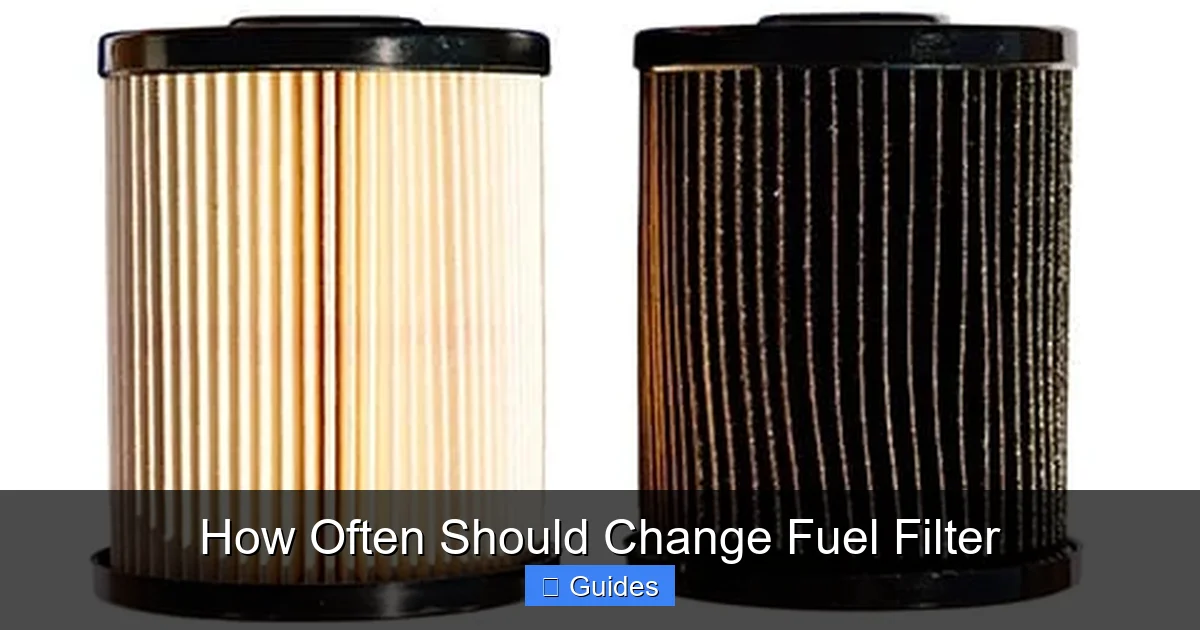
Changing your fuel filter at the right intervals is crucial for engine performance and longevity. Most manufacturers recommend replacing it every 20,000 to 40,000 miles, but driving conditions and fuel quality can affect this. Ignoring a clogged filter can lead to poor fuel economy, engine misfires, and even breakdowns.
In This Article
- 1 Key Takeaways
- 2 📑 Table of Contents
- 3 How Often Should Change Fuel Filter: A Complete Guide
- 4 Why the Fuel Filter Matters
- 5 How Often Should Change Fuel Filter: General Guidelines
- 6 Signs You Need a New Fuel Filter
- 7 How to Change a Fuel Filter
- 8 Choosing the Right Fuel Filter
- 9 Conclusion
- 10 Frequently Asked Questions
- 10.1 How often should change fuel filter on a diesel engine?
- 10.2 Can I clean a fuel filter instead of replacing it?
- 10.3 What happens if I never change the fuel filter?
- 10.4 Is it hard to change a fuel filter myself?
- 10.5 Can a bad fuel filter cause the check engine light to come on?
- 10.6 Does premium fuel extend the life of a fuel filter?
Key Takeaways
- Replace every 20,000 to 40,000 miles: This is the general rule of thumb, but always check your owner’s manual for specific recommendations.
- Watch for warning signs: Hard starting, engine hesitation, or reduced fuel efficiency may signal a clogged filter.
- Driving conditions matter: Frequent short trips, dusty roads, or low-quality fuel can shorten the filter’s lifespan.
- Use OEM or high-quality filters: Cheap filters may not trap contaminants effectively and can fail prematurely.
- Change during major services: Pairing the fuel filter change with oil changes or tune-ups helps maintain overall vehicle health.
- Modern vehicles may have longer intervals: Some newer models have filters designed to last up to 60,000 miles or more.
- Don’t ignore the fuel system: A clean filter ensures proper fuel pressure and protects fuel injectors and the fuel pump.
📑 Table of Contents
How Often Should Change Fuel Filter: A Complete Guide
You’ve probably heard that regular car maintenance keeps your vehicle running smoothly—but do you know how often should change fuel filter? It’s one of those parts that doesn’t get much attention until something goes wrong. Yet, the fuel filter plays a vital role in protecting your engine from dirt, rust, and other contaminants that can sneak into your fuel system.
Think of the fuel filter as the gatekeeper of your engine’s fuel supply. It traps debris before it reaches sensitive components like fuel injectors and the fuel pump. Over time, this filter gets clogged with particles, reducing fuel flow and putting extra strain on your engine. If left unchecked, a dirty fuel filter can lead to poor performance, reduced fuel economy, and even complete engine failure. That’s why knowing when and how to replace it is essential for every car owner.
In this guide, we’ll break down everything you need to know about fuel filter maintenance—from how often you should change it, to the signs of a failing filter, and tips for doing it yourself. Whether you drive a compact sedan, a rugged pickup, or a high-performance sports car, this information will help you keep your engine healthy and your rides reliable.
Why the Fuel Filter Matters
The fuel filter might be small, but its job is huge. It sits between the fuel tank and the engine, filtering out impurities that can damage internal components. Without a clean filter, contaminants can clog fuel injectors, reduce fuel pressure, and even harm the fuel pump—leading to expensive repairs.
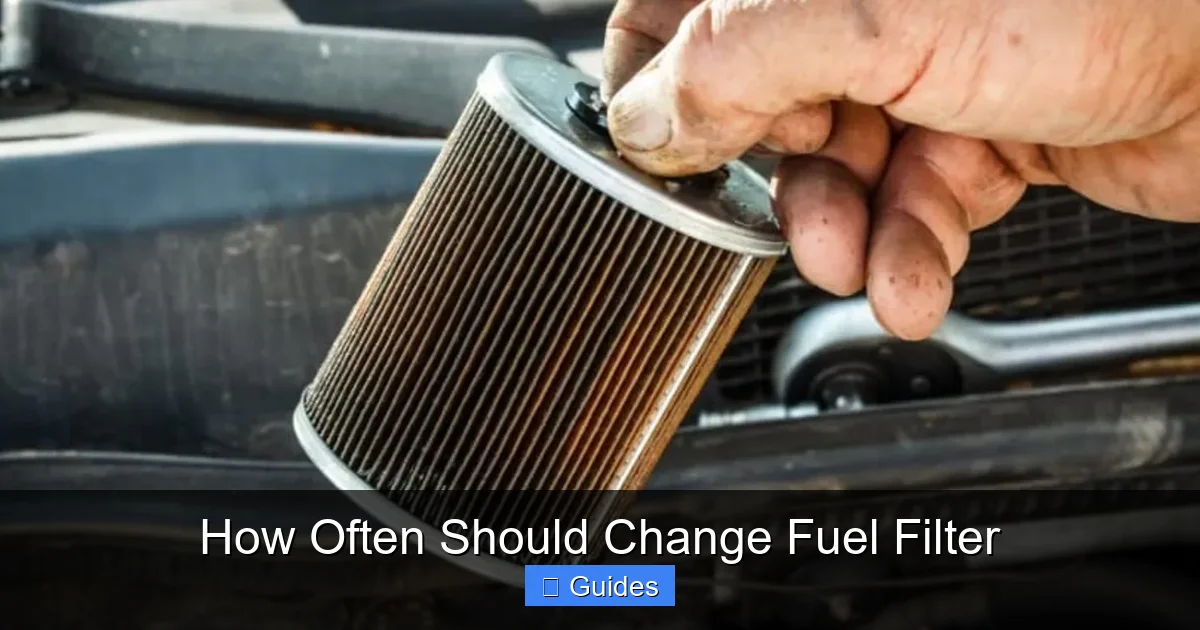
Visual guide about How Often Should Change Fuel Filter
Image source: res.cloudinary.com
Modern engines rely on precise fuel delivery to run efficiently. Even tiny particles can disrupt this balance. For example, if rust flakes from an old fuel tank make their way into the system, they can block injectors and cause misfires. A clogged filter also forces the fuel pump to work harder, which can shorten its lifespan.
Beyond engine protection, a clean fuel filter contributes to better fuel economy and smoother acceleration. When fuel flows freely, your engine doesn’t have to compensate for reduced pressure. This means fewer hiccups during acceleration and more consistent performance, especially under load or at high speeds.
How the Fuel Filter Works
The fuel filter is typically a cylindrical cartridge made of pleated paper, mesh, or synthetic material. As fuel travels from the tank to the engine, it passes through this filter medium, which captures dirt, water, and other debris. Most filters are designed to trap particles as small as 10 microns—about one-tenth the width of a human hair.
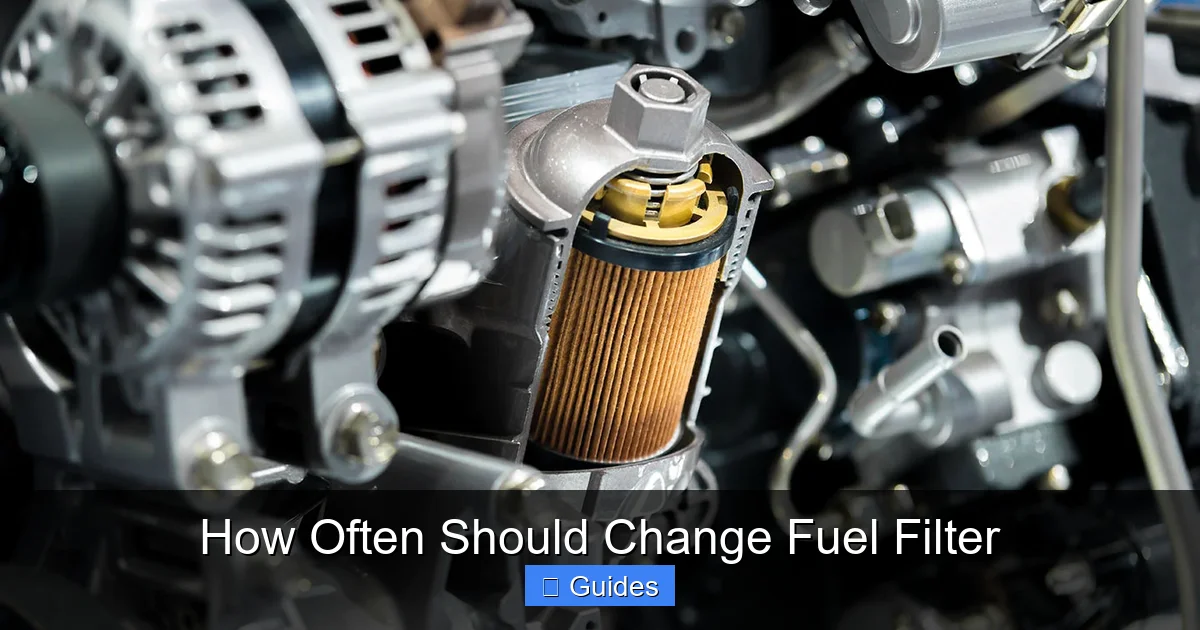
In older vehicles, the filter is often a replaceable inline unit located along the fuel line. In newer models, it may be integrated into the fuel pump assembly inside the fuel tank, making replacement more complex. Some high-end vehicles even use dual filters for extra protection.
Regardless of design, the principle remains the same: keep the fuel clean. Over time, the filter becomes saturated with contaminants, reducing its ability to flow fuel. This is why regular replacement is necessary—even if the filter looks fine on the outside, it may be clogged internally.
Consequences of a Clogged Fuel Filter
Driving with a dirty fuel filter isn’t just inefficient—it’s risky. A clogged filter restricts fuel flow, which can cause a range of problems. You might notice your car struggling to start, especially when the engine is cold. Or it might hesitate or stumble when you press the accelerator.
In severe cases, the engine may stall or fail to start at all. This happens because the fuel pump can’t deliver enough fuel to maintain combustion. You might also experience a loss of power during acceleration, particularly when climbing hills or towing.
Another common symptom is reduced fuel economy. When the engine doesn’t get the right amount of fuel, it compensates by burning more, which increases fuel consumption. Over time, this can cost you hundreds of dollars in wasted gas.
Ignoring a clogged filter can also damage other components. For instance, a weak fuel pump working overtime can overheat and fail prematurely. Clogged injectors may require costly cleaning or replacement. In extreme cases, debris can reach the engine’s combustion chamber, causing internal damage.
How Often Should Change Fuel Filter: General Guidelines
So, how often should change fuel filter? The short answer: every 20,000 to 40,000 miles. But this isn’t a one-size-fits-all rule. The ideal interval depends on your vehicle, driving habits, and fuel quality.
Visual guide about How Often Should Change Fuel Filter
Image source: germanformula.com
Most automakers provide a recommended maintenance schedule in the owner’s manual. For example, Honda suggests replacing the fuel filter every 30,000 to 60,000 miles, depending on the model. Toyota often recommends it during major services around 30,000 or 60,000 miles. European brands like BMW and Mercedes may have longer intervals, sometimes up to 60,000 miles or more.
However, these are just guidelines. Real-world conditions can shorten the filter’s lifespan. If you frequently drive in dusty environments, take short trips, or use lower-grade fuel, you may need to replace the filter more often. On the other hand, if you mostly drive on highways with high-quality fuel, you might stretch the interval slightly.
Factors That Affect Fuel Filter Lifespan
Several factors influence how quickly your fuel filter gets clogged. Understanding these can help you adjust your maintenance schedule accordingly.
Fuel Quality: Not all gasoline is created equal. Lower-quality fuel may contain more sediment, water, or ethanol, which can accelerate filter clogging. If you fill up at discount stations or in areas with poor fuel standards, consider changing the filter more frequently.
Driving Conditions: Frequent short trips don’t allow the engine to reach optimal operating temperature, which can lead to fuel condensation and sludge buildup. Similarly, driving on unpaved roads or in heavy traffic increases exposure to dust and debris.
Vehicle Age and Design: Older vehicles with carbureted engines often have less efficient filtration systems. Newer fuel-injected engines are more sensitive to contaminants, so they rely heavily on a clean filter. Some modern cars have filters built into the fuel pump, which may last longer but are harder to replace.
Climate: Extreme temperatures can affect fuel stability. In cold climates, water in the fuel can freeze and damage the filter. In hot climates, fuel can degrade faster, leading to varnish and gum deposits.
Maintenance History: If your fuel tank has never been cleaned or if you’ve recently had fuel system repairs, there may be more contaminants in the system. In such cases, replacing the filter sooner is a smart precaution.
When to Replace the Fuel Filter Sooner
Even if you’re within the recommended mileage range, certain signs indicate it’s time to change the fuel filter early. Don’t wait for a breakdown—act at the first hint of trouble.
If your car struggles to start, especially after sitting overnight, a clogged filter could be the culprit. You might also notice a rough idle or hesitation when accelerating. These symptoms often worsen over time as the filter becomes more restricted.
Another red flag is a sudden drop in fuel economy. If you’re filling up more often without changing your driving habits, the filter may be limiting fuel flow. Similarly, if your engine feels sluggish or lacks power, especially under load, it’s worth checking the filter.
In some cases, the check engine light may come on. While this can indicate many issues, a clogged fuel filter can trigger codes related to fuel pressure or misfires. A mechanic can use a scan tool to diagnose the problem, but don’t ignore the warning.
If you’ve recently filled up with questionable fuel—say, at a station that just delivered a tanker load—it’s wise to replace the filter as a precaution. Tanker deliveries can stir up sediment in underground storage tanks, increasing the risk of contamination.
Signs You Need a New Fuel Filter
Knowing how often should change fuel filter is important, but recognizing the symptoms of a failing filter is just as crucial. Early detection can prevent more serious problems down the road.
Visual guide about How Often Should Change Fuel Filter
Image source: bostechauto.com
One of the most common signs is difficulty starting the engine. If your car cranks longer than usual or requires multiple attempts to start, the fuel filter may be restricting flow. This is especially noticeable in cold weather when fuel viscosity increases.
Engine hesitation or stumbling during acceleration is another telltale sign. You might feel a brief loss of power when you press the gas pedal, particularly during quick merges or uphill climbs. This happens because the engine isn’t receiving enough fuel to meet demand.
A rough idle is also a red flag. If your engine vibrates or sounds uneven when stopped at a traffic light, it could be due to inconsistent fuel delivery. In some cases, the engine may even stall when idling.
Reduced fuel efficiency is a subtle but important indicator. If you’re suddenly getting fewer miles per gallon, a clogged filter could be forcing the engine to work harder. Keep an eye on your fuel gauge and track your mileage between fill-ups.
In severe cases, the engine may not start at all. This usually happens when the filter is completely blocked, preventing any fuel from reaching the injectors. At this point, the fuel pump may also be damaged from running dry or overworking.
How to Test Your Fuel Filter
If you suspect a clogged filter, you can perform a few simple tests before replacing it. One method is to check fuel pressure using a gauge. Low pressure at the fuel rail may indicate a restriction in the filter.
Another approach is to inspect the filter visually, if accessible. Remove the filter and hold it up to a light. If you can’t see light through the pleats, it’s likely clogged. You can also shake the filter—if you hear debris rattling inside, it’s time for a replacement.
For a more accurate diagnosis, consult a mechanic. They can perform a fuel pressure test and inspect the entire fuel system for issues. In some cases, the problem may not be the filter but a failing fuel pump or clogged injectors.
How to Change a Fuel Filter
Replacing a fuel filter is a manageable DIY task for many car owners, especially on older vehicles with inline filters. However, it requires caution due to the flammable nature of fuel.
Before starting, make sure the engine is cool and the vehicle is parked on a level surface. Relieve fuel system pressure by removing the fuel pump fuse and running the engine until it stalls. This prevents fuel from spraying when you disconnect the lines.
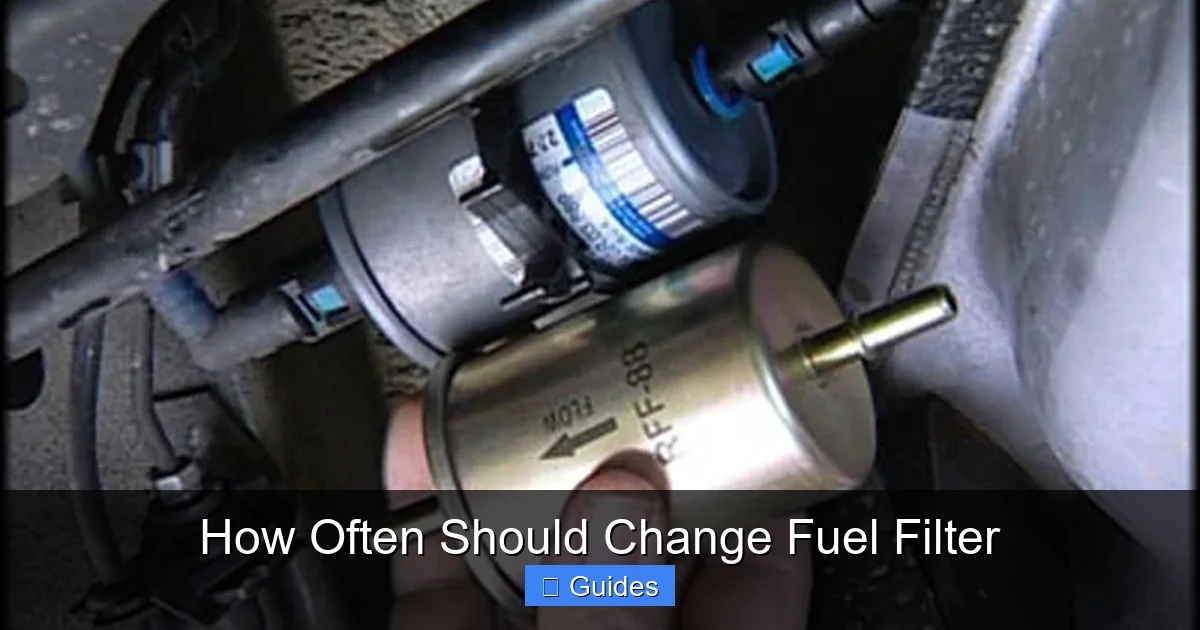
Locate the fuel filter, which is usually along the fuel line under the car or near the engine. Use a wrench to loosen the clamps or fittings, then carefully remove the old filter. Note the direction of fuel flow—most filters have an arrow indicating which way the fuel should go.
Install the new filter in the same orientation, ensuring the arrow points toward the engine. Tighten the fittings securely but avoid over-tightening, which can damage the lines. Reconnect the fuel pump fuse and start the engine to check for leaks.
For vehicles with in-tank filters, the process is more complex and may require dropping the fuel tank or accessing the pump through the rear seat. In these cases, it’s often best to have a professional handle the replacement.
Tips for a Smooth Replacement
Always use a high-quality filter that matches your vehicle’s specifications. OEM (original equipment manufacturer) filters are ideal, but reputable aftermarket brands like Bosch, Fram, or WIX are also reliable.
Wear safety glasses and gloves to protect yourself from fuel exposure. Keep a fire extinguisher nearby, just in case. Work in a well-ventilated area to avoid inhaling fumes.
If you’re unsure about any step, consult your owner’s manual or a repair guide. Some vehicles have specific procedures for depressurizing the fuel system or aligning the filter.
After replacing the filter, monitor your car’s performance. You should notice smoother acceleration, easier starting, and improved fuel economy within a few days.
Choosing the Right Fuel Filter
Not all fuel filters are created equal. Choosing the right one ensures optimal performance and longevity.
Start by checking your owner’s manual for the recommended part number. This guarantees compatibility with your vehicle’s fuel system. You can also use online part lookup tools or visit an auto parts store with your VIN.
Look for filters made from high-quality materials. Pleated paper filters are common and effective, but synthetic or multi-layer designs offer better filtration and longer life. Avoid cheap, no-name brands that may not meet OEM standards.
Consider your driving needs. If you frequently drive in harsh conditions, a heavy-duty filter with higher dirt-holding capacity may be worth the investment. Some filters also include water separators, which are useful in areas with high humidity or ethanol-blended fuels.
Finally, check the warranty. Reputable manufacturers often offer a limited warranty on their filters, which can provide peace of mind.
Conclusion
Knowing how often should change fuel filter is key to maintaining your vehicle’s performance and reliability. While the general rule is every 20,000 to 40,000 miles, your specific driving conditions and vehicle type may require more frequent changes.
Pay attention to warning signs like hard starting, hesitation, or reduced fuel economy. These can indicate a clogged filter that needs immediate attention. And when it’s time to replace it, choose a high-quality filter and follow proper safety procedures.
Regular fuel filter maintenance is a small investment that pays big dividends. It protects your engine, improves fuel efficiency, and helps avoid costly repairs down the road. So don’t wait for trouble—stay proactive and keep your fuel system clean.
Frequently Asked Questions
How often should change fuel filter on a diesel engine?
Diesel engines typically require more frequent fuel filter changes due to higher contamination risks. Most manufacturers recommend replacing it every 10,000 to 15,000 miles, or more often if using biodiesel blends.
Can I clean a fuel filter instead of replacing it?
Most fuel filters are not designed to be cleaned. Attempting to clean them can damage the filter media and reduce effectiveness. It’s safer and more reliable to replace the filter when it’s clogged.
What happens if I never change the fuel filter?
Ignoring the fuel filter can lead to poor engine performance, reduced fuel economy, and damage to the fuel pump and injectors. In severe cases, the engine may fail to start or run at all.
Is it hard to change a fuel filter myself?
On older vehicles with inline filters, it’s a moderate DIY task. However, modern cars with in-tank filters may require professional tools and expertise. Always follow safety precautions when working with fuel.
Can a bad fuel filter cause the check engine light to come on?
Yes, a clogged fuel filter can trigger the check engine light by causing low fuel pressure or misfires. A mechanic can diagnose the issue using a scan tool.
Premium fuel may contain fewer contaminants and additives that help keep the fuel system clean, potentially extending filter life. However, it doesn’t eliminate the need for regular replacement.

At CarLegit, we believe information should be clear, factual, and genuinely helpful. That’s why every guide, review, and update on our website is created with care, research, and a strong focus on user experience.