
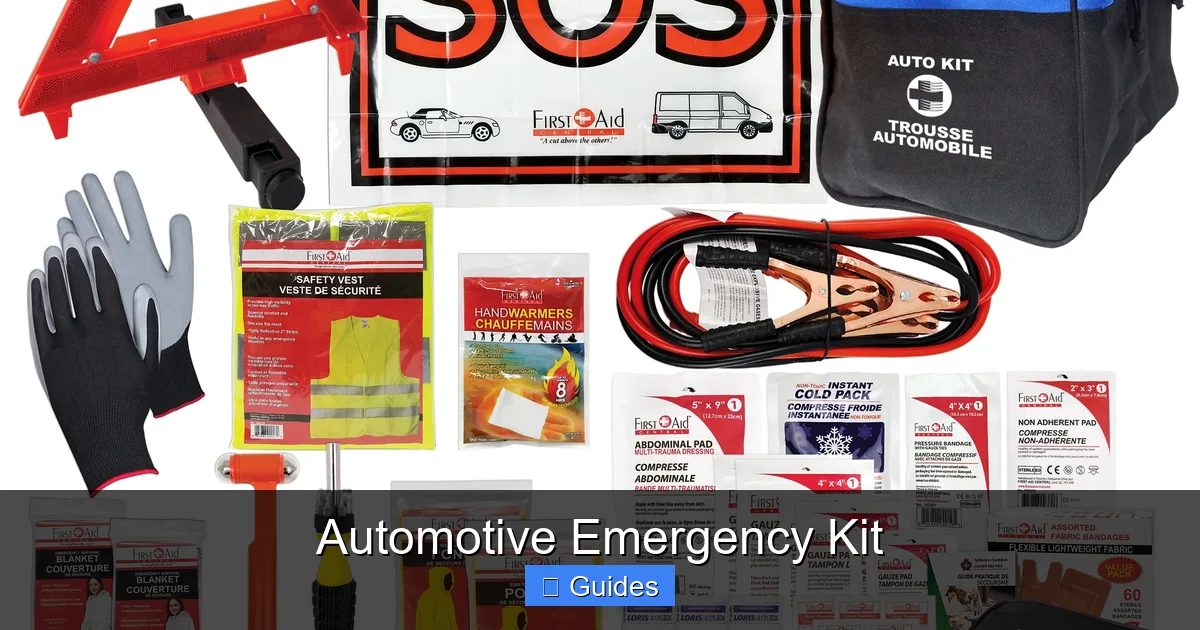
An automotive emergency kit is a must-have for every driver, offering peace of mind and practical help during breakdowns, accidents, or severe weather. Packed with essentials like first aid supplies, tools, and survival gear, it can mean the difference between a minor delay and a dangerous situation.
In This Article
- 1 Key Takeaways
- 2 📑 Table of Contents
- 3 Why Every Driver Needs an Automotive Emergency Kit
- 4 Essential Items Every Automotive Emergency Kit Should Include
- 5 Customizing Your Kit for Your Climate and Driving Habits
- 6 How to Build and Maintain Your Automotive Emergency Kit
- 7 Legal Requirements and Insurance Benefits
- 8 Common Mistakes to Avoid
- 9 Conclusion
- 10 Frequently Asked Questions
- 10.1 What should be in a basic automotive emergency kit?
- 10.2 How often should I check my emergency kit?
- 10.3 Do I need a different kit for winter driving?
- 10.4 Can I buy a pre-made emergency kit or should I build my own?
- 10.5 Is an automotive emergency kit required by law?
- 10.6 What’s the most important item in an emergency kit?
Key Takeaways
- Essential Safety Gear: Every automotive emergency kit should include a first aid kit, flashlight, reflective triangles, and a fire extinguisher to handle common roadside emergencies.
- Weather-Specific Items: Depending on your climate, add blankets, ice scrapers, or cooling towels to prepare for extreme temperatures.
- Communication Tools: A fully charged power bank, whistle, and emergency contact list ensure you can call for help even when your phone dies.
- Basic Repair Tools: Include jumper cables, tire repair kits, duct tape, and a multi-tool for quick fixes that can get you back on the road.
- Regular Maintenance: Check and refresh your kit every six months to replace expired items and ensure everything is in working order.
- Customization Matters: Tailor your kit to your vehicle type, driving habits, and regional risks for maximum effectiveness.
- Legal and Insurance Benefits: Some regions require certain items by law, and having a kit may lower insurance premiums or qualify you for roadside assistance discounts.
📑 Table of Contents
- Why Every Driver Needs an Automotive Emergency Kit
- Essential Items Every Automotive Emergency Kit Should Include
- Customizing Your Kit for Your Climate and Driving Habits
- How to Build and Maintain Your Automotive Emergency Kit
- Legal Requirements and Insurance Benefits
- Common Mistakes to Avoid
- Conclusion
Why Every Driver Needs an Automotive Emergency Kit
Picture this: You’re driving home on a rainy evening when your car suddenly sputters and dies on a quiet stretch of highway. No streetlights. No cell service. You’re alone, cold, and unsure what to do next. Now imagine if you had a well-stocked automotive emergency kit in your trunk—ready with a flashlight, warm blanket, first aid supplies, and tools to jump-start your battery. That kit could turn a nerve-wracking ordeal into a manageable situation.
An automotive emergency kit isn’t just for long road trips or off-grid adventures. It’s for everyday drivers—commuters, parents, students, and seniors—who want to be prepared for the unexpected. Whether it’s a flat tire, a dead battery, a minor accident, or getting stranded in a snowstorm, having the right gear can keep you safe, warm, and in control until help arrives. In fact, studies show that drivers with emergency kits are more likely to stay calm and make better decisions during roadside crises.
The Peace of Mind Factor
Beyond the physical tools, an emergency kit offers something priceless: peace of mind. Knowing you’re prepared reduces anxiety and helps you react quickly and confidently. It also shows responsibility—not just to yourself, but to passengers, other drivers, and emergency responders. A well-equipped kit can prevent small problems from escalating into dangerous situations, like hypothermia in winter or heatstroke in summer.
Real-Life Scenarios Where Kits Make a Difference
Consider a family on a weekend trip whose minivan breaks down in a rural area. With a kit containing water, snacks, a flashlight, and a reflective vest, they stay visible and hydrated while waiting for help. Or a college student driving home during a snowstorm who uses jumper cables and a blanket from their kit to stay warm after their car battery dies. These aren’t rare events—they’re common roadside emergencies that happen to thousands of drivers each year.
Essential Items Every Automotive Emergency Kit Should Include
Visual guide about Automotive Emergency Kit
Image source: photo.oempromo.com
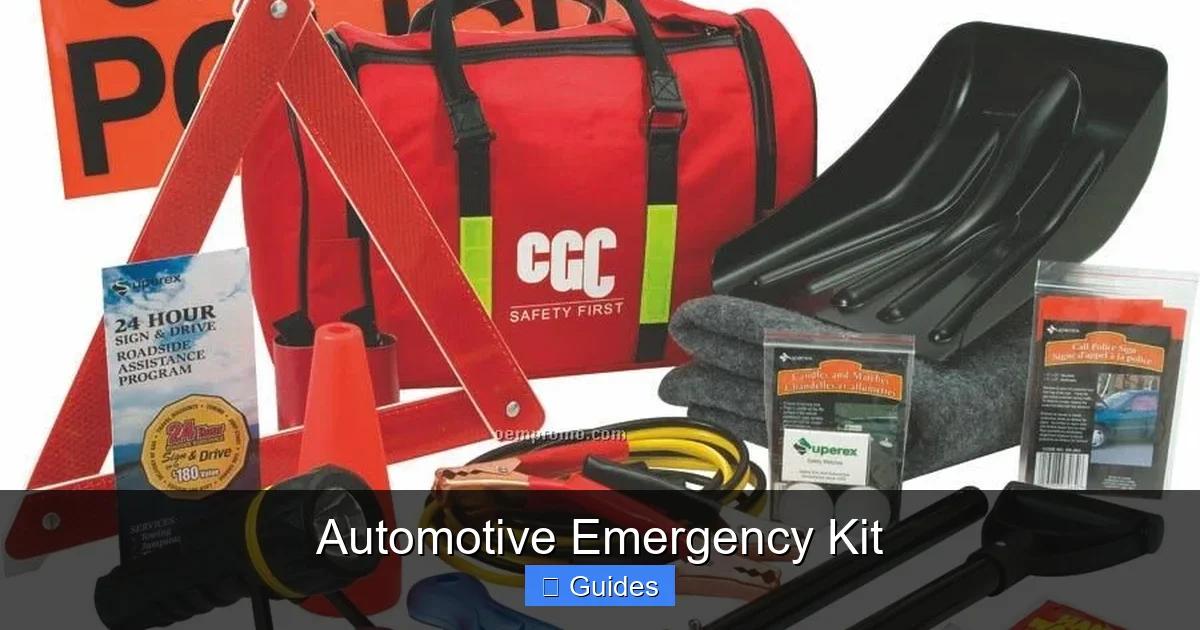
Building a reliable automotive emergency kit starts with the basics. While you can customize it based on your needs, certain items are non-negotiable. These essentials cover safety, communication, survival, and basic repairs.
Safety and Visibility Gear
First and foremost, you need to be seen. Other drivers must know you’re stopped, especially at night or in poor weather.
– Reflective Warning Triangles or Flares: Place these 50–100 feet behind your vehicle to alert oncoming traffic. LED flares are reusable and safer than traditional flares.
– High-Visibility Vest: Keep one for each passenger. These bright vests make you visible to rescuers and other drivers, reducing the risk of being hit while outside the car.
– LED Flashlight with Extra Batteries: Choose a durable, waterproof flashlight. Headlamps are even better—they leave your hands free for other tasks.
– Fire Extinguisher: A small, automotive-rated extinguisher (Class B and C) can put out small engine or electrical fires before they spread.
First Aid and Medical Supplies
Injuries can happen during accidents or while working on your vehicle. A compact first aid kit is a must.
– Basic First Aid Kit: Include adhesive bandages, gauze pads, medical tape, antiseptic wipes, tweezers, scissors, and pain relievers.
– Emergency Blanket (Mylar): Lightweight and compact, these reflect body heat and are vital in cold weather.
– Instant Cold Pack: Useful for sprains or swelling after an impact.
– Disposable Gloves: Protect yourself and others when treating wounds.
When you’re stranded, communication is key.
– Portable Power Bank: Keep your phone charged so you can call for help. Choose one with at least 10,000mAh capacity.
– Whistle: A loud whistle can signal for help if you’re injured or trapped.
– Paper Map of Your Region: GPS and phones can fail. A physical map helps you orient yourself and give rescuers your location.
– Emergency Contact List: Include numbers for roadside assistance, family, and local emergency services—written down, not just on your phone.
Basic Repair and Maintenance Tools
Sometimes, a quick fix can get you back on the road.
– Jumper Cables or Portable Jump Starter: A dead battery is one of the most common car problems. A portable jump starter is safer and easier than traditional cables.
– Tire Repair Kit and Portable Air Compressor: Fix minor punctures and reinflate tires without needing a spare.
– Duct Tape and Zip Ties: Great for temporary fixes—like holding a loose bumper or securing a hose.
– Multi-Tool or Swiss Army Knife: Combines pliers, screwdrivers, a knife, and more in one compact tool.
– Fuses and Extra Light Bulbs: Replace blown fuses or burnt-out headlights quickly.
Survival and Comfort Items
If you’re stuck for hours, comfort and survival matter.
– Bottled Water and Non-Perishable Snacks: Granola bars, nuts, and dried fruit provide energy. Aim for at least one liter of water per person.
– Warm Blankets or Sleeping Bags: Even in mild weather, nighttime temperatures can drop. Wool or thermal blankets are best.
– Hand Warmers: Disposable hand warmers last 8–12 hours and are great for cold climates.
– Rain Poncho or Umbrella: Stay dry while changing a tire or waiting outside the car.
Customizing Your Kit for Your Climate and Driving Habits
Visual guide about Automotive Emergency Kit
Image source: aaa.readyamerica.com
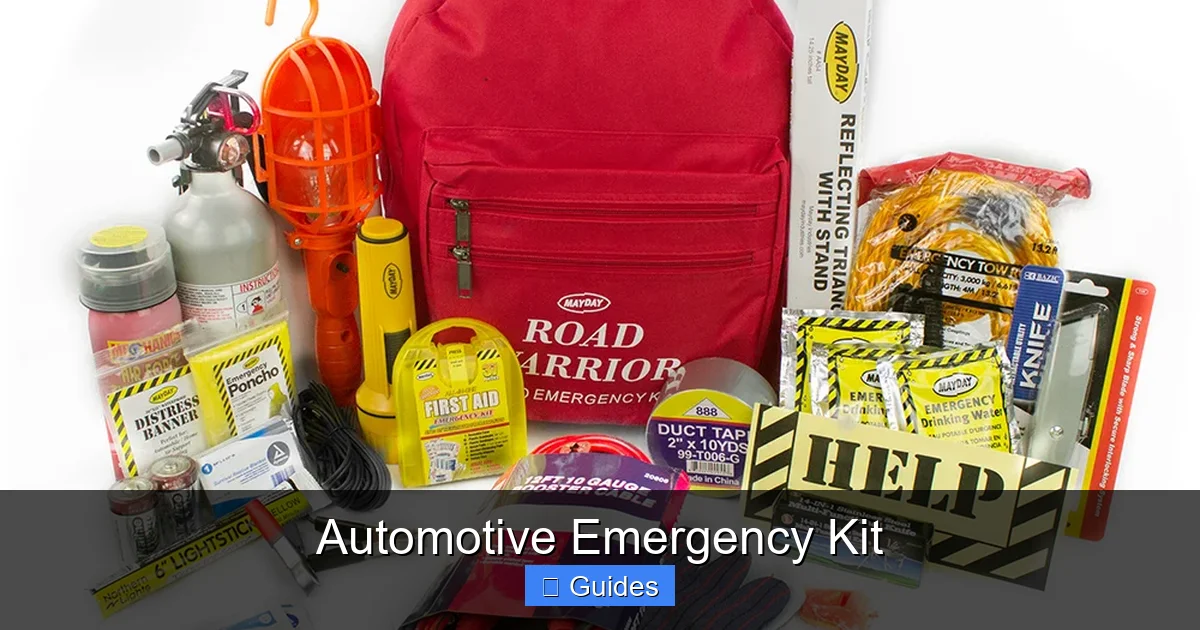
Not all emergency kits are created equal. What works in Arizona may not help in Alaska. Tailoring your automotive emergency kit to your environment and lifestyle ensures it’s truly useful when you need it.
Winter Driving Essentials
If you live in a cold climate, winterize your kit:
– Ice Scraper and Snow Brush: Clear snow and ice from windows and lights.
– Cat Litter or Sand: Sprinkle under tires for traction if you’re stuck in snow or ice.
– Shovel (Compact Folding Type): Dig out your car or create space around tires.
– Extra Warm Clothing: Include gloves, hats, and thermal socks.
– Engine Block Heater or Battery Warmer: Helps start your car in extreme cold.
Summer and Desert Preparedness
Heat can be just as dangerous as cold:
– Sunscreen and Cooling Towels: Prevent heatstroke and sunburn.
– Extra Water: Dehydration is a real risk in hot weather. Carry at least two liters per person.
– Reflective Sunshade: Place on your windshield to keep the interior cool.
– Electrolyte Tablets or Drinks: Help replenish lost salts and minerals.
Urban vs. Rural Driving
Your location affects your risks:
– Urban Drivers: Focus on theft deterrents (like a steering wheel lock), a small first aid kit, and a power bank. Traffic and proximity to help reduce some risks.
– Rural or Long-Distance Drivers: Add more survival gear—extra food, water, a compass, and a satellite communicator if you’re off-grid.
Family and Pet Considerations
If you travel with kids or pets, adjust your kit:
– Child-Specific Items: Diapers, formula, toys, and a child-sized first aid kit.
– Pet Supplies: Food, water, leash, and a pet first aid guide.
– Entertainment: Books, games, or a tablet with downloaded movies can keep kids calm during long waits.
How to Build and Maintain Your Automotive Emergency Kit
Visual guide about Automotive Emergency Kit
Image source: aaa.readyamerica.com
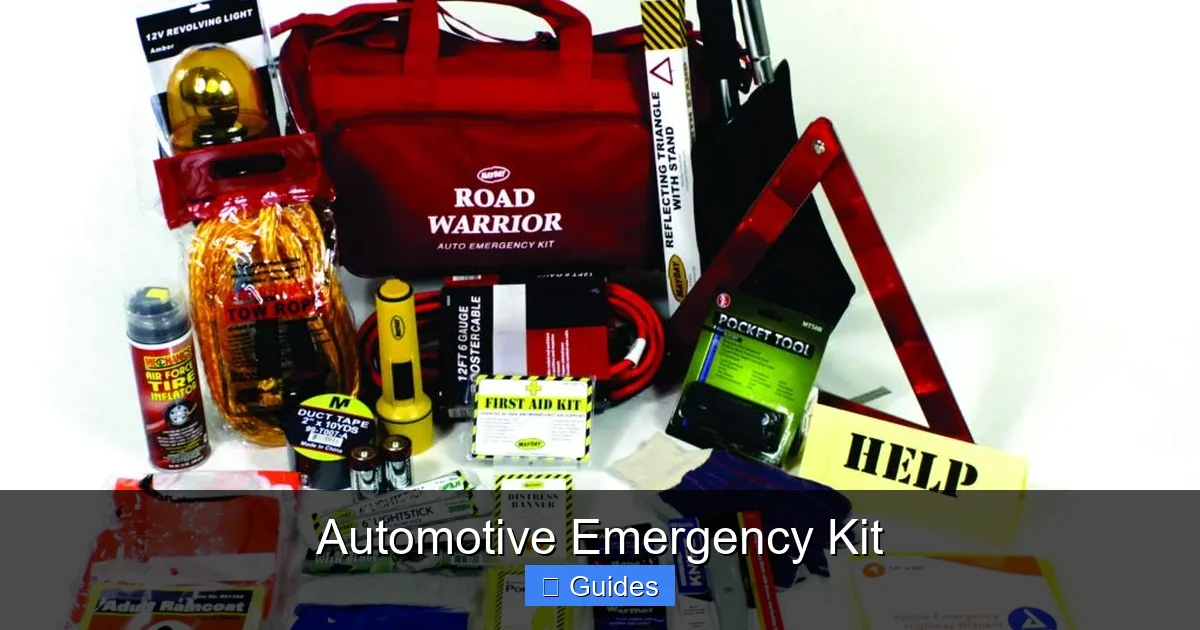
Creating your kit doesn’t have to be expensive or complicated. Start small and build over time. The key is consistency and maintenance.
Step-by-Step Guide to Building Your Kit
1. Choose a Durable Storage Container: Use a waterproof, crush-proof box or a dedicated emergency bag. Label it clearly.
2. Start with the Essentials: Begin with safety, first aid, and communication items. These cover the most common emergencies.
3. Add Tools and Repair Gear: Include jumper cables, tire repair kits, and basic tools.
4. Customize for Your Needs: Add climate-specific items, family supplies, or pet gear.
5. Store It Properly: Keep the kit in your trunk or a secure, accessible spot. Avoid the glove compartment—it’s too small and may not survive a crash.
Where to Buy or Build Your Kit
You have two options: buy a pre-made kit or build your own.
– Pre-Made Kits: Convenient and often include quality items. Look for kits from reputable brands like AAA, Life+Gear, or Roadside Emergency.
– DIY Kits: More customizable and often cheaper. You can source items from hardware stores, pharmacies, and online retailers.
Tip: Check reviews and ensure the kit includes real essentials—not just gimmicks.
Maintaining Your Kit
An expired or broken item is worse than no item at all.
– Check Every 6 Months: Replace expired medicines, dead batteries, and stale food.
– Test Equipment: Make sure flashlights, radios, and jump starters work.
– Update Contact Info: Keep your emergency list current.
– Reassess After Trips: After a long drive or seasonal change, review your kit and add anything you wished you had.
Legal Requirements and Insurance Benefits
In some places, having certain items in your vehicle isn’t just smart—it’s the law.
Legal Requirements by Region
– European Union: Most countries require a reflective vest, warning triangle, and first aid kit.
– Canada: Some provinces mandate winter tires and emergency kits in certain seasons.
– United States: No federal law, but some states (like New York and Illinois) require specific items for commercial vehicles.
Always check local regulations, especially if you travel across borders.
Insurance and Roadside Assistance Perks
Many insurance companies and roadside assistance programs offer discounts or bonuses for drivers with emergency kits.
– Lower Premiums: Some insurers reduce rates for prepared drivers.
– Free Upgrades: AAA and similar services may offer faster response times or free towing for members with kits.
– Peace of Mind Coverage: Knowing you’re prepared can reduce stress-related claims.
Common Mistakes to Avoid
Even the best intentions can go wrong if you’re not careful. Avoid these common pitfalls:
Overpacking or Underpacking
Too much gear can clutter your trunk and make it hard to find what you need. Too little leaves you unprepared. Stick to essentials and customize wisely.
Ignoring Expiration Dates
Medicines, food, and batteries expire. A kit with expired items is a false sense of security.
Storing Items Improperly
Keep your kit in a cool, dry place. Avoid extreme temperatures that can damage electronics or degrade materials.
Forgetting to Train Others
If you’re not the only driver, make sure family members know where the kit is and how to use it. Practice using the flashlight, jumper cables, or first aid supplies.
Conclusion
An automotive emergency kit is more than a collection of tools—it’s a lifeline. Whether you’re facing a flat tire, a dead battery, or a sudden storm, having the right gear can keep you safe, calm, and in control. By including essentials like first aid supplies, safety gear, communication tools, and survival items, you’re not just preparing for the worst—you’re empowering yourself to handle it.
Building your kit doesn’t have to be overwhelming. Start with the basics, customize for your climate and lifestyle, and maintain it regularly. Whether you buy a pre-made kit or build your own, the investment is small compared to the peace of mind it brings. Remember, emergencies don’t come with warnings. But with a well-stocked automotive emergency kit, you’ll always be ready.
Frequently Asked Questions
What should be in a basic automotive emergency kit?
A basic kit should include a first aid kit, flashlight, reflective triangles, jumper cables, tire repair tools, water, snacks, and a blanket. These items cover most common roadside emergencies.
How often should I check my emergency kit?
Check your kit every six months to replace expired items like medicine and food, and to test batteries and equipment. Update it after long trips or seasonal changes.
Do I need a different kit for winter driving?
Yes. Winter kits should include ice scrapers, snow brushes, cat litter for traction, warm blankets, hand warmers, and a small shovel to handle snow and ice.
Can I buy a pre-made emergency kit or should I build my own?
Both options work. Pre-made kits are convenient and reliable, while DIY kits let you customize items based on your needs and budget.
Is an automotive emergency kit required by law?
Laws vary by region. Some countries in Europe require warning triangles and reflective vests, while U.S. laws typically apply only to commercial vehicles. Check local regulations.
What’s the most important item in an emergency kit?
While all items matter, a flashlight and reflective triangles are critical for visibility and safety, especially at night or in bad weather. They help prevent further accidents.

At CarLegit, we believe information should be clear, factual, and genuinely helpful. That’s why every guide, review, and update on our website is created with care, research, and a strong focus on user experience.