
Buying a car means ownership and long-term value, while leasing offers lower monthly payments and the latest features. Your choice depends on driving habits, budget, and how you want to use your vehicle.
In This Article
- 1 Key Takeaways
- 2 📑 Table of Contents
- 3 Buying vs Leasing a Car: Which Option Is Right for You?
- 4 What Does It Mean to Buy a Car?
- 5 What Does It Mean to Lease a Car?
- 6 Cost Comparison: Buying vs Leasing
- 7 Lifestyle and Usage: Which Option Fits Your Needs?
- 8 Maintenance, Warranties, and Repairs
- 9 Resale Value and Depreciation
- 10 Making the Right Choice for You
- 11 Frequently Asked Questions
Key Takeaways
- Buying builds equity: You own the car after paying it off and can sell it later for potential value.
- Leasing offers lower payments: Monthly costs are typically cheaper than buying, with less upfront cash needed.
- Mileage limits matter in leasing: Most leases restrict annual mileage (e.g., 10,000–15,000 miles), with fees for going over.
- Maintenance differs: Leased cars are usually under warranty, while owned cars require out-of-pocket repairs as they age.
- Customization freedom: You can modify a purchased car, but leased vehicles must be returned in near-original condition.
- Long-term cost vs. short-term savings: Buying may cost more upfront but saves money over time; leasing is ideal for those who like new cars every few years.
- Credit and financial health impact both: Good credit helps secure better rates whether you buy or lease.
📑 Table of Contents
- Buying vs Leasing a Car: Which Option Is Right for You?
- What Does It Mean to Buy a Car?
- What Does It Mean to Lease a Car?
- Cost Comparison: Buying vs Leasing
- Lifestyle and Usage: Which Option Fits Your Needs?
- Maintenance, Warranties, and Repairs
- Resale Value and Depreciation
- Making the Right Choice for You
Buying vs Leasing a Car: Which Option Is Right for You?
Choosing between buying and leasing a car is one of the biggest decisions you’ll make as a driver. It’s not just about picking a color or model—it’s about understanding how each option fits your lifestyle, budget, and long-term goals. Whether you’re a first-time car buyer or upgrading from your current ride, the choice between ownership and leasing can feel overwhelming. But it doesn’t have to be.
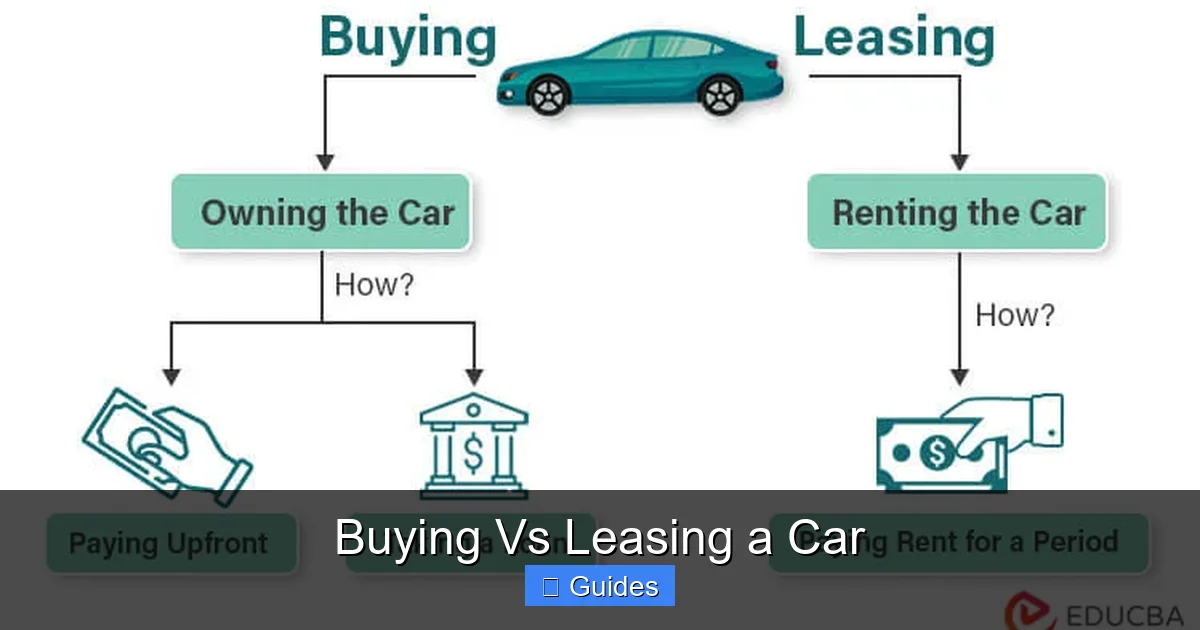
At its core, buying a car means you’re investing in an asset. You make payments until the loan is paid off, and then the car is yours. Leasing, on the other hand, is more like renting a car for a set period—usually two to four years. You pay for the vehicle’s depreciation during that time, plus fees and interest, but you never own it. Both options have their perks and pitfalls, and the right choice depends on your personal situation.
In this guide, we’ll break down the key differences between buying and leasing a car, including costs, flexibility, maintenance, and long-term value. We’ll also share real-life examples and practical tips to help you make a confident decision. By the end, you’ll know whether you’re better off driving off the lot as an owner or signing a lease for the latest model.
What Does It Mean to Buy a Car?
When you buy a car, you’re purchasing it outright—either with cash or through a loan. Once the loan is paid off, the vehicle is 100% yours. This means you can drive it as much as you want, modify it, sell it, or keep it for decades. Ownership gives you full control and the potential to build equity over time.
Visual guide about Buying Vs Leasing a Car
Image source: boulevardlincoln.com
How Car Buying Works
Buying a car typically involves a down payment, monthly loan payments, and interest. The down payment reduces the amount you need to finance, which can lower your monthly payments. Most car loans last between 36 and 72 months, though longer terms are becoming more common. Once you’ve made all the payments, the title transfers to you, and you own the car free and clear.
For example, let’s say you buy a $30,000 car with a $6,000 down payment and a 60-month loan at 5% interest. Your monthly payment would be around $450. After five years, you’ve paid about $33,000 total—but now you own a car that may still have significant resale value, especially if it’s well-maintained.
Pros of Buying a Car
- Ownership and equity: You build value in the car over time. After the loan is paid off, you have an asset you can sell or trade in.
- No mileage restrictions: Drive as much as you want without worrying about extra fees.
- Customization freedom: Paint it, upgrade the stereo, add a spoiler—it’s your car, so you can make it yours.
- Long-term savings: Once the loan is paid off, you eliminate monthly car payments (until you decide to buy another car).
- No end-of-lease fees: You don’t have to worry about wear-and-tear charges or returning the car in perfect condition.
Cons of Buying a Car
- Higher monthly payments: Compared to leasing, buying usually means larger monthly payments because you’re paying for the entire vehicle, not just its depreciation.
- Depreciation: Cars lose value quickly—often 20% in the first year and up to 60% over three years. This means your car may be worth less than your loan balance early on (known as being “upside-down”).
- Maintenance costs: As the car ages, repairs and maintenance become your responsibility. Older cars can become expensive to maintain.
- Less frequent upgrades: If you keep the same car for 10 years, you might miss out on new safety features, tech, and fuel efficiency improvements.
What Does It Mean to Lease a Car?
Leasing a car is essentially a long-term rental. You agree to use the vehicle for a set period—usually 24 to 36 months—and pay for its depreciation during that time, plus interest and fees. At the end of the lease, you return the car to the dealership unless you choose to buy it at its residual value.
Visual guide about Buying Vs Leasing a Car
Image source: b2343758.smushcdn.com
How Car Leasing Works
When you lease, you don’t pay for the entire value of the car. Instead, you pay for the difference between the car’s current price and its estimated value at the end of the lease (called the residual value). For example, if a $35,000 car is expected to be worth $20,000 after three years, you’ll pay for the $15,000 in depreciation, plus fees and interest.
Leases often require a down payment (called a “cap cost reduction”), monthly payments, and an acquisition fee. You’ll also agree to mileage limits—typically 10,000 to 15,000 miles per year—and must return the car in good condition. Going over the mileage limit or returning a damaged car can result in extra charges.
Pros of Leasing a Car
- Lower monthly payments: Since you’re only paying for depreciation, not the full value, monthly costs are usually 20–30% lower than buying.
- Lower down payment: Many leases require little or no down payment, making it easier to get into a new car with less cash upfront.
- Drive a new car more often: Most leases last 2–4 years, so you can upgrade to the latest model with updated tech, safety features, and warranties.
- Warranty coverage: Leased cars are typically under manufacturer warranty for the entire lease term, so major repairs are usually covered.
- No resale hassle: You don’t have to worry about selling or trading in the car—just return it at the end of the lease.
Cons of Leasing a Car
- No ownership: You never own the car. Once the lease ends, you have nothing to show for your payments.
- Mileage restrictions: Exceeding the annual mileage limit (e.g., 12,000 miles) can cost $0.10 to $0.25 per extra mile.
- Wear-and-tear fees: You may be charged for excessive wear, dents, or interior damage when returning the car.
- Early termination fees: Ending a lease early can be expensive, often costing thousands in penalties.
- Continuous payments: Unlike buying, where payments stop after the loan is paid, leasing means you’re always making car payments if you keep leasing.
Cost Comparison: Buying vs Leasing
One of the biggest factors in the buying vs leasing debate is cost. While leasing often looks cheaper on the surface, it’s important to look at the full picture—both short-term and long-term.
Visual guide about Buying Vs Leasing a Car
Image source: cdn.educba.com
Upfront and Monthly Costs
Leasing usually wins in the short term. For example, a $35,000 SUV might cost $350 per month to lease with $2,000 down, while buying the same vehicle could cost $550 per month with a $5,000 down payment. That’s a $200 difference per month—money that could go toward savings, groceries, or vacation.
But over time, buying becomes more cost-effective. After five years of leasing, you’ve paid $21,000 (plus down payment) and own nothing. If you had bought the car, you’d have paid about $33,000 but would still own a vehicle worth $15,000–$20,000. That’s a net cost of $13,000–$18,000, compared to $21,000 for leasing.
Long-Term Financial Impact
Buying a car is like paying a mortgage—you’re building equity. Once the loan is paid off, you have a valuable asset. Leasing is more like paying rent—you get use of the car, but no ownership. If you plan to keep driving for many years, buying saves money in the long run.
However, if you prefer driving a new car every few years and don’t mind ongoing payments, leasing can be a smart choice. It’s especially appealing for people who want the latest safety features, infotainment systems, and fuel-efficient engines without the hassle of selling an old car.
Hidden Costs to Watch For
- Lease acquisition and disposition fees: These can add $500–$1,000 to your total cost.
- Excess mileage charges: Driving 20,000 miles in a 12,000-mile lease could cost $800–$2,000 extra.
- Wear-and-tear assessments: Scratches, stains, or dents may result in fees at lease end.
- Gap insurance: Recommended for both buyers and lessees, especially if you have a small down payment.
Lifestyle and Usage: Which Option Fits Your Needs?
Your driving habits and lifestyle play a huge role in deciding between buying and leasing. Ask yourself: How much do I drive? Do I like new cars? Can I handle repairs?
High Mileage Drivers
If you drive more than 15,000 miles a year—maybe for work, road trips, or a long commute—buying is usually the better choice. Leases come with strict mileage limits, and going over can get expensive fast. For example, driving 20,000 miles in a 12,000-mile lease could cost $800 or more in penalties.
Buying gives you the freedom to drive as much as you want without extra fees. Plus, if you keep the car long-term, the cost per mile drops significantly.
Tech and Safety Enthusiasts
If you love having the latest features—like adaptive cruise control, Apple CarPlay, or hybrid engines—leasing lets you upgrade every few years. New models come out annually with improved tech, so leasing keeps you current without the hassle of selling your old car.
Buying, on the other hand, means you’re stuck with the same features for years. If you’re okay with that, and prefer stability over novelty, ownership might suit you better.
Families and Long-Term Planners
Families often benefit from buying. Kids grow, needs change, and a reliable, paid-off car can be a financial lifesaver. Once the loan is done, you have a free vehicle for school runs, soccer practice, and family vacations.
Leasing can work for families too, especially if you want a safe, new SUV with the latest safety tech. But remember, you’ll need to lease again in a few years, which means ongoing payments.
Business Use and Tax Implications
If you use your car for work, leasing may offer tax advantages. In some cases, you can deduct a portion of lease payments as a business expense. Buying also allows deductions, but the rules are more complex. Consult a tax professional to see which option benefits you more.
Maintenance, Warranties, and Repairs
Another key difference between buying and leasing is who handles maintenance and repairs.
Leased Cars: Covered Under Warranty
Most leased vehicles are under the manufacturer’s warranty for the entire lease term. That means if the transmission fails or the engine has a problem, the dealership fixes it at no cost. This peace of mind is a major perk of leasing.
However, you’re still responsible for routine maintenance—oil changes, tire rotations, brake pads—unless the lease includes a maintenance package. Some luxury brands offer “maintenance-included” leases, which can simplify things.
Owned Cars: You’re on the Hook
When you buy a car, maintenance and repairs become your responsibility once the warranty expires. A new car might be covered for 3 years or 36,000 miles, but after that, you’ll pay out of pocket.
That said, many owners save money by doing basic maintenance themselves or using independent mechanics. And if you keep the car long enough, the cost of repairs may still be lower than continuous lease payments.
Extended Warranties and Service Plans
Both buyers and lessees can purchase extended warranties or service plans. These can be helpful, but read the fine print. Some plans have high deductibles or exclude common repairs. For leased cars, check if the plan is transferable—if not, you might not get your money’s worth.
Resale Value and Depreciation
Depreciation is the silent killer of car value. It affects both buyers and lessees, but in different ways.
How Depreciation Works
Cars lose value the moment they’re driven off the lot. On average, a new car loses 20% of its value in the first year and about 60% over three years. This is why leasing makes financial sense—you’re only paying for the depreciation during the lease term, not the full value.
For example, a $40,000 car might be worth $24,000 after three years. If you lease it, you pay for that $16,000 drop. If you buy it, you pay the full $40,000 (plus interest), even though the car is worth much less.
Buying and Resale
When you buy, you can sell the car later and recoup some of its value. Well-maintained cars from reliable brands (like Toyota, Honda, or Subaru) hold their value better. If you plan to sell in 5–7 years, you might get 40–50% of the original price back.
But if you keep the car for 10+ years, depreciation matters less. You’ve spread the cost over a long period, and the car becomes almost “free” to operate once the loan is paid.
Leasing and Residual Value
Leases are based on residual value—the car’s estimated worth at the end of the lease. If the car holds its value better than expected, you benefit from lower payments. If it depreciates faster, the lease may cost more.
Some leases allow you to buy the car at the end for the residual value. If the market value is higher, you can sell it for a profit. But this is rare and requires research.
Making the Right Choice for You
So, should you buy or lease? There’s no one-size-fits-all answer. It depends on your financial situation, driving habits, and personal preferences.
If you value ownership, drive a lot, and want to save money long-term, buying is likely the better choice. You’ll have a paid-off car eventually, and no more monthly payments (until you choose to upgrade).
If you prefer lower monthly payments, enjoy driving new cars, and don’t mind ongoing costs, leasing could be ideal. It’s great for people who want the latest tech and don’t want to deal with resale or major repairs.
Here’s a quick decision checklist:
- Do you drive more than 15,000 miles a year? → Buy
- Do you want to own your car outright? → Buy
- Do you like upgrading every 2–4 years? → Lease
- Do you want lower monthly payments? → Lease
- Are you okay with never owning the car? → Lease
- Do you plan to keep the car 7+ years? → Buy
Remember, you can always change your mind later. Many people start with a lease and switch to buying, or vice versa. The key is to understand your options and choose what fits your life today.
Frequently Asked Questions
Is it better to buy or lease a car?
It depends on your needs. Buying is better if you want ownership, drive a lot, or plan to keep the car long-term. Leasing is better if you prefer lower payments and like driving new cars every few years.
Can I negotiate a car lease?
Yes! You can negotiate the capitalized cost (price of the car), money factor (interest rate), and mileage allowance. The more you negotiate, the lower your monthly payments will be.
What happens at the end of a car lease?
You return the car to the dealership, pay any excess mileage or wear-and-tear fees, and can choose to lease a new car, buy the current one, or walk away.
Can I buy my leased car at the end of the lease?
Yes, most leases allow you to purchase the car at its residual value. You can pay cash, finance it, or trade it in for a new vehicle.
Do I need gap insurance when leasing?
Yes, it’s highly recommended. Gap insurance covers the difference between what you owe and the car’s value if it’s totaled or stolen, which is common in leases.
Are lease payments tax-deductible?
Only if you use the car for business. You may be able to deduct a portion of lease payments as a business expense, but personal use is not deductible.

At CarLegit, we believe information should be clear, factual, and genuinely helpful. That’s why every guide, review, and update on our website is created with care, research, and a strong focus on user experience.