
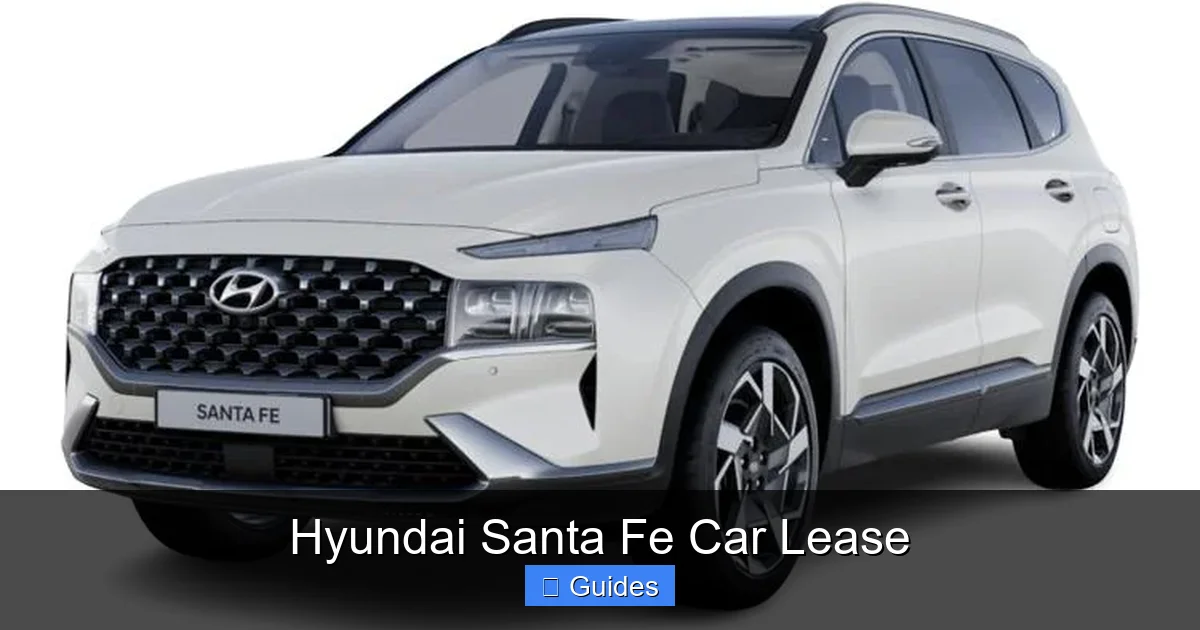
Leasing a Hyundai Santa Fe offers an affordable way to drive a new, feature-packed SUV without the long-term commitment of ownership. With competitive monthly payments, warranty coverage, and the latest tech, it’s a smart choice for families and commuters alike.
Thinking about getting behind the wheel of a stylish, capable SUV without the long-term financial commitment of buying? A Hyundai Santa Fe car lease might be exactly what you’re looking for. This popular midsize SUV has earned a reputation for reliability, comfort, and value—and leasing it makes those benefits even more accessible.
Leasing isn’t just for luxury cars anymore. With rising vehicle prices and rapid advancements in automotive technology, more drivers are choosing to lease their next ride. The Hyundai Santa Fe, with its spacious interior, advanced safety features, and smooth ride, is a top contender in the competitive SUV market. And when you lease, you get to enjoy all these perks at a fraction of the cost of ownership.
Whether you’re a busy parent shuttling kids to school, a professional commuting to the office, or someone who loves weekend adventures, the Santa Fe offers versatility and peace of mind. Leasing lets you drive a nearly new vehicle with the latest tech, all while keeping your monthly payments low and predictable. In this guide, we’ll walk you through everything you need to know about leasing a Hyundai Santa Fe—from how it works to tips for getting the best deal.
In This Article
- 1 Key Takeaways
- 2 📑 Table of Contents
- 3 Why Choose a Hyundai Santa Fe?
- 4 How Does a Hyundai Santa Fe Car Lease Work?
- 5 Benefits of Leasing vs. Buying a Hyundai Santa Fe
- 6 Hyundai Santa Fe Lease Deals and Incentives
- 7 Tips for Getting the Best Hyundai Santa Fe Lease Deal
- 8 What to Expect at the End of Your Lease
- 9 Is a Hyundai Santa Fe Lease Right for You?
- 10 Frequently Asked Questions
- 10.1 How much does it cost to lease a Hyundai Santa Fe?
- 10.2 Can I lease a Hyundai Santa Fe with bad credit?
- 10.3 What happens if I go over my mileage limit?
- 10.4 Can I negotiate a Hyundai Santa Fe lease?
- 10.5 Is it better to lease or buy a Hyundai Santa Fe?
- 10.6 Can I end my Hyundai Santa Fe lease early?
Key Takeaways
- Lower Monthly Payments: Leasing a Hyundai Santa Fe typically costs less per month than financing a purchase, freeing up your budget for other expenses.
- Warranty Coverage Included: Most leases fall within the factory warranty period, so repairs and maintenance are often covered, reducing out-of-pocket costs.
- Drive the Latest Model: Leasing allows you to upgrade to a new Santa Fe every few years with updated safety, tech, and design features.
- Flexible Mileage Options: Choose a lease plan that matches your driving habits, whether you’re a city commuter or frequent road tripper.
- Minimal Down Payment: Many Hyundai Santa Fe lease deals require little or no money down, making it easier to get behind the wheel.
- No Resale Hassle: At the end of the lease, simply return the vehicle—no need to sell or trade it in.
- Tax Advantages for Business Use: If you use the Santa Fe for work, you may be able to deduct a portion of lease payments as a business expense.
📑 Table of Contents
- Why Choose a Hyundai Santa Fe?
- How Does a Hyundai Santa Fe Car Lease Work?
- Benefits of Leasing vs. Buying a Hyundai Santa Fe
- Hyundai Santa Fe Lease Deals and Incentives
- Tips for Getting the Best Hyundai Santa Fe Lease Deal
- What to Expect at the End of Your Lease
- Is a Hyundai Santa Fe Lease Right for You?
Why Choose a Hyundai Santa Fe?
The Hyundai Santa Fe has been a favorite among SUV buyers for years—and for good reason. It strikes a perfect balance between practicality, comfort, and modern design. Whether you’re comparing it to rivals like the Toyota Highlander, Honda Pilot, or Ford Explorer, the Santa Fe consistently stands out for its value and features.
One of the biggest draws is its spacious interior. With seating for up to seven passengers (depending on the trim), the Santa Fe offers ample legroom and headroom in all three rows. That makes it ideal for families or anyone who frequently transports friends or gear. The cargo space is equally impressive, with up to 80 cubic feet available when the rear seats are folded down.
But it’s not just about space. The Santa Fe comes packed with standard features, even on the base model. You’ll get an 8-inch touchscreen, Apple CarPlay, Android Auto, Bluetooth connectivity, and a suite of advanced safety technologies like forward collision warning, lane departure warning, and driver attention monitoring. Higher trims add even more luxury, including leather seats, a panoramic sunroof, a premium sound system, and a 12.3-inch digital instrument cluster.
Performance-wise, the Santa Fe delivers a smooth and confident ride. The standard 2.5-liter four-cylinder engine produces 191 horsepower, which is plenty for daily driving and highway merging. For those who want more power, the turbocharged 2.5-liter engine (available on higher trims) bumps output to 281 horsepower—perfect for towing or spirited driving. All models come with an eight-speed automatic transmission and front-wheel drive, with all-wheel drive available as an option.
Reliability is another strong point. Hyundai backs the Santa Fe with one of the best warranties in the industry: a 5-year/60,000-mile basic warranty and a 10-year/100,000-mile powertrain warranty. That kind of coverage gives drivers confidence that their vehicle will last—and when you lease, you’re typically covered for the entire lease term.
How Does a Hyundai Santa Fe Car Lease Work?
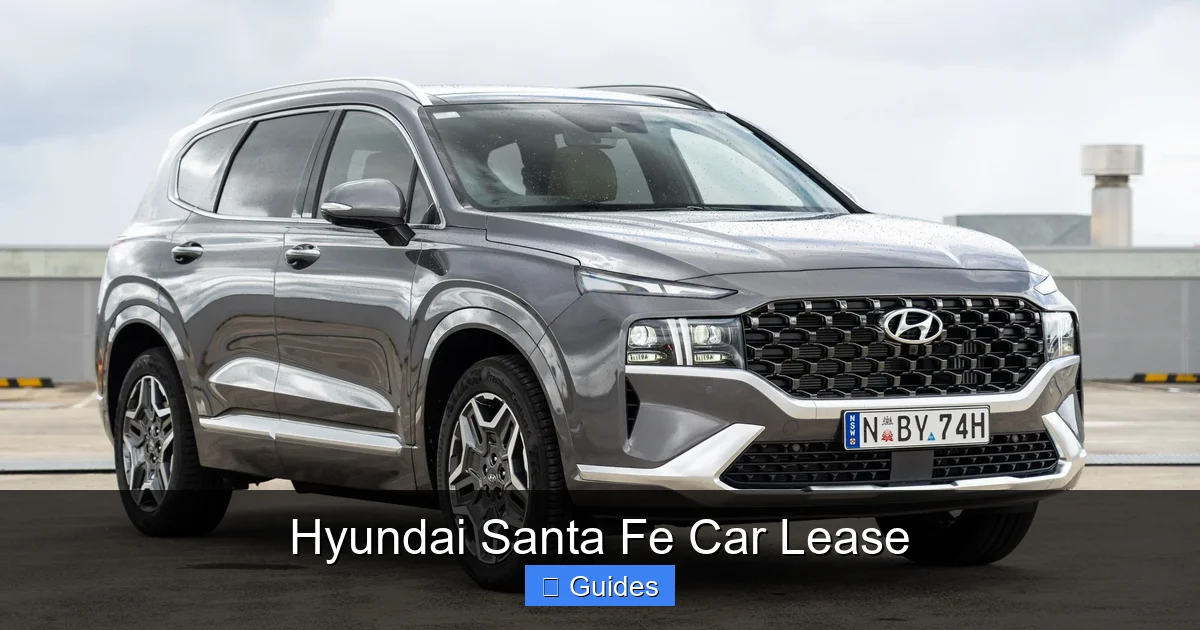
Visual guide about Hyundai Santa Fe Car Lease
Image source: images.carexpert.com.au
Leasing a Hyundai Santa Fe is simpler than you might think. At its core, a lease is like renting a car for a fixed period—usually 24 to 36 months—with the option to buy it at the end if you choose. Instead of paying off the entire value of the vehicle, you only pay for the portion you use during the lease term, known as depreciation.
Here’s how it breaks down: When you lease, the dealership estimates how much the Santa Fe will be worth at the end of the lease (this is called the residual value). Your monthly payments are based on the difference between the car’s current price and that future value, plus interest (called the money factor) and fees.
For example, let’s say a new Hyundai Santa Fe SEL has a sticker price of $38,000. The leasing company projects it will be worth $22,000 after three years. That means you’re essentially paying for $16,000 in depreciation, spread over 36 months, plus finance charges. The result? Lower monthly payments compared to buying.
Most leases also include mileage limits—typically 10,000, 12,000, or 15,000 miles per year. If you exceed that limit, you’ll pay a per-mile fee (often $0.15 to $0.25) at the end of the lease. But if you drive less than the allowance, you can sometimes negotiate a lower payment or roll over unused miles.
Another key component is the down payment, or “cap cost reduction.” This is money you pay upfront to lower your monthly payments. Some deals advertise “$0 down,” but keep in mind that this often means higher monthly payments or a shorter lease term. We’ll talk more about negotiating the best deal later.
At the end of the lease, you have three options: return the car and walk away (the most common choice), lease a new Santa Fe, or buy the vehicle at its residual value. Buying at the end can be a smart move if the car has held its value well and you’ve grown attached to it.
Benefits of Leasing vs. Buying a Hyundai Santa Fe
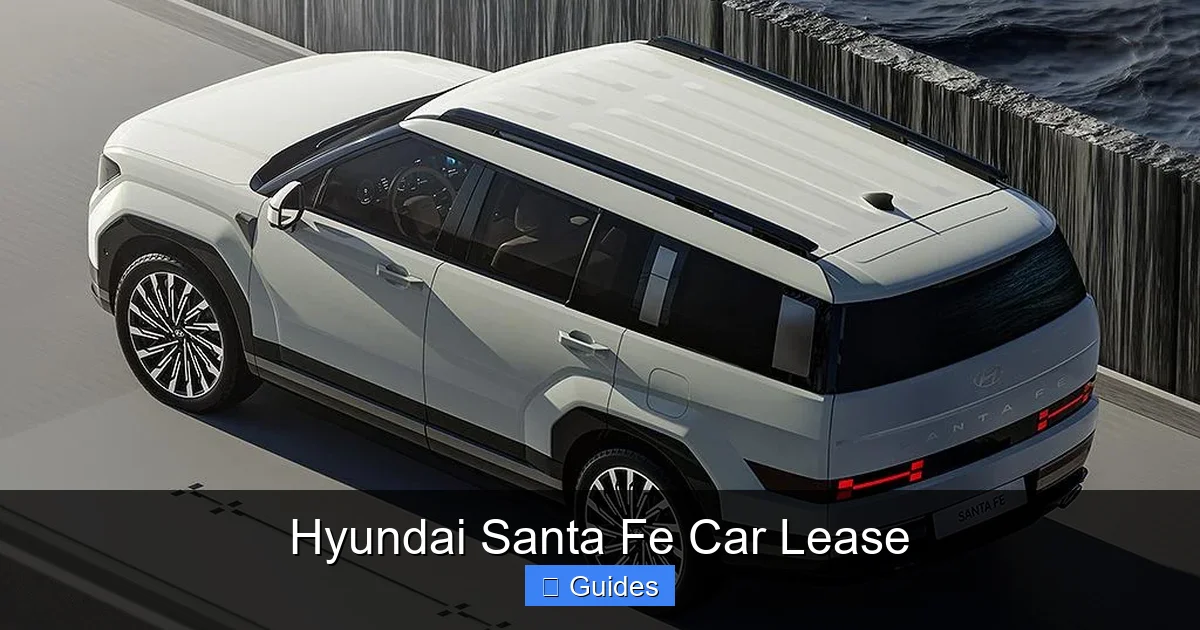
Visual guide about Hyundai Santa Fe Car Lease
Image source: editorial.pxcrush.net
So, should you lease or buy your next Hyundai Santa Fe? The answer depends on your lifestyle, budget, and long-term goals. Let’s compare the two options to help you decide.
Lower Monthly Payments
One of the biggest advantages of leasing is affordability. Because you’re only paying for the vehicle’s depreciation during the lease term—not its full value—your monthly payments are significantly lower than if you financed a purchase. For example, a leased Santa Fe might cost $350–$450 per month, while buying the same model could run $500–$600 or more, depending on your loan terms.
This lower payment frees up cash for other priorities—like saving for a house, paying off debt, or investing. It also means you can afford a higher trim level or more features than you might if you were buying.
Warranty Protection
Most Hyundai Santa Fe leases last 24 to 36 months, which fits neatly within the factory warranty period. That means if something goes wrong—whether it’s a faulty sensor or a transmission issue—you’re covered at no extra cost. You won’t have to worry about surprise repair bills, which can be a major expense for used or older vehicles.
Always Drive New
Technology in cars evolves quickly. Features like adaptive cruise control, wireless charging, and over-the-air software updates are becoming standard—even on mainstream models like the Santa Fe. By leasing, you can upgrade to a new model every few years and always have the latest safety and infotainment tech.
This is especially appealing if you enjoy having the newest gadgets or want to stay ahead of maintenance cycles. You’ll never be stuck driving an outdated vehicle.
No Resale Stress
Selling a car privately can be a hassle. You have to clean it, fix minor issues, list it online, meet with potential buyers, and negotiate the price. With a lease, you simply return the car at the end of the term (assuming it’s in good condition and within mileage limits). No ads, no test drives, no haggling.
Tax Benefits for Business Use
If you use your Santa Fe for work—say, as a real estate agent, salesperson, or delivery driver—you may be able to deduct a portion of your lease payments as a business expense. This can lead to significant tax savings. Be sure to consult a tax professional to understand the rules and keep accurate records.
Of course, leasing isn’t perfect for everyone. You don’t build equity like you would with a purchase, and you’re limited by mileage and wear-and-tear guidelines. But for many drivers, the benefits far outweigh the drawbacks.
Hyundai Santa Fe Lease Deals and Incentives
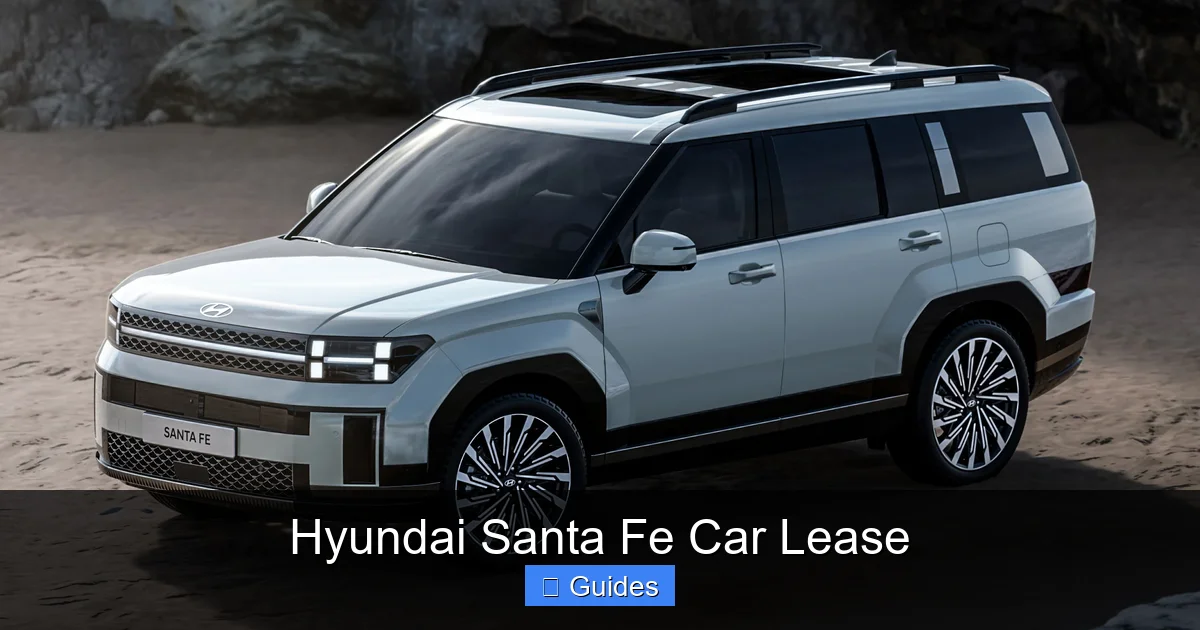
Visual guide about Hyundai Santa Fe Car Lease
Image source: carscoops.com
Hyundai frequently offers special lease deals on the Santa Fe, especially at the end of the model year or during holiday sales events. These promotions can include low monthly payments, reduced down payments, or waived fees—making it even more affordable to get behind the wheel.
As of early 2024, typical Santa Fe lease offers include:
– $299–$399 per month for 36 months
– $2,999 due at signing (including first month’s payment, security deposit, and fees)
– 10,000–12,000 miles per year
– $0.20 per mile over the limit
Some deals may require excellent credit (typically a FICO score of 700 or higher), while others are more flexible. Hyundai also offers loyalty incentives for returning lessees and conquest bonuses for drivers switching from competing brands.
It’s important to read the fine print. Look for hidden fees, such as acquisition fees (usually around $650), disposition fees (charged when you return the car), and excess wear-and-tear charges. Also, confirm whether taxes and registration are included in the advertised payment or added on top.
To find the best deal, check Hyundai’s official website, visit local dealerships, and compare offers from multiple locations. Online tools like Edmunds, Kelley Blue Book, and TrueCar can also help you see what others in your area are paying.
Tips for Getting the Best Hyundai Santa Fe Lease Deal
Leasing a car is a negotiation—just like buying. With the right strategy, you can save hundreds or even thousands of dollars over the life of your lease. Here are some proven tips to help you get the best deal on a Hyundai Santa Fe.
Know Your Credit Score
Your credit score plays a big role in determining your lease terms. The higher your score, the lower your interest rate (money factor). Aim for a score of 700 or above to qualify for the best offers. If your score is lower, consider improving it before applying—or look for special financing programs.
Negotiate the Capitalized Cost
The capitalized cost is the price of the car you’re leasing—similar to the purchase price when buying. Just because a dealer quotes a “lease special” doesn’t mean you can’t negotiate. Research the Santa Fe’s invoice price (what the dealer paid) using tools like Edmunds or KBB, and aim to lease it for close to that amount.
Watch the Money Factor
The money factor is the lease equivalent of an interest rate. It’s usually a small decimal like 0.00125. To convert it to an APR, multiply by 2,400. So 0.00125 = 3% APR. Ask the dealer to disclose the money factor and compare it to current auto loan rates.
Choose the Right Lease Term and Mileage
Shorter leases (24 months) often have lower monthly payments but higher per-mile costs if you go over. Longer leases (36 months) spread out depreciation more evenly. Choose a mileage allowance that matches your driving habits. If you only drive 8,000 miles a year, don’t pay for 15,000.
Avoid Unnecessary Add-Ons
Dealers may try to sell you extras like gap insurance, maintenance packages, or tire protection. While some are useful, others are overpriced. Gap insurance is often included in leases, and Hyundai’s warranty covers most maintenance. Read each add-on carefully and only agree to what you truly need.
Time Your Lease Right
End-of-month, end-of-quarter, and end-of-year are prime times to lease. Dealers are trying to meet sales goals and may offer better deals to close a contract. Also, look for holiday promotions like Memorial Day, Black Friday, or year-end clearance events.
What to Expect at the End of Your Lease
After 24 or 36 months, your Hyundai Santa Fe lease will come to an end. Here’s what happens next—and how to prepare.
First, you’ll schedule a vehicle inspection. A Hyundai representative will check for excess wear and tear, such as dents, scratches, or interior damage beyond normal use. Minor issues like small scuffs are usually acceptable, but major damage may result in charges.
You’ll also need to confirm your mileage. If you’ve stayed within the limit, great! If not, you’ll pay the per-mile fee. Keep a log of your odometer readings throughout the lease to avoid surprises.
Once the inspection is complete, you can choose one of three paths:
1. **Return the car** – This is the most common option. You’ll sign some paperwork, hand over the keys, and walk away (after paying any remaining fees).
2. **Lease a new Santa Fe** – Many drivers love the Santa Fe so much they lease a newer model right away. Hyundai often offers loyalty incentives for returning customers.
3. **Buy the vehicle** – If you’ve fallen in love with your Santa Fe, you can purchase it at the residual value stated in your lease agreement. This can be a great deal if the car has held its value well.
Before returning the car, clean it thoroughly—inside and out. A clean vehicle makes a good impression and may reduce wear-and-tear charges. Remove all personal items and documents.
Finally, review your lease agreement one last time to ensure all terms have been met. Once everything checks out, you’re free to move on to your next adventure—whether that’s another lease, a purchase, or something completely different.
Is a Hyundai Santa Fe Lease Right for You?
Deciding whether to lease a Hyundai Santa Fe comes down to your personal needs and financial situation. Ask yourself these questions:
– Do I prefer lower monthly payments?
– Do I drive fewer than 12,000 miles per year?
– Do I like having the latest technology and safety features?
– Am I comfortable returning a car every few years?
– Do I want to avoid repair costs and resale hassles?
If you answered “yes” to most of these, leasing could be a great fit. The Hyundai Santa Fe offers the perfect blend of space, comfort, and value—and leasing makes it even more accessible.
On the other hand, if you drive a lot, prefer to customize your vehicle, or want to build equity over time, buying might be the better choice. But for many drivers—especially those who value flexibility and affordability—a Santa Fe lease is a smart, stress-free way to enjoy a top-rated SUV.
In the end, the goal is to find a solution that fits your lifestyle and budget. With its strong reputation, generous warranty, and attractive lease deals, the Hyundai Santa Fe stands out as one of the best SUVs to lease in its class.
Frequently Asked Questions
How much does it cost to lease a Hyundai Santa Fe?
Monthly payments for a Hyundai Santa Fe lease typically range from $299 to $450, depending on the trim, lease term, down payment, and your credit score. Most deals require $2,500 to $4,000 due at signing.
Can I lease a Hyundai Santa Fe with bad credit?
It’s possible, but you may face higher interest rates or require a larger down payment. Some dealers offer special financing programs for buyers with lower credit scores, but terms won’t be as favorable as for those with excellent credit.
What happens if I go over my mileage limit?
If you exceed your annual mileage allowance, you’ll be charged a per-mile fee—usually $0.15 to $0.25—at the end of the lease. For example, driving 2,000 extra miles could cost $300 to $500.
Can I negotiate a Hyundai Santa Fe lease?
Yes! You can negotiate the capitalized cost (price), money factor (interest rate), and lease terms just like when buying a car. Research fair market values and be prepared to walk away if the deal isn’t right.
Is it better to lease or buy a Hyundai Santa Fe?
Leasing is better if you want lower payments, drive less, and prefer driving new cars every few years. Buying is better if you drive a lot, want to customize your vehicle, or plan to keep it long-term.
Can I end my Hyundai Santa Fe lease early?
Ending a lease early is possible but usually comes with penalties, such as paying the remaining payments or a termination fee. Some leases allow early termination if you lease another Hyundai, but check your contract for details.

At CarLegit, we believe information should be clear, factual, and genuinely helpful. That’s why every guide, review, and update on our website is created with care, research, and a strong focus on user experience.