
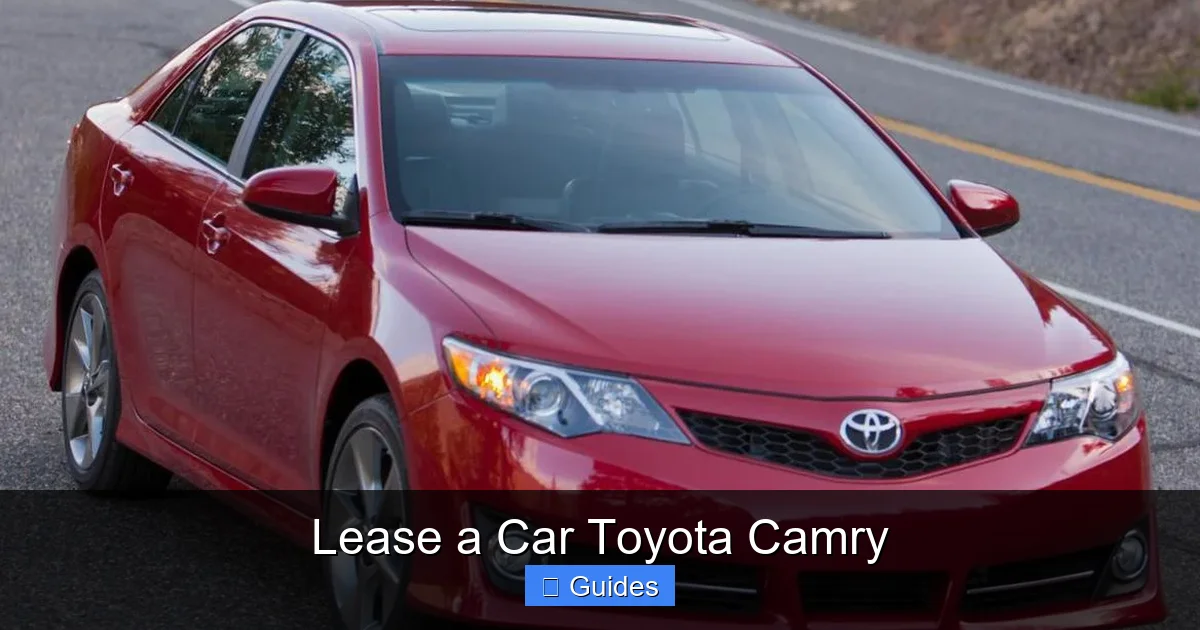
Leasing a Toyota Camry offers a smart, affordable way to drive a reliable, fuel-efficient sedan with the latest features—without the long-term commitment of ownership. With low monthly payments, warranty coverage, and the chance to upgrade every few years, it’s a practical choice for budget-conscious drivers who want a new car experience without the hassle.
Thinking about leasing a car? The Toyota Camry is one of the most popular choices—and for good reason. It’s reliable, fuel-efficient, comfortable, and packed with modern features that make every drive enjoyable. Whether you’re commuting to work, shuttling kids to school, or taking weekend road trips, the Camry delivers a smooth, quiet ride that stands the test of time.
But why lease instead of buy? Leasing a Toyota Camry gives you access to a nearly new vehicle with lower monthly payments, full warranty coverage, and the flexibility to drive a different model every few years. It’s perfect if you like having the latest tech, safety features, and styling without the long-term commitment of ownership. Plus, you avoid the stress of selling or trading in a car down the road.
In this guide, we’ll walk you through everything you need to know about how to lease a car Toyota Camry—from understanding lease terms and comparing deals to negotiating the best offer and preparing for lease-end. Whether you’re a first-time lessee or just exploring your options, this guide will help you make a smart, informed decision.
In This Article
- 1 Key Takeaways
- 2 📑 Table of Contents
- 3 Why Lease a Toyota Camry?
- 4 How Leasing a Toyota Camry Works
- 5 Finding the Best Lease Deals on a Toyota Camry
- 6 Tips for a Smooth Lease Experience
- 7 Who Should Lease a Toyota Camry?
- 8 Final Thoughts: Is Leasing a Toyota Camry Right for You?
- 9 Frequently Asked Questions
Key Takeaways
- Lower Monthly Payments: Leasing a Toyota Camry typically costs less per month than buying, freeing up your budget for other expenses.
- Warranty Protection: Most leases cover the full factory warranty period, so repairs are usually covered, reducing out-of-pocket costs.
- Drive Newer Models: Leasing lets you upgrade to a new Camry every 2–4 years with updated tech, safety, and design.
- Minimal Down Payment: Many lease deals require little or no down payment, making it easier to get behind the wheel quickly.
- Mileage and Wear Limits: Be aware of mileage caps (usually 10,000–15,000 miles/year) and potential fees for excess wear or damage.
- No Resale Hassle: At lease end, simply return the car—no need to sell or trade it in yourself.
- Tax Benefits for Business Use: If used for work, you may deduct a portion of lease payments as a business expense.
📑 Table of Contents
Why Lease a Toyota Camry?
The Toyota Camry has been a top-selling sedan in the U.S. for decades—and it’s easy to see why. It blends reliability, comfort, and value in a way few competitors can match. But beyond its reputation, leasing a Camry offers unique advantages that make it an appealing choice for many drivers.
Lower Monthly Payments Than Buying
One of the biggest reasons people choose to lease a car Toyota Camry is the cost savings. Monthly lease payments are typically 20% to 40% lower than loan payments for the same model. That’s because you’re only paying for the car’s depreciation during the lease term, not the full purchase price.
For example, a new 2024 Toyota Camry LE might cost around $30,000 to buy. With a 60-month loan at 5% interest, your monthly payment could be over $560. But with a 36-month lease, you might pay just $350–$450 per month—freeing up over $100 each month for other expenses.
Warranty Coverage for Peace of Mind
When you lease a Toyota Camry, you’re usually covered by the manufacturer’s full warranty for the entire lease term. Toyota’s basic warranty lasts 3 years or 36,000 miles, and the powertrain warranty extends to 5 years or 60,000 miles. That means if something goes wrong—like a transmission issue or electrical problem—you won’t have to pay out of pocket.
This is a huge advantage over buying a used car, where warranties may have expired. With a lease, you drive with confidence, knowing repairs are covered.
Access to the Latest Features
Technology in cars evolves quickly. Features like adaptive cruise control, wireless Apple CarPlay, lane-keeping assist, and advanced infotainment systems are now standard or available on most new Camrys. Leasing lets you enjoy these upgrades every few years without paying full price for a new car each time.
Imagine driving a 2024 Camry with a 9-inch touchscreen, wireless phone charging, and Toyota Safety Sense 3.0—then upgrading to a 2027 model with even better fuel efficiency, enhanced AI assistants, and improved driver aids. That’s the beauty of leasing: you stay current without the long-term investment.
No Resale or Trade-In Hassle
Owning a car means eventually dealing with depreciation, selling, or trading it in. These tasks can be time-consuming and stressful. With a lease, you simply return the car at the end of the term (usually 24, 36, or 48 months) and walk away—or lease a new one.
No need to clean out the trunk, fix scratches, or negotiate with buyers. Toyota Financial Services handles the inspection, and as long as you’re within mileage and wear limits, the process is smooth and hassle-free.
Potential Tax Advantages
If you use your leased Camry for business—say, for client meetings, deliveries, or work travel—you may be able to deduct a portion of your lease payments as a business expense. The IRS allows deductions for the business-use percentage of lease payments, which can significantly reduce your taxable income.
For example, if you use your Camry 60% for work, you can deduct 60% of each monthly payment. Consult a tax professional to understand the rules and maximize your benefits.
How Leasing a Toyota Camry Works
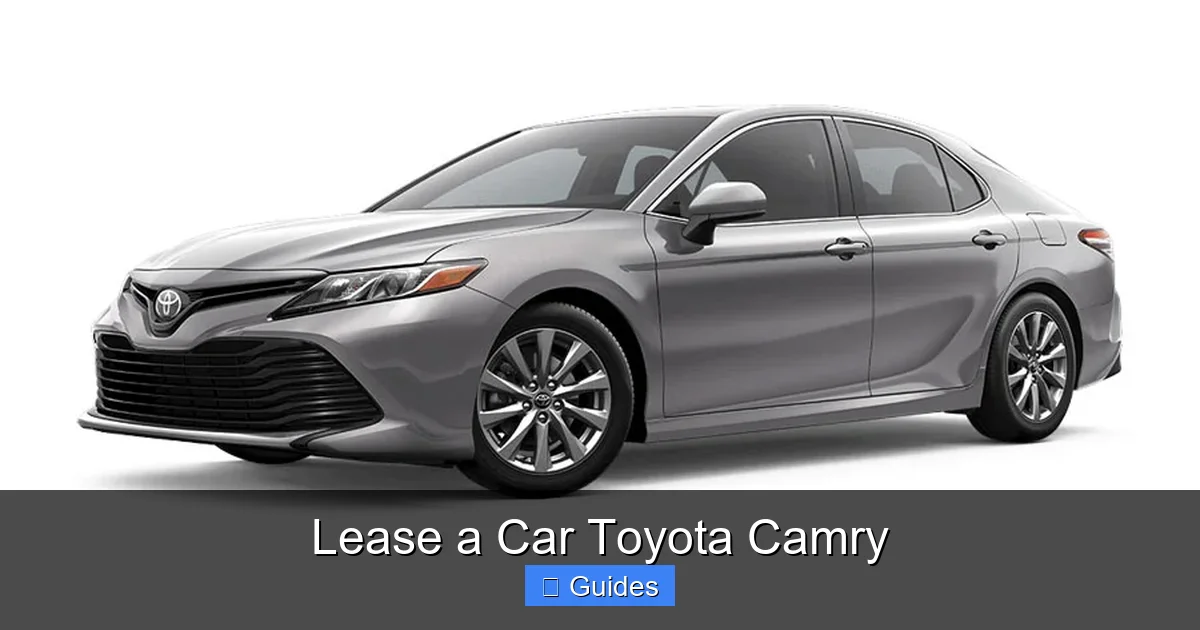
Visual guide about Lease a Car Toyota Camry
Image source: dev.dmautoleasing.com
Leasing a car might sound complicated, but it’s actually straightforward once you understand the basics. Think of it like renting a car for a long period—except you get to drive it every day, and the terms are more structured.
The Lease Agreement Explained
When you lease a Toyota Camry, you sign a contract with a leasing company (often Toyota Financial Services) that allows you to use the car for a set period—typically 24, 36, or 48 months. In return, you make monthly payments based on the car’s expected depreciation.
Here’s how it breaks down:
– **Capitalized Cost:** This is the negotiated price of the car, similar to the purchase price when buying.
– **Residual Value:** The estimated value of the car at the end of the lease. Toyota sets this based on market data and mileage.
– **Depreciation:** The difference between the capitalized cost and residual value. This is what you’re paying for each month.
– **Money Factor:** The lease’s interest rate, expressed as a decimal (e.g., 0.00250). Multiply by 2,400 to get the approximate APR.
– **Mileage Allowance:** The number of miles you can drive per year (usually 10,000, 12,000, or 15,000). Exceeding this incurs fees (typically $0.15–$0.25 per mile).
– **Down Payment (Cap Cost Reduction):** An upfront payment that reduces your monthly cost. Some leases offer $0 down.
Lease vs. Buy: A Quick Comparison
Let’s compare leasing a 2024 Toyota Camry LE for 36 months versus buying it with a 60-month loan.
| Factor | Lease | Buy |
|——–|——-|—–|
| Monthly Payment | $399 | $565 |
| Down Payment | $2,000 | $5,000 |
| Total 3-Year Cost | ~$16,364 | ~$25,340 |
| Ownership at End | No | Yes |
| Mileage Limit | 12,000/year | None |
| Maintenance | Covered under warranty | Your responsibility |
| Flexibility | Upgrade in 3 years | Keep or sell later |
As you can see, leasing saves money upfront and monthly, but you don’t own the car. Buying costs more but builds equity.
What Happens at the End of the Lease?
When your lease term ends, you have three options:
1. **Return the Car:** Schedule an inspection, pay any excess wear or mileage fees, and walk away.
2. **Lease a New Camry:** Many lessees choose to lease another Toyota, often with a loyalty incentive.
3. **Buy the Car:** You can purchase the Camry at its residual value. This is a good option if you’ve grown attached to the car or want to keep it long-term.
Most people choose to return the car or lease a new one, especially if they enjoy driving the latest models.
Finding the Best Lease Deals on a Toyota Camry
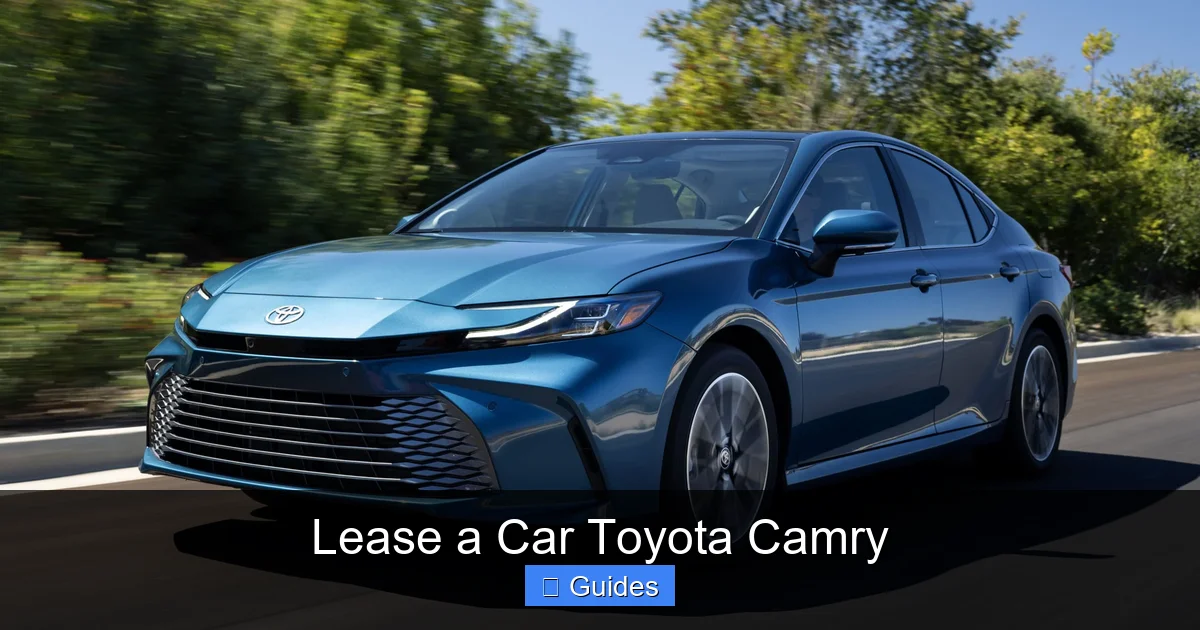
Visual guide about Lease a Car Toyota Camry
Image source: topgear.com
Not all lease offers are created equal. To get the best deal on a Toyota Camry, you need to shop around, understand incentives, and negotiate effectively.
Check Toyota’s Official Lease Offers
Toyota frequently runs promotional lease deals, especially at the end of the model year (July–September) or during holiday sales events. These offers often include:
– Low or $0 down payment
– Reduced monthly payments
– Extra mileage allowance
– Loyalty or conquest bonuses (for returning Toyota lessees or switching from another brand)
Visit Toyota.com and use the “Lease” tab to see current offers in your area. Enter your ZIP code to get personalized deals.
Compare Multiple Dealerships
Even with the same promotional offer, dealerships can vary in pricing. Some may add fees, while others may negotiate the capitalized cost lower. Get quotes from at least three Toyota dealers in your area.
Ask for a “lease worksheet” that breaks down:
– Capitalized cost
– Residual value
– Money factor
– Mileage allowance
– Any fees (acquisition, disposition, etc.)
This transparency helps you compare apples to apples.
Negotiate the Capitalized Cost
Just like when buying, you can negotiate the price of the car when leasing. The lower the capitalized cost, the lower your monthly payment. Aim to get the price as close to invoice as possible—or even below.
Tip: Use online pricing tools like Edmunds or Kelley Blue Book to find the invoice price and current market value. Bring this info to the dealership to strengthen your position.
Watch Out for Hidden Fees
Some dealers add unnecessary fees to boost profits. Common ones include:
– **Acquisition Fee:** $650–$1,000 (sometimes rolled into the lease)
– **Disposition Fee:** $300–$500 (charged at lease end if you return the car)
– **Documentation Fee:** $300–$800 (varies by state)
– **Excess Wear and Tear Charges:** Can add up if not careful
Ask the dealer to explain every fee and remove any that seem unreasonable.
Consider a Sign-and-Drive Deal
Many lease promotions are “sign-and-drive,” meaning you pay only the first month’s payment and fees at signing—no large down payment. This is great if you want to keep cash on hand.
For example, a sign-and-drive deal might require:
– First month’s payment: $399
– Acquisition fee: $650
– Taxes and registration: ~$300
– Total due at signing: ~$1,349
Compare this to a $3,000 down payment on a purchase—leasing is far more affordable upfront.
Tips for a Smooth Lease Experience
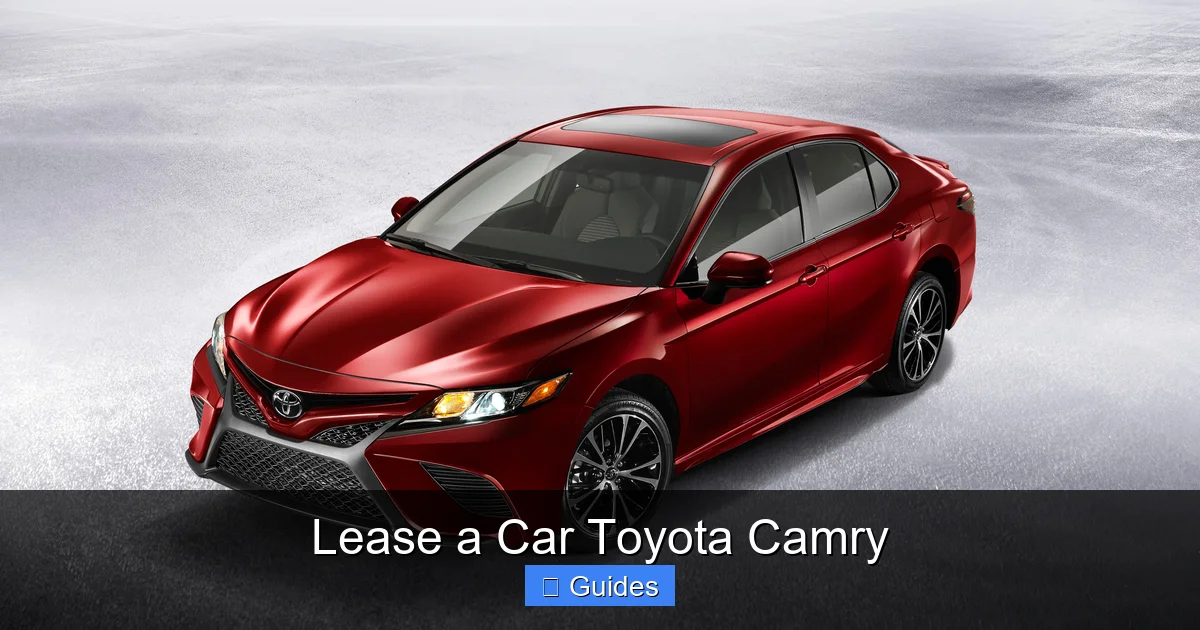
Visual guide about Lease a Car Toyota Camry
Image source: hdcarwallpapers.com
Leasing a Toyota Camry can be a great experience—if you go in prepared. Follow these tips to avoid common pitfalls and get the most out of your lease.
Stay Within Your Mileage Limit
Most leases include a mileage cap. If you drive more than allowed, you’ll pay extra—often $0.20 per mile. For example, driving 45,000 miles on a 36-month lease with a 12,000-mile annual limit means 9,000 excess miles. At $0.20/mile, that’s $1,800 in fees.
Solution: Choose a higher mileage allowance upfront (e.g., 15,000 miles/year) if you know you’ll drive more. It may increase your monthly payment slightly but saves money in the long run.
Maintain the Car Properly
Leased cars must be returned in good condition. Follow the maintenance schedule in your owner’s manual—oil changes, tire rotations, brake inspections, etc. Keep all service records.
Minor wear is expected, but excessive damage (dents, stains, broken parts) can result in charges. Use seat covers, floor mats, and a steering wheel cover to protect the interior.
Avoid Modifications
Leased cars must be returned in original condition. Don’t install aftermarket parts like spoilers, tinted windows, or performance chips unless approved by the leasing company. Removing them before return can be costly.
Stick to factory accessories or reversible add-ons.
Review the Lease Contract Carefully
Before signing, read every line of the lease agreement. Pay attention to:
– Lease term and mileage
– Monthly payment and due date
– Early termination penalties
– Wear and tear guidelines
– Purchase option at end of lease
Ask questions if anything is unclear. Once signed, you’re bound by the terms.
Consider Lease-End Protection
Some dealers offer “wear-and-tear protection” for an extra fee (~$500–$1,000). This covers minor damage like small dents, scratches, or carpet stains. It’s not required, but it can save money if you’re worried about fees.
Alternatively, budget $500–$1,000 at lease end for potential charges and handle repairs yourself.
Who Should Lease a Toyota Camry?
Leasing isn’t for everyone—but for the right person, it’s a smart financial move.
Ideal Candidates for Leasing
You might be a great fit for a Toyota Camry lease if you:
– Want lower monthly payments
– Prefer driving a new car every few years
– Don’t drive more than 12,000–15,000 miles per year
– Use your car for business (for tax deductions)
– Don’t want to deal with long-term maintenance or resale
Leasing is especially popular among professionals, small business owners, and tech-savvy drivers who value innovation.
When Leasing Might Not Be Right
Avoid leasing if you:
– Drive a lot (over 15,000 miles/year)
– Like to customize your car
– Plan to keep a car for 10+ years
– Want to build equity in a vehicle
– Live in an area with high tolls or frequent long trips
In these cases, buying—or even buying a used Camry—might be more cost-effective.
Leasing vs. Buying a Used Camry
Another option is buying a certified pre-owned (CPO) Toyota Camry. A 2-year-old CPO Camry might cost $22,000 with a 7-year/100,000-mile warranty. Monthly payments on a 60-month loan could be $400—similar to a lease, but you own the car at the end.
Pros of CPO:
– No mileage limits
– Lower depreciation
– Ownership and equity
Cons:
– Higher maintenance risk after warranty
– Older tech and design
– No upgrade flexibility
Weigh your priorities: lower cost and new features (lease) vs. ownership and long-term value (buy).
Final Thoughts: Is Leasing a Toyota Camry Right for You?
Leasing a Toyota Camry is a practical, cost-effective way to enjoy a reliable, comfortable, and tech-rich sedan without the long-term commitment of ownership. With lower monthly payments, full warranty coverage, and the freedom to upgrade every few years, it’s an attractive option for many drivers.
But it’s not a one-size-fits-all solution. Consider your driving habits, budget, and lifestyle before deciding. If you value flexibility, modern features, and predictable costs, leasing could be the perfect fit.
Take the time to compare offers, read the fine print, and ask questions. With the right preparation, leasing a Toyota Camry can be a smart, stress-free choice that keeps you behind the wheel of a car you love—without breaking the bank.
Frequently Asked Questions
How much does it cost to lease a Toyota Camry?
The cost to lease a Toyota Camry varies by model, location, and lease terms, but most 36-month leases range from $350 to $500 per month. Promotional deals may offer lower payments or $0 down, especially during sales events.
Can I lease a Toyota Camry with bad credit?
Yes, but your options may be limited. Some dealerships work with subprime lenders, but you may face higher interest rates (money factor) and require a larger down payment. Consider improving your credit before leasing or explore lease takeover programs.
What happens if I go over my mileage limit?
If you exceed your annual mileage allowance, you’ll be charged a per-mile fee—typically $0.15 to $0.25. For example, driving 1,000 extra miles could cost $150–$250. To avoid this, choose a higher mileage lease or buy the car at the end of the term.
Can I end my Toyota Camry lease early?
Yes, but early termination usually involves a penalty equal to several months of payments. Some leases allow transfer to another person (lease assumption), which can reduce or eliminate fees. Check your contract for details.
Do I need full coverage insurance when leasing a Toyota Camry?
Yes. Leasing companies require comprehensive and collision insurance with specific coverage limits (e.g., $100,000/$300,000 liability, $500 deductible). This protects their asset in case of damage or theft.
Can I negotiate a Toyota Camry lease?
Absolutely. You can negotiate the capitalized cost (price of the car), down payment, and even the money factor. Use pricing guides, get multiple quotes, and ask for a detailed lease worksheet to ensure a fair deal.

At CarLegit, we believe information should be clear, factual, and genuinely helpful. That’s why every guide, review, and update on our website is created with care, research, and a strong focus on user experience.