
Leasing a car is like renting it long-term—you pay to use it for a set period, usually 2-4 years, without owning it. You’ll make monthly payments based on the car’s depreciation, mileage, and fees, and return it at the end unless you choose to buy it.
In This Article
- 1 Key Takeaways
- 2 📑 Table of Contents
- 3 What Is a Car Lease?
- 4 How Does a Car Lease Work Step by Step?
- 5 Costs Involved in Leasing a Car
- 6 Pros and Cons of Leasing a Car
- 7 What Happens at the End of a Car Lease?
- 8 Is Leasing Right for You?
- 9 Tips for Getting the Best Car Lease Deal
- 10 Conclusion
- 11 Frequently Asked Questions
Key Takeaways
- You don’t own the car: Leasing means you’re paying for the vehicle’s use during the contract term, not its full value.
- Lower monthly payments: Lease payments are typically lower than loan payments because you’re only covering depreciation, not the entire cost.
- Mileage limits apply: Most leases include an annual mileage cap (e.g., 10,000–15,000 miles); exceeding it results in extra fees.
- Wear and tear matters: You’re responsible for excessive damage beyond “normal use,” which can lead to charges at lease end.
- Early termination fees: Ending a lease early usually incurs penalties, so it’s best to commit for the full term.
- Option to buy at the end: Many leases allow you to purchase the car at a pre-set residual value when the term ends.
- No equity buildup: Unlike buying, leasing doesn’t build ownership or resale value—you walk away with nothing at the end.
📑 Table of Contents
What Is a Car Lease?
Leasing a car might sound complicated, but it’s actually pretty straightforward once you break it down. Think of it as a long-term rental agreement. Instead of buying the vehicle outright, you pay to use it for a fixed period—usually 24, 36, or 48 months. At the end of that time, you return the car to the dealership (or leasing company), unless you decide to buy it.
Unlike financing a car with a loan, where your payments go toward owning the vehicle, lease payments only cover the car’s depreciation during your use, plus interest and fees. This means your monthly cost is often significantly lower than if you were making loan payments on the same model. But remember: you never actually own the car unless you exercise the purchase option at the end.
Car leasing has become increasingly popular over the past decade, especially among drivers who like driving newer models every few years, want lower upfront costs, or prefer predictable monthly expenses. It’s common for people leasing luxury vehicles, tech-forward EVs, or family SUVs—but almost any new car can be leased.
How Does a Car Lease Work Step by Step?
Understanding the leasing process helps you avoid surprises and make smarter decisions. Here’s how it typically unfolds:

Visual guide about How Does a Lease Work on a Car
Image source: mortgagehouse.com.au
1. Choose Your Vehicle and Lease Terms
Start by picking the make, model, trim level, and optional features you want. Then, decide on the lease length (most common: 36 months) and annual mileage limit (usually between 10,000 and 15,000 miles). The more miles you plan to drive, the higher your monthly payment will be—but you can often negotiate a custom mileage allowance.
For example, if you commute 20,000 miles a year, a standard 12,000-mile lease won’t work. You’d either need to upgrade to a higher-mileage package (which increases your payment) or consider buying instead.
2. Negotiate the Capitalized Cost
The capitalized cost is essentially the price of the car you’re leasing—similar to the negotiated sale price when buying. Just like with a purchase, you should aim to get this number as low as possible. Dealers may advertise “low lease payments,” but those are often based on inflated capitalized costs with hidden markups.
Tip: Research the invoice price (what the dealer paid) and use tools like Edmunds or Kelley Blue Book to find fair market values. A lower capitalized cost directly reduces your monthly payment.
3. Determine the Residual Value
The residual value is the estimated worth of the car at the end of the lease. Leasing companies calculate this based on the vehicle’s make, model, age, and expected depreciation. For instance, a car with a $40,000 MSRP might have a 60% residual value after 36 months—meaning it’s expected to be worth $24,000 at lease end.
Your monthly payment is largely based on the difference between the capitalized cost and the residual value (this is called “depreciation”). So, if you lease that $40,000 car for $36,000 (after negotiation) with a $24,000 residual, you’re paying for $12,000 in depreciation over 36 months—about $333 per month before fees and interest.
4. Factor in Money Factor and Fees
The money factor is the leasing equivalent of an interest rate. It’s usually a small decimal like 0.00250. To convert it to an approximate APR, multiply by 2,400 (so 0.00250 × 2,400 = 6% APR). A lower money factor means lower financing costs.
You’ll also pay various fees upfront, including:
- Acquisition fee: Charged by the leasing company (typically $500–$1,000).
- Down payment (cap cost reduction): Optional, but reduces monthly payments.
- Security deposit: Sometimes required (often refundable).
- First month’s payment: Usually due at signing.
- Taxes and registration: Vary by state.
Many dealers offer “sign-and-drive” leases where you pay little or nothing upfront—but this often means higher monthly payments to compensate.
5. Sign the Lease Agreement
Once everything is agreed upon, you’ll sign a contract outlining all terms: monthly payment, mileage limit, wear-and-tear guidelines, early termination penalties, and end-of-lease options. Read it carefully! Once signed, changes are difficult.
Pro tip: Take photos of the car’s condition before driving off the lot. This protects you from being charged for pre-existing damage later.
Costs Involved in Leasing a Car
Leasing isn’t free—even though monthly payments are lower, there are several costs to understand so you don’t get blindsided.
Visual guide about How Does a Lease Work on a Car
Image source: a.storyblok.com
Monthly Payment Breakdown
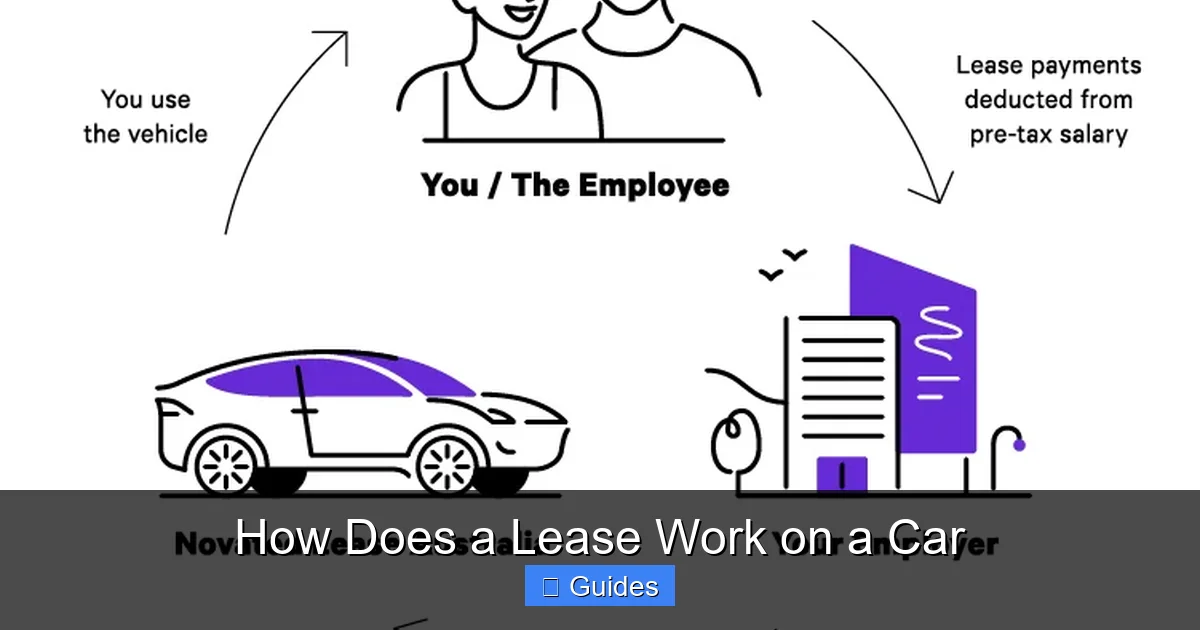
Your monthly lease payment includes three main components:
- Depreciation: The biggest portion—covers the car’s loss in value during your lease.
- Finance charge: Based on the money factor and the average of your capitalized cost and residual value.
- Taxes and fees: Sales tax (in most states), licensing, and administrative charges.
For example, a 36-month lease on a $35,000 car with a $21,000 residual and a 0.00200 money factor might result in a monthly payment around $350–$400, depending on taxes and fees.
Upfront Costs (Drive-Off Fees)
At signing, you’ll typically pay:
- First month’s payment
- Acquisition fee
- Security deposit (if required)
- Down payment (optional)
- Taxes, title, and registration
These can total $2,000–$5,000 or more, though some promotional leases advertise “$0 due at signing” (which just rolls costs into higher payments).
Excess Mileage and Wear Fees
If you exceed your annual mileage limit—say, you drive 18,000 miles in a year on a 12,000-mile lease—you’ll be charged per extra mile (often $0.10–$0.25). On a 36-month lease, that could add $2,160 in fees.
Similarly, returning the car with significant dents, scratches, stained upholstery, or mechanical issues beyond “normal wear” can trigger charges. Normal wear includes minor scuffs, tire tread within limits, and small paint chips—but not large dents or cracked windshields.
Pros and Cons of Leasing a Car
Leasing isn’t for everyone. Weigh these advantages and disadvantages to decide if it fits your lifestyle and budget.
Visual guide about How Does a Lease Work on a Car
Image source: a.storyblok.com
Advantages of Leasing
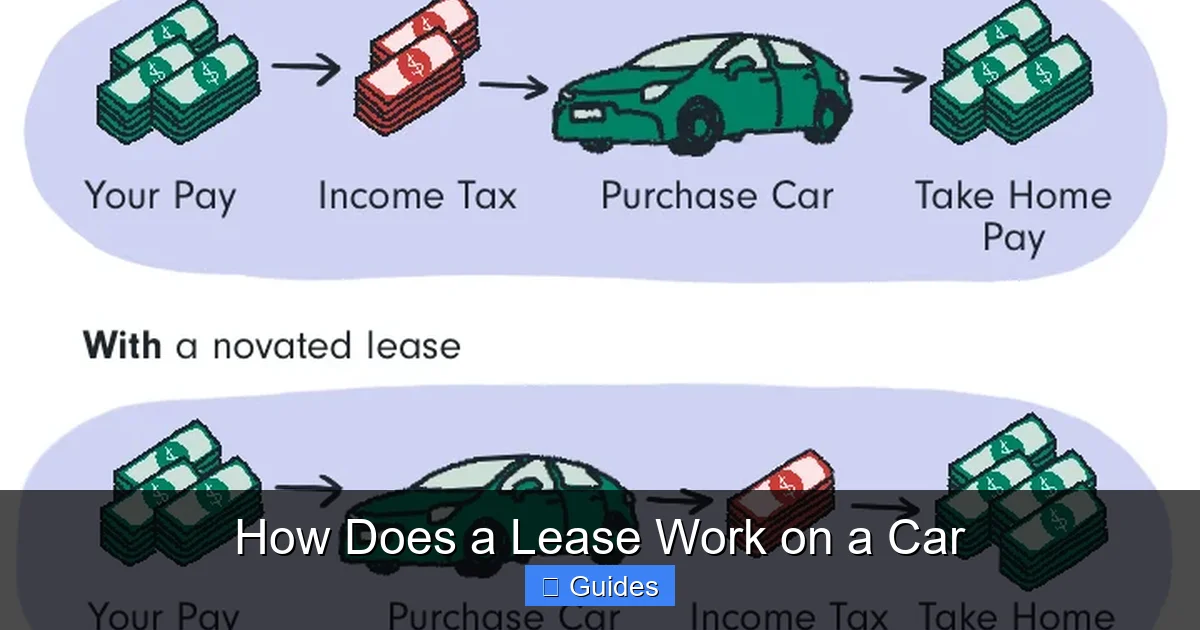
- Lower monthly payments: You’re not paying for the full value of the car, just its use.
- Drive a new car every few years: Great if you enjoy having the latest tech, safety features, or styling.
- Lower sales tax: In many states, you only pay tax on the monthly payment, not the full vehicle price.
- Warranty coverage: Most leases fall within the manufacturer’s bumper-to-bumper warranty, so repairs are usually covered.
- No trade-in hassle: Simply return the car at the end—no need to sell or negotiate with buyers.
Disadvantages of Leasing
- No ownership: You build no equity. After 3 years, you have nothing to show for your payments.
- Mileage restrictions: Exceeding limits costs money—and tracking mileage can be stressful.
- Fees for damage: Even small issues can lead to charges if they go beyond “normal wear.”
- Early termination penalties: Ending the lease early is expensive and complicated.
- Customization limits: You can’t modify the car (e.g., lift kits, aftermarket stereos) without risking penalties.
- Long-term cost: If you lease repeatedly, you’ll always have a car payment—unlike owning a paid-off vehicle.
For example, someone who leases a $400/month SUV every three years will pay $14,400 over nine years—and still not own a car. Meanwhile, buying that same SUV with a loan might cost $550/month for five years ($33,000 total), but then they own it outright and can drive it payment-free for years.
What Happens at the End of a Car Lease?
When your lease term ends, you have three main options—each with different financial implications.
Option 1: Return the Car
This is the most common path. Schedule an inspection with the leasing company (often done at a dealership). They’ll check for excess wear and verify your mileage. If everything’s within limits, you hand over the keys and walk away—no further obligation.
Tip: Clean the car thoroughly before return. A professional detail can save you hundreds in potential cleaning or damage fees.
Option 2: Buy the Car
Most leases include a purchase option at a pre-determined price (the residual value). If the car’s market value is higher than the residual, you’re getting a great deal. For instance, if your lease-end buyout is $22,000 but the car is worth $26,000, you could buy it and sell it for a profit—or keep it and enjoy no more payments.
However, if the market value is lower than the residual (common with rapidly depreciating models), buying may not make sense unless you plan to keep the car long-term.
Option 3: Lease a New Car
Many lessees simply move into a new lease—sometimes even the same model. Dealers often incentivize this with loyalty bonuses or waived fees. It’s convenient, but remember: you’re starting the cycle over with no equity built.
Some programs even allow you to “roll over” any equity from your current car (if its value exceeds the residual) into a down payment on your next lease—but this is rare and depends on market conditions.
Is Leasing Right for You?
Ask yourself these questions before signing:
- Do I drive less than 15,000 miles per year?
- Do I prefer driving a new car every 2–4 years?
- Can I afford the upfront fees and monthly payments?
- Am I okay with never owning the vehicle?
- Will I take good care of the car to avoid wear-and-tear charges?
If you answered “yes” to most, leasing could be a smart choice. But if you drive a lot, love customizing your ride, or want to eventually own a car free and clear, buying might be better.
Also consider your financial discipline. Leasing works best for people who stick to budgets and don’t impulse-upgrade every few years. Otherwise, you could end up in a cycle of perpetual payments with nothing to show for it.
Tips for Getting the Best Car Lease Deal
Don’t just accept the first offer. With a little strategy, you can save hundreds or even thousands.
Negotiate Like You’re Buying
Even though you’re leasing, the capitalized cost is negotiable. Use the same tactics you’d use when buying: research invoice prices, compare offers from multiple dealers, and don’t be afraid to walk away.
Time Your Lease
End-of-quarter or end-of-year sales often come with manufacturer incentives, including reduced money factors or cash credits applied to leases. Winter months (January–March) can also be good times to lease, as demand is lower.
Avoid Large Down Payments
Putting money down (called a “cap cost reduction”) lowers your monthly payment—but if the car is totaled or stolen, you likely won’t get that money back. Instead, consider rolling any available incentives into the lease or using a low down payment to preserve cash.
Check for Loyalty or Conquest Offers
Manufacturers often offer special lease deals for returning customers (loyalty) or drivers switching from a competitor brand (conquest). These can include waived acquisition fees or reduced payments.
Read the Fine Print
Pay attention to early termination clauses, gap insurance requirements, and disposition fees (charged when you return the car). Some leases include “wear-and-tear waivers” for an added fee—but evaluate if it’s worth the cost based on your driving habits.
Finally, always get a written lease worksheet from the dealer showing all calculations. This transparency helps you spot inflated fees or unrealistic residuals.
Conclusion
Leasing a car can be a smart, cost-effective way to enjoy a new vehicle with lower monthly payments and minimal maintenance worries—especially if you drive responsibly and stay within mileage limits. It’s ideal for people who value flexibility, newer technology, and predictable expenses.
But it’s not a path to ownership. You’ll never build equity, and long-term costs can add up if you lease repeatedly. By understanding how leases work—from capitalized cost and residual value to end-of-lease options—you can make an informed decision that aligns with your financial goals and lifestyle.
Whether you choose to lease or buy, the key is knowing what you’re signing up for. Take your time, ask questions, and remember: the best deal isn’t always the one with the lowest monthly payment—it’s the one that fits your life.
Frequently Asked Questions
Can you negotiate a car lease?
Yes! You can negotiate the capitalized cost (price of the car), money factor (interest rate), and even fees. Treat it like buying—research prices, get multiple quotes, and don’t accept the first offer.
What happens if I go over my mileage limit?
You’ll be charged per mile over the limit, typically $0.10–$0.25. For example, driving 3,000 extra miles on a 36-month lease could cost $300–$750 at lease end.
Can I end a car lease early?
Technically yes, but it’s expensive. Early termination usually requires paying remaining payments plus a penalty. Some third-party services specialize in lease transfers, which can reduce costs.
Do I need gap insurance on a lease?
Most leases require it. Gap insurance covers the difference between what you owe and the car’s value if it’s totaled or stolen—critical since leased cars depreciate fast.
Can I lease a used car?
Rarely. Most leases are for new vehicles only, though some certified pre-owned programs offer limited leasing options. Check with manufacturers or credit unions.
Is leasing cheaper than buying?
Short-term, yes—monthly payments are lower. Long-term, buying builds equity and eventually eliminates payments, while leasing means ongoing costs with no ownership.

At CarLegit, we believe information should be clear, factual, and genuinely helpful. That’s why every guide, review, and update on our website is created with care, research, and a strong focus on user experience.