
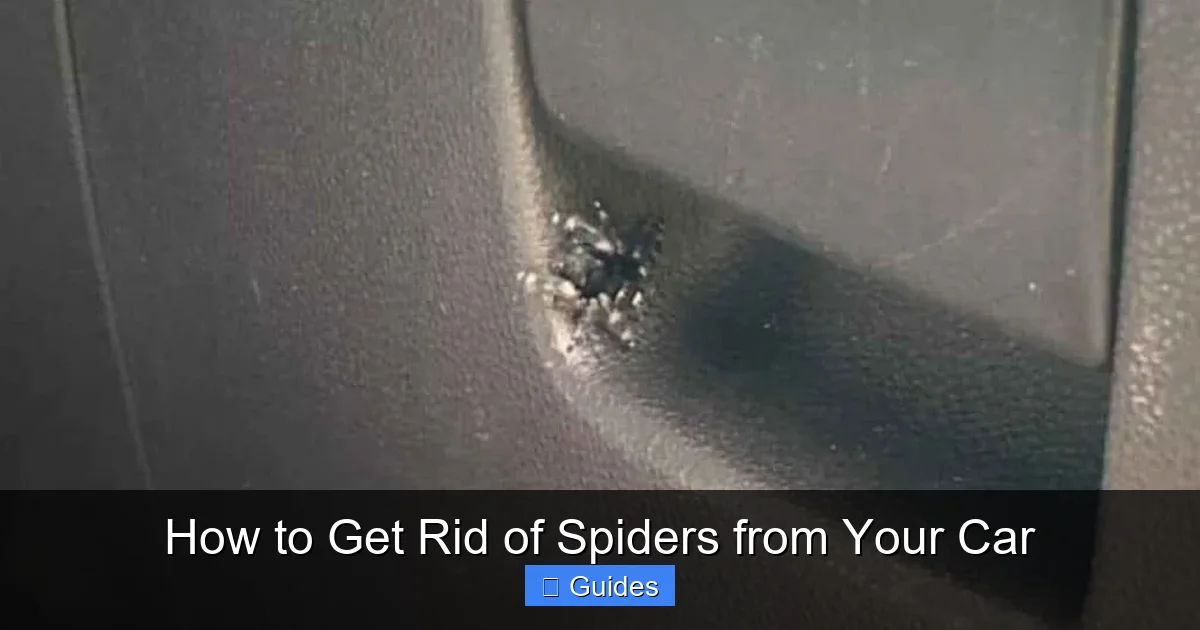
Spiders in your car can be unsettling and even dangerous if venomous species take up residence. This guide walks you through practical, step-by-step methods to remove spiders, clean your vehicle thoroughly, and prevent future infestations—keeping your drives safe and stress-free.
In This Article
- 1 Key Takeaways
- 2 📑 Table of Contents
- 3 Why Spiders Love Your Car (And How to Stop Them)
- 4 Where Spiders Hide in Your Car
- 5 Step-by-Step Guide to Removing Spiders from Your Car
- 5.1 Step 1: Park in a Safe, Well-Lit Area
- 5.2 Step 2: Open All Doors and Windows
- 5.3 Step 3: Inspect Thoroughly
- 5.4 Step 4: Remove Spiders Humanely
- 5.5 Step 5: Vacuum the Interior
- 5.6 Step 6: Wipe Down Surfaces
- 5.7 Step 7: Clean the Exterior and Engine Bay
- 5.8 Step 8: Check for Egg Sacs
- 5.9 Step 9: Repeat if Necessary
- 6 Natural and Chemical-Free Spider Repellents
- 7 How to Prevent Spiders from Returning
- 8 When to Call a Professional
- 9 Common Myths About Spiders in Cars
- 10 Final Thoughts: Stay Calm and Stay Clean
- 11 Frequently Asked Questions
Key Takeaways
- Inspect regularly: Check hidden areas like door panels, seat gaps, and under the dashboard to catch spider activity early.
- Clean thoroughly: Vacuum and wipe down interiors to remove webs, egg sacs, and food crumbs that attract spiders.
- Use natural repellents: Essential oils like peppermint, tea tree, and citrus deter spiders without harsh chemicals.
- Seal entry points: Close gaps around windows, doors, and vents to prevent spiders from entering your car.
- Park smart: Avoid parking near woodpiles, tall grass, or dark, damp areas where spiders thrive.
- Act quickly: Remove spiders and webs as soon as you spot them to prevent nesting and egg-laying.
- Know when to call a pro: If you find venomous spiders or a large infestation, seek professional pest control help.
📑 Table of Contents
- Why Spiders Love Your Car (And How to Stop Them)
- Where Spiders Hide in Your Car
- Step-by-Step Guide to Removing Spiders from Your Car
- Natural and Chemical-Free Spider Repellents
- How to Prevent Spiders from Returning
- When to Call a Professional
- Common Myths About Spiders in Cars
- Final Thoughts: Stay Calm and Stay Clean
Why Spiders Love Your Car (And How to Stop Them)
You’re cruising down the highway, windows down, enjoying the breeze—until you spot a spider dangling from the rearview mirror. Your heart skips a beat. Spiders in the car? Really? Unfortunately, yes. Cars, especially when parked for long periods or stored in garages, can become unexpected homes for these eight-legged visitors.
Spiders are drawn to quiet, undisturbed spaces where they can build webs and hunt insects. Your car offers plenty of cozy nooks: under seats, inside door panels, behind the glove compartment, and even in the trunk. Add in crumbs, dust, and moisture, and you’ve got the perfect spider habitat. While most spiders are harmless and actually help control other pests, their presence can be unsettling—and in rare cases, dangerous if venomous species like black widows or brown recluses take up residence.
The good news? You don’t have to live with spiders in your vehicle. With a few smart habits and cleaning routines, you can keep your car spider-free. This guide will walk you through everything you need to know—from identifying spider hotspots to using natural deterrents and preventing future infestations. Let’s get started.
Where Spiders Hide in Your Car
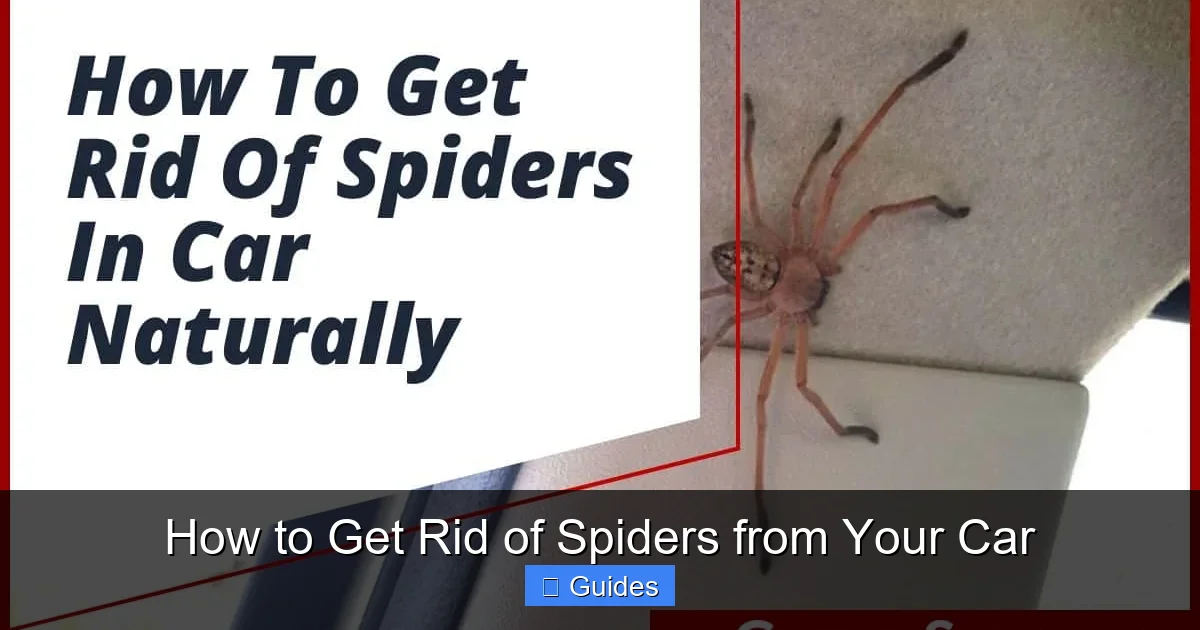
Visual guide about How to Get Rid of Spiders from Your Car
Image source: garagesee.com
Before you can effectively remove spiders, you need to know where they like to hide. Spiders are masters of stealth, preferring dark, quiet, and undisturbed areas. Here are the most common spots to check:
Under the Dashboard
The space beneath your dashboard is a prime spider hangout. It’s dark, rarely disturbed, and often collects dust and debris. Spiders can crawl in through air vents or gaps in the interior panels. Once inside, they may build webs near the heater or air conditioning ducts.
Inside Door Panels
Door panels have hollow spaces that are perfect for spiders. They can enter through small gaps around window seals or door handles. Over time, webs may form behind the panel, making them hard to spot.
Under Seats and in Seat Gaps
Cracks between seats and the floor are ideal for spiders. Food crumbs, pet hair, and dust accumulate here, attracting insects that spiders feed on. Regular vacuuming can help, but many people forget these tight spaces.
In the Trunk
The trunk is often dark and rarely cleaned thoroughly. Spiders may hide under spare tires, in tool compartments, or behind storage bins. If you store items like gym bags or groceries in the trunk, you’re also bringing in potential spider attractants.
Around Windows and Sunroofs
Gaps around window seals and sunroof edges can allow spiders to enter. Moisture buildup in these areas also makes them appealing. Check the rubber seals regularly for webs or egg sacs.
Behind the Glove Compartment
This small storage area is often overlooked during cleaning. Spiders may build webs behind it, especially if it’s rarely opened.
In the Engine Bay (Yes, Really!)
While less common, spiders can sometimes make their way into the engine compartment, especially if the car is parked near vegetation. They’re attracted to the warmth and shelter. Always inspect carefully before starting the engine.
Knowing these hiding spots is the first step in your spider-removal mission. The next step? A thorough cleaning.
Step-by-Step Guide to Removing Spiders from Your Car
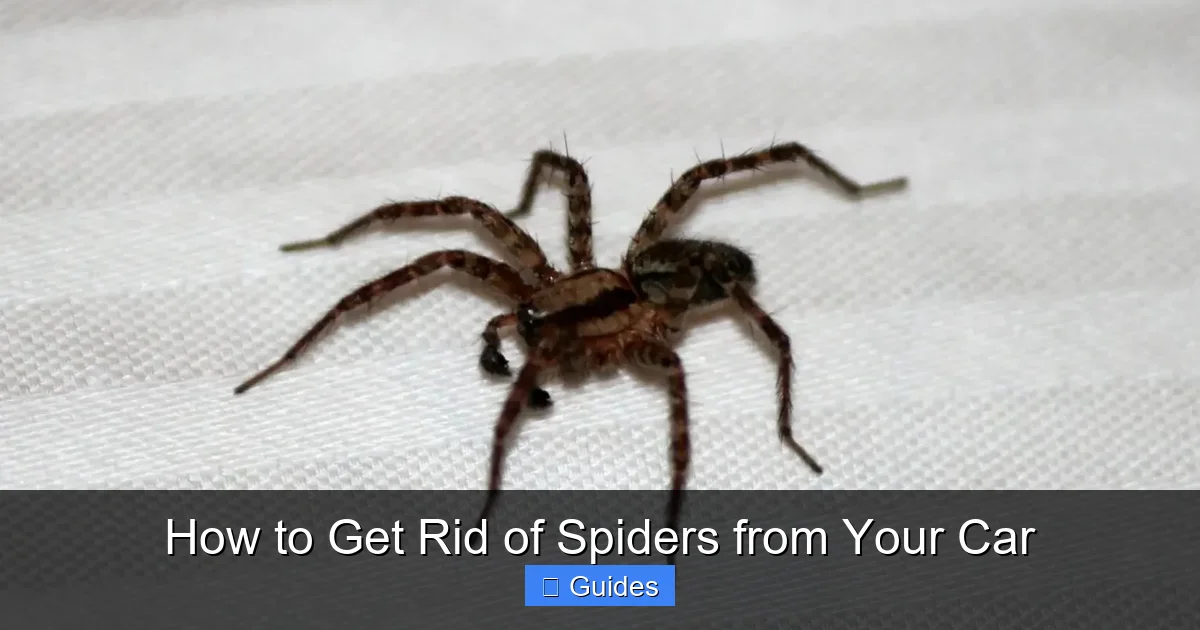
Visual guide about How to Get Rid of Spiders from Your Car
Image source: chetspest.com
Getting rid of spiders isn’t just about killing them—it’s about removing them humanely, cleaning up their webs and egg sacs, and making your car less inviting. Here’s a step-by-step plan to do it right.
Step 1: Park in a Safe, Well-Lit Area
Before you start, park your car in a bright, open space. Natural light helps you see webs and spiders more clearly. Avoid working in dim garages or at night unless you have strong lighting.
Step 2: Open All Doors and Windows
Give spiders a chance to leave on their own. Open all doors and windows for 10–15 minutes. Many spiders will exit if given the opportunity. This is the most humane first step.
Step 3: Inspect Thoroughly
Use a flashlight to check all the hiding spots mentioned earlier. Look for:
– Silk webs (especially in corners or near vents)
– Egg sacs (small, round, white or cream-colored bundles)
– Live spiders (common house spiders are usually brown or gray; venomous ones may have distinct markings)
Take photos if you’re unsure about the species—this can help you identify whether it’s dangerous.
Step 4: Remove Spiders Humanely
If you find a spider, don’t swat it. Instead, use the “cup and paper” method:
1. Place a clear cup or container over the spider.
2. Slide a piece of stiff paper or cardboard underneath.
3. Carry it outside and release it far from your home and car.
This method is safe for you and the spider. Remember, most spiders are beneficial—they eat mosquitoes, flies, and other pests.
Step 5: Vacuum the Interior
Use a handheld vacuum with a crevice tool to clean:
– Under seats
– Between seat cushions
– Around door panels
– In the trunk
– Behind the glove compartment
Focus on removing webs, egg sacs, and debris. Empty the vacuum canister outside immediately to prevent spiders from escaping back into your home.
Step 6: Wipe Down Surfaces
Use a microfiber cloth and a mild cleaner (like diluted dish soap or all-purpose cleaner) to wipe down:
– Dashboard
– Door handles
– Window seals
– Seat belts
– Floor mats
This removes dust, oils, and any remaining spider pheromones that might attract others.
Step 7: Clean the Exterior and Engine Bay
Wipe down window seals and door frames. If you suspect spiders in the engine bay, use a soft brush and compressed air to dislodge webs. Be cautious—never spray water directly into the engine unless you know it’s safe.
Step 8: Check for Egg Sacs
Egg sacs can contain hundreds of baby spiders. If you find one, seal it in a plastic bag and dispose of it outside. Don’t crush it—this can release the eggs.
Step 9: Repeat if Necessary
If you find multiple spiders or webs, repeat the process after a few days. Spiders may return if the environment is still attractive.
Natural and Chemical-Free Spider Repellents

Visual guide about How to Get Rid of Spiders from Your Car
Image source: tipsbulletin.com
You don’t need harsh chemicals to keep spiders away. In fact, natural repellents are safer for you, your passengers, and the environment. Here are some of the most effective options.
Peppermint Oil Spray
Spiders hate the strong scent of peppermint. To make a repellent:
1. Mix 10–15 drops of peppermint essential oil with 1 cup of water in a spray bottle.
2. Add a teaspoon of dish soap to help the solution stick to surfaces.
3. Spray around door frames, windows, under seats, and in the trunk.
Reapply every few days or after rain. Peppermint also leaves a fresh, clean smell.
Tea Tree Oil
Tea tree oil has natural antifungal and insect-repelling properties. Use it the same way as peppermint oil—mix with water and spray in key areas. It’s especially effective in damp spots like under the dashboard.
Vinegar Solution
White vinegar is a natural cleaner and spider deterrent. Mix equal parts vinegar and water in a spray bottle. Wipe down surfaces or spray in corners. The strong smell fades quickly but keeps spiders away.
Citrus Peels
Spiders dislike citrus scents. Place dried orange, lemon, or grapefruit peels in small sachets and tuck them under seats or in the glove compartment. Replace every few weeks.
Diatomaceous Earth (Food-Grade)
This fine powder is made from fossilized algae and is safe for humans and pets. Sprinkle a thin layer in corners, under seats, and in the trunk. It dehydrates spiders on contact. Vacuum it up after a few days.
Silica Gel Packs
Found in shoeboxes and electronics packaging, silica gel absorbs moisture. Place a few packs in your car to reduce humidity—spiders prefer damp environments.
Ultrasonic Pest Repellers
These plug-in devices emit high-frequency sounds that repel spiders and other pests. While results vary, some users report success. Plug one into your car’s 12V outlet when parked.
DIY Spider-Repellent Sachets
Make your own sachets using breathable fabric (like muslin). Fill with a mix of dried lavender, mint, and cloves. Place them in the trunk, under seats, or behind the glove compartment.
How to Prevent Spiders from Returning
Removing spiders is only half the battle. To keep them from coming back, you need to make your car unattractive to them. Prevention is key.
Keep Your Car Clean
Spiders are attracted to clutter and food debris. Make it a habit to:
– Vacuum weekly
– Wipe down surfaces monthly
– Remove trash and food wrappers immediately
– Avoid eating in the car when possible
A clean car is a spider-free car.
Reduce Moisture
Spiders thrive in damp environments. Use moisture absorbers like:
– Silica gel packs
– Moisture-absorbing car dehumidifiers
– Bags of charcoal or baking soda
Check for leaks in windows, sunroofs, or door seals. Repair them promptly.
Seal Entry Points
Inspect your car for gaps where spiders can enter:
– Window seals
– Door weather stripping
– Sunroof edges
– Vents and air intakes
Use silicone sealant or weather stripping to close small gaps. For larger openings, consult a mechanic.
Park Smart
Where you park matters. Avoid:
– Woodpiles or stacks of bricks
– Tall grass or overgrown shrubs
– Dark, damp garages without ventilation
– Areas with outdoor lighting (which attracts insects, and spiders follow the food)
If possible, park in a well-lit, dry area. Use a car cover if storing long-term.
Use Repellents Regularly
Don’t wait for spiders to appear. Use natural repellents like peppermint spray or citrus sachets as part of your monthly car maintenance routine.
Check After Long Trips
If you’ve been camping, hiking, or driving through rural areas, inspect your car afterward. Spiders can hitch a ride on gear, bags, or clothing.
Keep the Garage Clean
If you park in a garage, keep it tidy. Remove clutter, seal cracks in walls, and use dehumidifiers. A clean garage means fewer spiders near your car.
When to Call a Professional
Most spider issues can be handled with DIY methods. But sometimes, it’s best to call in the experts.
You Find Venomous Spiders
If you spot a black widow (shiny black with a red hourglass) or a brown recluse (light to dark brown with a violin-shaped mark), do not handle them. These spiders can deliver painful, potentially dangerous bites. Contact a licensed pest control professional immediately.
Large Infestations
If you find multiple webs, egg sacs, or spiders in several areas, you may have an infestation. Professionals can treat the car and surrounding areas safely and effectively.
Recurring Problems
If spiders keep returning despite your efforts, there may be a larger issue—like a nest near your parking spot or structural gaps in your car. A pest control expert can identify and solve the root cause.
Allergies or Phobias
If you or a family member has a spider phobia or allergies, professional removal can provide peace of mind. They’ll also advise on long-term prevention.
Classic or Vintage Cars
If you own a classic car that’s stored for long periods, spiders may be more common. Professionals can treat the vehicle without damaging delicate materials.
Common Myths About Spiders in Cars
There’s a lot of misinformation out there. Let’s clear up some common myths.
Myth: Spiders Crawl into Your Mouth While You Sleep
This is a persistent myth with no scientific basis. Spiders are shy and avoid humans. They’re more likely to flee than approach you.
Myth: All Spiders Are Dangerous
Most spiders are harmless. In fact, over 95% of spiders in North America are not a threat to humans. Only a few species, like black widows and brown recluses, have venom that can cause health issues.
Myth: Spiders Lay Eggs in Your Car and They’ll Hatch
While spiders can lay eggs in your car, they usually need specific conditions (like warmth and humidity) to hatch. Regular cleaning and ventilation reduce the risk.
Myth: Chemical Sprays Are the Only Solution
Harsh pesticides can be dangerous in enclosed spaces like cars. Natural repellents are often just as effective and much safer.
Myth: Spiders in Your Car Mean Your Home Is Infested
Not necessarily. Spiders may enter your car independently. A few spiders don’t indicate a larger problem—unless you see them frequently.
Final Thoughts: Stay Calm and Stay Clean
Finding a spider in your car can be startling, but it’s rarely a cause for panic. Most spiders are harmless and simply looking for a quiet place to live. By staying proactive—cleaning regularly, using natural repellents, and sealing entry points—you can keep your car spider-free.
Remember, the goal isn’t to wage war on spiders, but to make your vehicle an unattractive place for them to settle. A little prevention goes a long way. And if you do encounter a spider, handle it calmly and humanely. After all, they’re just trying to survive—like the rest of us.
With the tips in this guide, you’ll be ready to tackle any eight-legged visitor that dares to enter your ride. Safe driving—and spider-free travels!
Frequently Asked Questions
Are spiders in cars dangerous?
Most spiders found in cars are harmless and actually help control other pests like mosquitoes and flies. However, in rare cases, venomous species like black widows or brown recluses may enter vehicles, so it’s important to identify them and act cautiously.
How do spiders get into cars?
Spiders can enter through small gaps around windows, doors, sunroofs, and vents. They’re attracted to dark, quiet spaces and may crawl in when the car is parked near vegetation or stored for long periods.
Can I use bug spray to kill spiders in my car?
While chemical sprays can kill spiders, they’re not recommended for enclosed spaces like cars due to fumes and health risks. Natural repellents like peppermint oil or vinegar are safer and effective alternatives.
How often should I clean my car to prevent spiders?
Aim to vacuum your car at least once a week and do a deep clean monthly. Regular cleaning removes webs, egg sacs, and food debris that attract spiders and their prey.
What should I do if I find a spider egg sac?
Seal the egg sac in a plastic bag and dispose of it outside. Do not crush it, as this can release hundreds of baby spiders. Clean the area thoroughly to remove any remaining silk or debris.
Can spiders damage my car?
Spiders themselves don’t damage cars, but their webs can clog air vents or accumulate in hard-to-reach areas. In rare cases, large infestations may require professional cleaning to restore proper function.

At CarLegit, we believe information should be clear, factual, and genuinely helpful. That’s why every guide, review, and update on our website is created with care, research, and a strong focus on user experience.