
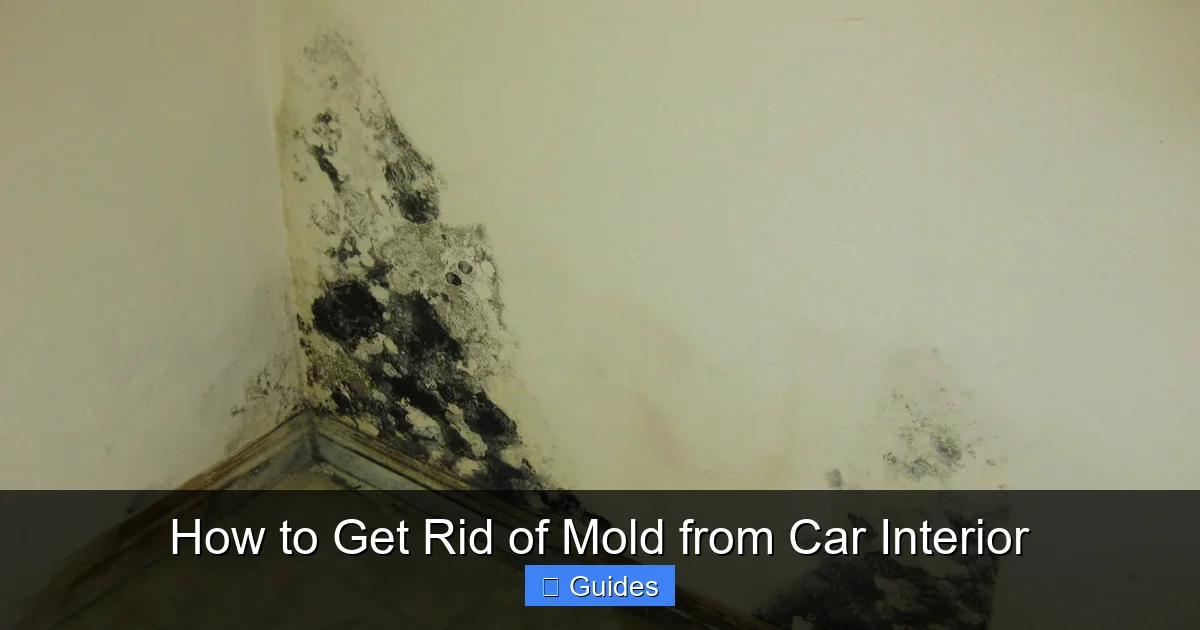
Mold in your car isn’t just unsightly—it can harm your health and damage your vehicle’s interior. This guide walks you through step-by-step methods to eliminate mold, from identifying the source to using safe cleaning solutions and preventing future growth.
In This Article
- 1 Key Takeaways
- 2 📑 Table of Contents
- 3 Why Mold Grows in Car Interiors—And Why It’s a Problem
- 4 Step 1: Assess the Damage and Identify the Source
- 5 Step 2: Gather Your Supplies and Protect Yourself
- 6 Step 3: Clean the Mold from All Surfaces
- 7 Step 4: Dry the Interior Completely
- 8 Step 5: Prevent Mold from Coming Back
- 9 When to Replace Damaged Materials
- 10 Final Thoughts: A Clean, Healthy Car Starts with Prevention
- 11 Frequently Asked Questions
- 11.1 Can I use bleach to clean mold in my car?
- 11.2 How long does it take to remove mold from a car?
- 11.3 Will mold in my car make me sick?
- 11.4 Can I prevent mold if I live in a humid climate?
- 11.5 Is it safe to drive my car while mold is present?
- 11.6 Can mold in the car’s A/C system be cleaned at home?
Key Takeaways
- Act quickly: Mold spreads fast in warm, damp environments like car interiors—early detection prevents major damage.
- Identify the source: Leaks, spills, or high humidity often cause mold; fixing the root issue is essential.
- Wear protective gear: Gloves, masks, and goggles protect you from mold spores and harsh cleaners.
- Use the right cleaners: White vinegar, hydrogen peroxide, or commercial mold removers work best—avoid bleach on porous surfaces.
- Clean all affected areas: Seats, carpets, air vents, and under floor mats can harbor mold—don’t skip hidden spots.
- Dry thoroughly: Use fans, dehumidifiers, or sunlight to ensure no moisture remains after cleaning.
- Prevent recurrence: Keep your car dry, use moisture absorbers, and clean spills immediately.
📑 Table of Contents
- Why Mold Grows in Car Interiors—And Why It’s a Problem
- Step 1: Assess the Damage and Identify the Source
- Step 2: Gather Your Supplies and Protect Yourself
- Step 3: Clean the Mold from All Surfaces
- Step 4: Dry the Interior Completely
- Step 5: Prevent Mold from Coming Back
- When to Replace Damaged Materials
- Final Thoughts: A Clean, Healthy Car Starts with Prevention
Why Mold Grows in Car Interiors—And Why It’s a Problem
If you’ve ever noticed a musty smell in your car or spotted fuzzy black or green patches on your seats or dashboard, you’re not alone. Mold in car interiors is more common than most drivers realize—and it’s not just a cosmetic issue. Left untreated, mold can cause respiratory problems, allergic reactions, and even permanent damage to your vehicle’s upholstery and electronics.
So why does mold love your car? It thrives in warm, dark, and damp environments—conditions that cars often provide, especially during rainy seasons or in humid climates. A spilled drink that wasn’t cleaned properly, wet shoes left on the floor mats, or a leaking sunroof can create the perfect breeding ground. Even high humidity levels inside a parked car can lead to condensation, which feeds mold growth over time.
The real danger lies in the invisible spores mold releases into the air. These tiny particles can trigger asthma, allergies, and other respiratory issues, especially for children, the elderly, or anyone with compromised immune systems. Beyond health risks, mold can stain fabrics, weaken materials, and leave behind a persistent odor that’s nearly impossible to mask with air fresheners.
The good news? Mold in your car is completely treatable—and preventable. With the right tools, techniques, and a little elbow grease, you can restore your car’s interior to a clean, fresh, and healthy state. This guide will walk you through everything you need to know, from spotting the early signs to deep-cleaning every nook and cranny.
Step 1: Assess the Damage and Identify the Source
Visual guide about How to Get Rid of Mold from Car Interior
Image source: suggesthow.com
Before you start scrubbing, take a moment to evaluate the situation. Not all mold problems are the same, and understanding the extent of the issue will help you choose the best cleaning approach.
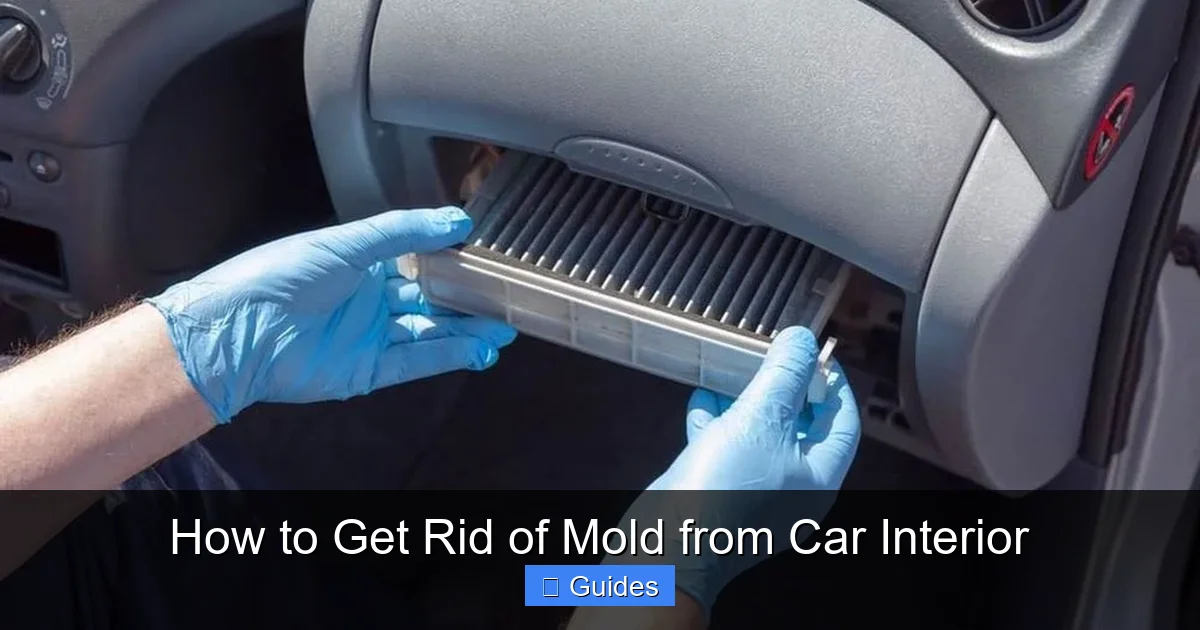
Start by inspecting common problem areas. Check under floor mats, inside door panels, around seat cushions, and beneath the rear shelf. Look for visible signs of mold—dark spots, fuzzy textures, or discoloration. Don’t forget the air vents and the trunk, especially if you’ve stored wet items like gym clothes or beach towels.
Next, sniff around. Mold often produces a distinct musty odor, even if you can’t see it. If your car smells damp or earthy, there’s a good chance mold is present, even in hidden areas.
Once you’ve located the mold, try to identify what caused it. Was there a recent leak? Did you leave a wet bathing suit in the back seat? Was the car parked in a flooded garage? Common causes include:
– Leaking windows or sunroofs
– Spilled liquids that weren’t cleaned
– Wet clothing or towels left inside
– High humidity with poor ventilation
– Damaged weather stripping
Fixing the source is just as important as cleaning the mold. If you don’t address the underlying moisture problem, the mold will likely return—no matter how thoroughly you clean.
For example, if your sunroof is leaking, simply cleaning the mold won’t solve the issue. You’ll need to have the seal repaired or replaced to prevent future water intrusion. Similarly, if your car’s A/C system is producing excess condensation, it may need servicing to improve drainage.
How to Check for Hidden Mold
Sometimes mold grows in places you can’t easily see—like inside the headliner, under the dashboard, or within the HVAC system. To check for hidden mold:
– Use a flashlight to peer into tight spaces.
– Remove floor mats and inspect the carpet underneath.
– Lift seat cushions and check the base.
– Run the A/C on high and smell the air coming from the vents—if it smells musty, mold may be growing in the evaporator coils.
If you suspect mold in the HVAC system, it’s best to have it professionally cleaned. Mold in the air ducts can circulate spores every time you turn on the fan, making the problem worse.
Step 2: Gather Your Supplies and Protect Yourself
Visual guide about How to Get Rid of Mold from Car Interior
Image source: suggesthow.com
Now that you’ve assessed the problem, it’s time to gather your cleaning tools. Having the right supplies on hand will make the job faster, safer, and more effective.
First and foremost, protect yourself. Mold spores can be harmful when inhaled or touched, so always wear:
– Rubber or nitrile gloves
– A respirator mask (N95 or better)
– Safety goggles to protect your eyes
These aren’t optional—especially if the mold covers a large area or if you have allergies or asthma.
Next, assemble your cleaning arsenal. Here’s what you’ll need:
– White vinegar or hydrogen peroxide (both are natural mold killers)
– Baking soda (for odor removal and scrubbing)
– Microfiber cloths and soft-bristle brushes
– Spray bottles
– Vacuum cleaner with a HEPA filter (to trap spores)
– Bucket of warm water
– Old towels or absorbent rags
– Optional: Commercial mold remover (look for EPA-approved products)
Avoid using bleach on porous surfaces like fabric or carpet. While bleach kills surface mold, it doesn’t penetrate deeply and can leave behind moisture that encourages regrowth. Plus, bleach can damage upholstery and produce toxic fumes when mixed with other cleaners.
For example, if your car seats are cloth, vinegar or hydrogen peroxide is a much safer and more effective choice. Both are natural disinfectants that kill up to 90% of mold species without harsh chemicals.
DIY vs. Professional Cleaning: When to Call in the Experts
Most mold problems in cars can be handled at home, especially if the affected area is small. However, if the mold covers more than 10 square feet, is in the HVAC system, or has caused significant damage to materials, it’s wise to consult a professional.
Professional detailers have specialized equipment like steam cleaners, ozone generators, and HEPA vacuums that can remove mold more thoroughly. They also know how to treat different materials without causing damage.
That said, many people successfully clean mold from their cars using household items. The key is patience, thoroughness, and proper drying.
Step 3: Clean the Mold from All Surfaces
Visual guide about How to Get Rid of Mold from Car Interior
Image source: suggesthow.com
With your supplies ready and safety gear on, it’s time to get cleaning. The goal is to remove all visible mold, kill any remaining spores, and eliminate odors.
Start by vacuuming the entire interior using a HEPA-filter vacuum. This will remove loose mold spores and debris from seats, carpets, and crevices. Be sure to vacuum under seats, in door pockets, and around the pedals.
Next, tackle each surface one by one. Different materials require different approaches.
Cleaning Mold from Fabric Seats and Carpets
For cloth seats and carpets, mix equal parts white vinegar and water in a spray bottle. Spray the solution directly onto the moldy areas, making sure to saturate the fabric. Let it sit for at least 15–20 minutes—vinegar needs time to penetrate and kill mold.
After soaking, scrub the area gently with a soft-bristle brush or an old toothbrush for tight spots. Avoid scrubbing too hard, as this can damage fibers.
For stubborn stains or odors, sprinkle baking soda over the area after cleaning. Let it sit for a few hours (or overnight), then vacuum it up. Baking soda absorbs moisture and neutralizes smells.
If the mold has deeply penetrated the padding beneath the carpet, you may need to remove the carpet panel for a deeper clean. This is more advanced but sometimes necessary for severe cases.
Cleaning Mold from Leather and Vinyl Surfaces
Leather and vinyl are less porous than fabric, but they can still harbor mold. For these surfaces, use a milder solution to avoid damage.
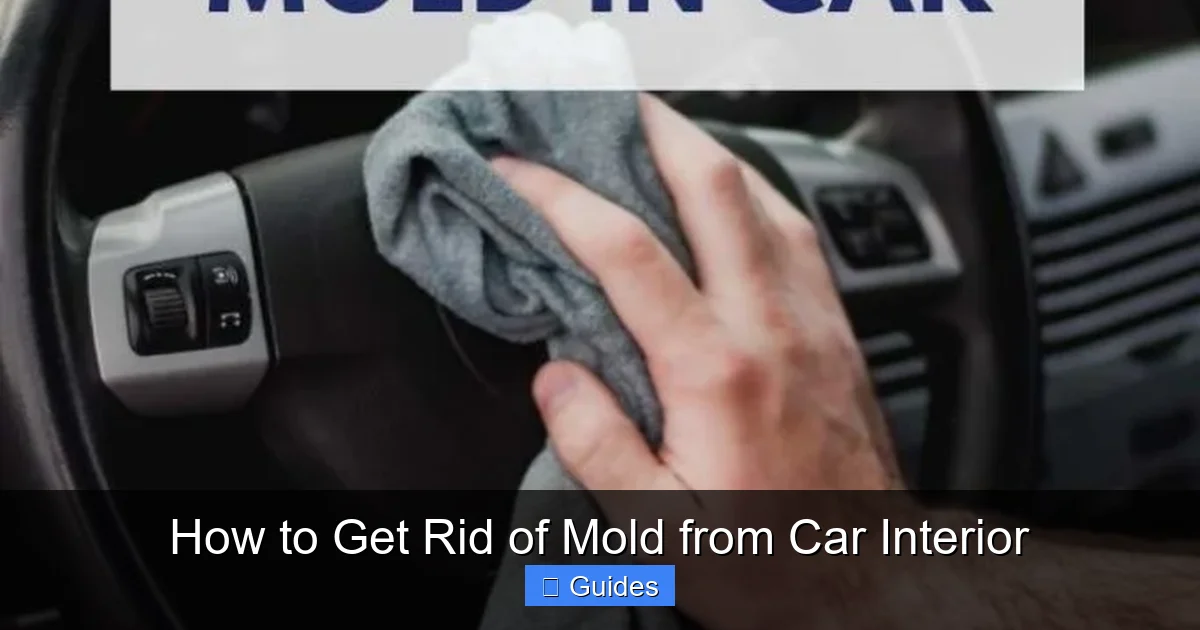
Mix one part white vinegar with two parts water, or use a 3% hydrogen peroxide solution. Spray it onto a microfiber cloth (not directly on the surface) and wipe down the affected areas.
Avoid soaking leather—excess moisture can cause cracking or warping. After cleaning, wipe the surface with a damp cloth to remove any residue, then dry thoroughly with a clean towel.
For leather seats, follow up with a leather conditioner to restore moisture and prevent drying.
Cleaning Mold from Air Vents and Dashboard
Mold can grow in air vents, especially if moisture builds up in the HVAC system. To clean vents:
– Turn off the car and remove any vent covers if possible.
– Spray a vinegar-water solution into the vents using a spray bottle with a narrow nozzle.
– Use a soft brush or cotton swab to gently scrub inside the vents.
– Wipe the dashboard and surrounding areas with a vinegar-dampened cloth.
For hard-to-reach spots, try using a can of compressed air to blow out loose debris before cleaning.
Cleaning Mold from Floor Mats and Trunk
Rubber or all-weather floor mats are easy to clean. Take them out of the car and hose them down with a vinegar solution. Scrub with a brush, rinse thoroughly, and let them dry completely in the sun.
For carpeted mats, follow the same steps as for car carpets. If they’re heavily soiled or moldy, consider replacing them—especially if they’re old or damaged.
The trunk is another common mold hotspot, especially if it’s been exposed to water. Remove all items, vacuum thoroughly, and clean the carpet and walls with your vinegar solution. Check for leaks around the trunk seal and repair if needed.
Step 4: Dry the Interior Completely
This step is critical. Mold thrives in moisture, so even a small amount of leftover dampness can lead to regrowth.
After cleaning, open all doors and windows to allow maximum airflow. If possible, park the car in direct sunlight—UV rays help kill mold and speed up drying.
Use fans to circulate air inside the car. Place box fans in the front and back seats, pointing outward to push moist air out. Run them for several hours, or even overnight.
For faster drying, consider using a dehumidifier. Place a small portable dehumidifier inside the car with the doors closed. This is especially helpful in humid climates or during rainy seasons.
Check hidden areas like under seats and in door panels to ensure they’re dry. Use a moisture meter if you have one, or simply feel the surfaces—if they’re cool or damp, they need more time.
Speeding Up Drying with Household Items
No dehumidifier? No problem. Try these DIY drying hacks:
– Place bowls of uncooked rice or silica gel packets inside the car to absorb moisture.
– Use cat litter in breathable fabric bags—it’s highly absorbent.
– Run the car’s heater on high with the windows open for 30–60 minutes to evaporate moisture.
Avoid using hair dryers or space heaters, as they can overheat and damage interior materials.
Step 5: Prevent Mold from Coming Back
Once your car is clean and dry, the last thing you want is for mold to return. Prevention is easier than removal, so adopt these habits to keep your car mold-free.
Keep Your Car Dry
Moisture is mold’s best friend. After rain or snow, wipe down wet shoes and clothing before getting in the car. Use all-weather floor mats to catch water and dirt.
If you’ve been to the beach or pool, leave wet towels and swimsuits in a sealed bag until you can wash them—don’t let them sit in the car.
Improve Ventilation
Crack your windows slightly when parked, especially on humid days. This allows air to circulate and reduces condensation.
Use the car’s A/C or heater regularly, even in mild weather. Running the system helps remove moisture from the air and prevents stagnation.
Use Moisture Absorbers
Place moisture-absorbing products inside your car. Options include:
– Silica gel packs (reusable ones can be dried in the oven)
– Charcoal bags (natural odor and moisture absorbers)
– Commercial car dehumidifiers (like Eva-Dry or DampRid)
Replace or recharge these products every few weeks, especially during wet seasons.
Clean Spills Immediately
Accidents happen—but quick action prevents mold. If you spill coffee, soda, or any liquid, blot it up right away with a clean cloth. Don’t rub, as this can push liquid deeper into fabrics.
For sticky spills, clean with a mild soap and water solution, then dry thoroughly.
Regular Maintenance Checks
Inspect your car regularly for leaks, especially around windows, sunroofs, and door seals. Replace worn weather stripping and fix any cracks or gaps.
Check the A/C drain tube (usually under the car near the firewall) to ensure it’s not clogged. A blocked drain can cause water to back up into the cabin.
Use Air Fresheners Wisely
While air fresheners can mask odors, they don’t kill mold. Avoid using them as a substitute for cleaning. Instead, opt for natural odor absorbers like baking soda or activated charcoal.
When to Replace Damaged Materials
Sometimes, mold damage is too severe to clean. If mold has deeply penetrated materials like carpet padding, foam seat cushions, or the headliner, replacement may be the only option.
Signs it’s time to replace:
– Persistent musty smell even after cleaning
– Visible mold returning within days
– Material is warped, stained, or crumbling
– Health symptoms persist after cleaning
Replacing carpet or seats can be costly, but it’s better than living with a mold problem. In some cases, insurance may cover the cost if the mold was caused by a covered event like flooding.
Final Thoughts: A Clean, Healthy Car Starts with Prevention
Getting rid of mold from your car interior isn’t just about aesthetics—it’s about your health and the longevity of your vehicle. Mold can grow silently and spread quickly, turning a small issue into a major problem if ignored.
By acting fast, using the right cleaning methods, and drying thoroughly, you can eliminate mold and restore your car to a fresh, safe environment. And by adopting simple prevention habits—like keeping your car dry, using moisture absorbers, and cleaning spills immediately—you can stop mold from coming back.
Remember, you don’t need expensive products or professional tools to tackle mold. Common household items like vinegar, baking soda, and hydrogen peroxide are powerful, affordable, and safe when used correctly.
Your car is more than just a mode of transportation—it’s a space where you spend a lot of time. Keeping it clean and mold-free ensures every drive is comfortable, healthy, and enjoyable.
So the next time you catch a whiff of that musty smell, don’t ignore it. Grab your gloves, spray bottle, and a little determination—and take back your car from mold.
Frequently Asked Questions
Can I use bleach to clean mold in my car?
It’s not recommended, especially on fabric or carpet. Bleach kills surface mold but doesn’t penetrate deeply and can leave behind moisture that encourages regrowth. It can also damage upholstery and produce harmful fumes.
How long does it take to remove mold from a car?
The cleaning process can take 2–4 hours, depending on the size of the affected area. Drying may take an additional 12–24 hours. Severe cases may require multiple cleaning sessions.
Will mold in my car make me sick?
Yes, mold spores can trigger allergies, asthma, and respiratory issues, especially in sensitive individuals. Prolonged exposure may lead to more serious health problems.
Can I prevent mold if I live in a humid climate?
Absolutely. Use moisture absorbers, run your A/C regularly, park in shaded or covered areas, and keep windows slightly open when parked to improve airflow.
Is it safe to drive my car while mold is present?
It’s not recommended, especially if the mold is widespread or you’re experiencing health symptoms. Clean the mold first to protect your health and prevent further damage.
Can mold in the car’s A/C system be cleaned at home?
Minor cleaning can be done with vent sprays, but deep cleaning of the evaporator and ducts usually requires professional equipment. Consider a professional HVAC cleaning for best results.

At CarLegit, we believe information should be clear, factual, and genuinely helpful. That’s why every guide, review, and update on our website is created with care, research, and a strong focus on user experience.