
Getting rid of a new car smell doesn’t have to be complicated or expensive. With the right techniques—like ventilation, natural absorbents, and regular cleaning—you can enjoy a fresher, healthier cabin in no time.
In This Article
- 1 Key Takeaways
- 2 📑 Table of Contents
- 3 Why Does Your New Car Smell So Strong?
- 4 Understanding the Source: What’s Really Causing the Smell?
- 5 Top Natural Methods to Eliminate New Car Smell
- 6 Cleaning and Maintenance Tips to Speed Up Odor Removal
- 7 What NOT to Do When Trying to Remove New Car Smell
- 8 How Long Does It Take for the New Car Smell to Fade Naturally?
- 9 Conclusion: Enjoy Your Car—Without the Overpowering Scent
- 10 Frequently Asked Questions
- 10.1 Is the new car smell dangerous to my health?
- 10.2 Can I use coffee grounds to absorb new car smell?
- 10.3 Will leaving my car windows open damage the interior?
- 10.4 Do car air purifiers actually work for new car smell?
- 10.5 Can I speed up odor removal by heating my car?
- 10.6 Should I clean my new car’s interior right after purchase?
Key Takeaways
- Ventilate regularly: Open windows and use the air circulation system to flush out trapped odors from new materials.
- Use natural odor absorbers: Baking soda, activated charcoal, and white vinegar effectively neutralize smells without harsh chemicals.
- Avoid masking sprays: Scented air fresheners only cover up odors temporarily and may add synthetic fragrances you don’t want.
- Clean surfaces thoroughly: Wipe down dashboards, seats, and carpets to remove dust and residue that trap odors.
- Replace cabin air filter: A clean filter improves airflow and helps eliminate lingering scents from the HVAC system.
- Be patient: The new car smell naturally fades over 3–6 months with consistent care and exposure to fresh air.
- Choose eco-friendly products: Opt for non-toxic, biodegradable cleaners to protect your health and the environment.
📑 Table of Contents
- Why Does Your New Car Smell So Strong?
- Understanding the Source: What’s Really Causing the Smell?
- Top Natural Methods to Eliminate New Car Smell
- Cleaning and Maintenance Tips to Speed Up Odor Removal
- What NOT to Do When Trying to Remove New Car Smell
- How Long Does It Take for the New Car Smell to Fade Naturally?
- Conclusion: Enjoy Your Car—Without the Overpowering Scent
Why Does Your New Car Smell So Strong?
Ah, the new car smell—it’s iconic. That rich, almost intoxicating blend of leather, plastic, glue, and fabric has become synonymous with excitement, freedom, and fresh beginnings. But while many people love it, others find it overwhelming, even irritating. And here’s the truth: that signature scent isn’t just “clean” or “new.” It’s actually the result of hundreds of volatile organic compounds (VOCs) off-gassing from adhesives, upholstery, carpeting, dashboards, and insulation materials used during manufacturing.
These chemicals—like formaldehyde, benzene, and toluene—are perfectly legal in automotive production and are generally present at levels considered safe by regulatory standards. However, in a small, enclosed space like a car cabin, especially during hot weather, these fumes can become concentrated. This is why the smell feels stronger on sunny days or after the car has been parked in direct sunlight. Over time, as these materials age and release fewer VOCs, the scent naturally diminishes. But if you’re eager to speed up the process—or simply prefer a fresher, more neutral interior—there are safe, effective ways to get rid of a new car smell without damaging your vehicle or compromising your health.
Understanding the Source: What’s Really Causing the Smell?
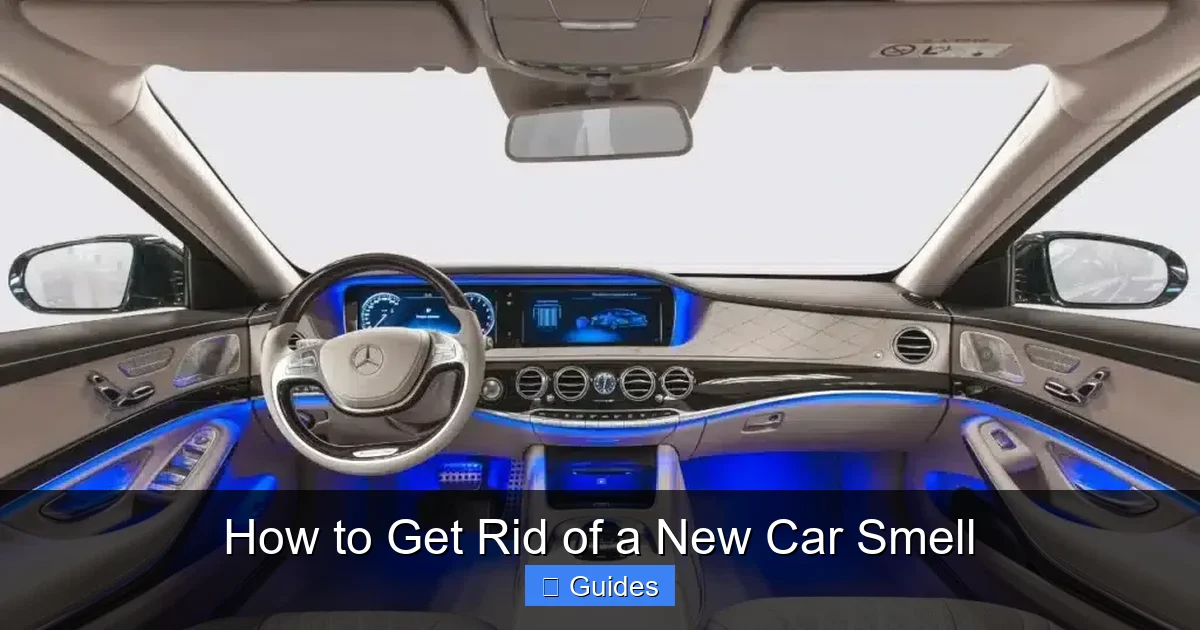
Before diving into solutions, it helps to understand exactly what’s behind that powerful aroma. The new car smell isn’t coming from one single source—it’s a cocktail of emissions from multiple interior components. Think of your car’s cabin as a sealed box filled with synthetic materials that are still “curing” or releasing residual chemicals from the factory.
Visual guide about How to Get Rid of a New Car Smell
Image source: hypercarcare.com
Common Culprits Behind the Scent
- Adhesives and sealants: Used to bond carpet, headliners, and trim pieces, these often contain solvents that evaporate slowly.
- Plastics and vinyl: Dashboards, door panels, and steering wheels are made from petroleum-based polymers that emit VOCs as they off-gas.
- Upholstery treatments: Flame retardants, stain repellents, and dyes applied to seats and fabrics contribute to the overall odor profile.
- Carpet backing and padding: These layers often use rubberized coatings and synthetic fibers that release odors over time.
- Insulation and sound-dampening materials: Found under floors and behind panels, these can trap and slowly release fumes.
It’s also worth noting that some manufacturers use “odor-masking” fragrances in their assembly plants to make the interior smell pleasant right off the lot. While this might enhance the initial experience, it doesn’t address the underlying chemical emissions—and may even add another layer of synthetic scent you’d rather avoid.
Is the New Car Smell Harmful?
This is a common concern, and rightly so. While most modern vehicles meet strict indoor air quality guidelines, prolonged exposure to high levels of VOCs—especially in poorly ventilated spaces—can cause headaches, dizziness, nausea, or respiratory irritation in sensitive individuals. Children, pregnant women, and people with asthma or chemical sensitivities may be more vulnerable.
That said, the risk is generally low for the average driver who uses their car normally. The real issue isn’t toxicity—it’s comfort. If the smell bothers you, makes you feel unwell, or simply doesn’t match your personal preference, then taking steps to reduce it is completely reasonable. The goal isn’t to eliminate every trace of chemical off-gassing overnight (that’s not realistic), but to create a cleaner, fresher, and more enjoyable driving environment.
Top Natural Methods to Eliminate New Car Smell
The good news? You don’t need expensive gadgets or harsh chemicals to tackle that new car aroma. In fact, some of the most effective solutions are already in your kitchen pantry. Natural odor absorbers work by trapping or neutralizing odor molecules rather than just covering them up—making them ideal for long-term freshness.
Visual guide about How to Get Rid of a New Car Smell
Image source: lifewire.com
Baking Soda: The Ultimate Odor Neutralizer
Baking soda (sodium bicarbonate) is a powerhouse when it comes to absorbing odors. It’s non-toxic, inexpensive, and safe for all surfaces. Simply sprinkle a generous amount on your carpets and fabric seats, let it sit for several hours (or overnight), then vacuum thoroughly. For extra effectiveness, mix in a few drops of essential oil like lavender or lemon—but avoid overdoing it, as strong scents can become just as bothersome as the original smell.
Pro tip: Place an open box of baking soda in your car overnight. Leave it on the floor or seat, and it will passively absorb odors from the air. Replace it every few weeks until the smell fades.
Activated Charcoal: Nature’s Air Purifier
Activated charcoal is another excellent choice. Highly porous, it binds to odor-causing molecules and traps them within its structure. You can buy activated charcoal bags specifically designed for cars, or use plain charcoal from a hardware store (just make sure it’s untreated and food-grade if possible).
Place a few small bowls or breathable fabric sachets filled with activated charcoal around your car—under seats, in the footwells, or on the back shelf. Refresh or replace them every month. Unlike air fresheners, charcoal doesn’t add any scent—it simply cleans the air.
White Vinegar: A Surprising Deodorizer
White vinegar is acidic, which helps break down odor compounds. Mix equal parts water and distilled white vinegar in a spray bottle, lightly mist non-electronic surfaces (avoid saturating fabrics), and wipe with a microfiber cloth. The vinegar smell dissipates quickly, leaving behind a neutral environment.
For a hands-off approach, place a small bowl of undiluted white vinegar in your car overnight. The vapors will help neutralize odors without leaving residue. Just remove it before driving to avoid the sharp smell during your commute.
Fresh Air and Sunlight: The Simplest Solution
Sometimes, the best remedy is free: fresh air. Roll down all your windows and drive with the ventilation system set to “fresh air” mode (not recirculate). This allows outside air to flush out stagnant cabin air and accelerate the off-gassing process.
Parking in the sun can also help—heat increases the rate at which VOCs are released from materials. Just be cautious not to overheat your interior, as extreme temperatures can damage electronics or warp trim. Aim for moderate sun exposure with windows cracked open slightly to allow airflow.
Cleaning and Maintenance Tips to Speed Up Odor Removal
While natural absorbers tackle airborne odors, deep cleaning removes the physical sources of smell—dust, residue, and embedded particles that trap and amplify scents. A clean interior not only smells better but also supports better air quality.

Visual guide about How to Get Rid of a New Car Smell
Image source: grasscarpet.ae
Vacuum Thoroughly and Regularly
Start with a high-quality vacuum equipped with a HEPA filter to capture fine particles. Focus on crevices, under seats, and around floor mats where dust and debris accumulate. Use a soft brush attachment for delicate surfaces like vents and upholstery.
Don’t forget removable floor mats—take them out, shake them vigorously, and vacuum both sides. If they’re rubber or all-weather mats, rinse them with mild soap and water, then let them dry completely before replacing.
Wipe Down All Hard Surfaces
Use a gentle, pH-neutral cleaner and a microfiber cloth to wipe dashboards, door panels, center consoles, and steering wheels. Avoid ammonia-based or alcohol-heavy cleaners, which can degrade plastics and release more fumes.
For sticky residues or adhesive buildup (common near cup holders or trim pieces), a dab of isopropyl alcohol on a cotton swab can help—but test it on a hidden area first to ensure it won’t discolor the material.
Clean or Replace the Cabin Air Filter
Your car’s HVAC system circulates air through a cabin air filter, which traps pollen, dust, and odors. Over time, this filter becomes saturated and can actually contribute to stale smells—especially if it’s been in place since the car was new.
Check your owner’s manual for the filter location (usually behind the glove box or under the hood). If it looks dirty or hasn’t been changed in over a year, replace it with a high-quality OEM or aftermarket filter. Some premium filters include activated carbon layers that actively absorb odors.
Steam Cleaning for Deep Odor Removal
For persistent smells embedded in fabric seats or carpets, consider a professional steam cleaning. Steam penetrates deep into fibers, loosening trapped odors and killing bacteria without chemicals. Many mobile auto detailers offer this service, or you can rent a portable steam cleaner for home use.
Important: Always allow the interior to dry completely after steam cleaning. Use fans or leave windows open to prevent mold or mildew growth in damp upholstery.
What NOT to Do When Trying to Remove New Car Smell
In your eagerness to banish that new car scent, it’s easy to fall for quick fixes that do more harm than good. Avoid these common mistakes to protect your car’s interior and your health.
Avoid Heavy Perfume-Based Air Fresheners
Sprays, plug-ins, and hanging trees may smell nice at first, but they simply mask odors with synthetic fragrances. Over time, these products can leave sticky residues, stain surfaces, and even worsen indoor air quality by adding more volatile compounds to the mix.
Worse, some contain phthalates—chemicals linked to hormonal disruption—that can off-gas just like the original new car smell. If you must use a fragrance, opt for a natural essential oil diffuser designed for cars (like a vent clip with a few drops of pure oil), but use sparingly.
Don’t Overuse Cleaning Products
More cleaner isn’t better. Excess liquid can seep into seams, damage electronics, or leave behind chemical residues that attract more dirt. Always follow dilution instructions and use minimal product—just enough to clean, not soak.
Skip the Ozone Generators
Ozone machines are sometimes marketed as “odor eliminators,” but they’re controversial and potentially dangerous. Ozone (O₃) is a lung irritant and can degrade rubber, vinyl, and fabric over time. The EPA warns against using ozone generators in occupied spaces, and many auto detailers avoid them for safety reasons.
Stick to proven, low-risk methods like ventilation, absorption, and gentle cleaning.
How Long Does It Take for the New Car Smell to Fade Naturally?
If you’re wondering whether you just need to wait it out—the answer is yes, but with patience. Most experts agree that the intense new car smell begins to noticeably fade within 3 to 6 months of regular use, especially if you drive frequently with windows down and maintain good ventilation.
Factors that influence how quickly the odor disappears include:
- Climate: Warmer, sunnier regions accelerate off-gassing.
- Driving habits: Frequent short trips with closed windows slow down odor dissipation.
- Interior materials: Leather and synthetic fabrics tend to off-gas longer than natural fibers.
- Vehicle age and mileage: Higher mileage and regular use help “break in” the interior.
While you can’t completely eliminate the smell overnight, combining natural methods with consistent cleaning and airing will significantly reduce it within weeks—not months.
Conclusion: Enjoy Your Car—Without the Overpowering Scent
There’s no denying the allure of that new car smell—it’s part of the excitement of owning a vehicle fresh from the factory. But if it’s bothering you, making you feel uneasy, or simply not your style, you don’t have to live with it. By understanding what causes the odor, using safe and natural removal techniques, and maintaining a clean, well-ventilated interior, you can enjoy all the benefits of your new ride without the overwhelming scent.
Remember, the goal isn’t perfection—it’s comfort. Whether you prefer the crisp scent of fresh air, the subtle hint of lemon, or complete neutrality, your car should feel like your space. With a little effort and the right approach, you can get rid of a new car smell effectively, safely, and sustainably. So roll down those windows, sprinkle some baking soda, and breathe easy—your fresher, happier cabin awaits.
Frequently Asked Questions
Is the new car smell dangerous to my health?
The new car smell comes from VOCs released by interior materials, which are generally within safe limits set by regulations. However, sensitive individuals may experience mild irritation. Proper ventilation and odor reduction methods minimize any potential discomfort.
Can I use coffee grounds to absorb new car smell?
Yes, coffee grounds can help absorb odors due to their porous structure. Place them in breathable containers around the car, but be cautious—they can leave a coffee scent and may stain surfaces if spilled.
Will leaving my car windows open damage the interior?
Leaving windows slightly open for ventilation is safe and beneficial. However, avoid leaving them fully open in rain, extreme heat, or high-crime areas to prevent water damage, overheating, or theft.
Do car air purifiers actually work for new car smell?
Some HEPA or activated carbon-based car air purifiers can help reduce airborne particles and odors. However, they’re most effective when combined with other methods like cleaning and ventilation—not as a standalone solution.
Can I speed up odor removal by heating my car?
Moderate heat (like parking in sunlight with windows cracked) can accelerate off-gassing. But avoid extreme heat or using heaters indoors, as this can damage electronics and interior materials.
Should I clean my new car’s interior right after purchase?
Yes! A gentle wipe-down and vacuuming remove factory dust and residues that trap odors. Just use mild, non-abrasive cleaners and avoid soaking surfaces to prevent damage.

At CarLegit, we believe information should be clear, factual, and genuinely helpful. That’s why every guide, review, and update on our website is created with care, research, and a strong focus on user experience.