
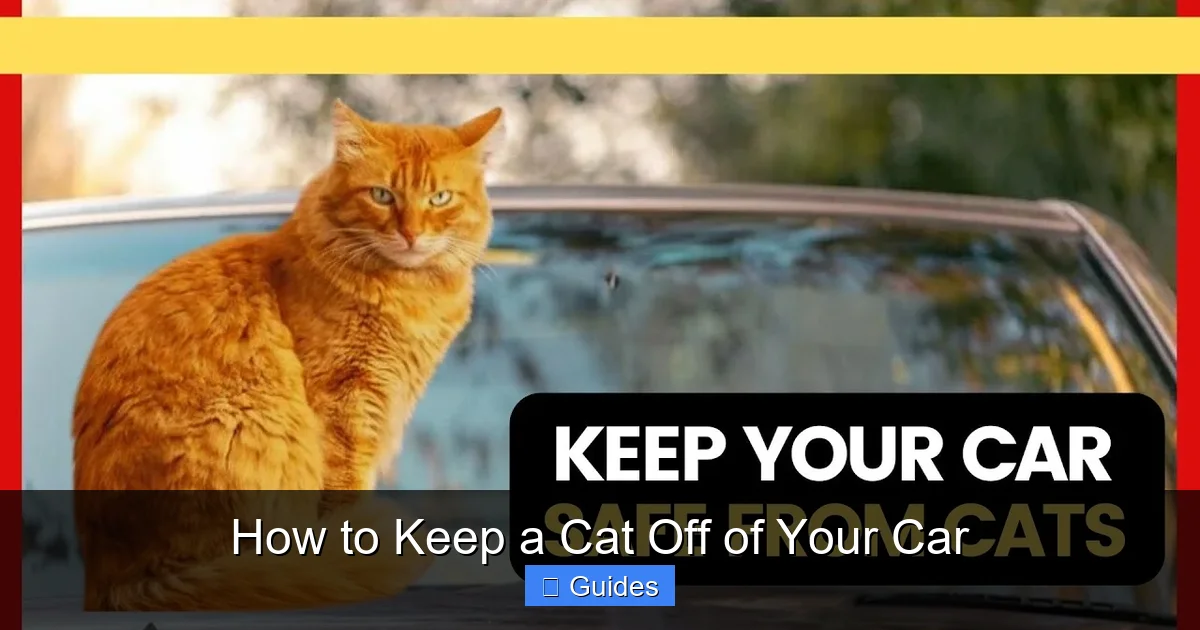
Keeping a cat off your car doesn’t have to be a daily battle. With the right strategies—like deterrents, alternative spaces, and consistent habits—you can protect your vehicle while respecting the curious feline. This guide offers practical, humane solutions that actually work.
In This Article
- 1 Key Takeaways
- 2 📑 Table of Contents
- 3 Why Do Cats Love Sitting on Cars?
- 4 Humane Deterrents That Actually Work
- 5 Physical Barriers and Car Covers
- 6 Creating a Cat-Friendly Alternative Space
- 7 DIY Solutions and Household Items That Deter Cats
- 8 What Not to Do: Avoiding Harmful Methods
- 9 Long-Term Strategies for a Cat-Free Car
- 10 Conclusion
- 11 Frequently Asked Questions
Key Takeaways
- Use motion-activated sprinklers: These startle cats with a harmless burst of water, teaching them to avoid your car without harm.
- Apply citrus or menthol-based deterrents: Cats dislike strong scents like lemon, eucalyptus, or peppermint—spray them around your car’s perimeter.
- Cover your car with a breathable cover: A physical barrier prevents access and reduces the appeal of warm engine compartments.
- Provide a cozy alternative space: Set up a warm, sheltered spot nearby with food, water, and a soft bed to redirect their attention.
- Install double-sided tape or aluminum foil: Cats hate the texture on their paws—place these on hoods or roofs to discourage climbing.
- Be consistent and patient: Changing cat behavior takes time; stick with your method for at least 2–3 weeks to see results.
- Avoid harmful methods: Never use chemicals, traps, or loud noises that could injure or traumatize the animal.
📑 Table of Contents
Why Do Cats Love Sitting on Cars?
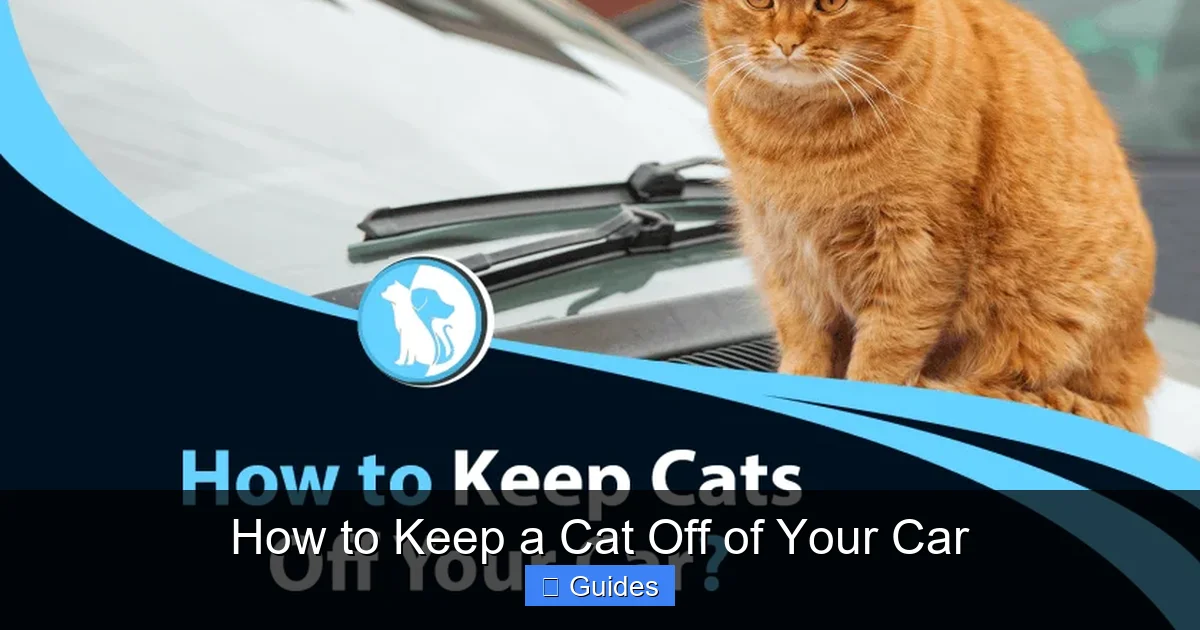
If you’ve ever walked out to your car only to find a furry visitor lounging on the hood or curled up near the wheels, you’re not alone. Cats are naturally drawn to vehicles—and there’s a good reason for it. Understanding why they’re so attracted to your car is the first step in keeping them away.
Cars, especially after being parked for a while, retain heat from the engine and sun. This warmth is incredibly inviting to cats, who prefer temperatures around 86–97°F (30–36°C)—warmer than most humans find comfortable. The hood, engine bay, and even the wheel wells become cozy sunbathing spots, especially during cooler mornings or chilly evenings.
Beyond warmth, cars offer a sense of safety and elevation. From the roof or hood, a cat can survey its surroundings, spot prey, or simply enjoy a quiet perch away from ground-level threats. Plus, the smooth, elevated surface feels secure under their paws. For outdoor or feral cats, your car might also smell like other animals or food, making it even more appealing.
And let’s not forget the “new toy” factor. Cats are curious by nature. A parked car is a novel object in their environment—something to explore, climb, and claim. Even indoor cats that slip outside may see your vehicle as an adventure waiting to happen.
So while it might seem like your car is under siege, remember: it’s not personal. Cats aren’t trying to ruin your paint job or leave fur everywhere. They’re just following their instincts. The good news? Once you understand their motivations, you can outsmart them—without harming a whisker.
Humane Deterrents That Actually Work
Visual guide about How to Keep a Cat Off of Your Car
Image source: carxplorer.com
When it comes to keeping cats off your car, humane methods aren’t just kinder—they’re more effective in the long run. Scaring or harming a cat might work once, but it won’t change their behavior. Instead, use gentle, consistent deterrents that make your car unappealing without causing stress or injury.
One of the most effective tools is a motion-activated sprinkler. These devices use infrared sensors to detect movement and release a quick burst of water. Cats are startled by the sudden spray, but it doesn’t hurt them. Over time, they learn to associate your car with an unpleasant surprise and stay away. Brands like Orbit or Contech offer models that are easy to set up and can cover a wide area around your vehicle.
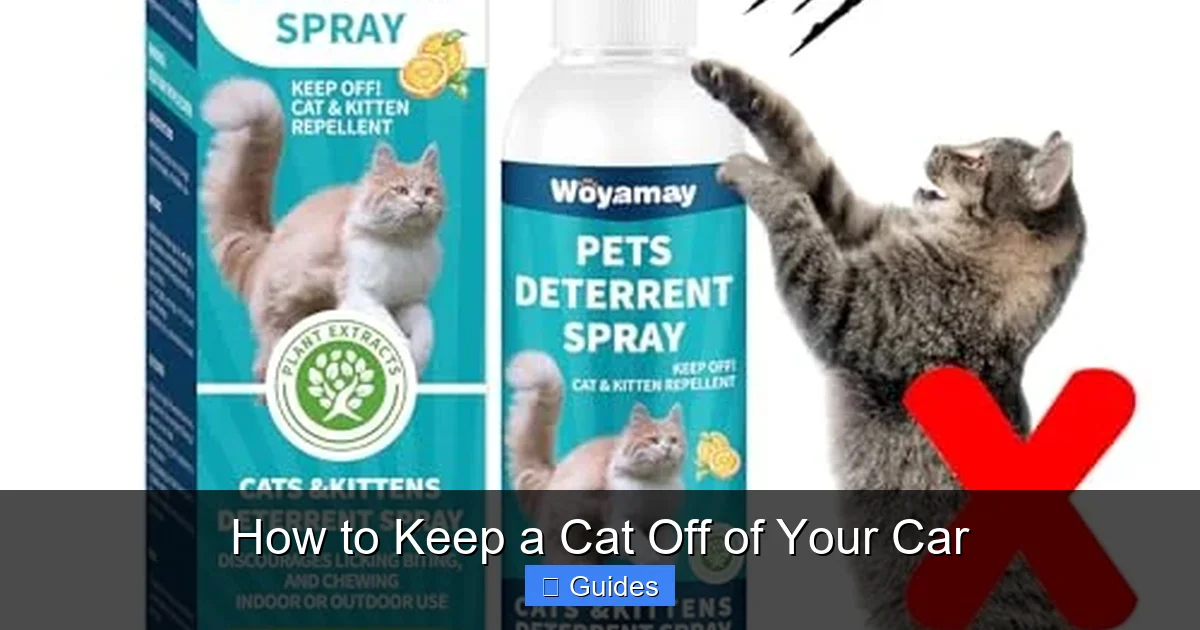
Another popular option is scent-based deterrents. Cats have a highly developed sense of smell, and certain odors are naturally repulsive to them. Citrus, menthol, eucalyptus, and lavender are all effective. You can buy commercial sprays or make your own by mixing water with a few drops of essential oil. Spray the solution around the base of your car, on the hood, or near the wheels—just avoid direct application to paint, as some oils can cause damage over time.
Ultrasonic deterrents are also worth considering. These devices emit high-frequency sounds that humans can’t hear but cats find irritating. Place one near your car, and it will create an invisible barrier that discourages feline visitors. Look for weather-resistant models with adjustable sensitivity so you can fine-tune the range.
For a low-tech solution, try aluminum foil or double-sided tape. Cats dislike the feel of these materials under their paws. Lay strips of foil on the hood or place tape along the edges of the roof. The texture is uncomfortable, and most cats will hop off immediately. It’s cheap, easy, and completely safe.
Remember: consistency is key. Use your chosen deterrent every day, even if you don’t see cats right away. Cats are smart and persistent—they’ll test boundaries. But if your car consistently feels or smells unpleasant, they’ll eventually move on to easier targets.
Physical Barriers and Car Covers
Visual guide about How to Keep a Cat Off of Your Car
Image source: m.media-amazon.com
Sometimes, the best way to keep a cat off your car is to make it physically impossible for them to get on. Physical barriers are simple, reliable, and—when used correctly—completely harmless to animals.
One of the most straightforward solutions is a car cover. A high-quality, breathable cover not only protects your paint from scratches and bird droppings but also removes the warm, inviting surface cats love. Choose a cover made from soft, non-abrasive material that won’t trap moisture. Make sure it fits snugly so cats can’t slip underneath or climb over it.
If a full cover feels like overkill, consider partial barriers. For example, place plastic mesh or garden fencing around the wheels and undercarriage. This prevents cats from squeezing into tight spaces like the engine bay, where they might get stuck or injured. You can also use car hood protectors—thin, flexible shields that clip onto the front of your hood. They block access while still allowing airflow.
Another clever trick is to use a car tent or pop-up canopy. These create a sheltered space around your vehicle, making it harder for cats to approach. Plus, they offer shade and weather protection for you, too. Some models even come with side panels that can be zipped shut, turning your parking spot into a cat-free zone.
For those with garages, the ultimate barrier is simply closing the door. If you have a garage, use it! Even if your car doesn’t fit perfectly, closing the door prevents cats from entering and eliminates the temptation altogether. If you park on a driveway, consider installing a retractable garage door or a temporary fence to block access.
And don’t forget about the little things. Keep your car clean—remove food wrappers, spilled drinks, or anything that might attract cats. A tidy vehicle is less likely to become a hotspot for curious felines.
Creating a Cat-Friendly Alternative Space
Visual guide about How to Keep a Cat Off of Your Car
Image source: ej6ftgmgpzk.exactdn.com
Instead of fighting cats, why not redirect them? One of the most effective long-term strategies is to give cats a better option than your car. If you provide a warm, safe, and appealing space nearby, they’ll naturally choose it over your vehicle.
Start by setting up a cozy cat shelter. You can buy a pre-made outdoor cat house or build one yourself using a plastic storage bin with a small entrance hole. Line it with straw (not hay, which retains moisture) and place it in a quiet, sheltered spot—like under a tree or near a fence. Add a soft blanket or pet bed for extra comfort.
Make the space inviting by including food and water. Even if the cats aren’t yours, offering a small dish of dry food or fresh water can make the area more attractive. Just be sure to clean it regularly to avoid attracting pests. Some people even install heated cat pads, which provide gentle warmth during cold months—perfect for mimicking the heat of a car engine.
Location matters. Place the shelter away from your car but still within the cats’ usual roaming area. If you know where they like to hang out, set up the alternative space nearby. The closer it is to their favorite spots, the more likely they are to use it.
You can also add enrichment. A scratching post, a dangling toy, or a climbing structure can make the area more fun and engaging. Cats are more likely to stay in a place that offers both comfort and stimulation.
If you’re dealing with feral or community cats, consider partnering with a local rescue group. They may be able to help with TNR (Trap-Neuter-Return) programs, which humanely manage the population while providing care. Many groups also offer free or low-cost shelters and feeding stations.
The goal isn’t to encourage more cats—it’s to give the ones already there a better place to go. When your car is no longer the coziest spot around, cats will naturally choose the alternative. And that means fewer scratches, less fur, and a happier coexistence.
DIY Solutions and Household Items That Deter Cats
You don’t need to spend a fortune on fancy gadgets to keep cats off your car. Many effective deterrents can be found right in your kitchen or garage. With a little creativity, you can turn everyday items into powerful cat repellents.
One of the easiest DIY solutions is citrus peels. Cats hate the smell of lemons, oranges, and limes. Simply place fresh peels around your car—on the hood, near the wheels, or along the driveway. Replace them every few days to keep the scent strong. You can also boil peels in water to make a natural spray. Let it cool, pour it into a spray bottle, and apply it to areas you want to protect.
Coffee grounds are another household favorite. Used coffee grounds have a strong odor that cats dislike. Sprinkle them around your car’s perimeter or mix them with citrus peels for a double-whammy effect. Bonus: they’re great for your garden too.
Mint is another natural deterrent. Plant mint around your driveway or place pots near your car. The strong scent will keep cats at bay. Just be careful—mint spreads quickly, so consider planting it in containers to avoid an overgrown garden.
Aluminum foil is a classic. As mentioned earlier, cats hate the feel and sound of foil under their paws. Crumple up sheets and place them on the hood or roof. The crinkly texture and reflective surface will discourage even the bravest feline.
Plastic forks are a quirky but effective trick. Stick the handles into the ground around your car, with the prongs facing up. The uneven surface makes it uncomfortable for cats to walk or lie down. It’s harmless, inexpensive, and surprisingly effective.
And don’t forget about water. A simple spray bottle can be a quick deterrent. If you see a cat approaching your car, give them a gentle spritz. Most will jump back and think twice before returning. Just avoid spraying directly in their face—aim for the ground nearby.
These DIY methods are not only budget-friendly but also eco-conscious. They use items you already have, reduce waste, and avoid harsh chemicals. Plus, they’re easy to adjust or combine based on what works best for your situation.
What Not to Do: Avoiding Harmful Methods
When cats keep climbing on your car, it’s tempting to try anything to make them stop. But some methods do more harm than good—and can even be dangerous or illegal. It’s important to know what not to do.
First, never use harmful chemicals. Products like mothballs, ammonia, or commercial repellents with toxic ingredients can poison cats or other animals. Even if they don’t ingest them, the fumes can cause respiratory issues or skin irritation. Always choose pet-safe, non-toxic options.
Avoid loud noises or sudden movements designed to scare cats. While a quick shout might work once, repeated stress can harm a cat’s health. Chronic fear can lead to anxiety, digestive problems, or even abandonment of their territory. Plus, loud noises disturb your neighbors too.
Don’t use traps or snares. These can injure cats or separate them from their colonies. If you’re dealing with feral cats, contact a local rescue group instead. They can help with humane trapping for spaying/neutering and relocation if needed.
Never pour water on a cat or use high-pressure hoses. While a gentle spray from a bottle is fine, drenching a cat can cause hypothermia, especially in cold weather. It’s also deeply stressful and can damage the trust between you and the animal.
Avoid sticky substances like glue traps or tape applied directly to the cat. These can tear fur, damage skin, or cause infections. Even if you’re trying to deter them, causing pain is never the answer.
Finally, don’t ignore the problem. While it’s tempting to hope the cats will just go away, they often return—especially if your car remains a warm, safe spot. Taking action early prevents the behavior from becoming a habit.
The bottom line: kindness works. Humane, consistent methods protect both your car and the cats. And in the long run, that’s a win for everyone.
Long-Term Strategies for a Cat-Free Car
Keeping a cat off your car isn’t a one-and-done fix. It’s an ongoing process that requires consistency, patience, and a bit of creativity. But with the right long-term strategies, you can create a car-free environment that lasts.
Start by combining multiple methods. Use a motion-activated sprinkler along with citrus spray and a car cover. The more layers of deterrents you have, the less likely cats are to overcome them. Rotate your tactics every few weeks to keep cats guessing—they’re smart and can adapt to a single method over time.
Monitor your results. Keep a simple log of when you see cats near your car and which deterrents you’ve used. This helps you identify what’s working and what’s not. If a method stops being effective, switch it up.
Involve your neighbors. If cats are coming from nearby homes, talk to your neighbors about the issue. They might not realize their pets are causing problems. A community effort—like setting up shared deterrents or alternative shelters—can make a big difference.
Consider landscaping changes. Plant cat-repellent plants like lavender, rosemary, or coleus canina (also known as “scaredy cat plant”) around your driveway. These natural barriers add beauty while keeping felines at bay.
And finally, stay patient. Changing animal behavior takes time. It may take weeks or even months for cats to fully abandon your car. But if you’re consistent and kind, you’ll eventually win the battle—without losing your compassion.
Conclusion
Keeping a cat off your car doesn’t have to be a frustrating, never-ending battle. With a mix of humane deterrents, physical barriers, and smart long-term strategies, you can protect your vehicle while respecting the natural instincts of these curious creatures.
Start by understanding why cats are drawn to your car—warmth, safety, and curiosity. Then, use gentle methods like motion sprinklers, citrus sprays, or car covers to make your vehicle less appealing. Offer them a better alternative with a cozy shelter and food nearby. And always avoid harmful tactics that could injure or traumatize the animal.
Remember, consistency is key. It may take time, but with patience and the right approach, you can enjoy a cat-free car—and peace of mind. After all, a little kindness goes a long way.
Frequently Asked Questions
Will spraying water hurt the cat?
No, a gentle spray from a water bottle or motion-activated sprinkler won’t hurt the cat. It’s meant to startle, not injure. Just avoid spraying directly in their face or using high-pressure hoses.
Can I use essential oils directly on my car?
It’s best to avoid applying essential oils directly to your car’s paint, as some can cause damage over time. Instead, spray diluted oils around the perimeter or on nearby surfaces.
How long does it take for deterrents to work?
Most cats will avoid your car within a few days to a week. However, for persistent cats, it may take 2–3 weeks of consistent use to see lasting results.
Are car covers effective against cats?
Yes, especially breathable, snug-fitting covers. They remove the warm surface cats love and create a physical barrier that prevents access.
What if the cat is feral or not mine?
Humane methods still apply. Contact a local rescue group for help with TNR programs or to provide safe shelters. Never trap or harm feral cats.
Can I train my own cat to stay off the car?
Yes! Use positive reinforcement—reward your cat for staying away from the car. Combine this with deterrents and an alternative cozy spot to encourage good behavior.

At CarLegit, we believe information should be clear, factual, and genuinely helpful. That’s why every guide, review, and update on our website is created with care, research, and a strong focus on user experience.