
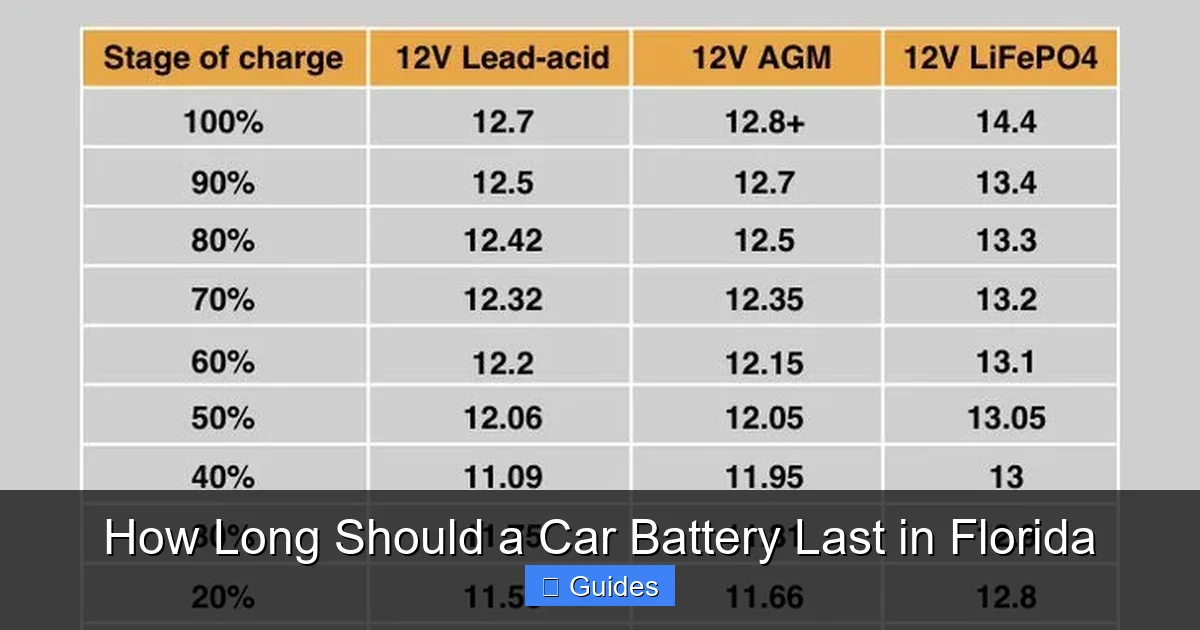
In Florida, a car battery typically lasts 3 to 5 years, but extreme heat can shorten its lifespan. Regular maintenance, proper storage, and choosing the right battery can help you get the most out of your investment and avoid being stranded on a hot day.
In This Article
- 1 Key Takeaways
- 2 📑 Table of Contents
- 3 How Long Should a Car Battery Last in Florida?
- 4 Why Florida’s Climate Affects Car Battery Life
- 5 Average Car Battery Lifespan in Florida
- 6 Factors That Shorten Battery Life in Florida
- 7 How to Extend Your Car Battery’s Life in Florida
- 8 When to Replace Your Car Battery in Florida
- 9 Choosing the Right Battery for Florida’s Climate
- 10 Conclusion
- 11 Frequently Asked Questions
- 11.1 How long do car batteries last in Florida compared to other states?
- 11.2 Can extreme heat really kill a car battery?
- 11.3 Should I replace my battery before summer in Florida?
- 11.4 What type of battery is best for Florida’s climate?
- 11.5 How often should I test my car battery in Florida?
- 11.6 Can I revive a dead battery in the Florida heat?
Key Takeaways
- Florida’s heat reduces battery life: High temperatures accelerate chemical reactions inside the battery, causing faster degradation.
- Most batteries last 3–5 years: Even in ideal conditions, car batteries aren’t built to last forever—expect replacements within this range.
- Parasitic drain shortens life: Leaving lights on or using electronics when the engine is off can slowly drain your battery.
- Regular inspections prevent surprises: Have your battery tested annually, especially before summer.
- Choose a heat-resistant battery: Opt for AGM or enhanced flooded batteries designed for hot climates.
- Park in shade or garages: Keeping your car cool reduces stress on the battery and extends its life.
- Clean terminals prevent corrosion: Dirt and acid buildup can interfere with electrical connections and reduce performance.
📑 Table of Contents
- How Long Should a Car Battery Last in Florida?
- Why Florida’s Climate Affects Car Battery Life
- Average Car Battery Lifespan in Florida
- Factors That Shorten Battery Life in Florida
- How to Extend Your Car Battery’s Life in Florida
- When to Replace Your Car Battery in Florida
- Choosing the Right Battery for Florida’s Climate
- Conclusion
How Long Should a Car Battery Last in Florida?
If you live in Florida, you know the heat is no joke. From May through October, temperatures regularly soar into the 90s—and that’s just the air temperature. Under the hood of your car, it can easily hit 120°F or more. This kind of heat doesn’t just make driving uncomfortable—it also takes a serious toll on your car’s battery.
So, how long should a car battery last in Florida? The short answer: **3 to 5 years**, though many drivers find themselves replacing their battery closer to the 3-year mark due to the state’s relentless heat and humidity. Unlike cooler climates where batteries can last up to 6 years, Florida’s climate creates a perfect storm of conditions that wear down batteries faster than average.
But it’s not just the heat. Humidity, frequent short trips, and high electrical demands (think air conditioning, seat warmers, and infotainment systems) all contribute to a shorter battery life. The good news? With a little knowledge and proactive care, you can maximize your battery’s lifespan and avoid the frustration of a dead car on a sweltering afternoon.
In this guide, we’ll break down everything you need to know about car battery longevity in Florida—from why heat is such a problem to practical tips for extending battery life. Whether you’re a lifelong Floridian or new to the Sunshine State, this guide will help you stay powered up and on the road.
Why Florida’s Climate Affects Car Battery Life
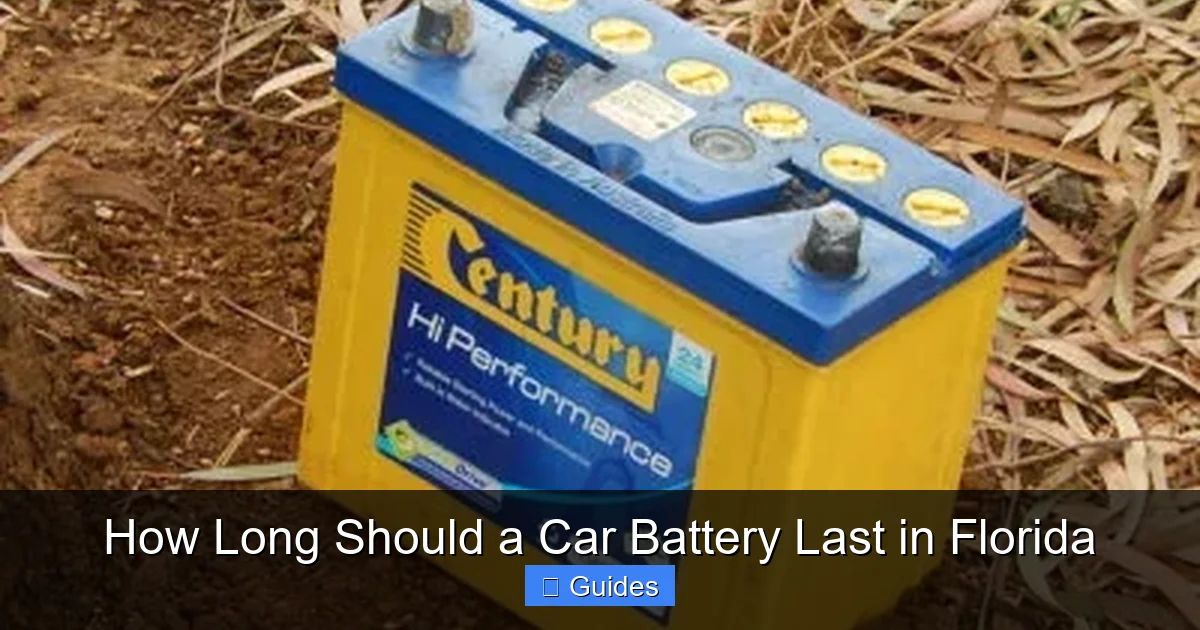
Visual guide about How Long Should a Car Battery Last in Florida
Image source: batteryskills.com
Florida’s tropical climate is one of the biggest factors that shorten car battery life. While many people assume cold weather is the main enemy of batteries, heat is actually far more damaging over time. Let’s look at why.
Heat Accelerates Chemical Reactions
Car batteries operate through a chemical reaction between lead plates and sulfuric acid electrolyte. This reaction produces the electricity needed to start your engine and power your vehicle’s electronics. However, higher temperatures speed up these chemical processes—both the good and the bad.
While a slightly warmer battery might perform better in cold weather, excessive heat causes the electrolyte to evaporate faster. This leads to internal damage, reduced capacity, and eventually, battery failure. In Florida, where under-hood temperatures can exceed 140°F during summer, this evaporation happens much quicker than in cooler regions.
Corrosion Builds Faster in Humid Conditions
Humidity is another silent killer of car batteries. Florida’s high moisture levels promote corrosion on battery terminals and cables. Corrosion appears as a white, green, or blue powdery substance around the connections. While it might look harmless, it acts as an insulator, reducing the flow of electricity.
This means your battery has to work harder to deliver the same amount of power. Over time, this increased strain can lead to premature failure. Even if your battery is relatively new, corrosion can make it seem weak or unreliable.
Short Trips Don’t Allow Full Recharging
Many Floridians live in suburban areas where daily commutes are short—think 10 to 15 minutes to work, school, or the grocery store. While convenient, these short trips don’t give your alternator enough time to fully recharge the battery after starting the engine.
Every time you start your car, the battery delivers a large burst of power. The alternator then replenishes that energy while the engine runs. But if you’re only driving for a few minutes, the battery may never reach full charge. Over time, this partial charging cycle leads to sulfation—a buildup of lead sulfate crystals on the battery plates that reduces capacity and lifespan.
High Electrical Demand in Summer
Florida summers mean one thing: air conditioning. And lots of it. Running the A/C, seat coolers, fans, and entertainment systems puts a heavy load on your car’s electrical system. This increased demand means your battery is under more stress, especially during stop-and-go traffic or when idling with the engine off.
Additionally, many drivers use phone chargers, dash cams, and other accessories that draw power even when the car is off. These “parasitic drains” can slowly deplete the battery over time, especially if the vehicle sits for days without being driven.
Average Car Battery Lifespan in Florida
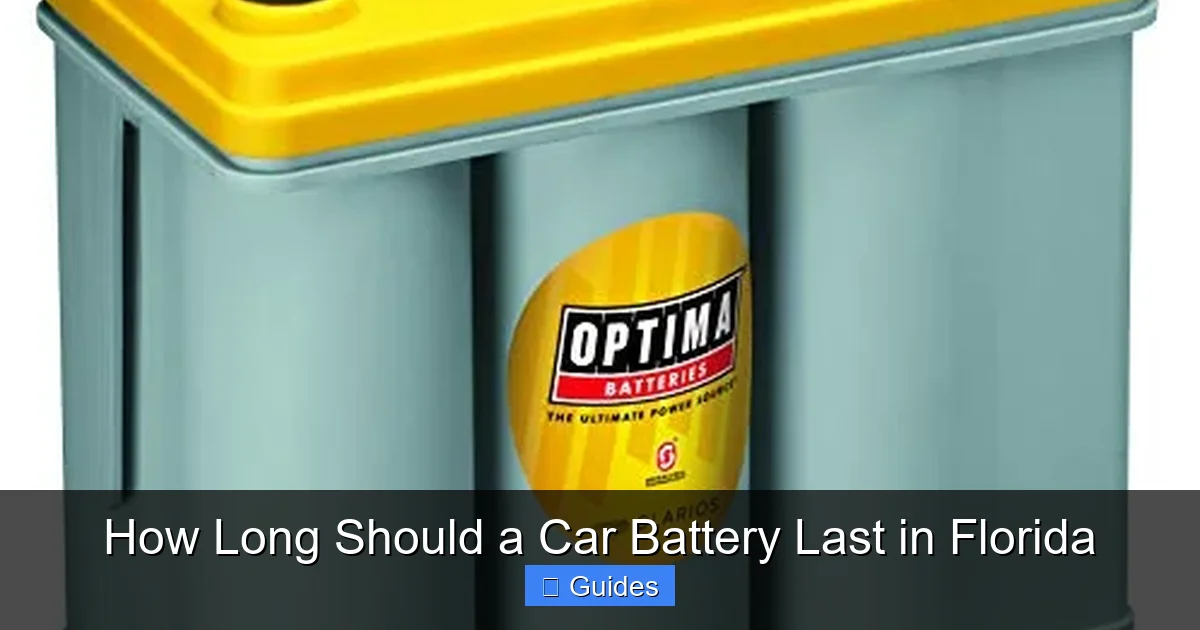
Visual guide about How Long Should a Car Battery Last in Florida
Image source: compressorlab.com
So, what’s the real-world expectation for battery life in Florida? While manufacturers often claim a 4- to 6-year lifespan, real-world conditions in the Sunshine State usually result in a shorter timeline.
Typical Lifespan: 3 to 5 Years
Most experts agree that a car battery in Florida will last between **3 and 5 years**, with many drivers needing a replacement closer to the 3-year mark. This is significantly shorter than in cooler climates like Minnesota or Colorado, where batteries can last 5 to 7 years.
Why the difference? It all comes back to heat. A study by the Battery Council International found that batteries in hot climates degrade up to 35% faster than those in temperate zones. In Florida, where temperatures rarely dip below 60°F even in winter, there’s little relief for your battery.
Signs Your Battery Is Nearing the End
Knowing when your battery is on its last legs can save you from being stranded. Here are common warning signs:
– **Slow engine crank:** If your engine takes longer to start, especially in the morning, your battery may be weak.
– **Dim headlights or interior lights:** Lights that flicker or appear dimmer than usual can indicate low voltage.
– **Check engine or battery warning light:** Modern cars have sensors that detect battery issues. Don’t ignore these alerts.
– **Swollen or bloated battery case:** Heat can cause the battery case to expand, a sign of internal damage.
– **Old age:** If your battery is over 3 years old and you live in Florida, it’s wise to have it tested regularly.
Real-Life Example: Miami Driver’s Experience
Take Maria, a Miami resident who drives a 2018 Honda Accord. She replaced her original battery after just 32 months. “I thought it would last longer,” she said. “But the heat here is brutal. I park outside, and in summer, my car feels like an oven. I noticed the engine was cranking slower, and one morning it just wouldn’t start.”
After testing, her mechanic confirmed the battery had lost over 60% of its capacity. “It’s not uncommon,” he explained. “In South Florida, we see batteries fail as early as 2.5 years, especially if they’re not maintained.”
Factors That Shorten Battery Life in Florida
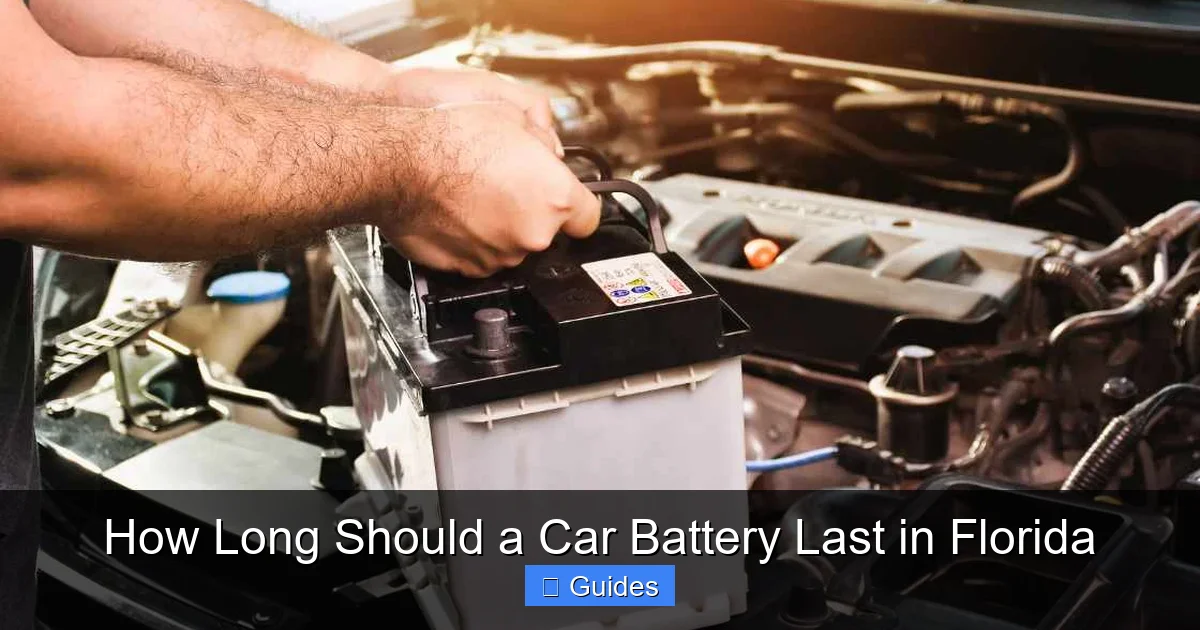
Visual guide about How Long Should a Car Battery Last in Florida
Image source: tradecarhub.com
While heat is the biggest culprit, several other factors can shorten your battery’s lifespan in Florida. Understanding these can help you take preventive action.
Parking in Direct Sunlight
Leaving your car parked in direct sunlight for hours—especially in summer—can raise under-hood temperatures to dangerous levels. This constant exposure accelerates electrolyte evaporation and internal wear.
If you don’t have access to a garage, try to park in shaded areas or use a windshield sun reflector. These simple steps can reduce interior and engine bay temperatures by up to 40°F.
Infrequent Use or Long Periods of Inactivity
If you’re away on vacation or work from home and don’t drive often, your battery may slowly lose charge. Even when off, modern cars have systems that draw small amounts of power (like alarms, clocks, and computers).
Leaving a car unused for weeks can lead to a deeply discharged battery, which is hard to recover from. If you won’t be driving for more than a week, consider using a battery maintainer or trickle charger to keep it topped up.
Aftermarket Electronics and Accessories
Adding aftermarket devices like dash cams, GPS units, or sound systems can increase electrical load. If these devices aren’t properly wired or draw power when the car is off, they can cause parasitic drain.
For example, a dash cam that records while parked may seem harmless, but over several days, it can drain a weak battery. Always ensure accessories are installed correctly and use low-power modes when possible.
Dirty or Loose Battery Connections
Dirt, grease, and corrosion on battery terminals can interfere with electrical flow. Loose connections increase resistance, forcing the battery to work harder.
Regularly inspect your battery terminals and clean them with a mixture of baking soda and water. Use a wire brush to remove corrosion, then apply a thin layer of dielectric grease to prevent future buildup.
Using the Wrong Type of Battery
Not all batteries are created equal. Standard flooded lead-acid batteries are common and affordable, but they’re more susceptible to heat damage. In Florida, consider upgrading to an **Absorbent Glass Mat (AGM)** or **Enhanced Flooded Battery (EFB)**, which are designed for higher performance and durability in extreme conditions.
AGM batteries, for instance, are sealed, spill-proof, and better at handling deep discharges and high temperatures. They’re often used in start-stop vehicles and are worth the investment if you want longer life.
How to Extend Your Car Battery’s Life in Florida
The good news? You’re not powerless against the heat. With a few smart habits and maintenance steps, you can significantly extend your battery’s lifespan.
Get Regular Battery Inspections
Most auto shops offer free battery testing. Have your battery checked at least once a year—preferably before summer. Technicians use load testers to measure voltage, cranking power, and overall health.
If your battery is over 3 years old, consider testing it every 6 months. Early detection of weakness can prevent unexpected failure.
Keep Your Battery Clean
Inspect your battery terminals monthly for signs of corrosion. Clean them with a baking soda and water solution (1 tablespoon baking soda to 1 cup water). Apply the mix with an old toothbrush, scrub gently, then rinse with water and dry thoroughly.
After cleaning, apply a thin layer of dielectric grease or terminal protector spray to prevent future corrosion.
Minimize Electrical Load When Engine Is Off
Avoid using electronics like the radio, A/C, or lights when the engine is off. These draw power directly from the battery and can drain it quickly, especially on hot days when the battery is already stressed.
If you need to sit in your car with the engine off, limit usage to essentials and keep sessions short.
Drive Longer Distances When Possible
Try to take longer drives (20+ minutes) a few times a week. This gives the alternator enough time to fully recharge the battery. If your daily routine consists of short trips, consider combining errands into one longer outing.
Use a Battery Maintainer for Infrequent Use
If you have a second car or don’t drive often, invest in a smart battery maintainer. These devices plug into your car’s cigarette lighter or directly to the battery and keep it charged without overcharging.
They’re especially useful during Florida’s rainy season or if you travel frequently.
Park in the Shade or Garage
Whenever possible, park in a garage, carport, or shaded area. Even a few hours out of direct sunlight can make a big difference. Use a reflective windshield cover to reduce interior heat buildup.
Upgrade to a Heat-Resistant Battery
If you’re due for a replacement, consider upgrading to an AGM or EFB battery. These are more expensive upfront but offer better performance, longer life, and greater resistance to heat and vibration.
Look for batteries with a high **Cold Cranking Amps (CCA)** rating and a **Reserve Capacity (RC)** of at least 90 minutes—important for handling high electrical loads in summer.
When to Replace Your Car Battery in Florida
Even with the best care, batteries don’t last forever. Knowing when to replace yours can save you from a breakdown.
Age Is a Key Factor
Most batteries have a date code stamped on the case. Look for a letter (A–L for January–December) and a number (year). For example, “C8” means March 2018.
If your battery is over 3 years old and you live in Florida, start planning for a replacement. By 4 years, the risk of failure increases significantly.
Performance Decline Is a Red Flag
If you notice any of the warning signs mentioned earlier—slow cranking, dim lights, warning lights—don’t wait. Have your battery tested immediately.
A weak battery can fail suddenly, especially during extreme heat or when you’re far from help.
Seasonal Timing Matters
The best time to replace a battery in Florida is in late spring or early summer—before the peak heat hits. This ensures your new battery is ready for the toughest months.
Avoid replacing batteries in the dead of summer if possible, as high temperatures can stress a new battery during installation and break-in.
Choosing the Right Battery for Florida’s Climate
Not all batteries are suited for Florida’s harsh conditions. When shopping for a replacement, keep these tips in mind.
Look for High Heat Tolerance
Check the manufacturer’s specifications for operating temperature range. A good Florida battery should perform well in temperatures up to 140°F.
Choose AGM or EFB for Better Performance
AGM batteries are ideal for hot climates due to their sealed design and resistance to vibration and heat. EFB batteries are a more affordable alternative with improved durability over standard flooded batteries.
Match Your Vehicle’s Requirements
Always check your owner’s manual for the recommended battery group size, CCA, and RC. Using the wrong size or type can damage your electrical system.
Buy from a Reputable Retailer with a Good Warranty
Look for batteries with at least a 3-year free replacement warranty. Some brands offer 4- or 5-year warranties, which can save you money if the battery fails early.
Consider Local Climate-Specific Brands
Some manufacturers offer batteries specifically designed for hot climates. For example, Optima, DieHard, and Interstate all have models marketed for extreme heat performance.
Conclusion
So, how long should a car battery last in Florida? While the average is 3 to 5 years, the state’s intense heat, humidity, and driving habits often push that number closer to 3 years. But that doesn’t mean you’re doomed to frequent replacements.
By understanding the challenges Florida’s climate presents and taking proactive steps—like regular inspections, cleaning terminals, parking in shade, and choosing the right battery—you can extend your battery’s life and avoid unexpected breakdowns.
Remember, your car battery is a critical component that keeps you safe and mobile. Treat it with care, and it will serve you well, even in the Sunshine State’s toughest conditions. Stay cool, stay charged, and keep rolling.
Frequently Asked Questions
How long do car batteries last in Florida compared to other states?
Car batteries in Florida typically last 3 to 5 years, which is shorter than in cooler states where they can last 5 to 7 years. The main reason is Florida’s high heat, which accelerates battery degradation.
Can extreme heat really kill a car battery?
Yes, extreme heat is one of the leading causes of battery failure. It speeds up chemical reactions, causes electrolyte evaporation, and promotes corrosion—all of which shorten battery life.
Should I replace my battery before summer in Florida?
Yes, it’s a smart idea. Replacing your battery in late spring ensures it’s in top condition before the hottest months, reducing the risk of failure when you need your car most.
What type of battery is best for Florida’s climate?
AGM (Absorbent Glass Mat) or EFB (Enhanced Flooded Battery) batteries are best for Florida. They’re more resistant to heat, vibration, and deep discharges than standard flooded batteries.
How often should I test my car battery in Florida?
Have your battery tested at least once a year, preferably before summer. If it’s over 3 years old, consider testing it every 6 months to catch issues early.
Can I revive a dead battery in the Florida heat?
Sometimes, a jump-start or trickle charge can revive a weak battery temporarily. However, if the battery is old or damaged by heat, it’s better to replace it to avoid future problems.

At CarLegit, we believe information should be clear, factual, and genuinely helpful. That’s why every guide, review, and update on our website is created with care, research, and a strong focus on user experience.