
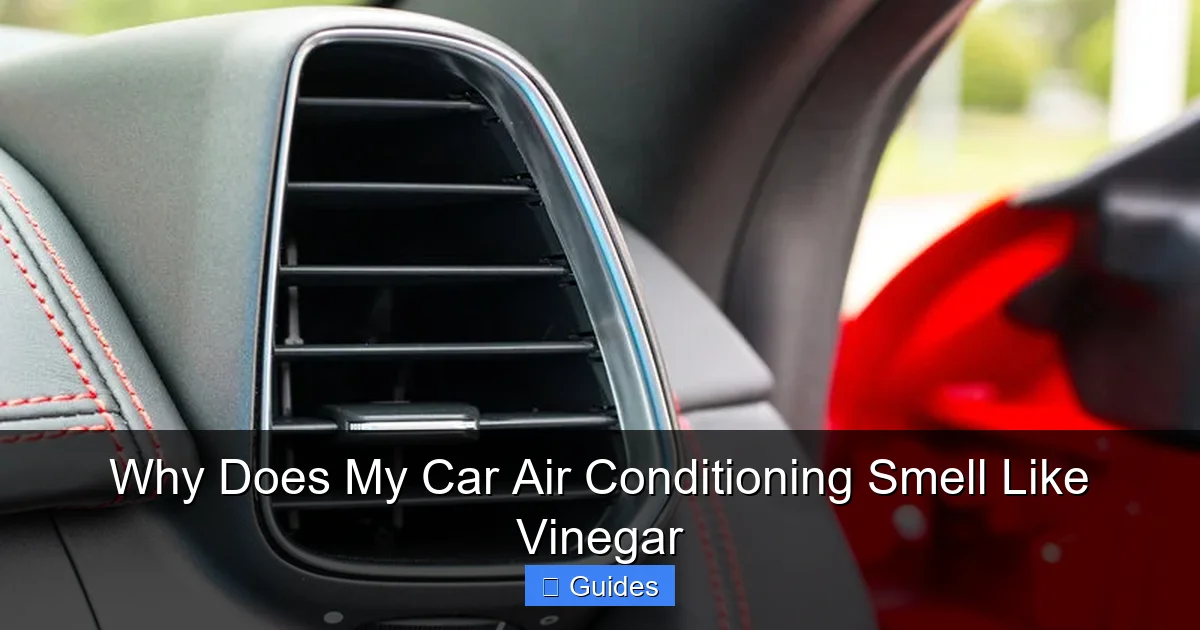
If your car’s AC smells like vinegar, it’s usually due to mold, bacteria, or a clogged evaporator drain. This common issue stems from moisture buildup inside the HVAC system, creating a breeding ground for microbes. The good news? It’s often fixable with cleaning, filters, or professional help.
In This Article
- 1 Key Takeaways
- 2 📑 Table of Contents
- 3 Why Does My Car Air Conditioning Smell Like Vinegar?
- 4 What Causes the Vinegar Smell in Car AC?
- 5 How Moisture Builds Up in Your Car’s AC System
- 6 Signs Your Car’s AC Smell Is More Than Just Vinegar
- 7 How to Fix a Vinegar Smell in Your Car’s AC
- 8 When to Call a Professional
- 9 Preventing Future AC Odors
- 10 Conclusion
- 11 Frequently Asked Questions
- 11.1 Why does my car AC smell like vinegar when I first turn it on?
- 11.2 Can a dirty cabin air filter cause a vinegar smell?
- 11.3 Is it safe to drive with a vinegar smell in the AC?
- 11.4 How often should I clean my car’s AC system?
- 11.5 Can I use household cleaners to clean my car’s AC?
- 11.6 Will turning off the AC earlier prevent the vinegar smell?
Key Takeaways
- Understanding Why Does My Car Air Conditioning Smell Like Vinegar: Provides essential knowledge
📑 Table of Contents
- Why Does My Car Air Conditioning Smell Like Vinegar?
- What Causes the Vinegar Smell in Car AC?
- How Moisture Builds Up in Your Car’s AC System
- Signs Your Car’s AC Smell Is More Than Just Vinegar
- How to Fix a Vinegar Smell in Your Car’s AC
- When to Call a Professional
- Preventing Future AC Odors
- Conclusion
Why Does My Car Air Conditioning Smell Like Vinegar?
You’re driving down the road on a hot summer day, windows up, AC blasting—only to be hit with a sour, vinegary stench every time you turn it on. It’s not just unpleasant; it’s confusing. Why would your car’s air conditioning smell like vinegar? You didn’t spill salad dressing in the vents, and your car hasn’t been near a pickle factory. Yet, the smell is unmistakable: sharp, acidic, and lingering.
This vinegar-like odor is actually a common issue many drivers face, especially during warmer months or in humid climates. While it might seem alarming at first, it’s rarely a sign of a major mechanical failure. Instead, it’s usually the result of biological growth—like mold or bacteria—inside your vehicle’s HVAC (heating, ventilation, and air conditioning) system. These microbes thrive in dark, damp environments, and your car’s AC system provides the perfect breeding ground. Understanding the root cause is the first step toward eliminating the smell and keeping your car’s interior fresh and healthy.
What Causes the Vinegar Smell in Car AC?
The vinegar smell in your car’s air conditioning isn’t actually vinegar—it’s the byproduct of microbial activity. When moisture accumulates inside the AC system, it creates an ideal environment for mold, mildew, and bacteria to grow. As these organisms break down organic matter (like dust, pollen, or even skin cells), they release volatile organic compounds (VOCs) that produce strong, unpleasant odors. One of the most common VOCs smells distinctly like vinegar or sour milk.
Visual guide about Why Does My Car Air Conditioning Smell Like Vinegar
Image source: storables.com
This process typically starts when the AC system cools the air. As warm, humid air passes over the cold evaporator coil, moisture condenses—just like water droplets form on a cold soda can. Normally, this water drains out of the car through a small tube called the evaporator drain. But if that drain gets clogged, water pools inside the system. Over time, that standing water becomes a petri dish for microbes. The result? A persistent vinegar-like smell every time you turn on the AC.
Common Culprits Behind the Smell
Several factors can contribute to the vinegar smell in your car’s AC. Let’s break them down:
- Clogged Evaporator Drain: The most common cause. When the drain tube gets blocked by dirt, debris, or algae, water can’t escape and begins to stagnate inside the HVAC housing.
- Mold and Bacteria Growth: Once moisture is trapped, mold spores and bacteria—naturally present in the air—settle on wet surfaces like the evaporator coil or blower fan. They multiply quickly in dark, damp conditions.
- Dirty Cabin Air Filter: The filter traps dust, pollen, and other particles. If it’s old or clogged, it can become a breeding ground for microbes, especially if it gets wet.
- Leaking Refrigerant or Coolant: In rare cases, a leak in the AC system can introduce chemicals that react with moisture, producing acidic odors. However, this is less common and usually comes with other symptoms like weak cooling.
- Food or Drink Spills: Accidentally spilling soda, juice, or food near the vents can leave behind sugary residues that ferment and smell sour—similar to vinegar.
Understanding these causes helps you pinpoint the source and take the right steps to fix it. Most of the time, the issue is preventable and treatable with regular maintenance and a few smart habits.
How Moisture Builds Up in Your Car’s AC System
To truly tackle the vinegar smell, it helps to understand how moisture gets trapped in your car’s AC system in the first place. It’s not just about rain or spills—your AC system naturally produces water during normal operation. Here’s how it works:
Visual guide about Why Does My Car Air Conditioning Smell Like Vinegar
Image source: machinesgeek.com
When you turn on the AC, the compressor pressurizes refrigerant, which flows through the evaporator coil inside the dashboard. As warm air from the cabin passes over this cold coil, the moisture in the air condenses into water droplets. This is why you sometimes see water dripping under your car after running the AC—it’s a sign the system is working properly.
The Role of the Evaporator Drain
The evaporator drain is a small rubber or plastic tube that carries this condensed water out of the vehicle, usually near the firewall on the passenger side. It’s designed to prevent water from pooling inside the HVAC housing. But over time, this drain can become clogged with dirt, leaves, spider webs, or even algae growth. When that happens, water backs up and starts collecting inside the system.
Imagine a sink with a blocked drain—water just sits there. The same thing happens in your car. That standing water soaks into foam insulation, collects on metal surfaces, and creates a damp environment perfect for mold and bacteria. Even if the drain clears later, the damage is often already done. The microbes have taken hold, and they’ll keep producing that vinegar smell every time you use the AC.
Humidity and Climate Factors
Humidity plays a big role in how much moisture builds up. If you live in a hot, humid climate—like Florida, Louisiana, or the Southeast—your AC runs more often and pulls more moisture from the air. This increases the risk of water accumulation and microbial growth. Even in drier areas, seasonal changes can create ideal conditions. For example, spring rains followed by summer heat can leave your car’s interior damp, feeding the cycle.
Another factor is how you use your AC. If you frequently turn it off immediately after driving, the evaporator coil stays wet. Without airflow to dry it out, mold and bacteria have time to grow. This is why experts recommend running the AC on fresh air (not recirculated) for a few minutes before shutting off the car—it helps evaporate excess moisture.
Signs Your Car’s AC Smell Is More Than Just Vinegar
While a vinegar-like smell is usually harmless, it’s important to know when it might signal a bigger problem. Most of the time, the odor is just a nuisance caused by mold or bacteria. But in some cases, it could point to mechanical issues that need attention.

Visual guide about Why Does My Car Air Conditioning Smell Like Vinegar
Image source: homeairadvisor.com
When to Worry About the Smell
Here are a few red flags that suggest the smell might be more than just microbial growth:
- Sweet or Chemical Odor: If the smell is more like syrup, antifreeze, or chemicals, it could indicate a coolant leak. This is serious—coolant is toxic and can damage your engine or HVAC system.
- Burning Smell: A burning odor, especially with smoke or reduced airflow, could mean an electrical issue, like a failing blower motor or wiring problem.
- Musty Smell That Won’t Go Away: If you’ve cleaned the system and replaced the filter but the smell persists, there may be deep mold growth inside the evaporator housing that requires professional cleaning.
- Reduced Cooling Performance: If your AC isn’t cooling as well as it used to, combined with a bad smell, it could mean a refrigerant leak or clogged condenser.
If you notice any of these symptoms, it’s best to have your car inspected by a qualified mechanic. Ignoring them could lead to costly repairs down the road.
Health Implications of a Smelly AC
Beyond being unpleasant, a moldy or bacteria-filled AC system can affect your health—especially if you have allergies, asthma, or a weakened immune system. Breathing in mold spores or bacterial particles over time can trigger respiratory issues, headaches, or fatigue. Children, the elderly, and people with chronic conditions are particularly vulnerable.
That’s why it’s not just about comfort—it’s about air quality. A clean AC system doesn’t just smell better; it circulates cleaner, healthier air throughout your vehicle. Taking action to eliminate the vinegar smell can make a real difference in how you feel during your drives.
How to Fix a Vinegar Smell in Your Car’s AC
The good news? Most vinegar smells in car AC systems can be fixed with a combination of cleaning, maintenance, and smart habits. Here’s a step-by-step guide to help you eliminate the odor and prevent it from returning.
Step 1: Replace the Cabin Air Filter
The cabin air filter is your first line of defense. It traps dust, pollen, and other contaminants before they enter the HVAC system. Over time, it gets clogged and can become a breeding ground for mold—especially if it gets wet. Replacing it is one of the easiest and most effective fixes.
Most manufacturers recommend changing the cabin air filter every 12,000 to 15,000 miles, or once a year. If you live in a humid or polluted area, you may need to do it more often. Check your owner’s manual for the location—it’s usually behind the glove box or under the dashboard. When replacing it, choose a high-quality filter with activated carbon, which helps absorb odors.
Step 2: Clean the Evaporator Coil and Drain
The evaporator coil is where moisture collects, making it a prime spot for mold growth. Cleaning it requires some disassembly, so this step is best left to professionals unless you’re comfortable working under the dashboard. Mechanics use specialized foams or sprays that kill mold and bacteria without damaging components.
While you’re at it, ask them to check and clear the evaporator drain. A clogged drain is often the root cause of the problem. They can flush it with water or use compressed air to remove debris. Some shops also install a drain line cleaner or algae inhibitor to prevent future clogs.
Step 3: Use an AC Cleaner or Deodorizer
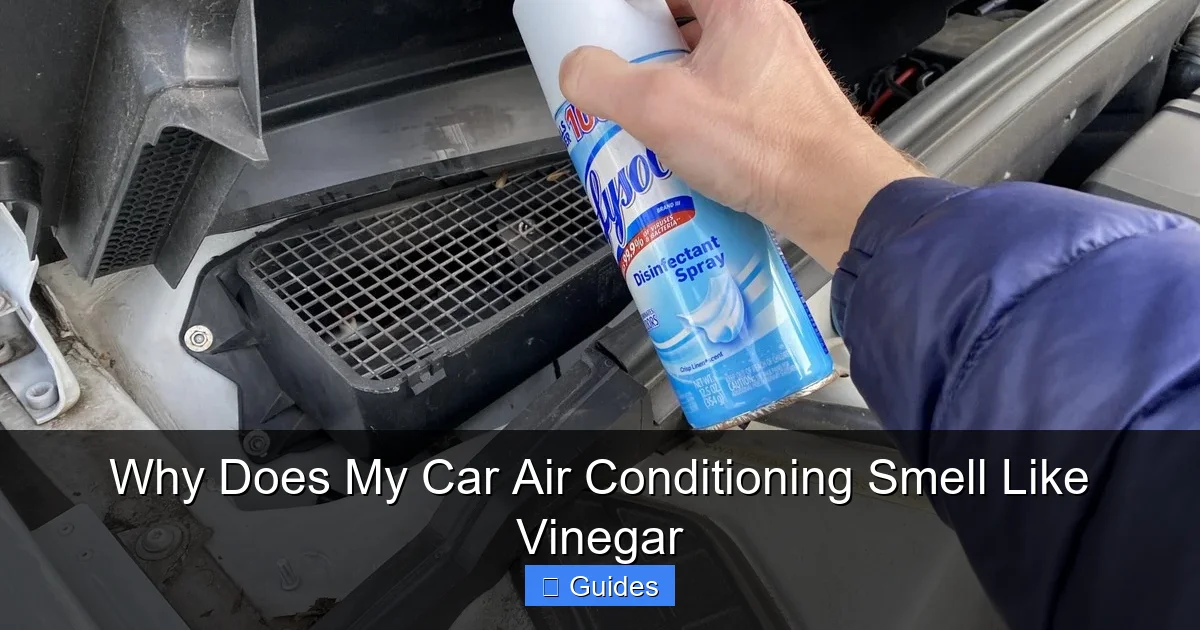
For a DIY approach, you can use an AC cleaner spray designed to kill mold and bacteria. These products are sprayed into the air intake vents (usually located near the windshield wipers) while the AC is running on recirculate mode. The cleaner circulates through the system, coating the evaporator and blower fan.
Popular brands include Lysol AC Cleaner, Klima-Clean, and BG Frigi-Fresh. Follow the instructions carefully—most require you to run the AC for 10–15 minutes, then let it sit before airing out the car. Repeat the process every few months for best results.
Step 4: Run the AC on Fresh Air Before Turning Off
This simple habit can make a big difference. Before you turn off your car, switch the AC from recirculate mode to fresh air and let it run for 2–3 minutes. This allows dry outside air to flow over the evaporator coil, helping to evaporate any remaining moisture. It’s like airing out a wet towel instead of leaving it crumpled in a corner.
Doing this consistently can prevent water from pooling and reduce the chance of mold growth. It’s a small change that pays off in the long run.
Step 5: Keep the Interior Clean
Spills, food crumbs, and wet clothing can contribute to odors. Clean up any spills immediately, especially sugary drinks that can ferment. Use a vacuum to remove debris from floor mats and under seats. Consider using moisture-absorbing products like silica gel packs or a car dehumidifier, especially if you live in a humid area.
Also, avoid leaving wet items—like gym clothes or umbrellas—in the car for long periods. They add moisture to the cabin, which can seep into the HVAC system over time.
When to Call a Professional
While many vinegar smells can be resolved at home, some situations require professional help. If you’ve tried cleaning the filter, using AC sprays, and clearing the drain but the smell persists, it’s time to visit a mechanic or HVAC specialist.
Professionals have tools and expertise to access hard-to-reach areas, like the inside of the evaporator housing. They can perform a deep clean using high-pressure steam or specialized antimicrobial treatments. In severe cases, they may need to remove and clean the entire HVAC box—a job that’s not recommended for DIYers.
Additionally, if you suspect a refrigerant leak, electrical issue, or coolant problem, don’t delay. These require immediate attention to avoid safety hazards or further damage.
Preventing Future AC Odors
Once you’ve eliminated the vinegar smell, the goal is to keep it from coming back. Prevention is easier than treatment, and a few simple habits can go a long way.
Regular Maintenance Schedule
Make AC maintenance part of your routine. Here’s a quick checklist:
- Replace the cabin air filter every 12,000–15,000 miles.
- Inspect the evaporator drain annually or if you notice water inside the car.
- Use an AC cleaner spray every 6 months.
- Run the AC on fresh air for a few minutes before turning off the car.
- Keep the interior clean and dry.
Many mechanics offer AC service packages that include filter replacement, drain cleaning, and system inspection. These are often affordable and worth the investment.
Use the Right Settings
Avoid running the AC on recirculate mode for long periods, especially in humid weather. While recirculate helps cool the car faster, it traps moisture inside. Use fresh air mode when possible to allow airflow and reduce humidity buildup.
Also, don’t blast the AC on the coldest setting right away. Start with a moderate temperature and let the system gradually cool the cabin. This reduces condensation and stress on the components.
Park Smart
Whenever possible, park in the shade or use a sunshade. This reduces interior heat and humidity, which means your AC doesn’t have to work as hard to cool the car. Less workload equals less moisture and lower risk of mold growth.
If you live in a rainy or humid area, consider using a car cover or parking in a garage. These small changes can significantly reduce moisture exposure.
Conclusion
A vinegar smell in your car’s air conditioning is more than just an annoyance—it’s a sign that moisture and microbes have taken hold in your HVAC system. While it’s rarely a sign of serious mechanical failure, it can affect your comfort, air quality, and even your health if left unchecked.
The good news is that most cases are preventable and fixable. By understanding how moisture builds up, replacing your cabin air filter, cleaning the system, and adopting smart habits, you can eliminate the odor and keep your car smelling fresh. And if DIY methods don’t work, don’t hesitate to call a professional—your comfort and safety are worth it.
Remember, a little maintenance goes a long way. Treat your car’s AC system with care, and it will keep you cool, comfortable, and odor-free for miles to come.
Frequently Asked Questions
Why does my car AC smell like vinegar when I first turn it on?
This is usually due to mold or bacteria growing on the evaporator coil. When the AC runs, it blows air over the contaminated surface, releasing the vinegar-like odor. The smell often fades after a few minutes as the system dries out.
Can a dirty cabin air filter cause a vinegar smell?
Yes. A clogged or wet cabin air filter can trap moisture and organic debris, creating a breeding ground for mold and bacteria. Replacing the filter often eliminates the smell.
Is it safe to drive with a vinegar smell in the AC?
While not immediately dangerous, prolonged exposure to mold spores can affect your health, especially if you have allergies or respiratory issues. It’s best to address the issue promptly.
How often should I clean my car’s AC system?
Replace the cabin air filter every 12,000–15,000 miles and use an AC cleaner spray every 6 months. Have the evaporator and drain inspected annually by a professional.
Can I use household cleaners to clean my car’s AC?
No. Household cleaners can damage HVAC components or leave harmful residues. Use only products specifically designed for automotive AC systems.
Will turning off the AC earlier prevent the vinegar smell?
Yes, partially. Running the AC on fresh air for a few minutes before turning off the car helps dry the evaporator coil, reducing moisture buildup and mold growth.

At CarLegit, we believe information should be clear, factual, and genuinely helpful. That’s why every guide, review, and update on our website is created with care, research, and a strong focus on user experience.