
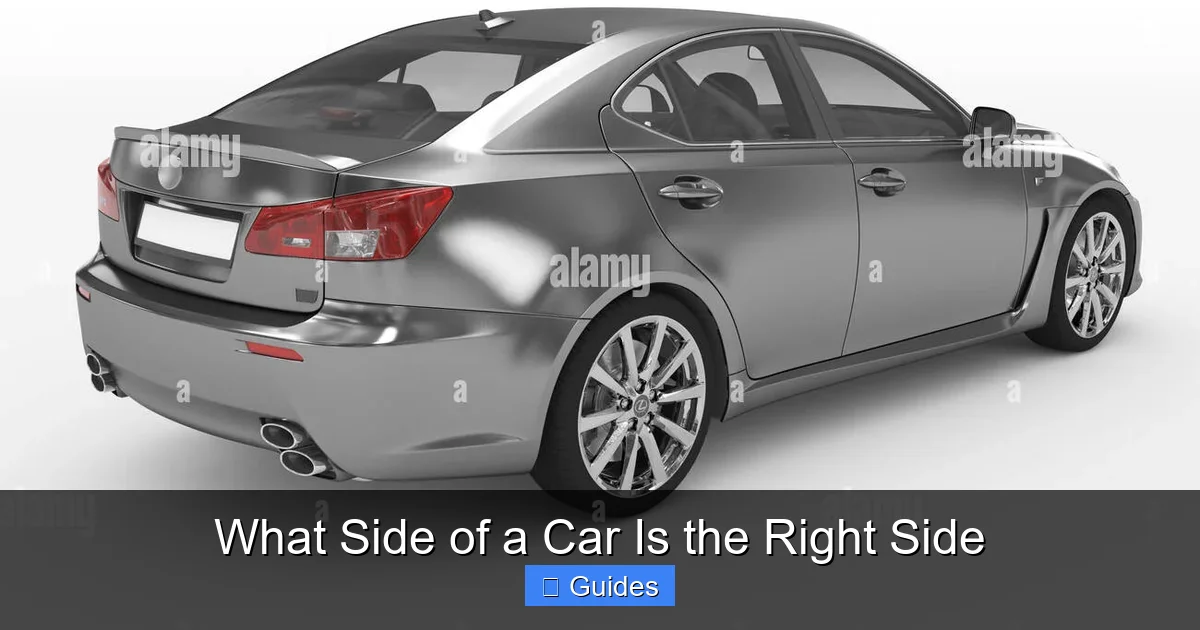
Understanding what side of a car is the right side isn’t just about direction—it’s about safety, design, and global standards. Whether you’re driving on the left or right side of the road, knowing which side is “right” helps with parking, merging, and vehicle operation.
In This Article
- 1 Key Takeaways
- 2 📑 Table of Contents
- 3 Introduction: Why the Right Side of a Car Matters
- 4 Global Driving Standards: Left vs. Right
- 5 How Vehicle Design Reflects the Right Side
- 6 Right Side Visibility and Safety Considerations
- 7 Practical Tips for Identifying the Right Side
- 8 Conclusion: Why Knowing the Right Side Matters
- 9 Frequently Asked Questions
- 9.1 What side of a car is the right side in the United States?
- 9.2 Is the right side of a car always the passenger side?
- 9.3 Why do some countries drive on the left and others on the right?
- 9.4 How does the right side affect car safety?
- 9.5 Can I drive an RHD car in an LHD country?
- 9.6 How do I know which side is right when renting a car abroad?
Key Takeaways
- The right side of a car is the passenger side in right-hand drive (RHD) countries and the driver’s side in left-hand drive (LHD) countries. This depends entirely on which side of the road vehicles travel on.
- Global driving standards determine which side of the car is considered “right.” Over 60% of the world drives on the right, making LHD the most common configuration.
- Vehicle controls, mirrors, and safety features are designed with the right side in mind. This includes blind spot monitoring, door placement, and emergency access.
- Knowing the right side helps with parking, lane changes, and merging safely. It’s especially important when driving in foreign countries or renting unfamiliar vehicles.
- Manufacturers tailor car designs to regional regulations. This affects everything from dashboard layout to turn signal placement.
- The right side plays a key role in pedestrian and cyclist safety. Visibility and door swing direction are optimized to reduce accidents.
- Understanding the right side improves overall driving confidence and awareness. It’s a small detail that makes a big difference in daily driving.
📑 Table of Contents
Introduction: Why the Right Side of a Car Matters
Have you ever stopped to think about what side of a car is the right side? It might sound like a silly question at first—after all, “right” is just a direction, right? But when it comes to cars, the answer isn’t as straightforward as it seems. The right side of a car isn’t just about turning right or sitting on the right-hand seat. It’s deeply tied to how vehicles are designed, how people drive, and even how countries organize their roads.
In fact, the right side of a car plays a crucial role in everything from safety and visibility to vehicle manufacturing and international travel. Whether you’re driving in the United States, Japan, the UK, or Australia, the concept of “right side” changes based on local driving rules. This isn’t just trivia—it affects how you park, merge into traffic, and even how emergency responders approach your vehicle in an accident.
So, what exactly defines the right side of a car? And why does it matter so much? Let’s break it down in simple terms. The right side of a car is the side that faces the center of the road when the vehicle is moving forward. In countries where people drive on the right-hand side of the road—like the U.S., Canada, and most of Europe—the driver sits on the left, and the right side is the passenger side. But in countries like the UK, Japan, and India, where driving is on the left, the driver sits on the right, making the right side the driver’s side.
This distinction might seem minor, but it has major implications. From the placement of mirrors and controls to the design of doors and safety systems, every part of a car is built with a specific side in mind. Understanding this helps you become a more aware and confident driver, especially when traveling abroad or renting a car in a new country.
Global Driving Standards: Left vs. Right
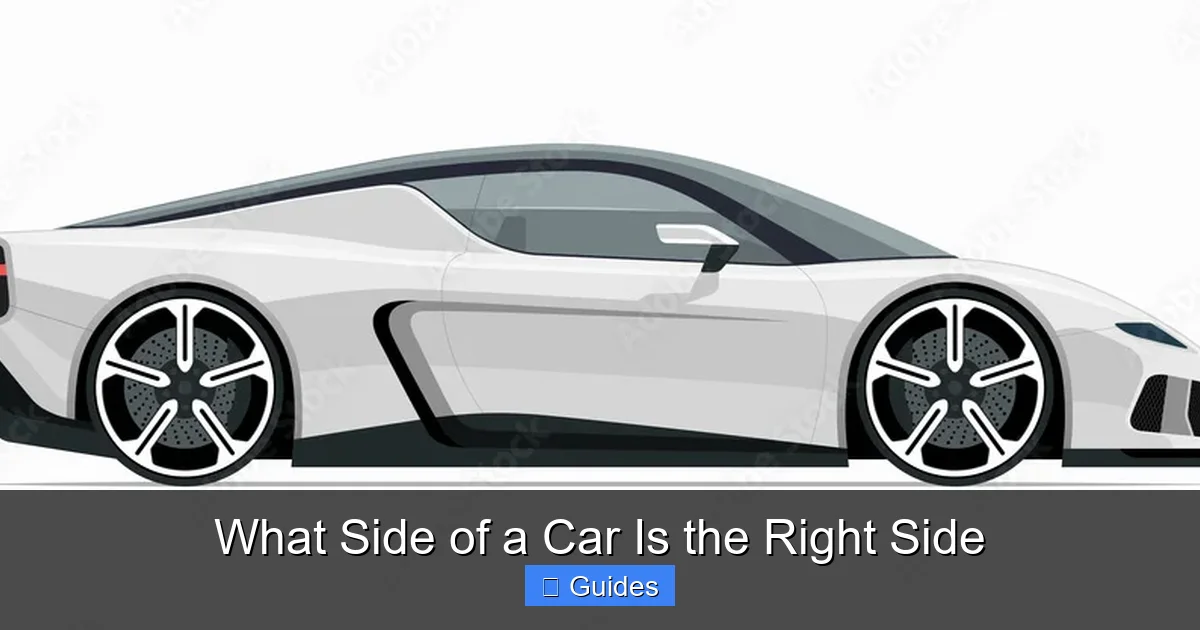
Visual guide about What Side of a Car Is the Right Side
Image source: as1.ftcdn.net
To truly understand what side of a car is the right side, we need to look at the bigger picture: global driving standards. Around the world, there are two main systems for road traffic—right-hand traffic (RHT) and left-hand traffic (LHT). These systems determine not only which side of the road you drive on but also which side of the car is considered “right.”
In right-hand traffic countries—which include the United States, China, Germany, and most of South America—vehicles drive on the right side of the road. This means the driver sits on the left side of the car, and the right side is the passenger side. This setup is known as left-hand drive (LHD). In contrast, left-hand traffic countries—like the United Kingdom, Australia, Japan, and South Africa—have vehicles driving on the left side of the road. Here, the driver sits on the right, making it a right-hand drive (RHD) configuration.
So, in LHD countries, the right side of the car is the side closest to the centerline when driving. In RHD countries, the right side is the side closest to the curb. This reversal affects everything from how you signal a turn to how you judge distances when passing other vehicles.
Why do these differences exist? The origins are historical and cultural. Many LHT countries, like the UK, adopted left-side driving during the age of horse-drawn carriages. Drivers sat on the right side of the carriage to use their whip with their right hand without hitting pedestrians. When automobiles came along, the tradition continued. Meanwhile, countries influenced by French or American standards—like the U.S.—adopted right-side driving, partly due to the influence of large wagons that required the driver to sit on the left to control the team of horses.
Today, about 65% of the world’s population lives in RHT countries, making LHD the more common configuration. However, RHD remains dominant in regions with strong British colonial ties, such as parts of Africa, Asia, and Oceania. This split means that if you travel internationally, you might find yourself driving a car where the right side is completely different from what you’re used to.
For example, imagine renting a car in London. You’re used to sitting on the left, but now you’re on the right. The right side of the car—the driver’s side—is now closest to the curb. This can be confusing at first, especially when turning, parking, or merging into traffic. But once you understand the logic behind it, it becomes second nature.
How Vehicle Design Reflects the Right Side
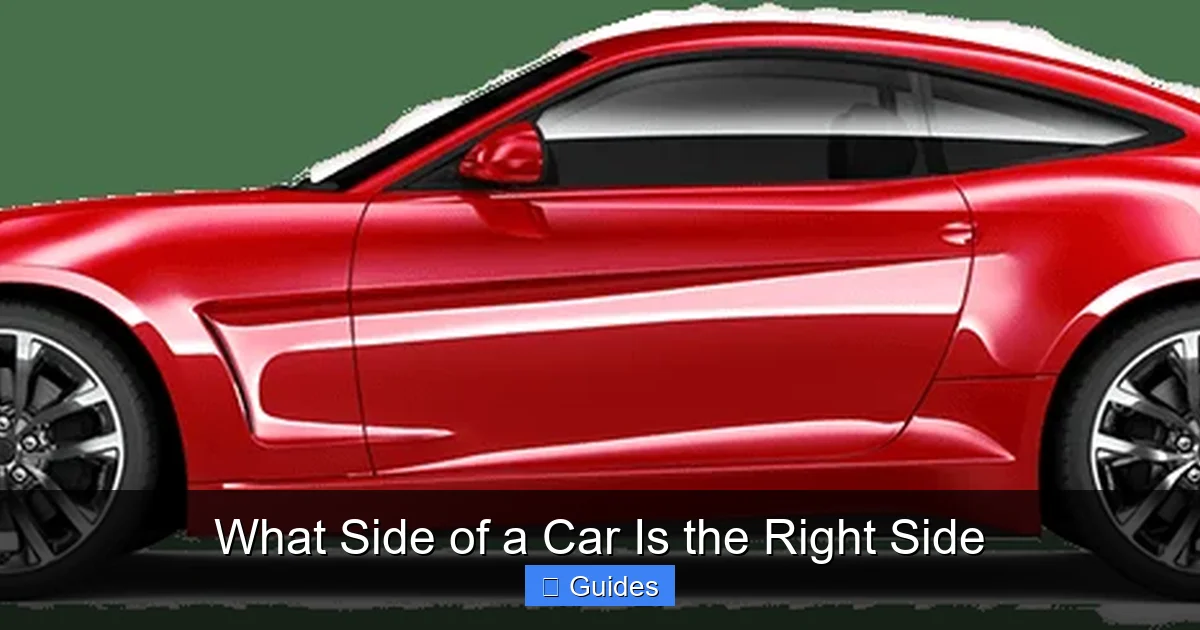
Visual guide about What Side of a Car Is the Right Side
Image source: pngkey.com
Car manufacturers don’t just build vehicles randomly—they design every component with a specific side in mind. The right side of a car isn’t just a label; it’s a critical part of the vehicle’s engineering and safety systems. From the placement of the steering wheel to the layout of mirrors and controls, everything is optimized based on which side is considered “right” in a given country.
Let’s start with the most obvious feature: the steering wheel. In LHD countries, the steering wheel is on the left, meaning the driver controls the car from the right side of the road. In RHD countries, it’s the opposite. This affects not only comfort but also visibility. For instance, when turning right in an LHD car, the driver has a better view of oncoming traffic because they’re closer to the centerline. In an RHD car, turning left offers the same advantage.
But it’s not just about the steering wheel. Side mirrors are another key example. In most cars, the right-side mirror (the passenger-side mirror in LHD vehicles) is convex and often labeled “Objects in mirror are closer than they appear.” This is because the right side has a larger blind spot, especially when changing lanes or merging. The convex shape helps drivers see more of what’s beside and behind them.
Doors and door handles are also designed with the right side in mind. In many vehicles, the right rear door is slightly larger or has a different hinge mechanism to make it easier for passengers to enter and exit, especially in tight parking spaces. This is particularly true in family cars and SUVs, where rear-seat access is a priority.
Safety systems like blind spot monitoring and lane departure warnings are calibrated based on the right side of the car. These systems use sensors and cameras to detect vehicles in adjacent lanes. In LHD cars, the system focuses more on the right side because that’s where most lane changes and merges happen. In RHD cars, the emphasis shifts to the left.
Even the placement of controls inside the car reflects the right side. In many vehicles, the gear shifter, parking brake, and infotainment controls are positioned for easy access from the driver’s seat. In LHD cars, this means they’re often on the right side of the center console. In RHD cars, they’re on the left. This might seem like a small detail, but it affects how quickly and safely a driver can operate the vehicle.
Manufacturers also consider pedestrian and cyclist safety when designing the right side. For example, the shape of the front bumper and the angle of the A-pillar (the part of the frame between the windshield and front door) are optimized to improve visibility on the right side. This is especially important in urban areas where cyclists and pedestrians often travel alongside vehicles.
Right Side Visibility and Safety Considerations
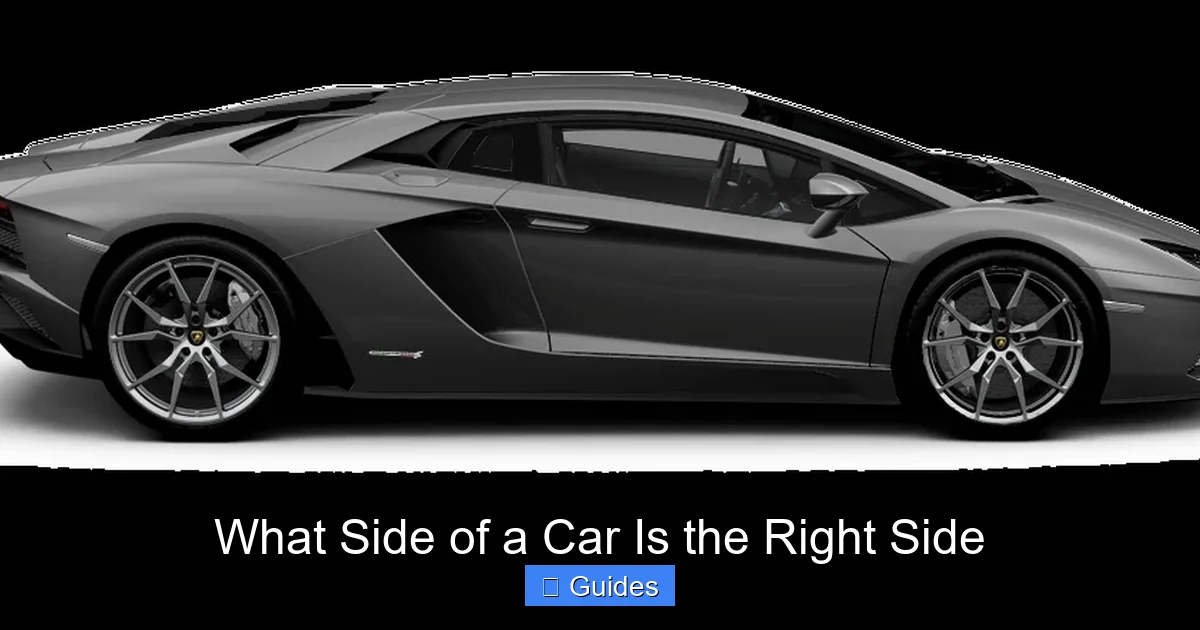
Visual guide about What Side of a Car Is the Right Side
Image source: freepngimg.com
One of the most important reasons to understand what side of a car is the right side is visibility. The right side of a vehicle often has a larger blind spot than the left, especially in LHD cars. This is because the driver sits on the left, making it harder to see directly to the right, particularly when changing lanes or turning.
Blind spots are areas around the car that the driver can’t see through the mirrors or windows. On the right side, this blind spot can extend several feet, making it dangerous to merge or change lanes without checking carefully. That’s why many modern cars come equipped with blind spot monitoring systems that use sensors to detect vehicles in adjacent lanes and alert the driver with a light on the side mirror.
But technology isn’t the only solution. Drivers can improve right-side visibility by adjusting their mirrors correctly. The right-side mirror should be angled slightly outward to cover the blind spot, but not so much that it distorts the view of the road behind. Some drivers also use convex “spot mirrors” on their side mirrors for extra coverage.
Another safety concern on the right side is door swing. When passengers exit the car on the right side—especially in LHD countries—they may open the door into traffic if they don’t check for cyclists or vehicles approaching from behind. This is a common cause of accidents in urban areas. To reduce risk, some cities have implemented “Dutch reach” laws, which require drivers and passengers to open doors with their right hand (forcing them to turn and look over their shoulder).
Pedestrian safety is also a factor. In many countries, crosswalks and sidewalks are on the right side of the road. This means drivers need to be extra cautious when turning right, as pedestrians may be crossing. In some places, right turns on red are prohibited specifically to protect pedestrians.
Cyclists are another group at risk. Bike lanes are often located on the right side of the road, making right-side visibility crucial. Drivers should always check their mirrors and blind spots before turning right, especially in cities with heavy bike traffic.
Practical Tips for Identifying the Right Side
Now that we’ve covered the theory, let’s talk about how to actually identify the right side of a car in real-world situations. Whether you’re renting a car abroad, helping a friend parallel park, or just trying to remember which side to stand on when fueling up, these practical tips will help.
First, remember the golden rule: the right side of the car is the side that faces the center of the road when the vehicle is moving forward. In LHD countries, that’s the passenger side. In RHD countries, it’s the driver’s side. If you’re unsure, look at the steering wheel—it’s always on the side closest to the centerline.
When parking, use the right side to judge your distance from the curb. In LHD cars, the right side is closer to the curb, so you can use the right mirror or side window to gauge how close you are. In RHD cars, the left side is closer to the curb, so adjust accordingly.
When merging or changing lanes, always check the right side first in LHD cars. Use your mirrors and glance over your shoulder to clear the blind spot. In RHD cars, the left side is more critical for lane changes.
If you’re traveling internationally, take a few minutes to familiarize yourself with the local driving setup before hitting the road. Practice in a quiet area first, and don’t hesitate to ask for help from a local or rental agent.
Finally, always be aware of pedestrians and cyclists on the right side, especially when turning. A quick glance can prevent a serious accident.
Conclusion: Why Knowing the Right Side Matters
So, what side of a car is the right side? The answer depends on where you are in the world, but the importance remains the same. Understanding the right side of a car isn’t just about knowing which door to open—it’s about safety, awareness, and adapting to different driving environments.
From global standards to vehicle design, the right side plays a vital role in how we drive and interact with our surroundings. Whether you’re navigating a busy city street or exploring a foreign country, knowing which side is right can make all the difference.
By paying attention to the right side—whether it’s the driver’s side or the passenger side—you become a more confident, responsible, and safe driver. So the next time you get behind the wheel, take a moment to think about which side is right. It might just save your life.
Frequently Asked Questions
What side of a car is the right side in the United States?
In the United States, the right side of a car is the passenger side, as vehicles are left-hand drive (LHD) and drive on the right side of the road. The driver sits on the left, and the right side faces the curb when parked.
Is the right side of a car always the passenger side?
No, the right side of a car is the passenger side in left-hand drive (LHD) countries, but it’s the driver’s side in right-hand drive (RHD) countries like the UK and Japan, where people drive on the left.
Why do some countries drive on the left and others on the right?
Historical and cultural factors determine driving sides. Many left-hand traffic countries, like the UK, have traditions dating back to horse-drawn carriages, while right-hand traffic countries were often influenced by French or American standards.
How does the right side affect car safety?
The right side has a larger blind spot in LHD cars, so safety features like blind spot monitoring and convex mirrors are often focused there. It’s also critical for pedestrian and cyclist safety during right turns.
Can I drive an RHD car in an LHD country?
Yes, but it can be challenging. You’ll need to adjust to sitting on the right, using different mirrors, and being extra cautious when turning or merging. Some countries require additional safety equipment for RHD vehicles.
How do I know which side is right when renting a car abroad?
Look at the steering wheel—it’s always on the side closest to the centerline. In most countries, this will tell you whether the car is LHD or RHD, helping you identify the right side quickly.

At CarLegit, we believe information should be clear, factual, and genuinely helpful. That’s why every guide, review, and update on our website is created with care, research, and a strong focus on user experience.