
Packing a car seat for checked baggage doesn’t have to be stressful. With the right preparation, you can protect your child’s safety seat from damage and ensure it arrives ready to use. This guide walks you through every step—from choosing the right bag to airline policies and handling at the airport.
In This Article
- 1 Key Takeaways
- 2 📑 Table of Contents
- 3 Why Properly Packing a Car Seat Matters
- 4 Choosing the Right Car Seat Travel Bag
- 5 Step-by-Step Guide to Packing Your Car Seat
- 6 Understanding Airline Policies for Checked Car Seats
- 7 Labeling and Identifying Your Car Seat
- 8 Handling and Retrieving Your Car Seat at the Airport
- 9 Tips for Frequent Travelers and International Flights
- 10 What to Do If Your Car Seat Is Damaged or Lost
- 11 Conclusion
- 12 Frequently Asked Questions
- 12.1 Can I check a car seat for free on all airlines?
- 12.2 Do I need a special bag to check a car seat?
- 12.3 Can I gate check a car seat instead of checking it at the counter?
- 12.4 What should I do if my car seat is damaged during travel?
- 12.5 Is it safe to use a car seat after it’s been checked?
- 12.6 Can I bring a car seat on the plane instead of checking it?
Key Takeaways
- Use a durable, padded car seat travel bag: A high-quality bag with padding and reinforced seams protects against tears, dirt, and impact during handling.
- Check airline policies before you fly: Each airline has different rules on checking car seats—some allow free checked car seats, while others may charge fees or require specific procedures.
- Pack the car seat properly to avoid damage: Remove loose parts, secure straps, and place the seat in the bag with padding around vulnerable areas like the base and buckle.
- Label your car seat clearly: Include your name, contact info, and flight details on a tag or label to prevent mix-ups and speed up retrieval.
- Arrive early and request gate checking: If possible, ask to check the car seat at the gate so it’s handled with care and returned to you upon landing.
- Inspect the car seat after travel: Always check for cracks, loose parts, or signs of damage before reinstalling it in your vehicle.
- Consider travel insurance for added protection: Some policies cover damaged or lost car seats, giving you peace of mind during family trips.
📑 Table of Contents
- Why Properly Packing a Car Seat Matters
- Choosing the Right Car Seat Travel Bag
- Step-by-Step Guide to Packing Your Car Seat
- Understanding Airline Policies for Checked Car Seats
- Labeling and Identifying Your Car Seat
- Handling and Retrieving Your Car Seat at the Airport
- Tips for Frequent Travelers and International Flights
- What to Do If Your Car Seat Is Damaged or Lost
- Conclusion
Why Properly Packing a Car Seat Matters
Traveling with young children means planning for more than just clothes and snacks—you also need to think about their safety. A car seat is one of the most important items you’ll bring, especially if you’re flying to a destination where you’ll need it for rental cars, taxis, or family vehicles. But unlike a suitcase, a car seat isn’t designed to be tossed around in cargo holds. That’s why knowing how to pack a car seat for checked baggage is essential.
When you check a car seat, it’s exposed to rough handling, extreme temperatures, and potential impacts. Without proper protection, the seat can crack, straps can fray, or buckles can break—all of which compromise your child’s safety. Even if the seat looks fine, internal damage might not be visible. That’s why taking the time to pack it correctly isn’t just about convenience; it’s about ensuring your child remains safe on the road after your flight.
Many parents assume that checking a car seat is as simple as tossing it in a bag and handing it over at the counter. But that approach often leads to damaged seats, lost parts, or even denied boarding if the airline has strict policies. By learning the right way to pack and transport your car seat, you can avoid stress, save money on replacements, and keep your little one protected.
Choosing the Right Car Seat Travel Bag
Visual guide about How to Pack a Car Seat for Checked Baggage
Image source: travelcarseatmom.com
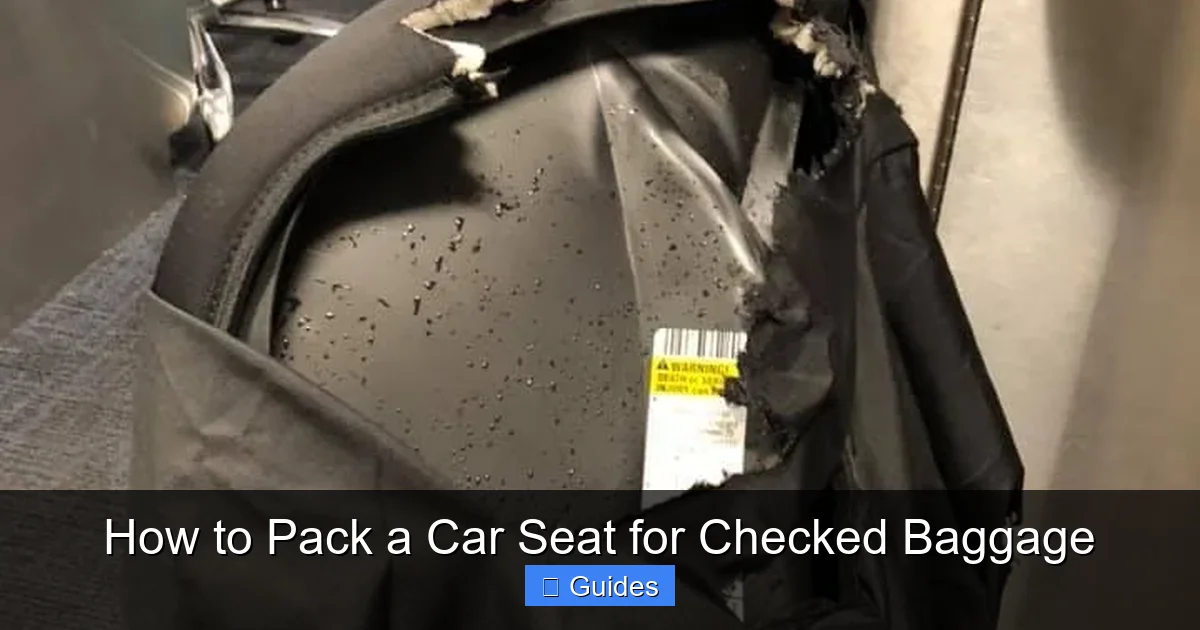
The first step in learning how to pack a car seat for checked baggage is selecting the right travel bag. Not all bags are created equal, and using a flimsy or ill-fitting cover can do more harm than good. A high-quality car seat travel bag acts as a shield against dirt, moisture, and physical damage during transit.
Types of Car Seat Travel Bags
There are three main types of car seat bags: universal fit, brand-specific, and heavy-duty padded bags. Universal fit bags are designed to accommodate most standard car seats and are often the most affordable option. They’re usually made from durable nylon or polyester and come with drawstrings or zippers for closure. While convenient, they offer minimal padding, so they’re best for short trips or when combined with extra cushioning.
Brand-specific bags are made by the same company that manufactured your car seat. For example, Chicco, Graco, and Britax often sell travel bags that perfectly fit their models. These bags are typically well-designed, with reinforced handles and sometimes even wheels for easier transport. They’re a great choice if you want a snug fit and added peace of mind.
Heavy-duty padded bags are the gold standard for protecting your car seat. These bags feature thick foam padding, reinforced stitching, and sometimes even internal frames to absorb shocks. They’re ideal for frequent travelers or those flying with expensive or high-end car seats. Some models even include backpack straps, making it easier to carry through the airport.
What to Look for in a Travel Bag
When shopping for a car seat travel bag, prioritize durability, fit, and ease of use. Look for materials like 600D polyester or ballistic nylon, which resist tears and abrasions. The bag should have a full zipper or secure closure to keep the seat fully enclosed. Padded handles and shoulder straps make it easier to carry, especially if you’re navigating crowded terminals.
Also, check for features like ID pockets, reflective strips for visibility, and compatibility with your car seat model. Some bags even come with built-in wheels or pull handles, turning your car seat into a rolling suitcase. While these extras cost more, they can be worth it if you travel often.
One practical tip: measure your car seat before buying a bag. Most manufacturers list dimensions on their websites, and many travel bags include size charts. A bag that’s too small will strain the zipper and risk tearing, while one that’s too large can allow the seat to shift inside, increasing the chance of damage.
Step-by-Step Guide to Packing Your Car Seat
Visual guide about How to Pack a Car Seat for Checked Baggage
Image source: i0.wp.com
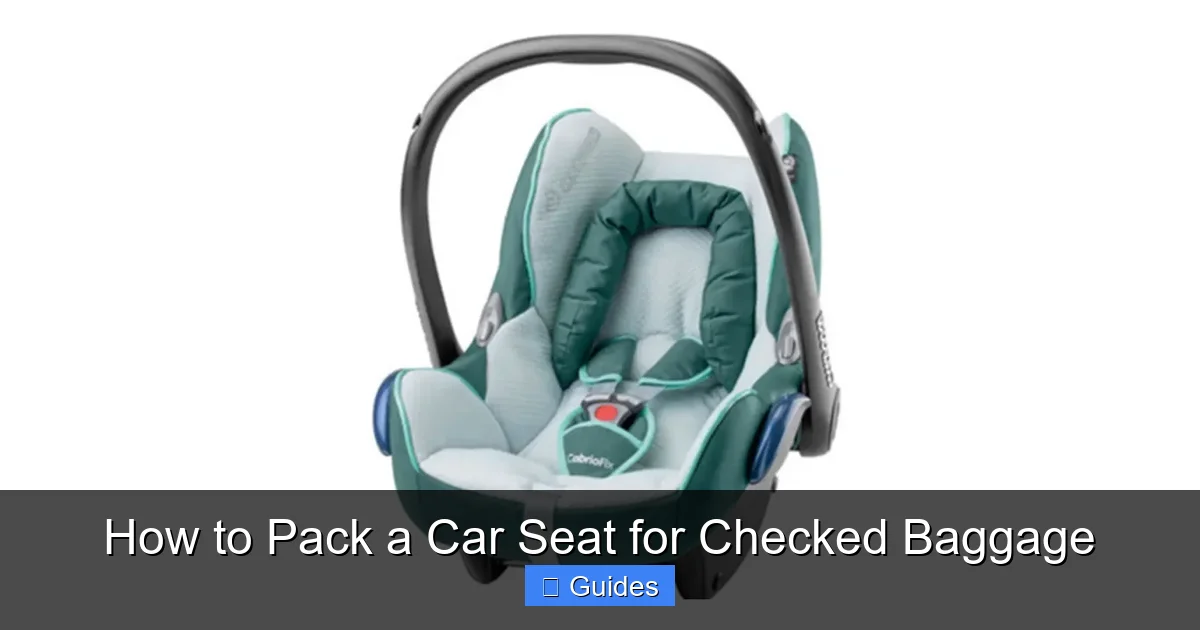
Now that you have the right bag, it’s time to pack your car seat properly. This process ensures that all parts are secure, the seat is protected, and it meets airline requirements. Follow these steps to pack your car seat like a pro.
Prepare the Car Seat
Start by cleaning the car seat. Wipe down the harness straps, buckle, and seat shell with a damp cloth to remove dust and debris. This prevents dirt from getting ground into the fabric during travel. If your seat has removable covers, take them off and pack them separately in a clear plastic bag. This makes reassembly easier and reduces the risk of losing small parts.
Next, inspect the seat for any loose or detachable components. Many car seats have cup holders, toy bars, or extra padding that can come loose in transit. Remove these items and pack them in a small bag labeled “Car Seat Accessories.” Secure the bag to the main seat with a zip tie or place it inside the travel bag.
Secure the Harness and Straps
Loose straps can get tangled or caught during handling, potentially damaging the seat or causing it to shift inside the bag. To prevent this, use the car seat’s built-in strap management system if it has one. Many models have clips or Velcro straps to keep the harness tidy.
If your seat doesn’t have built-in organization, use soft Velcro straps or zip ties to bundle the harness neatly. Avoid using metal clips or anything that could scratch the seat. Make sure the buckle is fastened to prevent it from snapping shut during transport, which could damage the mechanism.
Protect Vulnerable Areas
The base of the car seat and the buckle area are the most prone to damage. To protect them, wrap these sections in soft materials like towels, bubble wrap, or foam padding. You can also use pool noodles cut lengthwise to cushion the sides. Secure the padding with tape or rubber bands, but avoid taping directly to the seat, as residue can damage the fabric.
If your travel bag has internal padding, make sure the seat is positioned so that the padded areas align with the most vulnerable parts. For rear-facing seats, the back and base need extra protection. For forward-facing seats, focus on the buckle and harness slots.
Pack the Seat in the Bag
Place the car seat into the travel bag carefully, ensuring it fits snugly without forcing it. Close the bag completely, making sure the zipper or drawstring is fully secured. If your bag has exterior pockets, use them for small items like the manual, registration card, or extra padding.
Once packed, give the bag a gentle shake to check for movement. If the seat shifts inside, add more padding or use packing straps to secure it. The goal is to minimize movement during transport.
Understanding Airline Policies for Checked Car Seats
Visual guide about How to Pack a Car Seat for Checked Baggage
Image source: liveandletsfly.boardingarea.com
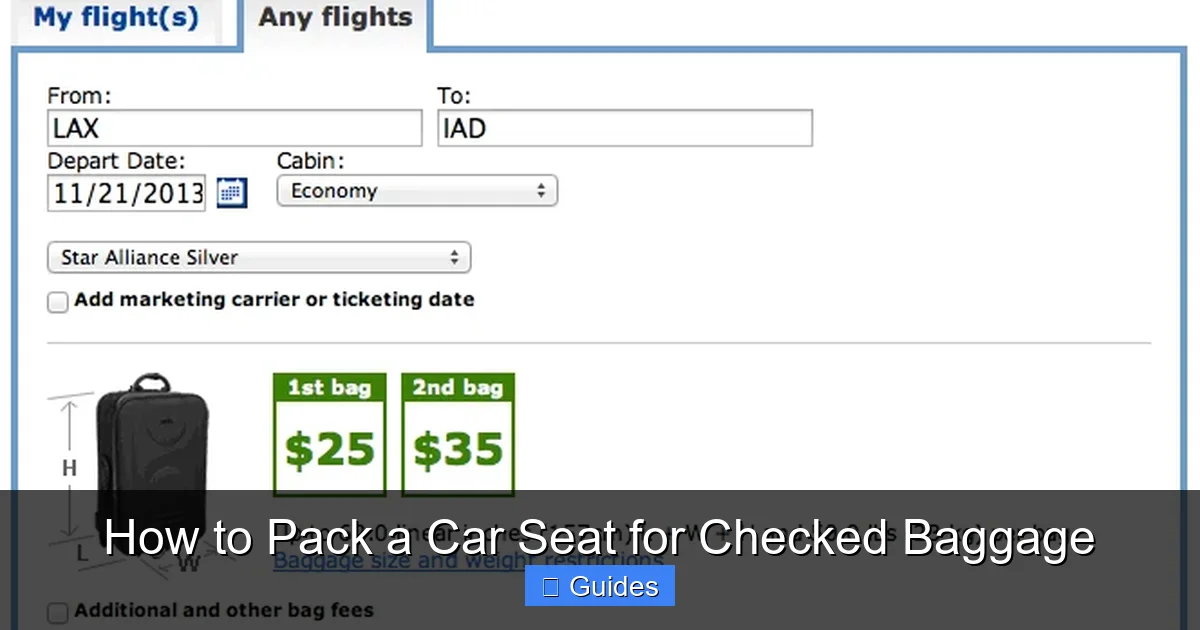
Not all airlines treat car seats the same way. Some allow you to check a car seat for free, while others charge fees or have strict size and weight limits. Knowing your airline’s policy before you fly can save you time, money, and frustration.
Free vs. Paid Checked Car Seats
Most major U.S. airlines, including Delta, American, United, and Southwest, allow passengers to check one car seat per child at no extra charge. However, this is typically only if the child is traveling. If you’re checking a car seat for a child who isn’t flying, you may be charged standard baggage fees.
International airlines vary more widely. Some, like British Airways and Lufthansa, allow free checked car seats, while others may include them in your baggage allowance or charge separately. Always check the airline’s website or call customer service before your trip.
Size and Weight Restrictions
Even if a car seat is free, it must still meet the airline’s size and weight requirements. Most airlines allow car seats up to 100 pounds, but some have lower limits. Oversized or overweight seats may be rejected at check-in or incur additional fees.
Measure your packed car seat, including the bag, to ensure it fits within standard checked baggage dimensions—usually around 62 linear inches (length + width + height). If your seat exceeds this, you may need to pay an oversized baggage fee.
Gate Checking vs. Counter Checking
You have two options for checking your car seat: at the ticket counter or at the gate. Counter checking means handing over the seat when you check your bags. It goes into the cargo hold and is returned at baggage claim.
Gate checking is often the better choice. You carry the car seat to the gate, and airline staff take it just before boarding. It’s usually handled with more care and returned to you at the jet bridge upon arrival. This reduces the risk of damage and ensures you get it back quickly.
To gate check, arrive at the airport early and inform the check-in agent. They’ll tag the seat and give you a claim ticket. At the gate, hand it to the agent or place it in the designated area. Make sure your contact info is on the bag in case it gets misplaced.
Labeling and Identifying Your Car Seat
With hundreds of car seats traveling every day, it’s easy for yours to get lost or mixed up. Proper labeling helps ensure it’s returned to you and reduces the risk of theft or mishandling.
What to Include on the Label
Attach a durable label to the outside of your travel bag with the following information:
– Your full name
– Contact phone number
– Flight number and destination
– Child’s name (optional)
– “Fragile” and “This Side Up” stickers (if applicable)
Use a waterproof label or laminate the information to protect it from rain or handling. You can also write the details directly on the bag with a permanent marker, but a label is more professional and easier to read.
Additional Identification Tips
Take a photo of your car seat before packing it. This helps prove ownership if it’s lost or damaged. Keep the photo on your phone and include it in your travel documents.
Some parents also use bright-colored tape or ribbons to make their bag stand out. While this won’t prevent loss, it makes it easier to spot on the baggage carousel.
If you’re traveling with a rental car company that provides car seats, consider bringing your own anyway. Rental seats are often older, less well-maintained, and may not meet current safety standards.
Handling and Retrieving Your Car Seat at the Airport
The way your car seat is handled after check-in can greatly affect its condition. Knowing what to expect and how to advocate for your seat can make a big difference.
During Check-In and Loading
When you check your car seat at the counter, ask the agent to handle it with care. While they may not be able to promise special treatment, it doesn’t hurt to remind them it’s a child safety item. Some airlines have policies for fragile or high-value items, so mention if your seat is expensive or has sentimental value.
If you’re gate checking, watch as the seat is taken. Ideally, it should be placed in a designated area, not tossed into a bin with other luggage. If you see rough handling, politely ask a supervisor to intervene.
At Your Destination
When you arrive, go directly to baggage claim or the gate, depending on how you checked the seat. If gate-checked, the seat should be returned to you as you exit the plane. If counter-checked, it may come out with regular baggage or on a separate cart.
Inspect the seat immediately. Look for cracks, loose parts, or signs of water damage. Open the bag and check the harness, buckle, and base. If you notice any damage, report it to the airline before leaving the airport. Most carriers have a short window (usually 24 hours) to file a claim for damaged baggage.
Reinstalling the Car Seat
Once you’ve confirmed the seat is intact, reinstall it in your vehicle following the manufacturer’s instructions. Don’t assume it’s still safe just because it looks okay—internal damage can compromise its effectiveness in a crash.
If you’re unsure about the seat’s condition, contact the manufacturer or a certified child passenger safety technician (CPST) for an inspection. Many hospitals and fire departments offer free car seat checks.
Tips for Frequent Travelers and International Flights
If you travel often with young children, investing in a few extra tools can make the process smoother and safer.
Use a Car Seat Cart or Dolly
A car seat cart attaches to the seat and has wheels, turning it into a stroller-like device. This makes it easier to move through the airport without carrying the full weight. Some models even fold up for storage.
Pack a Travel-Friendly Car Seat
Consider a lightweight, compact car seat designed for travel. Brands like Mifold and IMMI GO offer portable options that are easier to carry and check. While they may not replace a full-sized seat for everyday use, they’re great for vacations or short trips.
Check International Safety Standards
If you’re flying internationally, research the car seat laws at your destination. Some countries don’t recognize U.S.-approved seats, or they may have different installation requirements. In some cases, you may need to rent a seat locally or use a different model.
What to Do If Your Car Seat Is Damaged or Lost
Despite your best efforts, accidents happen. If your car seat is damaged or lost during travel, take these steps immediately.
File a Report
Go to the airline’s baggage service office before leaving the airport. Provide your flight details, baggage claim ticket, and a description of the damage or loss. They’ll create a report and give you a reference number.
Document the Damage
Take clear photos of the damage from multiple angles. Keep all receipts for the car seat, travel bag, and any repairs. This documentation is essential for insurance claims or compensation requests.
Contact Your Insurance
Check your travel insurance policy to see if it covers damaged or lost car seats. Some credit cards also offer baggage protection if you used the card to purchase your ticket. File a claim as soon as possible, usually within 24 to 72 hours.
Request Compensation
Airlines are required to compensate passengers for damaged or lost baggage, including car seats. The amount varies by carrier and the seat’s value. Be prepared to provide proof of purchase and the damage report.
Conclusion
Learning how to pack a car seat for checked baggage is a crucial skill for any parent who travels with young children. It’s not just about convenience—it’s about protecting your child’s safety and ensuring your seat arrives in working condition. By choosing the right travel bag, packing the seat properly, understanding airline policies, and labeling it clearly, you can minimize risks and travel with confidence.
Remember, a little preparation goes a long way. Take the time to clean, secure, and cushion your car seat before your trip. Arrive early, ask for gate checking when possible, and always inspect the seat upon arrival. And if something goes wrong, know your rights and act quickly to resolve the issue.
With these tips, you’ll be ready to handle any travel scenario—whether you’re flying across the country or around the world. Your child’s safety is worth the effort, and a well-packed car seat is the first step toward a smooth, stress-free journey.
Frequently Asked Questions
Can I check a car seat for free on all airlines?
Most major U.S. airlines allow one free checked car seat per child traveling, but policies vary. International carriers may charge fees or include the seat in your baggage allowance. Always check your airline’s website before flying.
Do I need a special bag to check a car seat?
While not required, a padded travel bag is highly recommended to protect against damage. Universal, brand-specific, or heavy-duty bags offer different levels of protection and convenience.
Can I gate check a car seat instead of checking it at the counter?
Yes, gate checking is often preferred because the seat is handled with more care and returned to you at the gate. Arrive early and inform the check-in agent to arrange it.
What should I do if my car seat is damaged during travel?
Report the damage to the airline immediately at the baggage service office, take photos, and file a claim. Keep all documentation for insurance or compensation requests.
Is it safe to use a car seat after it’s been checked?
Yes, as long as it shows no visible damage and functions properly. Inspect the harness, buckle, and base before reinstalling. If in doubt, have it checked by a certified technician.
Can I bring a car seat on the plane instead of checking it?
Yes, if it’s FAA-approved and fits in the seat. You’ll need to purchase a ticket for your child or have them sit on your lap. Check the airline’s policy for seat dimensions and approval labels.

At CarLegit, we believe information should be clear, factual, and genuinely helpful. That’s why every guide, review, and update on our website is created with care, research, and a strong focus on user experience.