
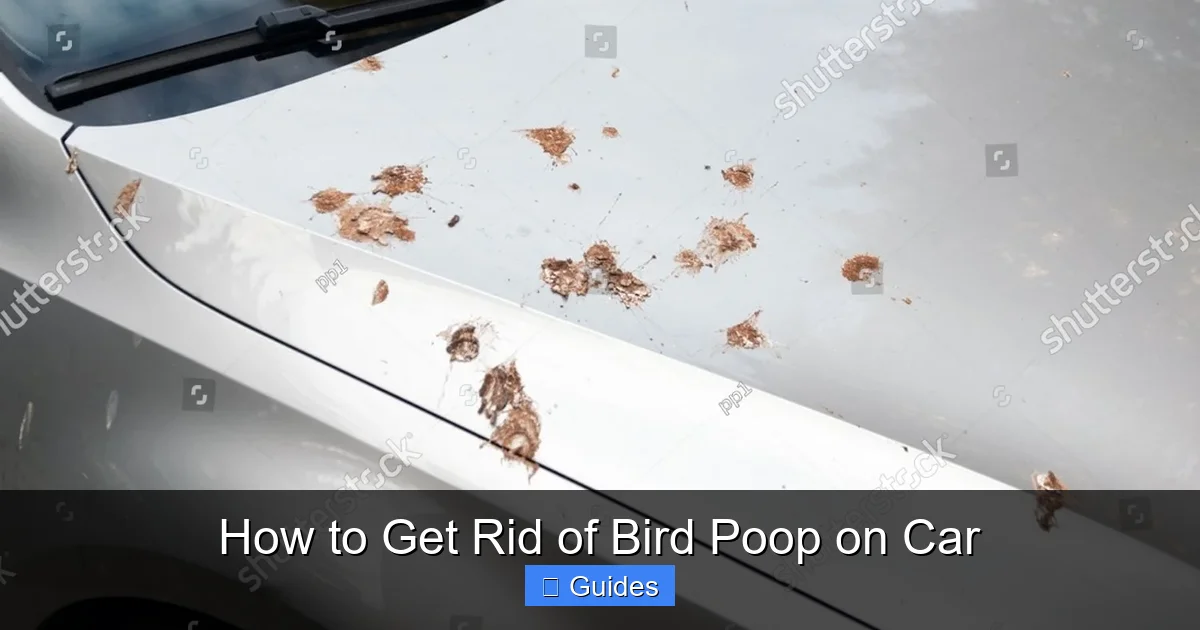
Bird droppings may seem harmless, but they can damage your car’s paint if left untreated. This guide walks you through safe, effective methods to remove bird poop without scratching or etching the finish.
In This Article
- 1 Key Takeaways
- 2 📑 Table of Contents
- 3 Why Bird Poop Is More Than Just a Nuisance
- 4 Why Timing Matters: The Science Behind Bird Dropping Damage
- 5 What You’ll Need: Tools and Supplies for Safe Cleaning
- 6 Step-by-Step Guide to Removing Bird Poop Safely
- 7 What NOT to Do When Cleaning Bird Poop
- 8 Advanced Tips for Stubborn or Old Bird Droppings
- 9 How to Prevent Bird Poop on Your Car
- 10 Eco-Friendly and Safe Cleaning Alternatives
- 11 Final Thoughts: Keep Your Car Clean and Protected
- 12 Frequently Asked Questions
- 12.1 Can bird poop really damage car paint?
- 12.2 How long can bird poop stay on a car before it causes damage?
- 12.3 Can I use Windex or vinegar to clean bird poop off my car?
- 12.4 What if the bird poop has already etched the paint?
- 12.5 Is it safe to use a clay bar on bird poop stains?
- 12.6 How can I stop birds from pooping on my car?
Key Takeaways
- Act quickly: Bird droppings are acidic and can etch into clear coat within hours if not removed.
- Use the right tools: Soft microfiber cloths, pH-neutral car soap, and a spray bottle prevent scratches.
- Soak before wiping: Let water or detailing spray loosen the droppings to avoid grinding debris into paint.
- Avoid harsh chemicals: Household cleaners like Windex or bleach can strip wax and damage paint.
- Wash and wax after: Restore protection by washing the area and applying wax or sealant.
- Prevent future messes: Use car covers, park strategically, or apply deterrents to keep birds away.
- Check for damage: If the paint feels rough or discolored after cleaning, seek professional help.
📑 Table of Contents
- Why Bird Poop Is More Than Just a Nuisance
- Why Timing Matters: The Science Behind Bird Dropping Damage
- What You’ll Need: Tools and Supplies for Safe Cleaning
- Step-by-Step Guide to Removing Bird Poop Safely
- What NOT to Do When Cleaning Bird Poop
- Advanced Tips for Stubborn or Old Bird Droppings
- How to Prevent Bird Poop on Your Car
- Eco-Friendly and Safe Cleaning Alternatives
- Final Thoughts: Keep Your Car Clean and Protected
Why Bird Poop Is More Than Just a Nuisance
You’re walking to your car on a sunny morning, coffee in hand, ready to start your day—only to spot a fresh, white splatter right on your hood. Ugh. Bird poop. It’s one of those small annoyances that feels bigger than it should. But here’s the thing: it’s not just ugly. It’s potentially damaging.
Bird droppings contain uric acid, which is highly corrosive. Unlike mammal waste, bird poop dries quickly and hardens, bonding tightly to your car’s paint. If left too long, that innocent-looking splatter can etch into the clear coat, leaving permanent marks or even exposing the base paint underneath. In extreme cases, it can lead to rust or paint failure—especially if your car sits outside in the sun, heat accelerating the chemical reaction.
The good news? Most bird poop damage is preventable. With the right approach, you can remove it safely and keep your car looking shiny and new. This guide will walk you through everything you need to know—from immediate cleanup steps to long-term prevention strategies. Whether you’re dealing with a single splatter or a regular bird buffet on your windshield, we’ve got you covered.
Why Timing Matters: The Science Behind Bird Dropping Damage
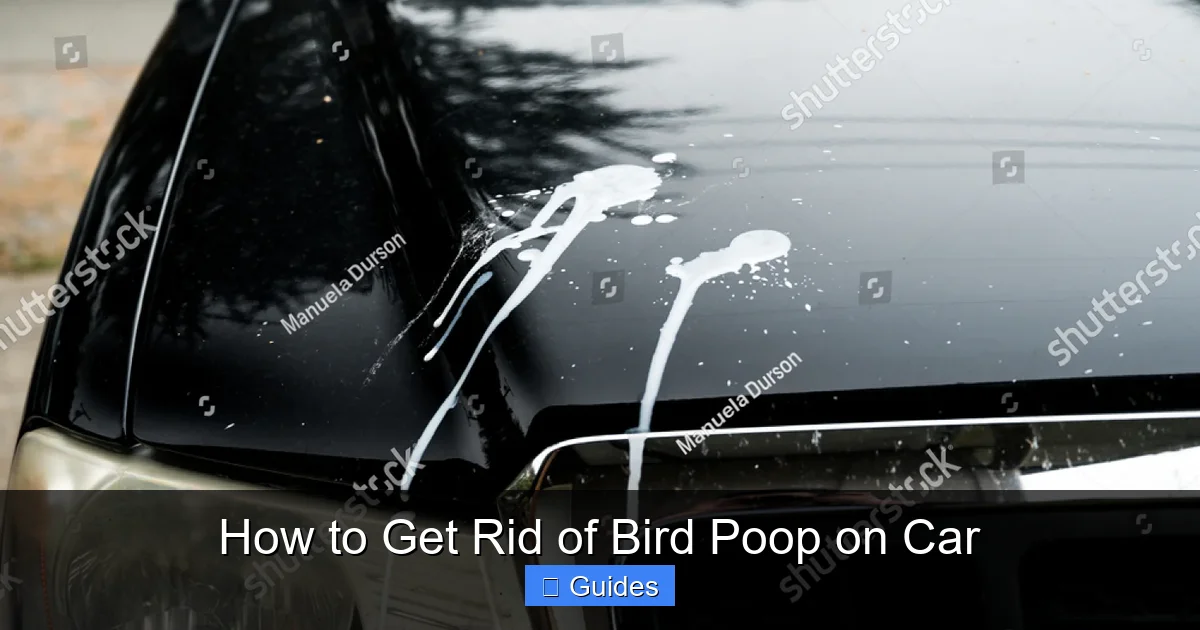
You might think, “It’s just poop—how bad can it be?” But the science says otherwise. Bird droppings are acidic, with a pH level that can range from 3.5 to 4.5—similar to vinegar or lemon juice. That acidity breaks down the protective clear coat on your car’s paint, which is designed to shield the underlying layers from UV rays, dirt, and moisture.
When bird poop sits on your car, especially under direct sunlight, the uric acid begins to react with the paint. Heat speeds up this process. Within just a few hours, the acid can start etching microscopic grooves into the surface. Over days, those grooves deepen, creating a rough, cloudy spot that won’t buff out easily. In humid or rainy conditions, the moisture can carry the acid deeper, increasing the risk of long-term damage.
Imagine this: You park under a tree every day, and pigeons love to roost above. One morning, you notice a fresh dropping on your roof. You’re busy, so you decide to clean it later. By evening, the poop has baked in the sun. The next morning, you wipe it off—only to find a dull, chalky patch where the clear coat has been compromised. That’s the reality of delayed cleaning.
Visual guide about How to Get Rid of Bird Poop on Car
Image source: shutterstock.com
The key takeaway? Time is your enemy. The sooner you remove bird droppings, the less chance they have to cause harm. Ideally, clean them within a few hours—especially if it’s hot or sunny outside.
What You’ll Need: Tools and Supplies for Safe Cleaning
Visual guide about How to Get Rid of Bird Poop on Car
Image source: shutterstock.com
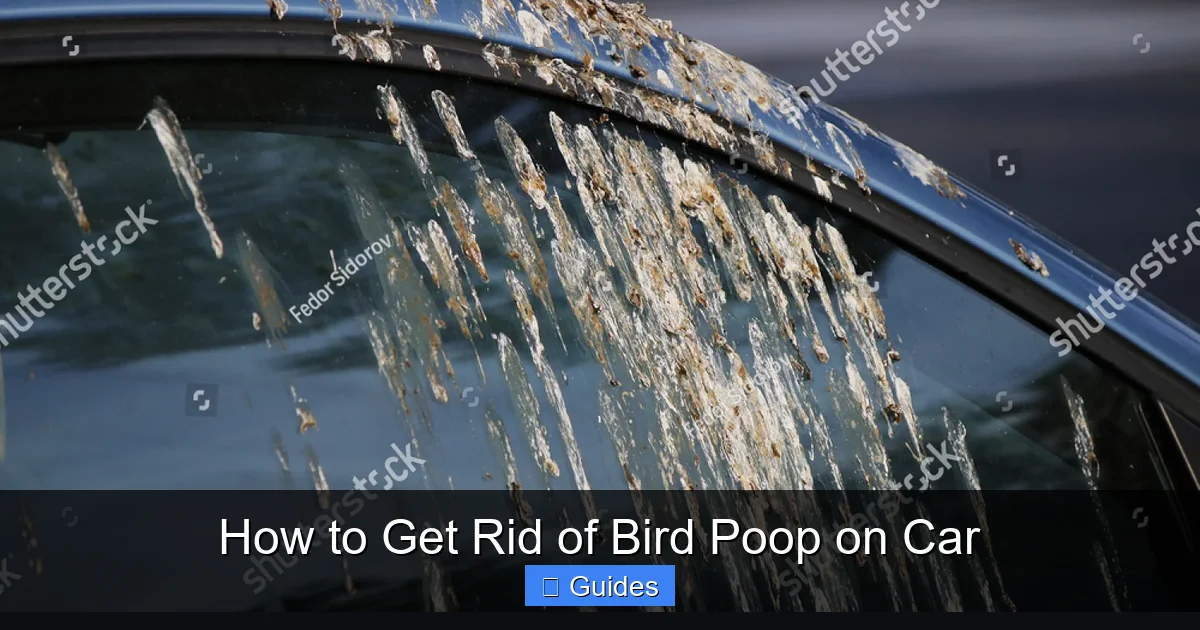
Before you grab the nearest rag and bucket, let’s talk about the right tools. Using the wrong materials can do more harm than good. Scrubbing with a rough cloth or using household cleaners can scratch your paint or strip protective wax.
Here’s a simple checklist of what you’ll need:
- Microfiber cloths: These are soft, lint-free, and designed to trap dirt without scratching. Use one for soaking and another for wiping.
- Spray bottle: Fill it with clean water or a diluted car wash solution. This helps loosen the droppings without force.
- pH-neutral car soap: Avoid dish soap or all-purpose cleaners—they’re too harsh and can dry out paint.
- Detailing spray or quick detailer: These lubricating sprays help glide the cloth over the surface, reducing friction.
- Soft sponge or wash mitt: Optional, but helpful for larger areas or if the poop has spread.
- Water source: A hose or bucket of clean water is essential for rinsing.
- Wax or sealant: To restore protection after cleaning.
Avoid using paper towels, old T-shirts, or abrasive sponges. These can leave micro-scratches that dull your paint over time. Also, steer clear of ammonia-based cleaners (like Windex) or bleach—they break down wax and can discolor paint.
DIY Cleaning Solution Recipe
If you don’t have car-specific products on hand, you can make a gentle cleaning solution at home:
- Mix 1 gallon of warm water with 1–2 tablespoons of mild dish soap (like Dawn).
- Add a splash of white vinegar (optional, for extra cleaning power—but don’t overdo it).
- Stir gently to avoid suds.
This solution is safe for occasional use but isn’t a replacement for proper car wash soap. Always rinse thoroughly after use.
Step-by-Step Guide to Removing Bird Poop Safely
Visual guide about How to Get Rid of Bird Poop on Car
Image source: shutterstock.com
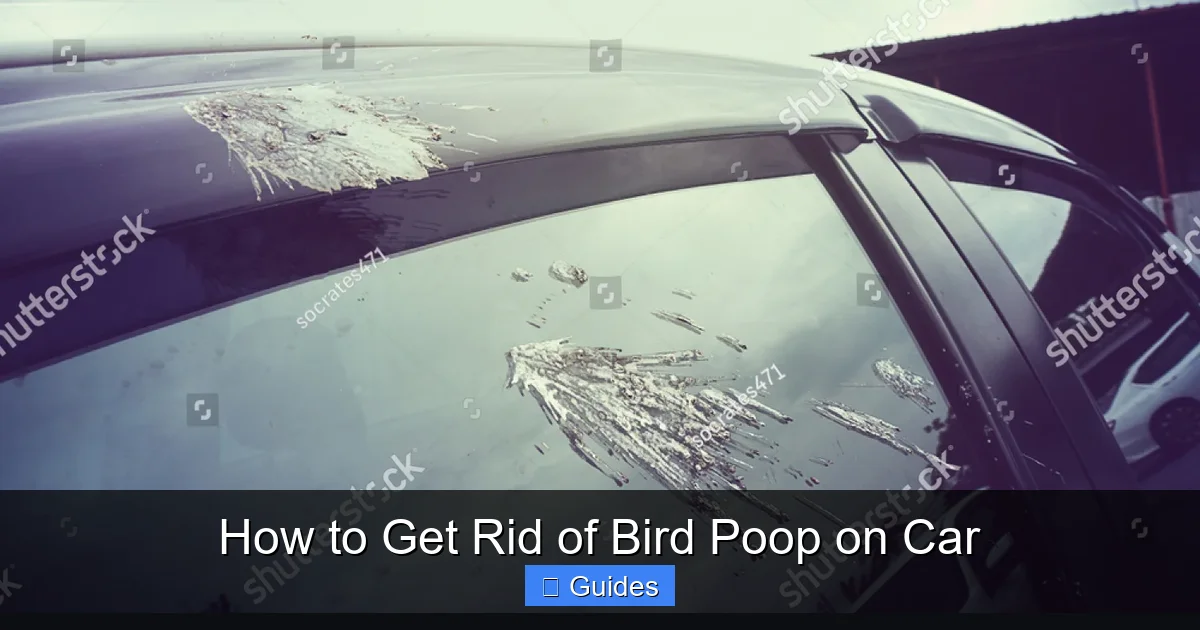
Now that you’re equipped, let’s get to the cleanup. Follow these steps to remove bird droppings without damaging your paint.
Step 1: Assess the Situation
First, check how long the poop has been there. Is it fresh and wet? Or dry and crusty? Fresh droppings are easier to remove. Dry ones may need extra soaking.
Also, look for signs of damage. Run your finger gently over the spot. If it feels rough or sticky, the acid may have already started etching. If it’s smooth, you’re in the clear—for now.
Step 2: Rinse the Area
Use a hose or spray bottle to gently rinse the affected area. This removes loose debris and softens the droppings. Don’t use high-pressure water—it can force dirt into the paint or damage seals around windows.
If you’re on the go and don’t have water, use a damp microfiber cloth to lightly moisten the spot.
Step 3: Soak the Droppings
Spray the area with water or a detailing spray. Let it sit for 2–5 minutes. This gives the liquid time to penetrate and loosen the dried poop. For stubborn spots, you can place a damp cloth over the area to keep it moist.
Step 4: Gently Wipe Away
Using a clean, soft microfiber cloth, gently wipe the area in one direction—don’t rub in circles. Let the lubrication do the work. If the poop doesn’t come off easily, reapply water and wait a bit longer. Forcing it can scratch the paint.
If the droppings are large or spread out, use a soft sponge or wash mitt with soapy water. Work from the edges toward the center to avoid smearing.
Step 5: Rinse and Dry
Once the poop is gone, rinse the area thoroughly with clean water. Then, dry it with a fresh microfiber cloth. Leaving water spots can be just as annoying as bird poop!
Step 6: Inspect and Protect
After drying, inspect the spot. Does it look shiny and smooth? Great! If it looks dull or feels rough, the clear coat may be damaged. In that case, consider using a polish or seeking professional help.
Finally, apply a layer of wax or sealant to restore protection. This creates a barrier against future droppings and UV rays.
What NOT to Do When Cleaning Bird Poop
Even with the best intentions, it’s easy to make mistakes. Here are common pitfalls to avoid:
- Don’t use abrasive tools: Steel wool, scouring pads, or rough brushes will scratch your paint.
- Don’t scrub dry: Wiping dry poop without soaking can grind it into the paint like sandpaper.
- Don’t use household cleaners: Glass cleaners, all-purpose sprays, and bathroom cleaners often contain ammonia or alcohol, which strip wax and damage paint.
- Don’t ignore it: The longer you wait, the harder it is to remove—and the more damage it can cause.
- Don’t use hot water: Hot water can bake the poop onto the paint, making it harder to remove.
- Don’t reuse dirty cloths: A cloth with embedded dirt can scratch your car. Always use clean microfiber towels.
One real-life example: A friend once used a paper towel and Windex to clean bird poop off his black sedan. The next day, he noticed fine scratches and a cloudy patch. It took a professional detailer to fix it. Don’t let that be you.
Advanced Tips for Stubborn or Old Bird Droppings
Sometimes, bird poop has been sitting for days—or even weeks. It’s hardened, baked on, and refuses to budge. Don’t panic. There are still ways to tackle it safely.
Use a Clay Bar
A clay bar is a detailing tool that removes contaminants embedded in the paint. It’s especially useful for old, stuck-on droppings.
- Spray the area with a lubricant (like a quick detailer or clay lube).
- Gently glide the clay bar back and forth over the spot.
- The bar will pick up the hardened poop and any bonded debris.
- Wipe clean with a microfiber cloth.
Clay bars are safe when used correctly, but avoid pressing too hard. Work in small sections and keep the surface lubricated.
Try a Paint Cleaner or Polish
If the poop has left a dull or etched mark, a mild paint cleaner or polish can help restore shine. These products contain fine abrasives that gently remove a thin layer of clear coat.
- Apply a small amount to a foam applicator pad.
- Work in circular motions with light pressure.
- Wipe off with a clean cloth.
- Follow up with wax to protect the area.
Always test on a small, inconspicuous area first. If the damage is deep, consider professional correction.
When to Call a Professional
If the paint feels rough, has a white or cloudy appearance, or shows signs of peeling, it’s time to visit a detailer. They have tools like dual-action polishers and professional-grade compounds that can safely restore your paint.
Don’t try to fix deep etching yourself—you could make it worse.
How to Prevent Bird Poop on Your Car
Cleaning is one thing. Preventing it is even better. Here are practical ways to keep birds from turning your car into their restroom.
Park Smart
Birds love to perch on trees, power lines, and building ledges. Avoid parking under these spots whenever possible.
- Choose covered parking or garages.
- Park away from trees, especially those with fruit or berries (birds love snacks).
- Use parking spots with overhead structures or awnings.
If you must park outside, try to find a spot with minimal bird activity.
Use a Car Cover
A high-quality car cover is one of the best defenses. It shields your paint from droppings, sap, dust, and UV rays.
Look for a breathable, waterproof cover that fits snugly. Avoid cheap plastic covers—they can trap moisture and scratch paint.
Apply Bird Deterrents
There are several products designed to keep birds away:
- Reflective tape or decals: Birds are startled by flashing light. Hang strips near your parking spot.
- Ultrasonic repellents: These emit sounds birds dislike (but humans can’t hear). Place them near your car.
- Spikes or nets: Install on nearby ledges or branches to prevent perching.
- Scent deterrents: Some sprays use natural oils (like peppermint) that birds avoid.
These won’t stop all birds, but they can reduce the chances.
Regular Washing and Waxing
A clean, waxed car is less attractive to birds. Wax creates a smooth, slippery surface that makes it harder for droppings to stick.
Wash your car every 1–2 weeks and apply wax every 3–6 months. This also makes future cleanups easier.
Eco-Friendly and Safe Cleaning Alternatives
If you’re concerned about chemicals or environmental impact, there are greener ways to clean bird poop.
Use Biodegradable Car Soap
Many brands now offer eco-friendly car wash solutions made from plant-based ingredients. These are safe for paint, pets, and the planet.
Collect Rainwater
Use a rain barrel to collect water for washing. It’s free, chemical-free, and reduces tap water use.
Reuse Microfiber Cloths
Wash and reuse your microfiber towels instead of throwing them away. Just avoid fabric softeners—they reduce absorbency.
DIY Natural Cleaners
For light cleaning, mix water with a few drops of castile soap or baking soda (make a paste for stubborn spots). Always rinse thoroughly.
Final Thoughts: Keep Your Car Clean and Protected
Bird poop might seem like a small problem, but it’s one that can lead to big headaches—and repair bills—if ignored. The key is quick action, the right tools, and a little prevention.
By following the steps in this guide, you’ll not only remove bird droppings safely but also protect your car’s paint for years to come. Remember: soft cloths, plenty of water, and gentle pressure are your best friends. Avoid harsh chemicals and abrasive tools at all costs.
And don’t forget the finishing touch—waxing. It’s like putting a raincoat on your car. It repels water, resists dirt, and makes future cleanups a breeze.
So the next time you spot that unwanted gift from above, don’t stress. Grab your microfiber cloth, spray some water, and handle it like a pro. Your car—and your wallet—will thank you.
Frequently Asked Questions
Can bird poop really damage car paint?
Yes, bird droppings contain uric acid that can etch into the clear coat within hours, especially in hot weather. If left untreated, it can cause permanent damage, dullness, or even rust.
How long can bird poop stay on a car before it causes damage?
Damage can begin in as little as 6–12 hours, particularly in direct sunlight. The hotter it is, the faster the acid reacts with the paint. Always clean it as soon as possible.
Can I use Windex or vinegar to clean bird poop off my car?
No. Windex contains ammonia, and vinegar is acidic—both can strip wax and damage paint. Use pH-neutral car soap or a dedicated detailing spray instead.
What if the bird poop has already etched the paint?
If the surface feels rough or looks cloudy after cleaning, the clear coat may be damaged. Use a mild polish or clay bar to restore shine, or consult a professional detailer for deeper correction.
Is it safe to use a clay bar on bird poop stains?
Yes, clay bars are safe when used with proper lubrication. They help remove embedded contaminants without scratching the paint. Always follow the manufacturer’s instructions.
How can I stop birds from pooping on my car?
Park away from trees and power lines, use a car cover, install bird deterrents like reflective tape or spikes, and keep your car clean and waxed to reduce attraction.

At CarLegit, we believe information should be clear, factual, and genuinely helpful. That’s why every guide, review, and update on our website is created with care, research, and a strong focus on user experience.