
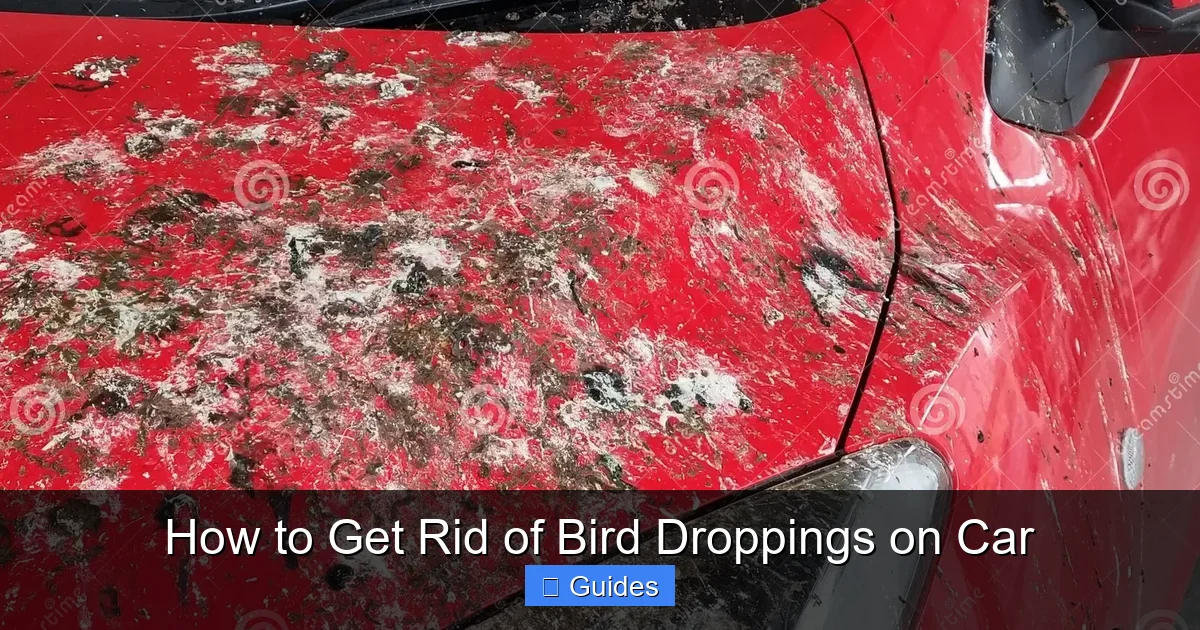
Bird droppings on your car aren’t just unsightly—they can damage your paint if left untreated. This guide covers safe removal techniques, the best cleaning products, and smart prevention tips to keep your vehicle spotless and protected.
In This Article
- 1 Key Takeaways
- 2 📑 Table of Contents
- 3 Why Bird Droppings Are More Than Just a Nuisance
- 4 Immediate Steps to Take When You Spot Bird Droppings
- 5 Best Cleaning Products and Tools for Safe Removal
- 6 DIY Cleaning Solutions You Can Make at Home
- 7 How to Prevent Bird Droppings on Your Car
- 8 When to Call a Professional
- 9 Common Mistakes to Avoid
- 10 Conclusion
- 11 Frequently Asked Questions
- 11.1 How long can bird droppings stay on a car before causing damage?
- 11.2 Can I use household cleaners like Windex or vinegar to remove bird droppings?
- 11.3 Will a clay bar remove bird dropping stains?
- 11.4 Do car covers really prevent bird droppings?
- 11.5 Can bird droppings cause permanent damage?
- 11.6 Is it safe to use a pressure washer on bird droppings?
Key Takeaways
- Act quickly: Bird droppings are acidic and can etch into car paint within hours if not removed.
- Use the right tools: Soft microfiber cloths, pH-neutral car soap, and plenty of water prevent scratches during cleaning.
- Avoid harsh chemicals: Ammonia, bleach, or household cleaners can strip wax and damage clear coats.
- Rinse before wiping: Always rinse the area with water first to lift debris and reduce abrasion risk.
- Apply wax or sealant: After cleaning, reapply protective wax to restore shine and guard against future stains.
- Prevent future messes: Use car covers, park strategically, or install deterrents like reflective tape or decals.
- Know when to seek help: Deep etching or paint damage may require professional detailing or touch-up paint.
📑 Table of Contents
- Why Bird Droppings Are More Than Just a Nuisance
- Immediate Steps to Take When You Spot Bird Droppings
- Best Cleaning Products and Tools for Safe Removal
- DIY Cleaning Solutions You Can Make at Home
- How to Prevent Bird Droppings on Your Car
- When to Call a Professional
- Common Mistakes to Avoid
- Conclusion
Why Bird Droppings Are More Than Just a Nuisance
We’ve all been there—you walk out to your car in the morning, coffee in hand, ready to start the day, only to find a fresh, white splatter right on the hood. Bird droppings might seem like a minor inconvenience, but they’re actually one of the most underestimated threats to your car’s exterior. What looks like a simple stain is, in reality, a highly acidic substance that can eat through wax, clear coat, and even paint if left untreated.
Birds, especially pigeons, seagulls, and crows, produce droppings with a high uric acid content. This acidity is what allows their waste to break down quickly in nature, but on your car’s surface, it acts like a slow-acting corrosive. Depending on the temperature, humidity, and type of paint, bird poop can begin to etch into the surface within just a few hours. On hot days, the sun can bake the droppings onto the paint, making them even harder to remove and increasing the risk of permanent damage.
Ignoring bird droppings isn’t just about aesthetics—it’s about protecting your investment. A single untreated splatter can lead to costly repairs down the line, including paint correction, touch-up jobs, or even full panel repainting. The good news? With the right approach, you can safely and effectively remove bird droppings without harming your car’s finish. This guide will walk you through everything you need to know, from immediate cleanup steps to long-term prevention strategies.
Immediate Steps to Take When You Spot Bird Droppings
Visual guide about How to Get Rid of Bird Droppings on Car
Image source: googone.com
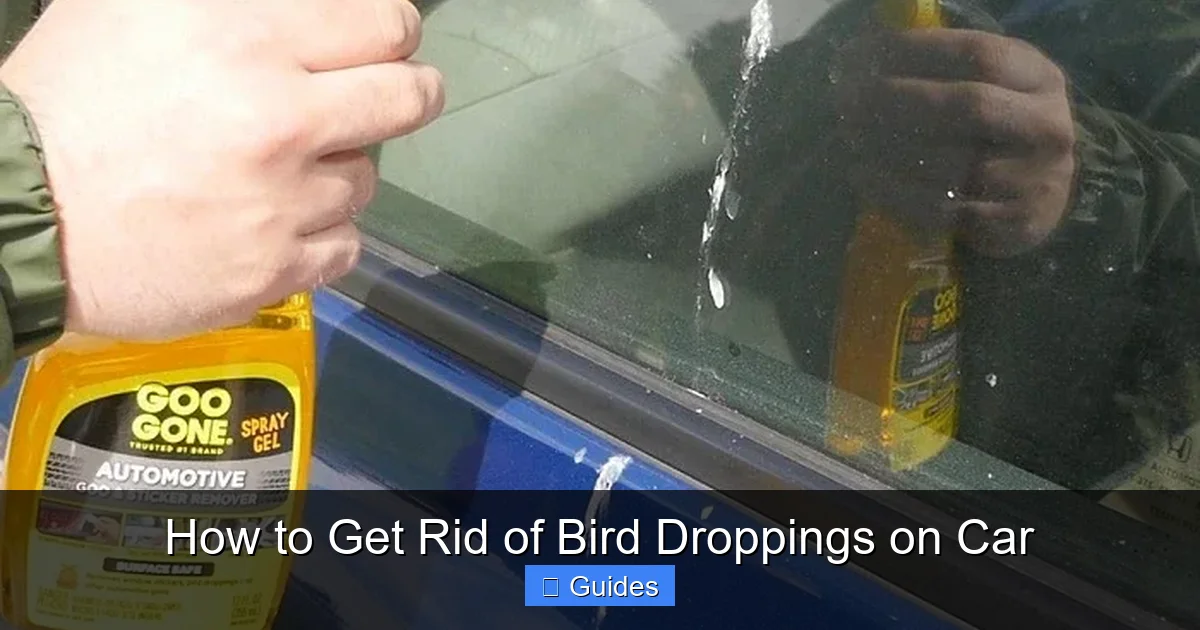
The moment you notice bird droppings on your car, time becomes your biggest enemy. The longer the waste sits, the more damage it can cause. That’s why acting quickly is the most important step in the entire process. But speed doesn’t mean rushing—rushing can lead to scratches or improper cleaning, which might do more harm than good.
Step 1: Assess the Situation
Before you grab a rag and start scrubbing, take a moment to evaluate the droppings. Are they fresh and wet, or have they dried and hardened? Fresh droppings are easier to remove and less likely to have already damaged the paint. Dried ones, especially after a sunny day, may have baked onto the surface and require more careful handling.
Also, check the location. Is it on the hood, roof, windshield, or side panel? Different areas may require slightly different approaches. For example, cleaning a vertical surface like a door requires more water to prevent streaking, while the hood might need extra attention due to its exposure to sun and heat.
Step 2: Rinse with Water
Never wipe bird droppings dry. That’s a recipe for micro-scratches and swirl marks. Instead, start by rinsing the area with clean, lukewarm water. Use a hose with a gentle spray setting or a spray bottle if you’re at home. The goal is to loosen the droppings and lift any embedded dirt or grit.
If you’re on the go and don’t have access to water, keep a small spray bottle filled with water in your car. Even a quick spritz can make a big difference. Let the water sit for 30–60 seconds to soften the waste before proceeding.
Step 3: Use a Soft, Clean Cloth
After rinsing, gently blot—don’t rub—the area with a clean, soft microfiber cloth. Microfiber is ideal because it’s highly absorbent and less likely to scratch the paint. Avoid using old T-shirts, paper towels, or rough sponges, as these can leave behind lint or cause abrasions.
If the droppings are still sticky or partially dried, you can lightly dab them with the damp cloth. The key is patience. Don’t force it. If it doesn’t come off easily, move to the next step instead of pressing harder.
Step 4: Apply a Cleaning Solution (If Needed)
For stubborn or dried droppings, a mild cleaning solution can help break them down. Use a pH-neutral car wash soap mixed with water—never household cleaners like Windex, vinegar, or dish soap, which can strip protective wax and damage the clear coat.
Apply the soapy solution to the area using a spray bottle or a second microfiber cloth. Let it sit for 30–60 seconds to penetrate the residue. Then, gently wipe the area in a circular motion, using light pressure. Rinse thoroughly with clean water afterward to remove all soap residue.
Best Cleaning Products and Tools for Safe Removal
Visual guide about How to Get Rid of Bird Droppings on Car
Image source: thumbs.dreamstime.com
Using the right tools and products makes all the difference when removing bird droppings. The wrong choice can turn a simple cleanup into a costly mistake. Here’s what you should have in your car care arsenal.
Microfiber Cloths: Your Best Friend
Invest in high-quality microfiber cloths—preferably two or three. Use one for applying soap, one for rinsing, and one for drying. Microfiber is soft, durable, and designed to trap dirt without scratching. Look for cloths labeled “plush” or “ultra-soft” for the best results.
Avoid using the same cloth for multiple tasks. Cross-contamination can transfer grit from one area to another, increasing the risk of scratches. Store your cloths in a clean, sealed bag to keep them free of dust and debris.
pH-Neutral Car Wash Soap
Not all soaps are created equal. Household detergents, even mild ones, often contain alkalines or surfactants that can degrade wax and damage paint over time. A pH-neutral car wash soap is specifically formulated to clean without stripping protective coatings.
Popular brands like Meguiar’s Gold Class, Chemical Guys Mr. Pink, or Adam’s Polishes Car Wash Shampoo are excellent choices. Dilute the soap according to the instructions—usually 1–2 ounces per gallon of water—and use a dedicated wash mitt or sponge to apply it.
Waterless Wash or Quick Detailer (For On-the-Go Cleaning)
If you’re away from home and can’t access a hose, a waterless wash spray or quick detailer is a lifesaver. These products are designed to lift light dirt and grime without water, making them perfect for emergency bird dropping removal.
Spray the product directly onto the affected area, let it sit for 10–15 seconds, then gently wipe with a clean microfiber cloth. Brands like Optimum No Rinse, Griot’s Garage Speed Cleaner, or Mothers California Gold Waterless Wash are highly rated and safe for regular use.
Clay Bar (For Stubborn Residue)
In rare cases, bird droppings may leave behind a sticky or waxy residue even after washing. This is where a detailing clay bar comes in. Clay bars are designed to remove embedded contaminants from the paint surface without damaging it.
To use, lubricate the area with a clay lubricant or quick detailer, then gently glide the clay bar back and forth. You’ll feel it picking up the contaminants. Wipe the area clean with a microfiber cloth afterward. Claying should be done sparingly—no more than once or twice a year—to avoid overworking the paint.
DIY Cleaning Solutions You Can Make at Home

Visual guide about How to Get Rid of Bird Droppings on Car
Image source: thumbs.dreamstime.com
You don’t need expensive products to remove bird droppings effectively. Many household items can be combined to create safe, effective cleaning solutions. Just remember: always test any DIY mixture on a small, inconspicuous area first to ensure it doesn’t cause discoloration or damage.
Water and Car Soap Mix
The simplest and safest DIY solution is a mix of lukewarm water and a few drops of pH-neutral car wash soap. This gentle formula lifts dirt and neutralizes acidity without harming the paint. Fill a spray bottle with the mixture and use it to pre-soak the droppings before wiping.
Baking Soda Paste (For Tough Stains)
For dried or baked-on droppings, a baking soda paste can help break down the residue. Mix 2–3 tablespoons of baking soda with a small amount of water to form a thick paste. Apply the paste to the affected area and let it sit for 2–3 minutes. Then, gently wipe with a damp microfiber cloth.
Baking soda is mildly abrasive, so use it sparingly and avoid scrubbing. This method works best on small, isolated spots and should not be used on matte finishes or vinyl wraps.
Vinegar and Water Solution (Use with Caution)
White vinegar is a natural cleaner with mild acidity, which can help dissolve bird droppings. However, it’s also harsh on wax and clear coats, so use it only as a last resort and always dilute it heavily.
Mix one part white vinegar with four parts water. Spray the solution onto the droppings, let it sit for 30 seconds, then rinse thoroughly. Follow up with a coat of wax to restore protection. Never use undiluted vinegar or leave it on the surface for more than a minute.
Lemon Juice and Water (Natural Alternative)
Like vinegar, lemon juice is acidic and can help break down organic matter. Mix equal parts fresh lemon juice and water, apply to the droppings, and rinse after 30 seconds. Again, this should be used cautiously and followed by waxing.
How to Prevent Bird Droppings on Your Car
Cleaning bird droppings is one thing—preventing them is even better. While you can’t control where birds fly, you can take smart steps to reduce the chances of your car becoming a target.
Park Strategically
Birds love to perch on trees, power lines, and building ledges. If possible, avoid parking under these structures. Look for covered parking, garages, or areas with minimal bird activity. If you’re at the beach, avoid parking near piers or boardwalks where seagulls are common.
Use a Car Cover
A high-quality car cover is one of the most effective ways to protect your vehicle from bird droppings, tree sap, and other environmental hazards. Choose a breathable, waterproof cover that fits snugly over your car. Look for covers with UV protection to prevent sun damage as well.
For daily use, consider a lightweight, easy-to-fold cover that you can quickly put on and take off. Brands like Covercraft, Budge, and WeatherTech offer durable options for various vehicle types.
Install Bird Deterrents
There are several bird deterrent products designed to keep birds away from your car. These include:
– **Reflective tape or decals:** Birds are startled by sudden flashes of light. Hanging reflective tape or applying holographic decals to your car can discourage them from landing nearby.
– **Ultrasonic repellents:** These devices emit high-frequency sounds that birds find unpleasant. While effectiveness varies, some users report success with models like the Bird-X Ultrasonic Repeller.
– **Decoy predators:** Fake owls, hawks, or snakes can trick birds into thinking the area is unsafe. Move the decoy regularly to maintain the illusion.
Apply a Protective Wax or Sealant
A well-maintained wax or sealant creates a slick, protective barrier that makes it harder for bird droppings to stick. It also makes cleanup faster and easier. Apply a high-quality car wax every 2–3 months, or use a synthetic sealant for longer-lasting protection.
Ceramic coatings are another option. These liquid polymers bond with the paint and create a semi-permanent layer of protection that resists stains, UV rays, and minor scratches. While more expensive, they can last up to a year with proper maintenance.
When to Call a Professional
Most bird droppings can be removed at home with the right tools and techniques. However, there are times when professional help is the best option.
Deep Etching or Paint Damage
If you notice dull spots, rough texture, or visible etching after cleaning, the paint may have been compromised. This is especially common with older cars or those with thin clear coats. A professional detailer can assess the damage and perform paint correction using machine polishing.
Large or Repeated Incidents
If your car is frequently targeted by birds—perhaps you park under a tree with a large flock—consider consulting a detailer for a full exterior restoration. They can remove embedded contaminants, restore shine, and apply a durable protective coating.
Lack of Time or Tools
Not everyone has the time, space, or equipment to clean their car properly. Mobile detailing services can come to your home or office, remove bird droppings, and detail your vehicle on the spot. While more expensive than DIY, it’s a convenient option for busy individuals.
Common Mistakes to Avoid
Even with the best intentions, it’s easy to make mistakes when cleaning bird droppings. Avoid these common pitfalls to protect your car’s finish.
Using Abrasive Materials
Paper towels, rough sponges, or old rags may seem harmless, but they can leave behind micro-scratches that dull the paint over time. Always use soft, clean microfiber cloths.
Scrubbing Too Hard
Pressing down hard won’t remove the droppings faster—it’ll just increase the risk of damage. Let the cleaning solution do the work, and use gentle, circular motions.
Ignoring the Clear Coat
Many people focus only on removing the visible stain, but the real danger is what’s happening underneath. Always follow up with wax or sealant to restore protection.
Cleaning in Direct Sunlight
Cleaning your car in the sun can cause soap and water to dry too quickly, leaving behind water spots and streaks. Whenever possible, clean in the shade or during cooler parts of the day.
Conclusion
Bird droppings on your car are more than just a visual annoyance—they’re a potential threat to your vehicle’s paint and finish. But with the right knowledge and tools, you can remove them safely and effectively, minimizing the risk of long-term damage. The key is to act quickly, use gentle cleaning methods, and always follow up with protective measures like wax or sealant.
Prevention is just as important as cleanup. By parking smart, using deterrents, and maintaining a protective coating, you can reduce the chances of future incidents. And when in doubt, don’t hesitate to seek professional help—your car’s appearance and value are worth the investment.
Remember, a clean car isn’t just about looks. It’s about pride, protection, and peace of mind. So the next time you spot a bird dropping, don’t panic. Grab your microfiber cloth, follow these steps, and keep your ride looking its best.
Frequently Asked Questions
How long can bird droppings stay on a car before causing damage?
Bird droppings can begin to etch into car paint within 24 hours, especially in hot or sunny conditions. The acidic content breaks down the clear coat, so it’s best to remove them as soon as possible—ideally within a few hours.
Can I use household cleaners like Windex or vinegar to remove bird droppings?
It’s not recommended. Household cleaners often contain ammonia, alcohol, or strong acids that can strip wax, damage clear coats, and dull the paint. Stick to pH-neutral car wash soaps or dedicated detailing products.
Will a clay bar remove bird dropping stains?
A clay bar can help remove sticky residue or contaminants left behind after cleaning, but it won’t fix etching or paint damage. Use it gently and only if necessary, followed by waxing to restore protection.
Do car covers really prevent bird droppings?
Yes, a high-quality car cover acts as a physical barrier, preventing birds from leaving droppings directly on your paint. Choose a breathable, waterproof cover that fits snugly to avoid trapping moisture.
Can bird droppings cause permanent damage?
Yes, if left untreated, bird droppings can etch into the paint, causing permanent stains, dull spots, or even paint loss. Early removal and proper care are essential to avoid costly repairs.
Is it safe to use a pressure washer on bird droppings?
A pressure washer can be used, but only on a low setting and from a safe distance (at least 12–18 inches). High pressure can force water into seams or damage paint if used incorrectly. Always rinse gently first.

At CarLegit, we believe information should be clear, factual, and genuinely helpful. That’s why every guide, review, and update on our website is created with care, research, and a strong focus on user experience.