
Wondering how much a remote car starter with installation really costs? Prices typically range from $200 to $600+, depending on your vehicle, features, and labor. This guide breaks down everything you need to know to make an informed decision.
In This Article
- 1 Key Takeaways
- 2 📑 Table of Contents
- 3 How Much Is a Remote Car Starter with Installation? A Complete Breakdown
- 4 Understanding Remote Car Starters: What You’re Paying For
- 5 Breaking Down the Costs: Unit vs. Installation
- 6 Factors That Influence Pricing
- 7 Top Brands and Models to Consider
- 8 Tips to Save Money Without Sacrificing Quality
- 9 Is a Remote Car Starter Worth It?
- 10 Final Thoughts
- 11 Frequently Asked Questions
- 11.1 How much does a basic remote car starter with installation cost?
- 11.2 Can I install a remote car starter myself to save money?
- 11.3 Do remote starters work with all cars?
- 11.4 Are smartphone-controlled remote starters worth the extra cost?
- 11.5 Do remote starters drain your car battery?
- 11.6 How long does installation take?
Key Takeaways
- Basic remote starters cost $100–$200 for the unit alone: These simple systems offer one-button start and lock/unlock functions, ideal for budget-conscious drivers.
- Professional installation adds $100–$300: Labor costs vary by vehicle complexity, location, and technician expertise—always factor this into your total budget.
- High-end models with smartphone control run $300–$600+: Features like GPS tracking, two-way feedback, and app integration justify the higher price for tech-savvy users.
- Vehicle type impacts compatibility and cost: Luxury, hybrid, or newer model cars often require advanced interfaces, increasing both hardware and installation expenses.
- Warranty and brand reputation matter: Reputable brands like Compustar, Viper, and Directed Electronics offer better reliability, customer support, and longer warranties.
- DIY kits exist but come with risks: While cheaper upfront, improper installation can void warranties or damage your car’s electronics—professional install is usually worth it.
- Seasonal promotions can save you money: Many retailers offer discounts during fall and winter months when demand for remote starters peaks.
📑 Table of Contents
- How Much Is a Remote Car Starter with Installation? A Complete Breakdown
- Understanding Remote Car Starters: What You’re Paying For
- Breaking Down the Costs: Unit vs. Installation
- Factors That Influence Pricing
- Top Brands and Models to Consider
- Tips to Save Money Without Sacrificing Quality
- Is a Remote Car Starter Worth It?
- Final Thoughts
How Much Is a Remote Car Starter with Installation? A Complete Breakdown
If you’ve ever shivered through a freezing morning commute or sweated through a summer heatwave while waiting for your car’s interior to cool down, you’ve probably considered a remote car starter. These handy devices let you start your engine from the comfort of your home, office, or even your backyard—so your car is already warmed up or cooled off when you hop in. But before you take the plunge, there’s one big question on everyone’s mind: How much is a remote car starter with installation?
The short answer? It depends. Prices can range from as little as $200 for a basic setup to over $600 for premium systems with advanced features. But don’t let that range scare you—understanding what drives the cost will help you find the right balance between functionality, reliability, and budget. In this guide, we’ll walk you through every factor that affects pricing, from the type of starter you choose to where and how it’s installed. Whether you drive a compact sedan or a luxury SUV, we’ve got you covered.
Understanding Remote Car Starters: What You’re Paying For
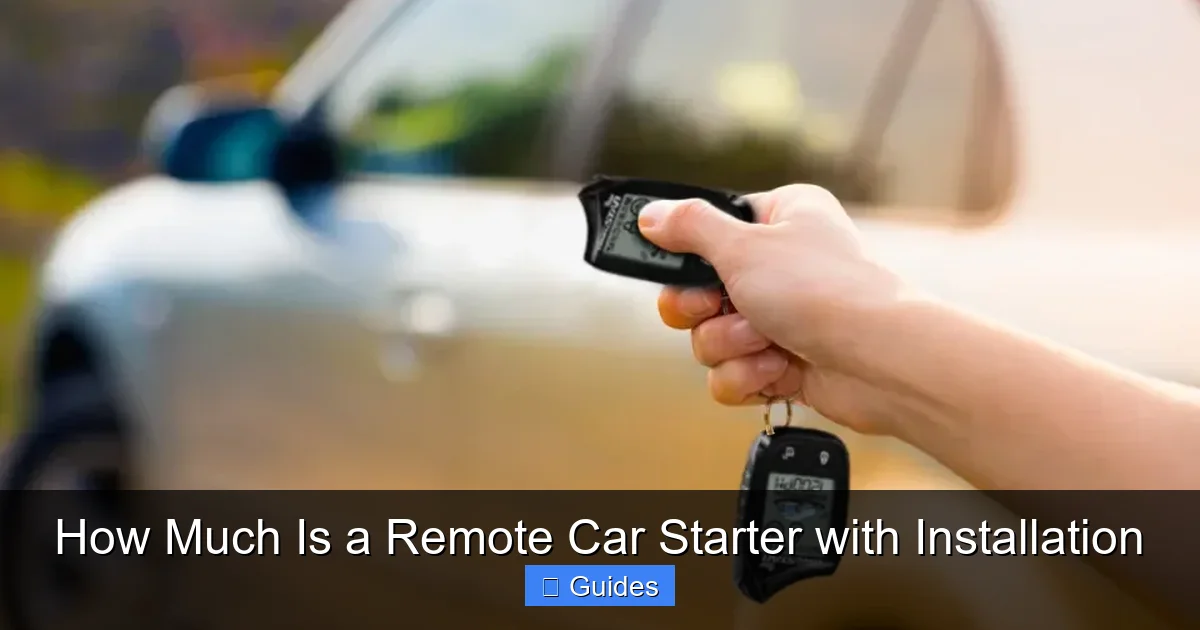
Before diving into costs, it’s important to understand what a remote car starter actually does—and why it’s not just a “fancy key fob.” At its core, a remote starter is an electronic system that interfaces with your vehicle’s ignition, security, and climate control systems. When you press a button (or use your smartphone), it sends a signal to start the engine remotely, allowing the heater or air conditioner to begin working before you even reach the car.
Visual guide about How Much Is a Remote Car Starter with Installation
Image source: i1.wp.com
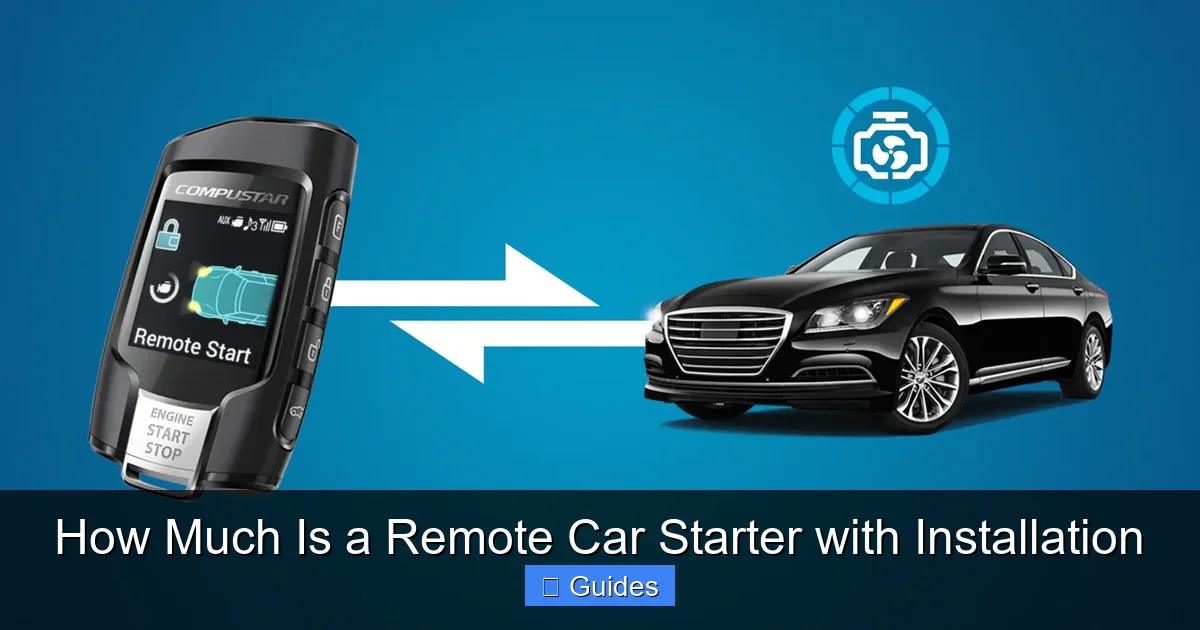
Modern remote starters come in three main types: basic one-way systems, two-way systems, and smartphone-enabled systems. Each offers different levels of convenience, range, and feedback. For example, a one-way system might let you start your car from 500 feet away, but you won’t know if it actually started. A two-way system sends a confirmation signal back to your remote, so you see a light or hear a beep when the engine is running. Smartphone models go even further, letting you start your car from anywhere with cellular service—perfect for those unexpected cold snaps or hot afternoons.
Beyond the remote itself, the system includes wiring harnesses, control modules, and sometimes additional sensors or antennas. All of these components must be carefully integrated into your vehicle’s existing electronics—which is why professional installation is almost always recommended. Even if you’re handy with tools, messing with your car’s electrical system can lead to costly mistakes, including blown fuses, disabled airbags, or even engine damage.
Why Installation Isn’t Just “Plugging In”
You might think installing a remote starter is as simple as connecting a few wires—but it’s far more complex. Modern vehicles have sophisticated computer systems that control everything from the ignition to the anti-theft immobilizer. A remote starter must communicate seamlessly with these systems without triggering alarms or disabling safety features.
For example, if your car has a factory-installed alarm or keyless entry, the remote starter needs to bypass or integrate with those systems. In some cases, technicians must program the system using specialized software or even update your car’s firmware. This level of expertise takes training and experience—which is why labor costs can add significantly to the total price.
Breaking Down the Costs: Unit vs. Installation
When budgeting for a remote car starter, it’s helpful to think of the total cost as two parts: the price of the hardware (the starter unit) and the cost of professional installation. Let’s look at each component in detail.
Visual guide about How Much Is a Remote Car Starter with Installation
Image source: mobokey.com
Cost of the Remote Starter Unit
The price of the starter itself varies widely based on features and brand. Here’s a general breakdown:
- Basic one-way starters: $100–$150. These are the most affordable options, offering simple start/stop functionality with a range of 500–1,000 feet. Brands like Avital and Python offer reliable entry-level models in this range.
- Two-way remote starters: $150–$300. These systems provide confirmation feedback (like a flashing LED or vibration) so you know your car started successfully. Compustar and Viper are popular brands in this category, with models like the Compustar CS7900 offering long-range performance and smartphone compatibility.
- Smartphone-enabled systems: $300–$600+. These high-end units connect to your phone via an app, allowing you to start your car from anywhere. They often include GPS tracking, geofencing, and climate control scheduling. Directed Electronics’ DroneMobile and Viper SmartStart are top contenders here.
Keep in mind that “smart” features often require a monthly or annual subscription fee (typically $10–$15/month) for cellular connectivity. While this adds to the long-term cost, many users find the convenience worth it—especially if they live in extreme climates.
Installation Labor Costs
Professional installation is where many people get surprised by the final bill. Labor costs typically range from $100 to $300, depending on several factors:
- Vehicle complexity: Older cars with simpler electrical systems are easier (and cheaper) to install. Newer models, especially luxury or hybrid vehicles, often require additional modules or programming, increasing labor time.
- Location: Urban areas with higher living costs tend to have higher labor rates. A shop in New York City might charge $250 for installation, while a rural mechanic might charge $120.
- Technician expertise: Certified installers from brands like Compustar or Viper often charge more but provide better warranties and support.
- Additional services: Some shops bundle services like alarm integration, window roll-up modules, or battery checks into the installation fee.
For example, installing a basic remote starter in a 2010 Honda Civic might cost $120 in labor, while the same job on a 2023 BMW X5 could run $280 due to the need for a CAN bus interface and software programming.
Total Cost Examples
To give you a real-world idea, here are a few sample totals:
- Budget setup: Avital 4105L ($120) + installation ($120) = $240 total
- Mid-range setup: Compustar CS7900 ($250) + installation ($200) = $450 total
- Premium setup: Viper SmartStart ($400) + installation ($250) + first-year subscription ($120) = $770 total
As you can see, the total cost can vary dramatically based on your choices. But remember: cheaper isn’t always better. A poorly installed system can cause more problems than it solves.
Factors That Influence Pricing
Now that you know the basic cost structure, let’s explore the key factors that can push your total higher—or help you save money.
Visual guide about How Much Is a Remote Car Starter with Installation
Image source: compustar.com
Vehicle Make, Model, and Year
Not all cars are created equal when it comes to remote starter compatibility. Older vehicles (pre-2005) often have simpler wiring and fewer security features, making installation faster and cheaper. In contrast, newer models—especially those with push-button start, factory alarms, or encrypted key fobs—require more advanced integration.
For instance, installing a remote starter in a 2008 Toyota Camry might take 1.5 hours, while the same job on a 2022 Tesla Model 3 could take 4+ hours due to the need for specialized adapters and software. Luxury brands like Mercedes, BMW, and Audi often require OEM-specific interfaces, which can add $100–$200 to the hardware cost.
Climate and Usage Needs
Where you live plays a big role in how much you’re willing to spend. If you’re in Minnesota or Alaska, you’ll likely want a long-range, two-way system with fast engine warm-up times. In contrast, someone in Arizona might prioritize rapid AC cooling and smartphone control to beat the heat.
Consider this: a basic one-way starter might work fine in mild climates, but in extreme temperatures, you’ll appreciate features like runtime extension (which keeps the engine running longer) or temperature-based auto-start (which starts the car when it gets too cold or hot). These features often come with higher-end models.
Brand Reputation and Warranty
Just like any tech purchase, brand matters. Established brands like Compustar, Viper, and Directed Electronics have spent decades refining their products and offer better customer support, longer warranties (often 1–3 years), and reliable performance. Cheaper, off-brand starters might save you $50 upfront but could fail sooner or lack proper documentation for warranty claims.
Additionally, many reputable brands offer installation warranties—meaning if something goes wrong during or after installation, they’ll fix it for free. This peace of mind is worth the extra cost for many drivers.
DIY vs. Professional Installation
Some adventurous drivers consider DIY installation to save money. While kits are available online for as little as $80, this route comes with significant risks:
- Voided warranties: Many car manufacturers void electrical warranties if unauthorized modifications are made.
- Electrical damage: Incorrect wiring can fry your car’s ECU, disable airbags, or cause battery drain.
- Security risks: A poorly installed system might bypass your immobilizer, making your car easier to steal.
That said, if you’re experienced with automotive electronics and have the right tools, a DIY install can work—but only on simpler vehicles. For most people, the $100–$300 saved isn’t worth the potential headaches.
Top Brands and Models to Consider
With so many options on the market, choosing the right remote starter can feel overwhelming. Here’s a quick look at some of the best brands and models in 2024, based on performance, reliability, and customer reviews.
Compustar
Compustar is a leader in the remote start industry, known for its long-range systems and innovative features. The Compustar CS7900 is a top pick, offering two-way feedback, 3,000-foot range, and optional smartphone control via the DroneMobile app. Priced around $250, it’s a great mid-range option for most drivers.
Viper
Viper (owned by Directed Electronics) is another trusted name, especially for high-end users. The Viper SmartStart system lets you start your car from anywhere using your phone, with real-time alerts and GPS tracking. At $400+, it’s pricier but ideal for tech lovers and frequent travelers.
Avital
For budget-conscious buyers, Avital offers reliable, no-frills starters like the Avital 4105L. At around $120, it’s one of the most affordable options with professional installation support. It lacks smartphone features but gets the job done for basic remote starting.
Python
Python is Compustar’s sister brand, offering similar performance at a lower price point. The Python 5906P is a solid two-way system with a 1,500-foot range and LED confirmation, priced around $180.
Aftermarket vs. OEM Systems
Some drivers consider factory-installed remote starters offered by car manufacturers (like Ford’s Remote Start or Toyota’s Smart Key). While these integrate seamlessly, they’re often more expensive—sometimes $500+ for the feature alone—and may require a subscription. Aftermarket systems usually offer better value and more customization.
Tips to Save Money Without Sacrificing Quality
Remote starters don’t have to break the bank. With a little planning, you can get a high-quality system at a reasonable price.
Shop During Off-Peak Seasons
Demand for remote starters peaks in fall and winter. Take advantage of end-of-season sales in late winter or early spring, when retailers offer discounts to clear inventory. You might save 10–20% on both hardware and installation.
Bundle Services
Many shops offer package deals. For example, you might get a discount if you install a remote starter along with an alarm system or window tinting. Ask about promotions when you call for a quote.
Get Multiple Quotes
Prices vary widely between shops. Call at least three local installers and compare not just the total cost, but also the warranty, brand, and included features. Don’t forget to ask about hidden fees like programming charges or module upgrades.
Consider Refurbished or Open-Box Units
Some retailers sell certified refurbished starters at 20–30% off. These units are tested and come with warranties, making them a smart way to save without compromising quality.
Check for Manufacturer Rebates
Brands like Compustar and Viper occasionally offer mail-in rebates or instant discounts. Visit their websites or sign up for newsletters to stay informed.
Is a Remote Car Starter Worth It?
After all this talk about cost, you might be wondering: is it really worth the investment? For most people, the answer is a resounding yes—especially if you live in a climate with extreme temperatures.
Think about the daily convenience: no more scraping ice off your windshield, no more burning your hands on a hot steering wheel, no more waiting 10 minutes for the cabin to cool down. Over time, that comfort adds up. Plus, a properly installed remote starter can even improve your car’s resale value, as it’s a desirable feature for many buyers.
Of course, if you park in a garage or live in a mild climate, the benefits might be less pronounced. But even then, the peace of mind and added security (many systems include alarm integration) make it a worthwhile upgrade for many drivers.
Final Thoughts
So, how much is a remote car starter with installation? As we’ve seen, the answer ranges from $200 to $600+, depending on your vehicle, desired features, and installation choices. While it’s tempting to go for the cheapest option, investing in a quality system from a reputable brand with professional installation will save you money and headaches in the long run.
Take the time to research your options, get quotes from certified installers, and consider your specific needs. Whether you choose a basic one-way starter or a smartphone-controlled powerhouse, you’ll enjoy the comfort and convenience of a pre-warmed or pre-cooled car—every single day.
Frequently Asked Questions
How much does a basic remote car starter with installation cost?
A basic remote car starter with professional installation typically costs between $200 and $300. This includes a simple one-way unit and standard labor for most non-luxury vehicles.
Can I install a remote car starter myself to save money?
While DIY kits are available, self-installation is not recommended unless you have advanced automotive electronics experience. Improper installation can damage your vehicle or void warranties, often costing more in repairs than the savings.
Do remote starters work with all cars?
Most modern vehicles are compatible, but some—especially luxury, hybrid, or push-button start models—require specialized interfaces. Always confirm compatibility with your installer before purchasing.
Are smartphone-controlled remote starters worth the extra cost?
Yes, if you value convenience and live in extreme climates. Smartphone systems let you start your car from anywhere, receive alerts, and monitor your vehicle remotely—making them ideal for frequent travelers or harsh weather areas.
Do remote starters drain your car battery?
Quality remote starters are designed to minimize battery drain. However, if your battery is old or weak, frequent remote starts can shorten its life. Most systems also include safety cutoffs to prevent overuse.
How long does installation take?
Professional installation usually takes 2 to 4 hours, depending on your vehicle’s complexity. Some shops offer same-day service, while others may require an appointment.

At CarLegit, we believe information should be clear, factual, and genuinely helpful. That’s why every guide, review, and update on our website is created with care, research, and a strong focus on user experience.