
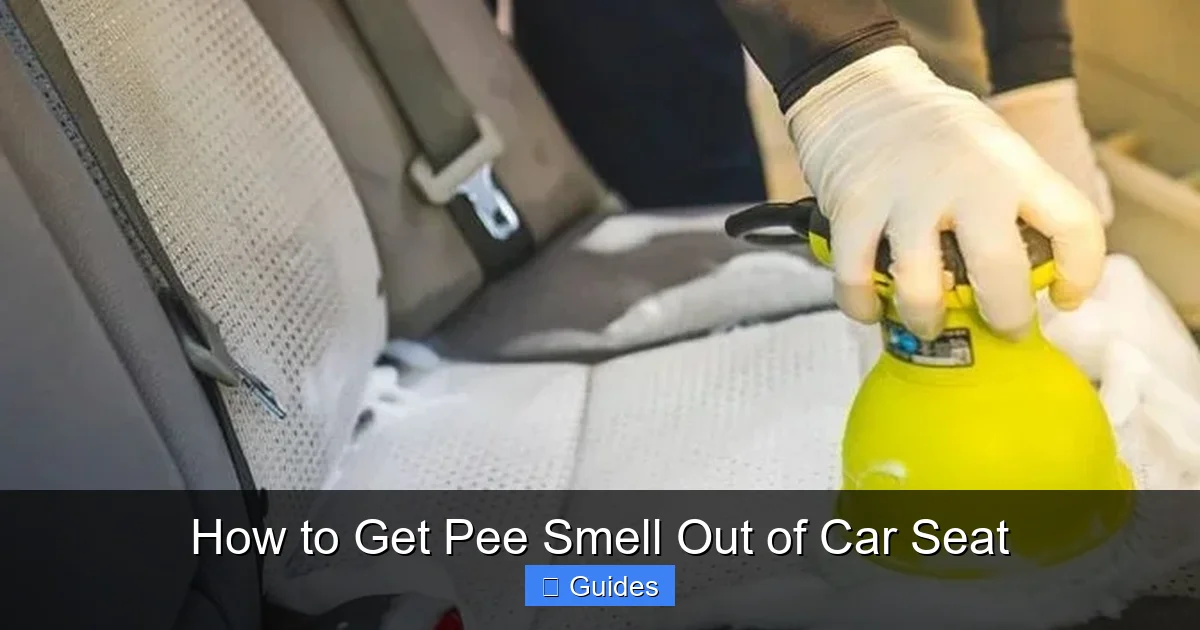
Getting pee smell out of a car seat isn’t just about masking the odor—it’s about deep cleaning and neutralizing bacteria. With the right tools and techniques, you can restore freshness and keep your car smelling clean.
In This Article
- 1 Key Takeaways
- 2 📑 Table of Contents
- 3 Why Pee Smell Lingers in Car Seats
- 4 Immediate Steps After an Accident
- 5 Choosing the Right Cleaning Solution
- 6 Step-by-Step Cleaning Process
- 7 Dealing with Old or Set-In Odors
- 8 Preventing Future Accidents and Odors
- 9 Common Mistakes to Avoid
- 10 Conclusion
- 11 Frequently Asked Questions
- 11.1 Can I use bleach to remove pee smell from a car seat?
- 11.2 How long does it take for a car seat to dry after cleaning?
- 11.3 Will baking soda alone remove pee smell?
- 11.4 Can I machine wash a car seat cover?
- 11.5 Why does the pee smell come back after cleaning?
- 11.6 Is it safe to use a steam cleaner on a car seat?
Key Takeaways
- Act quickly: The sooner you treat the accident, the easier it is to remove both the stain and the smell.
- Blot, don’t rub: Rubbing spreads urine deeper into fabric; always blot gently with a clean cloth.
- Use an enzyme cleaner: These break down urine molecules at the source, eliminating odor-causing bacteria.
- Ventilate the car: Open windows and use fans to speed up drying and reduce lingering smells.
- Avoid ammonia-based products: They can worsen the odor by mimicking urine and attracting pets back to the spot.
- Test cleaners first: Always do a spot test on a hidden area to avoid discoloration or damage.
- Prevent future accidents: Consider waterproof seat covers or training aids for pets or young children.
📑 Table of Contents
Why Pee Smell Lingers in Car Seats
Let’s be honest—accidents happen. Whether it’s a potty-training toddler, a nervous pet, or an unexpected bathroom emergency on a long road trip, urine in your car seat is more common than you’d think. But what makes the smell so stubborn? It’s not just about the liquid itself. Urine contains urea, uric acid, and ammonia, which can seep deep into fabric, foam padding, and even the plastic frame of your car seat. Once these compounds dry, they leave behind microscopic crystals that continue to emit odor—especially when exposed to heat or moisture again.
What’s worse, regular air fresheners or surface sprays only mask the smell temporarily. They don’t tackle the root cause: the bacteria feeding on the urine residue. These bacteria multiply in warm, damp environments—like the inside of a car on a sunny day—and produce foul-smelling gases as they break down the organic matter. That’s why you might think you’ve cleaned it, only to be hit with a wave of stench the next time you get in the car. The key to truly getting pee smell out of a car seat is to eliminate both the physical residue and the biological source of the odor.
Immediate Steps After an Accident
Act Fast—Time Is Your Enemy
The golden rule of urine cleanup? Speed matters. The longer urine sits, the deeper it penetrates and the harder it becomes to remove. As soon as you notice the accident, pull over safely if you’re driving, or take action immediately if you’re parked. Every minute counts. Fresh urine is much easier to clean than dried or set-in stains.
Visual guide about How to Get Pee Smell Out of Car Seat
Image source: wikihow.com
Blot, Don’t Rub
Grab a stack of clean, absorbent towels or paper towels. Gently press them onto the wet area to soak up as much liquid as possible. Avoid rubbing or scrubbing—this pushes urine deeper into the fabric and can damage delicate materials. Instead, use a blotting motion: press down, lift, and repeat with a dry section of the towel. Continue until no more moisture transfers to the cloth.
Remove Seat Covers (If Possible)
If your car seat has removable covers—common in infant seats or some booster models—take them off right away. This gives you direct access to the padding underneath and allows for more thorough cleaning. Check the manufacturer’s instructions to ensure you’re removing them correctly. Some covers are machine-washable, which can be a huge help in the cleaning process.
Rinse with Cold Water
If the seat cover is removable, rinse it under cold running water to flush out as much urine as possible. Hot water can set proteins in urine, making the stain and smell worse. For non-removable seats, lightly dampen a clean cloth with cold water and gently blot the area. Don’t soak the seat—excess moisture can lead to mold or mildew, especially if it doesn’t dry completely.
Choosing the Right Cleaning Solution
Why Enzyme Cleaners Are the Gold Standard
When it comes to getting pee smell out of a car seat, not all cleaners are created equal. Many people reach for vinegar, baking soda, or household disinfectants, but these often fall short. Vinegar can neutralize some odors, but it doesn’t break down uric acid crystals. Baking soda absorbs moisture and masks smells but doesn’t eliminate bacteria. Disinfectants kill germs on the surface but don’t penetrate deep into fabric.
Visual guide about How to Get Pee Smell Out of Car Seat
Image source: odorcide.com
That’s where enzyme cleaners come in. These specialized products contain live enzymes and beneficial bacteria that literally eat urine molecules. They break down urea, uric acid, and ammonia into water and carbon dioxide—com harmless byproducts. Because they work at the molecular level, enzyme cleaners don’t just cover up the smell; they destroy it at the source. Brands like Nature’s Miracle, Rocco & Roxie, and Bissell Pet Stain & Odor are highly rated and widely available.
DIY Alternatives (And Their Limitations)
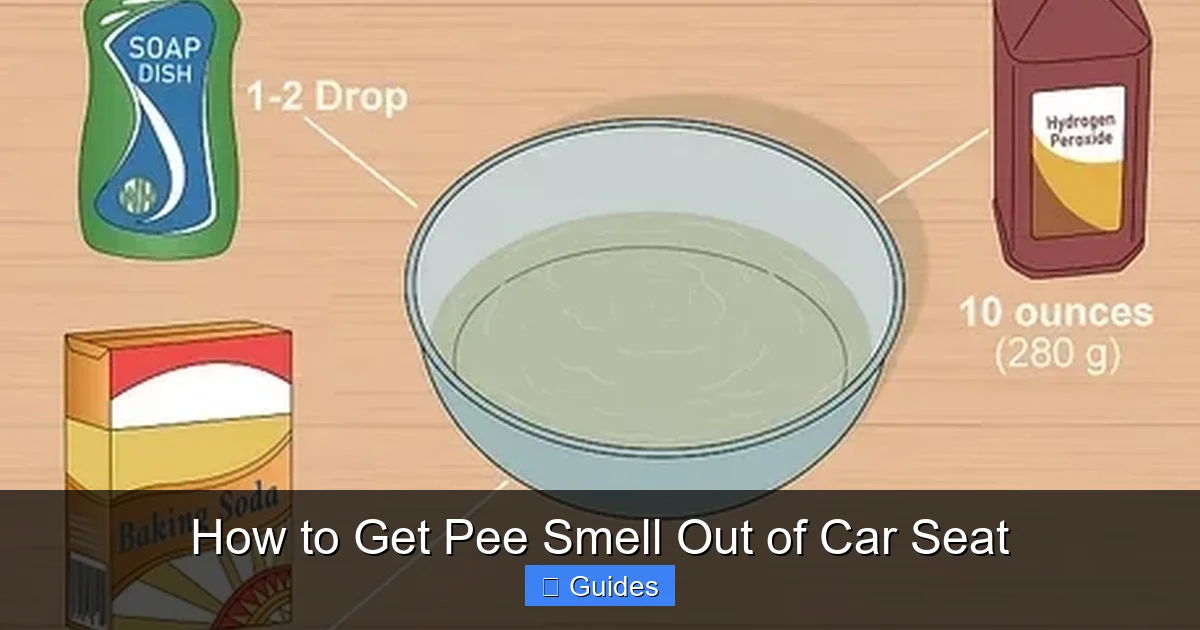
If you don’t have an enzyme cleaner on hand, you can try a homemade solution—but know the limitations. A mix of equal parts white vinegar and water can help neutralize odors and dissolve some residue. Spray it lightly on the affected area, let it sit for 10–15 minutes, then blot with a damp cloth. Follow up with a baking soda sprinkle to absorb moisture and odors, then vacuum once dry.
Another option is a hydrogen peroxide and dish soap mix (1 cup hydrogen peroxide, 1 tsp dish soap, 1 tbsp baking soda). This can lift stains and kill bacteria, but it may bleach colored fabrics—so always test in a hidden spot first. Also, never mix hydrogen peroxide with vinegar; it creates a corrosive acid that can damage surfaces and harm your health.
While DIY solutions can help in a pinch, they rarely provide the same deep-cleaning power as enzyme-based products. For persistent or old odors, investing in a quality enzyme cleaner is worth every penny.
Step-by-Step Cleaning Process
Step 1: Prep the Area
Before you start cleaning, clear out any loose items from the car seat—toys, blankets, or seat protectors. If the seat is in the car, open all doors and windows to improve airflow. This helps prevent the cleaner from trapping moisture and speeds up drying. If possible, move the seat to a well-ventilated area or even outside on a dry day.
Visual guide about How to Get Pee Smell Out of Car Seat
Image source: odordude.com
Step 2: Apply the Cleaner
Shake your enzyme cleaner well before use. Spray it generously over the affected area, making sure to cover the entire stain and a little beyond. Don’t be shy—urine can spread beyond what’s visible. Let the cleaner sit for the recommended time (usually 10–15 minutes, but check the label). For deep-set odors, you may need to let it sit longer or reapply.
If you’re using a DIY solution, apply it with a spray bottle or a damp cloth. Avoid over-saturating the seat. The goal is to moisten the area, not flood it.
Step 3: Gently Agitate (If Needed)
For fabric seats, use a soft-bristled brush (like an old toothbrush) to gently work the cleaner into the fibers. This helps the solution penetrate deeper. Be careful not to scrub too hard—especially on delicate materials like microfiber or leather. For leather seats, skip the brush and use a soft cloth to wipe in circular motions.
Step 4: Blot and Rinse
After the cleaner has had time to work, blot the area with a clean, damp cloth to remove excess solution and loosened residue. If the seat cover is removable, rinse it under cold water again. For non-removable seats, use a spray bottle with clean water to lightly mist the area, then blot dry.
Step 5: Dry Thoroughly
Drying is just as important as cleaning. Moisture left in the seat can lead to mold, mildew, and even more odor. Use fans to blow air directly onto the seat. If you’re indoors, place a box fan near the car door. On sunny days, park in direct sunlight with windows cracked to create a greenhouse effect. You can also use a wet-dry vacuum to extract moisture from deep within the padding.
Avoid using heat sources like hair dryers or space heaters—they can damage materials and set odors. Patience is key: allow at least 24–48 hours for complete drying, especially for thick padding.
Dealing with Old or Set-In Odors
Why Old Stains Are Tougher
If the pee smell has been lingering for days, weeks, or even months, the urine has likely penetrated deep into the foam and may have started to crystallize. These uric acid crystals are invisible but highly odorous, especially when reactivated by heat or humidity. Regular cleaners often can’t reach them, which is why the smell keeps coming back.
Deep Cleaning with Enzyme Soaks
For old odors, a longer treatment is needed. After initial cleaning, apply a generous amount of enzyme cleaner and let it sit for several hours—or even overnight. Cover the area with plastic wrap to prevent evaporation and keep the cleaner active. Some people even use a spray bottle to re-wet the area periodically if it starts to dry out.
If the seat cover is removable, consider soaking it in a bathtub or large basin filled with cold water and a cup of enzyme cleaner. Let it soak for 2–4 hours, then rinse and dry thoroughly.
Using a Steam Cleaner (Optional)
A handheld steam cleaner can help lift deep-set stains and odors. The heat and pressure loosen residue, while the moisture helps activate enzyme cleaners. However, use caution: too much heat can damage adhesives or cause shrinkage. Always test on a small area first and keep the steamer moving to avoid concentrating heat in one spot.
When to Call a Professional
If you’ve tried everything and the smell persists, it may be time to consult a professional auto detailer. They have industrial-grade equipment and access to stronger cleaning agents that can tackle even the most stubborn odors. They can also inspect for hidden damage, like mold growth in the seat frame. While it’s an added expense, it’s often worth it for peace of mind and a truly clean car.
Preventing Future Accidents and Odors
Use Protective Seat Covers
One of the best ways to avoid future pee smells is to prevent urine from reaching the seat in the first place. Waterproof seat covers are a game-changer—they create a barrier between the fabric and any accidents. Look for covers made from waterproof materials like PVC, nylon, or polyester with a soft, non-slip backing. Many are machine-washable and designed to fit specific car seat models.
For pet owners, consider seat covers with raised edges or non-slip surfaces to keep pets secure and contained. For families with young children, booster seats with removable, washable covers are ideal.
Train Pets and Children
If your pet is the culprit, consistent potty training and regular bathroom breaks during car rides can reduce accidents. Use positive reinforcement and avoid punishing accidents—this can increase anxiety and lead to more incidents. For children, establish a routine of bathroom stops before long trips and encourage them to speak up if they need to go.
Keep Cleaning Supplies Handy
Store a small emergency kit in your car with essentials like paper towels, a spray bottle of enzyme cleaner, disposable gloves, and a sealable plastic bag for used materials. This way, you can act immediately when an accident happens, minimizing damage and odor.
Regular Maintenance
Even if there’s no accident, give your car seats a quick refresh every few months. Vacuum fabric seats to remove dust and debris, and wipe down leather or vinyl with a mild cleaner. This prevents buildup and keeps odors at bay.
Common Mistakes to Avoid
Using Ammonia-Based Cleaners
Ammonia smells like urine to dogs and cats, which can encourage them to mark the same spot again. Avoid cleaners with ammonia, especially if pets are involved. Stick to enzyme-based or pet-safe formulas.
Over-Wetting the Seat
Too much moisture can lead to mold, mildew, and even electrical issues if the seat has heating elements. Always use the minimum amount of liquid needed and dry thoroughly.
Ignoring the Smell
Don’t assume the smell will go away on its own. Lingering urine can attract pests, damage materials, and create an unhealthy environment. Address it promptly and thoroughly.
Skipping the Test Patch
Always test any cleaner on a small, hidden area first. Some products can discolor or damage certain fabrics, especially delicate ones like suede or light-colored leather.
Conclusion
Getting pee smell out of a car seat might seem like a daunting task, but with the right approach, it’s entirely manageable. The key is to act quickly, use the right tools—especially enzyme cleaners—and ensure the seat dries completely. Whether you’re dealing with a fresh accident or a months-old odor, patience and persistence pay off. By following these steps and taking preventive measures, you can keep your car smelling fresh and your seats in great condition. Remember, it’s not just about masking the smell—it’s about eliminating it at the source. So breathe easy, because a clean, odor-free car is within reach.
Frequently Asked Questions
Can I use bleach to remove pee smell from a car seat?
No, bleach is not recommended. It can damage fabric, discolor materials, and react with urine to produce toxic fumes. It also doesn’t break down uric acid crystals, so the smell may return.
How long does it take for a car seat to dry after cleaning?
It typically takes 24–48 hours for a car seat to dry completely, depending on ventilation, humidity, and padding thickness. Use fans and sunlight to speed up the process.
Will baking soda alone remove pee smell?
Baking soda can absorb moisture and mask odors temporarily, but it won’t eliminate bacteria or uric acid crystals. For best results, use it in combination with an enzyme cleaner.
Can I machine wash a car seat cover?
It depends on the manufacturer’s instructions. Many removable covers are machine-washable, but always check the label and use cold water to avoid shrinkage or damage.
Why does the pee smell come back after cleaning?
The smell returns if urine residue remains deep in the padding or if the seat wasn’t dried properly. Enzyme cleaners and thorough drying are essential to prevent this.
Is it safe to use a steam cleaner on a car seat?
Yes, but with caution. Use low heat and keep the steamer moving to avoid damaging adhesives or materials. Always test on a small area first.

At CarLegit, we believe information should be clear, factual, and genuinely helpful. That’s why every guide, review, and update on our website is created with care, research, and a strong focus on user experience.