
Finding chewing gum stuck to your car seat can be frustrating, but it doesn’t have to ruin your upholstery. With the right tools and techniques, you can remove gum quickly and safely—whether your seats are cloth, leather, or synthetic. This guide walks you through proven methods, from freezing to oil-based solutions, so you can restore your car’s interior with confidence.
In This Article
- 1 Key Takeaways
- 2 📑 Table of Contents
- 3 Introduction: The Sticky Situation No One Wants
- 4 Why Gum Sticks—And Why It’s Hard to Remove
- 5 Method 1: The Freezing Technique (Best for Cloth and Synthetic Seats)
- 6 Method 2: Oil-Based Removal (Great for Leather and Stubborn Gum)
- 7 Method 3: Vinegar and Baking Soda (Eco-Friendly and Safe)
- 8 Method 4: Rubbing Alcohol or Hand Sanitizer (Quick and Effective)
- 9 Method 5: Commercial Gum Removers (When All Else Fails)
- 10 Preventing Future Gum Mishaps
- 11 Conclusion: Stay Calm and Clean On
- 12 Frequently Asked Questions
Key Takeaways
- Act fast: The sooner you treat gum, the easier it is to remove before it hardens or soaks into fibers.
- Freeze it first: Using ice or a cold pack makes gum brittle and easier to scrape off without spreading.
- Use household items: Common products like peanut butter, vinegar, or rubbing alcohol can break down gum effectively.
- Test cleaners first: Always do a spot test on a hidden area to avoid discoloration or damage, especially on leather.
- Scrape gently: Use a dull tool like a butter knife or credit card to lift gum—never use sharp objects that can tear fabric.
- Clean residue thoroughly: After removing gum, clean the area with soap and water or a fabric cleaner to eliminate sticky leftovers.
- Prevent future messes: Keep gum wrappers handy and consider seat protectors if kids frequently ride in your car.
📑 Table of Contents
- Introduction: The Sticky Situation No One Wants
- Why Gum Sticks—And Why It’s Hard to Remove
- Method 1: The Freezing Technique (Best for Cloth and Synthetic Seats)
- Method 2: Oil-Based Removal (Great for Leather and Stubborn Gum)
- Method 3: Vinegar and Baking Soda (Eco-Friendly and Safe)
- Method 4: Rubbing Alcohol or Hand Sanitizer (Quick and Effective)
- Method 5: Commercial Gum Removers (When All Else Fails)
- Preventing Future Gum Mishaps
- Conclusion: Stay Calm and Clean On
Introduction: The Sticky Situation No One Wants
We’ve all been there—you’re about to hop in the car, maybe running late for work or picking up the kids, and you notice it: a small, shiny blob stuck to the seat. It’s chewing gum. Your heart sinks. How did it get there? Was it your nephew’s after-school treat? Did your teenager forget to wrap it properly? Whatever the cause, one thing’s for sure—it’s not going to remove itself.
Chewing gum on a car seat might seem like a minor annoyance, but if left untreated, it can harden, stain, or even attract more dirt and debris. And let’s be honest—no one wants to sit on a sticky seat or explain to a passenger why there’s gum fused to the upholstery. The good news? You don’t need professional detailing or expensive chemicals to fix this. With a few simple household items and the right approach, you can get chewing gum out of a car seat quickly and safely.
In this guide, we’ll walk you through step-by-step methods for removing gum from different types of car seats—cloth, leather, and synthetic materials. We’ll cover everything from freezing techniques to natural solvents, plus tips for preventing future gum mishaps. Whether you’re dealing with a fresh piece or a long-dried blob, you’ll find a solution that works for your situation.
Why Gum Sticks—And Why It’s Hard to Remove
Before diving into removal methods, it helps to understand why chewing gum is so stubborn. Chewing gum is made from a synthetic rubber base, sweeteners, flavorings, and softeners. The rubber base gives it that stretchy, sticky quality that makes it fun to chew—but a nightmare when it ends up on fabric or leather.
Visual guide about How to Get Chewing Gum Out of Car Seat
Image source: wikihow.com
The Science Behind the Stick
Gum adheres to surfaces because of its viscoelastic properties—it’s both viscous (like honey) and elastic (like rubber). When warm, it’s soft and pliable, allowing it to mold into tiny fibers in fabric or crevices in leather. As it cools, it hardens and bonds more tightly to the material. Over time, oils from the gum can penetrate deep into upholstery, making it even harder to remove.
Why Car Seats Are Especially Vulnerable
Car seats are exposed to heat, sunlight, and frequent use, which can accelerate gum adhesion. On hot days, the interior of a car can reach over 120°F (49°C), softening gum and helping it seep into fabric. Leather seats, while easier to wipe, can still absorb gum oils, leading to discoloration or sticky patches. Cloth seats are the most challenging because fibers trap gum deep within the weave.
That’s why timing matters. The longer gum sits, the more it integrates with the seat material. Acting quickly increases your chances of a clean removal. But even if the gum has been there for days or weeks, don’t panic—there are still effective ways to tackle it.
Method 1: The Freezing Technique (Best for Cloth and Synthetic Seats)
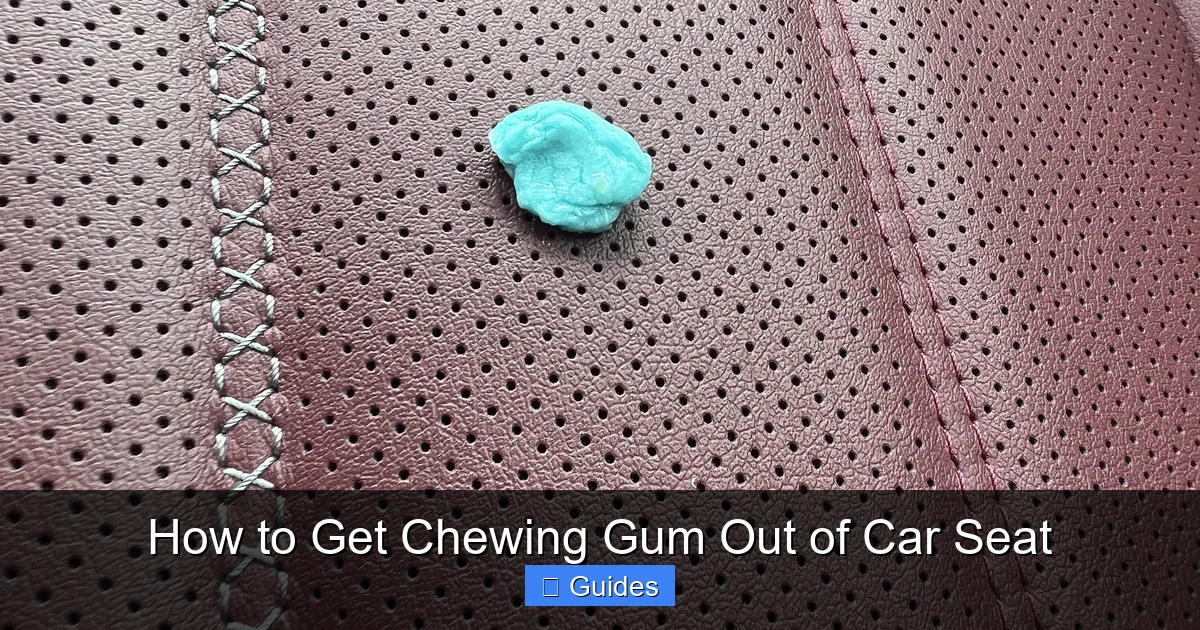
The freezing method is one of the most popular and effective ways to remove chewing gum from car seats. It works by hardening the gum, making it brittle and easy to crack or peel off. This method is especially great for cloth and synthetic upholstery, where you want to avoid spreading the gum or damaging fibers.
Visual guide about How to Get Chewing Gum Out of Car Seat
Image source: countrydiaries.com
What You’ll Need
- Ice cubes or a cold pack
- Plastic bag or towel (to protect the seat)
- Butter knife, credit card, or plastic scraper
- Clean cloth or paper towels
Step-by-Step Instructions
Start by placing ice cubes in a plastic bag or wrapping a cold pack in a thin towel. Apply the cold source directly to the gum for 10 to 15 minutes. You want the gum to become hard and lose its stickiness. You’ll know it’s ready when it feels firm to the touch and doesn’t stretch when you press it.
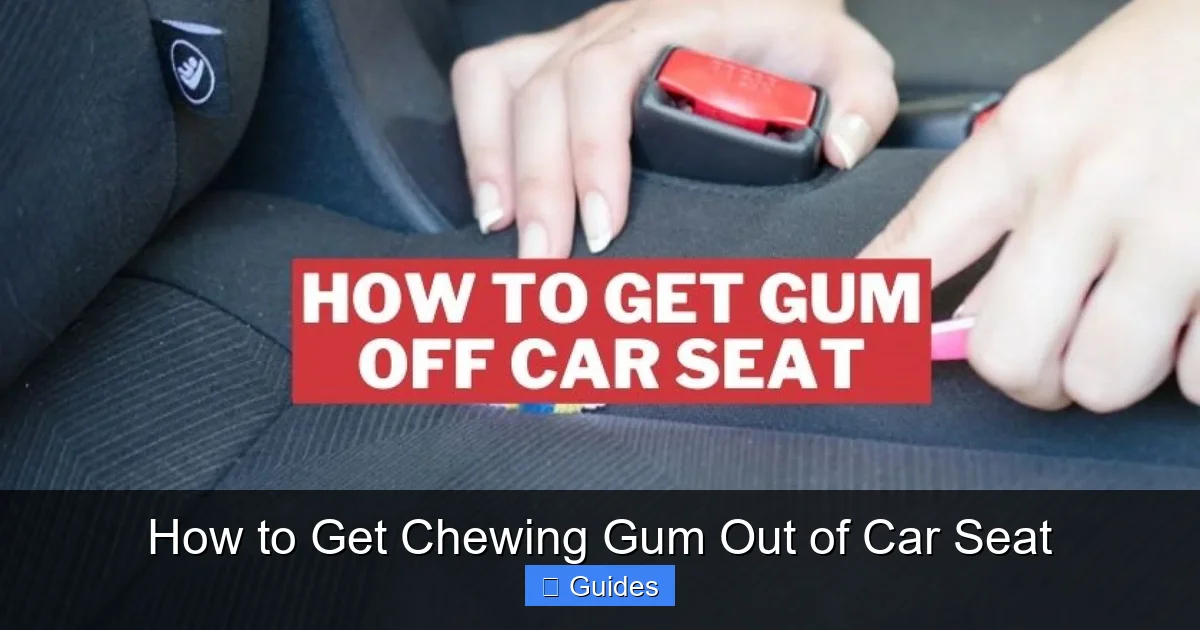
Once the gum is frozen, use a dull edge—like the side of a butter knife or an old credit card—to gently scrape it off. Work from the outer edges toward the center to prevent spreading. Be patient and avoid using too much force, which could tear fabric or leave behind fibers.
After removing the bulk of the gum, you may notice a sticky residue. Wipe the area with a damp cloth and mild soap to lift any remaining oils. Let the seat air dry completely before using the car again.
Pro Tips for Freezing
- If you’re on the go, keep a small ice pack in your glove compartment for emergencies.
- For hard-to-reach spots, use a cotton swab dipped in ice water to target small areas.
- Avoid using metal scrapers on leather—opt for plastic to prevent scratches.
Method 2: Oil-Based Removal (Great for Leather and Stubborn Gum)
When freezing doesn’t work—or if you’re dealing with leather seats—oil-based solutions can be a game-changer. Oils like peanut butter, coconut oil, or even mayonnaise work by breaking down the gum’s adhesive properties. The oils penetrate the gum, loosening its grip on the seat material.
Visual guide about How to Get Chewing Gum Out of Car Seat
Image source: cardecorates.com
Why Oil Works
Gum contains oils itself, so introducing more oil helps dissolve the bond between the gum and the seat. This method is particularly effective on leather, which can be damaged by water or harsh chemicals. Oil also conditions leather, leaving it soft and supple after cleaning.
Step-by-Step Oil Method
Start by applying a small amount of peanut butter (the kind with oil, not the reduced-fat version) directly to the gum. Let it sit for 5 to 10 minutes. You’ll notice the gum becoming softer and less sticky.
Use a soft cloth or your fingers (wearing gloves if preferred) to gently rub the gum in circular motions. The gum should begin to lift and roll off in small pieces. For tougher spots, reapply the oil and wait a few more minutes.
Once the gum is removed, wipe the area with a damp cloth to remove any oil residue. Follow up with a leather cleaner or mild soap solution to restore the seat’s natural finish. Dry with a clean, dry cloth.
Alternative Oils to Try
- Coconut oil: Natural, non-greasy, and great for conditioning leather.
- Olive oil: Readily available, but use sparingly to avoid staining.
- Mayonnaise: Contains oil and vinegar, which helps break down gum and clean the surface.
Note: Always test oil on a small, hidden area first, especially on colored leather, to ensure it doesn’t cause discoloration.
Method 3: Vinegar and Baking Soda (Eco-Friendly and Safe)
If you prefer a natural, chemical-free approach, vinegar and baking soda make a powerful duo for gum removal. This method is safe for most fabrics and won’t leave behind strong odors or residues.
How It Works
White vinegar is mildly acidic, which helps break down the gum’s structure. Baking soda acts as a gentle abrasive, helping to lift the gum from the fibers. Together, they create a fizzing reaction that loosens stubborn residue.
Step-by-Step Instructions
Mix equal parts white vinegar and water in a spray bottle. Lightly spray the solution onto the gum and let it sit for 5 minutes. The vinegar will begin to soften the gum.
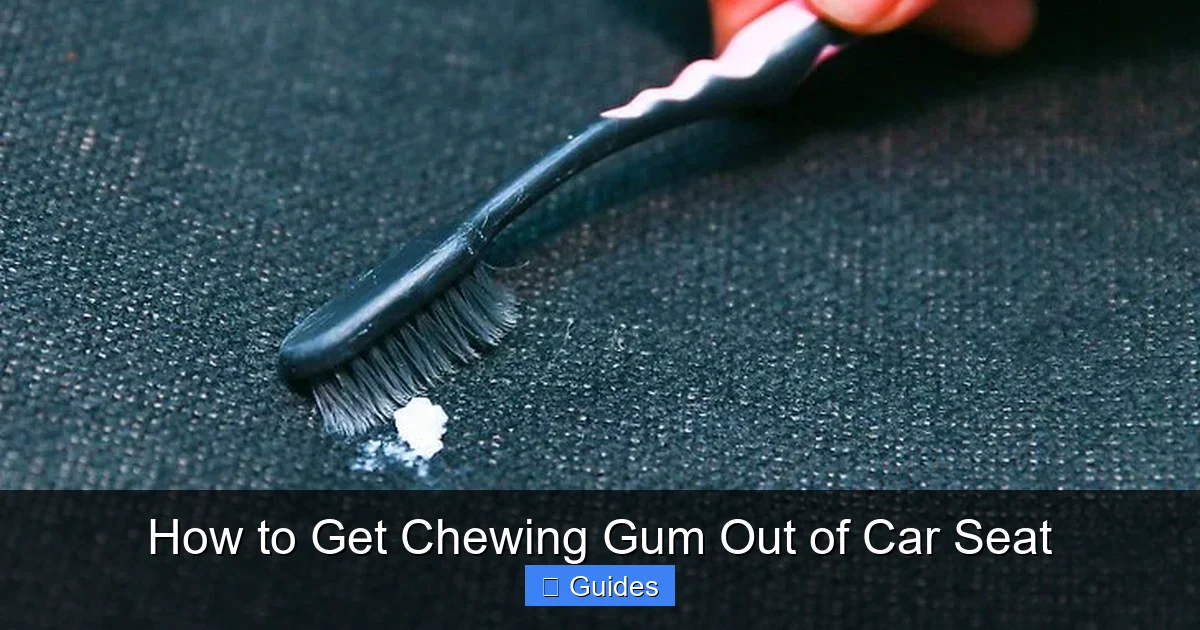
Sprinkle a small amount of baking soda directly onto the gum. Use a soft-bristled toothbrush or cloth to gently scrub in circular motions. The baking soda will help lift the gum while the vinegar continues to dissolve it.
As you scrub, the gum should start to break apart. Wipe away the pieces with a damp cloth. Repeat if necessary until all gum is removed.
Finish by wiping the area with a clean, damp cloth to remove any vinegar or baking soda residue. Let the seat dry completely.
Bonus Tip: Add Essential Oils
To mask the vinegar smell, add a few drops of lemon or lavender essential oil to your vinegar solution. This leaves your car smelling fresh and clean.
Method 4: Rubbing Alcohol or Hand Sanitizer (Quick and Effective)
For a fast-acting solution, rubbing alcohol (isopropyl alcohol) or alcohol-based hand sanitizer can dissolve gum quickly. These products evaporate fast, reducing the risk of water damage, and are safe for most upholstery types when used correctly.
Why Alcohol Works
Alcohol breaks down the polymers in gum, reducing its stickiness and making it easier to wipe away. It’s especially useful for small, fresh pieces of gum or sticky residue left behind after other methods.
How to Use Alcohol Safely
Pour a small amount of rubbing alcohol onto a clean cloth—do not apply directly to the seat, as it can damage some finishes. Gently dab the gum until it begins to soften.
Use your fingers (with gloves) or a cloth to rub the gum in small circles. It should start to lift and dissolve. Wipe away the residue with a damp cloth.
For hand sanitizer, apply a pea-sized amount directly to the gum and let it sit for 2–3 minutes. The alcohol content will do the work. Scrub gently and wipe clean.
Safety Precautions
- Use in a well-ventilated area—alcohol fumes can be strong.
- Avoid using on untreated leather or delicate fabrics.
- Always test on a hidden spot first.
Method 5: Commercial Gum Removers (When All Else Fails)
If home remedies aren’t cutting it, commercial gum removers are designed specifically for this task. Products like Goo Gone, WD-40, or specialized upholstery cleaners can tackle even the most stubborn gum.
How to Use Commercial Products
Follow the instructions on the label carefully. Most require you to apply the product, wait a few minutes, then wipe or scrape away the gum. Always use in a well-ventilated area and wear gloves to protect your skin.
After removal, clean the area with soap and water to remove any chemical residue. This is especially important if you have kids or pets who might come into contact with the seat.
Pros and Cons
- Pros: Fast, effective, and formulated for tough jobs.
- Cons: Can be expensive, may have strong odors, and some contain harsh chemicals.
For eco-conscious users, look for biodegradable or non-toxic options labeled safe for automotive use.
Preventing Future Gum Mishaps
Once your seat is clean, take steps to avoid a repeat incident. Prevention is always easier than removal.
Tips for Gum Safety in the Car
- Encourage passengers to wrap used gum in foil or tissue before disposal.
- Keep a small trash bag or gum wrapper container in the car.
- Use seat protectors or covers, especially if kids ride frequently.
- Teach children proper gum etiquette—no chewing during car rides unless supervised.
- Keep a travel-sized gum remover in your glove box for emergencies.
A little awareness goes a long way in keeping your car’s interior clean and gum-free.
Conclusion: Stay Calm and Clean On
Finding chewing gum on your car seat doesn’t have to be a disaster. With the right approach, you can remove it safely and effectively—no professional help required. Whether you freeze it, dissolve it with oil, or use a household cleaner, there’s a method that fits your needs and materials.
Remember: act quickly, test your cleaner first, and always clean the area thoroughly after removal. And most importantly, don’t stress. Gum happens. But now you’re equipped to handle it like a pro. Your car—and your sanity—will thank you.
Frequently Asked Questions
Can I use a hair dryer to remove gum from a car seat?
Yes, but with caution. A hair dryer can soften gum, making it easier to wipe away. However, excessive heat can damage leather or melt synthetic fibers. Use on low heat and keep the dryer moving to avoid hot spots.
Will vinegar damage my car’s leather seats?
Diluted vinegar is generally safe for leather when used sparingly and followed by a leather conditioner. Always test on a hidden area first and avoid soaking the leather.
What if the gum has been there for weeks?
Old gum is harder to remove but not impossible. Try freezing first to harden it, then use an oil-based method or commercial remover. Be patient and repeat as needed.
Can I use peanut butter on colored fabric?
Peanut butter can stain light-colored fabrics. If you must use it, apply a small amount and rinse thoroughly with soap and water afterward. Test on a hidden spot first.
Is WD-40 safe for car upholstery?
WD-40 can remove gum but may leave an oily residue. Use it sparingly and always follow up with a cleaner to remove any leftover film. Avoid use on untreated leather.
How do I remove gum from seatbelt webbing?
Use the freezing method or a cotton swab dipped in rubbing alcohol. Gently scrape or wipe the gum away. Avoid soaking the webbing, as it can weaken over time.

At CarLegit, we believe information should be clear, factual, and genuinely helpful. That’s why every guide, review, and update on our website is created with care, research, and a strong focus on user experience.