
Getting rid of cigarette smell in a car isn’t just about masking odors—it’s about deep cleaning and neutralizing lingering smoke particles. This guide covers proven techniques, from DIY home remedies to professional-grade solutions, so you can restore your car’s freshness and breathe easy again.
In This Article
- 1 Key Takeaways
- 2 📑 Table of Contents
- 3 Why Cigarette Smell Lingers in Cars—And Why It’s So Hard to Remove
- 4 Step 1: Clear Out and Vacuum Thoroughly
- 5 Step 2: Deep Clean All Interior Surfaces
- 6 Step 3: Use Odor Neutralizers and Absorbers
- 7 Step 4: Clean or Replace the Cabin Air Filter
- 8 Step 5: Use an Ozone Generator (For Severe Cases)
- 9 Step 6: Prevent Future Odors
- 10 Final Thoughts: Be Patient and Persistent
- 11 Frequently Asked Questions
- 11.1 How long does it take to remove cigarette smell from a car?
- 11.2 Can I use Febreze to get rid of cigarette smell?
- 11.3 Will washing the exterior help remove cigarette smell?
- 11.4 Is ozone treatment safe for my car’s interior?
- 11.5 Can I sell a car that smells like cigarettes?
- 11.6 Do air fresheners really work on cigarette smell?
Key Takeaways
- Act quickly: The sooner you start cleaning, the easier it is to remove cigarette odor before it sets into surfaces.
- Clean all surfaces: Smoke clings to upholstery, carpets, headliners, and even air vents—don’t skip any area.
- Use odor neutralizers, not just air fresheners: Air fresheners only mask the smell; neutralizers break down odor molecules at the source.
- Replace cabin air filters: A dirty filter traps smoke residue and recirculates stale air—swap it out for a fresh one.
- Try natural remedies first: Baking soda, white vinegar, and activated charcoal are affordable, eco-friendly options that work well.
- Consider professional detailing: For stubborn or long-term smoke damage, a pro detailer with ozone treatment may be necessary.
- Prevent future odors: Keep your car smoke-free and use preventative measures like air purifiers or regular cleaning.
📑 Table of Contents
- Why Cigarette Smell Lingers in Cars—And Why It’s So Hard to Remove
- Step 1: Clear Out and Vacuum Thoroughly
- Step 2: Deep Clean All Interior Surfaces
- Step 3: Use Odor Neutralizers and Absorbers
- Step 4: Clean or Replace the Cabin Air Filter
- Step 5: Use an Ozone Generator (For Severe Cases)
- Step 6: Prevent Future Odors
- Final Thoughts: Be Patient and Persistent
Why Cigarette Smell Lingers in Cars—And Why It’s So Hard to Remove
If you’ve ever ridden in a car where someone smoked, you know how persistent that smell can be. It’s not just a surface-level issue—cigarette odor seeps deep into every porous material inside your vehicle. From the fabric seats and carpeting to the headliner and even the air vents, smoke particles embed themselves and release that unmistakable stale, ashy scent over time.
Unlike perfumes or food smells, cigarette odor is made up of thousands of chemical compounds, including tar, nicotine, and other volatile organic compounds (VOCs). These substances don’t just sit on top of surfaces—they penetrate fibers, stick to plastics, and cling to glass. Over time, they oxidize and become even more stubborn. That’s why simply spraying an air freshener or rolling down the windows for a few minutes won’t cut it. You need a thorough, multi-step approach to truly eliminate the smell.
The good news? With the right tools and techniques, you can get rid of cigarette smell in your car—even if it’s been there for months or years. Whether you’re prepping your car for sale, trying to make it more comfortable for passengers, or just want to enjoy a fresher ride, this guide will walk you through every step. We’ll cover everything from quick fixes to deep-cleaning methods, so you can choose the approach that fits your time, budget, and level of odor severity.
Step 1: Clear Out and Vacuum Thoroughly
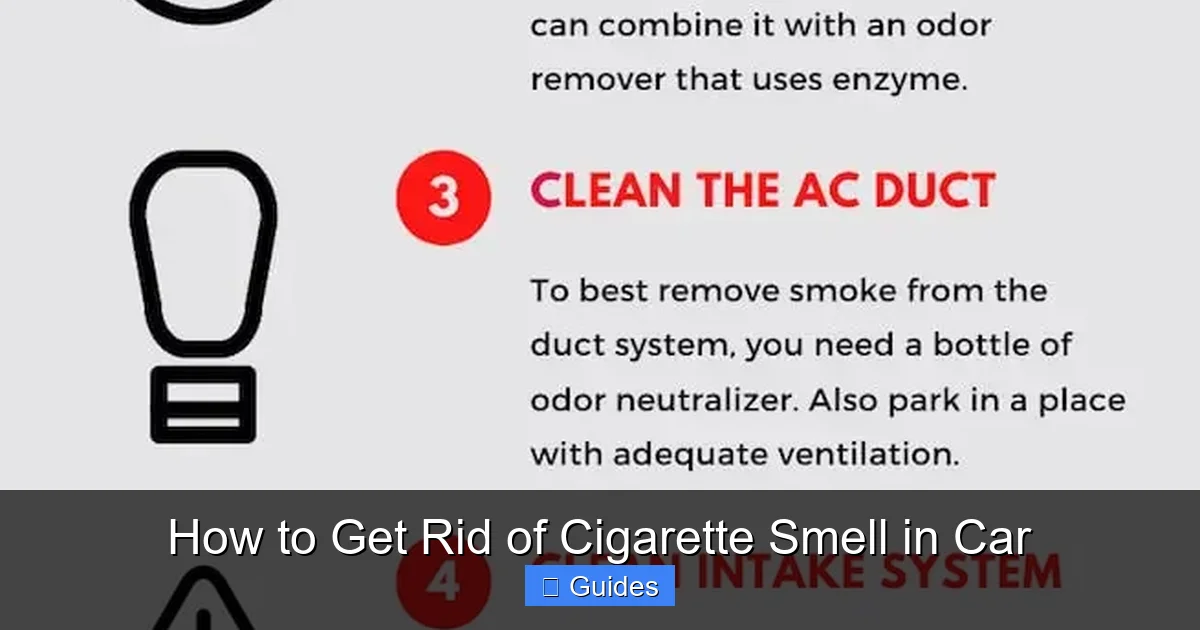
Visual guide about How to Get Rid of Cigarette Smell in Car
Image source: youramazingcar.com
Before you start any deep cleaning, the first step is to remove all clutter and debris from your car. This isn’t just about tidiness—it’s about access. Smoke particles settle into every nook and cranny, so you need to get rid of anything that might be hiding them.
Start by taking out floor mats, seat covers, and any personal items like bags, jackets, or loose papers. Check under the seats, in the door pockets, and in the trunk. Even small crumbs or dust bunnies can trap odor, so be thorough.
Once everything is out, vacuum every surface—yes, every single one. Use a powerful vacuum with a crevice tool and upholstery attachment. Focus on:
– Carpeted floors and floor mats
– Fabric or leather seats (use the right attachment to avoid damage)
– Seat gaps and crevices
– Door panels and armrests
– The trunk and spare tire well
– Under the seats and around the pedals
Don’t forget the headliner—the fabric ceiling of your car. It’s often overlooked, but smoke rises and clings to it. Use a soft brush attachment and go gently to avoid tearing the material.
Pro tip: If you have a handheld vacuum or a cordless model, use it to get into tight spaces. For best results, vacuum twice—once to remove loose debris and again after you’ve done some initial cleaning.
After vacuuming, wipe down all hard surfaces with a damp microfiber cloth. This removes dust and surface grime that can trap odor. Pay special attention to the dashboard, steering wheel, gear shift, and cup holders—these areas get touched often and can absorb smoke residue.
Step 2: Deep Clean All Interior Surfaces
Visual guide about How to Get Rid of Cigarette Smell in Car
Image source: youramazingcar.com
Now that your car is vacuumed and wiped down, it’s time to tackle the deep clean. This is where you’ll really start breaking down the cigarette smell. The key is to clean every surface that smoke could have touched—because it probably did.
Cleaning Upholstery and Carpets
Fabric seats and carpets are the biggest culprits when it comes to holding onto cigarette odor. Here’s how to clean them effectively:
Start by sprinkling baking soda liberally over all fabric surfaces—seats, carpets, floor mats, and even the headliner if it’s fabric. Baking soda is a natural odor absorber and works wonders on smoke smells. Let it sit for at least 4–6 hours, or ideally overnight. The longer it sits, the more odor it will pull out.
After the baking soda has done its job, vacuum it up thoroughly. You may need to go over the area a few times to get all the powder out, especially from deep carpet fibers.
Next, use a fabric cleaner or upholstery shampoo. You can buy a commercial product designed for car interiors, or make your own with a mix of warm water, a few drops of dish soap, and a tablespoon of white vinegar. Vinegar is a natural deodorizer and helps break down smoke residue.
Apply the cleaner with a soft brush or sponge, working in small sections. Scrub gently but thoroughly, especially in high-contact areas like the driver’s seat and armrests. Let the cleaner sit for 10–15 minutes, then blot with a clean, damp cloth to remove excess moisture. Avoid soaking the fabric—too much water can lead to mold or mildew.
For leather seats, skip the baking soda and vinegar. Instead, use a leather cleaner and conditioner. Smoke can dry out leather and leave a sticky residue, so cleaning and conditioning will restore the material and help eliminate odor.
Cleaning Hard Surfaces
Plastic, vinyl, and glass surfaces also absorb smoke particles. Wipe down the dashboard, door panels, center console, and windows with a mixture of warm water and white vinegar (1:1 ratio). Vinegar cuts through grease and neutralizes odors without leaving a strong scent behind.
For stubborn grime, add a few drops of dish soap to the mix. Use a microfiber cloth to avoid scratching surfaces. Don’t forget the air vents—use a cotton swab or a soft brush to clean between the slats. Smoke residue builds up here and gets blown back into the cabin when you use the AC or heater.
Cleaning the Headliner
The headliner is one of the most challenging areas to clean because it’s delicate and hard to reach. But it’s also one of the biggest odor traps.
Start by vacuuming it gently with a soft brush attachment. Then, mix a small amount of mild detergent with water and lightly dab the solution onto stained or smelly areas using a clean sponge or cloth. Work in small sections and avoid soaking the fabric. Blot with a dry cloth immediately to remove moisture.
For tougher odors, you can use a fabric refresher spray designed for car interiors. Avoid heavy sprays or steam cleaners, as they can damage the adhesive holding the headliner in place.
Step 3: Use Odor Neutralizers and Absorbers
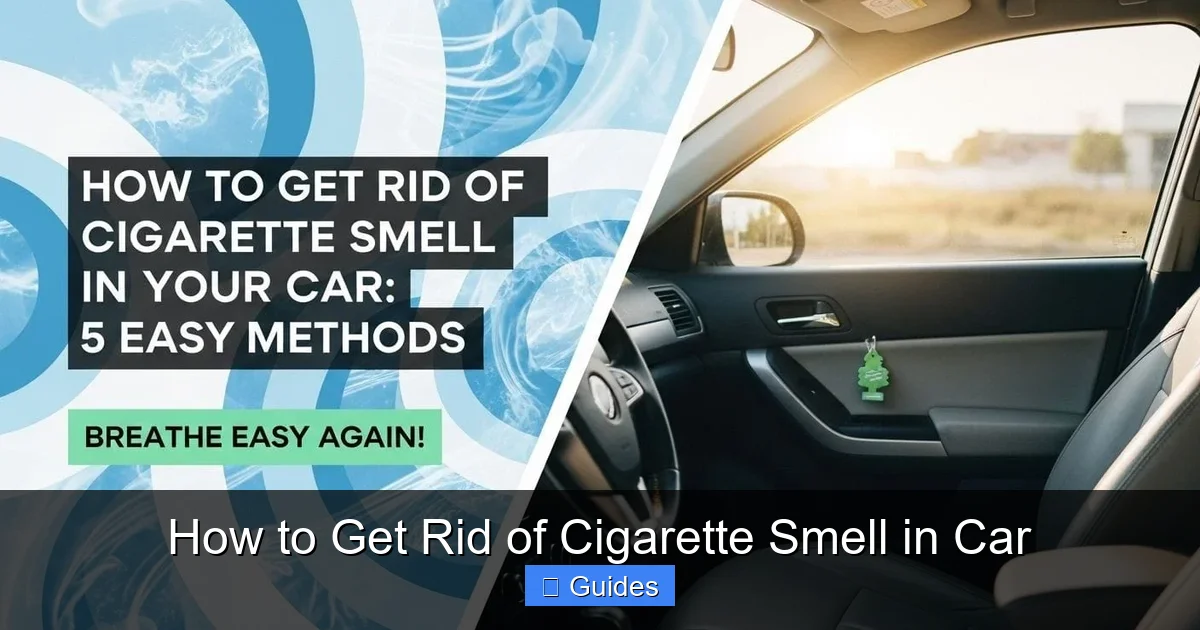
Visual guide about How to Get Rid of Cigarette Smell in Car
Image source: carxplorer.com
Cleaning removes visible dirt and some odor, but to truly get rid of cigarette smell in your car, you need to neutralize the remaining odor molecules. This is where odor absorbers and neutralizers come in.
Baking Soda
We already used baking soda to absorb odor from fabrics, but it’s also great for ongoing odor control. Place an open box of baking soda in your car (under a seat or in the trunk) and leave it for a few days. Replace it every week or two. You can also make a DIY odor absorber by filling a bowl with baking soda and adding a few drops of essential oil (like lemon or eucalyptus) for a light, fresh scent.
Activated Charcoal
Activated charcoal is even more effective than baking soda at absorbing odors. It’s highly porous and traps odor molecules on a molecular level. You can buy activated charcoal bags designed for cars, or make your own by placing charcoal in breathable fabric pouches. Leave them in your car for several days, and replace them monthly.
White Vinegar
Vinegar is a powerhouse when it comes to neutralizing odors. Fill a small bowl with white vinegar and place it in your car overnight. The vinegar will absorb the cigarette smell—don’t worry, the vinegar scent will disappear once it dries. For a quicker fix, lightly mist vinegar on surfaces (avoid electronics) and let it air dry.
Commercial Odor Eliminators
If natural remedies aren’t enough, consider a commercial odor eliminator. Look for products specifically designed for smoke odor, such as:
– **OdorGone**
– **Zep Smoke Odor Eliminator**
– **Meguiar’s Odor Eliminator**
These products use enzymes or oxidizers to break down odor molecules at the source. Follow the instructions carefully—some require spraying and letting the product sit, while others need to be wiped off.
Avoid generic air fresheners. They don’t eliminate odor—they just cover it up with a stronger scent. You’ll end up with a weird mix of smoke and perfume, which is worse than the original smell.
Step 4: Clean or Replace the Cabin Air Filter
One of the most overlooked sources of cigarette smell in a car is the cabin air filter. This filter traps dust, pollen, and other particles before they enter the cabin through the HVAC system. But it also captures smoke particles—and over time, it becomes saturated with odor.
If your cabin air filter hasn’t been changed in over a year (or ever), it’s likely contributing to the stale smell. Replacing it can make a huge difference.
To check your filter:
1. Locate the cabin air filter—usually behind the glove box, under the dashboard, or under the hood near the windshield.
2. Remove the cover and take out the old filter.
3. Inspect it: if it’s dark, dirty, or smells like smoke, it’s time for a new one.
Replacing the filter is usually a simple DIY job that takes 10–15 minutes. Buy a high-quality replacement filter (look for activated carbon filters, which are better at trapping odors) and install it according to your vehicle’s manual.
After replacing the filter, run your AC and heater on high for 10–15 minutes to clear out any lingering smoke residue in the ducts. This helps flush out trapped odor and ensures fresh air circulates through the system.
Step 5: Use an Ozone Generator (For Severe Cases)
If you’ve tried everything and the cigarette smell still lingers, it might be time to bring in the big guns: an ozone generator.
Ozone (O₃) is a powerful oxidizer that breaks down odor molecules, including those from smoke, mold, and bacteria. Ozone generators produce ozone gas that fills your car and neutralizes odors at the molecular level.
This method is especially effective for cars with long-term smoke exposure or heavy smoking history. However, it’s not something to take lightly.
How Ozone Treatment Works
1. Remove all personal items from the car, including food, plants, and pets.
2. Place the ozone generator inside the car and close all windows and doors.
3. Run the machine for 30 minutes to several hours, depending on the severity of the odor.
4. After treatment, ventilate the car thoroughly by opening all doors and windows for at least 30 minutes before re-entering.
⚠️ **Important Safety Notes:**
– Never stay in the car during ozone treatment—ozone is harmful to breathe.
– Do not use ozone generators in occupied spaces or around pets.
– Follow the manufacturer’s instructions carefully.
– Some materials (like rubber or certain plastics) can degrade with prolonged ozone exposure, so don’t overuse it.
You can rent ozone generators from some auto supply stores or hire a professional detailer who offers ozone treatment. While it’s more expensive than DIY methods, it’s often the only way to completely eliminate deep-set cigarette odor.
Step 6: Prevent Future Odors
Once you’ve successfully removed the cigarette smell, the last thing you want is for it to come back. Prevention is key—especially if you’re trying to keep your car smoke-free.
Establish a No-Smoking Rule
The most effective way to prevent cigarette smell is to ban smoking in your car altogether. Make it a household rule—no exceptions. If you’re selling the car, this rule helps maintain its value and appeal to buyers.
Use Air Purifiers
Consider installing a car air purifier with a HEPA and activated carbon filter. These devices continuously clean the air and trap odor particles before they settle. Some models plug into the cigarette lighter and run quietly in the background.
Regular Cleaning Routine
Keep your car fresh with regular maintenance:
– Vacuum monthly
– Wipe down surfaces weekly
– Replace the cabin air filter every 12–15 months
– Use odor absorbers like baking soda or charcoal periodically
Air Out Your Car
On nice days, open all the windows and let fresh air circulate for 10–15 minutes. This helps flush out stale air and prevents odors from building up.
Use Natural Fresheners
Instead of synthetic air fresheners, try natural alternatives:
– A few drops of essential oil on a cotton ball placed under the seat
– A small sachet of dried lavender or citrus peels
– A bowl of coffee grounds (they absorb odors and leave a mild, pleasant scent)
These options add a light, natural fragrance without masking problems or adding chemicals.
Final Thoughts: Be Patient and Persistent
Getting rid of cigarette smell in a car isn’t a one-and-done task. It takes time, effort, and sometimes a combination of methods. But with persistence, you can restore your car to a fresh, clean state.
Start with the basics: vacuum, clean, and use natural odor absorbers. If the smell persists, move on to commercial neutralizers and consider replacing the cabin air filter. For the most stubborn cases, ozone treatment may be necessary.
Remember, the goal isn’t just to cover up the smell—it’s to eliminate it at the source. Once you’ve done that, maintaining a smoke-free, clean car will be much easier.
Whether you’re doing this for health reasons, to sell your car, or just to enjoy a better driving experience, the effort is worth it. Your car will smell better, feel cleaner, and be a more pleasant place to be.
So roll up your sleeves, gather your supplies, and get started. Your fresh-smelling car is just a few steps away.
Frequently Asked Questions
How long does it take to remove cigarette smell from a car?
The time it takes depends on the severity of the odor and the methods used. Light smells may fade in a few days with cleaning and odor absorbers, while heavy smoke residue can take weeks or require professional treatment.
Can I use Febreze to get rid of cigarette smell?
Febreze can help mask the odor temporarily, but it doesn’t eliminate the source. For lasting results, combine it with deep cleaning and odor neutralizers like baking soda or vinegar.
Will washing the exterior help remove cigarette smell?
Washing the outside of your car won’t affect interior odors. Cigarette smell comes from smoke particles inside the cabin, so focus on cleaning the interior surfaces and air system.
Is ozone treatment safe for my car’s interior?
Ozone is safe when used correctly, but it can degrade rubber seals and certain plastics over time. Use it sparingly and always ventilate the car thoroughly after treatment.
Can I sell a car that smells like cigarettes?
Yes, but the smell can significantly reduce its value and deter buyers. Removing the odor before sale makes the car more appealing and can help you get a better price.
Do air fresheners really work on cigarette smell?
Air fresheners only cover up the smell temporarily. They don’t remove the odor-causing particles. For real results, use odor neutralizers and deep cleaning methods instead.

At CarLegit, we believe information should be clear, factual, and genuinely helpful. That’s why every guide, review, and update on our website is created with care, research, and a strong focus on user experience.