
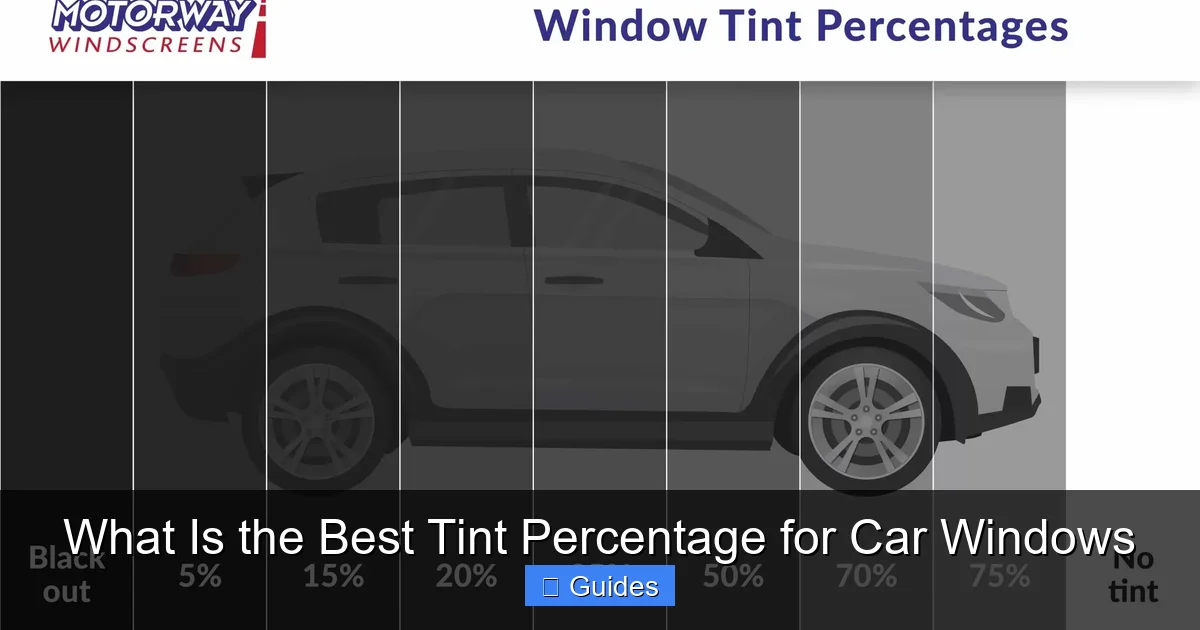
Choosing the best tint percentage for car windows depends on your needs, local laws, and climate. This guide breaks down everything you need to know—from legal limits and visibility to heat reduction and style—so you can make a smart, safe decision.
In This Article
- 1 Key Takeaways
- 2 📑 Table of Contents
- 3 What Is the Best Tint Percentage for Car Windows?
- 4 Understanding Tint Percentages: What Do the Numbers Mean?
- 5 Legal Limits: What’s Allowed in Your State?
- 6 Factors to Consider When Choosing a Tint Percentage
- 7 Popular Tint Percentages and Their Pros and Cons
- 8 Installation Tips: Getting It Right the First Time
- 9 Final Thoughts: Finding Your Perfect Tint
- 10 Frequently Asked Questions
Key Takeaways
- Legal compliance is essential: Each U.S. state has specific laws on how dark your car windows can be tinted. Always check local regulations before installing tint.
- 5%, 20%, 35%, and 50% are common options: These percentages refer to how much visible light passes through the film. Lower numbers mean darker tint.
- 35% offers a great balance: It reduces glare and heat while maintaining good visibility and often staying within legal limits.
- Front side windows matter most: Most states restrict how dark your front windows can be to ensure driver safety and law enforcement visibility.
- Quality matters more than darkness: High-performance films with UV and infrared blocking can improve comfort even at lighter tints.
- Consider your climate: Hotter regions benefit from darker or more reflective tints to reduce cabin temperature.
- Professional installation is worth it: DIY kits often bubble or peel. A pro ensures a clean, long-lasting result.
📑 Table of Contents
- What Is the Best Tint Percentage for Car Windows?
- Understanding Tint Percentages: What Do the Numbers Mean?
- Legal Limits: What’s Allowed in Your State?
- Factors to Consider When Choosing a Tint Percentage
- Popular Tint Percentages and Their Pros and Cons
- Installation Tips: Getting It Right the First Time
- Final Thoughts: Finding Your Perfect Tint
What Is the Best Tint Percentage for Car Windows?
When it comes to upgrading your car, window tinting is one of the most popular and practical modifications. It’s not just about looking cool—tinting improves comfort, protects your interior, and enhances privacy. But with so many options available, one question keeps coming up: *What is the best tint percentage for car windows?*
The truth is, there’s no single “best” percentage that works for everyone. The ideal tint level depends on your personal preferences, where you live, how you use your car, and—most importantly—the laws in your state. Some drivers want maximum privacy and heat reduction, while others prioritize visibility and legal compliance. Understanding how tint percentages work and what they affect can help you make the right choice.
In this guide, we’ll walk you through everything you need to know about car window tinting. From how tint percentages are measured to the legal limits across the U.S., we’ll cover the pros and cons of different shades, the science behind heat and UV protection, and tips for choosing the right film. Whether you’re a daily commuter, a rideshare driver, or just someone who loves a sleek-looking vehicle, this article will help you find the perfect balance between style, safety, and legality.
Understanding Tint Percentages: What Do the Numbers Mean?
Visual guide about What Is the Best Tint Percentage for Car Windows
Image source: img.auctiva.com
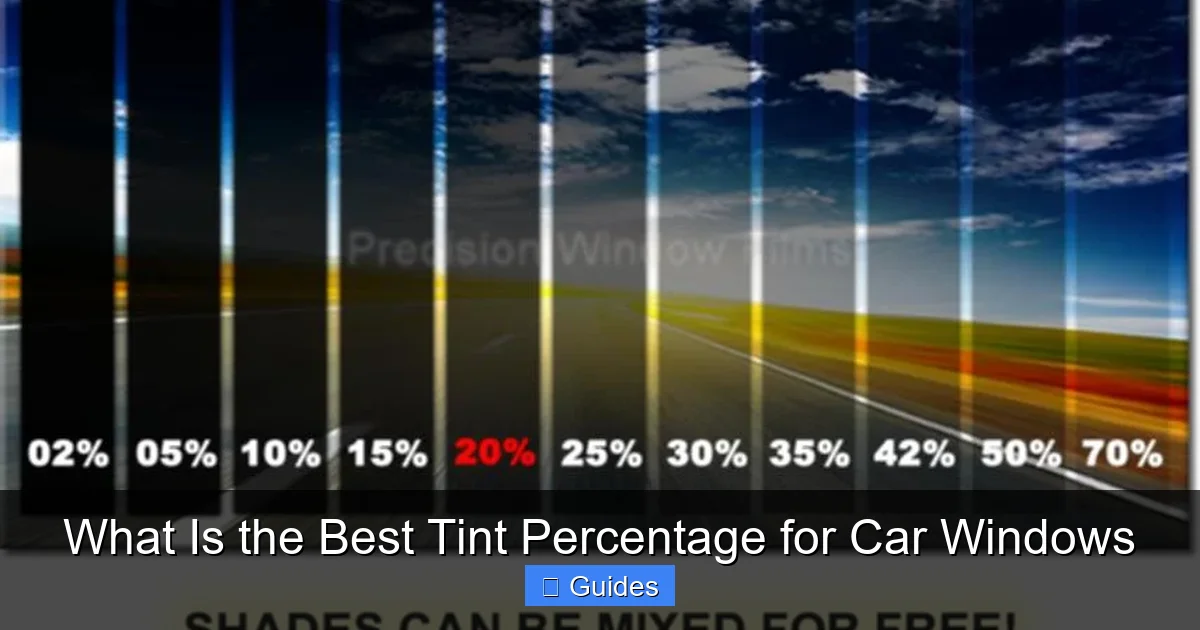
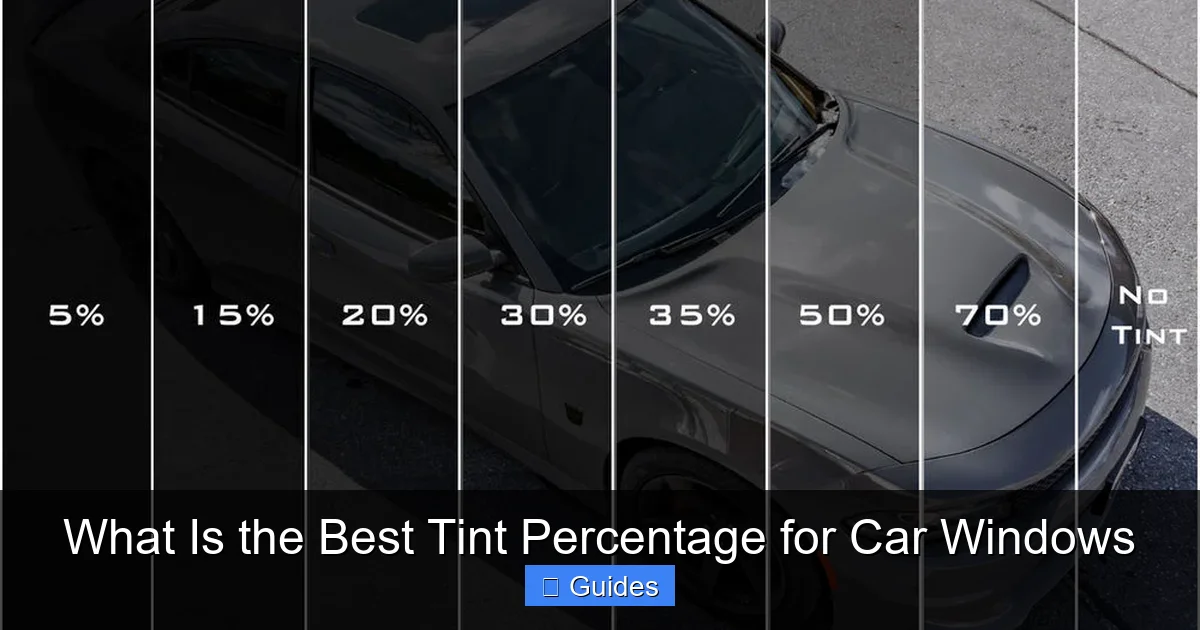
Before diving into recommendations, it’s important to understand what tint percentages actually represent. The number you see—like 5%, 20%, or 50%—refers to the **Visible Light Transmission (VLT)** of the film. This is the amount of visible light that passes through the window.
For example:
– A **5% tint** allows only 5% of light to pass through. It’s very dark—almost black—and often called “limo tint.”
– A **20% tint** lets in 20% of light. It’s noticeably dark but still allows some visibility.
– A **35% tint** is a popular middle ground, offering moderate darkness.
– A **50% tint** is relatively light, letting in half the available light.
The lower the percentage, the darker the tint. But darkness isn’t the only factor that affects performance. Modern tint films also block harmful UV rays, reduce infrared heat, and minimize glare—features that don’t always depend on how dark the film looks.
How Tint Affects Visibility and Safety
One of the biggest concerns with dark tints is reduced visibility, especially at night or in low-light conditions. A 5% tint might look sleek, but it can make it harder to see pedestrians, road signs, or other vehicles after dark. This is why many states restrict how dark your front windows can be.
Darker tints can also affect your ability to see into your own car. If you have young children or pets in the back seat, a very dark rear window might make it difficult to check on them. Similarly, if you use your car for ridesharing or deliveries, passengers may feel uneasy if they can’t see out clearly.
On the other hand, lighter tints like 50% or 35% offer a good compromise. They reduce glare from the sun and headlights without compromising your ability to see clearly. In fact, many drivers find that a moderate tint actually improves night driving by cutting down on blinding reflections.
The Role of Film Technology
It’s easy to assume that darker equals better protection, but that’s not always true. Advances in window film technology mean that even lighter tints can offer excellent performance.
For instance, **ceramic and carbon-based films** are designed to block up to 99% of UV rays and a significant amount of infrared heat—without being overly dark. These high-quality films use microscopic particles to absorb or reflect heat, rather than just blocking light. That means you can enjoy a cooler cabin and reduced fading of your dashboard and upholstery, even with a 50% tint.
Metallic films are another option. They contain tiny metal layers that reflect heat and UV rays. While effective, they can interfere with GPS signals, cell phone reception, and keyless entry systems. If you rely on these technologies, ceramic or carbon films are usually a better choice.
Legal Limits: What’s Allowed in Your State?
Visual guide about What Is the Best Tint Percentage for Car Windows
Image source: autogarage.ae
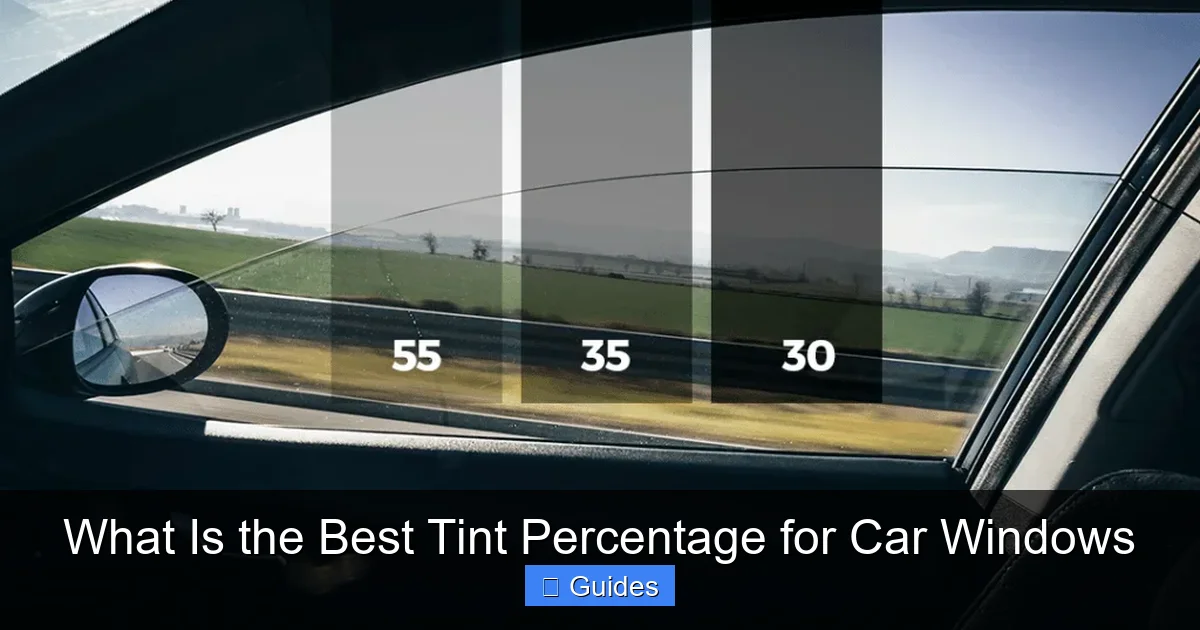
One of the most critical factors in choosing a tint percentage is **legality**. Every state in the U.S. has its own laws regarding how dark your car windows can be. These laws are designed to ensure driver safety, allow law enforcement to see inside vehicles, and prevent misuse of tinting for criminal activity.
Violating tint laws can result in fines, mandatory removal of the film, or even points on your license. So before you install any tint, it’s essential to check your state’s regulations.
Common State Tint Laws
While laws vary, here are some general guidelines based on common state rules:
– **Front windshield:** Most states allow a non-reflective tint only on the top few inches (usually 4–6 inches). Some states prohibit any tint on the windshield.
– **Front side windows:** These are the most restricted. Many states require at least 70% VLT (meaning no tint darker than 30%) to ensure police can see inside.
– **Rear side windows and rear windshield:** These often have more flexibility. Some states allow 5% tint on the rear, while others require 35% or higher.
For example:
– **California** allows 70% VLT on all side windows and the rear windshield. No tint is allowed on the front windshield except for a small strip at the top.
– **Texas** permits 25% VLT on front side windows and any darkness on rear windows and the back windshield.
– **New York** requires 70% VLT on front side windows and allows 35% or darker on rear windows.
Some states, like **Alaska** and **Louisiana**, are more lenient and allow 5% tint on all windows. Others, like **Minnesota** and **Washington**, have stricter rules.
How to Check Your State’s Laws
The best way to stay compliant is to consult your state’s Department of Motor Vehicles (DMV) or transportation website. Many states also have online tint law checkers where you can enter your vehicle type and see the legal limits.
Keep in mind that laws can change, and some states have different rules for sedans, SUVs, and convertibles. If you’re unsure, it’s always safer to go with a lighter tint—especially on the front windows.
Enforcement and Penalties
Law enforcement officers can pull you over solely for having illegally tinted windows. In many states, this is considered a primary offense, meaning you don’t need another reason to be stopped.
Penalties vary but often include:
– A fine (typically $50–$200 for a first offense)
– A requirement to remove the tint within a certain timeframe
– Possible court appearance for repeat violations
In some cases, your vehicle may fail inspection if the tint doesn’t meet legal standards. This can prevent you from renewing your registration.
To avoid trouble, consider getting a **tint certification** from your installer. Reputable shops will provide a sticker or document confirming that your tint meets legal requirements.
Factors to Consider When Choosing a Tint Percentage
Visual guide about What Is the Best Tint Percentage for Car Windows
Image source: tintsolutions.co
Now that you understand the basics of tint percentages and laws, let’s look at the practical factors that should influence your decision.
Climate and Sun Exposure
If you live in a hot, sunny climate—like Arizona, Florida, or Texas—you’ll benefit from a tint that reduces heat. Darker tints or films with high infrared rejection can significantly lower cabin temperature, reducing the need for air conditioning and improving fuel efficiency.
In contrast, if you live in a cooler or cloudier region, you might not need as much heat reduction. A lighter tint like 50% could be sufficient, especially if you want to maintain visibility and avoid legal issues.
Privacy Needs
Do you frequently carry valuables in your car? Do you use your vehicle for work and need to keep equipment out of sight? If privacy is a top concern, a darker tint like 20% or 35% on the rear windows can help.
However, remember that very dark tints (like 5%) may draw unwanted attention from law enforcement, even if they’re legal in your state. A moderate tint often provides enough privacy without raising red flags.
Driving Habits
Your daily driving routine also matters. If you do a lot of night driving, a lighter tint is safer. If you commute during peak sun hours, a darker or heat-rejecting film can make your drive more comfortable.
Rideshare drivers should be especially cautious. Many passengers prefer not to ride in cars with extremely dark windows, as it can feel unsafe or claustrophobic. A 35% or 50% tint strikes a good balance between privacy and openness.
Aesthetic Preferences
Let’s be honest—part of the appeal of tinted windows is how they look. A sleek, uniform tint can give your car a more polished, professional appearance.
If you’re going for a sporty or luxury look, a 20% or 35% tint on all windows (where legal) creates a cohesive style. Just make sure the shade matches across all panels to avoid a patchy look.
Budget and Longevity
Tint prices vary widely based on film type and installation quality. Basic dyed films are the cheapest but may fade or bubble over time. Ceramic and carbon films are more expensive but last longer and perform better.
Investing in a high-quality film and professional installation can save you money in the long run. Cheap DIY kits often peel, discolor, or fail within a year, requiring replacement.
Popular Tint Percentages and Their Pros and Cons
Let’s break down the most common tint percentages and what they’re best suited for.
5% Tint (Limo Tint)
– **Pros:** Maximum privacy, excellent heat reduction, sleek appearance.
– **Cons:** Very low visibility at night, often illegal on front windows, may attract police attention.
– **Best for:** Rear windows in states that allow it, luxury or custom vehicles where style is a priority.
20% Tint
– **Pros:** Strong privacy, good heat and UV protection, still allows some visibility.
– **Cons:** Can be too dark for front windows in many states, reduced night visibility.
– **Best for:** Rear side and rear windows, especially in hot climates.
35% Tint
– **Pros:** Balanced visibility and privacy, legal in most states for rear windows, reduces glare and heat.
– **Cons:** Less privacy than darker options, may not be dark enough for some.
– **Best for:** A great all-around choice for most drivers. Often legal on front side windows in more lenient states.
50% Tint
– **Pros:** Maintains excellent visibility, reduces glare, often legal on all windows.
– **Cons:** Less heat reduction and privacy compared to darker tints.
– **Best for:** Front windows, daily drivers, rideshare vehicles, and those in cooler climates.
Installation Tips: Getting It Right the First Time
Choosing the right tint percentage is only half the battle. Proper installation is just as important.
Why Professional Installation Matters
While DIY tint kits are available, they’re notoriously difficult to apply without bubbles, dust, or peeling edges. A professional installer uses clean rooms, precision tools, and high-quality films to ensure a flawless finish.
Professionals also know the local laws and can recommend the best tint for your vehicle and needs. Many offer warranties on their work, giving you peace of mind.
What to Look for in a Tint Shop
– **Experience and reviews:** Look for shops with positive customer feedback and years of experience.
– **Film options:** A good shop should offer multiple film types (dyed, carbon, ceramic) and explain the differences.
– **Warranty:** Ask about warranties on both the film and installation.
– **Certification:** Some installers are certified by manufacturers like 3M or LLumar, which can indicate higher quality.
Aftercare Tips
Once your tint is installed, follow these tips to keep it in great condition:
– Wait 3–5 days before rolling down your windows to allow the adhesive to cure.
– Clean with a soft cloth and ammonia-free cleaner to avoid damaging the film.
– Avoid using abrasive pads or harsh chemicals.
– Park in the shade when possible to reduce heat stress on the film.
Final Thoughts: Finding Your Perfect Tint
So, what is the best tint percentage for car windows? The answer depends on your unique situation.
For most drivers, a **35% tint** offers the ideal balance of privacy, heat reduction, and visibility—while staying within legal limits in many states. If you live in a hot climate or prioritize style, a **20% tint** on the rear windows might be worth considering. For front windows, **50% or 35%** is usually the safest and most practical choice.
Remember, the best tint isn’t just about how dark it is—it’s about how well it meets your needs. High-quality films can deliver excellent performance even at lighter percentages, so don’t overlook technology in favor of darkness.
Always check your state’s laws, invest in professional installation, and choose a film that protects your car and enhances your driving experience. With the right tint, you’ll enjoy a cooler, more comfortable, and stylish ride—without breaking the rules.
Frequently Asked Questions
What tint percentage is legal in most states?
Most states require at least 70% VLT (equivalent to 30% tint or lighter) on front side windows. Rear windows often allow darker tints, but laws vary by state.
Can I install 5% tint on my front windows?
In most states, no. 5% tint is typically only legal on rear windows. Front windows are heavily restricted to ensure driver and law enforcement visibility.
Does a darker tint block more heat?
Not always. While darker tints reduce visible light, heat-blocking depends on the film’s technology. Ceramic and carbon films can block more heat than dyed films, even at lighter percentages.
Will tinted windows affect my GPS or phone signal?
Metallic films can interfere with GPS, cell signals, and keyless entry. Ceramic and carbon films are non-metallic and won’t cause signal disruption.
How long does car window tint last?
High-quality tint can last 5–10 years with proper care. Dyed films may fade faster, while ceramic and carbon films are more durable.
Can I remove tint myself?
Yes, but it’s tricky. You can use a steamer or heat gun to loosen the adhesive, then peel it off carefully. For best results, consult a professional.

At CarLegit, we believe information should be clear, factual, and genuinely helpful. That’s why every guide, review, and update on our website is created with care, research, and a strong focus on user experience.