
Choosing the best type of car window tint depends on your priorities—whether it’s heat rejection, UV protection, privacy, or legal compliance. From dyed to ceramic films, each option offers unique benefits, and understanding them helps you make a smart, long-lasting investment.
In This Article
- 1 Key Takeaways
- 2 📑 Table of Contents
- 3 What Is the Best Type of Car Window Tint?
- 4 Understanding Car Window Tint: Why It Matters
- 5 Dyed Window Tint: The Budget-Friendly Option
- 6 Metalized Window Tint: Strong Protection with a Trade-Off
- 7 Hybrid Window Tint: The Best of Both Worlds
- 8 Carbon Window Tint: Style and Performance Combined
- 9 Ceramic Window Tint: The Premium Choice
- 10 Choosing the Right Tint for Your Needs
- 11 Final Thoughts: What’s the Best Type of Car Window Tint?
- 12 Frequently Asked Questions
Key Takeaways
- Dyed window tint is affordable and reduces glare but offers minimal heat rejection and may fade over time.
- Metalized tint provides excellent heat and UV protection with added durability, but can interfere with GPS and radio signals.
- Hybrid tint combines dyed and metalized layers for balanced performance, offering better heat control without signal disruption.
- Carbon tint delivers superior heat rejection, won’t fade, and gives a sleek matte finish, making it ideal for style and function.
- Ceramic tint is the top-tier choice, offering maximum UV and infrared protection, clarity, and durability with no signal interference.
- Legal compliance varies by state—always check local laws on visible light transmission (VLT) before installation.
- Professional installation ensures longevity, avoids bubbles, and maximizes performance, even with high-end films.
📑 Table of Contents
- What Is the Best Type of Car Window Tint?
- Understanding Car Window Tint: Why It Matters
- Dyed Window Tint: The Budget-Friendly Option
- Metalized Window Tint: Strong Protection with a Trade-Off
- Hybrid Window Tint: The Best of Both Worlds
- Carbon Window Tint: Style and Performance Combined
- Ceramic Window Tint: The Premium Choice
- Choosing the Right Tint for Your Needs
- Final Thoughts: What’s the Best Type of Car Window Tint?
What Is the Best Type of Car Window Tint?
If you’ve ever sat in a car on a sunny day and felt like you were baking in an oven, you know how important window tint can be. But it’s not just about comfort—window tint protects your skin, your dashboard, and your privacy. With so many options on the market, it’s easy to feel overwhelmed. Should you go for the cheapest tint? The darkest one? The one that promises to block 99% of UV rays?
The truth is, the best type of car window tint depends on what you value most. Are you looking to keep your car cool in the summer? Protect your interior from sun damage? Or maybe you just want a little more privacy while driving? Different tints are designed for different needs, and understanding the differences can save you money, frustration, and even legal trouble down the road.
In this guide, we’ll break down the most popular types of car window tint—dyed, metalized, hybrid, carbon, and ceramic—so you can make an informed decision. We’ll cover how each one works, its pros and cons, and who it’s best suited for. Whether you’re a daily commuter, a road trip enthusiast, or someone who just wants to look cool behind the wheel, there’s a tint out there for you.
Understanding Car Window Tint: Why It Matters
Visual guide about What Is the Best Type of Car Window Tint
Image source: lirp.cdn-website.com
Before diving into the types, it’s helpful to understand what window tint actually does. At its core, window tint is a thin film applied to the inside of your car’s windows. It’s designed to reduce the amount of sunlight—and the heat and UV rays that come with it—that enters your vehicle.
Sunlight isn’t just annoying; it’s damaging. Ultraviolet (UV) rays can cause your skin to age prematurely and increase the risk of skin cancer. They also wreak havoc on your car’s interior. Over time, UV exposure can fade upholstery, crack dashboards, and warp plastic components. Infrared (IR) rays, on the other hand, are responsible for the heat you feel when you touch your steering wheel on a hot day.
Window tint works by blocking or absorbing these harmful rays. But not all tints are created equal. Some focus on UV protection, others on heat rejection, and some on aesthetics. The “best” tint is the one that aligns with your lifestyle, climate, and budget.
For example, if you live in a sunny state like Arizona or Florida, heat rejection might be your top priority. If you’re concerned about privacy, you might prefer a darker tint. And if you’re a tech-savvy driver who relies on GPS and Bluetooth, you’ll want a tint that doesn’t interfere with electronic signals.
How Window Tint Works
Window tint works in one of three ways: absorption, reflection, or a combination of both. Dyed tints absorb sunlight, preventing it from passing through the glass. Metalized tints reflect sunlight using tiny metallic particles embedded in the film. Ceramic and carbon tints use advanced materials to block infrared and UV rays without relying on metal, which can cause signal interference.
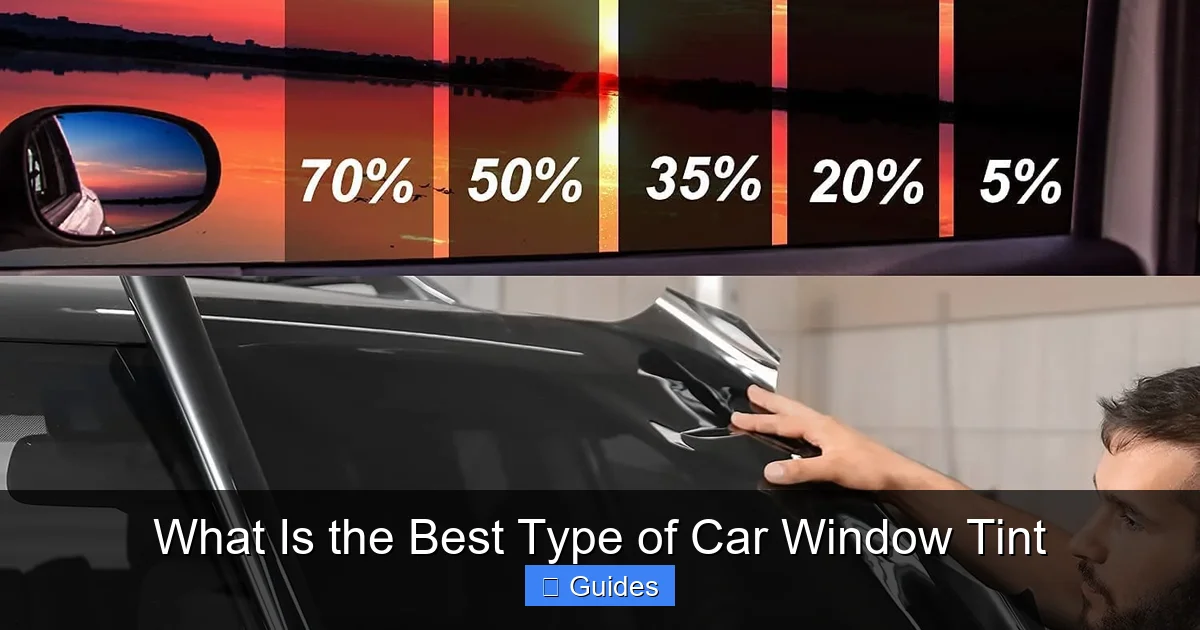
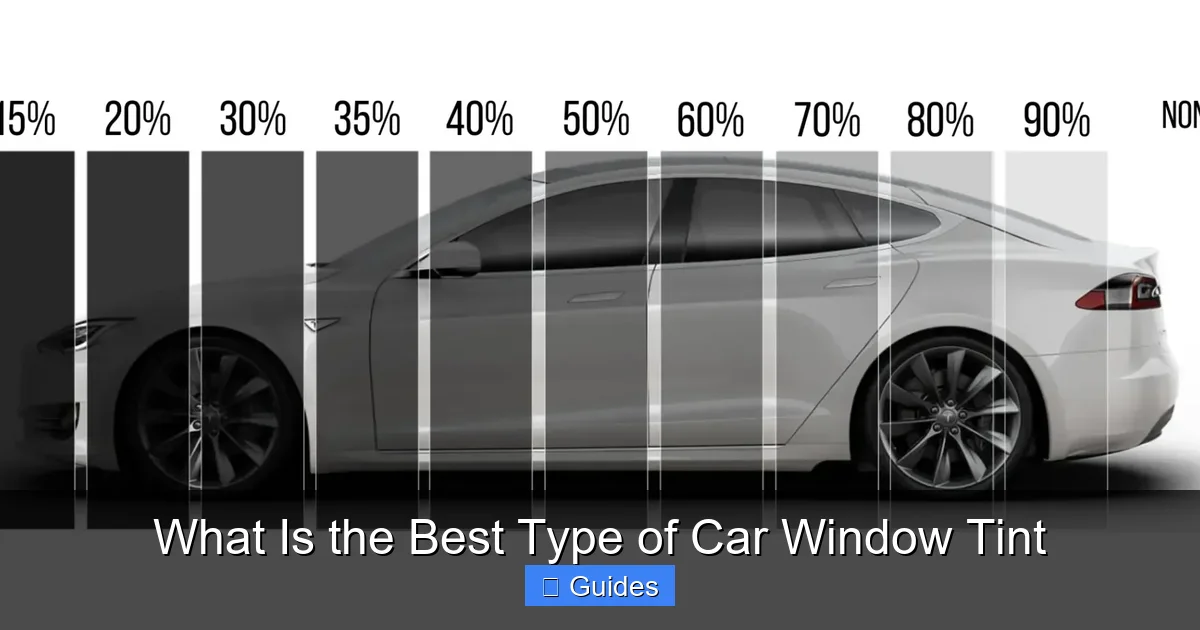
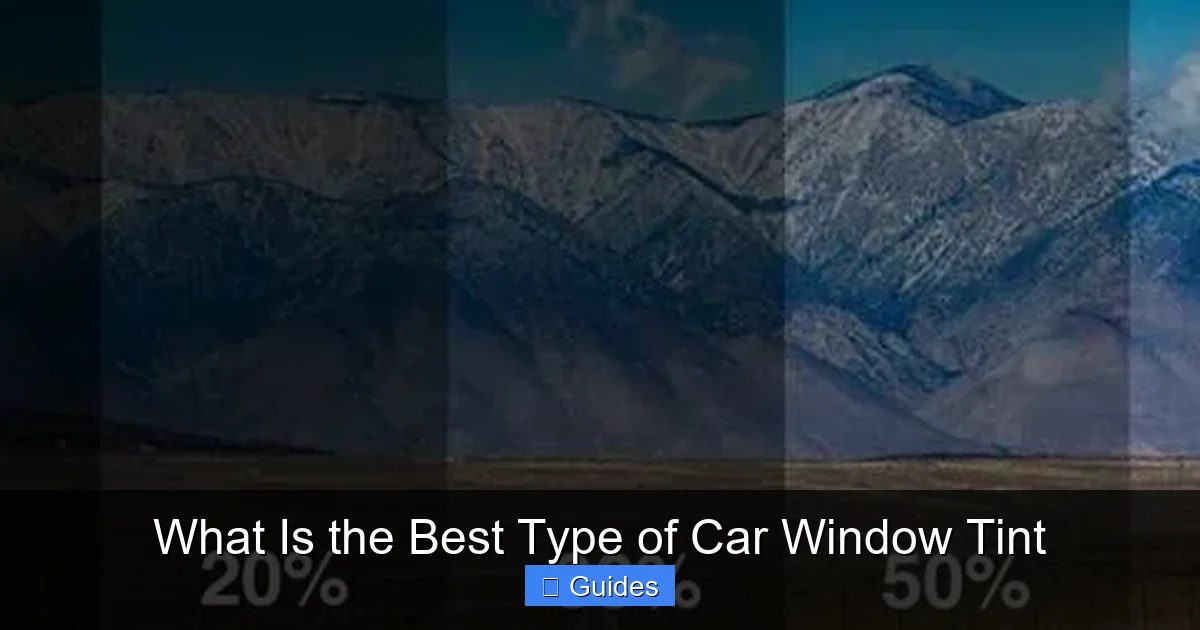
The effectiveness of a tint is often measured by its Visible Light Transmission (VLT) percentage—the amount of visible light that passes through the film. A 5% VLT tint is very dark and allows only 5% of light through, while a 50% VLT tint is much lighter. Most states have laws regulating how dark your tint can be, especially on front windows, so it’s important to check local regulations before making a decision.
Benefits of Window Tinting
The benefits of window tinting go beyond just looking cool. Here are some of the key advantages:
– Heat reduction: High-quality tints can reduce interior temperatures by up to 60%, making your car more comfortable and reducing the need for air conditioning.
– UV protection: Many tints block 99% of UV rays, protecting your skin and preventing interior damage.
– Glare reduction: Tint reduces glare from the sun and headlights, improving visibility and safety.
– Privacy and security: Darker tints make it harder for people to see inside your car, deterring theft and giving you peace of mind.
– Enhanced aesthetics: Tint gives your car a sleek, professional look that many drivers prefer.
Now that you know why tint matters, let’s explore the different types available.
Dyed Window Tint: The Budget-Friendly Option
Visual guide about What Is the Best Type of Car Window Tint
Image source: images.squarespace-cdn.com
If you’re looking for an affordable way to add some shade to your car, dyed window tint is a popular choice. This type of tint uses a layer of dye between an adhesive and a protective top coat. The dye absorbs sunlight, reducing the amount of heat and light that enters your vehicle.
How It Works
Dyed tint works by absorbing solar energy. When sunlight hits the film, the dye molecules absorb the light and convert it into heat, which is then dissipated through the glass. This process reduces glare and keeps your car cooler than it would be with clear glass.
Pros of Dyed Tint
– Affordable: Dyed tint is the most budget-friendly option, typically costing between $100 and $300 for a full car installation.
– Reduces glare: It effectively reduces glare from the sun and headlights, making driving more comfortable.
– Easy to install: Because it doesn’t contain metal, dyed tint is easier to work with and less likely to cause installation issues.
– No signal interference: Unlike metalized films, dyed tint won’t interfere with GPS, cell phone, or radio signals.
Cons of Dyed Tint
– Poor heat rejection: While it reduces glare, dyed tint doesn’t block infrared rays well, so it doesn’t significantly lower interior temperatures.
– Fades over time: The dye can degrade with prolonged sun exposure, causing the tint to fade and lose effectiveness.
– Less durable: It’s more prone to scratching and bubbling compared to other types.
– Limited UV protection: Most dyed tints only block around 50% of UV rays, which is less than other options.
Who Is Dyed Tint Best For?
Dyed tint is ideal for drivers on a tight budget who want basic glare reduction and a darker appearance. It’s also a good choice if you live in a cooler climate where heat rejection isn’t a major concern. However, if you’re looking for long-term protection and performance, you might want to consider a higher-end option.
Metalized Window Tint: Strong Protection with a Trade-Off
Visual guide about What Is the Best Type of Car Window Tint
Image source: lirp.cdn-website.com
Metalized window tint takes things up a notch by incorporating tiny metallic particles into the film. These particles reflect sunlight, including UV and infrared rays, away from your car. This makes metalized tint much more effective at heat rejection than dyed tint.
How It Works
The metallic layer in the film acts like a mirror, reflecting solar energy before it can enter the vehicle. This not only keeps the interior cooler but also provides excellent UV protection—often blocking up to 99% of harmful rays.
Pros of Metalized Tint
– Excellent heat rejection: Metalized tint can reduce interior temperatures significantly, making it ideal for hot climates.
– High UV protection: Blocks up to 99% of UV rays, protecting your skin and interior.
– Durable and scratch-resistant: The metallic layer adds strength, making the film more resistant to damage.
– Long-lasting: Doesn’t fade like dyed tint, so it maintains its appearance over time.
Cons of Metalized Tint
– Signal interference: The metallic particles can interfere with GPS, cell phone, and radio signals, which can be frustrating for tech-heavy drivers.
– More expensive: Costs more than dyed tint, typically ranging from $200 to $500.
– Can cause corrosion: In rare cases, the metal layer can react with moisture and cause corrosion on the window edges.
– Glossier appearance: Some people don’t like the shiny, reflective look of metalized tint.
Who Is Metalized Tint Best For?
Metalized tint is a great choice if you live in a hot, sunny area and want strong heat and UV protection. It’s also a good option if you don’t rely heavily on electronic devices in your car. However, if you use GPS frequently or have a high-tech vehicle, the signal interference might be a dealbreaker.
Hybrid Window Tint: The Best of Both Worlds
Hybrid window tint combines the benefits of dyed and metalized films. It uses a layer of dye to absorb sunlight and a thin metallic layer to reflect it. This dual-action approach offers better heat rejection than dyed tint without the signal interference of fully metalized films.
How It Works
The hybrid film uses a dyed base layer to absorb light and a micro-thin metallic layer to reflect infrared and UV rays. This combination provides balanced performance, reducing heat while maintaining clarity and signal compatibility.
Pros of Hybrid Tint
– Good heat rejection: Better than dyed tint, though not as strong as ceramic or carbon.
– No signal interference: The metallic layer is thin enough not to disrupt GPS or cell signals.
– Fade-resistant: Doesn’t degrade as quickly as dyed tint.
– Affordable mid-range option: Priced between $250 and $450, it’s a solid value for the performance.
Cons of Hybrid Tint
– Not as effective as premium films: Doesn’t match the heat rejection of ceramic or carbon tints.
– Can still cause minor signal issues: While rare, some users report slight interference.
– Moderate durability: More durable than dyed tint but not as strong as ceramic.
Who Is Hybrid Tint Best For?
Hybrid tint is perfect for drivers who want better performance than dyed tint but don’t want to spend top dollar. It’s a smart middle-ground option for those in moderate climates who value both comfort and technology.
Carbon Window Tint: Style and Performance Combined
Carbon window tint uses carbon particles embedded in the film to block infrared and UV rays. Unlike metalized tint, it doesn’t contain metal, so it won’t interfere with electronic signals. It also gives your car a sleek, matte-black finish that many drivers find attractive.
How It Works
Carbon particles are excellent at absorbing infrared radiation, which is responsible for heat. The film blocks up to 99% of UV rays and significantly reduces interior temperatures without relying on reflective metals.
Pros of Carbon Tint
– Excellent heat rejection: Blocks a high percentage of infrared rays, keeping your car cool.
– Fade-resistant: Carbon doesn’t degrade over time, so the tint stays dark and effective.
– No signal interference: Safe for GPS, Bluetooth, and other electronic devices.
– Stylish matte finish: Gives your car a modern, high-end look.
Cons of Carbon Tint
– Higher cost: Typically ranges from $300 to $600, making it more expensive than dyed or hybrid options.
– Not as effective as ceramic: While strong, it doesn’t match the performance of top-tier ceramic films.
– Limited availability: Not as widely available as other types.
Who Is Carbon Tint Best For?
Carbon tint is ideal for drivers who want a balance of performance, style, and technology compatibility. It’s a great choice if you live in a warm climate and want a tint that looks good and lasts long.
Ceramic Window Tint: The Premium Choice
Ceramic window tint is the gold standard of car window films. It uses non-metallic, nano-ceramic particles to block up to 99% of UV rays and a significant amount of infrared radiation. It offers the best heat rejection, clarity, and durability on the market.
How It Works
Ceramic particles are incredibly efficient at blocking infrared and UV rays without absorbing or reflecting visible light. This means you get maximum protection without compromising visibility or signal strength.
Pros of Ceramic Tint
– Superior heat rejection: Blocks up to 95% of infrared rays, drastically reducing interior temperatures.
– Maximum UV protection: Blocks 99% of UV rays, protecting your skin and interior.
– No signal interference: Safe for all electronic devices.
– Crystal-clear clarity: Offers excellent visibility day and night.
– Long-lasting and durable: Resistant to fading, scratching, and bubbling.
Cons of Ceramic Tint
– Most expensive option: Can cost $500 to $1,000 or more for a full installation.
– Requires professional installation: Best results come from expert application.
Who Is Ceramic Tint Best For?
Ceramic tint is perfect for drivers who want the best performance and are willing to invest in long-term comfort and protection. It’s ideal for luxury vehicles, frequent travelers, and those in extreme climates.
Choosing the Right Tint for Your Needs
Now that you know the options, how do you choose? Start by asking yourself a few questions:
– What’s your budget?
– How hot is your climate?
– Do you rely on GPS or other electronic devices?
– How important is privacy and aesthetics?
– What are your state’s tint laws?
For example, if you live in Texas and drive a lot in the summer, ceramic or carbon tint might be worth the investment. If you’re on a tight budget and just want to reduce glare, dyed tint could suffice. Always check local laws—some states limit how dark your front windows can be.
Professional Installation Matters
No matter which tint you choose, professional installation is key. DIY kits often result in bubbles, peeling, and uneven edges. A skilled installer ensures a clean, long-lasting application that maximizes performance.
Final Thoughts: What’s the Best Type of Car Window Tint?
There’s no one-size-fits-all answer to the question, “What is the best type of car window tint?” The best choice depends on your priorities. If you want affordability and basic glare reduction, go with dyed tint. For strong heat rejection and durability, metalized or hybrid films are solid picks. If you value style and performance, carbon tint is a great middle ground. And if you want the ultimate in protection, clarity, and comfort, ceramic tint is the way to go.
Remember, the best tint is one that fits your lifestyle, climate, and budget—and is installed correctly. Take the time to research, compare options, and consult with a professional. Your car—and your comfort—will thank you.
Frequently Asked Questions
What is the darkest legal window tint?
The darkest legal tint varies by state and window location. Most states allow 35% to 50% VLT on front side windows, while rear windows may allow 5% to 20%. Always check your local laws before installing tint.
Does window tint really reduce heat?
Yes, high-quality tints—especially ceramic and carbon—can reduce interior heat by blocking infrared rays. They can lower cabin temperatures by up to 60%, making your car more comfortable.
Can I install window tint myself?
While DIY kits are available, professional installation is recommended. Experts ensure a bubble-free, long-lasting application and help you stay compliant with local laws.
Will window tint interfere with my GPS or phone?
Metalized tints can interfere with signals, but dyed, hybrid, carbon, and ceramic tints are safe for GPS, Bluetooth, and cell phones.
How long does window tint last?
Most quality tints last 5 to 10 years. Ceramic and carbon films tend to last the longest, while dyed tints may fade sooner.
Is window tint worth the cost?
Yes, especially if you live in a sunny or hot area. The benefits—heat reduction, UV protection, privacy, and interior preservation—often outweigh the upfront cost.

At CarLegit, we believe information should be clear, factual, and genuinely helpful. That’s why every guide, review, and update on our website is created with care, research, and a strong focus on user experience.