
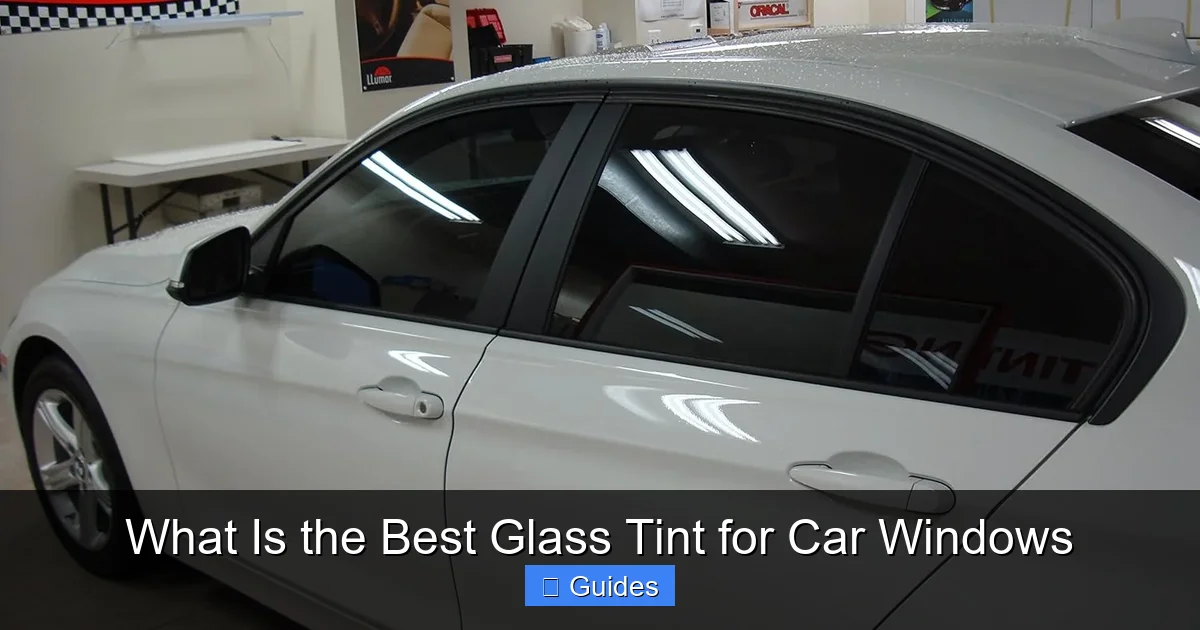
Choosing the best glass tint for car windows depends on your needs—whether it’s heat reduction, UV protection, privacy, or style. With options ranging from dyed to ceramic films, understanding the differences helps you pick the right one for comfort, safety, and legality.
In This Article
- 1 Key Takeaways
- 2 📑 Table of Contents
- 3 What Is the Best Glass Tint for Car Windows?
- 4 Why Should You Tint Your Car Windows?
- 5 Types of Car Window Tint: Which One Is Right for You?
- 6 How to Choose the Best Glass Tint for Your Needs
- 7 Top 5 Best Glass Tint Brands in 2024
- 8 Installation Tips: DIY vs. Professional
- 9 Maintenance and Care for Your Tinted Windows
- 10 Final Thoughts: Making the Right Choice
- 11 Frequently Asked Questions
Key Takeaways
- Ceramic tint offers the best overall performance with superior heat rejection, UV protection, and clarity without interfering with electronics.
- Dyed tint is budget-friendly and provides good privacy and glare reduction but may fade over time and trap heat.
- Metallic tint reflects heat effectively but can interfere with GPS, cell signals, and key fobs due to metal content.
- Carbon tint delivers consistent color and blocks infrared heat without signal disruption, making it a solid mid-range option.
- Safety and legality matter—check local laws on visible light transmission (VLT) before installing any tint.
- Professional installation ensures longevity and prevents bubbling, peeling, or uneven application.
- Warranty and brand reputation count—opt for trusted manufacturers like 3M, Llumar, or SunTek for reliable performance.
📑 Table of Contents
- What Is the Best Glass Tint for Car Windows?
- Why Should You Tint Your Car Windows?
- Types of Car Window Tint: Which One Is Right for You?
- How to Choose the Best Glass Tint for Your Needs
- Top 5 Best Glass Tint Brands in 2024
- Installation Tips: DIY vs. Professional
- Maintenance and Care for Your Tinted Windows
- Final Thoughts: Making the Right Choice
What Is the Best Glass Tint for Car Windows?
Let’s be honest—driving in the summer sun can feel like sitting in a sauna. The dashboard burns your hands, the seats scorch your legs, and the glare makes it hard to see the road. That’s where car window tint comes in. But with so many options on the market, how do you know which one is right for you? Is it worth spending more on ceramic? Will dyed tint really protect your skin? And what about those weird laws about how dark you can go?
The truth is, the best glass tint for car windows isn’t a one-size-fits-all answer. It depends on what you value most: cooling power, UV protection, privacy, style, or budget. Some tints are designed to keep your car cool, while others focus on blocking harmful rays or enhancing your vehicle’s look. And yes, some can even interfere with your phone’s signal. So, before you slap on the first roll of film you find, it’s important to understand the different types, their pros and cons, and how they perform in real-world conditions.
In this guide, we’ll break down everything you need to know about car window tints—from the science behind how they work to the top choices available today. Whether you’re a daily commuter, a road trip enthusiast, or just someone who wants to protect their car’s interior, we’ve got you covered. By the end, you’ll know exactly what to look for and which tint will give you the best bang for your buck.
Why Should You Tint Your Car Windows?
You might think window tint is just for looks—and sure, a sleek, darkened windshield can make your car look cooler. But the benefits go way beyond aesthetics. Tinting your car windows is one of the smartest upgrades you can make for comfort, safety, and long-term vehicle care.
Visual guide about What Is the Best Glass Tint for Car Windows
Image source: windowfilmpros.com
Heat Reduction for a Cooler Cabin
One of the biggest reasons people tint their windows is to keep their car cool. On a hot summer day, the interior of an untinted car can reach temperatures over 140°F. That’s not just uncomfortable—it’s dangerous, especially for kids and pets. High-quality tint can reject up to 80% of solar heat, dramatically lowering cabin temperature. This means your AC doesn’t have to work as hard, which can improve fuel efficiency and reduce wear on your cooling system.
UV Protection for Skin and Interior
The sun’s ultraviolet (UV) rays don’t just tan your skin—they can cause serious damage over time. Prolonged exposure increases the risk of skin cancer and accelerates skin aging. Car window tint blocks up to 99% of UV rays, offering a protective barrier for you and your passengers. But it’s not just about health. UV rays also fade and crack your dashboard, seats, and trim. Tinting helps preserve your car’s interior, keeping it looking newer for longer.
Glare Reduction for Safer Driving
Glare from the sun or oncoming headlights can be blinding, especially during sunrise, sunset, or rainy conditions. Tinted windows reduce glare, improving visibility and reducing eye strain. This is especially helpful for people who drive long distances or during early morning and late evening commutes.
Privacy and Security
Let’s face it—no one likes feeling like they’re on display every time they’re parked. Tinted windows give you more privacy, making it harder for prying eyes to see inside your car. This can deter thieves and make you feel more secure, especially when carrying valuables. Just remember, darker isn’t always better—some states have strict laws about how dark your tint can be.
Enhanced Style and Resale Value
A well-tinted car just looks better. It gives your vehicle a sleek, professional appearance that stands out. Plus, because tint helps protect the interior from sun damage, it can help maintain your car’s resale value. Buyers appreciate a car that’s been well cared for, and a quality tint job is a sign of that care.
Types of Car Window Tint: Which One Is Right for You?
Not all tints are created equal. The type of film you choose will determine how well it performs, how long it lasts, and how much it costs. Let’s take a closer look at the five main types of car window tint and what makes each one unique.
Visual guide about What Is the Best Glass Tint for Car Windows
Image source: calgarypaintprotectionfilm.ca
Dyed Window Tint
Dyed tint is the most affordable option and one of the most popular among budget-conscious drivers. It’s made by layering dye between an adhesive and a protective top coat. The dye absorbs solar heat, which helps reduce glare and gives your car a darker, more private look.
Pros: Inexpensive, easy to install, reduces glare, provides good privacy.
Cons: Traps heat in the glass (can cause cracking in extreme heat), fades over time, offers minimal UV and heat protection compared to other types.
Dyed tint is great if you’re on a tight budget and mainly want privacy and a cooler look. But if you live in a hot climate or want real heat protection, you might want to consider upgrading.
Metallic Window Tint
Metallic tint contains tiny metal particles that reflect heat and sunlight away from the car. This makes it much more effective at keeping your car cool than dyed tint. It also offers excellent UV protection and durability.
Pros: Strong heat rejection, long-lasting, blocks UV rays, resists fading.
Cons: Can interfere with GPS, cell phone signals, and keyless entry systems due to metal content. May have a shiny, mirrored appearance that some find unattractive.
Metallic tint is a solid choice if you prioritize heat control and don’t mind a slightly reflective look. Just be aware of potential signal interference—especially if you rely heavily on navigation or remote start.
Carbon Window Tint
Carbon tint uses carbon particles embedded in the film to block infrared heat and UV rays. Unlike metallic tint, it doesn’t contain metal, so it won’t interfere with electronic signals. It also has a matte-black finish that resists fading and gives your car a modern, high-end look.
Pros: Excellent heat rejection, no signal interference, fade-resistant, sleek appearance.
Cons: More expensive than dyed or metallic tint, not as effective as ceramic.
Carbon tint strikes a great balance between performance and price. It’s ideal for drivers who want better heat control and a clean look without breaking the bank.
Ceramic Window Tint
Ceramic tint is the gold standard of car window films. It uses non-conductive ceramic particles to block up to 99% of UV rays and reject up to 80% of infrared heat. It’s also completely signal-friendly, so your GPS, Bluetooth, and key fobs work perfectly.
Pros: Best-in-class heat and UV protection, no signal interference, crystal-clear visibility, long-lasting, resists fading and bubbling.
Cons: Most expensive option, requires professional installation for best results.
If you want the best glass tint for car windows and don’t mind paying a premium, ceramic is the way to go. It’s perfect for hot climates, long commutes, or anyone who values comfort and technology compatibility.
Hybrid Window Tint
Hybrid tint combines dyed and metallic layers to offer a middle ground between affordability and performance. It provides better heat rejection than dyed tint without the signal interference of metallic films.
Pros: Better heat control than dyed tint, more affordable than ceramic, reduced glare.
Cons: Still contains some metal, so minor signal interference is possible. Not as durable as ceramic or carbon.
Hybrid tint is a smart choice if you want improved performance over basic dyed film but aren’t ready to invest in ceramic. It’s a good compromise for budget-minded drivers who still want decent heat protection.
How to Choose the Best Glass Tint for Your Needs
Now that you know the types, how do you pick the right one? It all comes down to your priorities, climate, and budget. Here’s a simple decision-making framework to help you choose the best glass tint for car windows.
Visual guide about What Is the Best Glass Tint for Car Windows
Image source: caramaze.com
Step 1: Define Your Main Goal
Ask yourself: What do I want most from my tint? Is it cooling? Privacy? UV protection? Style? Your answer will guide your choice.
- If heat reduction is your top concern, go for ceramic or carbon tint.
- If you want maximum privacy, dyed or hybrid tint can work, but check local laws.
- If you’re focused on UV protection and longevity, ceramic or metallic are best.
- If budget is tight, dyed tint is the most affordable, but consider carbon for better value.
Step 2: Consider Your Climate
Where you live plays a big role in tint performance. In hot, sunny areas like Arizona or Florida, heat rejection is critical. Ceramic or carbon tint will keep your car cooler and reduce AC use. In cooler climates, you might prioritize UV protection and glare reduction over extreme cooling.
Step 3: Check Local Tint Laws
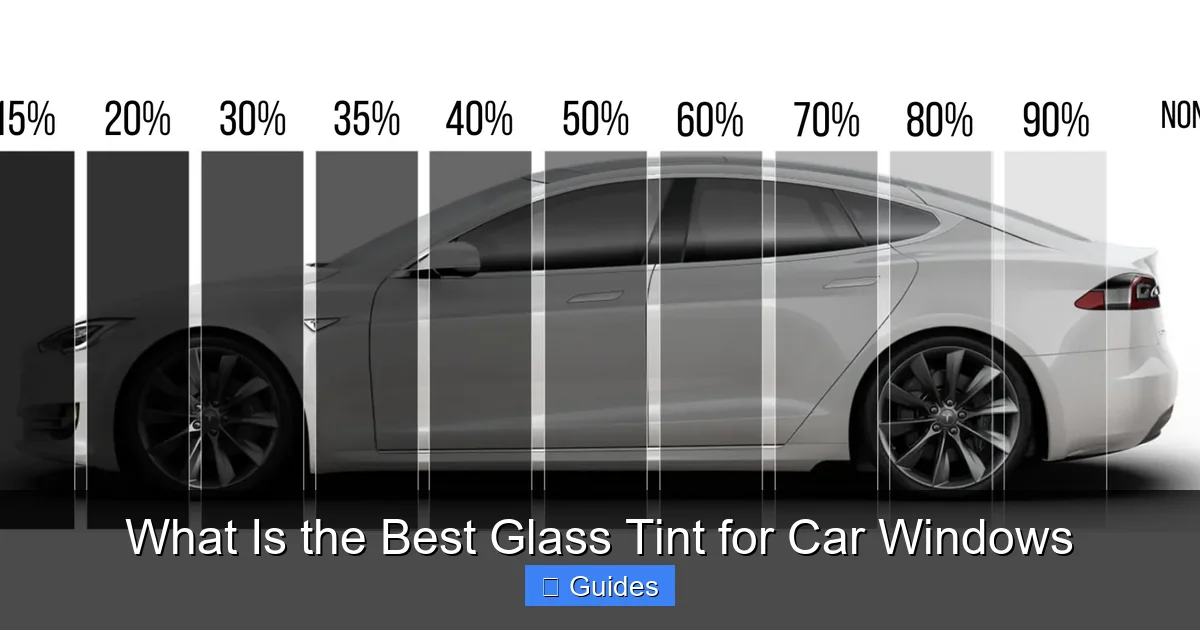
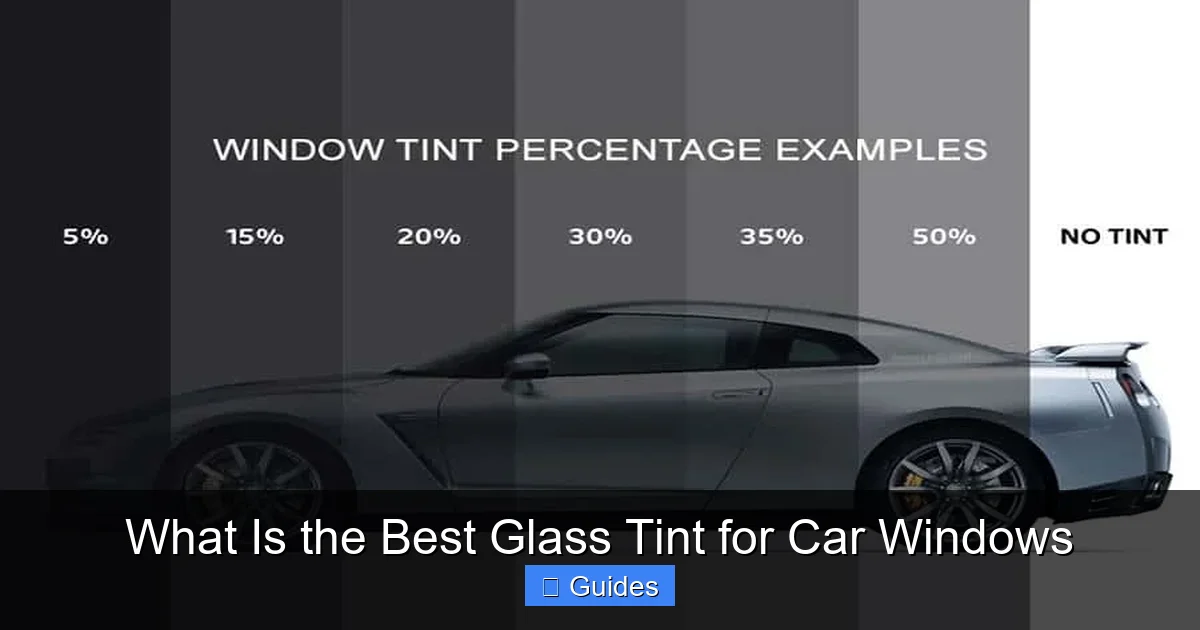
Every state has different rules about how dark your tint can be. These laws are based on Visible Light Transmission (VLT), which measures how much light passes through the film. For example:
- California allows 70% VLT on front side windows and 70% on the windshield (top 4-6 inches only).
- Texas allows 25% VLT on front side windows and any darkness on rear windows and back windshield.
- New York requires 70% VLT on all side and rear windows.
Always check your state’s Department of Motor Vehicles (DMV) website before installing tint. Illegal tint can result in fines, failed inspections, or even having to remove the film.
Step 4: Factor in Installation and Warranty
Even the best tint won’t perform well if it’s poorly installed. Bubbles, peeling, and uneven edges not only look bad—they can reduce effectiveness. That’s why professional installation is highly recommended, especially for ceramic and carbon films.
Also, look for a warranty. Top brands like 3M, Llumar, and SunTek offer warranties ranging from 5 to lifetime coverage. This protects against fading, bubbling, peeling, and discoloration.
Step 5: Compare Prices and Brands
Prices vary widely:
- Dyed tint: $100–$200
- Metallic tint: $200–$350
- Carbon tint: $300–$500
- Ceramic tint: $400–$800+
While ceramic is the most expensive, it often pays for itself in comfort, fuel savings, and interior protection. Stick with reputable brands to ensure quality and avoid cheap imitations that degrade quickly.
Top 5 Best Glass Tint Brands in 2024
With so many brands on the market, it’s hard to know which ones are worth your money. Based on performance, durability, and customer reviews, here are the top five car window tint brands to consider in 2024.
1. 3M Crystalline Series
3M is a trusted name in automotive films, and their Crystalline series is one of the best ceramic tints available. It blocks up to 97% of infrared heat and 99.9% of UV rays while maintaining crystal-clear visibility. It’s also non-metallic, so no signal interference.
Best for: Luxury vehicles, hot climates, tech-savvy drivers.
2. Llumar Stratos
Llumar’s Stratos line uses advanced ceramic technology to deliver top-tier heat rejection and UV protection. It’s available in multiple shades and offers a sleek, non-reflective finish. Professional installation is recommended.
Best for: Daily drivers, families, long-term protection.
3. SunTek CXP
SunTek CXP is a high-performance ceramic film that rivals more expensive brands. It rejects up to 99% of UV rays and 80% of infrared heat. It’s also backed by a lifetime warranty and is compatible with all electronic systems.
Best for: Budget-conscious buyers who want ceramic performance.
4. Huper Optik Ceramic
Huper Optik is known for its innovative ceramic films that combine style and function. Their tint offers excellent heat rejection, UV protection, and a luxurious appearance. It’s a favorite among car enthusiasts.
Best for: High-end vehicles, style-focused drivers.
5. V-KOOL 70
V-KOOL uses spectrally selective technology to block heat without darkening the glass. V-KOOL 70 allows 70% visible light transmission while rejecting 94% of infrared heat. It’s ideal for drivers who want clarity and cooling.
Best for: Front windows, drivers who want light tint with high performance.
Installation Tips: DIY vs. Professional
Once you’ve chosen your tint, the next step is installation. You have two options: do it yourself or hire a pro. Let’s break down the pros and cons of each.
DIY Installation
DIY tint kits are widely available online and at auto stores. They’re cheaper—often under $100—and can be tempting if you’re handy.
Pros: Low cost, sense of accomplishment, flexible timing.
Cons: High risk of bubbles, peeling, and uneven edges. Requires skill, patience, and the right tools. Mistakes can ruin the film and cost more to fix.
If you go the DIY route, make sure to:
- Clean the windows thoroughly with ammonia-free cleaner.
- Use a heat gun or hair dryer to shape the film around curves.
- Work in a dust-free, shaded area.
- Take your time—rushing leads to errors.
Professional Installation
Professional installers have the tools, experience, and environment to get it right the first time. Most shops offer warranties and can help you choose the best film for your needs.
Pros: Flawless application, faster process, warranty included, expert advice.
Cons: Higher cost, need to schedule an appointment.
For ceramic, carbon, or metallic films, professional installation is strongly recommended. The precision required for these high-performance tints is difficult to achieve at home.
Maintenance and Care for Your Tinted Windows
Once your tint is installed, proper care will help it last longer and perform better. Here’s how to keep your windows looking great.
- Wait 3–5 days before rolling down windows to allow the adhesive to cure.
- Use ammonia-free cleaners—ammonia can damage the film and cause discoloration.
- Avoid abrasive scrubbers—use a soft cloth or microfiber towel.
- Don’t use aftermarket films or stickers over the tint—they can trap moisture and cause peeling.
- Inspect regularly for bubbles, peeling, or discoloration. Address issues early to prevent further damage.
Final Thoughts: Making the Right Choice
So, what is the best glass tint for car windows? If you want the ultimate in performance, comfort, and technology compatibility, ceramic tint is the clear winner. It offers unmatched heat rejection, UV protection, and clarity without interfering with your electronics. For most drivers, it’s worth the investment.
But if budget is a concern, carbon tint offers excellent value with strong heat control and a sleek look. And if you’re just looking for privacy and basic glare reduction, dyed tint can get the job done—just know its limitations.
No matter which type you choose, always prioritize quality, legality, and professional installation. A great tint job doesn’t just improve your driving experience—it protects your health, your car, and your peace of mind. So take the time to research, compare options, and make a decision that fits your lifestyle. Your future self (and your car’s interior) will thank you.
Frequently Asked Questions
What is the best glass tint for car windows in hot climates?
Ceramic tint is the best choice for hot climates because it rejects up to 80% of infrared heat and 99% of UV rays. It keeps your car cooler, reduces AC use, and protects the interior from sun damage.
Can I install car window tint myself?
Yes, but DIY installation is risky and often results in bubbles or peeling. For best results, especially with ceramic or carbon films, professional installation is recommended.
How dark can I legally tint my car windows?
Legal tint darkness varies by state and is measured by Visible Light Transmission (VLT). Check your local DMV website for specific laws—some states allow as low as 20% VLT, while others require 70%.
Does window tint interfere with GPS or cell phone signals?
Metallic and hybrid tints can interfere with signals due to metal content. Ceramic and carbon tints are non-metallic and won’t affect GPS, Bluetooth, or key fobs.
How long does car window tint last?
High-quality tint can last 5–10 years or more, depending on the type and installation. Ceramic and carbon tints typically outlast dyed films, which may fade or peel sooner.
Is window tint worth the cost?
Yes—especially if you live in a sunny area or drive frequently. The benefits include heat reduction, UV protection, privacy, and interior preservation, making it a smart long-term investment.

At CarLegit, we believe information should be clear, factual, and genuinely helpful. That’s why every guide, review, and update on our website is created with care, research, and a strong focus on user experience.