
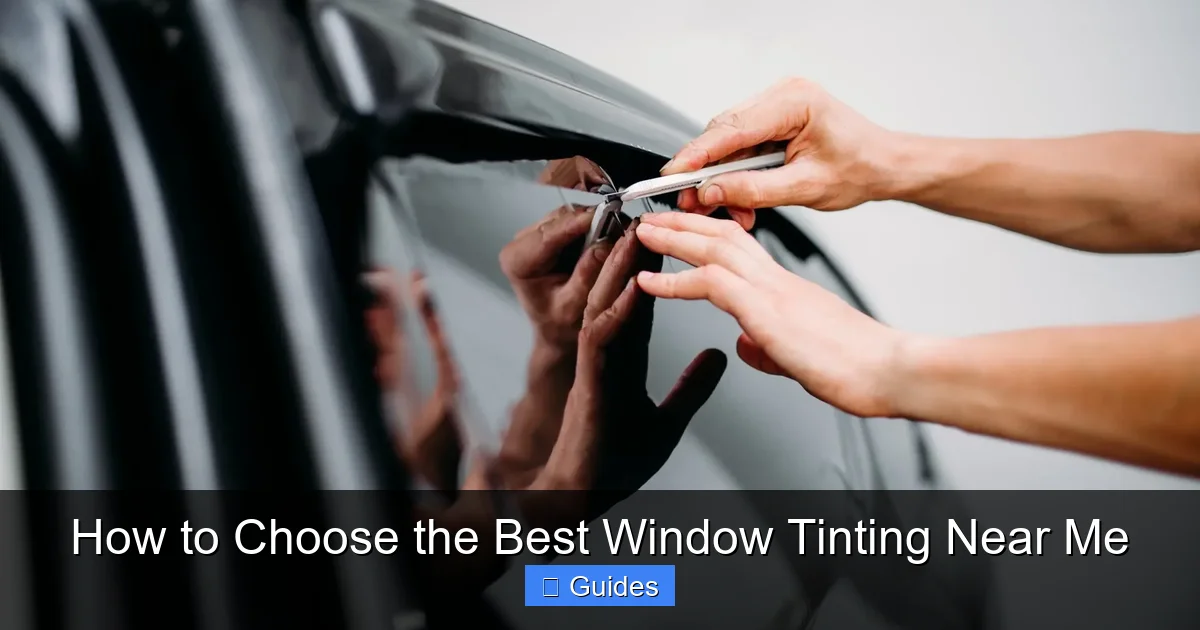
Choosing the best window tinting near you doesn’t have to be overwhelming. With the right knowledge, you can find a trusted local provider who uses high-quality films, follows legal guidelines, and delivers professional installation. This guide walks you through everything you need to know—from understanding tint types to evaluating local shops—so you can drive away with confidence and comfort.
In This Article
- 1 Key Takeaways
- 2 📑 Table of Contents
- 3 Why Window Tinting Matters More Than You Think
- 4 Understanding Window Tint Types: Which One Is Right for You?
- 5 Know Your Local Window Tint Laws
- 6 How to Find and Evaluate Local Window Tinting Shops
- 7 What to Expect During the Installation Process
- 8 Warranties, Aftercare, and Maintaining Your Tint
- 9 Final Tips for Choosing the Best Window Tinting Near You
- 10 Frequently Asked Questions
Key Takeaways
- Know your local tint laws: Every state has different regulations on how dark your windows can be tinted—check legal limits before choosing a film.
- Choose the right film type: Options like dyed, metalized, carbon, and ceramic films vary in performance, durability, and price—pick one that fits your needs.
- Prioritize professional installation: Even the best film can fail if installed poorly—look for certified technicians with good reviews.
- Compare warranties and guarantees: Reputable shops offer warranties on both materials and labor—this protects your investment long-term.
- Read real customer reviews: Online feedback reveals a lot about reliability, cleanliness, and customer service—don’t skip this step.
- Get multiple quotes: Pricing varies widely—compare at least three local providers to ensure fair value without sacrificing quality.
- Ask about UV and heat rejection: The best tints block 99% of UV rays and reduce interior heat—confirm these specs before committing.
📑 Table of Contents
- Why Window Tinting Matters More Than You Think
- Understanding Window Tint Types: Which One Is Right for You?
- Know Your Local Window Tint Laws
- How to Find and Evaluate Local Window Tinting Shops
- What to Expect During the Installation Process
- Warranties, Aftercare, and Maintaining Your Tint
- Final Tips for Choosing the Best Window Tinting Near You
Why Window Tinting Matters More Than You Think
You’ve probably seen cars with sleek, dark windows and thought, “That looks cool.” But window tinting is about so much more than style. It’s a smart upgrade that improves comfort, safety, and even the longevity of your vehicle or home. Whether you’re driving under the scorching summer sun or trying to keep your living room cool, the right window tint can make a noticeable difference.
Beyond aesthetics, quality window tinting blocks harmful ultraviolet (UV) rays that fade upholstery, damage skin, and increase cabin temperatures. It also enhances privacy, reduces glare, and can even hold glass together in case of an accident. But not all tints are created equal—and not every installer delivers the same level of craftsmanship. That’s why knowing how to choose the best window tinting near you is essential. With so many options and claims out there, it’s easy to end up with a subpar job that peels, bubbles, or fades within months.
Understanding Window Tint Types: Which One Is Right for You?
Visual guide about How to Choose the Best Window Tinting Near Me
Image source: media.earlyexperts.net
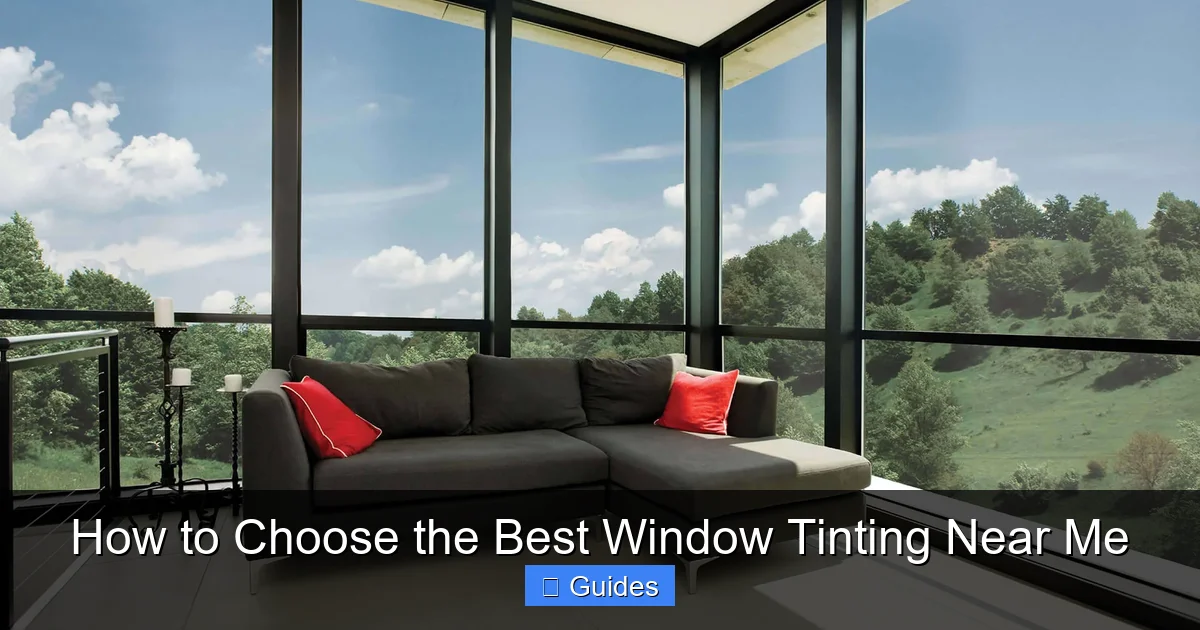
Not all window films are the same. The type of tint you choose affects everything from heat rejection to appearance and price. Let’s break down the most common types so you can make an informed decision.
Dyed Window Film: The Budget-Friendly Option
Dyed window tint is the most affordable and widely available option. It consists of a layer of dye between an adhesive and a protective coating. This type of film gives windows a dark, matte finish and offers decent privacy. It also absorbs some heat, helping to keep your car or home cooler.
However, dyed films have downsides. Over time, the dye can fade due to sun exposure, especially in hot climates. They also offer minimal UV protection compared to other types and don’t reject as much infrared (IR) heat. If you’re on a tight budget and mainly want shade and style, dyed tint might work—but don’t expect long-term durability or top-tier performance.
Metalized Film: Stronger and More Reflective
Metalized window tint includes tiny metallic particles embedded in the film. These particles reflect heat and UV rays, making this type more effective at keeping interiors cool. It’s also more durable than dyed film and resists fading better.
The added strength comes from the metal layer, which can make the film slightly thicker. One downside? Metalized films can interfere with GPS signals, cell phone reception, and keyless entry systems. If you rely heavily on navigation or remote start, this could be a minor inconvenience. Still, for many drivers, the improved heat rejection and longevity make it a solid mid-range choice.
Carbon Film: Sleek, Stable, and Non-Metallic
Carbon window tint uses a layer of carbon particles to block infrared heat without using metal. This means no signal interference—great for modern vehicles packed with electronics. Carbon films also have a rich, black finish that doesn’t fade over time, giving your windows a premium look.
They offer excellent heat rejection and UV protection, often blocking up to 99% of UV rays. While more expensive than dyed or metalized options, carbon tint strikes a great balance between performance and aesthetics. It’s a popular choice for people who want long-lasting results without the drawbacks of metal.
Ceramic Film: The Premium Performance Leader
If you want the best of the best, ceramic window tint is the way to go. Made with advanced ceramic particles, this film offers superior heat rejection, UV protection, and clarity. It blocks up to 99% of UV rays and a significant amount of infrared heat—keeping your car or home cooler without darkening the windows too much.
Ceramic films are non-metallic, so they won’t interfere with electronics. They’re also highly durable, resistant to fading, and provide excellent optical clarity. The only downside? They’re the most expensive option. But if you live in a hot climate or want maximum comfort and protection, the investment is often worth it.
Hybrid Films: The Best of Both Worlds
Some manufacturers offer hybrid films that combine layers of dyed and metalized materials. These aim to deliver better heat rejection than dyed films while reducing the signal interference of fully metalized ones. They’re a good middle-ground option if you want improved performance without the high cost of ceramic.
When choosing a film type, consider your priorities: budget, heat control, UV protection, signal clarity, and appearance. Don’t let a salesperson push the most expensive option—ask questions and match the film to your actual needs.
Know Your Local Window Tint Laws
Visual guide about How to Choose the Best Window Tinting Near Me
Image source: res.cloudinary.com
Before you book an appointment, it’s crucial to understand the legal limits for window tinting in your area. Every state in the U.S. has its own regulations regarding how dark your windows can be, which windows can be tinted, and what types of film are allowed.
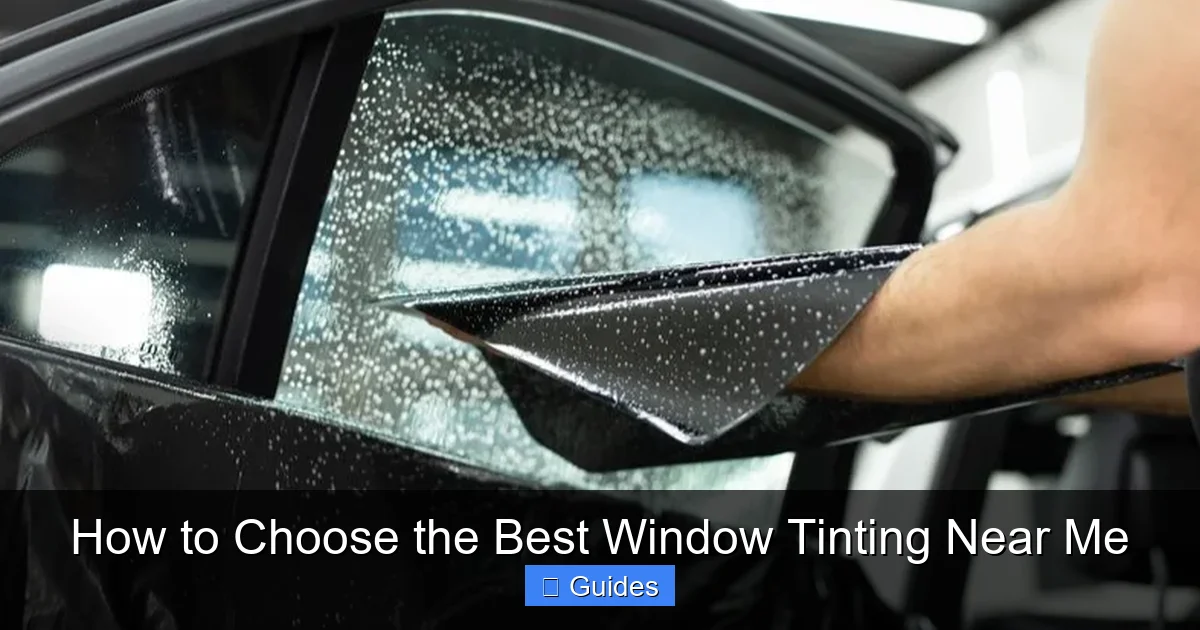
Understanding Visible Light Transmission (VLT)
Window tint darkness is measured by Visible Light Transmission (VLT), which is the percentage of light that can pass through the film. A 5% VLT means only 5% of light gets through—making it very dark. A 50% VLT allows half the light in and appears lighter.
Most states regulate VLT for front side windows, rear side windows, and the rear windshield. For example, California allows 70% VLT on all side windows and the windshield (with a small top strip), while Texas permits 25% on front side windows and any darkness on rear windows if the car has side mirrors.
Windshield Tinting Rules
Many people don’t realize that windshield tinting is often restricted. Most states allow only a non-reflective tint on the top few inches of the windshield—typically 4 to 6 inches. Full windshield tinting is usually illegal unless you have a medical exemption.
Medical Exemptions and Special Permits
Some individuals with medical conditions like lupus or severe photosensitivity can apply for a medical exemption to use darker tint. This usually requires a doctor’s note and approval from the state. If you qualify, make sure your installer knows how to apply the exemption properly to avoid fines.
Consequences of Illegal Tinting
Getting pulled over for illegal tint isn’t just a ticket—it can lead to repeated fines, required removal of the film, and even points on your license in some states. Plus, if an accident occurs and illegal tint is a factor, it could affect insurance claims.
To stay safe, check your state’s Department of Motor Vehicles (DMV) website or consult a local expert before choosing a film. A reputable installer should know the laws and help you stay compliant.
How to Find and Evaluate Local Window Tinting Shops
Visual guide about How to Choose the Best Window Tinting Near Me
Image source: six08graphics.com
Now that you know what kind of film you want and what’s legal, it’s time to find a trustworthy installer near you. Not all shops are created equal—some use cheap materials, rush the job, or lack proper training. Here’s how to separate the pros from the pretenders.
Start with Online Research
Begin by searching “window tinting near me” on Google. Look for shops with high ratings (4.5 stars or higher) and plenty of recent reviews. Pay attention to what customers say about cleanliness, professionalism, and results. Avoid businesses with only a handful of reviews or overly generic feedback like “Great job!”—those can be fake.
Check if the shop has a professional website with clear information about services, film brands, warranties, and certifications. A well-maintained site is often a sign of a serious business.
Ask About Certifications and Training
Reputable installers often hold certifications from film manufacturers like 3M, Llumar, or SunTek. These certifications mean the technician has been trained to apply the film correctly and may offer better warranties. Ask if the installer is certified—and don’t be afraid to request proof.
Visit the Shop in Person
If possible, stop by the shop before booking. A clean, organized workspace is a good sign. Look for dust-free environments, proper tools, and staff who are knowledgeable and friendly. If the shop looks messy or disorganized, that could reflect the quality of their work.
Request a Portfolio or Before-and-After Photos
Ask to see examples of past installations. A good shop will have photos of cars or homes they’ve tinted, showing clean lines, no bubbles, and even coverage. This gives you a real sense of their skill level.
Compare Pricing—But Don’t Choose on Price Alone
Get quotes from at least three local shops. Prices can vary widely based on film type, vehicle size, and labor. A quote that’s significantly lower than others might indicate low-quality film or inexperienced installers. On the flip side, the most expensive option isn’t always the best.
Look for transparency in pricing. A detailed quote should break down the cost of materials, labor, and any additional fees. Avoid shops that give vague estimates or pressure you to decide on the spot.
What to Expect During the Installation Process
A professional window tinting job takes time, skill, and attention to detail. Knowing what to expect can help you choose a shop that does it right—and avoid common pitfalls.
Preparation: Cleaning and Measuring
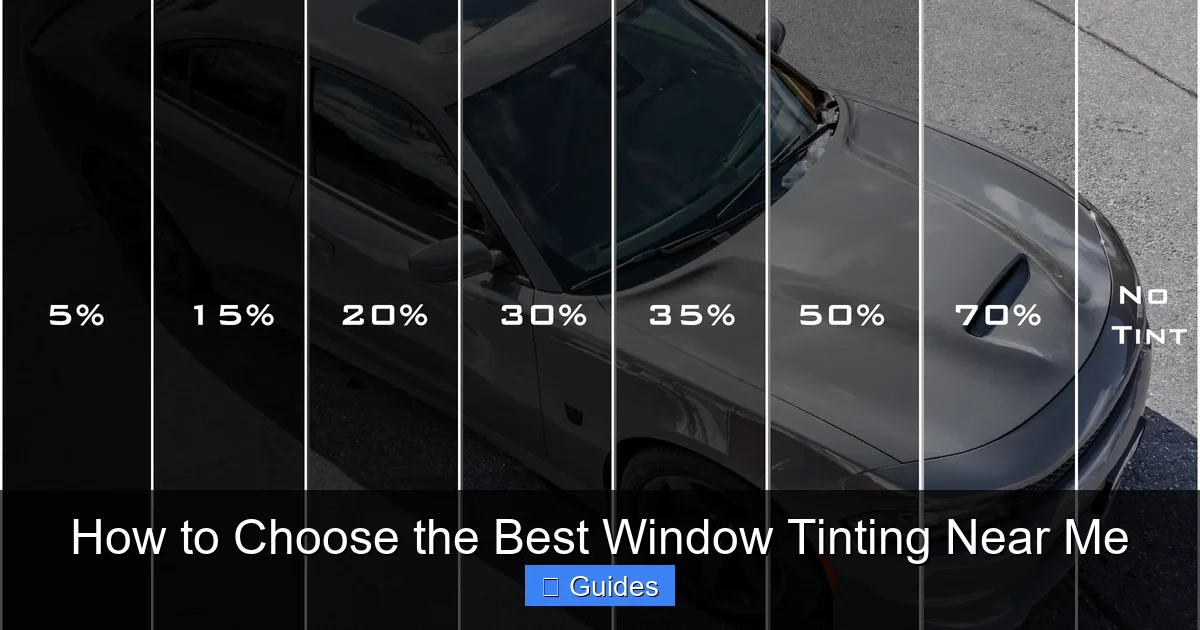
Before any film is applied, the installer should thoroughly clean the windows inside and out. Any dirt, grease, or debris can cause bubbles or peeling later. They’ll also measure each window precisely to ensure a perfect fit.
Cutting the Film
Most shops use computer-cut patterns for accuracy, but some may hand-cut the film. Computer-cut films are more precise and reduce waste. Ask which method they use—precision matters for a clean finish.
Application: The Critical Step
The installer will apply a soapy solution to the window, position the film, and use a squeegee to remove air bubbles and excess liquid. This must be done carefully to avoid creases, dust particles, or misalignment. A skilled technician works in a dust-controlled environment and takes their time.
Drying and Curing Time
After installation, the film needs time to cure. This can take anywhere from a few days to a week, depending on humidity and temperature. During this time, avoid rolling down the windows or touching the film. A good installer will give you clear aftercare instructions.
Quality Check
Before you leave, inspect the work. Look for bubbles, peeling edges, or uneven tint. A professional should address any issues immediately. Don’t hesitate to speak up—your satisfaction matters.
Warranties, Aftercare, and Maintaining Your Tint
A quality window tinting job should last for years—if you take care of it properly. Here’s how to protect your investment.
Understanding Warranties
Most reputable shops offer warranties on both the film and the installation. Film warranties often cover fading, bubbling, peeling, and discoloration for 5 to 10 years, sometimes even lifetime. Labor warranties typically last 1 to 3 years and cover issues caused by poor installation.
Read the fine print. Some warranties are prorated, meaning you get less compensation over time. Others require regular maintenance or proof of professional installation. Make sure you understand what’s covered and what’s not.
Aftercare Tips
For the first week, avoid cleaning the windows or using harsh chemicals. Once cured, use a soft cloth and ammonia-free cleaner to wipe the surface. Avoid abrasive sponges or scrubbers that can scratch the film.
Don’t use suction cup mounts or stickers on tinted windows unless the film is designed for it. The adhesive can damage the tint over time.
Signs of Problems
Watch for bubbling, peeling, or discoloration. These can result from poor installation, low-quality film, or environmental factors. If you notice issues early, contact the installer—many will fix problems under warranty.
Final Tips for Choosing the Best Window Tinting Near You
Choosing the right window tinting service is about more than just picking a name from a search result. It’s about finding a provider who values quality, follows the law, and treats you with respect. Here are a few final tips to seal the deal:
– Ask about film brands: Premium brands like 3M, Llumar, and SunTek are known for durability and performance. Avoid unknown or generic brands.
– Check for insurance: A legitimate shop should carry liability insurance in case of damage during installation.
– Look for local reputation: Word of mouth still matters. Ask friends, family, or coworkers for recommendations.
– Don’t rush: Take your time to research, compare, and decide. A good installer won’t pressure you.
– Trust your gut: If something feels off—whether it’s the price, the attitude, or the shop’s condition—walk away.
With the right approach, you’ll find a window tinting service that delivers lasting comfort, style, and protection. Your car or home deserves nothing less.
Frequently Asked Questions
How long does window tinting take?
Most car window tinting jobs take 2 to 4 hours, depending on the vehicle size and number of windows. Larger vehicles or homes may take longer. A professional shop will give you a realistic time estimate before starting.
Can I wash my car after tinting?
You should wait at least 3 to 5 days before washing your car to allow the film to fully cure. Avoid high-pressure washes or automatic car washes during this time, as they can damage the edges of the tint.
Will window tint reduce heat inside my car?
Yes, quality window tint can significantly reduce interior heat by blocking infrared rays. Ceramic and carbon films are especially effective, lowering cabin temperatures by up to 60% on hot days.
Is window tinting legal in all states?
Window tinting is legal in all U.S. states, but each has specific laws about how dark the tint can be. Check your state’s DMV website to ensure compliance before installation.
Can I remove window tint myself?
Yes, but it’s tricky. You can use steam or a heat gun to loosen the adhesive, then peel it off carefully. However, DIY removal can damage windows or leave residue. For best results, consult a professional.
Does window tint protect against UV rays?
High-quality window films block up to 99% of harmful UV rays, helping prevent skin damage and interior fading. Always confirm the UV protection rating when choosing a film.

At CarLegit, we believe information should be clear, factual, and genuinely helpful. That’s why every guide, review, and update on our website is created with care, research, and a strong focus on user experience.