

Figuring out which side is the left side of a car isn’t as obvious as it seems—especially when you’re not behind the wheel. This guide breaks down the standard conventions, explains why it matters for safety and functionality, and offers practical tips to help you identify the left side from any angle or perspective.
In This Article
- 1 Key Takeaways
- 2 📑 Table of Contents
- 3 Why Does It Matter Which Side Is the Left Side of a Car?
- 4 Understanding Left-Hand Drive vs. Right-Hand Drive Vehicles
- 5 How to Identify the Left Side of a Car from the Outside
- 6 Practical Applications: When Knowing the Left Side Matters
- 7 Cultural and Regional Differences in Car Orientation
- 8 Tips for New Drivers and International Travelers
- 9 Conclusion
- 10 Frequently Asked Questions
- 10.1 How do I know which side is the left side of a car if I’m not the driver?
- 10.2 Is the fuel cap always on the left side of the car?
- 10.3 Can I drive a right-hand drive car in a left-hand drive country?
- 10.4 Why do some countries drive on the left and others on the right?
- 10.5 How can I quickly identify the left side of an unfamiliar car?
- 10.6 Does the left side matter for electric vehicle charging?
Key Takeaways
- The left side of a car is always defined from the driver’s perspective. No matter which country you’re in, the driver’s seating position determines left and right.
- In left-hand drive (LHD) countries, the driver sits on the left, making the driver’s side the left side of the car. This includes the U.S., Canada, and most of Europe.
- In right-hand drive (RHD) countries, the driver sits on the right, so the passenger side becomes the left side of the car. Examples include the U.K., Japan, and Australia.
- Vehicle design features like door handles, mirrors, and fuel caps often differ between sides. These subtle clues can help you identify the left side even when you’re not inside the car.
- Knowing the left side is crucial for parking, refueling, and emergency situations. It helps prevent accidents and ensures you use the correct side for specific tasks.
- Emergency vehicles and signage are designed with left-side awareness in mind. Understanding this can improve road safety and compliance with traffic rules.
- Practice identifying the left side from different angles to build confidence. Whether you’re a new driver or a passenger, this skill is useful in everyday driving scenarios.
📑 Table of Contents
- Why Does It Matter Which Side Is the Left Side of a Car?
- Understanding Left-Hand Drive vs. Right-Hand Drive Vehicles
- How to Identify the Left Side of a Car from the Outside
- Practical Applications: When Knowing the Left Side Matters
- Cultural and Regional Differences in Car Orientation
- Tips for New Drivers and International Travelers
- Conclusion
Why Does It Matter Which Side Is the Left Side of a Car?
At first glance, asking “which side is the left side of a car?” might sound like a trick question. After all, cars are symmetrical, right? Well, not exactly. While the body may look balanced, the internal layout—especially the driver’s seat—defines the left and right sides. This distinction isn’t just about orientation; it affects how we drive, park, refuel, and even respond in emergencies.
Imagine pulling up to a gas station and not knowing which side the fuel cap is on. Or trying to parallel park and misjudging the distance to the curb because you’re unsure of your position. These everyday situations become much easier when you understand the standard conventions of vehicle orientation. More importantly, in emergency scenarios—like assisting at an accident or directing traffic—knowing the left side can make a real difference in safety and efficiency.
The concept of “left” and “right” in vehicles is rooted in global driving standards. Whether you’re in New York, Tokyo, or London, the rules are consistent: the side where the driver sits determines the left side of the car. This principle applies regardless of the country’s traffic flow direction. So, even though people drive on the left in the U.K., the driver’s side is still considered the left side of the vehicle. Understanding this foundational idea is the first step toward mastering car orientation.
Understanding Left-Hand Drive vs. Right-Hand Drive Vehicles
To truly grasp which side is the left side of a car, you need to understand the difference between left-hand drive (LHD) and right-hand drive (RHD) vehicles. These terms refer to the position of the steering wheel and driver’s seat inside the car. In LHD cars, the driver sits on the left, while in RHD cars, the driver sits on the right. This simple difference has a huge impact on how we perceive the car’s left and right sides.
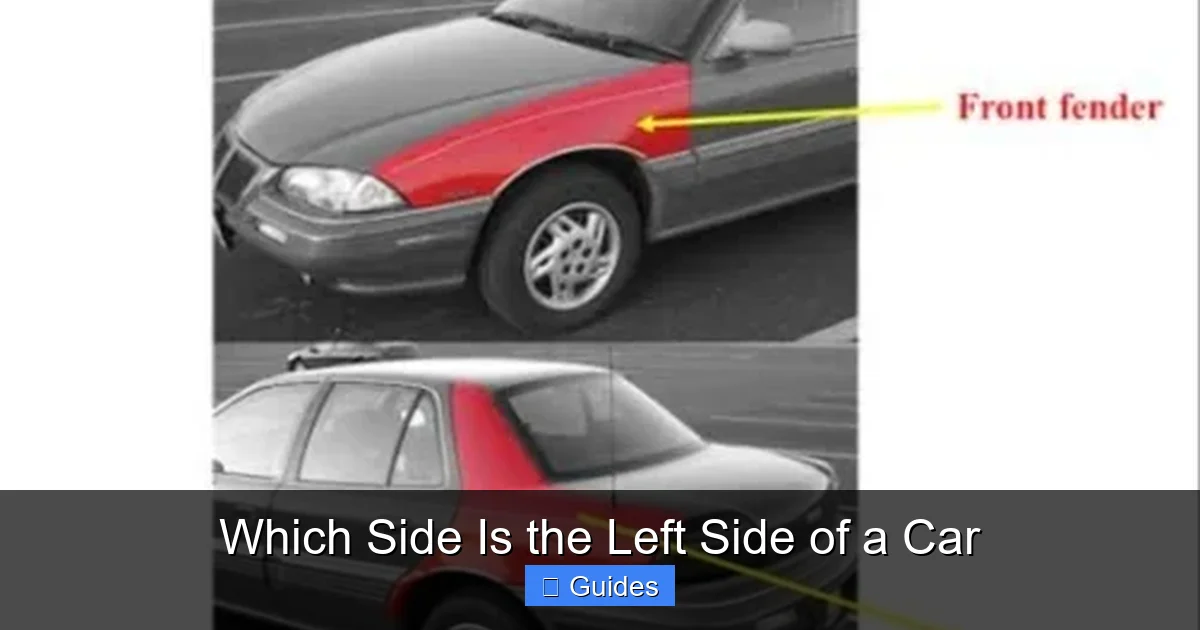
Visual guide about Which Side Is the Left Side of a Car
Image source: 5.imimg.com
Left-Hand Drive (LHD) Vehicles
LHD vehicles are the most common worldwide, especially in North America, Europe, and parts of Asia. In these cars, the driver sits on the left side of the vehicle, which means the driver’s side is the left side of the car. This setup aligns with countries where traffic drives on the right side of the road. For example, in the United States, Canada, Germany, and France, drivers sit on the left, and the car’s left side is the side closest to the center of the road when driving.
One practical benefit of LHD is easier access to drive-through lanes, toll booths, and gas pumps. Since the driver is on the left, they can reach the window or payment terminal without leaning across the passenger seat. This design also improves visibility when turning left at intersections, as the driver has a clearer view of oncoming traffic.
Right-Hand Drive (RHD) Vehicles
RHD vehicles are used in countries where traffic drives on the left side of the road, such as the United Kingdom, Japan, Australia, and India. In these vehicles, the driver sits on the right side, which means the passenger side is actually the left side of the car. This might sound confusing at first, but it makes sense when you consider the need for better visibility and control.
For instance, in the U.K., drivers sit on the right so they can see the center line and oncoming traffic more clearly when overtaking or turning. The RHD layout also allows drivers to easily access roadside services like parking meters or drive-through windows. Even though the driver is on the right, the car’s left side is still defined from their perspective—meaning the side opposite the driver is the left side.
Global Variations and Exceptions
While most countries follow either LHD or RHD standards, there are some interesting exceptions. For example, some older vehicles in the U.S. were built with RHD for specific purposes, like postal delivery trucks. Similarly, certain imported cars from Japan or the U.K. may be RHD even when driven in LHD countries. These vehicles often require special modifications to meet local safety and emissions standards.
Another exception is dual-control vehicles used for driver training. These cars have pedals and controls on both sides, allowing an instructor to take over if needed. In such cases, the “left side” is still determined by the primary driver’s position, but the presence of dual controls can make orientation more complex.
How to Identify the Left Side of a Car from the Outside
Now that you understand the basics of LHD and RHD, let’s talk about how to identify the left side of a car when you’re standing outside. This skill is especially useful for passengers, mechanics, or anyone assisting with parking or refueling. The good news is that most cars have subtle design cues that reveal their orientation.
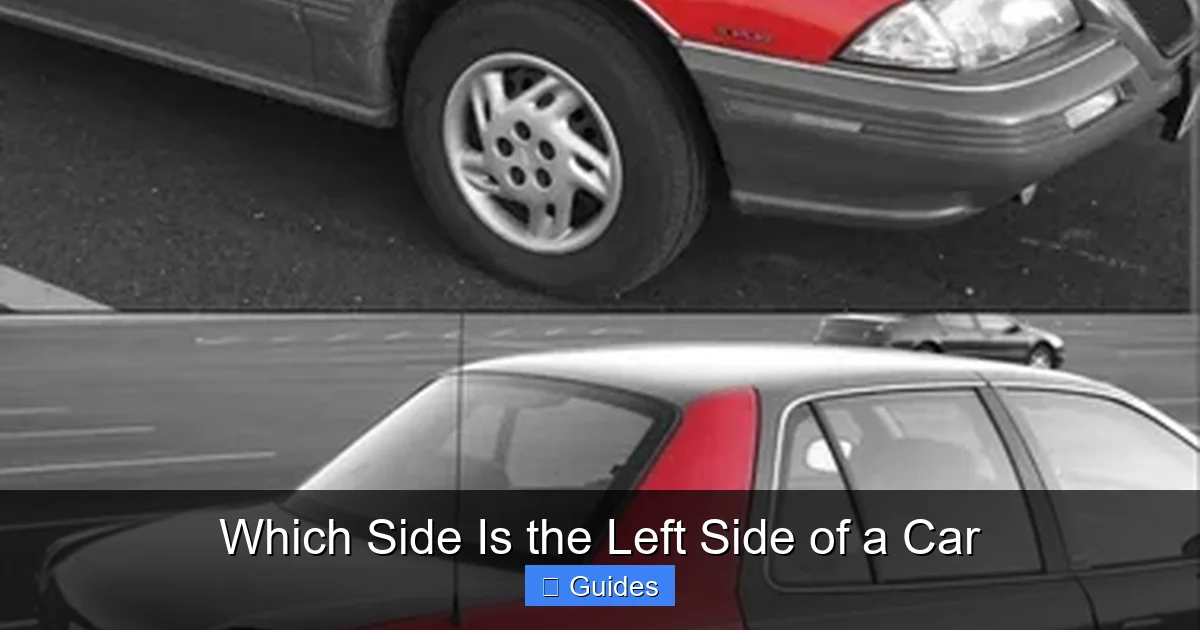
Visual guide about Which Side Is the Left Side of a Car
Image source: 5.imimg.com
Look for the Driver’s Side Features
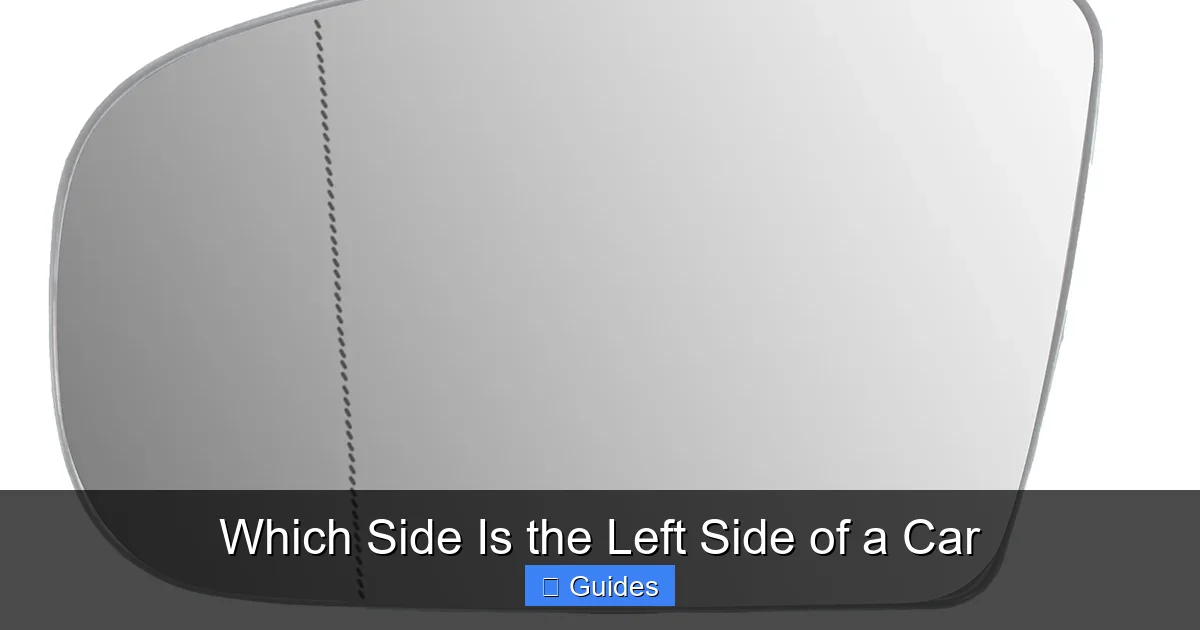
The easiest way to identify the left side is to look for features typically found on the driver’s side. In LHD vehicles, this includes the side mirror, door handle, and window controls. The driver’s side mirror is usually larger and more adjustable than the passenger side, and it often has a “Objects in mirror are closer than they appear” warning. Additionally, the driver’s door may have a keyhole or lock mechanism, especially on older models.
In RHD vehicles, these same features will be on the right side of the car. So, if you see a larger mirror and more controls on the right, you’re looking at an RHD vehicle, and the left side is the opposite side. This method works well for most modern cars, but it’s always good to double-check with other clues.
Check the Fuel Cap and Charging Port
Another reliable indicator is the location of the fuel cap or charging port. In many LHD vehicles, the fuel cap is on the left side, making it easier for the driver to reach while refueling. This is especially common in North American and European cars. However, there are exceptions—some manufacturers place the fuel cap on the right for balance or design reasons.
Electric vehicles (EVs) often have charging ports on the left side as well, though this can vary by model. For example, the Tesla Model 3 has a charging port on the left rear fender, while the Nissan Leaf places it on the front. Always check the owner’s manual or look for a small icon on the dashboard that shows the fuel or charging port location.
Observe the Windshield Wipers and Antenna
Windshield wipers and antennas can also give you hints about the car’s orientation. In most vehicles, the driver’s side wiper is longer and covers more of the windshield, improving visibility in rain or snow. The antenna, if present, is often mounted on the driver’s side rear fender or roof.
While these features aren’t foolproof, they can help confirm your identification when combined with other clues. For example, if you see a longer wiper on the left and a fuel cap on the left, you can be confident that you’re looking at an LHD vehicle.
Use the License Plate and Registration Sticker
In some countries, the license plate and registration sticker are placed on the driver’s side. For instance, in the U.S., the registration sticker is usually on the lower corner of the driver’s side windshield. This can be a quick way to identify the left side, especially if the car is parked with the front facing you.
Keep in mind that this method only works if the sticker is visible and correctly placed. Some drivers may have custom plates or stickers in different locations, so it’s best to use this as a secondary clue rather than a primary one.
Practical Applications: When Knowing the Left Side Matters
Understanding which side is the left side of a car isn’t just a trivia fact—it has real-world applications that affect safety, convenience, and compliance. Whether you’re a driver, passenger, or pedestrian, this knowledge can make your interactions with vehicles smoother and safer.
Visual guide about Which Side Is the Left Side of a Car
Image source: img.staticbg.com
Parking and Maneuvering
When parking, especially in tight spaces, knowing your car’s left side helps you judge distances accurately. For example, when parallel parking, you need to know when the left rear corner of your car is clear of the vehicle behind you. Misjudging this can lead to scratches, dents, or even accidents.
In driveways or garages, the left side often determines how you position the car. If your garage has a water heater or tool rack on the left, you’ll want to leave enough space to avoid hitting it. Similarly, when parking on a hill, knowing which side is left helps you turn the wheels correctly to prevent rolling.
Refueling and Charging
Refueling is one of the most common situations where left-side awareness is crucial. In many countries, gas pumps are designed with the assumption that the fuel cap is on the left. If you pull up on the wrong side, you’ll have to stretch the hose or reposition the car, which can be inconvenient and time-consuming.
For electric vehicles, charging port location varies, but many are on the left side. Knowing this in advance saves time and frustration, especially at public charging stations where space is limited. Some EVs even have indicators on the dashboard that show the charging port location, making it easier to identify the correct side.
Emergency Situations and Roadside Assistance
In emergencies, such as accidents or breakdowns, knowing the left side can improve response times and safety. Emergency responders often approach from the left side to avoid traffic, and knowing this helps you position your vehicle correctly. For example, if you’re involved in a collision, you should move to the left shoulder (in LHD countries) to stay safe.
Roadside assistance workers also rely on left-side awareness. If you call for a tow or jump-start, the technician needs to know which side the battery is on. In most cars, the battery is under the hood on the driver’s side, but this isn’t always the case. Providing accurate information helps them assist you faster.
Loading and Unloading
When loading groceries, luggage, or passengers, the left side often determines the best approach. In many vehicles, the rear passenger door on the left is easier to access from the curb, especially in urban areas. This reduces the risk of stepping into traffic and makes the process safer for children and elderly passengers.
For delivery drivers or ride-share operators, knowing the left side helps streamline operations. You can quickly identify which door to open and where to place items without confusion. This is especially important in busy environments where time and safety are critical.
Cultural and Regional Differences in Car Orientation
Car orientation isn’t just about mechanics—it’s also shaped by culture, history, and infrastructure. The choice between LHD and RHD reflects a country’s driving traditions and road design. Understanding these differences can help you navigate unfamiliar roads and vehicles with confidence.
Historical Origins of LHD and RHD
The split between LHD and RHD dates back to the 18th and 19th centuries. In Europe, most countries adopted LHD because it allowed drivers to see oncoming traffic more clearly when passing horse-drawn carriages. This tradition carried over to automobiles, especially in France and Germany, which influenced other nations through trade and colonization.
In contrast, the U.K. and its former colonies maintained RHD due to historical preferences for driving on the left. This practice was believed to improve safety by allowing drivers to see the edge of the road and avoid collisions. Over time, these traditions became entrenched in national laws and vehicle manufacturing standards.
Impact on Road Design and Traffic Flow
The choice of LHD or RHD affects how roads are designed and how traffic flows. In LHD countries, intersections, roundabouts, and highway ramps are built with right-hand driving in mind. This includes the placement of traffic lights, signage, and pedestrian crossings. In RHD countries, the opposite is true—everything is mirrored to accommodate left-hand driving.
These differences can be confusing for travelers. For example, renting a car in Japan (RHD) after driving in the U.S. (LHD) requires adjusting to a completely new orientation. Knowing which side is the left side of the car helps you adapt quickly and avoid mistakes.
Global Trade and Vehicle Imports
The global automotive market includes both LHD and RHD vehicles, often leading to cross-border trade. Some countries import RHD cars for their unique designs or performance, while others export LHD models to meet local demand. This creates a diverse mix of vehicles on the road, each with its own orientation rules.
Imported vehicles may require modifications to meet local safety standards. For example, RHD cars driven in LHD countries often need headlight adjustments to prevent blinding oncoming drivers. Understanding the left side helps ensure these modifications are done correctly.
Tips for New Drivers and International Travelers
Whether you’re learning to drive or traveling abroad, mastering car orientation is a valuable skill. Here are some practical tips to help you identify the left side of a car quickly and confidently.
Practice with Familiar Vehicles
Start by practicing with cars you know well, such as your family’s vehicle or a friend’s car. Walk around the car and identify the driver’s side, fuel cap, and other key features. Try to do this from different angles—front, back, and sides—to build spatial awareness.
You can also use online resources or car manuals to study the layout of different models. Many manufacturers provide detailed diagrams that show the location of controls, ports, and safety features. This helps you recognize patterns and make quick identifications.
Use Mnemonics and Memory Aids
Mnemonics can help you remember which side is left. For example, in LHD countries, think “Driver on the Left, Left side is Driver.” In RHD countries, try “Right Driver, Left is Passenger.” These simple phrases reinforce the connection between the driver’s position and the car’s orientation.
You can also associate the left side with common tasks. For instance, “Fuel on the Left” or “Charging on the Left” can help you remember where to look when refueling or charging. Over time, these associations become second nature.
Ask for Help When Unsure
If you’re ever unsure about a car’s orientation, don’t hesitate to ask. Drivers, passengers, or even parking attendants can provide guidance. Most people are happy to help, especially if you’re a new driver or traveler.
When renting a car in a foreign country, take a moment to inspect the vehicle before driving. Check the steering wheel position, fuel cap location, and dashboard indicators. This simple step can prevent confusion and ensure a smooth experience.
Conclusion
Figuring out which side is the left side of a car may seem trivial, but it’s a fundamental skill with wide-ranging benefits. From parking and refueling to emergency response and international travel, understanding car orientation enhances safety, efficiency, and confidence. By learning the difference between LHD and RHD vehicles, recognizing key design features, and practicing real-world applications, you can master this essential aspect of driving.
Remember, the left side is always defined from the driver’s perspective—no matter where you are in the world. Whether you’re behind the wheel or standing beside the car, this knowledge empowers you to interact with vehicles more effectively. So the next time someone asks, “Which side is the left side of a car?” you’ll have a clear, confident answer—and the skills to back it up.
Frequently Asked Questions
How do I know which side is the left side of a car if I’m not the driver?
The left side is always determined by the driver’s seating position. In left-hand drive countries, the driver sits on the left, so that side is the left side of the car. In right-hand drive countries, the driver sits on the right, making the passenger side the left side.
Is the fuel cap always on the left side of the car?
Not always. While many left-hand drive vehicles have the fuel cap on the left for driver convenience, some manufacturers place it on the right for balance or design reasons. Always check the owner’s manual or look for a dashboard indicator.
Can I drive a right-hand drive car in a left-hand drive country?
Yes, but it may require modifications to meet local safety standards, such as adjusting headlights. It’s also important to be extra cautious, as the driver’s perspective and controls are reversed compared to local vehicles.
Why do some countries drive on the left and others on the right?
This tradition dates back centuries and is influenced by historical, cultural, and practical factors. Countries like the U.K. and Japan maintained left-hand driving, while most of Europe and the Americas adopted right-hand driving for better visibility and safety.
How can I quickly identify the left side of an unfamiliar car?
Look for the driver’s side features like the side mirror, door handle, and windshield wipers. In most cases, the larger mirror and more controls indicate the driver’s side, which defines the left side of the car.
Does the left side matter for electric vehicle charging?
Yes, many electric vehicles have charging ports on the left side, though this varies by model. Knowing the correct side helps you position the car properly at charging stations and avoid unnecessary hassle.

At CarLegit, we believe information should be clear, factual, and genuinely helpful. That’s why every guide, review, and update on our website is created with care, research, and a strong focus on user experience.