
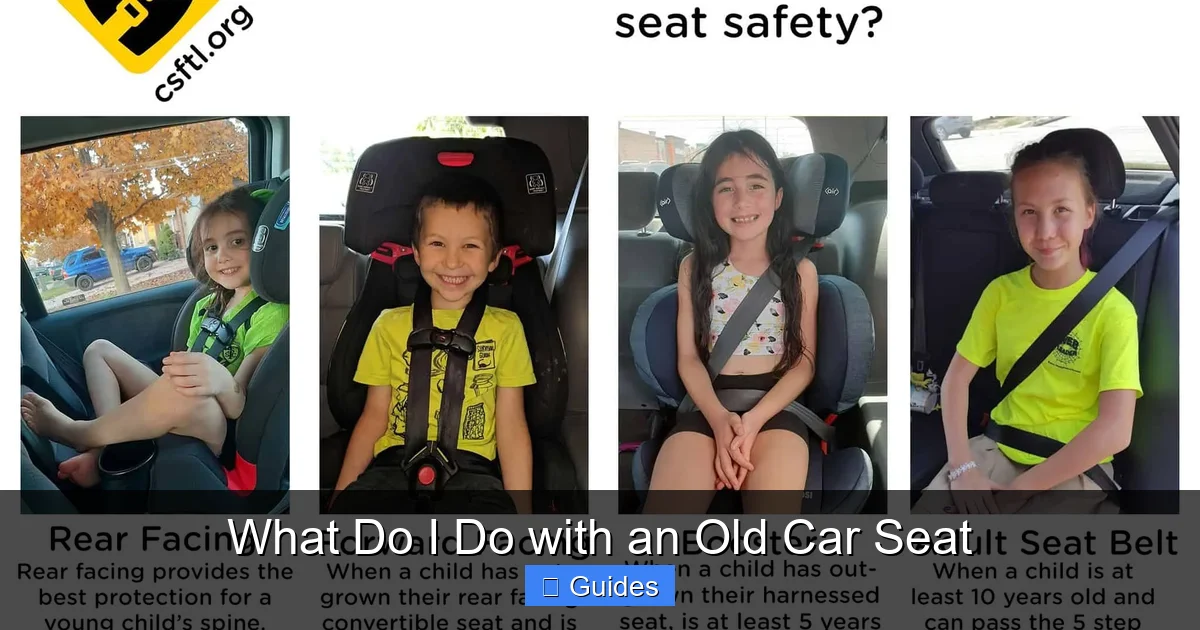
When your child outgrows their car seat, don’t just toss it in the trash. Old car seats can be recycled, donated, or safely disposed of to protect the environment and help others. This guide walks you through every option, from local recycling programs to creative upcycling ideas, so you can retire your car seat the right way.
In This Article
- 1 Key Takeaways
- 2 📑 Table of Contents
- 3 What Do I Do with an Old Car Seat? A Complete Guide to Safe and Responsible Disposal
- 4 Why You Shouldn’t Just Throw It Away
- 5 Check the Expiration Date and Condition
- 6 Recycling Your Old Car Seat
- 7 Donating or Giving Away Your Car Seat
- 8 Creative Upcycling and Repurposing Ideas
- 9 Safe Disposal: When All Else Fails
- 10 Final Thoughts: Making the Right Choice
- 11 Frequently Asked Questions
- 11.1 Can I donate a car seat that’s 5 years old?
- 11.2 What if my local recycling center doesn’t accept car seats?
- 11.3 Is it illegal to throw away a car seat?
- 11.4 Can I sell my old car seat online?
- 11.5 What should I do if my car seat was in a minor fender bender?
- 11.6 Are there tax deductions for donating a car seat?
Key Takeaways
- Never donate a damaged or expired car seat: Safety is paramount—only pass on seats that meet current standards and have no visible damage or recalls.
- Check the expiration date: Most car seats expire 6–10 years from manufacture; using an expired seat compromises safety.
- Recycling is possible but not always easy: Many parts (plastic, metal, fabric) can be recycled, but you’ll often need to disassemble the seat and use specialized programs.
- Donation centers and charities may accept gently used seats: Organizations like Safe Kids Worldwide or local hospitals often run car seat exchange programs.
- Manufacturer take-back programs exist: Brands like Graco, Chicco, and Britax offer recycling or trade-in initiatives for old seats.
- Upcycling is a creative alternative: Turn old car seats into planters, pet beds, or garden decor—just ensure all safety components are removed.
- When in doubt, destroy before disposal: If recycling or donating isn’t possible, cut straps and break the shell to prevent accidental reuse.
📑 Table of Contents
- What Do I Do with an Old Car Seat? A Complete Guide to Safe and Responsible Disposal
- Why You Shouldn’t Just Throw It Away
- Check the Expiration Date and Condition
- Recycling Your Old Car Seat
- Donating or Giving Away Your Car Seat
- Creative Upcycling and Repurposing Ideas
- Safe Disposal: When All Else Fails
- Final Thoughts: Making the Right Choice
What Do I Do with an Old Car Seat? A Complete Guide to Safe and Responsible Disposal
So, your little one has officially outgrown their car seat. Whether they’ve moved into a booster seat or are now tall enough to ride with just a seatbelt, that bulky infant carrier or convertible seat is suddenly taking up valuable space in your garage, closet, or trunk. You might be tempted to toss it in the trash, donate it to a friend, or stash it in the attic “just in case.” But before you do, pause and ask yourself: *What do I do with an old car seat?*
The truth is, car seats aren’t like old clothes or toys. They’re complex safety devices with expiration dates, strict usage guidelines, and environmental considerations. Improper disposal can lead to unsafe reuse, landfill waste, or even legal issues in some areas. The good news? There are several responsible, eco-friendly, and even creative ways to retire your old car seat. From recycling programs to upcycling projects, this guide will walk you through every option so you can make the best choice for your family, your community, and the planet.
Whether you’re dealing with a cracked shell, an expired model, or simply a seat your child has outgrown, knowing how to handle it properly ensures that it doesn’t end up doing more harm than good. Let’s dive into the safest, smartest, and most sustainable ways to say goodbye to your old car seat.
Why You Shouldn’t Just Throw It Away
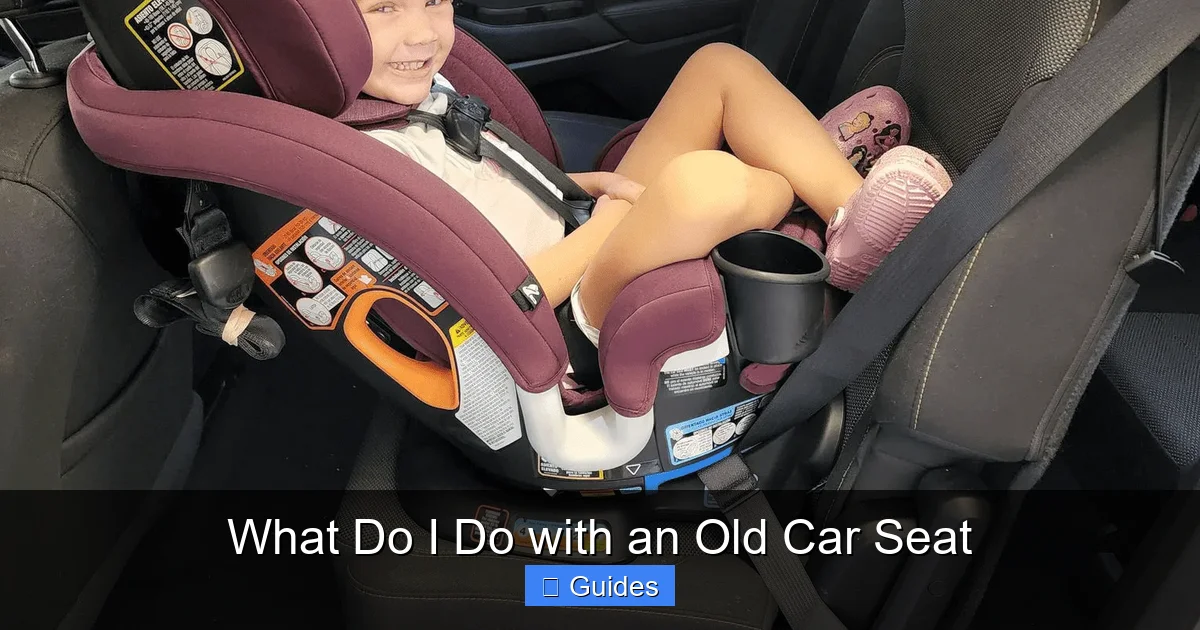
Visual guide about What Do I Do with an Old Car Seat
Image source: csftl.org
At first glance, tossing an old car seat in the garbage might seem like the easiest solution. After all, it’s just plastic, metal, and fabric—right? Unfortunately, it’s not that simple. Car seats are designed to protect children in the event of a crash, and their components degrade over time. But beyond safety concerns, there are environmental and ethical reasons why landfill disposal should be a last resort.
Safety Risks of Improper Disposal
One of the biggest dangers of casually discarding a car seat is the risk of someone else finding it and using it—unknowingly putting a child in danger. Even if the seat looks fine, it may have expired, been recalled, or sustained damage in a previous accident. The National Highway Traffic Safety Administration (NHTSA) strongly advises against using a car seat that has been in a moderate to severe crash, even if no damage is visible. Cracks, weakened plastic, or compromised harness systems can fail during impact, leading to serious injury or worse.
Additionally, car seats have expiration dates—typically 6 to 10 years from the manufacture date—because materials like plastic and webbing degrade over time, especially when exposed to heat, sunlight, and temperature fluctuations. An expired seat simply isn’t as reliable as a new one. By throwing it in the trash without destroying it, you risk someone retrieving it from a landfill or dumpster and using it on a child who deserves better protection.
Environmental Impact
Car seats are made from a mix of materials: hard plastic shells, metal frames, foam padding, fabric covers, and complex harness systems. Most of these aren’t biodegradable and can take hundreds of years to break down in landfills. According to the U.S. Environmental Protection Agency (EPA), over 1 million car seats are discarded each year, contributing to growing plastic waste. The foam and fabric often contain flame retardants and other chemicals that can leach into soil and water over time.
While it might seem like a small contribution to the global waste problem, every car seat adds up. And since many parts *can* be recycled—like the metal base or certain plastics—sending the entire seat to a landfill is a missed opportunity to reduce waste and conserve resources.
Legal and Ethical Considerations
In some states and countries, there are regulations around how car seats should be disposed of, especially if they’ve been involved in an accident. While not all areas have strict laws, many child safety organizations encourage responsible disposal as a best practice. Ethically, it’s our responsibility as caregivers to ensure that safety equipment isn’t reused in ways that could endanger another child.
So, while tossing the seat might feel convenient, it’s worth taking a few extra steps to ensure it’s handled safely and sustainably. The next sections will show you exactly how to do that.
Check the Expiration Date and Condition
Visual guide about What Do I Do with an Old Car Seat
Image source: car-images.bauersecure.com
Before deciding what to do with your old car seat, the first step is to assess its condition and check whether it’s still safe to use—or if it should be retired immediately.
Find the Manufacture and Expiration Dates
Every car seat sold in the U.S. must have a label indicating the manufacture date and expiration date. This is usually located on the bottom or back of the seat, often near the belt path or on a sticker attached to the shell. The expiration date is typically 6 to 10 years from the manufacture date, though some manufacturers specify a different timeframe.
For example, a car seat manufactured in January 2018 would likely expire in January 2024 or 2028, depending on the brand. If your seat is past its expiration date, it should not be donated, sold, or reused—even if it looks brand new. The materials have degraded over time, and the seat may not perform as intended in a crash.
Inspect for Damage or Recalls
Even if the seat hasn’t expired, it’s important to check for signs of wear and damage. Look for:
– Cracks or stress marks in the plastic shell
– Frayed or stretched harness straps
– Loose or broken buckles
– Missing or illegible labels
– Signs of water damage or mold
Also, check for recalls. The NHTSA maintains a free online database where you can enter your car seat’s model number and manufacture date to see if it’s been recalled. You can also register your seat with the manufacturer when you buy it to receive recall notifications directly.
If your seat has been in a crash—even a minor one—it should be replaced. Most manufacturers recommend replacing a seat after any collision, regardless of visible damage. The internal structure may have been compromised, and the seat may not protect your child in future accidents.
When to Retire the Seat Immediately
There are several scenarios where a car seat should be retired right away:
– It’s past its expiration date
– It’s been in a crash
– It has visible damage
– It’s been recalled and not repaired
– The manual is missing or instructions are unclear
In these cases, the seat should not be donated or reused. Instead, focus on safe disposal or recycling options, which we’ll cover next.
Recycling Your Old Car Seat

Visual guide about What Do I Do with an Old Car Seat
Image source: thefrisky.com
Recycling is one of the most environmentally responsible ways to dispose of an old car seat—but it’s not always as simple as tossing it in your curbside bin. Because car seats are made from mixed materials, most municipal recycling programs can’t process them as-is. However, several specialized programs and retailers make it easier to recycle your seat responsibly.
Manufacturer Take-Back Programs
Many major car seat brands offer recycling or trade-in programs to help customers dispose of old seats. These programs often involve mailing in your seat or dropping it off at a participating store. Here are a few examples:
– **Graco:** Through its “Recycle My Car Seat” program, Graco partners with TerraCycle to recycle seats. You can print a prepaid shipping label from their website, pack up your seat, and send it in. Graco covers the shipping cost, and the seat is broken down into recyclable components.
– **Chicco:** Chicco offers a similar program in partnership with TerraCycle. Customers can drop off old seats at select Buy Buy Baby locations or mail them in using a prepaid label.
– **Britax:** While Britax doesn’t have a formal recycling program, they provide detailed instructions on how to disassemble your seat for recycling and recommend contacting local recycling centers that accept hard plastics and metals.
These programs are a great option because they ensure the seat is properly processed and kept out of landfills.
Retailer and Community Recycling Events
Some retailers and local organizations host car seat recycling events, especially around Earth Day or back-to-school season. For example:
– **Target:** In past years, Target has run car seat trade-in events where customers can bring in old seats and receive a discount on a new one. While not available every year, it’s worth checking their website or calling your local store.
– **Local Fire Departments or Police Stations:** Some public safety agencies collect old car seats for recycling or destruction. They may partner with recycling companies or use the seats for training purposes.
– **Safe Kids Coalitions:** These nonprofit groups often organize car seat recycling drives. Visit the Safe Kids Worldwide website to find a chapter near you.
These events are usually free and provide a convenient way to recycle your seat while supporting community safety initiatives.
DIY Recycling: How to Disassemble Your Seat
If you can’t find a local program, you can recycle parts of the seat yourself—but it requires some effort. Here’s how:
1. **Remove the fabric cover:** Most covers can be unzipped or unsnapped. Check if the fabric is recyclable (some are, but many contain synthetic blends that aren’t accepted in standard programs).
2. **Take out the foam padding:** Foam is rarely recyclable curbside, but some specialty recyclers accept it. Otherwise, it may need to go to landfill.
3. **Separate the plastic shell:** Hard plastic can often be recycled if your local facility accepts #5 or #7 plastics. Call ahead to confirm.
4. **Remove metal components:** The base, LATCH connectors, and buckle hardware are usually steel or aluminum and can be taken to a scrap metal recycler.
5. **Cut the harness straps:** Nylon webbing is difficult to recycle, so it’s best to cut it and dispose of it with regular trash.
This process can be time-consuming, but it maximizes the amount of material that gets recycled. Be sure to wear gloves and safety glasses, as plastic edges can be sharp.
Donating or Giving Away Your Car Seat
If your car seat is still within its expiration date, has no damage, and hasn’t been recalled, donating it can be a wonderful way to help another family in need. However, there are important guidelines to follow to ensure safety.
Who Accepts Donations?
Not all charities or secondhand stores accept car seats due to liability concerns. However, some organizations do:
– **Hospitals and Birthing Centers:** Many have programs for low-income families and may accept gently used seats.
– **Domestic Violence Shelters:** These organizations often need car seats for families transitioning to new homes.
– **Nonprofits like Safe Kids or Cribs for Kids:** These groups focus on child safety and may distribute seats to families who can’t afford new ones.
– **Religious or Community Organizations:** Churches, mosques, and community centers sometimes run donation drives.
Always call ahead to confirm their policies. Some may only accept seats that are less than 5 years old or require proof of purchase.
How to Prepare the Seat for Donation
Before donating, make sure the seat is clean and complete:
– Wash the fabric cover according to the manufacturer’s instructions.
– Wipe down the plastic shell with a mild cleaner.
– Ensure all parts are included: base, harness, manual, and any accessories.
– Attach a note with the manufacture date and expiration date.
Never donate a seat that’s expired, damaged, or missing parts. It’s better to recycle it than risk someone using an unsafe seat.
Selling or Giving to Friends and Family
You might consider giving the seat to a friend, relative, or neighbor—but only if they understand the risks and agree to use it responsibly. Share the manual, expiration date, and any recall information. Make sure they know not to use the seat if it’s been in a crash or shows signs of wear.
Avoid selling car seats online unless you’re certain the buyer will use it safely. Platforms like Facebook Marketplace or Craigslist can be risky because you can’t verify how the seat will be used. If you do sell, meet in a public place and provide all documentation.
Creative Upcycling and Repurposing Ideas
If recycling or donating isn’t an option, and you’re feeling crafty, you can repurpose parts of the car seat into something new. This is a great way to keep materials out of landfills while giving your old seat a second life.
Turn It Into a Planter or Garden Feature
The plastic shell of a car seat makes a unique and durable planter for flowers, herbs, or succulents. Drill drainage holes in the bottom, add soil, and plant your favorites. You can paint the exterior with outdoor-safe paint for a personalized touch. Just make sure to remove all harness straps, buckles, and foam padding first.
Create a Pet Bed or Toy
The padded base of a car seat can be transformed into a cozy bed for a small dog or cat. Remove all safety components, wash the padding, and place it in a fabric cover. The curved shape can even make a fun tunnel or hideout for pets.
Use the Shell for Storage or Decor
Some people use the car seat shell as a quirky storage bin for toys, books, or gardening tools. Others paint it and hang it on the wall as a decorative piece. While it won’t be functional as a seat, it can still serve a purpose in your home.
Art and Craft Projects
Teachers, artists, and DIY enthusiasts have used car seat parts in creative projects—from sculptures to classroom displays. The colorful plastic and unique shapes can inspire all kinds of artistic endeavors.
Remember: when upcycling, always remove and safely dispose of any components that could pose a hazard, like sharp edges or small parts that could be choking risks.
Safe Disposal: When All Else Fails
If your car seat is damaged, expired, or can’t be recycled or donated, the final option is safe disposal. But even then, you should take steps to prevent accidental reuse.
Destroy the Seat Before Throwing It Away
To ensure no one else uses the seat, it’s recommended to:
– Cut the harness straps with scissors or a utility knife
– Remove and discard the buckle
– Break the plastic shell (if possible) or mark it with “DO NOT USE” in large letters
– Remove the base and any metal parts for separate recycling
This way, even if someone finds it in the trash, they’ll know it’s unsafe to use.
Check Local Waste Guidelines
Some municipalities have specific rules for disposing of large items like car seats. Contact your local waste management department to see if they offer bulk pickup or special disposal days. Never dump a car seat on the side of the road or in a public space—it’s illegal in many areas and creates a hazard.
Consider the Bigger Picture
While disposal is sometimes necessary, it’s worth reflecting on how we can reduce waste in the future. Consider buying high-quality, long-lasting car seats that can be used for multiple children or passed down safely. Support brands with strong recycling programs, and advocate for better recycling infrastructure in your community.
Final Thoughts: Making the Right Choice
So, what do you do with an old car seat? The answer depends on its condition, age, and your local resources. But one thing is clear: responsible disposal isn’t just about clearing space—it’s about protecting children, reducing waste, and making thoughtful choices.
Whether you recycle it through a manufacturer program, donate it to a family in need, or turn it into a garden planter, every option is better than sending it straight to the landfill. Take a few minutes to assess your seat, explore your options, and choose the path that aligns with your values.
Your child’s safety journey doesn’t end when they outgrow their car seat. By handling that seat responsibly, you’re setting an example of care, responsibility, and environmental stewardship—lessons that will stay with them long after the seat is gone.
Frequently Asked Questions
Can I donate a car seat that’s 5 years old?
It depends on the expiration date, not just the age. Most car seats expire 6–10 years from manufacture, so a 5-year-old seat may still be safe to donate—if it’s in good condition, hasn’t been recalled, and hasn’t been in a crash. Always check the label and the NHTSA recall database before donating.
What if my local recycling center doesn’t accept car seats?
Look for manufacturer take-back programs, retailer events, or mail-in recycling services like TerraCycle. You can also disassemble the seat yourself and recycle the plastic and metal components separately at appropriate facilities.
Is it illegal to throw away a car seat?
It’s not illegal in most places, but it’s strongly discouraged for safety and environmental reasons. Some areas may have guidelines for large item disposal, so check with your local waste authority.
Can I sell my old car seat online?
You can, but it’s risky. Buyers may not know the seat’s history, and you can’t guarantee it will be used safely. If you do sell, provide full documentation and meet in a public place.
What should I do if my car seat was in a minor fender bender?
Even minor crashes can compromise a car seat’s integrity. Most manufacturers recommend replacing the seat after any collision. Check your manual or contact the manufacturer for guidance.
Are there tax deductions for donating a car seat?
Generally, no. Most charities that accept car seats don’t provide tax receipts, and the IRS doesn’t allow deductions for donated safety equipment unless it’s part of a formal charitable program. Always ask the organization beforehand.

At CarLegit, we believe information should be clear, factual, and genuinely helpful. That’s why every guide, review, and update on our website is created with care, research, and a strong focus on user experience.