
Streaky paint after washing your car is a common frustration, but it’s usually avoidable. This guide breaks down the top causes—from hard water to poor drying techniques—and offers simple, effective solutions to keep your vehicle looking glossy and streak-free every time you wash.
You’ve just spent a solid hour washing your car—rinsing, scrubbing, rinsing again—and you step back to admire your work. But instead of a shiny, mirror-like finish, you notice streaks, smudges, and odd water marks all over the paint. Ugh. Why does your paint look streaky after washing your car?
It’s a question we’ve all asked at some point. You did everything right—or so you thought. But the truth is, even small mistakes in your car wash routine can lead to a less-than-perfect finish. Streaks aren’t just cosmetic; they can signal underlying issues like mineral buildup, improper drying, or even damage to your paint’s protective layer.
The good news? Most streak problems are completely preventable. With the right tools, techniques, and a bit of know-how, you can wash your car and walk away with a clean, glossy, streak-free shine every single time. In this guide, we’ll walk you through the most common reasons your paint ends up looking streaky—and how to fix them for good.
Whether you’re a weekend warrior or a daily driver who takes pride in a clean ride, understanding what causes streaks will help you protect your car’s finish and keep it looking showroom-ready. Let’s dive in.
In This Article
- 1 Key Takeaways
- 2 📑 Table of Contents
- 3 1. Hard Water: The Hidden Culprit Behind Streaks
- 4 2. Dirty or Low-Quality Wash Tools Spread Grime
- 5 3. Improper Drying Techniques Cause Water Marks
- 6 4. Washing in Direct Sunlight Leads to Rapid Drying
- 7 5. Worn-Out Wax or Sealant Reduces Water Beading
- 8 6. Using the Wrong Soap or Household Cleaners
- 9 7. Environmental Contaminants Etch the Surface
- 10 Conclusion
- 11 Frequently Asked Questions
- 11.1 Why does my car still have streaks even after using a microfiber towel?
- 11.2 Can I use a hair dryer to dry my car and avoid streaks?
- 11.3 How often should I wax my car to prevent streaky paint?
- 11.4 Is it okay to wash my car with a pressure washer?
- 11.5 Why do I see more streaks on my black car than on lighter colors?
- 11.6 Can rain cause streaky paint after I wash my car?
Key Takeaways
- Hard water leaves mineral deposits: Tap water with high mineral content dries into visible streaks and spots on your paint.
- Using dirty or low-quality wash tools spreads grime: Reusing sponges or mitts without cleaning traps dirt that scratches and streaks the surface.
- Improper drying techniques cause water marks: Air-drying or using rough towels leaves behind streaks and water spots.
- Washing in direct sunlight leads to rapid drying: Sunlight causes soap and water to evaporate too quickly, leaving residue and streaks.
- Old or degraded wax/sealant reduces water beading: Worn protective coatings allow water to spread and dry unevenly, creating streaks.
- Incorrect soap or household cleaners damage paint: Dish soap or all-purpose cleaners strip wax and leave behind chemical residues.
- Environmental contaminants like tree sap or bird droppings etch the surface: These substances can bond to paint and create uneven textures that appear streaky when wet or dry.
📑 Table of Contents
- 1. Hard Water: The Hidden Culprit Behind Streaks
- 2. Dirty or Low-Quality Wash Tools Spread Grime
- 3. Improper Drying Techniques Cause Water Marks
- 4. Washing in Direct Sunlight Leads to Rapid Drying
- 5. Worn-Out Wax or Sealant Reduces Water Beading
- 6. Using the Wrong Soap or Household Cleaners
- 7. Environmental Contaminants Etch the Surface
- Conclusion
1. Hard Water: The Hidden Culprit Behind Streaks
One of the most overlooked causes of streaky car paint is hard water. If you’re using tap water to rinse your car—especially in areas with high mineral content—you’re likely contributing to the problem without even realizing it.
Hard water contains dissolved minerals like calcium, magnesium, and iron. When this water evaporates from your car’s surface, it leaves behind tiny mineral deposits. These deposits don’t just look like streaks; they can actually etch into the paint over time, creating a dull, uneven appearance. You might notice white or grayish streaks, especially on dark-colored cars, which make the problem even more obvious.
How Hard Water Creates Streaks
When you rinse your car with hard water, the minerals stay behind as the water dries. If you’re air-drying or using a towel that isn’t perfectly clean, these minerals get spread around, creating visible lines and spots. Even if you dry thoroughly, some mineral residue may remain, especially in crevices, around mirrors, or along door handles.
For example, imagine washing your black sedan on a sunny afternoon. You rinse it off, and within minutes, the water starts to dry. The minerals in the water concentrate as evaporation occurs, leaving behind a filmy residue. When you wipe it with a towel, you might think you’re cleaning it—but you’re actually smearing the minerals into streaks.
How to Combat Hard Water
The best defense against hard water is using deionized or distilled water for the final rinse. Many car enthusiasts use a deionized water system with a TDS (Total Dissolved Solids) meter to ensure the water is pure. If that’s not practical, consider using a water softener at home or washing your car at a self-serve car wash that offers spot-free rinse systems.
Another tip: always use a high-quality drying towel made from microfiber. These towels absorb water efficiently and reduce the chance of spreading mineral deposits. And never skip the final rinse—make sure all soap and contaminants are completely washed off before drying.
2. Dirty or Low-Quality Wash Tools Spread Grime
Visual guide about Why Does My Paint Look Streaky After Washing Car
Image source: carxplorer.com
You might be using the best soap and the purest water, but if your wash mitt, sponge, or towel is dirty, you’re just moving dirt around—not cleaning your car.
Over time, wash tools accumulate grit, sand, and debris from previous washes. When you reuse them without proper cleaning, these particles act like sandpaper, scratching the paint and leaving behind streaks and swirl marks. Even a seemingly clean sponge can harbor microscopic contaminants that degrade your car’s finish.
The Problem with Reusing Tools
Let’s say you washed your car last week and stored your wash mitt in a damp bucket. Bacteria and dirt have now settled into the fibers. When you use it again, those contaminants are transferred directly to your paint. As you scrub, the gritty particles create fine scratches that scatter light, making the surface look dull and streaky.
The same goes for drying towels. A towel that’s been used multiple times without washing can leave behind lint, soap residue, or even oils from your hands—all of which contribute to streaks.
Choosing the Right Tools
Invest in a high-quality wash mitt made from microfiber or lambswool. These materials are soft, absorbent, and designed to lift dirt away from the surface without scratching. Always rinse your mitt thoroughly during the wash process, and consider using a two-bucket method: one for soapy water and one for rinsing the mitt.
For drying, use a dedicated microfiber drying towel with a high GSM (grams per square meter) rating—ideally 600 or higher. These towels are super absorbent and leave minimal lint. And remember: wash your towels after every use with a gentle detergent and no fabric softener, which can leave a residue.
3. Improper Drying Techniques Cause Water Marks
Visual guide about Why Does My Paint Look Streaky After Washing Car
Image source: m.media-amazon.com
Drying might seem like the easiest part of washing your car, but it’s actually one of the most critical steps in preventing streaks. How you dry your car can make or break the final result.
Many people make the mistake of air-drying their car or using old, rough towels. Air-drying allows water to evaporate naturally, which means minerals and contaminants are left behind. And rough towels can scratch the paint or leave behind lint and streaks.
Why Air-Drying Is a Bad Idea
When you let your car air-dry, especially in direct sunlight, water droplets sit on the surface and evaporate unevenly. This process leaves behind mineral deposits, soap residue, and even tiny scratches from dust particles that settle on the wet paint. The result? A streaky, spotty finish that looks worse than before you washed it.
Even on cloudy days, air-drying isn’t ideal. Dust, pollen, and bird droppings can land on the wet surface and bond to the paint as it dries, creating stubborn spots that are hard to remove.
The Right Way to Dry Your Car
The best method is to dry your car immediately after rinsing, using a clean, plush microfiber towel. Start from the top and work your way down, using gentle, overlapping strokes. Don’t rub—just blot and glide the towel across the surface.
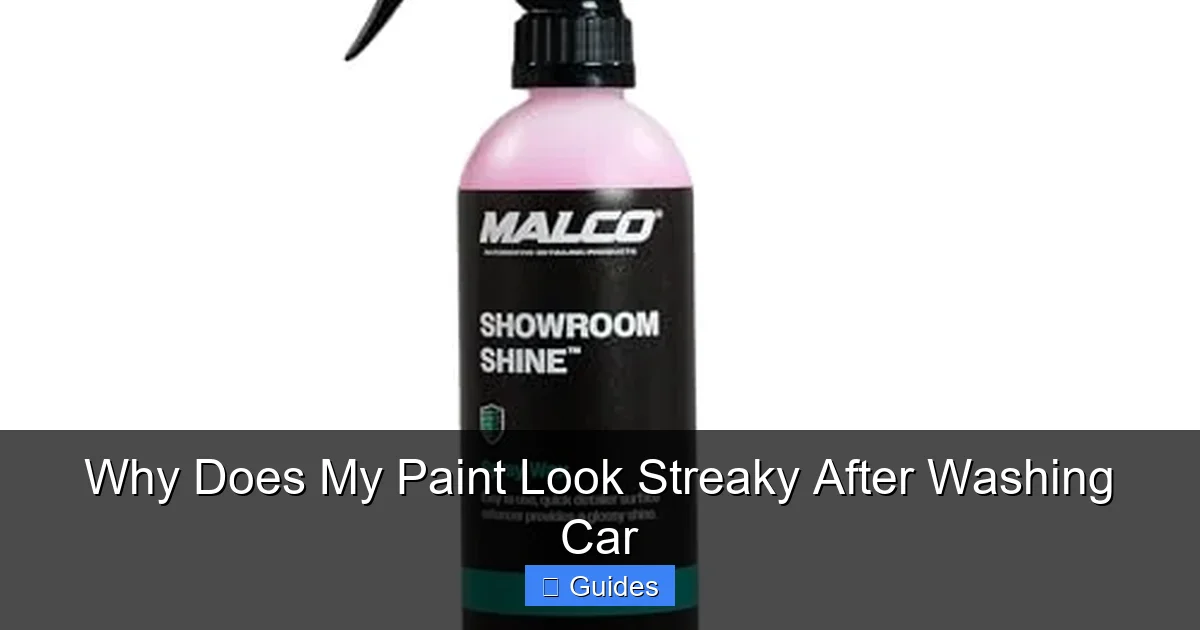
For larger vehicles, consider using a drying aid or quick detailer spray. These products reduce surface tension, helping water sheet off smoothly and minimizing streaks. Spray it on as you dry, and the combination of lubrication and absorption will leave your paint looking flawless.
Another pro tip: use a dedicated drying towel for the body and a separate one for wheels and trim. This prevents cross-contamination and ensures a consistent finish.
4. Washing in Direct Sunlight Leads to Rapid Drying
Visual guide about Why Does My Paint Look Streaky After Washing Car
Image source: m.media-amazon.com
Timing matters when it comes to washing your car. One of the biggest mistakes people make is washing their vehicle in direct sunlight, especially during the hottest part of the day.
When you wash in the sun, water and soap evaporate quickly. This rapid drying prevents you from properly rinsing off soap and leaves behind residue that dries into streaks. Additionally, hot panels can cause soap to dry before you’ve had a chance to rinse it off, creating a hazy, streaky film.
The Science Behind Sunlight and Streaks
Car paint heats up significantly in direct sunlight—sometimes reaching temperatures over 120°F (49°C). When soap or water hits a hot surface, it evaporates almost instantly. This means you’re not getting a thorough rinse; instead, you’re leaving behind concentrated soap and mineral deposits.
For example, if you wash your hood in the sun, the soap might dry before you move to the next panel. When you finally rinse it, the dried soap can be harder to remove, leading to streaks and spots.
Best Practices for Washing Time and Location
Always wash your car in the shade or during cooler parts of the day—early morning or late afternoon are ideal. If you must wash in the sun, work in small sections and rinse immediately after washing each panel.
Another option is to use a waterless or rinse-less wash product designed for use in direct sunlight. These products are formulated to lift dirt without requiring a full rinse, reducing the risk of streaks. However, they’re best for light cleaning and shouldn’t replace regular washes.
5. Worn-Out Wax or Sealant Reduces Water Beading
Your car’s paint isn’t just bare metal—it’s protected by a clear coat, and often, a layer of wax or sealant on top. These protective coatings do more than just add shine; they help water bead up and roll off the surface, reducing the chance of streaks.
When wax or sealant wears off—due to time, weather, or improper washing—the paint becomes more porous. Water no longer beads up neatly. Instead, it spreads out in thin sheets, taking longer to dry and leaving behind more residue. This uneven drying is a major cause of streaky paint.
Signs Your Protection Is Worn
If water no longer forms tight beads on your car’s surface and instead sheets out or soaks into the paint, it’s a sign your wax or sealant has degraded. You might also notice that your car takes longer to dry or that water spots appear more frequently.
Dark cars are especially prone to showing the effects of worn protection. A single water droplet can leave a noticeable ring or streak on black or dark blue paint.
How to Restore Protection
Reapply a high-quality wax or sealant every 3 to 6 months, depending on your climate and washing frequency. Synthetic sealants tend to last longer than traditional carnauba waxes and provide better water beading.
Before applying, make sure your car is completely clean and dry. Use a clay bar to remove embedded contaminants, then apply the wax or sealant in thin, even layers. Buff it off with a clean microfiber towel for a smooth, glossy finish.
Regular maintenance not only prevents streaks but also protects your paint from UV damage, oxidation, and environmental contaminants.
6. Using the Wrong Soap or Household Cleaners
It’s tempting to reach for whatever’s handy—dish soap, all-purpose cleaner, or even laundry detergent—when you’re out of car wash soap. But these products are formulated for dishes or fabrics, not automotive paint.
Household cleaners are often too harsh and can strip away protective waxes and sealants. They may also leave behind chemical residues that dry into streaks or attract dirt. Over time, using the wrong soap can dull your paint and make it more prone to streaking.
Why Dish Soap Is a Bad Choice
Dish soap is designed to cut through grease and oil—great for dishes, but terrible for car paint. It’s highly alkaline and will strip away wax, leaving your paint unprotected. Without that protective layer, water spreads out instead of beading, leading to more streaks and spots.
Even if you rinse thoroughly, the chemical residue can remain, especially in humid conditions. This residue attracts dust and dirt, making your car look dirty again within hours.
Choosing the Right Car Wash Soap
Always use a pH-balanced, automotive-specific car wash soap. These products are gentle on paint, won’t strip wax, and are designed to lift dirt without scratching. Look for soaps labeled “wash and wax” or “foam cannon compatible” for added protection and ease of use.
For best results, dilute the soap according to the manufacturer’s instructions and use a foam cannon or pump sprayer to apply a thick layer of suds. The foam helps encapsulate dirt, making it easier to rinse away without scrubbing.
7. Environmental Contaminants Etch the Surface
Even if you wash your car perfectly, environmental factors can still cause streaks. Tree sap, bird droppings, bug splatter, and industrial fallout can bond to your paint and create uneven textures. When water hits these contaminants, it doesn’t bead up evenly—instead, it pools or spreads, leading to streaky drying patterns.
How Contaminants Cause Streaks
Bird droppings, for example, are highly acidic and can etch into the clear coat if left too long. When you wash the car, the affected area may not respond the same way to water and soap, causing uneven drying and visible streaks.
Similarly, tree sap can harden and create a sticky residue that traps water and dirt. When you rinse, the sap may not come off completely, leaving behind a hazy, streaky patch.
Prevention and Removal
The best defense is regular washing—ideally every two weeks—to prevent contaminants from bonding to the paint. If you notice bird droppings or sap, remove them as soon as possible using a quick detailer or dedicated cleaner.
For stubborn contaminants, use a clay bar treatment. This removes embedded particles without damaging the paint and restores a smooth surface that allows water to bead properly.
Conclusion
Streaky paint after washing your car is frustrating, but it’s rarely a sign of serious damage. In most cases, it’s the result of small, fixable mistakes in your washing routine—like using hard water, dirty tools, or the wrong soap.
By understanding the root causes—hard water, improper drying, worn protection, and environmental contaminants—you can take proactive steps to prevent streaks and keep your car looking its best. Invest in quality tools, wash in the shade, dry thoroughly, and maintain a regular wax or sealant schedule.
With a little attention to detail, you can transform your car wash from a chore into a satisfying ritual that leaves your vehicle gleaming. No more streaks. No more spots. Just a clean, shiny ride that turns heads.
Frequently Asked Questions
Why does my car still have streaks even after using a microfiber towel?
Streaks can still occur if the towel is dirty, low-quality, or used incorrectly. Always use a clean, high-GSM microfiber towel and dry in smooth, overlapping motions. If the towel has been used multiple times without washing, it may be spreading residue instead of absorbing it.
Can I use a hair dryer to dry my car and avoid streaks?
While a hair dryer can help speed up drying, it’s not recommended for large areas. It can blow dust onto wet paint and may not reach tight spots. A better option is a dedicated car dryer or a high-quality microfiber towel for even, streak-free drying.
How often should I wax my car to prevent streaky paint?
For most drivers, waxing every 3 to 6 months is sufficient. If you live in a harsh climate or wash your car frequently, consider using a synthetic sealant, which lasts longer and provides better water beading to reduce streaks.
Is it okay to wash my car with a pressure washer?
Yes, but use it correctly. A pressure washer can be great for rinsing, but avoid using high pressure directly on paint, seals, or trim. Always use a fan tip and keep the nozzle at least 12 inches away to prevent damage and streaking.
Why do I see more streaks on my black car than on lighter colors?
Dark-colored cars show streaks, water spots, and imperfections more clearly because of the high contrast between the paint and residue. Light colors tend to hide minor streaks, but they can still occur and should be prevented with proper washing techniques.
Can rain cause streaky paint after I wash my car?
Yes, if your car isn’t properly protected. Rainwater contains minerals and pollutants that can leave streaks, especially if your wax or sealant is worn. After rain, rinse your car as soon as possible and dry it to prevent water spots and streaking.

At CarLegit, we believe information should be clear, factual, and genuinely helpful. That’s why every guide, review, and update on our website is created with care, research, and a strong focus on user experience.