
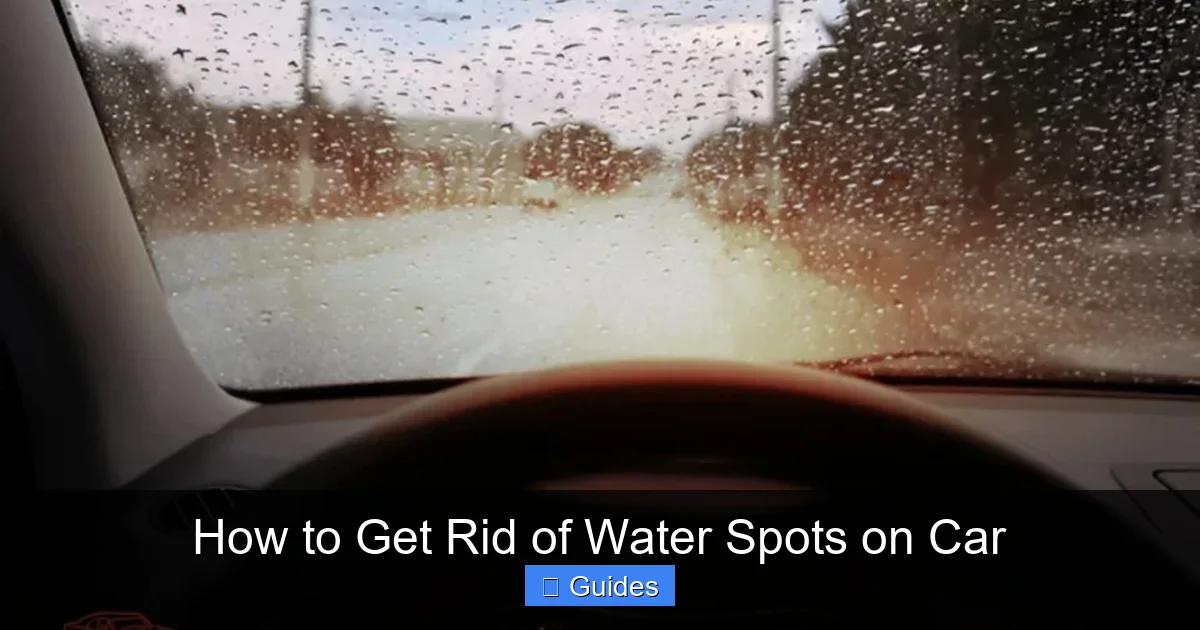
Water spots on your car aren’t just unsightly—they can damage paint over time. This guide covers everything from identifying different types of water spots to using safe, effective removal techniques and long-term prevention strategies.
In This Article
- 1 Key Takeaways
- 2 📑 Table of Contents
- 3 Why Water Spots Are More Than Just an Eyesore
- 4 Understanding the Types of Water Spots
- 5 Tools and Products You’ll Need
- 6 Step-by-Step Guide to Removing Water Spots
- 7 DIY Home Remedies That Actually Work
- 8 How to Prevent Water Spots from Coming Back
- 9 When to Call a Professional
- 10 Maintaining a Spot-Free Shine Year-Round
- 11 Conclusion
- 12 Frequently Asked Questions
Key Takeaways
- Act quickly: The sooner you remove water spots, the easier they are to eliminate and the less damage they cause.
- Know your spot type: Surface-level spots are easier to remove than etched-in mineral deposits that require polishing.
- Use the right tools: Soft microfiber cloths, pH-neutral car wash soap, and clay bars help avoid scratching your paint.
- DIY solutions work: White vinegar, distilled water, and baking soda can safely dissolve mineral buildup without harsh chemicals.
- Wax and sealants protect: Applying a quality wax or ceramic coating creates a barrier against future water spots.
- Prevention is key: Dry your car after washing and avoid parking under trees or sprinklers to reduce exposure.
- Seek professional help when needed: Deep etching or clear coat damage may require detailing or paint correction services.
📑 Table of Contents
- Why Water Spots Are More Than Just an Eyesore
- Understanding the Types of Water Spots
- Tools and Products You’ll Need
- Step-by-Step Guide to Removing Water Spots
- DIY Home Remedies That Actually Work
- How to Prevent Water Spots from Coming Back
- When to Call a Professional
- Maintaining a Spot-Free Shine Year-Round
- Conclusion
Why Water Spots Are More Than Just an Eyesore
We’ve all been there—you pull your car into the sunlight after a wash, only to notice those stubborn, cloudy marks scattered across the hood, windows, and doors. At first glance, they might seem harmless, but water spots on your car are more than just a cosmetic nuisance. If left untreated, they can lead to permanent damage, dulling your vehicle’s finish and even compromising the protective clear coat.
Water spots form when water—especially hard water—evaporates from your car’s surface, leaving behind minerals like calcium, magnesium, and lime. These minerals cling to the paint and, over time, can etch into the clear coat, creating a rough, hazy appearance that’s much harder to remove. Think of it like hard water stains on your bathroom tiles—only on your car, where aesthetics and resale value matter even more.
The good news? Most water spots can be prevented and removed with the right approach. Whether you’re dealing with light surface spots or deeper etching, this guide will walk you through everything you need to know to restore your car’s shine and keep it looking showroom-fresh.
Understanding the Types of Water Spots
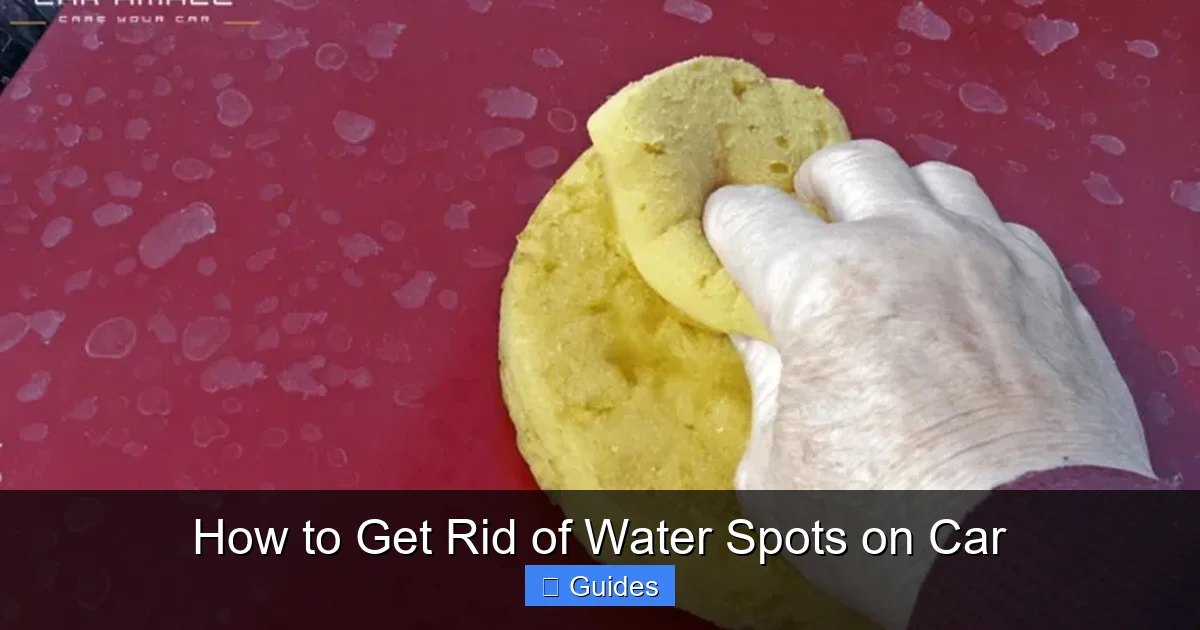
Visual guide about How to Get Rid of Water Spots on Car
Image source: caramaze.com
Not all water spots are created equal. Understanding the difference between surface-level spots and etched-in mineral deposits is crucial for choosing the right removal method.
Surface Water Spots
These are the most common and easiest to remove. Surface water spots appear as light, cloudy marks that sit on top of the clear coat. They’re usually caused by rain, sprinklers, or washing your car and then letting it air dry. Because they haven’t penetrated the paint, they can often be wiped away with a simple wash or wipedown using a vinegar solution.
For example, if you park your car outside during a light rain and don’t dry it afterward, you might notice faint spots the next day. These are typically surface-level and can be removed with minimal effort.
Etched or Bonded Water Spots
These are more serious. Etched water spots occur when minerals in the water react with the clear coat, especially under direct sunlight or heat. Over time, the minerals bond with the paint, creating a rough texture that you can feel with your fingernail. These spots often look like small craters or pits and require more aggressive treatment, such as clay barring or polishing.
Imagine leaving a glass of hard water on your dashboard during a hot summer day. The water evaporates quickly, leaving behind concentrated minerals that bake into the paint. That’s how etching happens—and once it sets in, it’s much harder to fix.
Acid-Based Water Spots
Less common but more damaging, acid-based water spots are caused by contaminated water sources, such as acid rain or runoff from industrial areas. These spots often appear as irregular, discolored patches and can degrade the clear coat faster than mineral deposits. They may require professional detailing to fully restore the finish.
Knowing which type of water spot you’re dealing with helps you choose the right cleaning method—and avoid wasting time or damaging your paint with the wrong approach.
Tools and Products You’ll Need
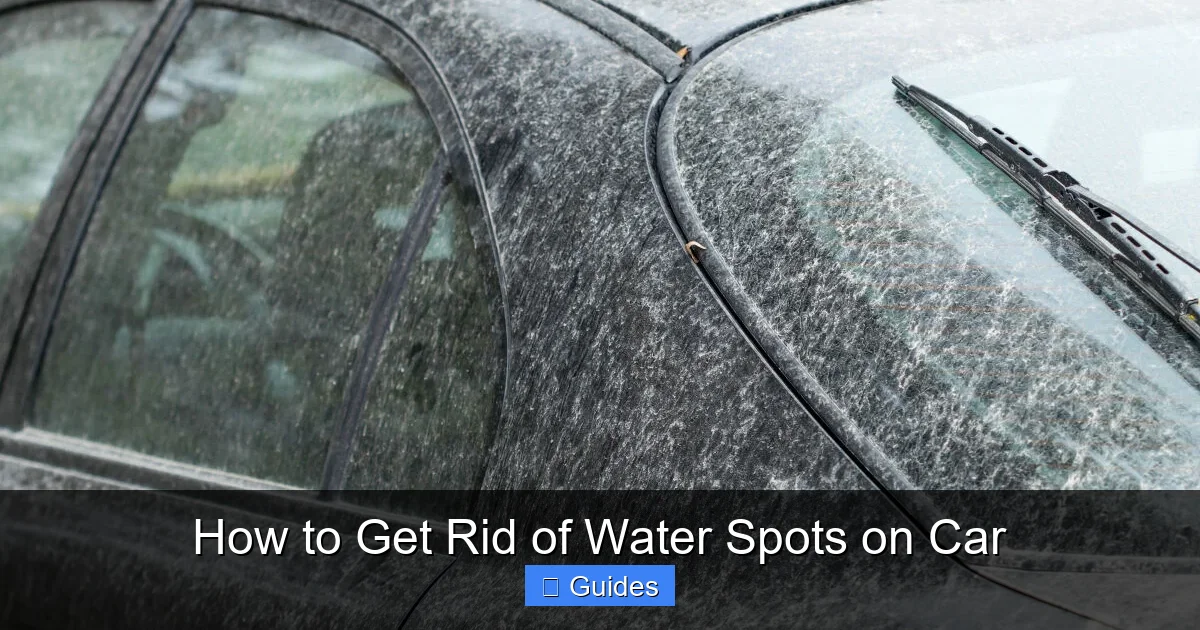
Visual guide about How to Get Rid of Water Spots on Car
Image source: vehiclescene.com
Before you start removing water spots, gather the right tools and products. Using the wrong materials—like abrasive sponges or household cleaners—can scratch your paint or strip protective wax.
Essential Cleaning Supplies
Start with the basics:
– **Microfiber towels**: Use high-quality, lint-free microfiber cloths for wiping and drying. Avoid terry cloth or paper towels, which can leave scratches.
– **pH-neutral car wash soap**: Regular dish soap strips wax and dries out paint. Car-specific soap is gentler and safer.
– **Two buckets**: One for soapy water, one for rinsing your wash mitt. This prevents dirt from being reintroduced to the paint.
– **Wash mitt or sponge**: A soft, plush mitt is ideal for gentle cleaning.
Specialized Tools for Tough Spots
For more stubborn water spots, you’ll need a few extra tools:
– **Clay bar kit**: A detailing clay bar lifts embedded contaminants from the paint surface without scratching. It’s especially effective for light etching.
– **Dual-action polisher**: For deep etching, a polisher with the right pads and compounds can smooth out the clear coat.
– **Polishing compound or swirl remover**: Use a mild abrasive polish to level the surface and restore shine.
– **Vinegar solution**: Mix equal parts white vinegar and distilled water in a spray bottle. Vinegar’s acidity helps dissolve mineral deposits.
Protective Gear and Safety Tips
Always work in a shaded area to prevent the cleaning solution from drying too quickly. Wear gloves to protect your hands, especially when using vinegar or polishing compounds. And never apply pressure with a clay bar or polisher—let the tool do the work to avoid swirl marks.
Step-by-Step Guide to Removing Water Spots
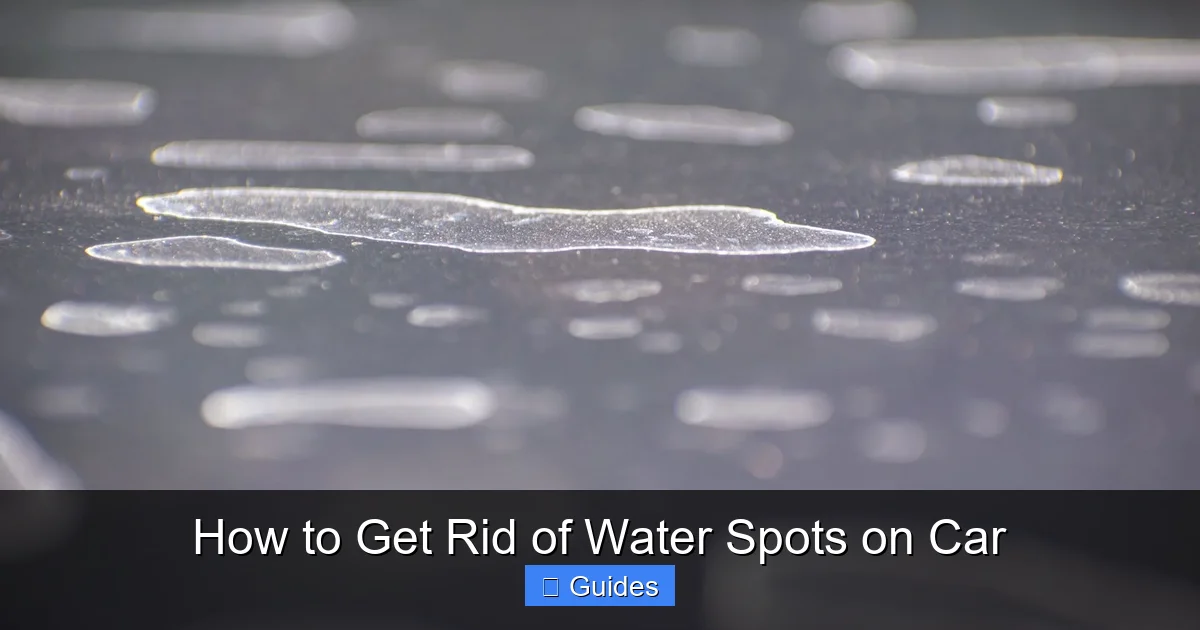
Visual guide about How to Get Rid of Water Spots on Car
Image source: i.pinimg.com
Now that you’re equipped with the right tools, let’s walk through a proven process to remove water spots safely and effectively.
Step 1: Wash Your Car Thoroughly
Start with a proper wash to remove surface dirt and grime. Use your two-bucket method: fill one with soapy water and the other with clean rinse water. Dip your wash mitt into the soapy water, wash one section at a time (e.g., hood, door, fender), then rinse the mitt in the clean bucket before re-dipping. This prevents scratching.
Rinse the car thoroughly with a hose, but don’t let it air dry—this is when water spots form. Instead, move to the next step immediately.
Step 2: Apply Vinegar Solution
Spray the vinegar-water mixture directly onto the affected areas. Let it sit for 1–2 minutes—just long enough to break down the minerals. Don’t let it dry on the surface.
Use a clean microfiber towel to gently wipe the spots in a circular motion. For larger areas, you can use a soft sponge. The vinegar should dissolve the mineral deposits, making them easier to remove.
If the spots are still visible, repeat the process. For very stubborn spots, you can leave the solution on for up to 5 minutes, but always rinse thoroughly afterward.
Step 3: Use a Clay Bar
After washing and vinegar treatment, use a clay bar to remove any remaining contaminants. Spray a clay lubricant (or diluted car wash soap) on a small section of the car, then gently glide the clay bar back and forth.
You’ll feel the clay picking up tiny particles—this is normal. Wipe the area clean with a microfiber towel. Repeat section by section until the entire car feels smooth.
Clay barring is especially effective for light etching and embedded minerals that vinegar alone can’t remove.
Step 4: Polish for Deep Etching
If water spots have etched into the clear coat, polishing is necessary. Apply a small amount of polishing compound to a foam pad attached to your dual-action polisher.
Work in small sections (about 2×2 feet), using slow, overlapping passes. Keep the polisher moving to avoid burning the paint. After polishing, wipe the area with a clean microfiber towel.
For best results, follow up with a finishing polish to restore gloss and clarity.
Step 5: Apply Wax or Sealant
Once the paint is clean and smooth, protect it with a layer of wax or sealant. This creates a hydrophobic barrier that repels water and makes future spotting less likely.
Apply wax by hand or with a foam applicator, let it haze, then buff it off with a clean microfiber towel. For longer-lasting protection, consider a ceramic coating, which can last months or even years.
DIY Home Remedies That Actually Work
You don’t need expensive products to remove water spots. Many household items can do the job safely and effectively.
Vinegar and Water Mix
As mentioned earlier, a 1:1 mix of white vinegar and distilled water is one of the most effective DIY solutions. Vinegar is mildly acidic, which helps dissolve mineral deposits without harming paint.
Tip: Always use distilled water to avoid adding more minerals to the mix.
Baking Soda Paste
For tougher spots, make a paste with baking soda and water. Apply it to the affected area with a soft cloth and gently rub in circular motions. Rinse thoroughly.
Baking soda is a mild abrasive, so use it sparingly and avoid on clear-coated or matte finishes.
Lemon Juice and Olive Oil
Lemon juice has natural acidity similar to vinegar, while olive oil adds shine. Mix equal parts lemon juice and olive oil, apply to the spot, let sit for a few minutes, then wipe clean.
This method works best on light spots and adds a pleasant scent—but avoid using it in direct sunlight, as the oil can attract dirt.
Commercial Water Spot Removers
If DIY methods aren’t enough, consider a commercial water spot remover like Chemical Guys Water Spot Remover or Meguiar’s Water Spot Remover. These are formulated to dissolve minerals quickly and safely.
Always test on a small, inconspicuous area first to ensure compatibility with your paint.
How to Prevent Water Spots from Coming Back
Removing water spots is one thing—keeping them away is another. Prevention is the best long-term strategy.
Dry Your Car After Washing
Never let your car air dry. Use a clean, absorbent microfiber drying towel to wipe down the entire surface immediately after rinsing. Pay extra attention to crevices, mirrors, and door handles where water can pool.
For faster drying, use a leaf blower or compressed air to blow water out of seams and gaps.
Use a Water Softener or Deionized Water
If you have hard water at home, consider installing a water softener or using deionized water for your final rinse. Deionized water has no minerals, so it won’t leave spots when it evaporates.
Many car detailers use deionized water in their rinse systems for spot-free results.
Apply a Protective Coating
Wax, sealants, and ceramic coatings create a protective layer that repels water and makes it harder for minerals to bond to the paint. Reapply wax every 4–6 weeks, or use a ceramic coating for longer protection.
Ceramic coatings can last 6 months to 2 years, depending on the product and maintenance.
Avoid Parking Under Trees or Sprinklers
Tree sap, bird droppings, and sprinkler spray can all contribute to water spots. Park in a garage or covered area when possible. If you must park outside, choose a spot away from sprinkler zones and overhanging branches.
Wash Your Car Regularly
Dirt and grime can trap moisture and accelerate mineral buildup. Wash your car every 1–2 weeks, especially during rainy or humid seasons.
Use the two-bucket method and always dry thoroughly.
When to Call a Professional
Sometimes, water spots are too deep or widespread to handle at home. Here’s when it’s time to seek professional help.
Deep Etching or Clear Coat Damage
If you can feel the spots with your fingernail or see visible pitting, the clear coat may be compromised. A professional detailer can assess the damage and perform paint correction, including compounding and polishing.
Large Surface Areas Affected
If water spots cover most of your car—especially the roof, hood, and trunk—it may be more efficient to have a detailer handle the job. They have industrial-grade tools and experience working on large surfaces.
Lack of Time or Tools
Detailing can be time-consuming. If you don’t have the tools, space, or patience, a professional service can save you hours of work and deliver better results.
Look for certified detailers with good reviews and ask about their water spot removal process before booking.
Maintaining a Spot-Free Shine Year-Round
Keeping your car free of water spots isn’t a one-time fix—it’s an ongoing commitment. But with the right habits, it’s easier than you think.
Create a Detailing Routine
Set a regular schedule for washing, drying, and waxing your car. Even a quick weekly rinse and dry can prevent spots from forming.
Keep a microfiber towel and spray bottle of vinegar solution in your car for quick touch-ups after rain or sprinkler exposure.
Inspect Your Car Regularly
Take a few minutes each week to inspect your car’s paint, especially after rain or washing. Early detection makes removal much easier.
Look for cloudy spots, rough textures, or discoloration—these are signs of water spots in the making.
Invest in Quality Products
Don’t skimp on car care products. High-quality waxes, sealants, and cleaning tools last longer and work better. Think of it as an investment in your car’s appearance and value.
Educate Yourself
Stay informed about new products and techniques. Follow car care blogs, watch detailing videos, and join online communities to learn from experts and other car enthusiasts.
The more you know, the better you can protect your vehicle.
Conclusion
Water spots on your car might seem like a minor annoyance, but they can quickly become a major problem if ignored. From light surface marks to deep etching, these mineral deposits can dull your paint, reduce resale value, and even lead to long-term damage.
The good news is that with the right knowledge and tools, you can remove water spots safely and effectively—and prevent them from coming back. Start by identifying the type of spot, use gentle cleaning methods like vinegar and clay bars, and finish with a protective wax or sealant. For stubborn cases, don’t hesitate to call in a professional.
Most importantly, make prevention a habit. Dry your car after every wash, avoid hard water when possible, and apply a protective coating regularly. With consistent care, your car will stay spotless, shiny, and looking its best for years to come.
Remember: a little effort now saves a lot of hassle later. So grab your microfiber towel, mix up that vinegar solution, and give your car the care it deserves.
Frequently Asked Questions
Can water spots damage my car’s paint?
Yes, if left untreated, water spots can etch into the clear coat and cause permanent damage. The minerals in hard water react with the paint, especially under heat, leading to dullness and texture changes.
Will vinegar harm my car’s paint?
No, when diluted properly (1:1 with distilled water), white vinegar is safe for car paint. It’s mildly acidic and effective at dissolving mineral deposits without stripping wax or damaging the clear coat.
How often should I wax my car to prevent water spots?
For best results, wax your car every 4–6 weeks. If you live in a humid or hard water area, consider using a ceramic coating, which offers longer-lasting protection.
Can I use a clay bar on windows?
Yes, clay bars are safe for glass and can remove water spots, tree sap, and other contaminants. Use a dedicated glass lubricant and work in small sections for best results.
Are water spots covered under car insurance?
Generally, no. Water spots are considered cosmetic wear and not damage from an accident or weather event, so they’re not typically covered by standard auto insurance policies.
What’s the difference between wax and sealant?
Wax is natural (often carnauba-based) and provides a warm, deep shine but lasts 4–6 weeks. Sealants are synthetic, last longer (2–3 months), and offer better water repellency and UV protection.

At CarLegit, we believe information should be clear, factual, and genuinely helpful. That’s why every guide, review, and update on our website is created with care, research, and a strong focus on user experience.