
Getting rid of smoke smell in car isn’t just about masking the odor—it’s about deep cleaning and eliminating the source. With the right tools and techniques, you can restore your vehicle’s interior to a fresh, clean state and keep it that way long-term.
In This Article
- 1 Key Takeaways
- 2 📑 Table of Contents
- 3 Why Smoke Smell Lingers in Cars
- 4 Step-by-Step Guide to Removing Smoke Smell
- 5 Using Natural Odor Eliminators
- 6 Professional Solutions and When to Use Them
- 7 Preventing Smoke Smell in the Future
- 8 Conclusion
- 9 Frequently Asked Questions
- 9.1 How long does it take to remove smoke smell from a car?
- 9.2 Can air fresheners really eliminate smoke smell?
- 9.3 Is it safe to use vinegar inside a car?
- 9.4 Do ozone generators really work for car odors?
- 9.5 How often should I replace my cabin air filter?
- 9.6 Can I sell a car that still smells like smoke?
Key Takeaways
- Act quickly: The sooner you start cleaning, the easier it is to remove smoke smell before it sets into surfaces.
- Clean all surfaces: Smoke residue clings to upholstery, carpets, vents, and even hard surfaces—don’t skip any area.
- Use the right products: Baking soda, vinegar, activated charcoal, and enzymatic cleaners are proven odor fighters.
- Replace cabin air filter: A dirty filter can recirculate smoke particles—swapping it out makes a big difference.
- Steam cleaning works wonders: Heat and moisture lift embedded odors from fabric and crevices.
- Prevent future odors: Avoid smoking in the car and use air purifiers or odor absorbers regularly.
📑 Table of Contents
Why Smoke Smell Lingers in Cars
If you’ve ever stepped into a car that’s been smoked in, you know how stubborn that smell can be. It’s not just on your clothes—it’s *everywhere*. From the seats to the dashboard, the air vents to the floor mats, smoke particles cling to every surface and seep deep into porous materials. Unlike outdoor air, your car is a closed environment, which means odors get trapped and recycled every time you turn on the AC or heater.
The problem isn’t just the smell itself. Cigarette, cigar, or marijuana smoke leaves behind a sticky residue called tar. This residue contains thousands of chemicals, many of which are odor-producing and difficult to remove. Over time, this buildup becomes harder to eliminate, especially if the car has been smoked in regularly. Even if you’ve stopped smoking in the vehicle, the ghost of that scent can linger for months—or even years—if not treated properly.
Understanding why the smell sticks around is the first step to getting rid of it for good. It’s not enough to spray air freshener and hope for the best. You need a comprehensive approach that targets the source, not just the symptom. That means deep cleaning, using the right products, and sometimes even replacing parts like the cabin air filter. But don’t worry—this isn’t a job only professionals can handle. With a little time, effort, and the right know-how, you can restore your car to a fresh, smoke-free state.
Step-by-Step Guide to Removing Smoke Smell
Visual guide about How to Get Rid of Smoke Smell in Car
Image source: carxplorer.com
Getting rid of smoke smell in your car takes more than a quick vacuum and a spritz of Febreze. It requires a methodical, step-by-step process that tackles every part of the interior. Think of it like spring cleaning—but for your car. The key is to be thorough and patient. Rushing through the process will only leave behind hidden odors that resurface later.
Start by removing all personal items from the car. Take out floor mats, seat covers, trash, and anything else that might be harboring smoke particles. This gives you full access to every surface and prevents cross-contamination. Next, open all the doors and windows to let fresh air circulate for at least 15–20 minutes. This helps push out stale, smoky air and gives you a clean slate to work with.
Now, begin with a thorough vacuuming. Use a vacuum with a crevice tool and upholstery attachment to clean seats, carpets, floor mats, and even the gaps between seats and consoles. Pay special attention to areas where ash or butts may have fallen—these are hotspots for odor. Don’t forget the trunk! Smoke can travel there too, especially if items were stored after being exposed to smoke.
After vacuuming, it’s time to clean all surfaces. Wipe down hard surfaces like the dashboard, door panels, steering wheel, and center console with a microfiber cloth and an all-purpose cleaner. For tougher grime, mix equal parts white vinegar and water in a spray bottle. Vinegar is a natural deodorizer and cuts through sticky residue without leaving a strong smell behind. Spray lightly and wipe clean—avoid soaking electronics or sensitive areas.
For fabric seats and carpets, consider using a steam cleaner. The heat and moisture penetrate deep into fibers, lifting out embedded odors and residues. If you don’t own a steam cleaner, many rental services offer affordable daily rates. Alternatively, you can use a fabric cleaner designed for cars, applied with a soft brush and rinsed with a damp cloth.
Finally, don’t skip the air vents. Use a can of compressed air to blow out dust and debris, then wipe the slats with a vinegar-water solution on a cotton swab or soft brush. This ensures that when you turn on the AC or heater, you’re not blowing smoky air back into the cabin.
Deep Cleaning Upholstery and Carpets
Upholstery and carpets are the biggest culprits when it comes to holding onto smoke smell. These materials are porous, meaning they absorb odors like a sponge. Even after surface cleaning, the smell can linger deep within the fibers. That’s why deep cleaning is essential.
Start by sprinkling baking soda liberally over all fabric surfaces—seats, carpets, floor mats, and even the trunk if it has carpeting. Baking soda is a natural odor absorber and works best when left to sit for several hours, or even overnight. For maximum effectiveness, use a soft-bristled brush to work the baking soda into the fabric, especially in high-traffic areas like the driver’s seat.
After the baking soda has done its job, vacuum it up thoroughly. You’ll likely notice a significant reduction in odor already. But if the smell persists, it’s time to bring in the big guns: an enzymatic cleaner. These cleaners contain bacteria that break down organic compounds—like those found in smoke residue—at a molecular level. They’re especially effective for eliminating stubborn odors that regular cleaners can’t touch.
Apply the enzymatic cleaner according to the manufacturer’s instructions. Most require you to spray it on, let it sit for 10–15 minutes, then blot or wipe away. Avoid over-wetting the fabric, as excess moisture can lead to mold or mildew. If you’re dealing with leather seats, use a leather-specific cleaner and conditioner afterward to restore moisture and prevent cracking.
For an extra boost, consider using a portable ozone generator. Ozone molecules react with odor-causing compounds and neutralize them. However, ozone can be harmful to humans and pets, so always use it in a well-ventilated area and never stay in the car during treatment. Run the generator for 30–60 minutes, then air out the car for at least an hour before re-entering.
Cleaning Hard Surfaces and Vents
While fabric gets most of the attention, hard surfaces like the dashboard, door panels, and center console also collect smoke residue. Over time, this buildup can contribute to the lingering smell, especially when the car heats up in the sun. Cleaning these areas thoroughly is a crucial part of the process.
Begin by dusting all surfaces with a microfiber cloth to remove loose debris. Then, mix a solution of one part white vinegar to one part water in a spray bottle. Vinegar is a natural disinfectant and deodorizer that cuts through grease and tar without leaving a chemical smell. Lightly spray the solution onto the surfaces and wipe with a clean cloth. For tight spaces like air vents, use a cotton swab or an old toothbrush dipped in the vinegar solution to get into the crevices.
Don’t forget the steering wheel, gear shift, and cup holders—these high-touch areas often have the most residue. For sticky spots, apply a small amount of rubbing alcohol to a cloth and gently scrub. Alcohol evaporates quickly and helps dissolve tar without damaging most surfaces.
Air vents are often overlooked but can be major sources of odor. When you turn on the AC or heater, smoky air gets recirculated through the vents, reintroducing the smell into the cabin. To clean them, start by turning on the fan to its highest setting with the AC off. This helps dislodge dust and debris. Then, use a can of compressed air to blow out the vents from the outside. For deeper cleaning, remove the vent covers (if possible) and soak them in warm, soapy water. Scrub with a soft brush, rinse, and let dry completely before reattaching.
Using Natural Odor Eliminators
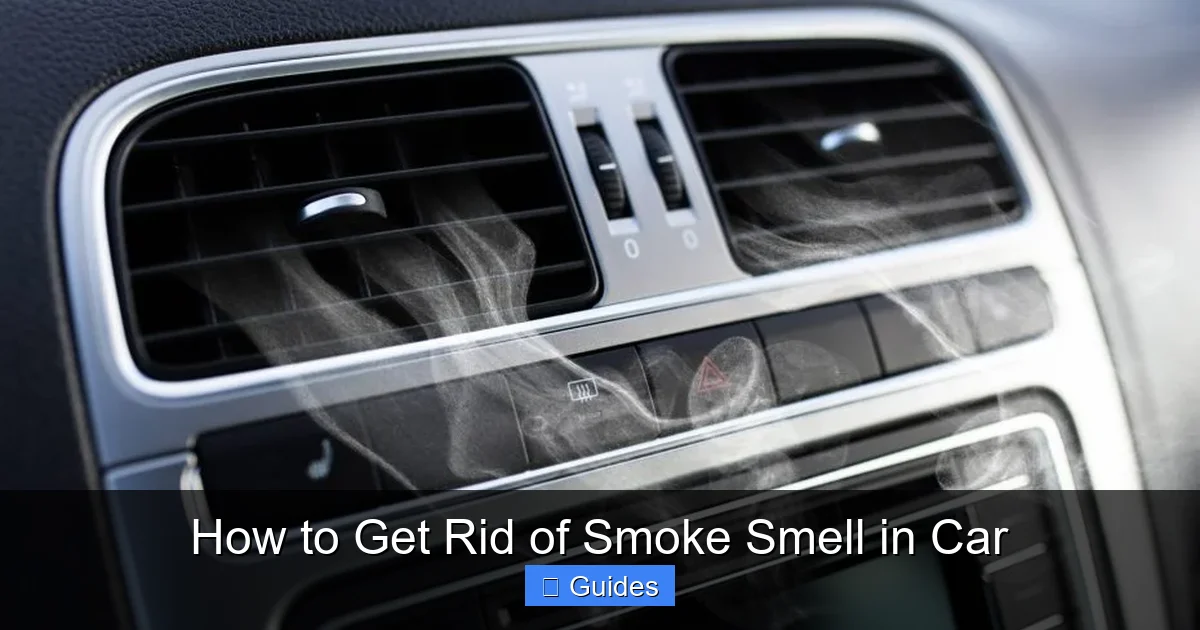
Visual guide about How to Get Rid of Smoke Smell in Car
Image source: blog.halfords.com
If you prefer to avoid harsh chemicals, there are several natural solutions that can effectively neutralize smoke smell. These options are not only eco-friendly but also safe for families and pets. The best part? Most of them are already in your kitchen.
Baking soda is one of the most powerful natural odor absorbers. As mentioned earlier, sprinkling it on carpets and upholstery and letting it sit overnight can work wonders. But you can also use it in other ways. Place open boxes of baking soda in the car—under the seats, in the trunk, or on the dashboard (covered to avoid spills). Replace them every few days until the smell is gone.
White vinegar is another household staple with strong deodorizing properties. Fill a small bowl with vinegar and place it in the car overnight. The vinegar will absorb odors from the air. You can also mix vinegar with water in a spray bottle and lightly mist the interior—just avoid spraying directly on electronics or leather.
Activated charcoal is another excellent option. Available in bags or loose form, activated charcoal traps odor molecules in its porous structure. Place a few charcoal bags around the car and leave them for several days. They’re reusable—just place them in direct sunlight for a few hours to recharge.
Coffee grounds are a surprising but effective odor neutralizer. The strong aroma of coffee can mask smoke smell, but more importantly, the grounds absorb odors. Place a bowl of dry, used coffee grounds in the car and leave it for 24–48 hours. Replace as needed.
For a fresh scent without synthetic fragrances, try essential oils. Add a few drops of lemon, eucalyptus, or tea tree oil to a cotton ball and place it in a small dish in the car. These oils not only smell great but also have antimicrobial properties that help eliminate odor-causing bacteria.
Professional Solutions and When to Use Them
Visual guide about How to Get Rid of Smoke Smell in Car
Image source: servicemastersanfrancisco.com
Sometimes, despite your best efforts, the smoke smell just won’t go away. That’s when it’s time to consider professional help. Professional detailers have access to industrial-grade equipment and cleaning solutions that go far beyond what you can do at home.
One of the most effective professional treatments is ozone treatment. As mentioned earlier, ozone generators produce ozone gas that neutralizes odors at the molecular level. Professional detailers use high-output machines and follow strict safety protocols to ensure the car is safe to enter afterward. This method is especially effective for cars with heavy smoke exposure or those that have been smoked in for years.
Another option is thermal fogging. This process uses a fogging machine to disperse a fine mist of odor counteractant throughout the car. The fog penetrates deep into fabrics, vents, and other hard-to-reach areas, neutralizing odors from the inside out. It’s often used in fire restoration but works well for smoke-damaged vehicles too.
If the smell persists even after professional cleaning, it may be time to consider replacing certain parts. The cabin air filter is a common culprit—it traps dust, pollen, and smoke particles, and over time, it can become saturated with odor. Replacing it with a new, high-quality filter can make a noticeable difference. In extreme cases, you may need to replace seat upholstery, carpeting, or even the headliner, as these materials can become permanently stained and odorous.
Preventing Smoke Smell in the Future
Once you’ve successfully eliminated the smoke smell, the last thing you want is for it to come back. Prevention is key to maintaining a fresh-smelling car. The most effective way to prevent smoke odor is simple: don’t smoke in the car. Even occasional smoking can leave behind residue that builds up over time.
If you must smoke, do it with the windows fully open and avoid smoking while the AC or heater is running—this prevents smoke from being pulled into the ventilation system. Use an ashtray and empty it immediately after use. Consider using a car-specific air purifier with a HEPA filter and activated carbon. These devices continuously clean the air and can help reduce odor buildup.
Regular cleaning is also important. Vacuum the interior weekly, wipe down surfaces monthly, and use odor absorbers like baking soda or charcoal bags periodically. If you notice any new smells, address them right away before they become embedded.
Finally, be mindful of what you bring into the car. Items like clothes, bags, or gear that have been exposed to smoke can transfer the odor to your vehicle. Store these items in sealed containers or air them out before placing them in the car.
Conclusion
Getting rid of smoke smell in your car is a challenge, but it’s absolutely achievable with the right approach. It’s not just about covering up the odor—it’s about deep cleaning every surface, using effective odor eliminators, and taking steps to prevent the problem from returning. Whether you’re dealing with a used car you just bought or trying to restore your own vehicle after quitting smoking, the process requires patience and persistence.
Start with a thorough cleaning of all surfaces, from upholstery to air vents. Use natural solutions like baking soda and vinegar, or invest in enzymatic cleaners for tougher jobs. Don’t forget to replace the cabin air filter and consider professional treatments if the smell persists. And most importantly, avoid smoking in the car going forward.
With these tips, you can enjoy a fresh, clean-smelling car that feels like new. Your passengers will appreciate it, and so will your sense of pride every time you slide into the driver’s seat.
Frequently Asked Questions
How long does it take to remove smoke smell from a car?
The time it takes to get rid of smoke smell in a car depends on the severity of the odor and the methods used. Light exposure may take a few days of cleaning, while heavy, long-term smoke damage could take several weeks or require professional treatment.
Can air fresheners really eliminate smoke smell?
Air fresheners only mask the odor temporarily—they don’t remove the source. For lasting results, you need to clean surfaces, use odor absorbers, and address the ventilation system.
Is it safe to use vinegar inside a car?
Yes, diluted white vinegar is safe for most car interiors. Avoid using it on leather without conditioning afterward, and never spray it directly on electronics.
Do ozone generators really work for car odors?
Ozone generators can be very effective at neutralizing smoke smell, but they must be used with caution. Never stay in the car during treatment, and always air it out thoroughly afterward.
How often should I replace my cabin air filter?
It’s recommended to replace the cabin air filter every 12,000 to 15,000 miles, or once a year. If you’ve had smoke exposure, replace it immediately as part of the odor removal process.
Can I sell a car that still smells like smoke?
While you can sell it, a lingering smoke smell can significantly reduce the car’s value and deter buyers. Investing in odor removal before selling will help you get a better price and faster sale.

At CarLegit, we believe information should be clear, factual, and genuinely helpful. That’s why every guide, review, and update on our website is created with care, research, and a strong focus on user experience.