

Parking your car in direct sun can turn it into an oven, damaging interiors and making drives uncomfortable. This guide shares practical, science-backed strategies to keep your car cool, from sunshades and window tints to smart parking and ventilation tricks.
In This Article
- 1 Key Takeaways
- 2 📑 Table of Contents
- 3 Why Keeping Your Car Cool in Direct Sun Matters
- 4 Use a Windshield Sunshade: Your First Line of Defense
- 5 Crack Your Windows: Let the Hot Air Escape
- 6 Park Smart: Choose Shade and Use Car Covers
- 7 Upgrade with Window Tinting and Reflective Films
- 8 Use Seat Covers and Interior Accessories
- 9 Pre-Cool Your Car Before Driving
- 10 Long-Term Tips for Heat Protection
- 11 Conclusion
- 12 Frequently Asked Questions
- 12.1 How much cooler can a sunshade make my car?
- 12.2 Is it safe to leave windows cracked when parked?
- 12.3 Does window tint really help keep a car cool?
- 12.4 Can I use a regular blanket as a car cover?
- 12.5 How long does it take for a car to cool down after being in the sun?
- 12.6 Are solar-powered car fans worth it?
Key Takeaways
- Use a windshield sunshade: Reflects up to 99% of solar energy, reducing interior temps by up to 40°F.
- Crack windows slightly: Allows hot air to escape and improves airflow without compromising security.
- Park in the shade or use a car cover: Blocks direct sunlight and protects paint, upholstery, and electronics.
- Install window tinting: Reduces heat gain and UV exposure while enhancing privacy.
- Use reflective seat covers or cushions: Prevents seats from becoming dangerously hot and protects leather or fabric.
- Pre-cool your car before driving: Run the AC with windows down for 30–60 seconds to flush out hot air.
- Avoid heat-trapping materials: Dark interiors absorb more heat—opt for light colors when possible.
📑 Table of Contents
- Why Keeping Your Car Cool in Direct Sun Matters
- Use a Windshield Sunshade: Your First Line of Defense
- Crack Your Windows: Let the Hot Air Escape
- Park Smart: Choose Shade and Use Car Covers
- Upgrade with Window Tinting and Reflective Films
- Use Seat Covers and Interior Accessories
- Pre-Cool Your Car Before Driving
- Long-Term Tips for Heat Protection
- Conclusion
Why Keeping Your Car Cool in Direct Sun Matters
Imagine stepping into your car after it’s been parked in direct sunlight for just an hour. The steering wheel burns your hands, the seats scorch your legs, and the air feels thick and suffocating. That’s not just uncomfortable—it’s dangerous. Interior temperatures in parked cars can soar to 140°F (60°C) or higher, even on mild 70°F (21°C) days. This extreme heat doesn’t just make driving unpleasant; it can damage your vehicle’s interior, degrade electronics, and even pose health risks like heatstroke, especially for children or pets left inside—even briefly.
The problem isn’t just about comfort. Prolonged exposure to high heat can warp dashboard materials, crack leather seats, fade upholstery, and shorten the lifespan of your car’s battery and infotainment system. Plus, the buildup of heat increases the load on your air conditioning, reducing fuel efficiency and wearing out the compressor faster. Fortunately, with a few smart habits and affordable tools, you can dramatically reduce interior temperatures and protect your car from sun damage. This guide will walk you through the most effective, science-backed methods to keep your car cool parked in direct sun—no matter where you are.
Use a Windshield Sunshade: Your First Line of Defense
One of the simplest and most effective ways to keep your car cool is by using a windshield sunshade. These reflective barriers block sunlight from entering through the front windshield, which is often the largest source of heat gain. Studies show that a quality sunshade can reduce interior temperatures by up to 40°F (22°C) compared to a car without one.
Visual guide about How to Keep Car Cool Parked in Direct Sunk
Image source: carxplorer.com
How Sunshades Work
Sunshades are typically made from reflective Mylar or aluminum-coated fabric that bounces solar radiation away from the car. When placed inside the windshield, they prevent UV rays and infrared heat from penetrating the glass and heating up the dashboard, seats, and cabin air. Unlike tinting, which only reduces heat slightly, a sunshade actively reflects sunlight before it enters the vehicle.
Types of Sunshades to Consider
- Reflective foldable shades: Lightweight and easy to store, these are ideal for daily use. Look for ones with a bubble-foam core for added insulation.
- Custom-fit shades: Designed for specific car models, they offer better coverage and stay in place more securely.
- Magnetic or suction cup shades: These attach directly to the windshield and are great for quick setup and removal.
- Roller shades: Mounted on the inside of the windshield, they roll down like a window blind and are perfect for frequent use.
Pro Tips for Maximum Effectiveness
For best results, always use your sunshade when parking in direct sun—even for short stops. Combine it with side window shades for full coverage. Store it in the back seat or trunk to avoid leaving it in the hot cabin when not in use. And remember: a sunshade works best when it’s fully deployed and covers the entire windshield without gaps.
Crack Your Windows: Let the Hot Air Escape
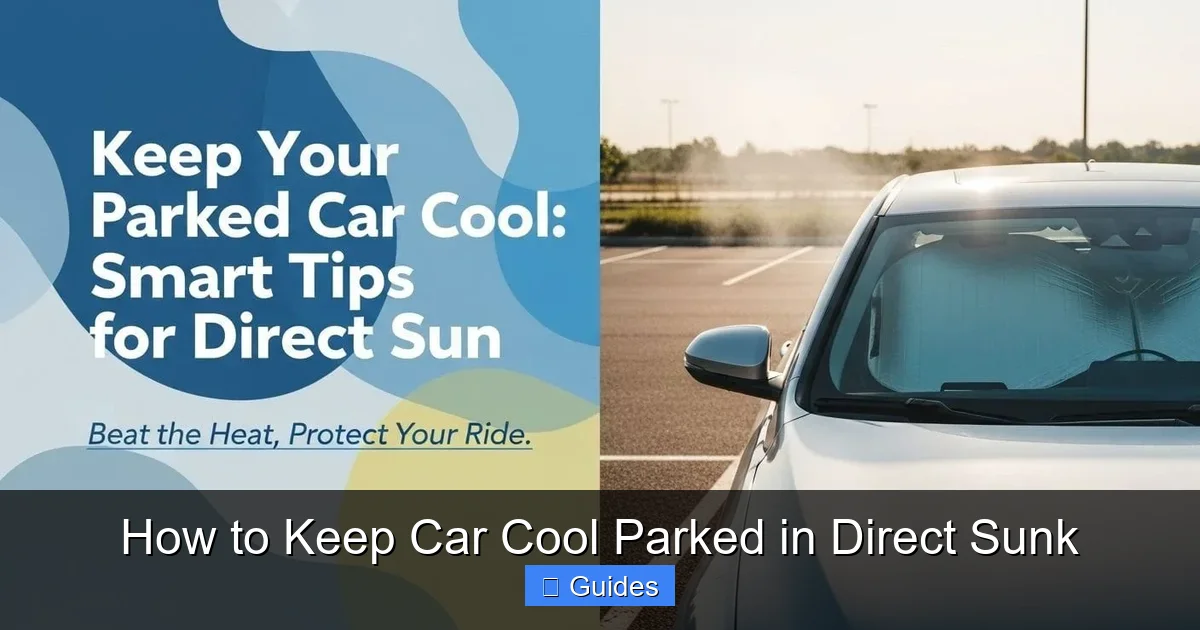
You’ve probably heard the advice: “Just crack the windows a little to let the heat out.” But does it really work? Yes—when done correctly. Leaving your windows slightly open (about ¼ to ½ inch) allows hot air to rise and escape, creating a natural convection current that pulls cooler air in from lower areas. This simple trick can lower interior temps by 10–15°F (5–8°C).
Visual guide about How to Keep Car Cool Parked in Direct Sunk
Image source: carxplorer.com
How Ventilation Reduces Heat Buildup
Heat rises, and in a sealed car, it gets trapped. By cracking the windows, you create a small opening for hot air to exit. As the hot air escapes, cooler air from outside flows in, reducing the overall temperature. This process is called passive ventilation and is especially effective on sunny, breezy days.
Safety and Security Considerations
While cracking windows helps, it’s important to balance ventilation with security. Never leave windows open more than ½ inch in urban areas or unattended vehicles, as this can invite theft or tampering. If you’re concerned about rain, use rain guards or choose a parking spot under a roof or tree. Some modern cars also have remote start with climate control, allowing you to pre-cool the cabin without leaving windows open.
When to Use This Method
Cracking windows works best for short-term parking (under 2 hours) in safe locations. It’s less effective in humid climates where outside air is already hot. For longer parking, combine this with other cooling methods like sunshades or car covers.
Park Smart: Choose Shade and Use Car Covers
Where you park makes a huge difference in how hot your car gets. A few minutes spent finding shade can save you 20°F (11°C) or more in interior temperature. But what if shade isn’t available? That’s where car covers come in.
Visual guide about How to Keep Car Cool Parked in Direct Sunk
Image source: m.media-amazon.com
Seek Natural and Artificial Shade
Whenever possible, park under trees, awnings, garages, or buildings. Even partial shade can reduce heat buildup significantly. If you’re at a shopping center or office, look for shaded spots near structures or in the “afternoon shadow” of tall buildings. Use apps like Sun Seeker or Google Maps to identify shaded areas in advance.
Use a Reflective Car Cover
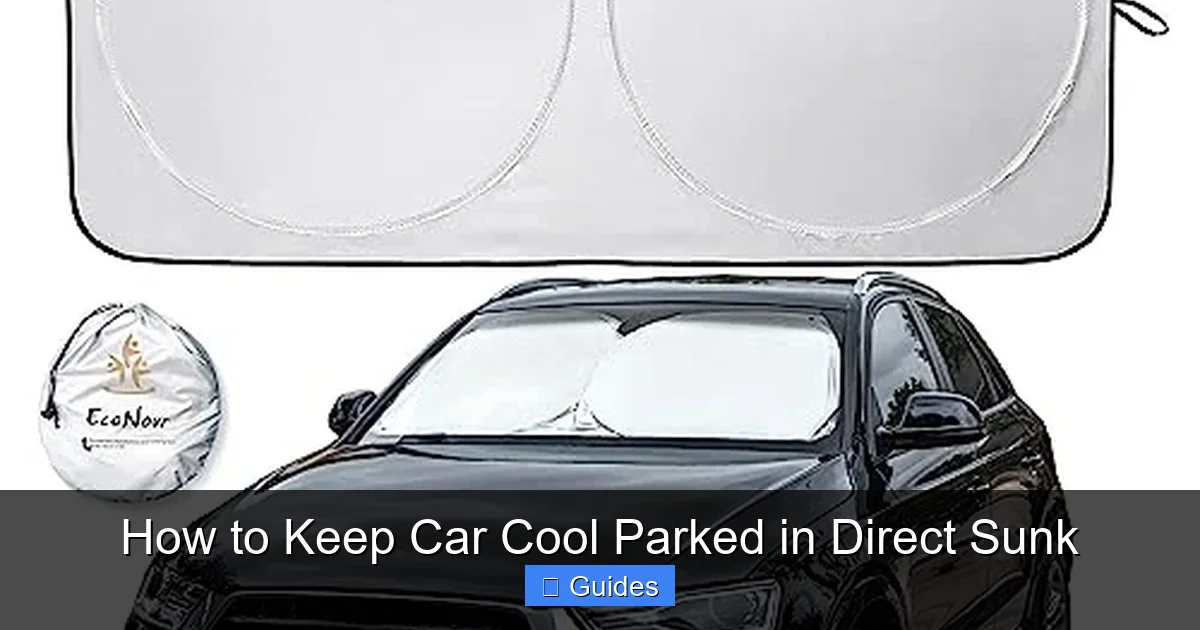
When shade isn’t an option, a reflective car cover acts like a giant sunshade for your entire vehicle. These covers are made from aluminized fabric that reflects sunlight and insulates the car’s surface. They’re especially useful for long-term parking, such as at airports or during summer vacations.
Choosing the Right Car Cover
- Material: Look for UV-resistant, breathable fabrics like polyester with a reflective coating.
- Fit: Choose a cover designed for your car’s make and model to ensure full coverage.
- Features: Opt for covers with elastic hems, tie-down straps, and soft inner linings to prevent scratches.
- Portability: Foldable covers are easier to store and reuse.
Bonus Tip: Use a Garage or Carport
If you have access to a garage or carport, use it! These structures block direct sunlight and reduce ambient heat. Even an unheated garage can keep your car 20–30°F cooler than outside.
Upgrade with Window Tinting and Reflective Films
Window tinting isn’t just for privacy or style—it’s a powerful tool for heat reduction. High-quality tint can block up to 60% of solar heat and 99% of UV rays, making your car more comfortable and protecting its interior.
How Window Tint Works
Modern window films contain microscopic layers of metal, ceramic, or carbon that absorb or reflect infrared and UV radiation. Unlike older dyes that fade and bubble, today’s tints are durable and long-lasting. Ceramic and carbon tints are especially effective at rejecting heat without interfering with radio signals or GPS.
Types of Window Tint
- Dyed tint: Affordable and reduces glare, but less effective at heat rejection.
- Metalized tint: Contains metal particles that reflect heat; may interfere with electronic signals.
- Carbon tint: Non-reflective, blocks infrared heat, and doesn’t fade.
- Ceramic tint: Premium option with superior heat rejection, clarity, and durability.
Legal Considerations
Window tinting laws vary by state and country. In the U.S., most states limit how dark you can tint front side windows (usually 35–70% VLT—visible light transmission). Rear windows and windshields often have more flexibility. Always check local regulations before installation.
Professional vs. DIY Installation
While DIY kits are available, professional installation ensures a bubble-free, long-lasting result. A certified installer can also recommend the best tint for your climate and vehicle.
Use Seat Covers and Interior Accessories
Even with sunshades and tinting, seats and steering wheels can still get dangerously hot. That’s where seat covers and other interior accessories come in.
Reflective Seat Covers
Light-colored or reflective seat covers bounce sunlight away, preventing seats from absorbing heat. They’re especially useful for leather or dark fabric seats, which can reach 150°F (65°C) or more. Look for covers made from breathable, UV-resistant materials like mesh or microfiber with a reflective backing.
Steering Wheel Covers
A simple steering wheel cover can prevent burns and protect the wheel’s surface. Choose one with a reflective surface and a secure fit. Some even attach with magnets for easy use.
Cooling Cushions and Mats
Gel or ventilated seat cushions can make long drives more comfortable, especially if your car has been sitting in the sun. These cushions stay cool to the touch and reduce sweat buildup.
Dashboard Protectors
Use a dashboard cover or mat to shield the surface from UV damage. These accessories prevent cracking, fading, and warping, and some even have reflective properties to reduce heat absorption.
Pre-Cool Your Car Before Driving
The moment you step into a hot car, your first instinct might be to blast the AC. But that’s inefficient and hard on your vehicle. Instead, use a pre-cooling strategy to cool the cabin faster and more effectively.
The 60-Second Flush Method
Before turning on the AC, open all doors and windows and let the hot air escape for 30–60 seconds. Then, drive with the windows down and the AC on fresh air mode for another minute. This flushes out the hottest air and allows the AC to work more efficiently.
Use Remote Start (If Available)
Many modern cars come with remote start systems that let you start the engine and activate the AC from a distance. Use this feature 5–10 minutes before you plan to drive. The cabin will be cooler and more comfortable when you arrive.
Park Facing East
When parking for the day, try to position your car so the front faces east. This minimizes direct sun exposure on the windshield during the hottest part of the day (afternoon), reducing heat buildup.
Avoid Heat Traps
Remove heat-absorbing items like dark backpacks, electronics, or plastic containers from the cabin. These items can get extremely hot and release harmful fumes. Store them in the trunk or take them with you.
Long-Term Tips for Heat Protection
Beyond daily habits, consider long-term upgrades to keep your car cool and protected year-round.
Install a Solar-Powered Ventilation Fan
These small fans attach to your window and use solar energy to circulate air, reducing interior temps by up to 30°F (17°C). They’re eco-friendly and require no wiring.
Upgrade to Light-Colored Interior
If you’re buying a new car or reupholstering, choose light-colored seats, dashboards, and carpets. Light colors reflect sunlight, while dark colors absorb it. Even a light gray interior can stay 15–20°F cooler than black.
Regular Maintenance
Keep your AC system in top shape with regular servicing. Replace cabin air filters, check refrigerant levels, and ensure vents are unobstructed. A well-maintained AC cools faster and uses less fuel.
Use a Timer or Smart Plug for Accessories
If you use a car cooler or fan, plug it into a smart plug with a timer. Set it to turn on 10 minutes before you usually leave, so the cabin is cool when you arrive.
Conclusion
Keeping your car cool parked in direct sun doesn’t require expensive gadgets or complicated systems. With a few smart habits—like using a sunshade, cracking windows, parking in shade, and pre-cooling—you can dramatically reduce interior temperatures and protect your vehicle from heat damage. Combine these strategies with upgrades like window tinting, seat covers, and solar fans for even better results. Remember, every degree counts when it comes to comfort, safety, and longevity. Start with one or two tips today, and soon you’ll wonder how you ever drove without them. Your car—and your comfort—will thank you.
Frequently Asked Questions
How much cooler can a sunshade make my car?
A quality windshield sunshade can reduce interior temperatures by up to 40°F (22°C) compared to a car without one. It works by reflecting sunlight before it enters the cabin.
Is it safe to leave windows cracked when parked?
Yes, if done properly. Crack windows no more than ½ inch in safe areas to allow hot air to escape without compromising security. Avoid this in high-crime or rainy locations.
Does window tint really help keep a car cool?
Yes. High-quality tint can block up to 60% of solar heat and 99% of UV rays, significantly reducing interior temperatures and protecting the cabin from sun damage.
Can I use a regular blanket as a car cover?
Not recommended. Regular blankets absorb heat and can scratch paint. Use a reflective, breathable car cover designed for sun protection.
How long does it take for a car to cool down after being in the sun?
With the AC on and windows down, most cars cool noticeably within 2–3 minutes. Full comfort may take 5–10 minutes, depending on outside temperature and AC efficiency.
Are solar-powered car fans worth it?
Yes, especially for long-term parking. They use solar energy to circulate air, reducing interior temps by up to 30°F (17°C) and are eco-friendly and low-maintenance.

At CarLegit, we believe information should be clear, factual, and genuinely helpful. That’s why every guide, review, and update on our website is created with care, research, and a strong focus on user experience.