

Replacing your car’s cabin air filter regularly ensures cleaner air inside your vehicle, boosts HVAC efficiency, and protects you from allergens and pollutants. Most experts recommend changing it every 12,000 to 15,000 miles or once a year—whichever comes first.
In This Article
- 1 Key Takeaways
- 2 📑 Table of Contents
- 3 Why the Cabin Air Filter Matters More Than You Think
- 4 How Often Should You Replace Your Cabin Air Filter?
- 5 Signs It’s Time to Replace Your Cabin Air Filter
- 6 Types of Cabin Air Filters and What to Choose
- 7 How to Replace Your Cabin Air Filter (Step-by-Step)
- 8 Benefits of Regular Cabin Air Filter Replacement
- 9 Conclusion: Don’t Skip This Simple Maintenance Task
- 10 Frequently Asked Questions
- 10.1 How do I know if my cabin air filter needs replacing?
- 10.2 Can I clean and reuse my cabin air filter?
- 10.3 What happens if I never replace the cabin air filter?
- 10.4 Is it safe to drive with a dirty cabin air filter?
- 10.5 Can I replace the cabin air filter myself?
- 10.6 Does a new cabin air filter improve fuel economy?
Key Takeaways
- Replace every 12,000–15,000 miles or annually: This is the standard recommendation for most drivers under normal conditions.
- Check more often in dusty or polluted areas: If you drive frequently on dirt roads or in cities with heavy traffic, inspect every 6,000–8,000 miles.
- Watch for warning signs: Reduced airflow, musty odors, or increased allergy symptoms mean it’s time for a replacement.
- Use high-quality filters: Choose activated carbon or HEPA filters for better odor control and particle filtration.
- DIY replacement is easy and affordable: Most cabin air filters take less than 15 minutes to change and cost between $10 and $30.
- Don’t ignore the filter: A clogged filter strains your HVAC system, reduces fuel efficiency, and compromises air quality.
- Consult your owner’s manual: Your vehicle manufacturer may have specific guidelines based on your car’s make and model.
📑 Table of Contents
- Why the Cabin Air Filter Matters More Than You Think
- How Often Should You Replace Your Cabin Air Filter?
- Signs It’s Time to Replace Your Cabin Air Filter
- Types of Cabin Air Filters and What to Choose
- How to Replace Your Cabin Air Filter (Step-by-Step)
- Benefits of Regular Cabin Air Filter Replacement
- Conclusion: Don’t Skip This Simple Maintenance Task
Why the Cabin Air Filter Matters More Than You Think
You might not see it, but your car’s cabin air filter plays a silent yet crucial role in your daily driving experience. Tucked away behind the glove compartment or under the dashboard, this small component is responsible for cleaning the air that flows into your vehicle’s interior through the heating, ventilation, and air conditioning (HVAC) system. Think of it as your car’s respiratory system—filtering out dust, pollen, exhaust fumes, and other airborne contaminants before they reach your lungs.
Over time, this filter gets clogged with debris. When that happens, not only does the air inside your car become less fresh, but your HVAC system has to work harder to push air through. This can lead to weaker airflow, strange smells, and even reduced fuel efficiency. Worse yet, a dirty filter can become a breeding ground for mold and bacteria, which may cause unpleasant odors or aggravate allergies and asthma.
Many drivers overlook the cabin air filter because it’s out of sight and out of mind. But just like changing your engine oil or rotating your tires, replacing this filter is a simple maintenance task that pays big dividends in comfort, health, and vehicle performance.
How Often Should You Replace Your Cabin Air Filter?
Visual guide about How Often to Replace Cabin Air Filter in Car
Image source: gotire.com
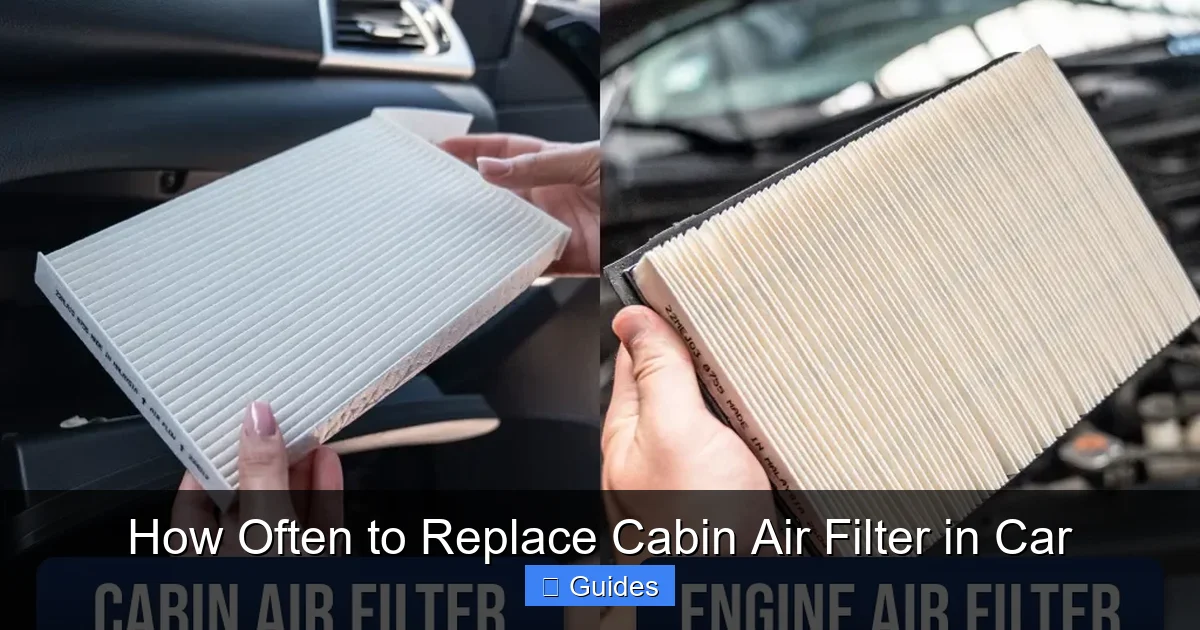
The short answer? Most automotive experts and manufacturers recommend replacing your cabin air filter every 12,000 to 15,000 miles or once a year—whichever comes first. This general guideline works well for drivers in moderate climates who primarily drive on paved roads and in typical urban or suburban environments.
However, “normal” driving conditions can vary widely. If you frequently drive in heavy traffic, live in a dusty rural area, or commute through construction zones, your filter will collect debris faster. In these cases, you may need to replace it every 6,000 to 8,000 miles. Similarly, if you have pets that ride in the car, smoke inside the vehicle, or live in a region with high pollen counts, your filter will get dirty more quickly.
Factors That Affect Replacement Frequency
Several real-world factors can shorten the lifespan of your cabin air filter:
- Driving environment: City driving exposes your car to more exhaust fumes and stop-and-go traffic, which increases pollutant intake. Rural or off-road driving introduces more dust, dirt, and plant matter.
- Seasonal changes: Pollen levels spike in spring and fall, while winter road salt and summer smog can accelerate filter clogging.
- Vehicle usage: If you use your car daily for long commutes, the HVAC system runs more often, pulling in more air—and more contaminants.
- Indoor air quality: Smoking, eating in the car, or transporting pets can introduce additional particles that the filter must trap.
For example, imagine two drivers: one lives in a quiet suburban neighborhood and drives 10,000 miles a year on clean highways. The other lives in a dusty desert town and drives 20,000 miles annually, often on unpaved roads. The second driver will likely need to replace their cabin air filter twice as often—even if both follow the “once a year” rule.
What Your Owner’s Manual Says
Always check your vehicle’s owner’s manual for manufacturer-specific recommendations. Some automakers, like Toyota and Honda, suggest replacing the cabin air filter every 15,000 miles under normal conditions. Others, such as BMW and Mercedes-Benz, may recommend inspections every 10,000 miles with replacement as needed.
Luxury and performance vehicles often come equipped with advanced filtration systems, including activated carbon or multi-stage filters, which may last longer but also cost more to replace. In contrast, economy cars might use basic particulate filters that need more frequent changes.
If you’ve lost your manual, don’t worry—most manufacturers publish digital versions online. A quick search for “[Your Car Make] [Model] [Year] owner’s manual PDF” will usually bring up the official document.
Signs It’s Time to Replace Your Cabin Air Filter
Visual guide about How Often to Replace Cabin Air Filter in Car
Image source: i.sxdrv.com
Even if you’re diligent about mileage-based replacements, it’s smart to watch for physical and performance signs that your filter needs attention. Ignoring these clues can lead to discomfort, health issues, and costly repairs down the line.
Reduced Airflow from Vents
One of the most obvious signs of a clogged cabin air filter is weak airflow from your dashboard vents—even when the fan is set to high. This happens because the filter is so packed with dirt and debris that air can’t pass through easily. You might notice that it takes longer to cool or heat the cabin, or that the air feels “stuffy” despite the system running.
For instance, if you’re driving on a hot summer day and your AC seems to be blowing warm air even after running for several minutes, a dirty filter could be the culprit. The compressor is working, but the restricted airflow prevents effective cooling.
Unpleasant or Musty Odors
A foul smell—especially a damp, moldy, or sour odor—coming from your vents is a red flag. This usually indicates that moisture has built up in the filter, creating an ideal environment for mold and mildew to grow. These microorganisms not only stink but can also trigger allergic reactions or respiratory issues.
This problem is more common in humid climates or if you frequently use the AC without running the fan on high for a few minutes after turning off the engine. The trapped moisture doesn’t have a chance to evaporate, leading to bacterial growth.
Increased Allergy or Asthma Symptoms
If you or your passengers start sneezing, coughing, or experiencing itchy eyes while driving—especially during high-pollen seasons—your cabin air filter may no longer be trapping allergens effectively. A degraded filter allows pollen, dust mites, and other irritants to circulate inside the cabin.
For example, someone with seasonal allergies might notice they feel fine at home but start sniffling as soon as they get in the car. This could mean the filter is saturated and no longer filtering out pollen particles.
Visible Dirt or Debris on the Filter
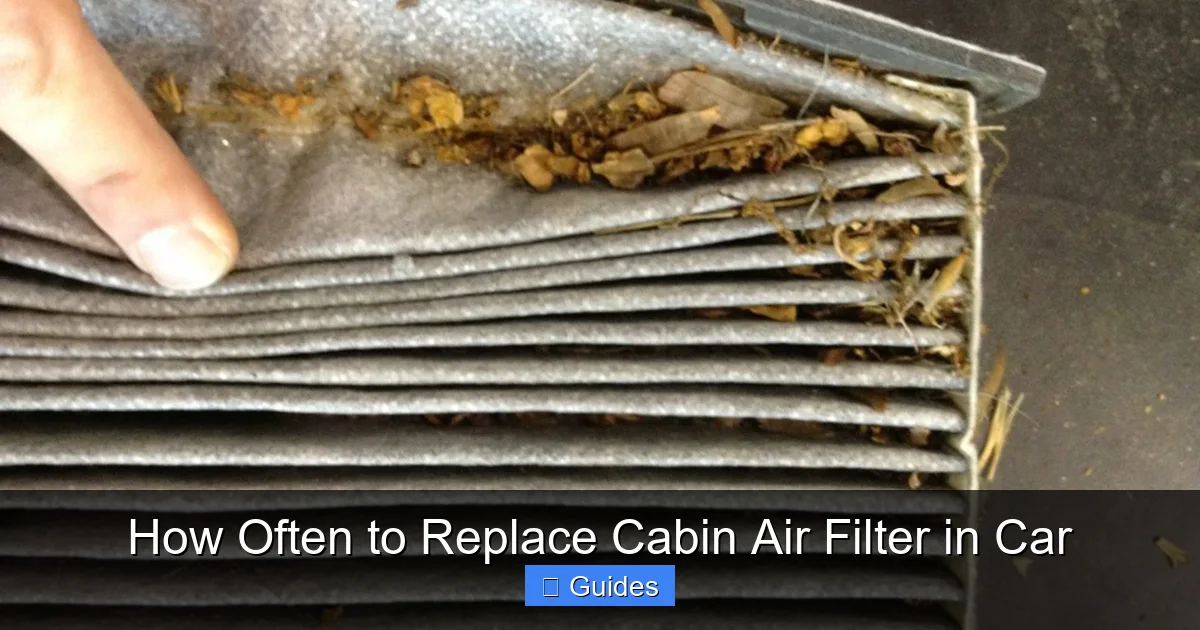
If you’re comfortable checking the filter yourself (more on that later), a visual inspection can reveal a lot. A clean filter should look white or light gray. If it’s dark, clogged with leaves, or covered in a thick layer of dust, it’s definitely time for a replacement.
Some filters even have a “replace by” date stamped on them, which can serve as a helpful reminder.
HVAC System Making Unusual Noises
A struggling HVAC system may produce whining, rattling, or clicking sounds as it tries to push air through a blocked filter. While these noises can also indicate other issues—like a failing blower motor—it’s worth checking the filter first, as it’s the simplest and cheapest fix.
Types of Cabin Air Filters and What to Choose
Visual guide about How Often to Replace Cabin Air Filter in Car
Image source: i.ytimg.com
Not all cabin air filters are created equal. Understanding the different types can help you choose the best one for your needs and driving conditions.
Particulate Filters
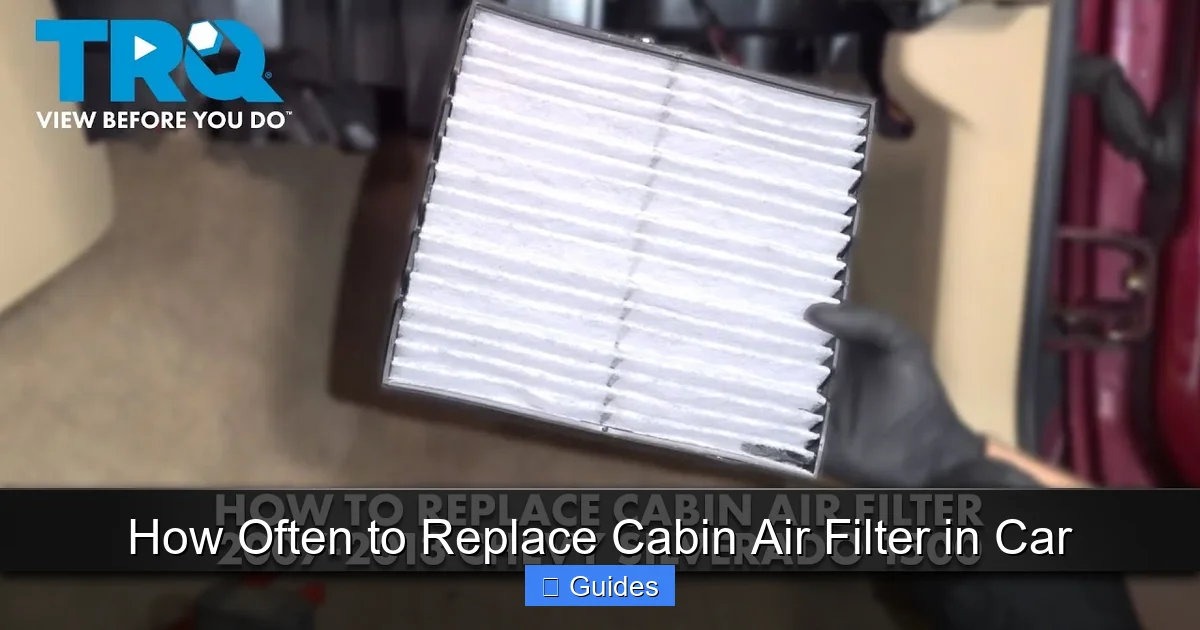
These are the most basic and common type of cabin air filter. Made from pleated paper or synthetic fabric, they capture larger particles like dust, pollen, and soot. They’re affordable—usually between $10 and $20—and effective for everyday use in clean environments.
However, they don’t trap odors or gases, so if you drive in heavy traffic or near industrial areas, you might notice exhaust smells inside the car.
Activated Carbon Filters
Upgrading to an activated carbon filter can make a big difference in air quality. These filters have a layer of carbon that absorbs odors, smoke, and harmful gases like nitrogen dioxide and sulfur dioxide. They’re ideal for city drivers, smokers, or anyone who wants fresher-smelling air.
While they cost more—typically $20 to $35—they offer superior protection and are worth the investment if you spend a lot of time in traffic or have sensitivities to smells.
HEPA Filters
High-Efficiency Particulate Air (HEPA) filters are the gold standard for air filtration. They can capture 99.97% of particles as small as 0.3 microns, including bacteria, viruses, and fine dust. Some luxury vehicles come with HEPA filters standard, but they’re also available as aftermarket upgrades.
Keep in mind that HEPA filters are thicker and may require modifications to fit in some vehicles. They also cost more—$40 to $60 or higher—and may reduce airflow slightly due to their dense construction.
Antimicrobial or Anti-Allergen Filters
These specialized filters are treated with chemicals or coatings that inhibit the growth of mold, bacteria, and allergens. They’re a great choice for people with asthma, allergies, or compromised immune systems.
While they offer added protection, they’re not always necessary for the average driver. If you live in a damp climate or have had mold issues in the past, they’re worth considering.
OEM vs. Aftermarket Filters
Original Equipment Manufacturer (OEM) filters are made by your car’s brand and are guaranteed to fit perfectly. They’re reliable but often more expensive. Aftermarket filters from brands like Fram, K&N, or Bosch can offer similar or better performance at a lower price.
When choosing an aftermarket filter, make sure it’s compatible with your vehicle and meets or exceeds OEM specifications. Reading customer reviews and checking certifications (like ISO standards) can help you make an informed decision.
How to Replace Your Cabin Air Filter (Step-by-Step)
The good news? Replacing your cabin air filter is one of the easiest and most cost-effective car maintenance tasks you can do yourself. Most replacements take less than 15 minutes and require only basic tools—if any.
Step 1: Locate the Filter Housing
The cabin air filter is usually located behind the glove box, under the dashboard on the passenger side, or sometimes under the hood near the windshield. Consult your owner’s manual for the exact location.
In many vehicles, you’ll need to open the glove box and either squeeze the sides to lower it or remove a few screws. Some models have a small access panel that pops off with gentle pressure.
Step 2: Remove the Old Filter
Once you’ve accessed the filter housing, you’ll see a cover or door. Open it carefully—some have clips, others have screws. Slide out the old filter and take note of its orientation (which way it faces). This will help you install the new one correctly.
Inspect the old filter. If it’s black, slimy, or full of leaves, you’ll be glad you replaced it.
Step 3: Clean the Housing (Optional but Recommended)
Before inserting the new filter, use a vacuum or a damp cloth to remove any debris or dust from the housing. This ensures maximum airflow and prevents contaminants from entering the new filter.
Step 4: Install the New Filter
Slide the new filter into place, making sure it’s facing the right direction (most filters have an arrow indicating airflow direction). Close the housing cover securely.
If you removed the glove box, reattach it carefully. Double-check that everything is snug and nothing is blocking the vents.
Step 5: Test the System
Turn on your car and run the HVAC system on high for a few minutes. Listen for unusual noises and feel the airflow. If it’s stronger and smells fresher, you’ve successfully replaced the filter!
Pro Tips for a Smooth Replacement
- Wear gloves and a mask: Old filters can be dirty and may contain mold or allergens.
- Take a photo: Snap a picture of the old filter’s orientation before removing it.
- Buy the right size: Use your vehicle’s make, model, and year to find the correct filter. Online retailers often have fitment tools.
- Keep a spare: Store an extra filter in your trunk or garage so you’re always prepared.
Benefits of Regular Cabin Air Filter Replacement
Replacing your cabin air filter on schedule isn’t just about comfort—it offers real, measurable benefits for your health, vehicle, and wallet.
Improved Air Quality and Health
A clean filter removes up to 99% of airborne contaminants, including pollen, dust, and pollution. This is especially important for people with allergies, asthma, or respiratory conditions. Breathing cleaner air can reduce symptoms and improve overall well-being.
Enhanced HVAC Performance
A clogged filter forces your blower motor to work harder, which can lead to premature wear and higher energy consumption. A new filter restores proper airflow, helping your AC cool faster and your heater warm up more efficiently.
Fuel Efficiency Gains
While the effect is small, a clean HVAC system reduces the load on your engine, especially when the AC is running. Over time, this can contribute to slightly better fuel economy.
Longer System Lifespan
By reducing strain on the blower motor and other components, regular filter changes can extend the life of your HVAC system and prevent costly repairs.
Better Driving Experience
There’s nothing worse than being stuck in traffic with a stuffy, smelly car. A fresh filter ensures you always have clean, odor-free air—making every drive more pleasant.
Conclusion: Don’t Skip This Simple Maintenance Task
Replacing your car’s cabin air filter is a small job with big rewards. It’s affordable, easy to do, and essential for maintaining clean air inside your vehicle. Whether you’re a daily commuter, a weekend road-tripper, or a parent shuttling kids to school, a clean filter ensures you’re breathing the best air possible.
Stick to the 12,000- to 15,000-mile rule, but stay alert to signs that your filter needs attention sooner. Choose the right type of filter for your needs, and don’t hesitate to replace it yourself—it’s one of the simplest ways to care for your car and your health.
Remember: a little prevention goes a long way. By making cabin air filter replacement part of your regular maintenance routine, you’ll enjoy fresher air, better performance, and peace of mind every time you hit the road.
Frequently Asked Questions
How do I know if my cabin air filter needs replacing?
Look for reduced airflow from vents, musty odors, increased allergy symptoms, or visible dirt on the filter. If your AC takes longer to cool or you notice strange smells, it’s likely time for a replacement.
Can I clean and reuse my cabin air filter?
Most cabin air filters are not designed to be cleaned and reused. While some high-end models may be washable, the majority are disposable. Cleaning a standard filter often damages the material and reduces effectiveness.
What happens if I never replace the cabin air filter?
A clogged filter restricts airflow, strains the HVAC system, and allows pollutants to enter the cabin. Over time, this can lead to mold growth, bad odors, reduced fuel efficiency, and potential damage to the blower motor.
Is it safe to drive with a dirty cabin air filter?
Yes, it’s safe in terms of vehicle operation, but it compromises air quality and comfort. You may breathe in more allergens and pollutants, and your HVAC system will work less efficiently.
Can I replace the cabin air filter myself?
Absolutely! Most replacements take 10–15 minutes and require no special tools. Check your owner’s manual for the location, then follow simple steps to remove the old filter and install a new one.
Does a new cabin air filter improve fuel economy?
Indirectly, yes. A clean filter reduces the load on the HVAC system, which can slightly improve fuel efficiency—especially when using the AC. However, the gain is modest and not the primary reason to replace the filter.

At CarLegit, we believe information should be clear, factual, and genuinely helpful. That’s why every guide, review, and update on our website is created with care, research, and a strong focus on user experience.