

Choosing the best paint for rusty metal car surfaces requires more than just a fresh coat—it demands proper preparation and the right rust-inhibiting formula. From epoxy primers to enamel topcoats, the ideal paint system stops corrosion and delivers a durable, professional finish.
If your car has started showing signs of rust—those ugly orange or brown patches creeping along the wheel wells, door edges, or undercarriage—you’re not alone. Rust is one of the most common and frustrating issues car owners face, especially in humid climates or regions with harsh winters where road salt accelerates corrosion. But here’s the good news: with the right approach and the best paint for rusty metal car surfaces, you can stop rust in its tracks and restore your vehicle’s appearance and structural integrity.
The key isn’t just slapping on a coat of paint and hoping for the best. Rust is sneaky—it spreads underneath surfaces, weakens metal, and can lead to costly repairs if ignored. That’s why tackling rust requires a multi-step process: removing the existing rust, treating the metal, applying a protective primer, and finishing with a high-quality topcoat. The paint you choose plays a huge role in how long that repair lasts and how good your car looks afterward.
In this guide, we’ll walk you through everything you need to know about selecting and applying the best paint for rusty metal car parts. Whether you’re fixing a small spot on a fender or restoring an entire classic car, we’ll cover the top products, techniques, and tips used by both DIYers and professionals. By the end, you’ll have the confidence and knowledge to tackle rust like a pro—and keep your car looking sharp for years to come.
In This Article
- 1 Key Takeaways
- 2 📑 Table of Contents
- 3 Understanding Rust and Why It Forms on Cars
- 4 Step-by-Step: Preparing Rusty Metal for Painting
- 5 Top Primers for Rusty Metal: The First Line of Defense
- 6 Best Paint Options for Rusty Metal Car Surfaces
- 7 Application Techniques: Spraying vs. Brushing
- 8 Protecting Your Paint Job: Clear Coats and Maintenance
- 9 Common Mistakes to Avoid
- 10 When to Call a Professional
- 11 Final Thoughts: Choosing the Best Paint for Rusty Metal Car
- 12 Frequently Asked Questions
Key Takeaways
- Surface preparation is critical: You can’t paint over rust—remove it completely with wire brushes, sanders, or chemical treatments before applying any coating.
- Use a rust-inhibiting primer: Epoxy or rust-converting primers create a protective barrier that prevents further oxidation and improves paint adhesion.
- Choose the right topcoat: Enamel, urethane, and acrylic-based paints offer excellent durability and finish quality for automotive metal surfaces.
- Spray application works best: Aerosol cans or HVLP spray guns provide even coverage and professional results compared to brushing or rolling.
- Environmental factors matter: Humidity, temperature, and exposure to salt or moisture affect paint performance—choose products rated for your climate.
- Maintenance extends paint life: Regular washing, waxing, and touch-ups prevent new rust and keep your car looking great for years.
- DIY vs. professional jobs: While many rust repairs are DIY-friendly, severe corrosion may require professional assessment and repair.
📑 Table of Contents
- Understanding Rust and Why It Forms on Cars
- Step-by-Step: Preparing Rusty Metal for Painting
- Top Primers for Rusty Metal: The First Line of Defense
- Best Paint Options for Rusty Metal Car Surfaces
- Application Techniques: Spraying vs. Brushing
- Protecting Your Paint Job: Clear Coats and Maintenance
- Common Mistakes to Avoid
- When to Call a Professional
- Final Thoughts: Choosing the Best Paint for Rusty Metal Car
Understanding Rust and Why It Forms on Cars
Rust, scientifically known as iron oxide, forms when iron or steel is exposed to oxygen and moisture over time. On cars, this process is accelerated by environmental factors like rain, snow, road salt, and humidity. Even small scratches in the factory paint can expose bare metal to the elements, creating the perfect conditions for rust to begin.
One of the biggest misconceptions about rust is that it only affects older or neglected vehicles. In reality, even brand-new cars can develop rust if they’re driven in coastal areas or regions with heavy winter road treatments. Salt, in particular, is a major culprit—it not only speeds up oxidation but also traps moisture against the metal surface, creating a continuous cycle of corrosion.
Rust doesn’t just look bad—it’s also a structural threat. As it spreads, it eats away at the metal, thinning panels and weakening critical components like frame rails, suspension mounts, and floor pans. Left unchecked, rust can compromise your car’s safety and lead to expensive repairs or even render the vehicle undrivable.
That’s why early intervention is crucial. The moment you spot a rust spot—whether it’s a flake, a bubble in the paint, or a rough patch—you should act. The longer you wait, the deeper the damage becomes, and the more complex (and costly) the repair will be. But with the right tools and the best paint for rusty metal car surfaces, even advanced rust can often be stabilized and sealed effectively.
Step-by-Step: Preparing Rusty Metal for Painting
Visual guide about What Is the Best Paint for Rusty Metal Car
Image source: down-ph.img.susercontent.com
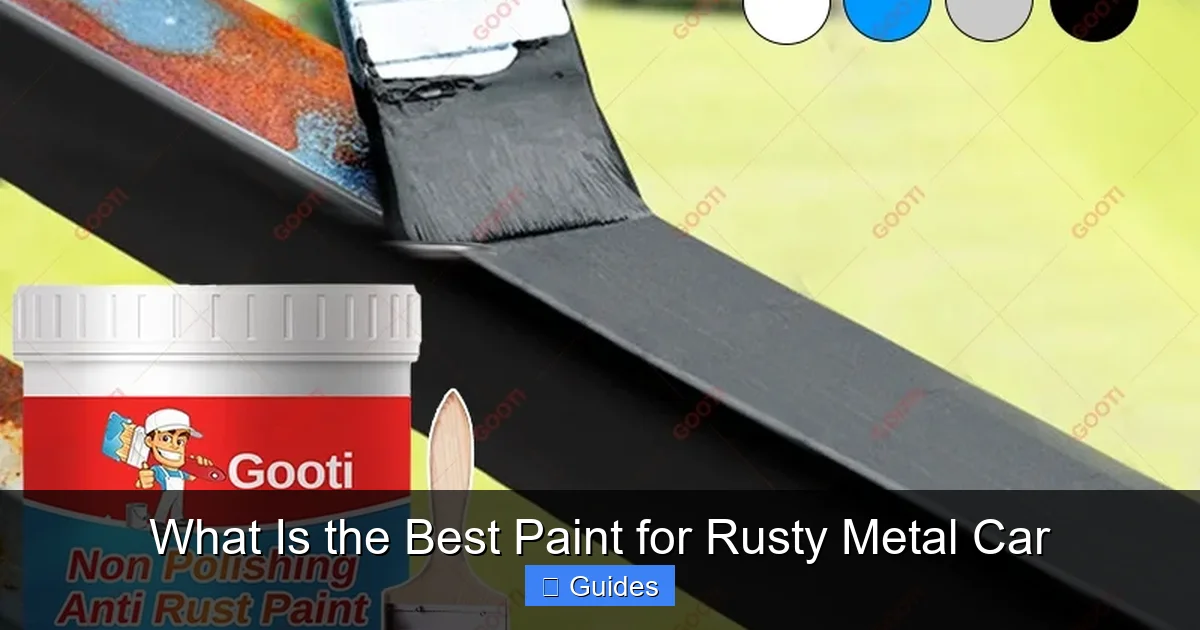
Before you even think about opening a can of paint, you must properly prepare the rusted area. Skipping this step is the number one reason rust repairs fail. Paint applied over rust will simply peel, crack, or bubble as the corrosion continues underneath.
Assess the Damage
Start by inspecting the rust spot closely. Is it surface-level flaking, or has it eaten through the metal? Use a screwdriver or pick to gently probe the area. If the metal feels soft, spongy, or has holes, you may need to cut out and weld in a new panel. For surface rust or small pits, you can usually repair it with sanding and treatment.
Remove the Rust
There are several ways to remove rust, depending on the severity and location:
– Manual tools: Use a wire brush, scraper, or sanding block for small spots. A rotary tool with a wire wheel attachment works well for tight corners.
– Power tools: An angle grinder with a flap disc or sanding pad can quickly strip rust from larger areas. Be careful not to grind too deep and weaken the metal.
– Chemical rust removers: Products like Naval Jelly or Ospho convert rust into a stable compound that can be painted over. These are great for hard-to-reach spots or delicate parts.
Always wear safety gear—gloves, goggles, and a respirator—especially when using power tools or chemicals.
Clean and Degrease
Once the rust is gone, clean the area thoroughly with a wax and grease remover or isopropyl alcohol. Any oil, dirt, or residue will prevent paint from adhering properly. Let the surface dry completely before moving on.
Sand the Surface
Use 80- to 120-grit sandpaper to feather the edges of the repair area into the surrounding paint. This creates a smooth transition and helps the new paint blend in. Wipe away dust with a tack cloth.
Proper preparation takes time, but it’s the foundation of a long-lasting repair. Rushing this step will only lead to disappointment down the road.
Top Primers for Rusty Metal: The First Line of Defense
Visual guide about What Is the Best Paint for Rusty Metal Car
Image source: thumbs.dreamstime.com
After cleaning and sanding, the next critical step is applying a high-quality primer. A good primer does more than just help paint stick—it seals the metal, blocks moisture, and inhibits future rust formation.
Epoxy Primers
Epoxy primers are widely considered the gold standard for rust prevention. They form a hard, chemical-resistant barrier that bonds tightly to metal and resists moisture, salt, and UV exposure. Brands like Rust-Oleum Professional Epoxy Primer and POR-15 are popular choices among car enthusiasts.
Epoxy primers are ideal for structural repairs, undercarriages, and areas exposed to harsh conditions. They’re typically two-part systems that require mixing before application, so follow the instructions carefully. Once cured, they provide an excellent base for topcoats.
Rust-Converting Primers
If you can’t remove all the rust (or want a quicker solution), rust-converting primers are a smart alternative. These products contain tannic acid or phosphoric acid, which chemically react with rust to form a stable, paintable surface.
Products like Rust-Oleum Rust Reformer or Eastwood Rust Encapsulator are easy to apply with a brush or spray and are great for spot repairs. However, they work best on light to moderate rust—severe pitting still requires mechanical removal.
Zinc-Rich Primers
Used primarily in industrial and marine applications, zinc-rich primers offer cathodic protection. The zinc particles sacrificially corrode before the base metal, providing long-term rust resistance. While less common for DIY car repairs, they’re excellent for high-risk areas like frame rails or suspension components.
Application Tips
– Always apply primer in thin, even coats.
– Allow proper drying time between coats (check the product label).
– Sand lightly with 320-grit paper before applying the topcoat for better adhesion.
Choosing the right primer is just as important as the paint itself. A high-quality primer can double the life of your paint job and save you from future rust headaches.
Best Paint Options for Rusty Metal Car Surfaces
Visual guide about What Is the Best Paint for Rusty Metal Car
Image source: img.freepik.com
Now for the main event: selecting the best paint for rusty metal car parts. The ideal paint should be durable, resistant to chipping and fading, and able to withstand temperature changes and road debris.
Enamel Paints
Automotive enamel paints have been a staple for decades. They’re available in both oil-based and water-based formulas and offer a hard, glossy finish. Oil-based enamels, like those from Dupli-Color or VHT, are especially tough and resist chemicals and UV rays.
Enamels are easy to apply with spray cans and dry to a smooth, professional look. They’re great for body panels, trim, and wheels. However, they can yellow over time, especially in direct sunlight, so consider a clear coat for added protection.
Urethane (Polyurethane) Paints
Urethane paints are the top choice for high-end automotive finishes. They’re more flexible than enamel, resist scratches and fading, and provide a deep, mirror-like shine. Most modern car manufacturers use urethane-based systems.
Two-part urethane paints (like PPG or DuPont) require a catalyst and careful mixing, but the results are worth it. They’re ideal for full-body restorations or areas that need maximum durability. For DIYers, aerosol urethane sprays from brands like Montana or Krylon offer a simpler alternative with excellent results.
Acrylic Paints
Acrylic automotive paints are water-based, low-odor, and easy to clean up. They dry quickly and come in a wide range of colors. While not as durable as urethane, high-quality acrylics like those from House of Kolor or Createx can still deliver a great finish for custom work or touch-ups.
Acrylics are a good choice if you’re working indoors or in a poorly ventilated area, as they emit fewer fumes. Just be sure to apply a quality clear coat to protect the finish.
Spray Paint for Rusty Metal
For quick fixes or small repairs, rust-inhibiting spray paints are a convenient option. Look for products specifically labeled for automotive use, such as Rust-Oleum Automotive Enamel or Krylon Fusion for Plastic (which also adheres well to metal).
These sprays often include built-in primers and rust inhibitors, making them a one-step solution for minor rust spots. Shake the can well and apply in light, overlapping passes to avoid drips.
Color Matching Tips
Getting the color right is essential for a seamless repair. Use your car’s VIN or paint code (usually found on a sticker inside the driver’s door jamb) to find the exact factory color. Many paint suppliers offer custom mixing services, or you can purchase pre-matched aerosol cans online.
If you’re blending the repair into existing paint, consider feathering the edges and applying a clear coat to unify the finish.
Application Techniques: Spraying vs. Brushing
How you apply the paint can make or break your repair. While brushing might seem easier, it often leaves streaks, brush marks, and uneven coverage—especially on large or curved surfaces.
Spray Application
Spraying is the preferred method for automotive paint jobs. It provides a smooth, even coat and allows for better control over thickness and texture. You can use:
– Aerosol cans: Ideal for small repairs and touch-ups. Look for cans with adjustable nozzles for precision.
– HVLP (High Volume Low Pressure) spray guns: Connected to an air compressor, these deliver a fine mist and are used by professionals and serious DIYers.
– Airless sprayers: Less common for cars but useful for large undercarriage coatings.
When spraying, work in a well-ventilated area or spray booth. Wear a respirator and cover surrounding areas with drop cloths. Apply 2–3 thin coats, allowing each to dry before the next.
Brushing and Rolling
Brushing is only recommended for very small spots or hard-to-reach areas. Use a high-quality synthetic brush and work in one direction to minimize streaks. Rolling is generally not suitable for car bodies due to texture and unevenness.
Drying and Curing
Drying time varies by product and environment. Most spray paints dry to the touch in 15–30 minutes but require 24–48 hours to fully cure. Avoid washing or waxing the car during this time.
Temperature and humidity play a big role—ideal conditions are 70–80°F (21–27°C) with low humidity. Cold or damp weather can slow drying and cause bubbling or peeling.
Protecting Your Paint Job: Clear Coats and Maintenance
Once your paint is dry, don’t skip the final step: applying a clear coat. A quality clear coat adds gloss, protects against UV rays, and seals the paint from moisture and contaminants.
Choosing a Clear Coat
Use a clear coat compatible with your paint type. For enamel or urethane paints, opt for a 2K (two-component) urethane clear like DuPont ChromaClear or PPG Deltron. These provide maximum durability and shine.
For spray paint jobs, aerosol clear coats like Rust-Oleum Clear Enamel or Krylon UV-Resistant Clear are convenient and effective. Apply 2–3 light coats, sanding lightly between layers with 1000-grit sandpaper for a mirror finish.
Polishing and Waxing
After the clear coat cures (usually 5–7 days), you can polish the surface to remove orange peel or minor imperfections. Use a dual-action polisher with a finishing compound, then apply a high-quality car wax.
Regular waxing every 3–6 months protects the paint and makes it easier to clean. It also helps prevent water spots and minor scratches.
Ongoing Maintenance
To keep rust at bay:
– Wash your car regularly, especially after driving in salt or rain.
– Dry it thoroughly, paying attention to wheel wells and undercarriage.
– Inspect for chips and scratches—touch them up immediately.
– Use undercoating or rustproofing treatments in high-risk areas.
A little maintenance goes a long way in preserving your paint job and preventing future rust.
Common Mistakes to Avoid
Even with the best products, mistakes can ruin your repair. Here are some common pitfalls to watch out for:
– Painting over rust: This is the #1 mistake. Always remove rust completely before painting.
– Skipping primer: Primer is not optional—it’s essential for adhesion and rust prevention.
– Applying thick coats: Thick paint dries slowly, traps moisture, and is prone to cracking. Use thin, even layers.
– Working in poor conditions: Dust, humidity, and cold temperatures can ruin a paint job. Choose a clean, dry, warm workspace.
– Rushing the process: Allow adequate drying and curing time between steps. Patience pays off.
Avoiding these errors will save you time, money, and frustration.
When to Call a Professional
While many rust repairs are DIY-friendly, some situations require professional help:
– Structural rust: If the frame, floor pans, or suspension mounts are compromised, a body shop should assess the damage.
– Extensive corrosion: Large areas of rust or multiple holes may need welding or panel replacement.
– Classic car restoration: Vintage vehicles often require specialized techniques and finishes best handled by experts.
If you’re unsure, consult a trusted mechanic or body shop. It’s better to invest in a professional repair than risk safety or further damage.
Final Thoughts: Choosing the Best Paint for Rusty Metal Car
Restoring a rusty car isn’t just about aesthetics—it’s about protecting your investment and ensuring your vehicle remains safe and reliable. The best paint for rusty metal car surfaces is one that’s applied over a properly prepared, primed, and sealed metal surface. Whether you choose enamel, urethane, or a rust-inhibiting spray, the key is consistency, quality, and attention to detail.
By following the steps in this guide—removing rust, applying a strong primer, using the right topcoat, and maintaining the finish—you can achieve professional-looking results at home. And with the right products and a little patience, your car can look as good as new—or even better.
Remember, rust never sleeps—but neither should your vigilance. Regular inspections and quick repairs will keep your car rust-free for years to come. So grab your tools, choose your paint, and get to work. Your car (and your wallet) will thank you.
Frequently Asked Questions
Can I paint directly over rust?
No, you should never paint directly over rust. The corrosion will continue underneath the paint, causing it to bubble, peel, or crack. Always remove rust completely before applying any coating.
What’s the best primer for rusty car metal?
Epoxy primers are considered the best for rusty metal because they form a strong, moisture-resistant barrier. Rust-converting primers are a good alternative for light rust when full removal isn’t possible.
How long does automotive paint take to dry?
Most spray paints dry to the touch in 15–30 minutes, but full curing can take 24–48 hours. Avoid washing or waxing the car until the paint is fully cured.
Can I use regular spray paint on a car?
Regular spray paint isn’t designed for automotive use and may fade, chip, or peel quickly. Always use paint specifically formulated for cars, which offers better durability and UV resistance.
Do I need a clear coat?
Yes, a clear coat protects the paint from UV rays, moisture, and scratches. It also enhances gloss and extends the life of your paint job.
How often should I wax my car after painting?
Wax your car every 3–6 months to maintain the finish and protect against environmental damage. Regular waxing also makes it easier to clean and prevents water spots.

At CarLegit, we believe information should be clear, factual, and genuinely helpful. That’s why every guide, review, and update on our website is created with care, research, and a strong focus on user experience.