

Getting weed smell out of a car isn’t just about masking odors—it’s about eliminating them at the source. With the right cleaning techniques, natural remedies, and preventive measures, you can restore your vehicle’s interior to a fresh, clean state. Whether you’re prepping for a road trip, selling your car, or just want a cleaner ride, this guide has you covered.
In This Article
- 1 Key Takeaways
- 2 📑 Table of Contents
- 3 Why Does Weed Smell Stick Around in Cars?
- 4 Step-by-Step Guide to Removing Weed Smell from Your Car
- 5 Natural Remedies to Eliminate Weed Odor
- 6 Commercial Products That Actually Work
- 7 Preventing Weed Smell in the Future
- 8 When to Call in the Professionals
- 9 Final Thoughts: A Fresh, Clean Ride Awaits
- 10 Frequently Asked Questions
Key Takeaways
- Act quickly: The sooner you clean after exposure, the easier it is to remove the smell.
- Clean all surfaces: Weed odor embeds in upholstery, carpets, vents, and even hard surfaces—don’t skip any area.
- Use odor-neutralizing products: Baking soda, activated charcoal, and enzymatic cleaners break down odor molecules instead of just covering them up.
- Ventilate your car: Open windows and run the AC or heater to circulate fresh air and expel lingering fumes.
- Replace cabin air filters: A dirty filter traps odors and recirculates them—swapping it out can make a big difference.
- Prevent future smells: Use airtight containers, smoke outside when possible, and maintain regular cleaning habits.
- Professional help may be needed: For deep-set or persistent odors, consider detailing services with ozone treatment.
📑 Table of Contents
Why Does Weed Smell Stick Around in Cars?
Weed—whether smoked, vaped, or carried—emits a strong, pungent odor that clings to surfaces like glue. Unlike food smells or mild perfumes, cannabis smoke contains volatile organic compounds (VOCs) that penetrate porous materials such as fabric seats, carpet fibers, headliners, and even plastic dashboards. These compounds don’t just sit on the surface; they embed deep into the fibers and materials, making them tough to remove with simple sprays or air fresheners.
What makes it worse is that cars are enclosed spaces with limited airflow. When you smoke inside a vehicle, the smoke circulates through the cabin, coating every nook and cranny. Even if you crack a window, the smell can linger for days or weeks—especially if the smoke has seeped into upholstery or the HVAC system. Plus, heat and humidity inside a parked car can intensify the odor over time, turning a mild scent into a persistent stench.
Understanding how weed odor behaves in a car is the first step to removing it effectively. It’s not just about covering up the smell with air fresheners—those only mask the problem temporarily. To truly get weed smell out of a car, you need to target the source: the embedded particles and oils left behind by smoke. This requires a combination of deep cleaning, odor-neutralizing agents, and proper ventilation.
Step-by-Step Guide to Removing Weed Smell from Your Car
Removing weed smell from a car is a multi-step process that involves cleaning, deodorizing, and airing out the vehicle. The key is to be thorough—skip a step, and the smell might return. Here’s a proven method that works for most cars, whether you’re dealing with a recent incident or a long-standing odor.
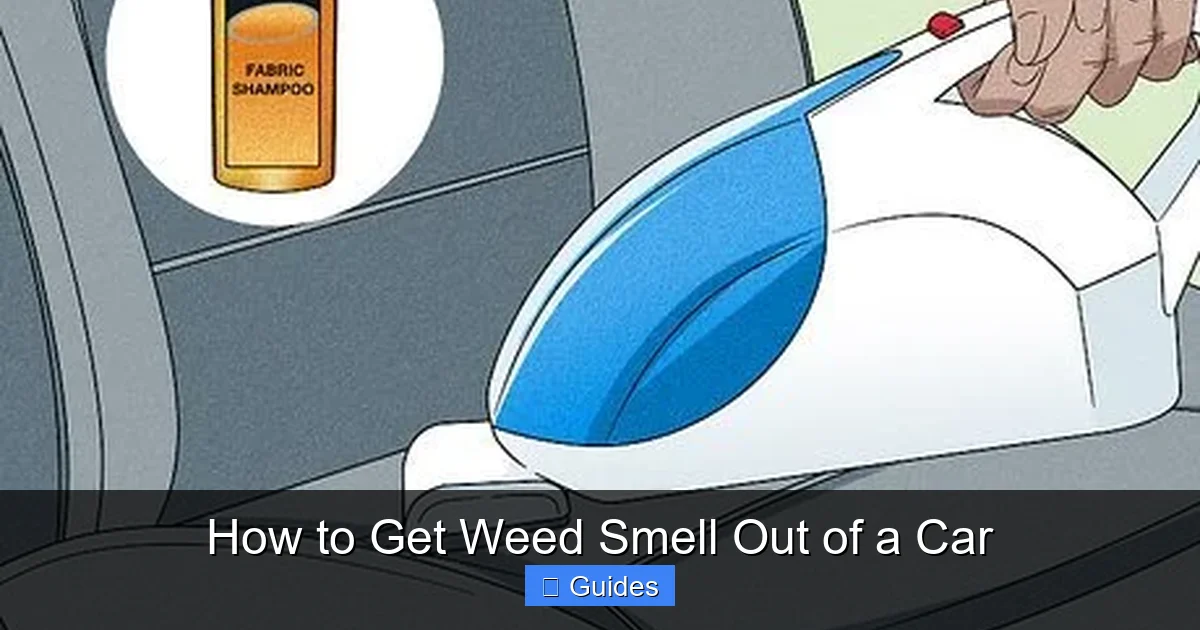
Visual guide about How to Get Weed Smell Out of a Car
Image source: wikihow.com
Step 1: Remove Trash and Personal Items
Start by clearing out your car. Take out all trash, empty bottles, old snacks, and personal belongings. These items can absorb and trap odors, making the problem worse. Check under seats, in door pockets, and in the glove compartment. Even small crumbs or forgotten items can contribute to the smell. Once everything is out, give the interior a quick visual inspection to spot any stains or residue.
Step 2: Vacuum Thoroughly
Use a powerful vacuum cleaner with upholstery and crevice attachments to clean every surface. Focus on seats, carpets, floor mats, and hard-to-reach areas like between seats and under pedals. Pay special attention to fabric seats and carpeted areas, as these absorb the most odor. If you have leather seats, wipe them down with a damp cloth first, then vacuum any dust or debris. Don’t forget the trunk—odors can travel and settle there too.
Step 3: Clean All Surfaces
Wipe down every hard surface, including the dashboard, door panels, center console, and windows. Use a mild all-purpose cleaner or a mixture of water and white vinegar (1:1 ratio). Vinegar is a natural deodorizer and helps break down odor-causing particles. For sticky residue from smoke or oils, use a bit of rubbing alcohol on a microfiber cloth. Avoid harsh chemicals that can damage surfaces or leave behind their own strong scents.
Step 4: Treat Upholstery and Carpets
This is where most of the odor hides. For fabric seats and carpets, sprinkle baking soda liberally over the surfaces. Let it sit for at least 4–6 hours—overnight is even better. Baking soda absorbs odors naturally. Afterward, vacuum it up thoroughly. For tougher smells, mix baking soda with a few drops of essential oil (like lemon or eucalyptus) for a fresh scent, but remember: the goal is neutralization, not masking.
If the smell persists, use an enzymatic cleaner designed for pet or smoke odors. These cleaners contain bacteria that break down organic compounds at a molecular level. Spray it on affected areas, let it sit according to instructions, then blot or vacuum. Avoid steam cleaners unless you’re experienced—excess moisture can lead to mold or mildew, especially in enclosed car interiors.
Step 5: Clean or Replace the Cabin Air Filter
The cabin air filter is one of the most overlooked parts of odor removal. It’s responsible for filtering air that comes into the car through the HVAC system. If it’s clogged with dust, pollen, or smoke particles, it can recirculate the weed smell every time you turn on the AC or heater. Locate your filter (usually behind the glove box or under the hood), remove it, and inspect it. If it’s dirty or smells musty, replace it with a new one. This simple step can dramatically improve air quality.
Step 6: Air Out the Car
Open all doors and windows and let the car sit in a well-ventilated area for several hours—preferably in the sun. Sunlight helps break down odor molecules, and airflow helps push out lingering fumes. If possible, run the fan on high with the windows open to circulate air through the vents. For faster results, use a fan to blow air through the cabin.
Step 7: Use Odor Absorbers
After cleaning, place odor absorbers inside the car to catch any remaining particles. Activated charcoal bags are highly effective—they absorb odors without adding fragrance. Place them under seats, in the footwells, or in the trunk. You can also use commercial odor absorbers like OdorKlenz or Zero Odor. Avoid scented air fresheners; they only cover up the smell and can mix with residual odors to create an unpleasant scent.
Natural Remedies to Eliminate Weed Odor
If you prefer eco-friendly, chemical-free solutions, there are several natural remedies that can help get weed smell out of a car. These methods are safe, affordable, and often just as effective as commercial products—especially when used correctly.

Visual guide about How to Get Weed Smell Out of a Car
Image source: wikihow.com
Baking Soda: The Odor Absorber
Baking soda is a household staple with powerful deodorizing properties. It works by neutralizing acidic and basic odor molecules, effectively eliminating smells rather than masking them. To use it, sprinkle a generous amount on seats, carpets, and floor mats. Let it sit for several hours or overnight, then vacuum thoroughly. For extra freshness, mix in a few drops of essential oil, but keep it minimal—too much fragrance can be overwhelming.
White Vinegar: The Natural Deodorizer
White vinegar is another excellent natural cleaner. Its acetic acid content breaks down odor-causing compounds and kills mildew and bacteria. Mix equal parts water and white vinegar in a spray bottle and lightly mist surfaces like seats, carpets, and hard panels. Let it sit for 10–15 minutes, then wipe or vacuum. The vinegar smell will fade quickly, leaving behind a neutral, clean scent. Avoid spraying directly on electronics or sensitive materials.
Activated Charcoal: The Odor Trap
Activated charcoal is highly porous and absorbs odors, moisture, and toxins from the air. You can buy it in bags or bulk form. Place several small bowls or sachets of activated charcoal around the car—under seats, in cup holders, or in the trunk. Leave them for 24–48 hours, then remove. Recharge the charcoal by placing it in direct sunlight for a few hours, and reuse it as needed.
Lemon and Citrus Peels: Natural Fresheners
While not as powerful as baking soda or charcoal, citrus peels can help neutralize odors and leave a fresh scent. Place lemon, orange, or grapefruit peels in a bowl and leave them in the car overnight. The natural oils in the peels release a clean, uplifting aroma. Just be sure to remove them in the morning to avoid attracting fruit flies or creating a mess.
Coffee Grounds: The Smell Masker (Use with Caution)
Some people swear by coffee grounds to absorb odors, but they’re more of a temporary fix. While they can mask the smell of weed, they don’t eliminate it. If you use coffee grounds, place them in a breathable container (like a coffee filter or mesh bag) and leave them in the car for a few hours. Remove them promptly to avoid staining surfaces or creating a new odor problem.
Commercial Products That Actually Work
When natural remedies aren’t enough, commercial odor eliminators can provide a stronger, more targeted solution. These products are specifically designed to break down smoke and organic odors at the molecular level. Here are some of the most effective options:

Visual guide about How to Get Weed Smell Out of a Car
Image source: wikihow.com
Enzymatic Cleaners
Enzymatic cleaners contain live bacteria that digest organic matter, including smoke particles, oils, and residues. Brands like Nature’s Miracle, Rocco & Roxie, and Angry Orange are popular for pet and smoke odors. Spray the cleaner on affected areas, let it sit for the recommended time (usually 10–30 minutes), then blot or vacuum. These cleaners are safe for most fabrics and won’t leave harmful residues.
Ozone Generators
Ozone generators produce ozone (O₃), a powerful oxidizer that breaks down odor molecules. They’re highly effective for eliminating stubborn weed smells, especially in cars with deep-set odors. However, they should be used with caution—ozone can be harmful to humans and pets, so the car must be vacated during treatment and aired out thoroughly afterward. Professional detailing services often offer ozone treatment as part of their odor removal packages.
Odor-Neutralizing Sprays
Look for sprays labeled as “odor neutralizers” rather than “air fresheners.” Products like Zero Odor, OdorKlenz, and Febreze Fabric (in moderation) can help eliminate smells without adding heavy perfumes. Spray them on seats, carpets, and inside the HVAC vents. For best results, use them after cleaning and vacuuming.
Car-Specific Deodorizers
Some companies make deodorizers specifically for vehicles. These often come in gel or pouch form and are designed to absorb odors over time. Brands like Car Odor Eliminator and FunkAway offer long-lasting solutions that can be placed under seats or in cup holders. They’re convenient and require no setup or cleanup.
Preventing Weed Smell in the Future
Once you’ve successfully removed the weed smell from your car, the last thing you want is for it to come back. Prevention is key—especially if you plan to smoke or transport cannabis regularly. Here are some practical tips to keep your car smelling fresh:
Smoke Outside the Car
The easiest way to prevent odor is to avoid smoking inside the vehicle altogether. Step outside, roll down a window, or use a designated smoking area. Even a few minutes of smoke can leave a lasting impression, so it’s best to keep the cabin smoke-free.
Use Airtight Containers
If you’re transporting cannabis, store it in an airtight glass or silicone container. Avoid plastic bags or loose containers that can leak odor. Keep the container in the trunk or a sealed compartment to minimize exposure to the cabin air.
Install a High-Quality Cabin Air Filter
Upgrade to a high-efficiency cabin air filter with activated carbon. These filters are designed to trap odors, pollutants, and smoke particles. Replace them every 12,000 to 15,000 miles or as recommended by your vehicle’s manufacturer.
Keep the Interior Clean
Regular cleaning prevents odors from building up. Vacuum monthly, wipe down surfaces weekly, and address spills or stains immediately. A clean car is less likely to absorb and retain smells.
Use Odor Absorbers Routinely
Keep a small bag of activated charcoal or a commercial odor absorber in your car at all times. It will continuously absorb any new odors and help maintain fresh air.
Avoid Eating or Drinking in the Car
Food and drink spills can attract bacteria and create their own odors, which can mix with weed smell and make it worse. If you must eat, use spill-proof containers and clean up immediately.
When to Call in the Professionals
Sometimes, no matter how much you clean, the weed smell just won’t go away. This usually happens when the odor has penetrated deep into the upholstery, headliner, or HVAC system. In these cases, it’s time to call in professional help.
Professional Car Detailing
Detailing services have specialized tools and products to deep-clean car interiors. They can shampoo carpets, clean vents, and treat odors with industrial-grade equipment. Many detailers offer smoke odor removal as a standalone service.
Ozone Treatment Services
As mentioned earlier, ozone treatment is one of the most effective ways to eliminate stubborn odors. Professional detailers use controlled ozone generators to sanitize the entire cabin. The process typically takes 1–2 hours, after which the car must be aired out for several hours before use.
HVAC System Cleaning
If the smell is coming from the vents, the HVAC system may need cleaning. Professionals can flush the system, clean the evaporator coil, and replace the cabin filter. This ensures that clean, odor-free air circulates through the cabin.
While professional services can be costly—ranging from $100 to $300 or more—they’re often worth it for persistent or severe odors. Plus, if you’re planning to sell your car, a professional cleaning can significantly increase its resale value.
Final Thoughts: A Fresh, Clean Ride Awaits
Getting weed smell out of a car doesn’t have to be a nightmare. With the right approach—deep cleaning, odor-neutralizing products, and proper ventilation—you can restore your vehicle to a fresh, clean state. The key is to act quickly, be thorough, and avoid masking the smell with fragrances.
Whether you’re using natural remedies like baking soda and vinegar or investing in commercial solutions like enzymatic cleaners and ozone treatment, consistency is crucial. And once the smell is gone, take steps to prevent it from returning. A clean car isn’t just more pleasant to drive—it’s also healthier for you and your passengers.
So roll up your sleeves, grab your cleaning supplies, and give your car the fresh start it deserves. With a little effort, you’ll be breathing easy in no time.
Frequently Asked Questions
How long does weed smell last in a car?
Weed smell can linger for days to weeks, depending on how deeply it has penetrated the interior. If smoke has soaked into upholstery or the HVAC system, it may take longer to eliminate—sometimes requiring professional treatment.
Can air fresheners remove weed smell?
No, air fresheners only mask the odor temporarily. They don’t eliminate the source of the smell. For long-term results, use odor-neutralizing products like baking soda, activated charcoal, or enzymatic cleaners.
Will washing the exterior help with interior odor?
Washing the exterior won’t affect interior smells. The odor is trapped inside the cabin, so focus on cleaning seats, carpets, vents, and the cabin air filter instead.
Is it safe to use vinegar in a car?
Yes, diluted white vinegar is safe for most car interiors. Mix it with water (1:1 ratio) and avoid spraying it directly on electronics or sensitive materials. The vinegar smell fades quickly after cleaning.
Can I use a steam cleaner to remove weed smell?
Steam cleaning can help, but use caution. Excess moisture can lead to mold or mildew, especially in enclosed spaces. If you do steam clean, ensure the car is thoroughly dried and aired out afterward.
Will replacing the cabin air filter really help?
Absolutely. A dirty or clogged cabin air filter traps odors and recirculates them through the HVAC system. Replacing it can significantly improve air quality and reduce lingering smells.

At CarLegit, we believe information should be clear, factual, and genuinely helpful. That’s why every guide, review, and update on our website is created with care, research, and a strong focus on user experience.