
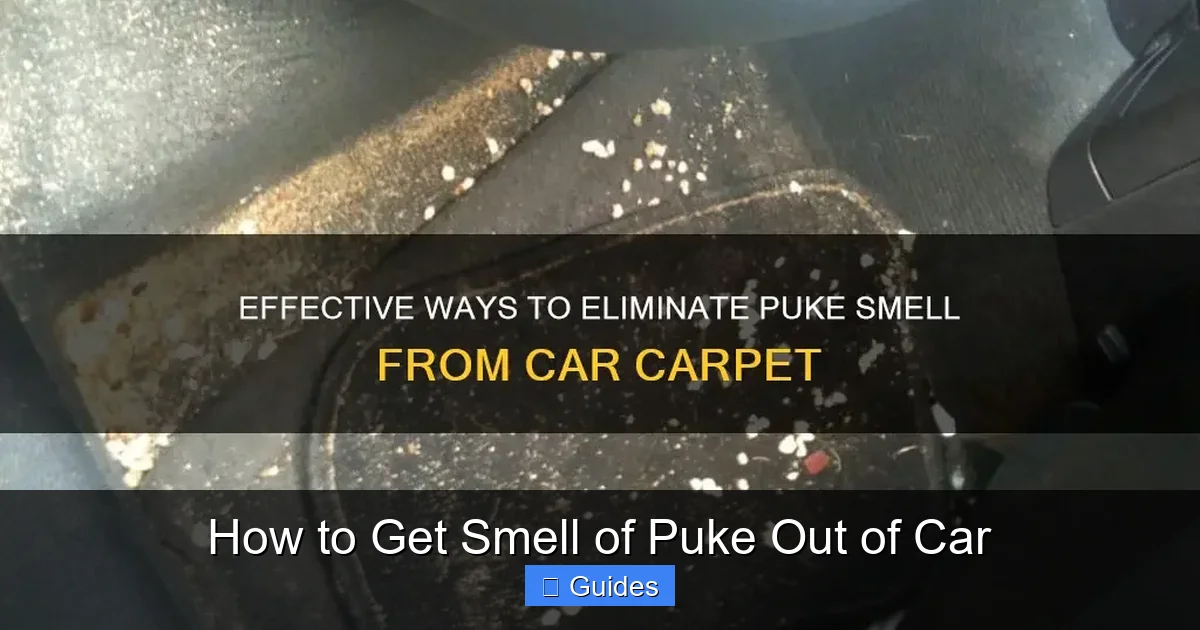
Getting the smell of puke out of your car isn’t just about masking the odor—it’s about deep cleaning and eliminating bacteria at the source. With the right tools and techniques, you can restore your car’s interior to a fresh, clean state in just a few steps.
In This Article
- 1 Key Takeaways
- 2 📑 Table of Contents
- 3 Why Puke Smell Lingers in Your Car
- 4 Immediate Steps to Take After an Incident
- 5 Deep Cleaning Methods That Actually Work
- 6 Special Considerations for Different Car Interiors
- 7 Odor Elimination and Air Freshening Strategies
- 8 Prevention Tips to Avoid Future Incidents
- 9 When to Call in the Professionals
- 10 Final Thoughts: A Fresh Start for Your Car
- 11 Frequently Asked Questions
- 11.1 How long does it take to get puke smell out of a car?
- 11.2 Can I use bleach to clean vomit in my car?
- 11.3 Will airing out the car remove the smell?
- 11.4 Can I clean vomit smell from leather seats?
- 11.5 Is it safe to use an ozone generator in my car?
- 11.6 What if the smell comes back after cleaning?
Key Takeaways
- Act quickly: The sooner you clean up vomit, the less likely the smell will set into fabrics and carpets.
- Remove solids first: Use gloves and paper towels to scoop out any solid debris before applying cleaners.
- Use enzyme-based cleaners: These break down organic matter and eliminate odor-causing bacteria effectively.
- Ventilate your car: Open windows and run the AC on high to help air out lingering smells.
- Clean all affected surfaces: Don’t forget seat belts, crevices, and under seats where residue may hide.
- Prevent future incidents: Keep a car sickness kit with wipes, bags, and air fresheners handy.
- Professional help may be needed: For severe or recurring cases, consider professional auto detailing.
📑 Table of Contents
- Why Puke Smell Lingers in Your Car
- Immediate Steps to Take After an Incident
- Deep Cleaning Methods That Actually Work
- Special Considerations for Different Car Interiors
- Odor Elimination and Air Freshening Strategies
- Prevention Tips to Avoid Future Incidents
- When to Call in the Professionals
- Final Thoughts: A Fresh Start for Your Car
Why Puke Smell Lingers in Your Car
Let’s face it—no one wants to drive around in a car that smells like last night’s dinner. But when someone gets sick in your vehicle, the aftermath can be more than just unpleasant; it can be downright stubborn. The smell of puke in a car doesn’t just disappear on its own. In fact, it can linger for days, weeks, or even months if not properly treated. Understanding why this happens is the first step to solving the problem.
Vomit contains stomach acids, bile, and partially digested food—all of which are organic compounds that break down slowly. When these substances soak into car upholstery, carpet, or floor mats, they create a breeding ground for bacteria and mold. These microbes release foul-smelling gases as they feed on the residue, which is why the odor seems to come back even after a surface clean. Additionally, car interiors are enclosed spaces with limited airflow, which traps smells and makes them harder to eliminate.
Another factor is the material of your car’s interior. Fabric seats and carpets absorb liquids more readily than leather or vinyl, making them harder to clean thoroughly. Even if you wipe the surface, moisture and bacteria can remain deep within the fibers. That’s why simply spraying air freshener or using a scented wipe won’t do the trick. You need a multi-step approach that addresses both the visible mess and the invisible odor sources.
Immediate Steps to Take After an Incident
Time is your biggest enemy when it comes to removing puke smell from your car. The longer the vomit sits, the deeper it penetrates and the harder it becomes to eliminate the odor. So, as soon as it’s safe and appropriate, take action. Here’s what to do right away.
Visual guide about How to Get Smell of Puke Out of Car
Image source: img-s-msn-com.akamaized.net
Safety First: Protect Yourself
Before you start cleaning, protect yourself. Vomit can contain bacteria, viruses, and other pathogens. Wear disposable gloves—preferably nitrile or latex—and consider wearing a mask, especially if the person who got sick had a contagious illness. If you’re cleaning up after a child or pet, be extra cautious. Open the car doors and windows to ventilate the area before you begin.
Remove Solid Debris
Use paper towels, a plastic scraper, or a disposable spoon to gently remove any solid chunks. Don’t rub or press too hard, as this can push the mess deeper into the fabric. Scoop carefully and place the waste into a sealed plastic bag. Double-bagging is a good idea to prevent leaks and contain the smell. Once you’ve removed the bulk of the material, you can move on to the liquid and stain.
Blot, Don’t Rub
For the remaining wet residue, use clean, dry paper towels or a clean cloth to blot the area. Press down firmly to absorb as much liquid as possible. Avoid rubbing, as this can spread the stain and damage the fabric. Replace the towels frequently to ensure you’re not just moving the mess around. If the vomit has soaked through to the padding beneath the carpet, you may need to lift the carpet or use a wet-dry vacuum to extract moisture.
Rinse with Cold Water
If the area is accessible and safe to wet, rinse it with cold water. Hot water can set proteins in the vomit, making the stain and smell worse. Use a spray bottle or a damp cloth to gently flush the area. Again, blot with dry towels afterward. Never soak the area excessively—too much moisture can lead to mold growth, especially in humid climates.
Deep Cleaning Methods That Actually Work
Once you’ve handled the immediate cleanup, it’s time for the deep clean. This is where most people go wrong—they stop at surface cleaning and wonder why the smell returns. To truly eliminate the odor, you need to target the bacteria and organic matter that remain embedded in your car’s interior.
Visual guide about How to Get Smell of Puke Out of Car
Image source: us-east-1.linodeobjects.com
Use an Enzyme-Based Cleaner
Enzyme cleaners are your best friend when it comes to removing puke smell from a car. These products contain live bacteria that feed on organic waste, breaking it down at a molecular level. Unlike regular cleaners that just mask odors, enzyme cleaners eliminate them at the source. Look for products specifically designed for pet accidents or biohazard cleanup—they work great on human vomit too.
To use an enzyme cleaner, follow the instructions on the label. Typically, you’ll spray it generously over the affected area, let it sit for 10–15 minutes (or longer for tough stains), and then blot or wipe it away. Some products require you to let the area air dry, while others can be rinsed. For best results, apply the cleaner to both the surface and any nearby areas that may have been splashed.
Baking Soda and Vinegar: The DIY Power Duo
If you don’t have a commercial cleaner on hand, baking soda and white vinegar are excellent natural alternatives. Start by spraying the area with undiluted white vinegar. Let it sit for 5–10 minutes to help break down the residue and kill bacteria. Then, sprinkle a generous amount of baking soda over the spot. The combination will fizz—this is normal and helps lift the stain.
After the fizzing stops, let the mixture sit for at least 30 minutes, or ideally overnight. Baking soda is a natural deodorizer and will absorb lingering odors. Once it’s dry, vacuum it up thoroughly. You may need to repeat the process if the smell persists. For extra freshness, mix a few drops of essential oil (like lemon or lavender) into the baking soda before applying.
Steam Cleaning for Tough Jobs
For deep-set odors or large areas of contamination, consider using a steam cleaner. Steam cleaning uses high-temperature vapor to sanitize and deodorize fabrics without the need for harsh chemicals. It’s especially effective on carpets, upholstery, and floor mats. Rent a portable steam cleaner from a hardware store or hire a professional if you don’t own one.
When using a steam cleaner, work in small sections and move slowly to ensure thorough cleaning. Be careful not to over-wet the area—excess moisture can damage padding and promote mold. After steaming, use fans or a wet-dry vacuum to speed up drying. Allow the car to air out with windows open for several hours, or even a full day if possible.
Special Considerations for Different Car Interiors
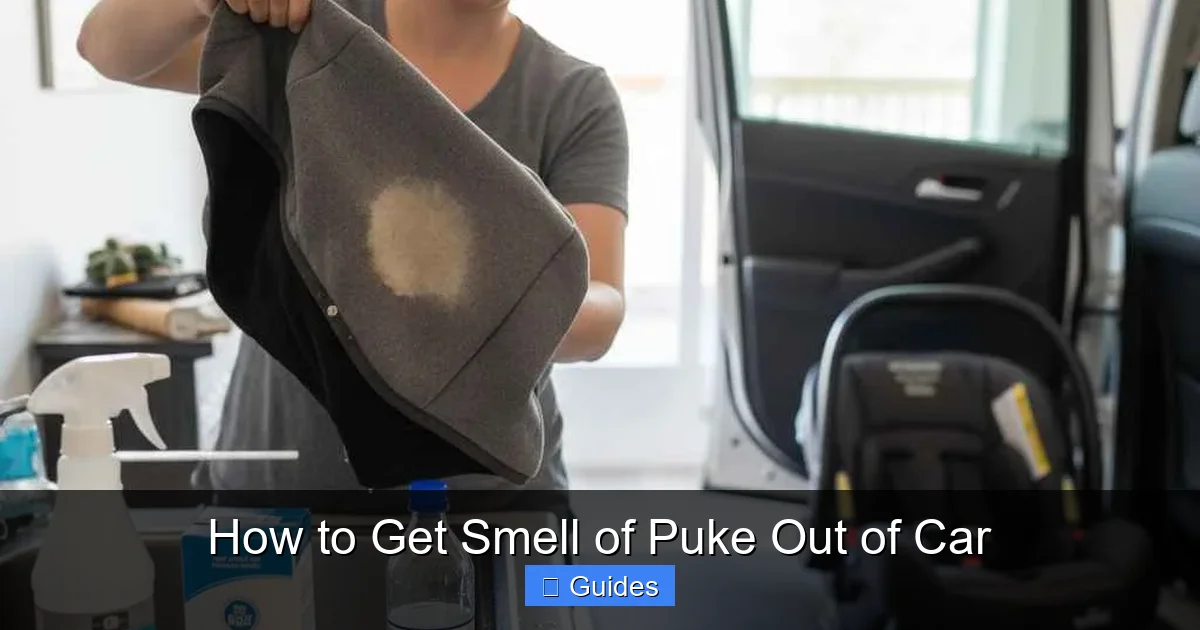
Not all car interiors are created equal. The material of your seats, carpets, and trim will affect how you clean and deodorize. Here’s how to tailor your approach based on what your car is made of.
Visual guide about How to Get Smell of Puke Out of Car
Image source: thedailyautomotive.com
Fabric and Cloth Upholstery
Fabric seats and carpets are the most challenging to clean because they absorb liquids quickly. If vomit has soaked into fabric, you’ll need to act fast and use a combination of blotting, cleaning, and drying. Enzyme cleaners and steam cleaning work best here. Avoid using too much water, as it can lead to mildew. After cleaning, use a fan or dehumidifier to dry the area completely.
For future protection, consider applying a fabric protector spray. These products create a barrier that repels liquids and makes spills easier to clean. They’re especially useful if you frequently transport children, pets, or passengers prone to motion sickness.
Leather and Vinyl Seats
Leather and vinyl are easier to clean because they don’t absorb liquids. However, vomit can still leave a smell if it seeps into seams or crevices. Start by wiping the surface with a damp cloth and mild soap. Avoid harsh chemicals that can damage the finish. For odor removal, use a leather-safe cleaner or a mixture of water and white vinegar (1:1 ratio).
After cleaning, condition the leather to prevent cracking and maintain its appearance. Vinyl seats can be treated with a protectant to restore shine and repel future stains. Always test any cleaner on a small, hidden area first to ensure it doesn’t discolor the material.
Floor Mats and Carpeting
Rubber or all-weather floor mats are the easiest to clean—just remove them, hose them down, and let them dry in the sun. For carpeted mats, follow the same steps as for fabric upholstery. If the smell persists, try sprinkling baking soda on the mats, letting it sit overnight, and then vacuuming it up.
In some cases, the carpet under the mats may be affected. If the odor is strong, you may need to lift the carpet and clean the padding beneath. This is more advanced and may require professional help, especially if the padding is soaked through.
Odor Elimination and Air Freshening Strategies
Even after a thorough cleaning, you might still notice a faint smell. That’s where odor elimination and air freshening come in. The goal isn’t to mask the odor but to neutralize it completely.
Activated Charcoal and Odor Absorbers
Activated charcoal is a powerful natural odor absorber. Place a few bowls of activated charcoal in your car and leave them for 24–48 hours. The charcoal will pull odors out of the air and surfaces. You can also use commercial odor absorbers like OdorGone or Zero Odor, which are designed for cars and safe to use on interiors.
Another option is to use silica gel packs or coffee grounds. While not as effective as charcoal, they can help reduce lingering smells. Just be sure to replace them regularly and avoid leaving food items in the car for too long.
Air Purifiers and Ozone Generators
For persistent odors, consider using a car air purifier. These devices use HEPA filters or UV light to remove airborne particles and bacteria. Some models are plug-in, while others run on batteries. They’re especially useful if someone in your household has allergies or sensitivities.
Ozone generators are another option, but they should be used with caution. Ozone can neutralize odors by breaking down odor molecules, but it’s also a lung irritant and should only be used in unoccupied vehicles. Run the generator for a short time (15–30 minutes), then air out the car thoroughly before use. Never use ozone generators around pets or children.
Natural Air Fresheners
Once the odor is gone, you can add a fresh scent to your car. Avoid synthetic air fresheners that just cover up smells—they can contain harmful chemicals. Instead, opt for natural options like essential oil diffusers, citrus peels, or homemade sprays made with water and a few drops of essential oil.
For a simple DIY air freshener, mix 1 cup of water, 1 tablespoon of rubbing alcohol, and 10–15 drops of your favorite essential oil (like peppermint, eucalyptus, or lemon) in a spray bottle. Shake well and spritz lightly in the car. The alcohol helps the scent disperse and evaporate quickly.
Prevention Tips to Avoid Future Incidents
The best way to deal with puke smell in your car is to prevent it from happening in the first place. While you can’t always predict when someone will get sick, you can take steps to minimize the risk and make cleanup easier if it does occur.
Keep a Car Sickness Kit
Assemble a small kit to keep in your glove compartment or center console. Include items like disposable gloves, plastic bags, paper towels, wet wipes, a small bottle of enzyme cleaner, and a travel-sized air freshener. If you have kids or pets, add a change of clothes and a blanket. This way, you’re prepared no matter where you are.
Use Protective Seat Covers
Invest in washable seat covers or waterproof liners. These create a barrier between passengers and your car’s upholstery, making spills and accidents much easier to clean. Look for covers that are machine washable and fit your car’s seats snugly.
Address Motion Sickness
If someone in your family is prone to car sickness, take steps to reduce nausea. Encourage them to sit in the front seat or middle of the back seat, where motion is less intense. Avoid strong smells, eat light meals before travel, and take breaks during long trips. Over-the-counter medications like Dramamine can also help, but consult a doctor first.
Regular Cleaning and Maintenance
Even without accidents, regular cleaning helps prevent odors from building up. Vacuum your car weekly, wipe down surfaces, and use a fabric refresher spray. This keeps your interior smelling fresh and makes it easier to tackle spills when they happen.
When to Call in the Professionals
Sometimes, despite your best efforts, the smell just won’t go away. This could be due to deep-set contamination, mold growth, or damage to the car’s interior. In these cases, it’s time to call in the experts.
Professional auto detailers have specialized equipment and cleaning solutions that can tackle even the toughest odors. They can steam clean carpets, shampoo upholstery, and use industrial-grade deodorizers. Many also offer ozone treatments and antimicrobial sanitizing. While it may cost $100–$300 depending on the severity, it’s often worth it for peace of mind and a truly clean car.
If the smell persists after professional cleaning, there may be a more serious issue—like a leak in the ventilation system or mold in the HVAC unit. In that case, consult a mechanic or auto HVAC specialist to inspect and repair the problem.
Final Thoughts: A Fresh Start for Your Car
Dealing with puke in your car is never fun, but it doesn’t have to be a nightmare. With the right approach, you can eliminate the smell completely and restore your vehicle to a clean, fresh state. Remember: act quickly, clean thoroughly, and don’t rely on air fresheners to do the job of real cleaning.
By following the steps outlined in this guide—from immediate cleanup to deep cleaning and prevention—you’ll be well-equipped to handle any future incidents. And with a little preparation, you can reduce the chances of it happening again. Your car is more than just a mode of transportation; it’s a space where memories are made. Keep it clean, keep it fresh, and keep it smelling great.
Frequently Asked Questions
How long does it take to get puke smell out of a car?
With proper cleaning, most odors can be eliminated within 24–48 hours. Stubborn smells may take longer, especially if the vomit soaked into padding or carpet. Deep cleaning and airing out the car are key to speeding up the process.
Can I use bleach to clean vomit in my car?
No, avoid using bleach. It can damage fabrics, discolor surfaces, and react with vomit to produce harmful fumes. Stick to enzyme cleaners, vinegar, or mild soap instead.
Will airing out the car remove the smell?
Airing out helps, but it’s not enough on its own. You need to clean the affected area first. Open windows and run the AC on high to circulate fresh air and speed up drying.
Can I clean vomit smell from leather seats?
Yes, but use a leather-safe cleaner. Avoid soaking the leather, and always condition it after cleaning to prevent drying and cracking.
Is it safe to use an ozone generator in my car?
Ozone generators can be effective but should only be used in unoccupied vehicles. Always air out the car thoroughly before use, and avoid exposure to ozone fumes.
What if the smell comes back after cleaning?
If the odor returns, it may mean the cleaning wasn’t thorough enough or mold has developed. Consider professional detailing or inspecting for hidden moisture in the upholstery or HVAC system.

At CarLegit, we believe information should be clear, factual, and genuinely helpful. That’s why every guide, review, and update on our website is created with care, research, and a strong focus on user experience.