
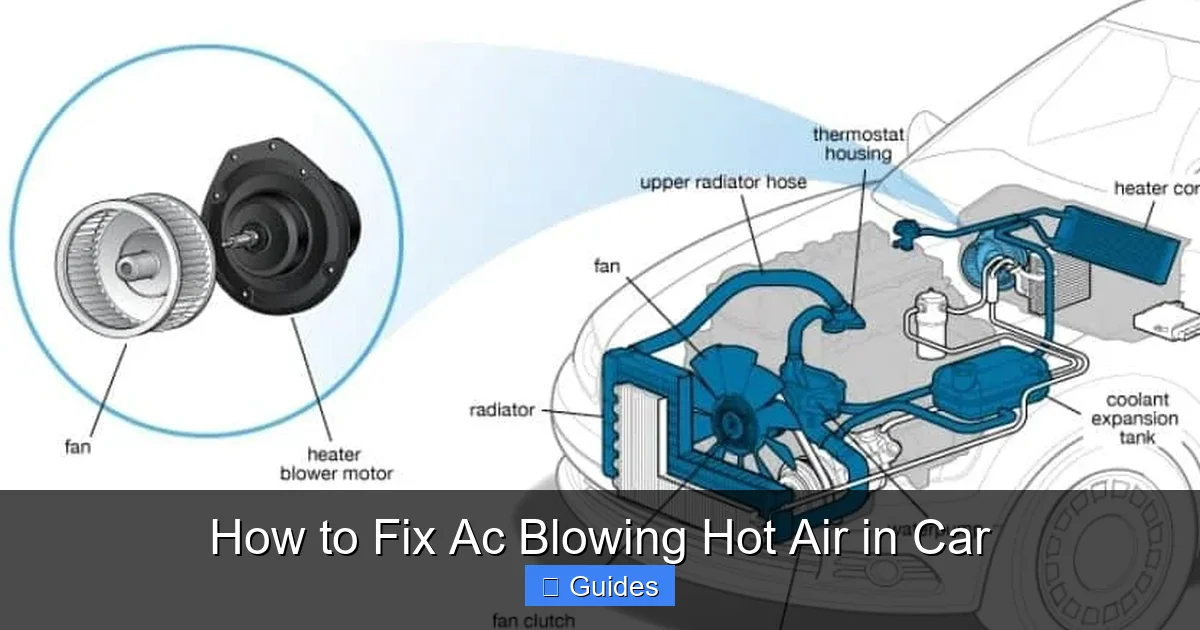
Is your car’s AC blowing hot air instead of cool relief? You’re not alone. This common issue can stem from low refrigerant, a clogged condenser, or a faulty compressor. In this guide, we’ll walk you through practical steps to diagnose and fix the problem—so you can stay cool on the road.
In This Article
- 1 Key Takeaways
- 2 📑 Table of Contents
- 3 Why Is Your Car AC Blowing Hot Air?
- 4 Common Causes of AC Blowing Hot Air
- 5 How to Diagnose the Problem
- 6 DIY Fixes You Can Try at Home
- 7 When to Call a Professional
- 8 Preventing Future AC Problems
- 9 Conclusion
- 10 Frequently Asked Questions
- 10.1 Why is my car AC blowing hot air when it’s on max cool?
- 10.2 Can I recharge my car’s AC myself?
- 10.3 How often should I replace the cabin air filter?
- 10.4 What does it mean if the AC compressor clutch isn’t spinning?
- 10.5 Is it safe to drive with the AC blowing hot air?
- 10.6 How much does it cost to fix a car AC that’s blowing hot air?
Key Takeaways
- Low refrigerant levels are the #1 cause of hot air from AC. Over time, refrigerant leaks out, reducing cooling power. Recharging the system may fix the issue.
- A clogged or dirty condenser blocks airflow. Located in front of the radiator, it needs regular cleaning to function properly.
- The AC compressor may be faulty or not engaging. Listen for clicking sounds or check if the clutch spins—if not, it could need repair or replacement.
- Electrical issues like blown fuses or bad relays can disable the AC. Always check the fuse box before assuming a major mechanical failure.
- A malfunctioning cabin air filter restricts airflow. A dirty filter forces the system to work harder and reduces cooling efficiency.
- Thermostat or temperature sensor problems can misread cabin temperature. This leads to incorrect cooling output or no cooling at all.
- Regular maintenance prevents most AC problems. Schedule annual inspections and keep components clean to avoid breakdowns.
📑 Table of Contents
Why Is Your Car AC Blowing Hot Air?
Picture this: It’s a sweltering summer afternoon, you hop into your car, crank the AC, and instead of a refreshing blast of cool air, you’re greeted with hot, stale wind. Frustrating, right? You’re not alone. Thousands of drivers face this exact problem every year. The good news? In most cases, the issue is fixable—sometimes with simple DIY steps, other times with a quick trip to a mechanic.
Your car’s air conditioning system is a complex network of components working together to cool and dehumidify the air inside your cabin. When one part fails or becomes inefficient, the entire system can suffer. The result? Hot air blowing from the vents when you need cool relief the most. Understanding why this happens is the first step toward solving it. Common culprits include low refrigerant, a faulty compressor, clogged filters, or electrical glitches. The key is diagnosing the root cause quickly so you can get back to comfortable drives.
Common Causes of AC Blowing Hot Air
Before jumping into repairs, it’s essential to understand what might be causing your AC to blow hot air. While the symptoms may seem similar—hot air from the vents—the underlying issues can vary widely. Let’s break down the most common causes so you can identify which one might be affecting your vehicle.
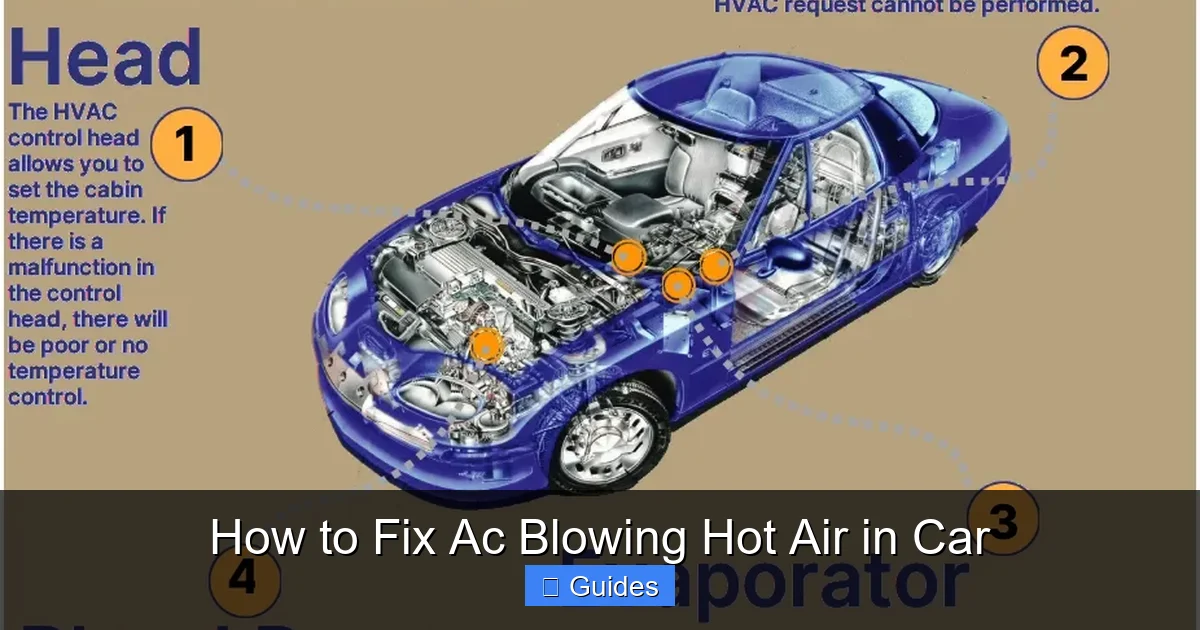
Visual guide about How to Fix Ac Blowing Hot Air in Car
Image source: autotechiq.com
Low Refrigerant Levels
Refrigerant is the lifeblood of your car’s AC system. It absorbs heat from the cabin and releases it outside, creating cool air. Over time, refrigerant can leak out due to worn seals, damaged hoses, or loose connections. When levels drop too low, the system can’t cool the air effectively, and you end up with hot air blowing from the vents.
Signs of low refrigerant include weak airflow, warm air even on max cool, and a hissing sound near the AC components. If you suspect a leak, it’s not enough to just recharge the system—you’ll need to find and fix the leak first. Otherwise, the refrigerant will just leak out again.
Faulty AC Compressor
The compressor is like the heart of the AC system. It pressurizes the refrigerant and circulates it through the system. If the compressor fails or doesn’t engage, the refrigerant won’t move, and cooling stops. You might notice the AC clutch (the pulley on the front of the compressor) not spinning when the AC is turned on. Or you might hear a clicking noise as the clutch tries and fails to engage.
Compressor failure can result from electrical issues, lack of lubrication, or internal wear. In some cases, the compressor can be repaired, but often it needs to be replaced—a job best left to professionals due to the complexity and need for specialized tools.
Clogged or Dirty Condenser
The condenser, located in front of the radiator, releases heat from the refrigerant into the outside air. If it’s clogged with dirt, bugs, or debris, airflow is restricted, and the refrigerant can’t cool down properly. This leads to reduced cooling performance or hot air blowing from the vents.
You can often see the condenser through the grille of your car. If it looks dirty or packed with leaves and grime, a gentle cleaning with a hose or compressed air might help. Avoid high-pressure washes, as they can damage the delicate fins.
Blocked or Dirty Cabin Air Filter
Many drivers forget about the cabin air filter, but it plays a crucial role in AC performance. This filter cleans the air entering your cabin and prevents dust, pollen, and debris from clogging the system. When it’s dirty or clogged, airflow is reduced, and the AC has to work harder—often resulting in warm air.
Most cabin air filters are located behind the glove box or under the dashboard. Check your owner’s manual for the exact location. Replacing a dirty filter is inexpensive and can dramatically improve cooling. Experts recommend replacing it every 12,000 to 15,000 miles or once a year.
Electrical Issues
Modern AC systems rely on a network of sensors, relays, and fuses. If any of these components fail, the AC may not turn on or may blow hot air. A blown fuse, faulty relay, or damaged wiring can prevent the compressor from receiving power, even if everything else is working.
Start by checking the fuse box. Look for the AC-related fuses and relays—your owner’s manual will show you which ones to inspect. If a fuse is blown, replace it with one of the same rating. If it blows again, there’s likely a deeper electrical issue that needs professional diagnosis.
How to Diagnose the Problem
Now that you know the common causes, it’s time to figure out what’s actually wrong with your AC. Diagnosing the issue correctly saves time, money, and frustration. Here’s a step-by-step approach to help you pinpoint the problem.
Visual guide about How to Fix Ac Blowing Hot Air in Car
Image source: storables.com
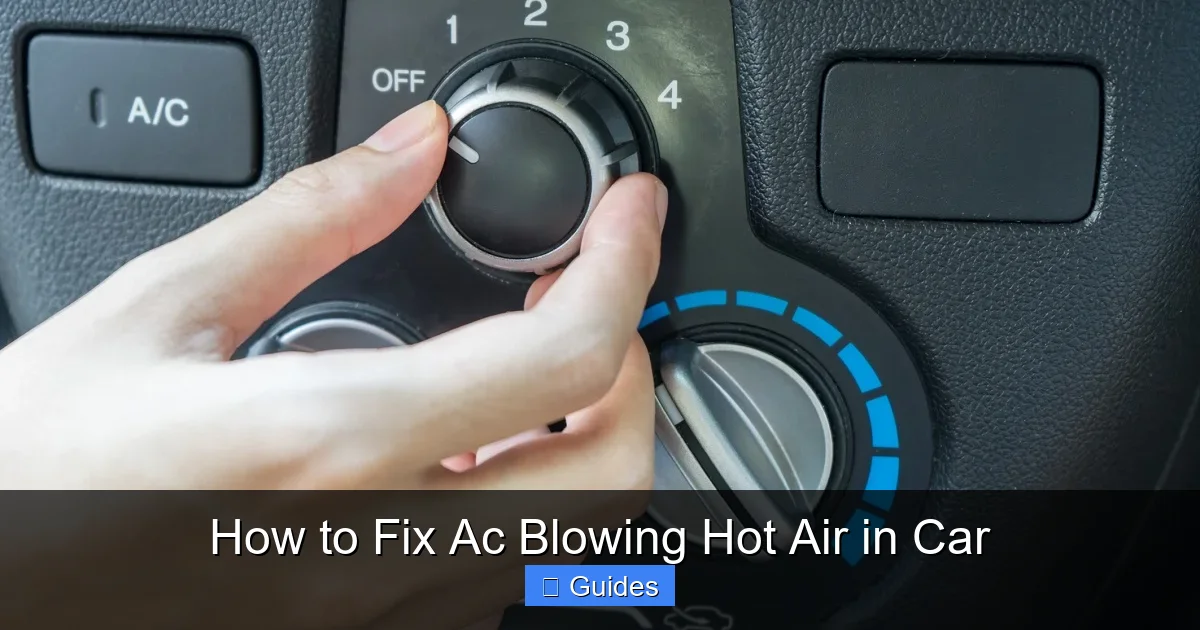
Step 1: Check the Temperature Settings
It sounds obvious, but sometimes the issue is as simple as incorrect settings. Make sure the temperature is set to the coldest setting and the fan is on high. Also, check that the AC button is actually turned on—some cars have a separate AC switch that needs to be engaged.
If the settings are correct but the air is still hot, move on to the next step.
Step 2: Inspect the Cabin Air Filter
Pop open the glove box and locate the cabin air filter. Remove it and hold it up to the light. If you can’t see through it, it’s time for a replacement. A clogged filter restricts airflow and can make the AC seem weak or ineffective.
Replacing the filter is usually a 5-minute job and costs less than $20. It’s one of the easiest and most effective fixes for poor AC performance.
Step 3: Listen for the Compressor
Turn on the AC and pop the hood. Look at the compressor—it’s usually belt-driven and has a clutch on the front. When the AC is on, the clutch should engage and start spinning. If it doesn’t move or only clicks, the compressor may not be receiving power or could be faulty.
You can also use a multimeter to check for voltage at the compressor clutch. If there’s power but the clutch isn’t engaging, the compressor likely needs repair or replacement.
Step 4: Check Refrigerant Levels
Low refrigerant is a common cause of hot air. You can buy a DIY refrigerant recharge kit from an auto parts store. These kits include a gauge and a can of refrigerant with a hose. Attach the hose to the low-pressure port (usually marked with an “L”) and check the pressure reading.
If the pressure is low, you can add refrigerant. But remember: if there’s a leak, recharging won’t fix the problem long-term. Look for oily residue around AC lines and connections—this is a sign of a refrigerant leak.
Step 5: Inspect the Condenser
Look at the condenser through the grille. Is it dirty or blocked? Use a garden hose on a low setting to gently rinse away debris. Don’t use high pressure, as it can bend the fins and reduce efficiency.
If the condenser is damaged or severely clogged, it may need professional cleaning or replacement.
Step 6: Test Electrical Components
Check the fuses and relays related to the AC system. Use your owner’s manual to locate the correct ones. Replace any blown fuses. If a relay is faulty, swap it with a similar one (like the horn relay) to test.
If the electrical system seems fine but the AC still doesn’t work, it’s time to consult a professional. There could be a sensor issue or a problem with the control module.
DIY Fixes You Can Try at Home
Many AC problems can be resolved without a trip to the mechanic. With a few tools and some patience, you can tackle several common issues yourself. Here are some DIY fixes that might get your AC blowing cool air again.
Visual guide about How to Fix Ac Blowing Hot Air in Car
Image source: cardeeply.com
Recharge the Refrigerant
If your refrigerant is low, a recharge kit can help. These kits are available at most auto parts stores and come with instructions. Make sure your engine is off and cool before starting. Locate the low-pressure port—usually on the larger aluminum line near the firewall.
Attach the hose from the recharge kit and slowly add refrigerant while monitoring the gauge. Don’t overfill—too much refrigerant can damage the system. Stop when the pressure reaches the recommended level (usually marked on the gauge).
Note: Recharging only works if there’s no major leak. If the system loses refrigerant quickly after recharging, you’ll need a professional to find and fix the leak.
Replace the Cabin Air Filter
This is one of the easiest and most effective DIY fixes. Open the glove box and look for a small panel or clips. Remove the old filter and insert a new one, making sure it’s oriented correctly. Close everything up and test the AC.
A clean filter improves airflow and can make a noticeable difference in cooling performance. It also helps keep the interior air fresh and free of allergens.
Clean the Condenser
Use a soft brush or compressed air to remove dirt and debris from the condenser fins. Be gentle—bent fins reduce efficiency. You can also use a specialized condenser cleaner spray, available at auto stores.
After cleaning, rinse with water on a low setting. Let it dry completely before driving.
Check and Replace Fuses
Locate the fuse box (usually under the dashboard or in the engine bay). Use the diagram in your owner’s manual to find the AC-related fuses. Pull them out and inspect for a broken filament. Replace any blown fuses with ones of the same amperage.
If a new fuse blows immediately, there’s likely a short circuit. Stop here and consult a mechanic.
Reset the AC System
Sometimes, the AC control module needs a reset. Turn off the car, disconnect the battery for 10–15 minutes, then reconnect it. This can clear temporary glitches and restore normal operation.
After reconnecting the battery, start the car and test the AC. If it works, great! If not, move on to more advanced diagnostics.
When to Call a Professional
While many AC issues can be fixed at home, some problems require specialized tools and expertise. Here’s when it’s time to visit a certified mechanic or AC specialist.
Persistent Refrigerant Leaks
If you recharge the system and it loses pressure again within days or weeks, there’s likely a leak. Finding and repairing leaks often requires UV dye, electronic leak detectors, or pressure testing—tools most DIYers don’t have.
A professional can locate the leak, replace damaged components, and properly recharge the system to manufacturer specifications.
Compressor Failure
Replacing an AC compressor is complex. It involves evacuating the refrigerant, removing the old compressor, installing a new one, and recharging the system. This job requires specialized equipment and knowledge of refrigerant handling laws.
Attempting this repair yourself can lead to further damage or injury. It’s best left to professionals.
Electrical or Sensor Problems
If you’ve checked fuses and relays but the AC still doesn’t work, the issue might be with the control module, temperature sensors, or wiring. These components require diagnostic tools to test and repair.
A mechanic can use an OBD2 scanner or multimeter to pinpoint the exact problem and recommend the right fix.
Strange Noises or Smells
If you hear grinding, squealing, or knocking from the AC system, or notice a burning or moldy smell, stop using the AC immediately. These could indicate serious mechanical failure or contamination.
A professional inspection can prevent further damage and ensure safe operation.
Preventing Future AC Problems
The best way to avoid AC issues is through regular maintenance. A little prevention goes a long way in keeping your system running smoothly. Here are some tips to help you stay cool all year long.
Run the AC Regularly
Even in winter, run your AC for 10–15 minutes every week. This keeps the seals lubricated and prevents them from drying out and cracking. It also helps maintain refrigerant pressure and system readiness.
Replace the Cabin Air Filter Annually
Set a reminder to check and replace your cabin air filter every 12,000 miles or once a year. A clean filter ensures optimal airflow and protects the AC components from dust and debris.
Keep the Condenser Clean
After long drives or trips through dusty areas, inspect the condenser for buildup. A quick rinse with water can prevent clogs and maintain efficiency.
Schedule Annual AC Inspections
Have a professional inspect your AC system once a year, especially before summer. They can check refrigerant levels, test components, and catch small issues before they become big problems.
Park in the Shade
Whenever possible, park in the shade or use a sunshade. This reduces the load on your AC when you start the car and helps maintain cooler interior temperatures.
Use Recirculation Mode
When cooling your car, switch to recirculation mode. This recirculates cool air inside the cabin instead of pulling in hot outside air, helping the AC cool faster and more efficiently.
Conclusion
Dealing with a car AC blowing hot air is frustrating, but it’s rarely a sign of a permanent failure. In most cases, the issue can be traced to a simple fix—like a dirty filter, low refrigerant, or a blown fuse. By understanding the common causes and following a systematic approach to diagnosis, you can often resolve the problem yourself.
Start with the basics: check your settings, inspect the cabin air filter, and listen for the compressor. If those don’t solve it, move on to checking refrigerant levels and electrical components. And remember, regular maintenance is your best defense against future breakdowns. Run your AC regularly, keep it clean, and schedule annual inspections.
When in doubt, don’t hesitate to call a professional. Some repairs, like compressor replacement or leak detection, require specialized tools and expertise. But with the right knowledge and a little effort, you can keep your car cool and comfortable—no matter how hot it gets outside.
Frequently Asked Questions
Why is my car AC blowing hot air when it’s on max cool?
This usually indicates low refrigerant, a faulty compressor, or a clogged condenser. Check the refrigerant level first, then inspect the compressor clutch and condenser for blockages.
Can I recharge my car’s AC myself?
Yes, you can use a DIY recharge kit to add refrigerant. However, if there’s a leak, recharging won’t fix the problem long-term. Always check for leaks before recharging.
How often should I replace the cabin air filter?
Replace the cabin air filter every 12,000 to 15,000 miles or once a year. A dirty filter restricts airflow and reduces AC efficiency.
What does it mean if the AC compressor clutch isn’t spinning?
If the clutch doesn’t engage, the compressor isn’t receiving power or is faulty. Check fuses, relays, and electrical connections. If those are fine, the compressor may need repair or replacement.
Is it safe to drive with the AC blowing hot air?
Yes, it’s safe to drive, but it won’t be comfortable in hot weather. Continuing to use a faulty AC can sometimes worsen the problem, so it’s best to diagnose and fix the issue soon.
How much does it cost to fix a car AC that’s blowing hot air?
Costs vary: replacing a cabin filter is under $20, recharging refrigerant is $30–$60, but compressor replacement can cost $500–$1,000. Electrical repairs fall in between, depending on the issue.

At CarLegit, we believe information should be clear, factual, and genuinely helpful. That’s why every guide, review, and update on our website is created with care, research, and a strong focus on user experience.